
Articles by Eleanor Stratton
Browse articles in Articles by Eleanor Stratton on U.S. Constitution
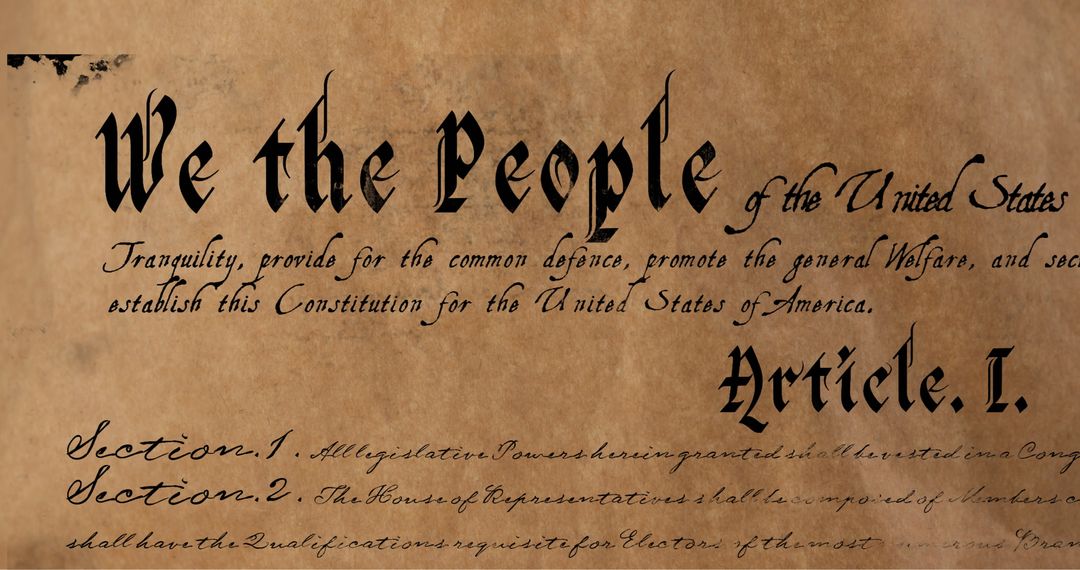
Can Noncitizens Be on Voter Rolls?
Every election cycle seems to rediscover the same unsettling sentence: noncitizens on the voter rolls . Recently, the Republican National Committee said it warned New Jersey election officials that it may sue over records it claims show noncitizens on registration lists, with a compliance deadline...
Read more →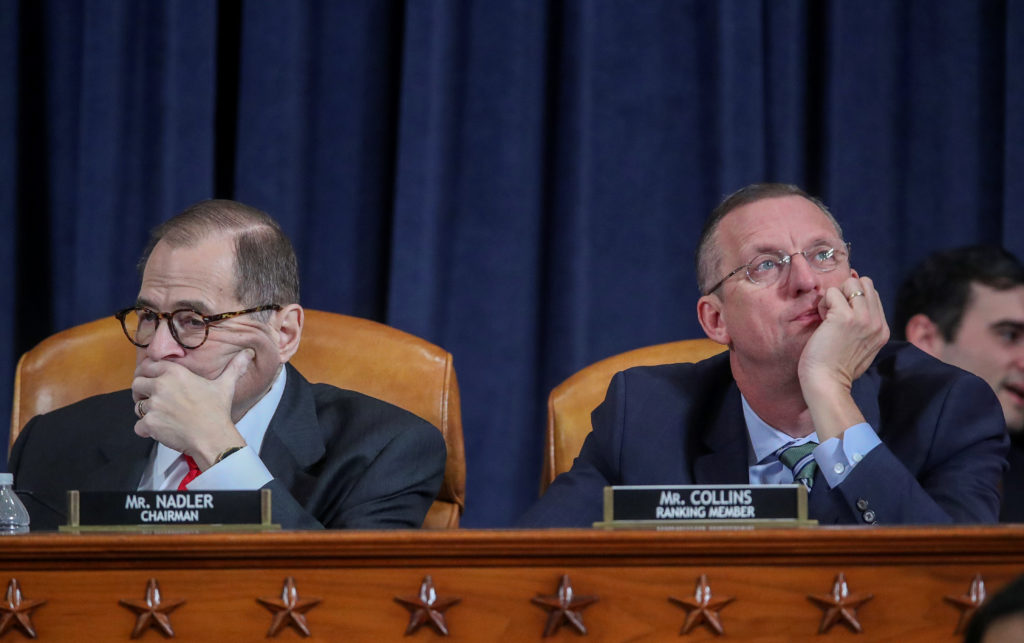
Can Congress Subpoena Sanctuary City Prosecutors?
When members of Congress threaten subpoenas, it can sound like a simple question of muscle: Can Washington summon anyone, anywhere, and demand answers? The Constitution’s real answer is both more powerful and more limited. Congress has broad investigative authority as an implied incident of Article...
Read more →
Can the President Restrict Mail-In Voting?
Mail-in voting can feel like a single national system because the envelopes look familiar and the Postal Service is federal. But constitutionally, elections are mostly not federal programs. They are state-run events with a federal overlay. That is why executive orders aimed at mail ballots often...
Read more →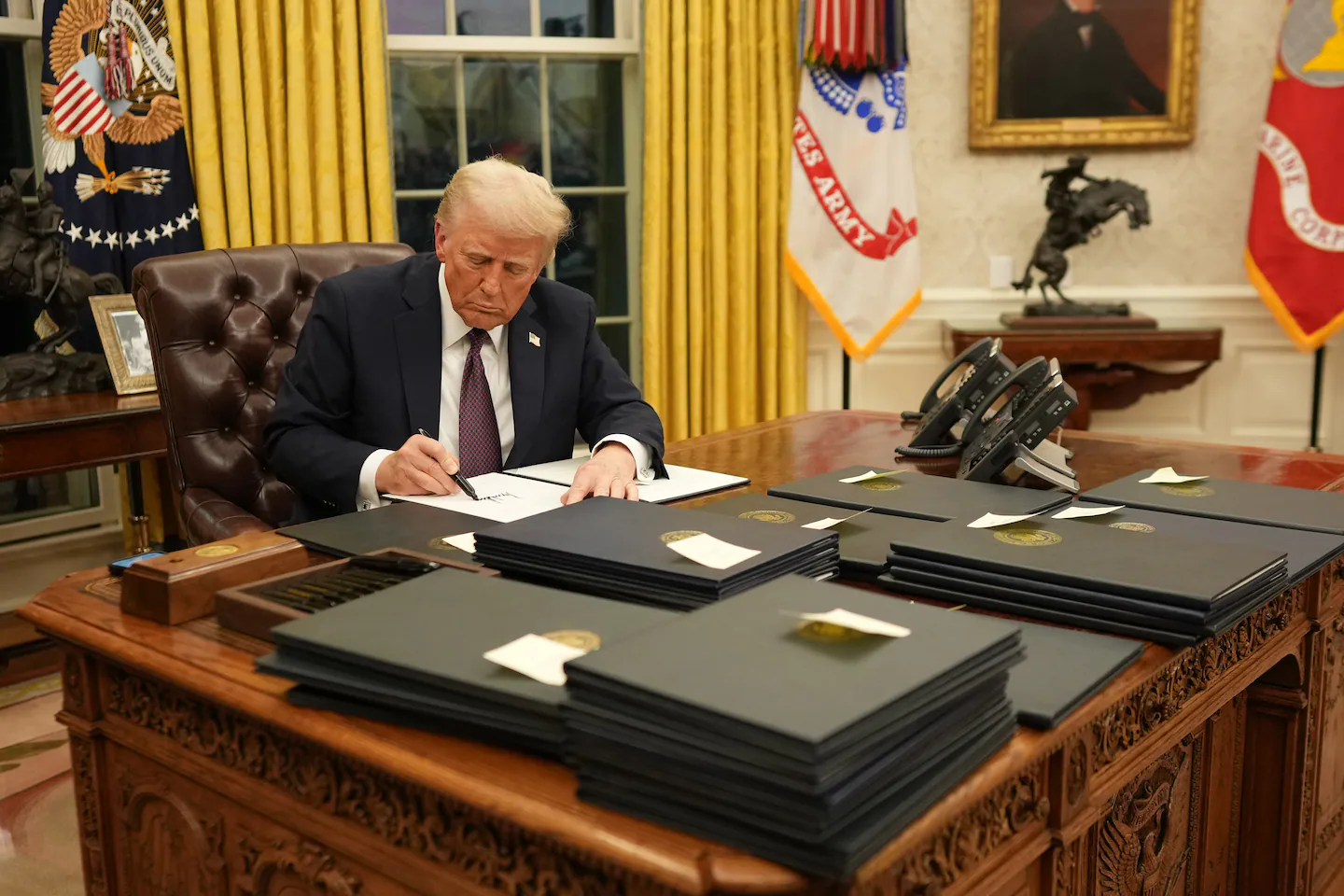
Can Trump Rename Lake Ontario With an Executive Order?
President Donald Trump signed an executive order on August 27, 2026 directing the federal government to rename Lake Ontario as “Lake America,” and he framed it as taking effect “effective immediately.” The backlash was immediate too, including Canadian diplomatic pushback and a wave of corrections...
Read more →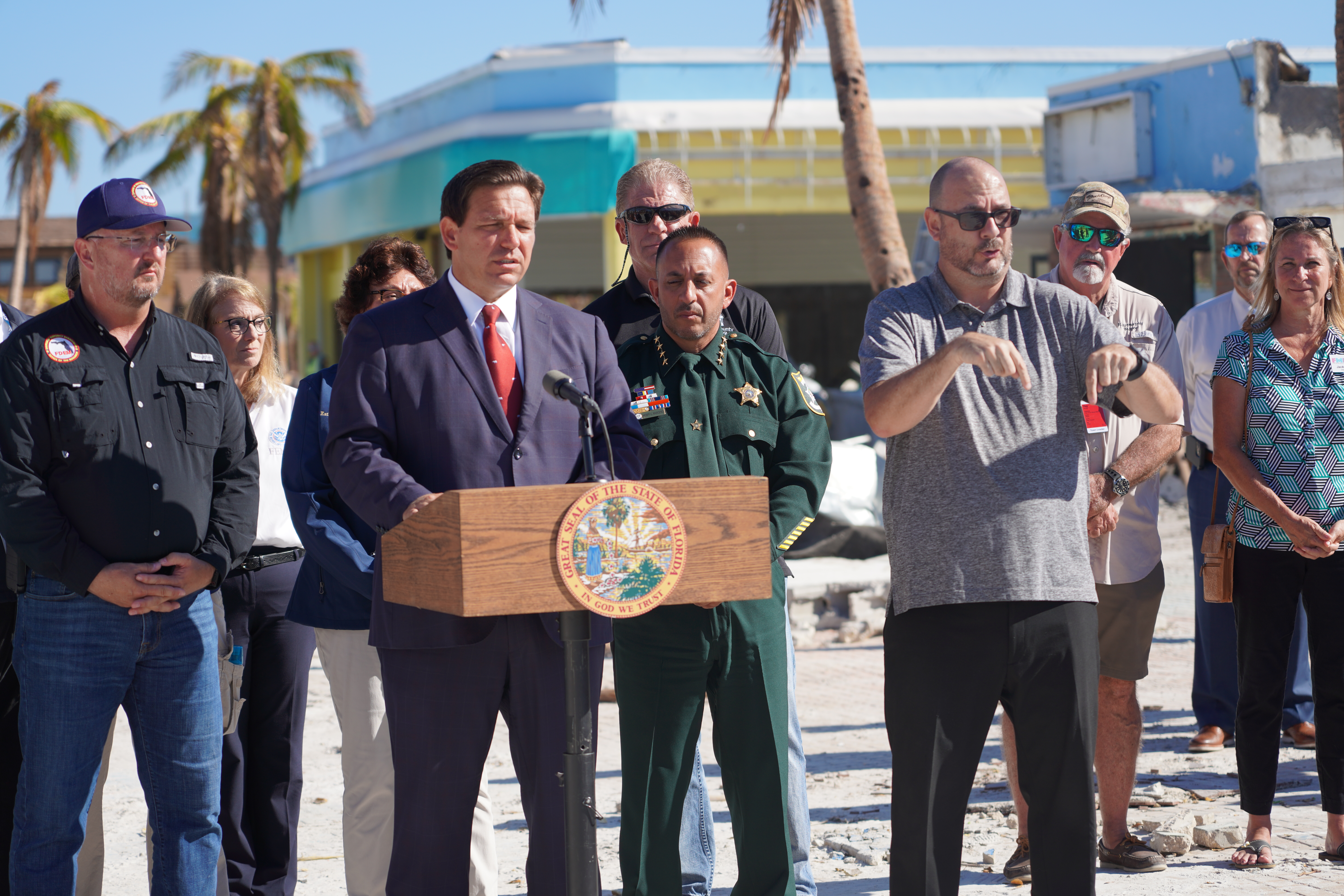
Florida Blocks TANF Cash on EBT for Tattoos, Theme Parks, Vapes, and More
Florida just drew a much brighter line around a familiar question: When the government gives cash assistance, does it get to decide what “counts” as an acceptable purchase? The state has updated the rules for its Temporary Cash Assistance (TCA) program to block recipients from using cash benefits...
Read more →
Appeals court rejects McIver’s immunity bid in ICE case
Members of Congress get real constitutional armor when they legislate. They do not get a free pass to do anything, anywhere, so long as they describe it as “oversight.” That is the basic premise behind a new federal appeals court decision declining to toss most of the criminal case against Rep....
Read more →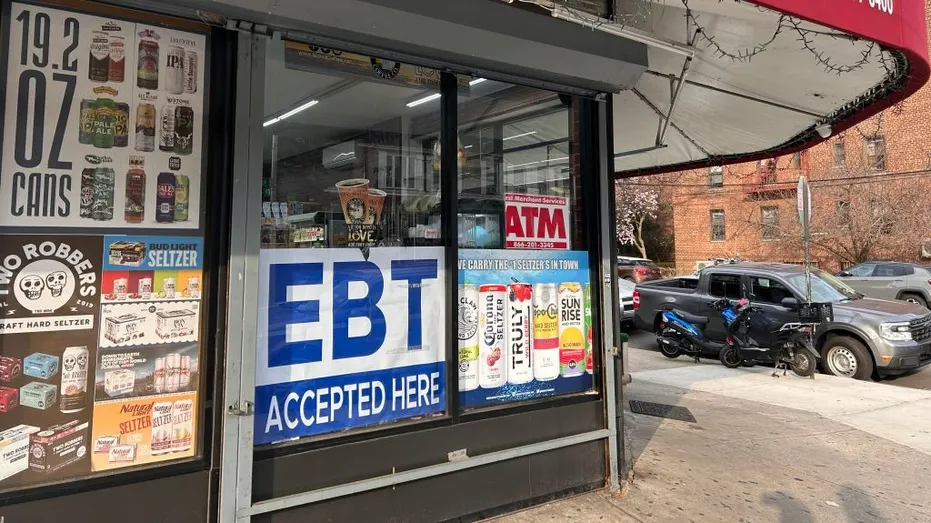
Can States Ban Welfare Cash for Tattoos, Vapes, and Video Games?
You can feel the instinct behind policies like this: if public dollars are meant to keep families afloat, the state should be able to say they cannot be used for tattoos, vapes, theme park tickets, or a new game console. But here is the necessary clarification up front: despite a lot of...
Read more →
What Power Does a State Attorney General Have Over Sheriff ICE Operations?
When immigration enforcement shows up on a county road, it can look simple: a deputy pulls a driver over, checks identity, calls ICE, and someone winds up in federal custody. But constitutionally, that one traffic stop can involve at least three governments at once: a local sheriff’s office, a...
Read more →
Can a Member of Congress Be Prosecuted? Legislative Immunity Explained
Members of Congress write laws. They investigate. They hold hearings that can damage reputations. They give speeches that ignite national arguments. So it is natural to assume they are insulated from ordinary criminal prosecution. The Constitution does give them a kind of immunity. But it is...
Read more →
3D-Printed Guns and the Law’s Cat-and-Mouse Problem
There is a familiar American rhythm to new technology. It expands individual power. Government tries to fence it in. People immediately look for the gaps in the fence. 3D-printed guns are living inside that rhythm right now. States are experimenting with a new idea: do not just punish illegal...
Read more →
Judge Denies Minnesota Bid to Keep ICE Agent Christian Castro Jailed in Texas
Minnesota asked a federal court to step in during an extradition standoff with Texas. In an emergency request, Minnesota asked a federal judge to stop Cameron County, Texas, from releasing ICE agent Christian Castro from jail while Texas decides whether to send him to Minnesota to face felony...
Read more →
Warnock’s 3-step power plan and the constitutional choke points
Sen. Raphael Warnock has sketched a three-step playbook for what Democrats should do if they claw back congressional power: investigate Southern redistricting , add new states , and push a constitutional amendment that guarantees the right to vote . It is an ambitious sequence, and it is also a...
Read more →
Georgia Redistricting Case Revived: What the Appeals Court Ruling Means
Redistricting lawsuits can feel abstract until you translate them into the question underneath them: who gets a fair chance to elect representatives, and under what rules ? On August 23, 2024, the U.S. Court of Appeals for the Eleventh Circuit sent key parts of Georgia’s 2021 redistricting...
Read more →
Supreme Court Mail-In Voting Ruling Explained: What Changes Now
Mail-in voting sounds like a simple administrative choice. Put a ballot in an envelope, mail it, count it. But when the Supreme Court issues an emergency order and a state signals more litigation, you are no longer talking about envelopes. You are talking about who gets to write the rules of...
Read more →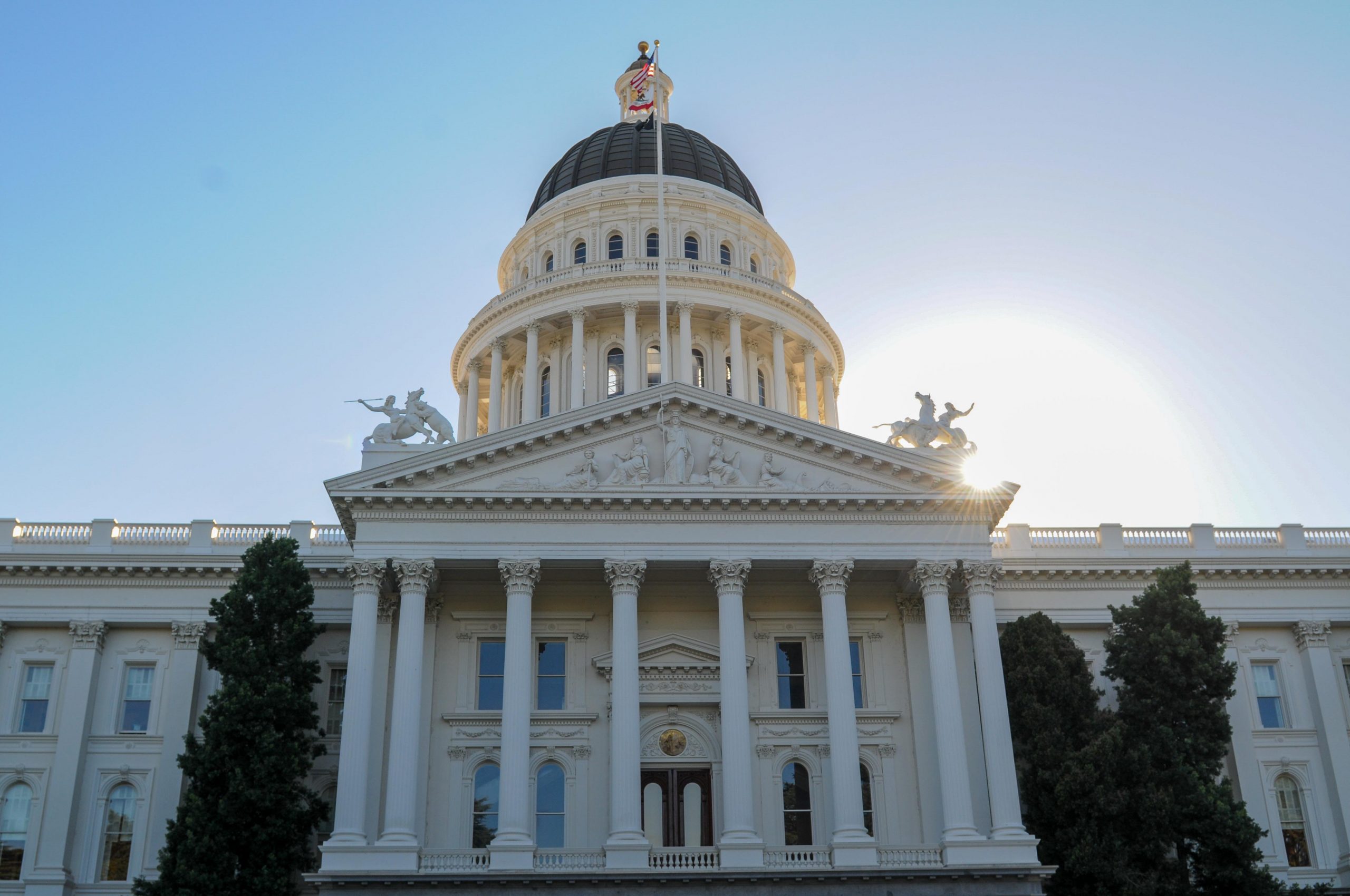
Can Sex Offenders Run for School Board? What California Law Allows
Proposals to tighten who may hold public office tend to generate loud reactions, especially when they involve schools. One version that regularly returns to state capitols, including in California, raises a blunt civic question: can a registered sex offender legally run for school board or other...
Read more →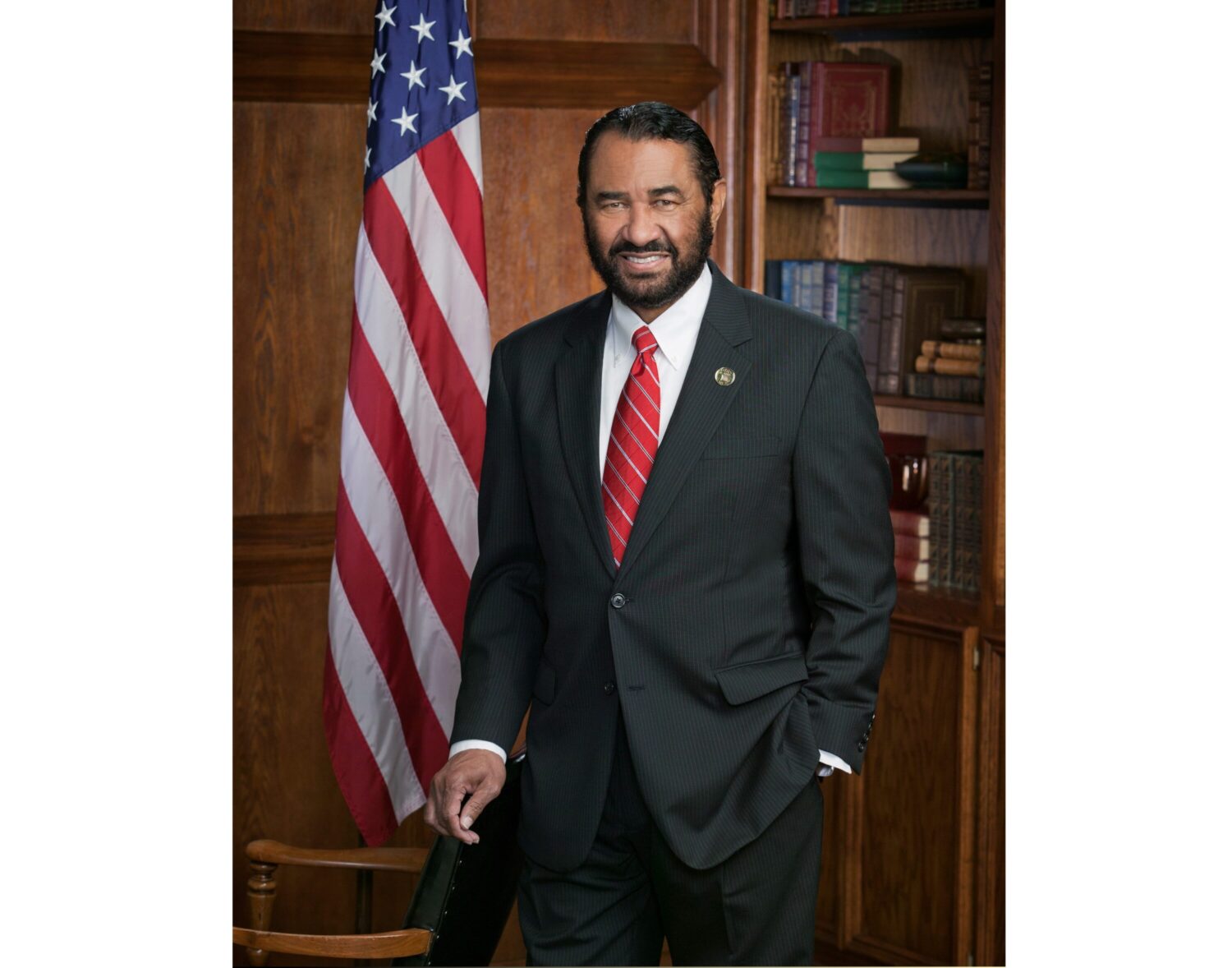
How Impeachment Works in the House: What Al Green’s New Resolution Does
When a House member files an impeachment resolution, the headlines often make it sound like the constitutional gears have already started grinding toward removal. They have not. Rep. Al Green of Texas has filed another resolution calling for the impeachment of President Donald Trump. The filing...
Read more →
Can the U.S. Revoke Visas From Asylum Seekers?
Visas feel like permission slips. You have one, you show it, you enter, you stay until the date on the stamp. But U.S. immigration law treats a visa as something narrower and more fragile: a travel document that lets you seek admission at a port of entry. Once you are inside the United States, your...
Read more →
USPS Mail-In Ballots and the New Federal Portal Fight
You can tell this dispute is not really about envelopes when the pressure point is not “fix your postage,” but “make your ballot mail match our data format.” Critics frame it that way, anyway. USPS frames it differently: as a modernization and visibility effort for election mail. The gap between...
Read more →
Trump’s “Iran Is Completely Collapsing” Post and Bessent’s Sanctions Push, Explained
When a sitting president posts “IRAN IS COMPLETELY COLLAPSING!!!” in all caps, it reads like a dispatch from the front line. That is exactly how the internet treated it on August 24, 2026: as if the United States had just received confirmation that Iran’s government was falling in real time. But...
Read more →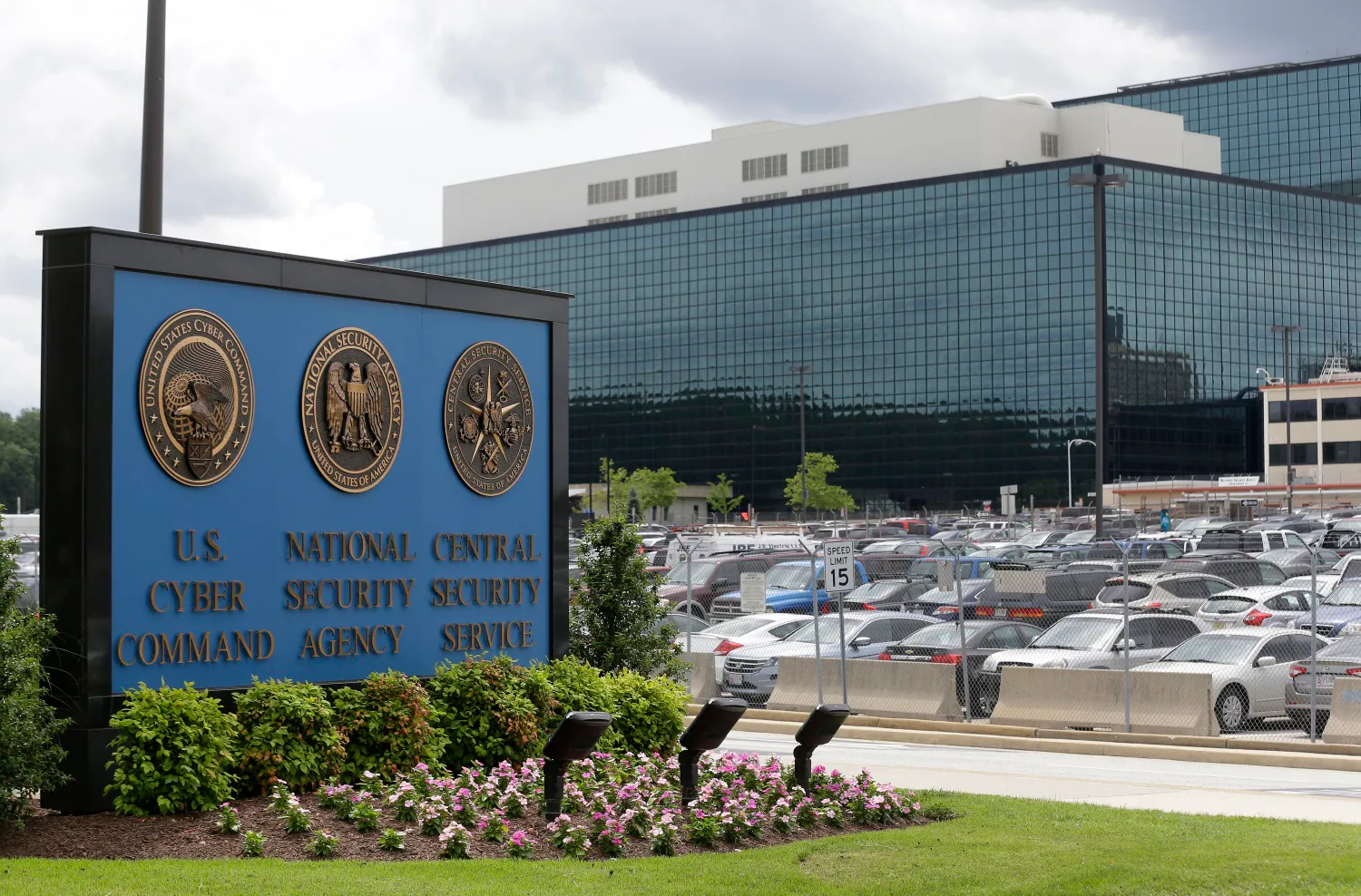
What the NSA Can and Cannot Do: Election Intelligence, Oversight, and the Constitution
When a memo or whistleblower story claims the National Security Agency sat on election-threat reporting, the instinctive question is personal: Who decided that, and are they allowed to do it? But the real answer is structural. The NSA lives inside a constitutional machine with three kinds of...
Read more →