
Americans talk about a “green card” like it is a membership badge. You either have it or you do not. But legally, the important thing is not the card. It is the status behind it.
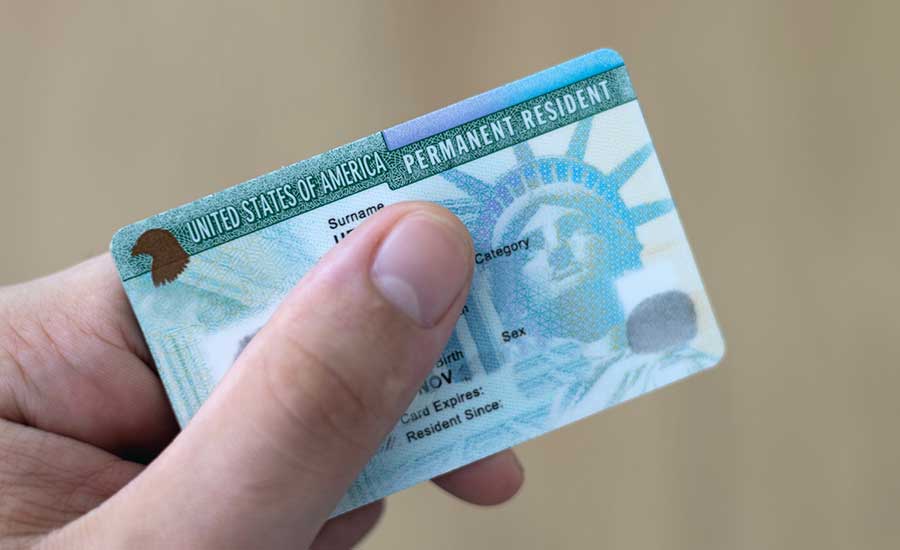
A green card is evidence that the federal government has granted you lawful permanent resident status (LPR), either by admission at a port of entry or by adjustment of status inside the United States. That status gives you a long-term right to live and work in the United States. It also comes with conditions, travel limits, and a constitutional reality: immigration authority is largely federal, and permanent residence is still not the same thing as citizenship.
Join the Discussion
Green card versus lawful permanent residence
Start with a simple distinction that matters more than most people realize:
- Lawful permanent residence is a legal status granted under federal immigration law.
- The green card is the physical proof of that status, formally called a Permanent Resident Card (Form I-551).
If your card expires, your status usually does not expire with it. You still need a valid, current card for work verification, travel, and everyday proof of identity, but the underlying legal category is what matters. One important exception is conditional permanent residence, where the status itself can end if you do not file on time to remove conditions.
There is also a separate category called conditional permanent residence, commonly tied to certain marriages and some investor cases (including EB-5). Conditional residents get a card that is typically valid for two years and must later file to remove the conditions, usually through Form I-751 (many marriage-based cases) or Form I-829 (many EB-5 cases).
What rights does a green card holder have?
Lawful permanent residents live under the same Constitution as everyone else, and many constitutional protections apply to all “persons” in the United States, not only citizens. But LPR status sits in a middle zone: more secure than a visa, less secure than citizenship.
Core rights and benefits
- Live permanently in the United States, so long as you do not abandon residence or become removable under immigration law.
- Work in the United States without needing a separate work visa.
- Own property, sign leases, start businesses, and access courts.
- Attend school, including public schools and universities. (Tuition rates and state benefits vary by state policy.)
- Receive certain public benefits if you qualify, often with waiting periods and eligibility rules that depend on program and state.
- Petition for certain relatives to immigrate, though the categories are narrower than for citizens.
Key limits people overlook
- You cannot vote in federal elections, and in most places you cannot vote in state or local elections either. Some municipalities allow noncitizen voting in limited local elections (rules vary and can change, and eligibility may be restricted).
- You are still subject to removal (deportation) for certain crimes, fraud, or immigration violations.
- You can lose LPR status by abandoning U.S. residence, among other grounds.
- Some jobs require citizenship, especially federal roles and positions tied to security clearances.
In other words, a green card is durable, but it is not absolute.
How do people get a green card?
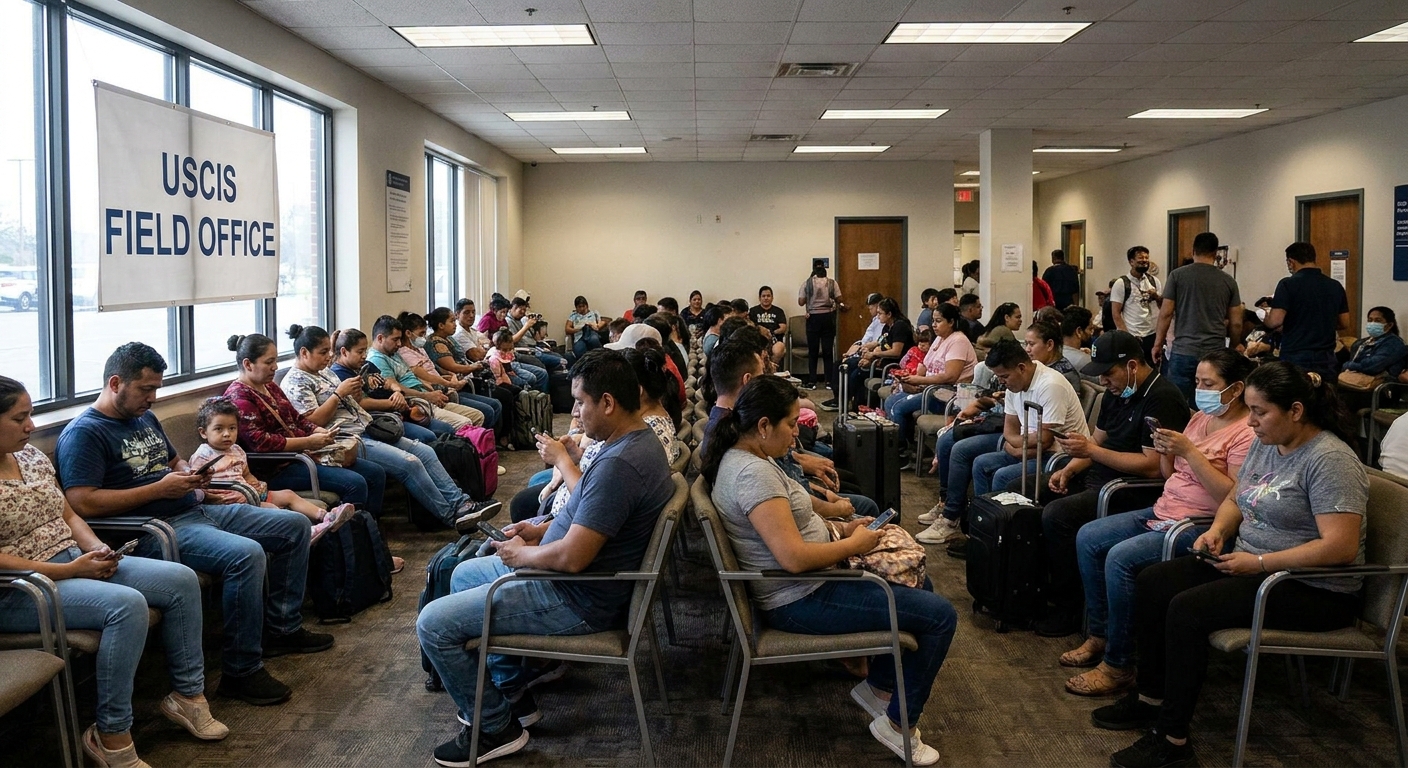
There is no single route. The United States issues green cards through several major pathways. Many of them begin with a petition, proceed through background checks and interviews, and end with either adjustment of status (if you are already in the U.S.) or consular processing (if you are applying from abroad).
Family-based pathways
Family sponsorship is one of the most common ways to become an LPR.
Immediate relatives of U.S. citizens
Spouses, unmarried children under 21, and parents of adult U.S. citizens are typically treated as “immediate relatives,” which means they are not subject to the same annual numerical caps that create long waiting lines in other categories.
Family preference categories
Other relationships, such as adult children of citizens, siblings of citizens, and spouses and unmarried children of green card holders, generally fall into preference categories with yearly limits. That is where backlogs can become years-long, depending on country of origin and category.
Two important notes:
- Marriage-based green cards can be conditional if the marriage is recent, requiring a later filing to remove conditions.
- Documentation and credibility matter. Immigration law is heavily paperwork-driven, and inconsistencies can cause delays or denials.
Employment-based pathways
Employment-based green cards generally require an employer sponsor, though some categories allow self-petitioning. The system is divided into preference categories (often called EB-1, EB-2, EB-3, and so on), with different requirements for education, ability, and job type.
Common features of employment cases
- Labor certification (PERM) is required in many cases to show there are not sufficient U.S. workers available for the position under specific wage and recruitment rules.
- Priority dates and visa bulletin backlogs can determine when someone is actually allowed to file the final green card step.
- Job changes can be complicated depending on where you are in the process.
Employment-based immigration is often misunderstood as purely merit-based. In reality, it is a blend of skills, employer demand, category limits, and the fine print of statutory caps.
Diversity Visa (DV) lottery
The Diversity Immigrant Visa program, often called the DV lottery, allocates green cards to applicants from countries with historically lower rates of immigration to the United States.
- Selection is random, but eligibility is not. Applicants must meet education or work experience requirements and pass background checks.
- Deadlines are unforgiving. Being selected does not guarantee a green card if you miss steps or if the annual numerical limits are reached.
This is one of the few pathways where the first gate is not family or an employer, but a policy choice Congress built into the immigration system.
Refugees and asylees adjusting to LPR
Refugees and people granted asylum can usually apply to become lawful permanent residents after meeting time and eligibility requirements. This is often called adjustment because the person is moving from a humanitarian protection category into permanent residence.
While refugees and asylees already have protection from return to persecution, the green card step matters because it increases stability and begins the clock toward naturalization.
Travel and residency
The most common green card panic story starts like this: “I traveled for a few months,” or “I took a job abroad,” or “I stayed with family overseas.” And then, at the airport, everything suddenly feels fragile.
LPR status assumes the United States is your primary home.
Short trips are usually fine
Many green card holders travel abroad without issue. But repeated long trips, or patterns that look like you live elsewhere, can raise questions about whether you have abandoned residence.
Long trips can create legal risk
Extended time outside the U.S. can trigger added scrutiny at entry and can also affect eligibility for citizenship later. People often hear rules like “six months” or “one year,” but the real standard is more factual than magical. Officers can look at where you live, work, pay taxes, and keep family ties.
Still, some benchmarks matter:
- Absences of six months or more can disrupt continuous residence for naturalization purposes (unless you can overcome the presumption in some cases).
- Absences of one year or more can create major reentry and citizenship-timeline problems, and can be treated as a break in continuous residence for naturalization in many situations.
Reentry permits
If you know you will be abroad for an extended period, a reentry permit may help show you intended to keep U.S. residence. It is not a universal shield, and it does not guarantee admission, but it is an important tool for some situations. It is often used for travel that could last up to two years.
If you are planning long travel, it is worth treating it like a legal decision, not just a flight booking.

How a green card can lead to citizenship
For many people, permanent residence is the bridge to naturalization, not the final stop.
Naturalization basics
Most lawful permanent residents can apply to become U.S. citizens after meeting statutory requirements, including:
- A required period of continuous residence as an LPR (often five years, or three years for many spouses of U.S. citizens who have been living in marital union with that citizen).
- Physical presence in the United States during that period.
- Good moral character under immigration law’s definitions.
- Attachment to constitutional principles, along with English and civics requirements (with exceptions and accommodations in certain cases).
This article is not a citizenship test walkthrough, but the status point is crucial: naturalization is built on the idea that an LPR has already proven long-term lawful residence and commitment to the United States as a home.
Why naturalization changes the legal ground beneath your feet
A green card gives you a powerful right to remain, but it is still a status that can be taken away under certain conditions. Citizenship, once granted, is much harder for the government to undo, although denaturalization can happen in limited situations such as fraud or certain legal defects in the original grant.
That difference is not just symbolic. It is structural. It changes how secure your place is in the American legal system.
Green card myths
Myth: “My card expired, so I am undocumented now.”
Often false. The card is proof and it needs renewal, but the underlying status generally continues unless it is rescinded or lost through abandonment or a removal process. Still, an expired card can create immediate practical problems for travel and employment verification. And for conditional residents, failure to file to remove conditions can jeopardize the status itself.
Myth: “A green card means I can stay outside the U.S. as long as I want.”
False. Permanent residence is tied to the United States as your main home. Long or repeated absences can jeopardize status and can disrupt the residency clock for citizenship.
Myth: “A green card makes me immune from deportation.”
False. Certain criminal convictions, fraud, and other violations can make an LPR removable. The details are technical and fact-dependent, which is exactly why casual advice from the internet can go badly.
Keeping LPR status
Most green card trouble is not dramatic. It is ordinary life decisions colliding with paperwork and timelines. A few practical obligations and maintenance steps matter more than people expect:
- File taxes appropriately. Many LPRs are expected to file U.S. tax returns as residents, and claiming “nonresident” status can create immigration issues in some contexts.
- Keep your address updated with USCIS, typically through Form AR-11, and do it on time.
- Carry proof of status. The law expects many noncitizens, including LPRs, to carry evidence of registration.
- Selective Service. Some male residents (depending on age and other factors) may need to register, and it can matter for citizenship later.
- Renew or replace the card when needed, often through Form I-90.
And beyond “crimes,” some of the fastest ways people jeopardize status include long absences, false claims to U.S. citizenship, and immigration fraud or misrepresentation (even if it happened years ago).
The constitutional lens
Immigration law is a place where the Constitution’s structure matters. Congress writes the statutes that define visa categories, quotas, and grounds for inadmissibility and removal. The executive branch, through agencies like USCIS, the Department of State, and CBP, administers the system case by case.
That division of power explains why green card rules can feel both stable and unstable at once. Stable, because they are grounded in statutes. Unstable, because the day-to-day reality depends on regulations, processing capacity, enforcement priorities, and court challenges over how those statutes are interpreted.
If you are about to apply
Most people ask, “How do I get a green card?” The better first question is, “Which legal category do I fit into, and what does it require?”
Because the green card is not a single door. It is a hallway of doors, each with its own keys: family relationships, job offers, humanitarian protections, lotteries, timelines, and documentary proof.
And once you walk through, the status you gain is real and valuable. It also comes with responsibilities that are easiest to meet when you understand what permanent residence actually is: a long-term legal commitment between you and the United States, written in statutes, enforced at borders, and shaped by the federal government’s constitutional powers. If your situation includes arrests, long travel, prior immigration violations, or anything that feels complicated, it is worth getting qualified legal advice early.