
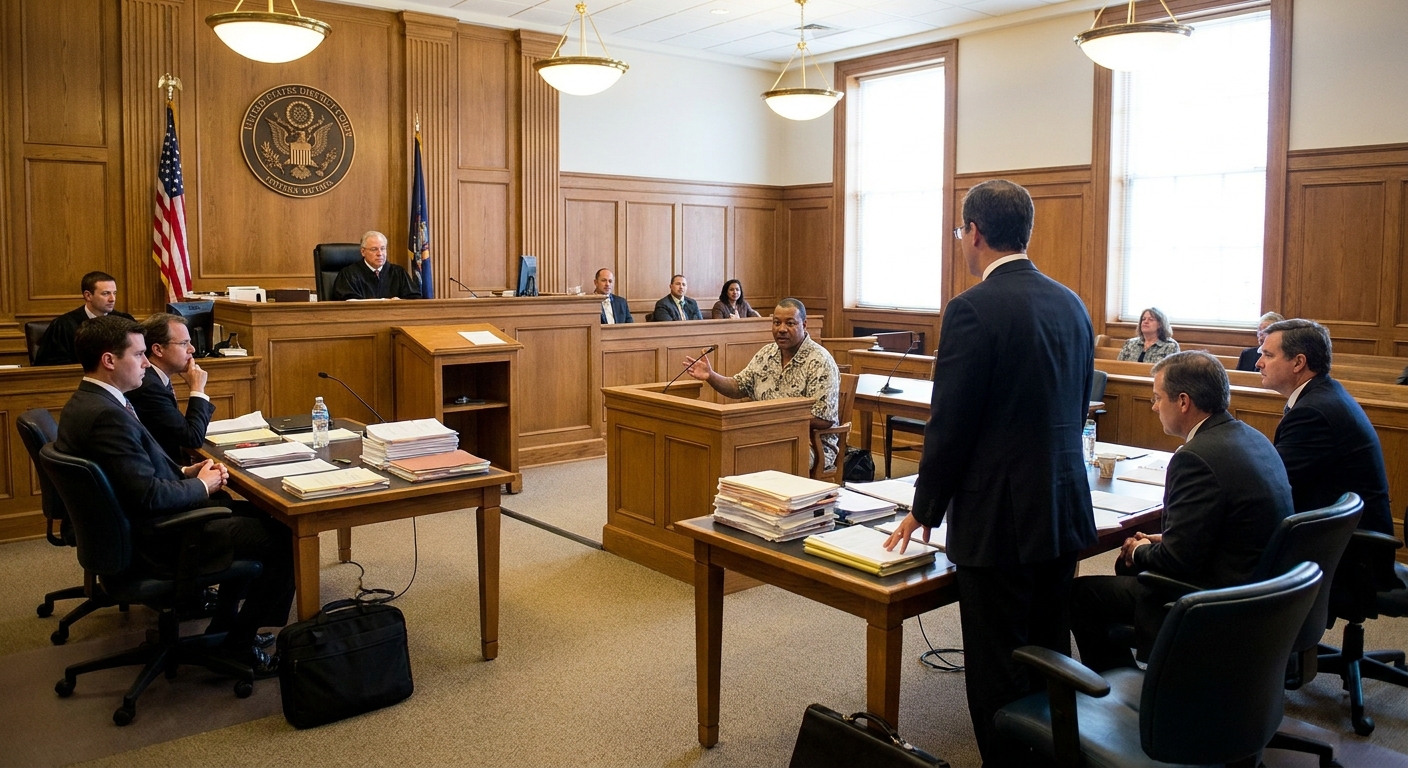
The Jencks Act is one of those federal trial rules that sounds technical until you picture it in real life: a witness points at a defendant in open court and tells the jury what happened, and the defense thinks, Have you said something different before?
The Constitution does not contain a “right to see the witness’s prior statements” clause. But federal law does create a structured moment when that access kicks in, and it is later than most people assume.
Join the Discussion
What the Jencks Act is
The Jencks Act, codified at 18 U.S.C. § 3500, governs when the prosecution must produce certain prior statements of a witness after that witness testifies on direct examination in a federal criminal case.
It is a disclosure rule with a specific purpose: fair cross-examination. If the government calls a witness, the defense is allowed to test credibility with the witness’s own prior words when those words were written down or recorded in specific ways.
The modern system also shows up in the Federal Rules of Criminal Procedure. Rule 26.2 creates a Jencks-style process for any witness who testifies on direct, not just government witnesses, and it also applies in certain pretrial proceedings through related rule cross-references. In practice, lawyers often call the defense side of that obligation “reverse Jencks,” meaning the defense may have to produce qualifying prior statements of its own non-defendant witnesses after they testify. (Rule 26.2 applies to “a witness other than the defendant,” so it does not require the defense to produce the defendant’s prior statements under this mechanism.)
When statements must be produced
The trigger is direct testimony
Jencks material is generally not required just because a witness exists or because the defense asks. The usual trigger is:
- The government calls a witness.
- The witness gives direct testimony (the prosecutor’s initial questioning).
- Then, on motion by the defense, the court orders the government to produce qualifying prior statements that relate to the testimony.
That timing is deliberate. Jencks reflects Congress’s intent to protect witness files from broad, pretrial fishing expeditions while still guaranteeing meaningful cross-examination once testimony begins.
One practical note: many courts issue scheduling orders that set a Jencks schedule (often earlier than the statute’s minimum). Parties sometimes litigate how far a court can compel early production absent agreement, but as a day-to-day matter judges frequently manage timing to keep trials moving.
“Relates to the subject matter” is the limit
Even after a witness testifies, the defense is not automatically entitled to everything the witness ever said. Jencks requires production only of statements that relate to the subject matter of the witness’s direct testimony.
What counts as a “statement”
Not every note, recollection, or investigative document qualifies. The Jencks Act defines “statement” in a narrow way. In plain terms, qualifying statements usually include:
- Written statements signed or adopted by the witness.
- Substantially verbatim recordings or transcripts of an oral statement that were recorded contemporaneously, such as a recorded interview that is later transcribed.
- Grand jury testimony by the witness.
That definition matters because it draws a line between the witness’s own words and the government’s work product. For example, an agent’s summary memo may or may not be Jencks, depending on whether it is truly “substantially verbatim” or whether the witness adopted it as their own.
How Jencks fits with discovery
Jencks is not the same as Brady
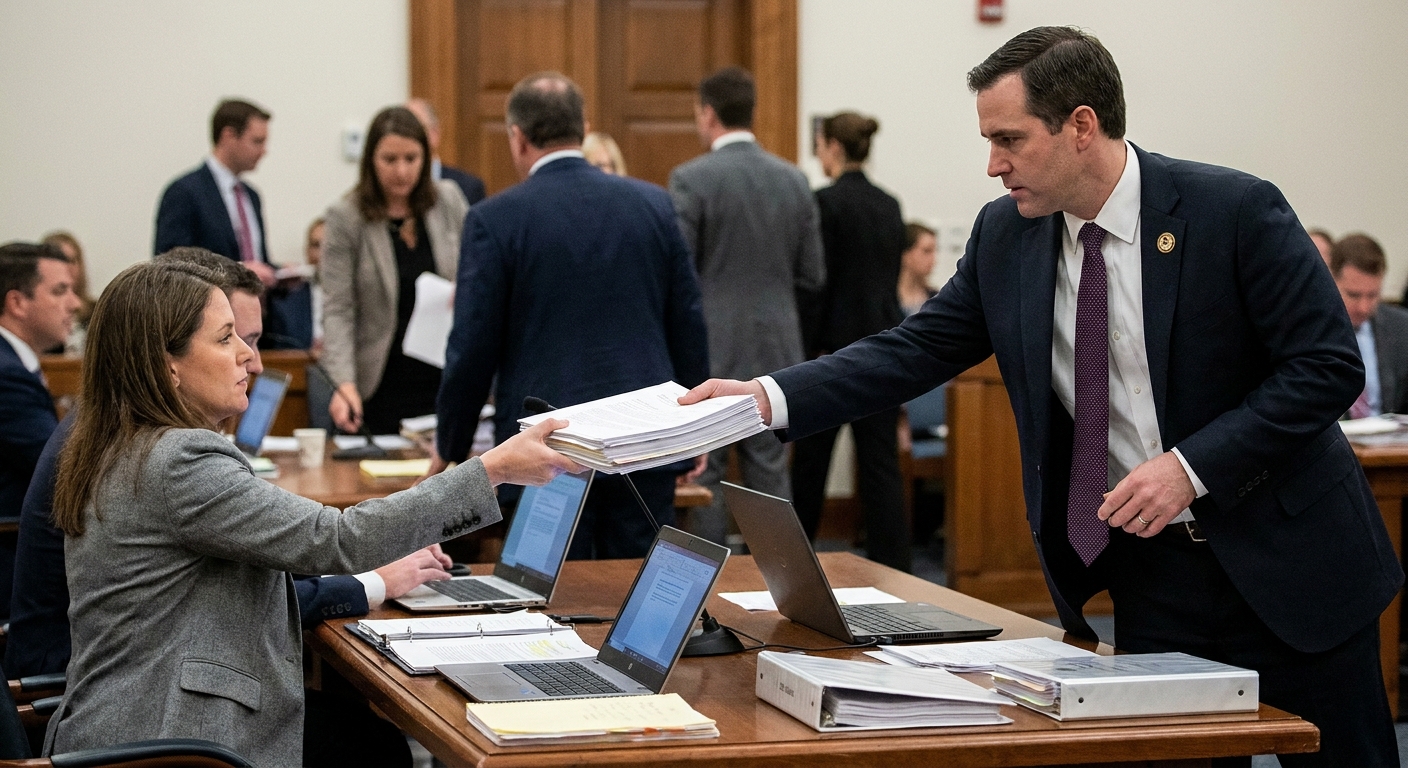
People often lump all disclosure obligations together, but federal criminal practice runs on different lanes:
- Jencks is primarily about timing after direct testimony for qualifying prior witness statements.
- Brady (and Giglio) is about the government’s constitutional duty to disclose exculpatory and impeachment evidence in time for the defense to use it effectively.
A single document can be both Jencks and Brady, for example a prior statement that contradicts the witness at trial. In that situation, prosecutors generally cannot rely on “Jencks timing” to delay disclosure past the point where it can be used effectively. Exactly what “in time” means can vary by court, but the practical idea is the same: disclosure has to come soon enough to matter.
Late by statute, managed in practice
Because Jencks is triggered after direct testimony, strict compliance can create awkward trial logistics: the witness testifies, the defense receives the statement, and then the defense needs time to review it before cross-examining.
In practice, many prosecutors produce Jencks materials earlier than the statute’s minimum schedule to keep trials moving and to avoid unnecessary recesses. Judges also use scheduling orders to reduce surprises.
Jencks is federal
The Jencks Act is a federal statute. Many states have similar rules or case law, but they are not identical. When you hear “Jencks” used in a state case, it often means “Jencks-like,” not necessarily the federal statute itself.
If a party does not comply
The statutory remedy
The Jencks Act comes with its own enforcement mechanism. If the court orders production and a party does not comply, the law provides a sharp remedy:
- If the government does not produce an ordered statement, the court must strike the witness’s testimony, and the case proceeds accordingly.
- If the defense does not produce an ordered statement for a non-defendant defense witness, the court must strike the witness’s testimony.
- If the government refuses to comply and striking the testimony is not enough to cure the prejudice, the court also has discretion to declare a mistrial if the interests of justice require it.
The logic is straightforward: if the opposing party cannot fairly cross-examine using qualifying prior statements, the testimony cannot fairly remain.
In camera review, redactions, and excisions
Disputes are common about whether something is truly a Jencks “statement” or whether it “relates” to the direct testimony. The statute also anticipates partial production: if the government claims parts are unrelated, the judge can review the material in camera (privately), excise the unrelated portions, and order production of the rest. If the defense contests excisions, the disputed material can be preserved for appellate review.
Practical consequences even without sanctions
Sometimes the practical remedy is a recess or continuance so counsel can review late-produced material. Sometimes testimony is struck. And sometimes the issue becomes an appellate argument about whether the timing or scope of disclosure harmed the defense’s ability to cross-examine, investigate, or adjust trial strategy.
A simple timeline
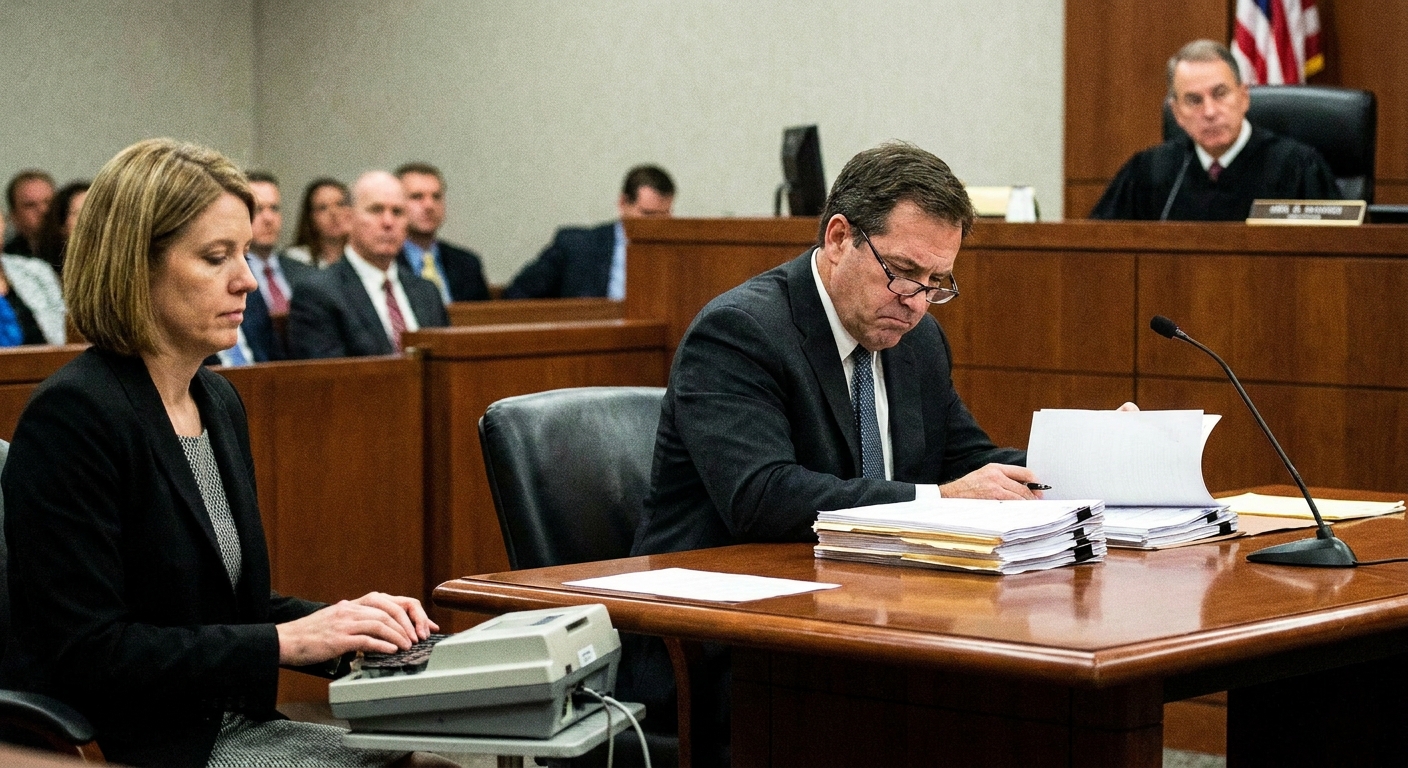
Here is what the Jencks sequence often looks like in plain English:
- Pretrial: The defense receives some discovery under Rule 16 and any Brady material that must be disclosed.
- Trial, Day 2: The government calls Witness A.
- Direct ends: The defense moves for Jencks material for Witness A.
- The court orders production: The government turns over qualifying prior statements relating to the direct testimony (often with any court-approved redactions).
- Cross-examination: The defense uses inconsistencies, omissions, or details from the prior statements to test credibility.
- If the government refuses after an order: The judge strikes Witness A’s testimony and the trial proceeds without it. In the rare case where striking is not enough to ensure fairness, the court may consider a mistrial.
Common confusion points
Testifying witnesses versus non-testifying declarants
Jencks is tied to a witness who testifies. It does not automatically cover a person whose statements come in through someone else. Different rules govern those situations. For example, when hearsay is admitted, Rule 806 can allow impeachment of the declarant, but that is not the same thing as Jencks production.
Why the Jencks Act exists
The Jencks Act reflects an uneasy compromise. Cross-examination is a constitutional cornerstone, but Congress also wanted to prevent pretrial disclosure from turning into a broad demand for government files. So it picked a specific moment: after the witness chooses to speak in court.
That is the core idea to remember. Jencks is not a general right to rummage through witness folders. It is a targeted right to obtain certain prior statements when they matter most: when a witness’s story becomes evidence in front of a jury.