
Temporary Protected Status, usually shortened to TPS, is one of those immigration tools that sits in the space between headlines and hard law. It shows up when a country hits a crisis, and it quietly reshapes real lives inside the United States.
TPS is best thought of as an emergency valve: a time-limited, country-specific protection that lets certain people already in the United States stay and work when returning home would be unsafe because of extraordinary conditions. It does not erase an immigration violation. It does not, by itself, hand you a green card. And it can end, sometimes quickly, when the executive branch decides the emergency has passed or a court allows a termination to proceed.
Join the Discussion
What TPS is
TPS is a temporary immigration status the United States can offer to eligible people from certain countries when conditions in that country make safe return difficult or impossible. Congress created TPS in the Immigration Act of 1990, and it is now codified in the Immigration and Nationality Act (INA) at section 244.
If you have TPS, the federal government generally will not remove you from the United States during the TPS period, and you can apply for work authorization. TPS does not necessarily stop the government from starting removal proceedings, and it does not protect someone from every enforcement ground. In practice, TPS functions mainly as a barrier to executing removal while TPS is valid, with important exceptions tied to criminal, security, or other disqualifying issues.
Many TPS holders can also apply for permission to travel abroad and return, though travel has legal consequences that depend on your broader immigration history.
TPS is a status, but it is not a permanent status. Think of it as a federal decision to press pause on deportations and allow lawful work for a limited group defined by nationality and dates.
How a country is designated
TPS does not apply everywhere. It applies only to countries the federal government designates. Under the INA, the Secretary of Homeland Security may designate a country for TPS after consulting with appropriate agencies, typically including the State Department. The Secretary can designate when one of these categories is met:
- Ongoing armed conflict that poses a serious threat to personal safety if people are returned.
- Environmental disaster (like an earthquake or hurricane) that substantially disrupts living conditions, where the country cannot adequately handle return.
- Other extraordinary and temporary conditions that prevent safe return, as long as designation is not contrary to the U.S. national interest. In practice, this category has sometimes been used to address major public health emergencies and similar crises.
Designation happens through a Federal Register notice. That notice matters because it sets the key dates: the registration period, the effective dates of TPS, and the “continuous residence” and “continuous physical presence” cutoffs that determine who can qualify.
TPS can be extended, redesignated (which sometimes opens eligibility to people who arrived later), or terminated. All of those actions also happen through formal notices and are frequently the subject of litigation when terminations are challenged.

Who qualifies
Eligibility is not just about where you are from. It is about timing, presence, and background rules.
1) Nationality and the notice
You must be a national of a designated country, or a person without nationality who last habitually resided in that country, and you must meet the specific requirements in the Federal Register notice.
2) Presence and residence dates
TPS uses two concepts that are easy to confuse:
- Continuous physical presence means you have been physically in the United States since a specified date, with limited exceptions for brief, innocent departures.
- Continuous residence means you have lived in the United States since a specified date, again with limited exceptions.
These dates are set by the designation notice. Arriving after the cutoff often means you cannot qualify, even if conditions in your home country are severe.
A concrete example: if a notice requires continuous physical presence in the United States since June 1, and you first entered on June 15, you are likely out of luck for that designation, even though the same crisis may be what drove you to come.
3) Registration and re-registration
You must file during the initial registration period, unless you qualify for “late initial registration” under specific rules. Late initial registration can apply in situations such as when, during the initial registration period, you had a qualifying status or a pending application for a different immigration benefit, or you were a qualifying family member of someone who did.
TPS also has re-registration windows when extensions happen. Re-registration is not optional paperwork. Missing it can put your TPS at risk even if the country remains designated.
4) Criminal and security bars
TPS has strict statutory eligibility requirements and mandatory ineligibility categories. In general, you are ineligible if you have certain criminal convictions, including:
- One felony conviction, or
- Two or more misdemeanors committed in the United States.
There are also bars tied to persecution and security-related grounds, similar in spirit to asylum bars. The details are technical, and they matter. A conviction labeled “misdemeanor” under state law is not always treated the same way under federal immigration rules.
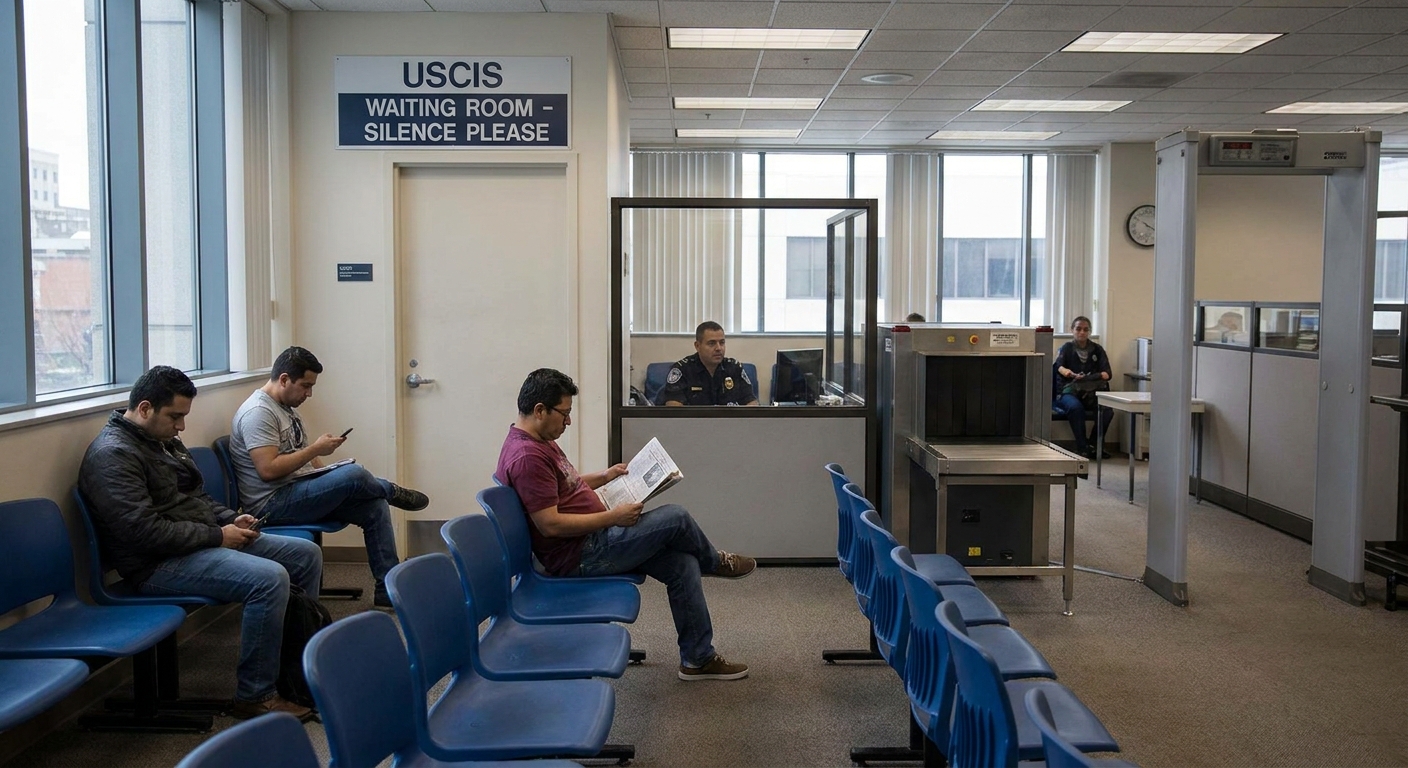
Important: TPS is not automatic. You apply to U.S. Citizenship and Immigration Services (USCIS), submit evidence, attend biometrics if required, and receive an approval or denial. Being from a TPS country does not, by itself, grant TPS.
How to apply
TPS is a legal process, not a label you pick up because your country is in the news.
- Start with the current designation: Check the USCIS TPS page and the relevant Federal Register notice for your country. The dates in the notice control eligibility.
- Core forms: Applicants typically file Form I-821 (TPS) and often Form I-765 (work authorization). Some people file Form I-765 later depending on timing and need.
- Fees and fee waivers: Fees may apply, and some applicants may qualify to request a fee waiver. USCIS instructions control what is available and what evidence is needed.
- Evidence basics: Expect to document identity and nationality, and to show you meet the required U.S. presence and residence dates.
TPS is generally for people already present in the United States by the required dates. It is not something most people can apply for from abroad, and it is not a program that brings new applicants into the country.
What TPS gives you
TPS is powerful, but narrow. The two central protections are:
- Protection from removal during the TPS period, meaning the government generally will not deport you based solely on immigration status while TPS is valid.
- Eligibility for work authorization by applying for an Employment Authorization Document (EAD).
TPS can also support practical stability: the ability to work legally, obtain a Social Security number (in many cases), and in some states qualify for certain driver’s licenses, depending on state law.
Travel permission (and why it is complicated)
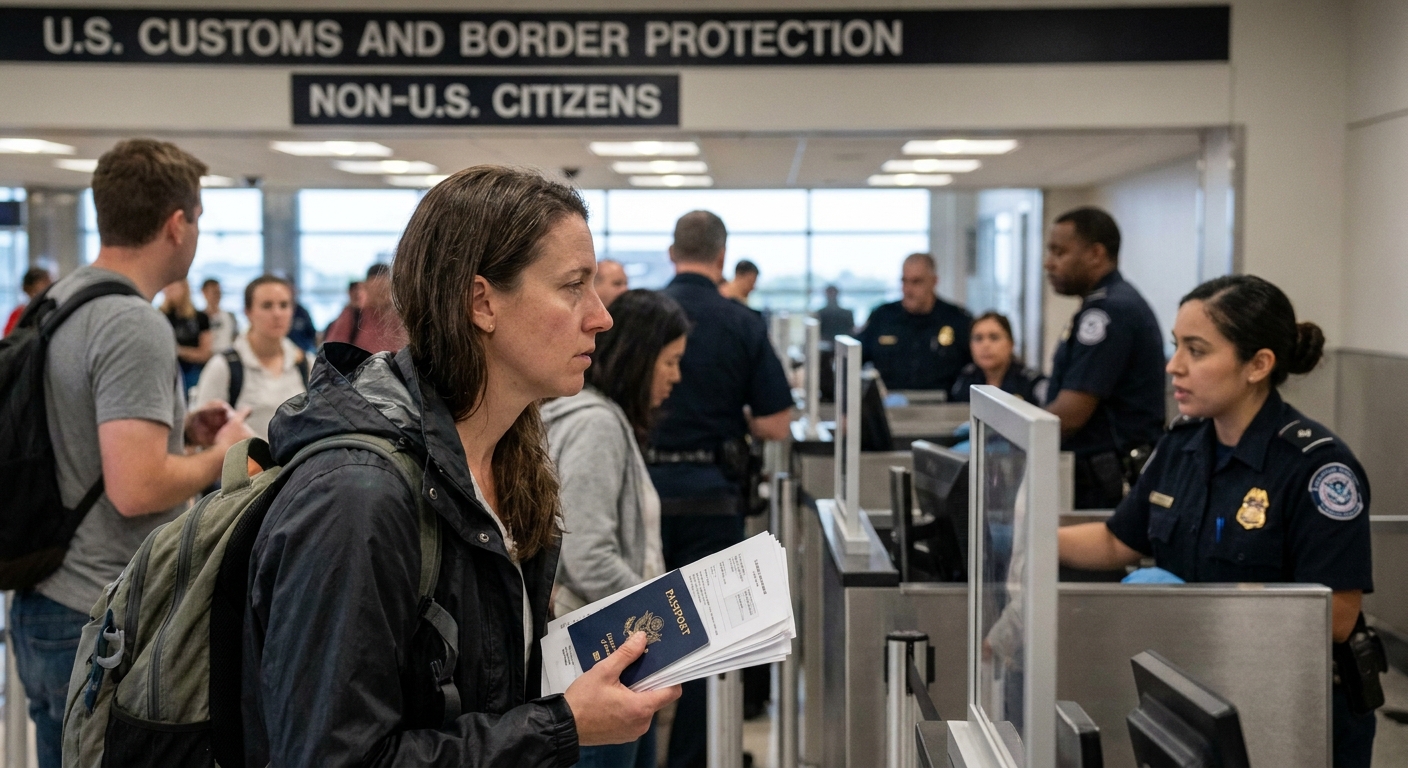
TPS holders may be able to request permission to travel and return. The name and mechanics of TPS-related travel documentation have shifted over time, and the practical consequences can be high-stakes.
Travel can intersect with unlawful presence, prior removal orders, and questions about whether someone is considered “admitted” or “paroled” for other immigration benefits. The rules and outcomes can be jurisdiction-dependent and fact-specific, and agency policies can change.
If you are thinking about travel while on TPS, do not treat it as a routine vacation decision. It is a legal strategy decision. Check current USCIS guidance and consider getting individualized legal advice before you go.
What TPS does not do
This is the part that clears up most confusion. TPS is not designed as a reward. It is a temporary humanitarian protection tool.
- TPS is not a green card. It does not make you a lawful permanent resident.
- TPS is not citizenship. It does not naturalize you, and it does not put you “in line” for citizenship by itself.
- TPS does not automatically lead to permanent status. Some TPS holders later obtain green cards through other routes, but those routes come from separate laws.
- TPS does not automatically protect you from every immigration problem. If you are otherwise removable (for example, certain criminal grounds), TPS may not shield you, and DHS can still pursue enforcement in appropriate cases.
TPS is best understood as a temporary legal umbrella. It can keep you from being forced back into a crisis. It does not, on its own, change who you are under immigration law once the umbrella closes.
TPS and removal
When TPS is granted, DHS generally will not remove you while TPS is valid, and immigration judges typically recognize TPS as a barrier to executing removal during the TPS period. But there are crucial limits:
- TPS does not automatically cancel a prior removal order. Many people have TPS while also having an outstanding removal order that can become executable again if TPS ends.
- TPS does not erase unlawful entry or unlawful presence. Those facts can still matter later for other applications.
- If TPS ends, the government’s prior authority to remove can return. Some people will have other lawful status by then. Others will not.
This is why TPS terminations matter so much. Ending TPS can convert a long period of stability into immediate vulnerability, not because something new happened to the person, but because the legal pause expired.
TPS and other options
TPS often overlaps with other immigration pathways. That overlap is where people get traction, and where they also get trapped by bad assumptions.
Asylum and withholding
Asylum is an individualized protection based on persecution or fear of persecution. TPS is group-based and tied to country conditions. A person can have TPS and still apply for asylum, but asylum has deadlines and legal standards TPS does not.
Adjustment of status
Some TPS holders can become permanent residents through family-based or employment-based immigration, but TPS alone is not enough. Whether a TPS holder can adjust status depends on factors like:
- Whether they were “inspected and admitted or paroled” into the U.S.
- Whether they are eligible under the specific green card category.
- Bars and waivers that may apply based on unlawful presence or other history.
One key legal anchor here is Sanchez v. Mayorkas (2021), where the Supreme Court held that TPS does not count as an “admission” for adjustment of status purposes.
At the same time, some TPS holders pursue other strategies that involve travel authorization and parole concepts, and the effect of those steps can be complex and fact-specific. This is an area where current USCIS guidance, circuit law, and individual history can change the outcome. It is worth getting legal review before making a move you cannot undo.
DACA, parole, and other tools
TPS can coexist with other discretionary programs or benefits, but each program has its own statutory and regulatory logic. Mixing them without a plan can create unintended consequences. The safest rule of thumb is the least satisfying one: immigration benefits do not stack like coupons. They interact like wiring. One change can affect the whole circuit.
Who controls TPS
TPS is a clear example of how immigration law lives in the tension between Congress writing the framework and the executive branch controlling the switch.
Congress
Congress created TPS and wrote the eligibility categories, the bars, and the basic structure. Congress could also amend the law to create a direct path from TPS to permanent residence, or to limit the executive’s termination authority. It has debated versions of these ideas for years, with uneven results.
The executive branch
The Secretary of Homeland Security decides whether to designate, extend, redesignate, or terminate TPS for a country. That is enormous discretion within statutory boundaries, and it makes TPS inherently sensitive to changes in administration.
The courts
Federal courts sometimes intervene, especially when terminations are challenged as unlawful under administrative law. Courts do not typically choose TPS countries themselves. They decide whether the executive followed the rules when making and explaining its decision.
This institutional split is why TPS can feel stable for decades and then suddenly feel fragile. The legal status may be real, but the political foundation beneath it is often temporary too.

Common misconceptions
TPS confusion is not just semantic. It changes what people do with their lives.
- “TPS means I am legal forever.” TPS is lawful status for a limited period, and it can end.
- “TPS means I can travel freely.” Travel usually requires prior permission and can trigger complex consequences.
- “TPS means I am on a path to citizenship.” A path can exist, but it comes from another provision of law, not from TPS itself.
- “If my country is designated, my relatives can come.” TPS generally applies to people already in the United States by certain dates. It is not a refugee admissions program.
If you want a single sentence to hold onto, make it this: TPS is protection from removal and access to work authorization for eligible people from designated countries, for a limited time.
Why TPS shows up in civics
The Constitution does not mention TPS. Immigration power is an implied and statutory system built around Congress’s authority to establish a “uniform Rule of Naturalization” and the federal government’s broader sovereign power over borders and foreign affairs. TPS sits inside that reality: Congress created it, the executive operates it, and courts police the process.
That structure is the civics lesson. TPS is not a constitutional right. It is a statutory protection that can be expanded, narrowed, extended, or ended through the institutions that govern immigration policy. Which means its durability depends less on lofty language and more on administrative decisions, litigation, and legislation.
For many families, that is not an abstract point. It is the difference between building a life and packing one into boxes on short notice.
Bottom line
TPS is one of the most consequential “temporary” policies in American law. It can last years. It can shape communities. It can keep parents working and children stable. But it remains what its name says: temporary, protected, and status.
If you are trying to understand TPS in the news, look for three anchors: which countries are designated, what dates control eligibility, and whether the government is extending or terminating the designation. Everything else flows from those fundamentals.
Note: This article is general information, not legal advice. Immigration outcomes turn on specific facts, location, and current agency guidance.