
Articles by Eleanor Stratton
Browse articles in Articles by Eleanor Stratton on U.S. Constitution
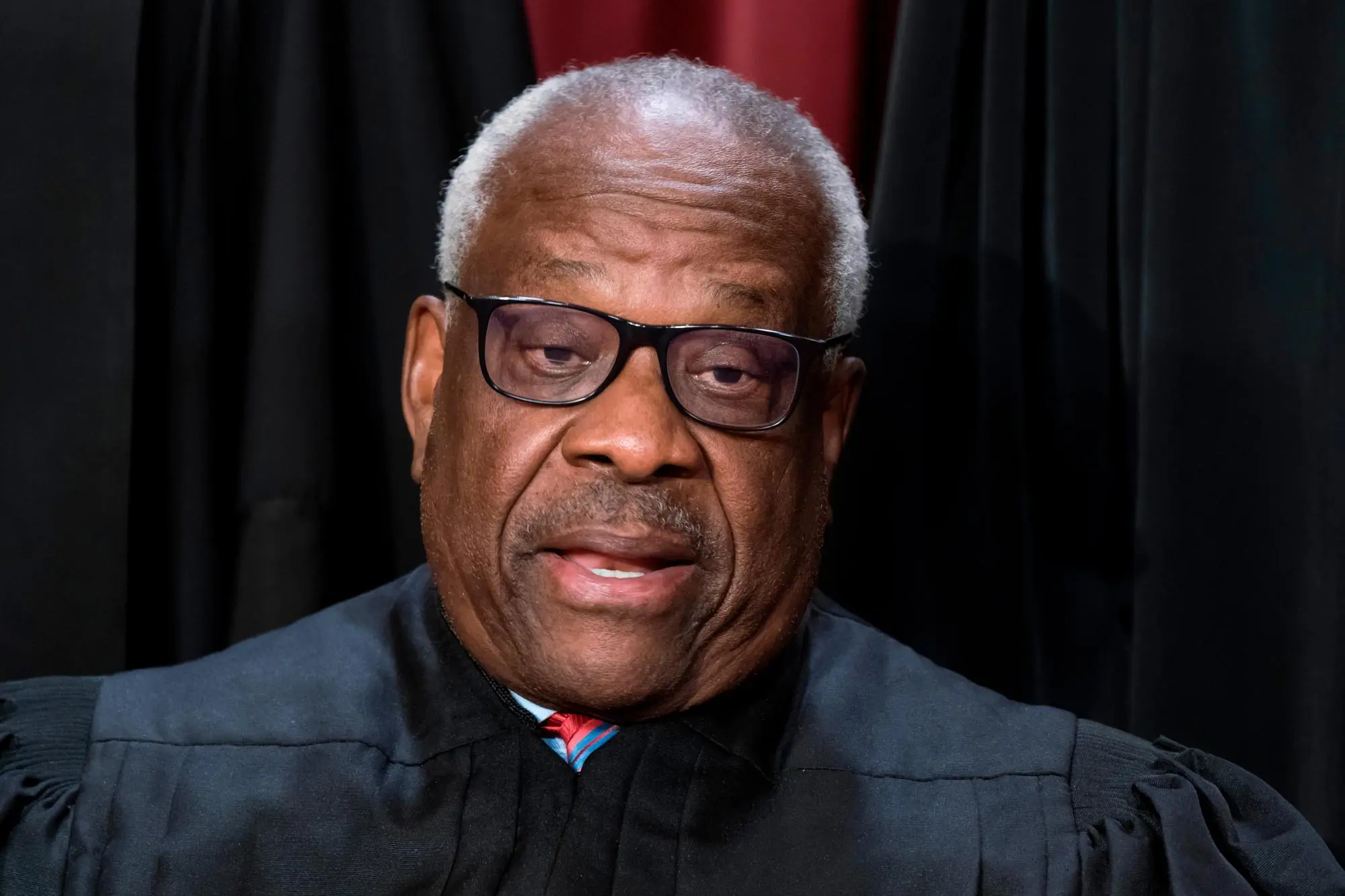
Clyburn’s Thomas Regret and the Four-Seat Supreme Court Plan
In recent years, Justice Clarence Thomas has repeatedly become the center of a different kind of national argument: ethics, jurisprudence, or the Court’s legitimacy. This time, the spark is not a new ruling or a new disclosure. It is a political reversal tied to an institutional proposal. In...
Read more →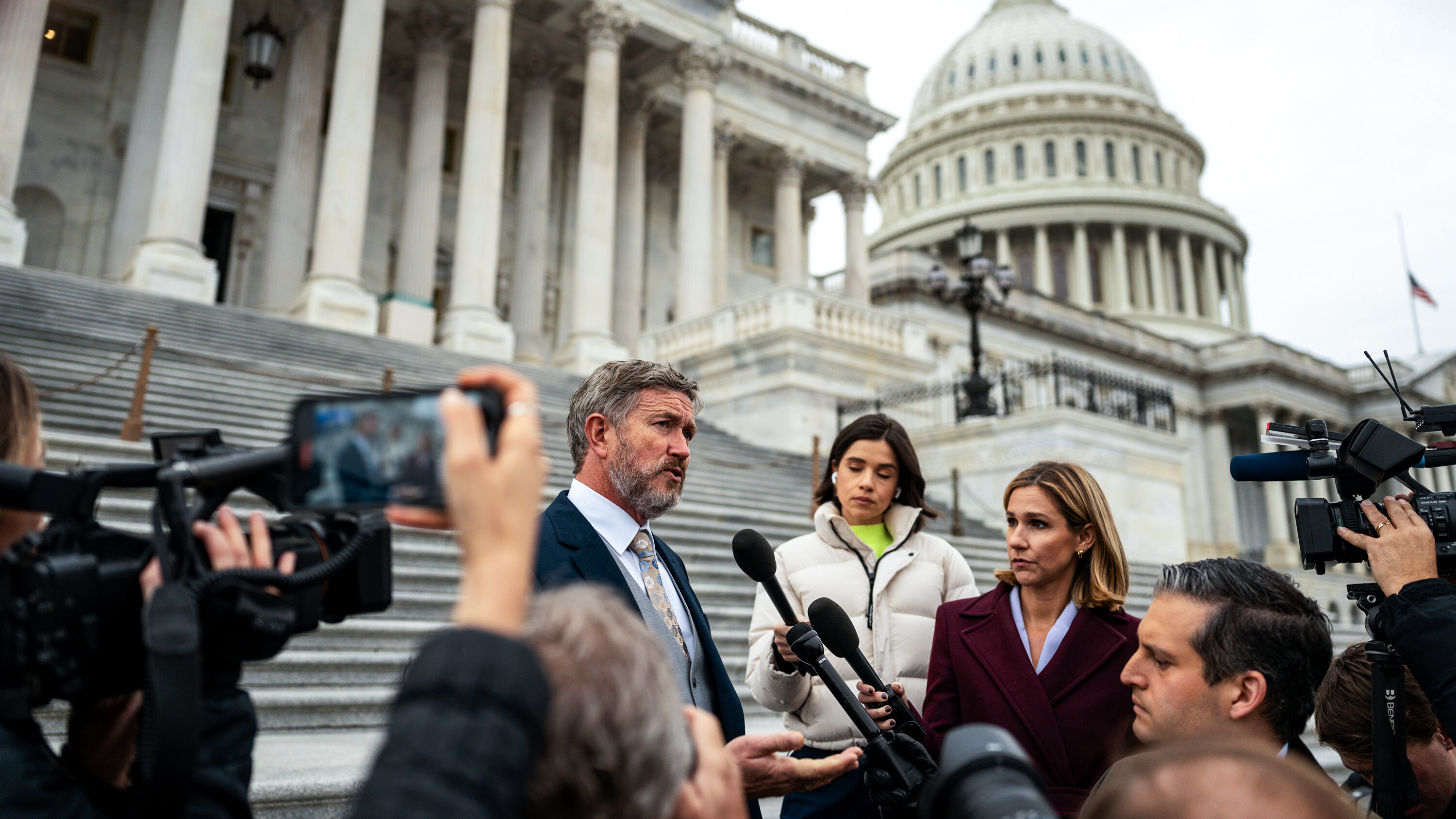
How a Discharge Petition Could Force a House Vote on Epstein Records
You can learn a lot about the Constitution by watching Congress fail to do simple things. Take transparency. Almost everyone agrees with it in the abstract. Almost everyone loves it in campaign ads. But when it becomes a concrete vote that can embarrass an agency, inconvenience leadership, or split...
Read more →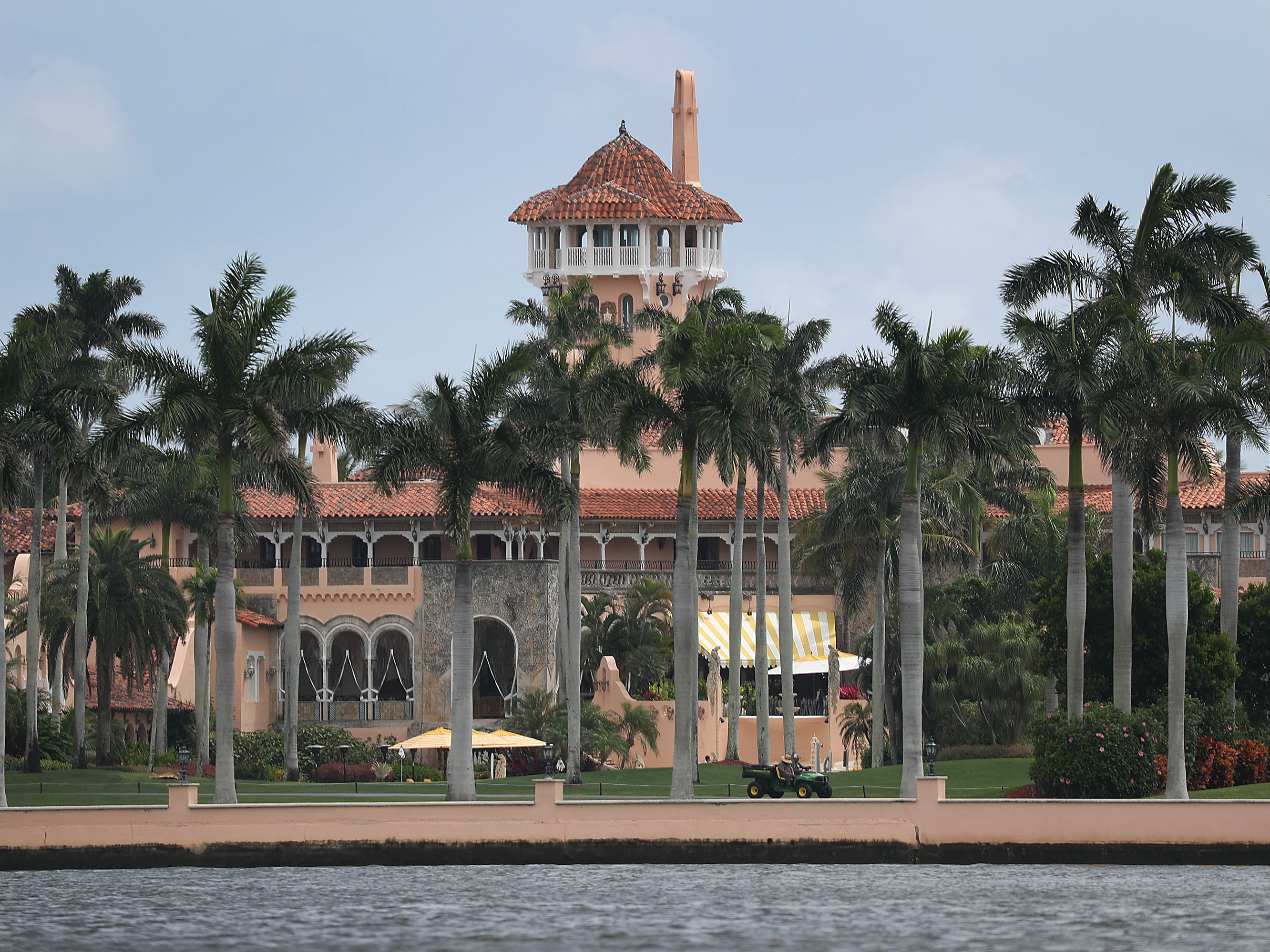
The Mar-a-Lago Data-Center Dare
Mar-a-Lago is trending for a reason that has almost nothing to do with gold fixtures or membership lists. It became a stand-in for a much larger civic question: when political leaders call for a nationwide buildout of data centers and AI infrastructure, who is expected to host the noisy,...
Read more →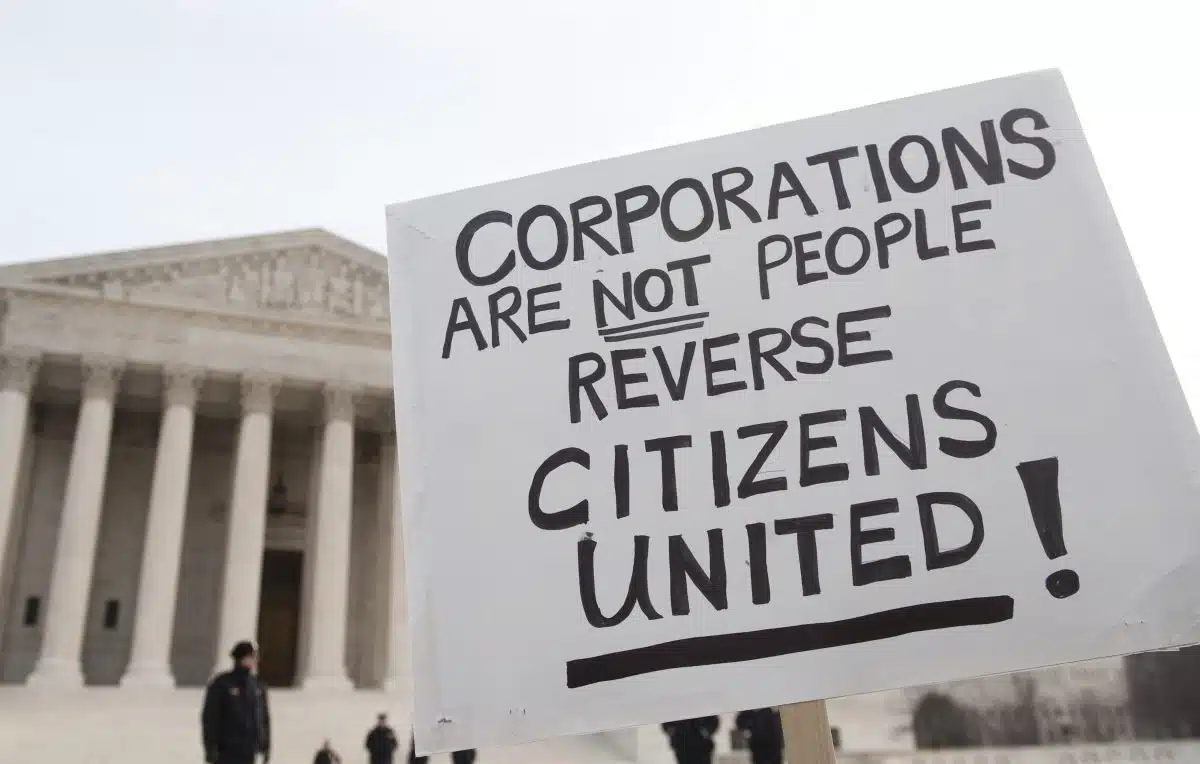
Dark Money, Fake Polls, and Election Trickery: What Federal Law Actually Allows
You can feel the tension every election cycle: someone is always “rigging,” “tricking,” or “confusing” the electorate. In 2026, the buzzwords are dark money , fake polls , and primary meddling . Here is the hard truth that tends to disappoint everyone equally. Federal election law is not a general...
Read more →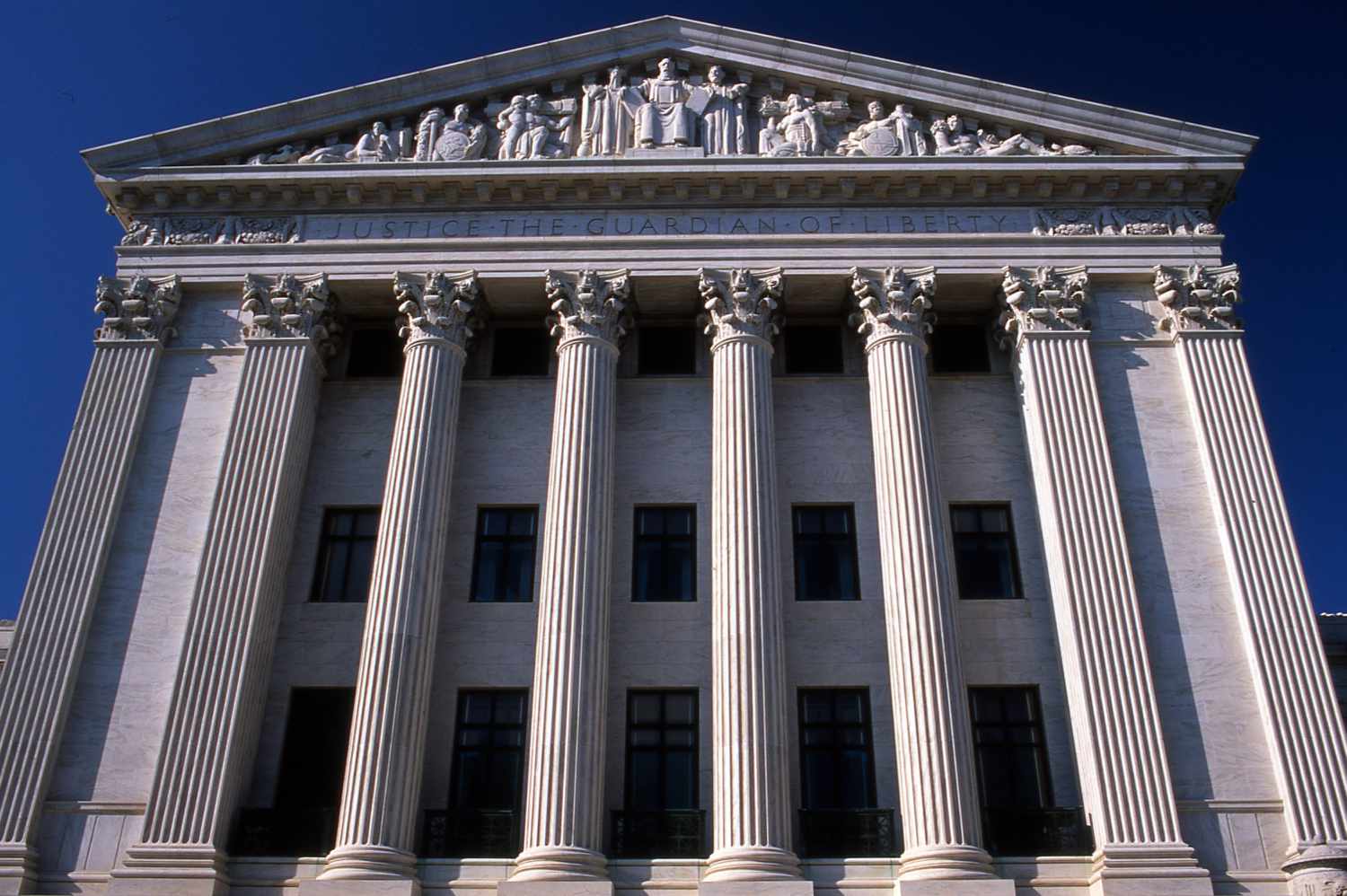
Can Congress Cap the Supreme Court at Nine Justices?
You can feel it every time the Supreme Court becomes the main character in the news: someone proposes a “fix” that sounds constitutional, even if it is really political. One of the recurring ideas is a “cap at nine,” often rolled into a House resolution meant to force a vote and draw lines....
Read more →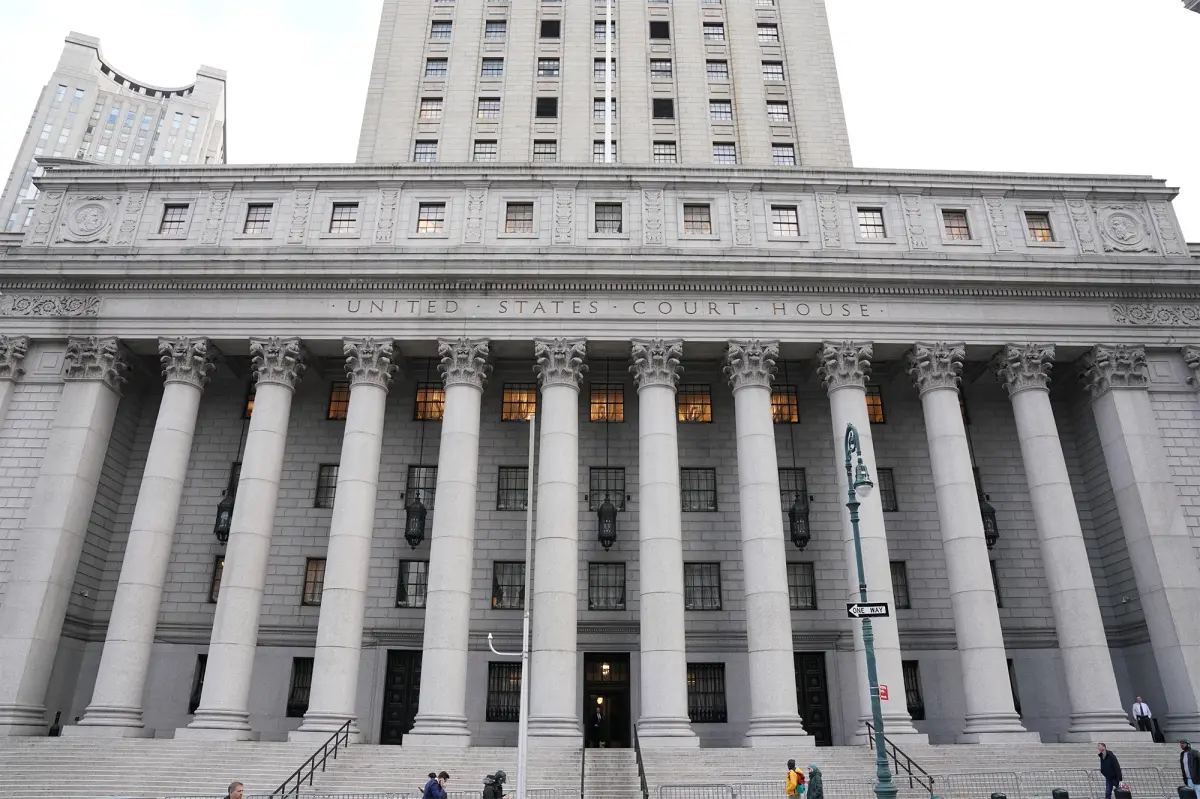
Your ChatGPT Chats Can Be Subpoenaed
People often assume they have a constitutional right to privacy in their “private” conversations. Except when your “private” life is a searchable object inside a device, a cloud account, or a corporate database. Then privacy stops being a feeling and becomes a legal question. And the legal question...
Read more →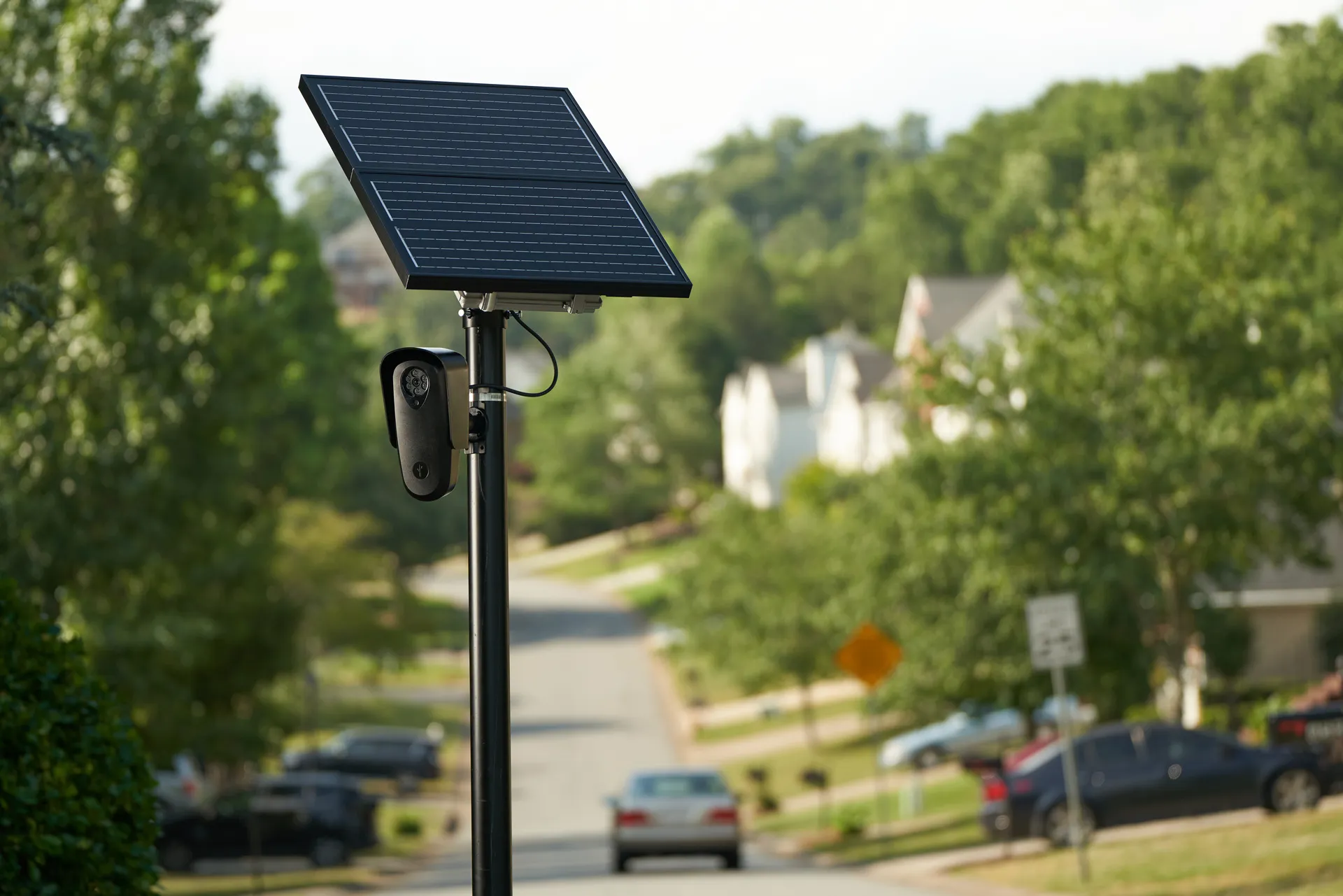
The $1 Camera Fee in Texas
Most surveillance expansions do not arrive with a dramatic announcement. They arrive the way bureaucracy prefers: through a line item, a grant program, and a purpose everyone can agree with. In Texas, that purpose was catalytic converter theft. In 2023, lawmakers unanimously approved a law raising...
Read more →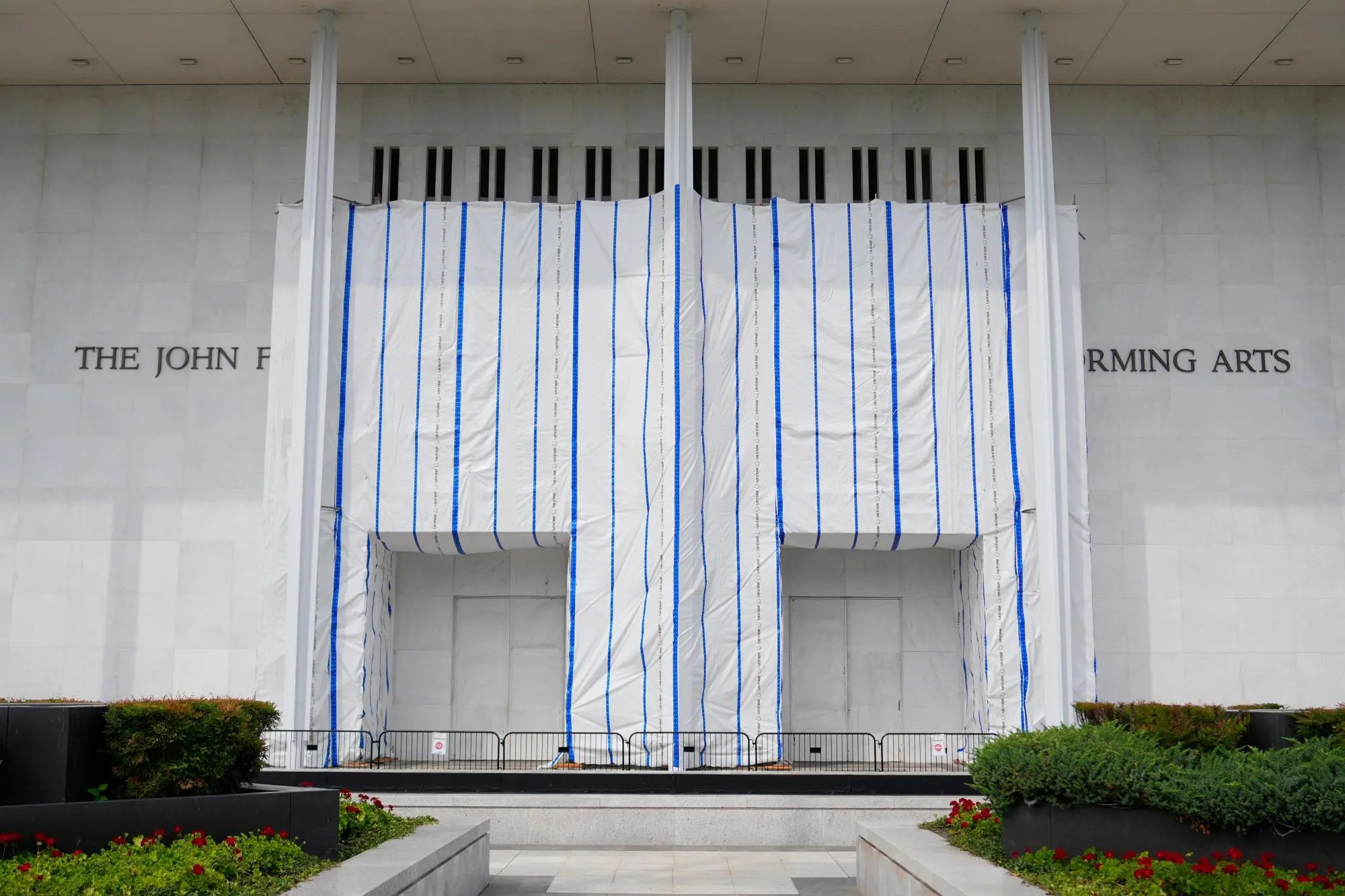
Who Controls the Kennedy Center? Federal Law, Funding, and the Renovation Fight
The John F. Kennedy Center for the Performing Arts is often treated like a city landmark: a big building on the Potomac that hosts big shows. Legally, it has an unusual hybrid status, and the details matter. The Kennedy Center was created by federal statute as the nation’s cultural center, operates...
Read more →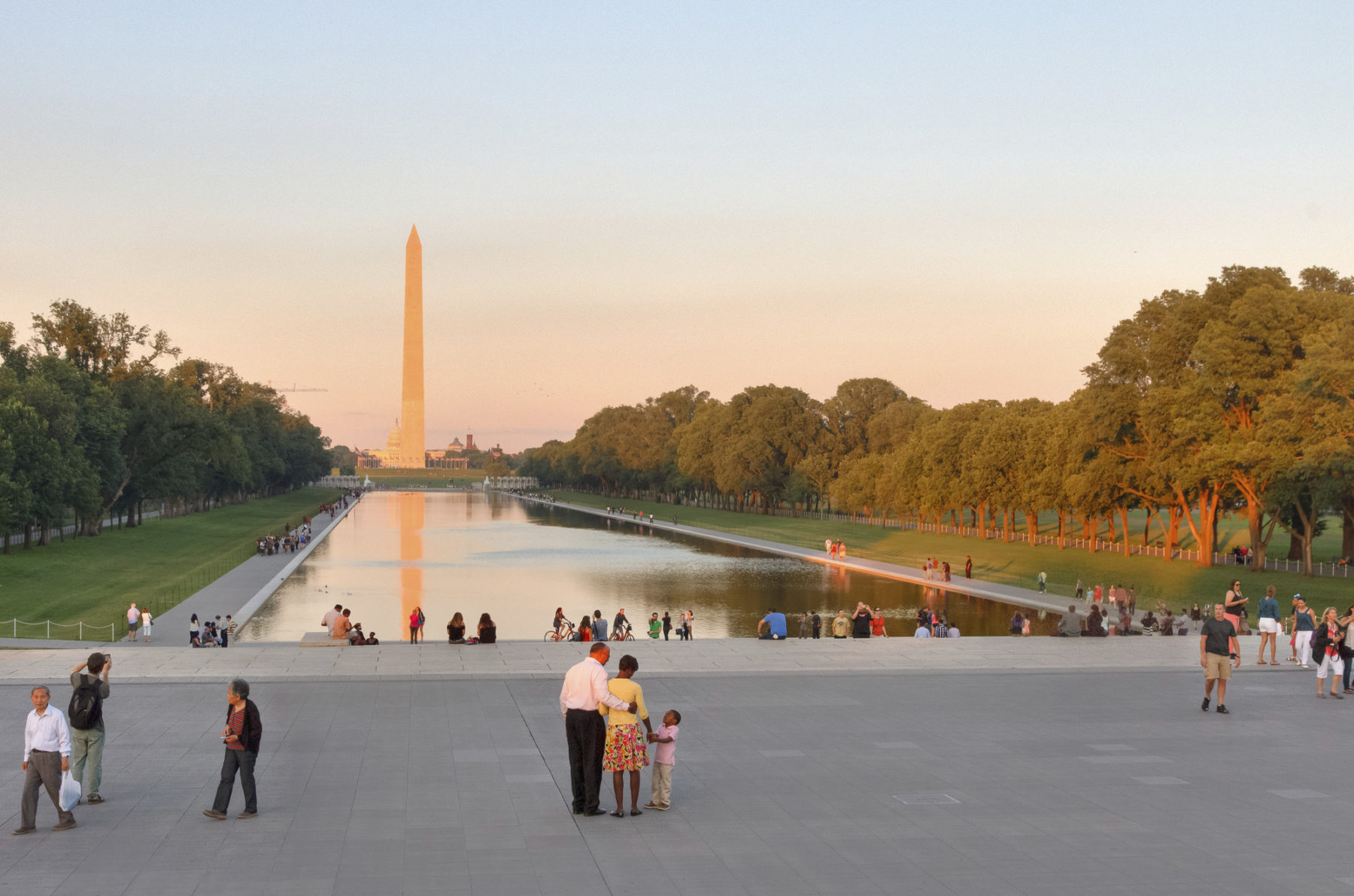
National Mall Vandalism: Laws, Penalties, and Who Pays
The National Mall looks like a park because it is one, but it is also federal parkland with federal jurisdiction. The lawns, walkways, monuments, and the Reflecting Pool sit on federal land managed largely by the National Park Service. That matters because when someone damages the grounds, the case...
Read more →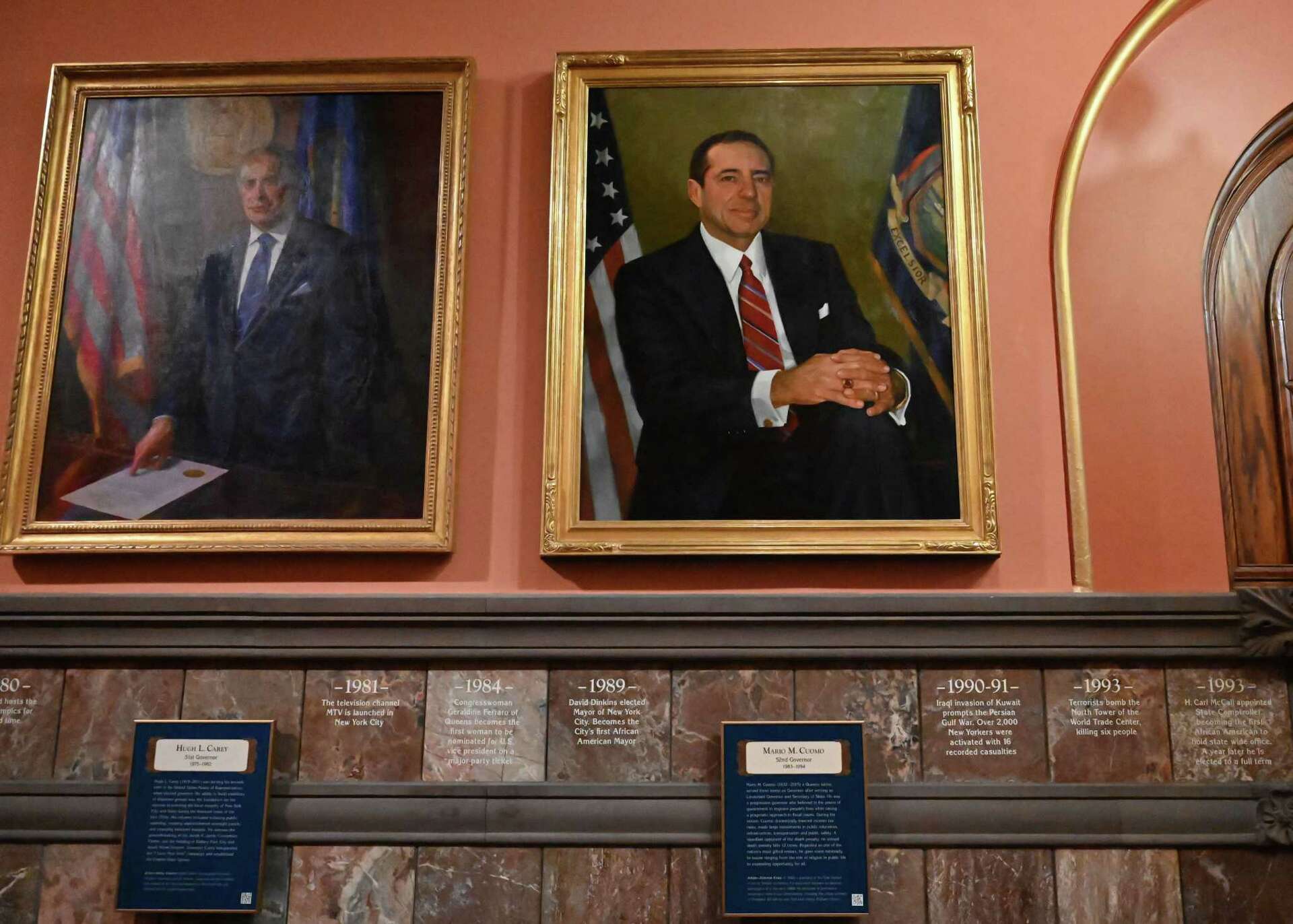
Can a Governor Mass-Release Prisoners? NY Bail, Clemency, and the Facts
A viral post claims New York Governor Kathy Hochul “released 7,000 hardcore criminals.” It is the kind of sentence that feels like it should have a single, clean answer: either a governor did that or she did not. But in criminal justice, the word released is a suitcase. People pack different legal...
Read more →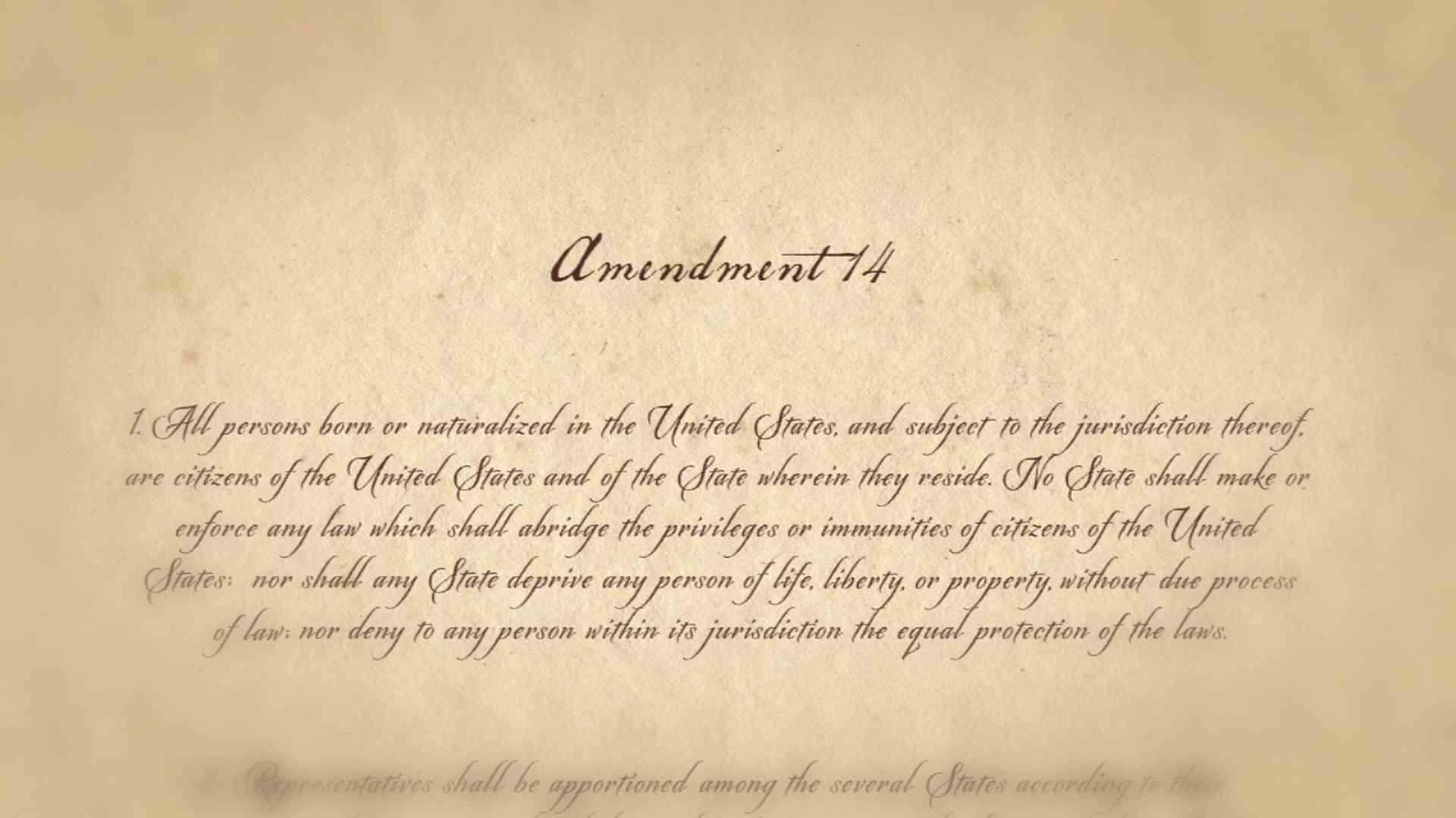
Birthright Citizenship, Injunctions, and the 14th Amendment
Birthright citizenship arguments usually get framed as a single dramatic question: Can a president end it with a pen? But the more revealing question is procedural, not poetic: What can a federal judge actually do while the fight plays out? That is why Friday’s development matters. U.S. District...
Read more →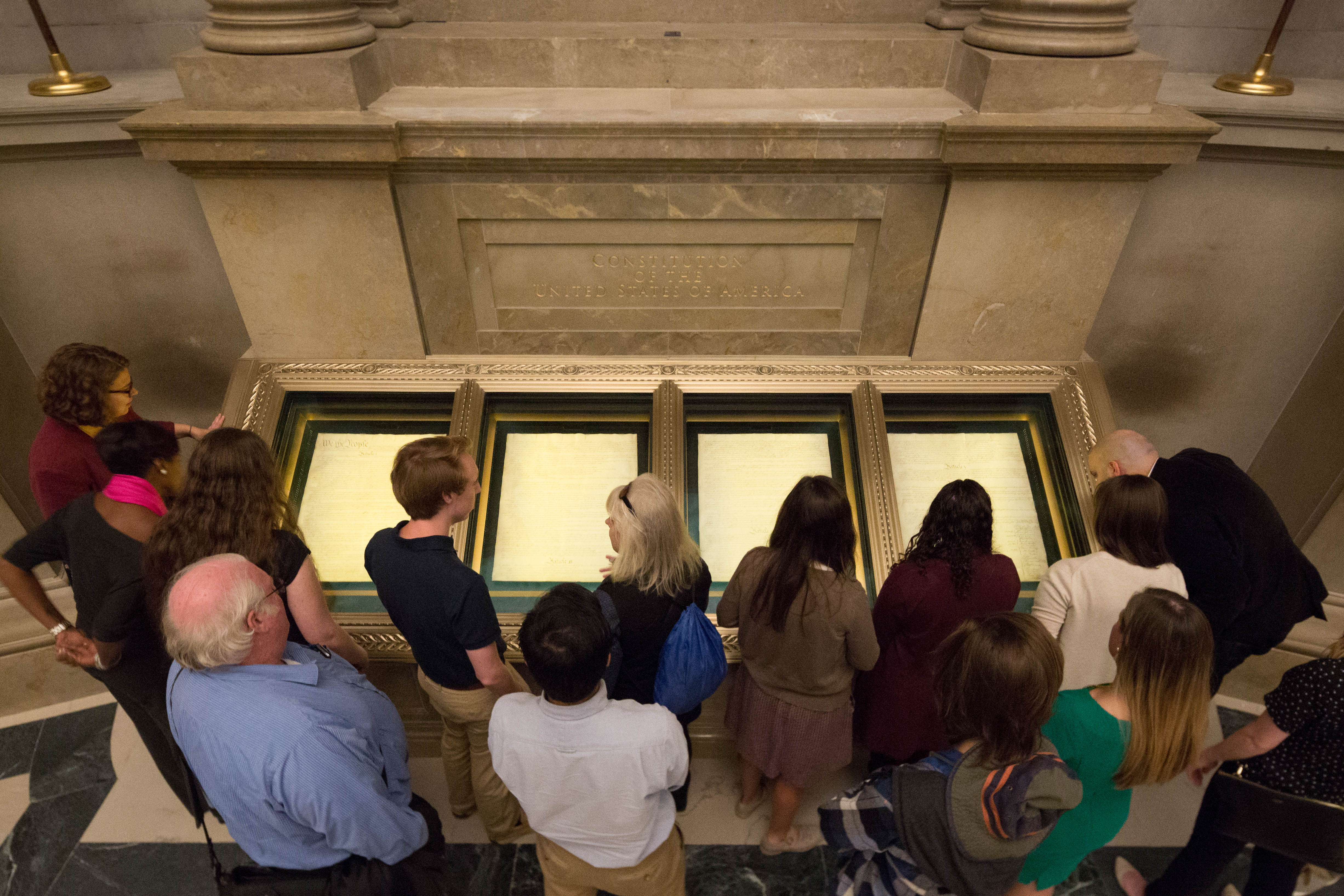
The 26th Amendment, Mail-In Voting, and Age Limits
You can read the Twenty-Sixth Amendment in under ten seconds. Understanding it, especially in the mail-in voting fights that keep surfacing in state legislatures, takes longer. That is because the amendment does two things at once. It prohibits the United States and the states from denying or...
Read more →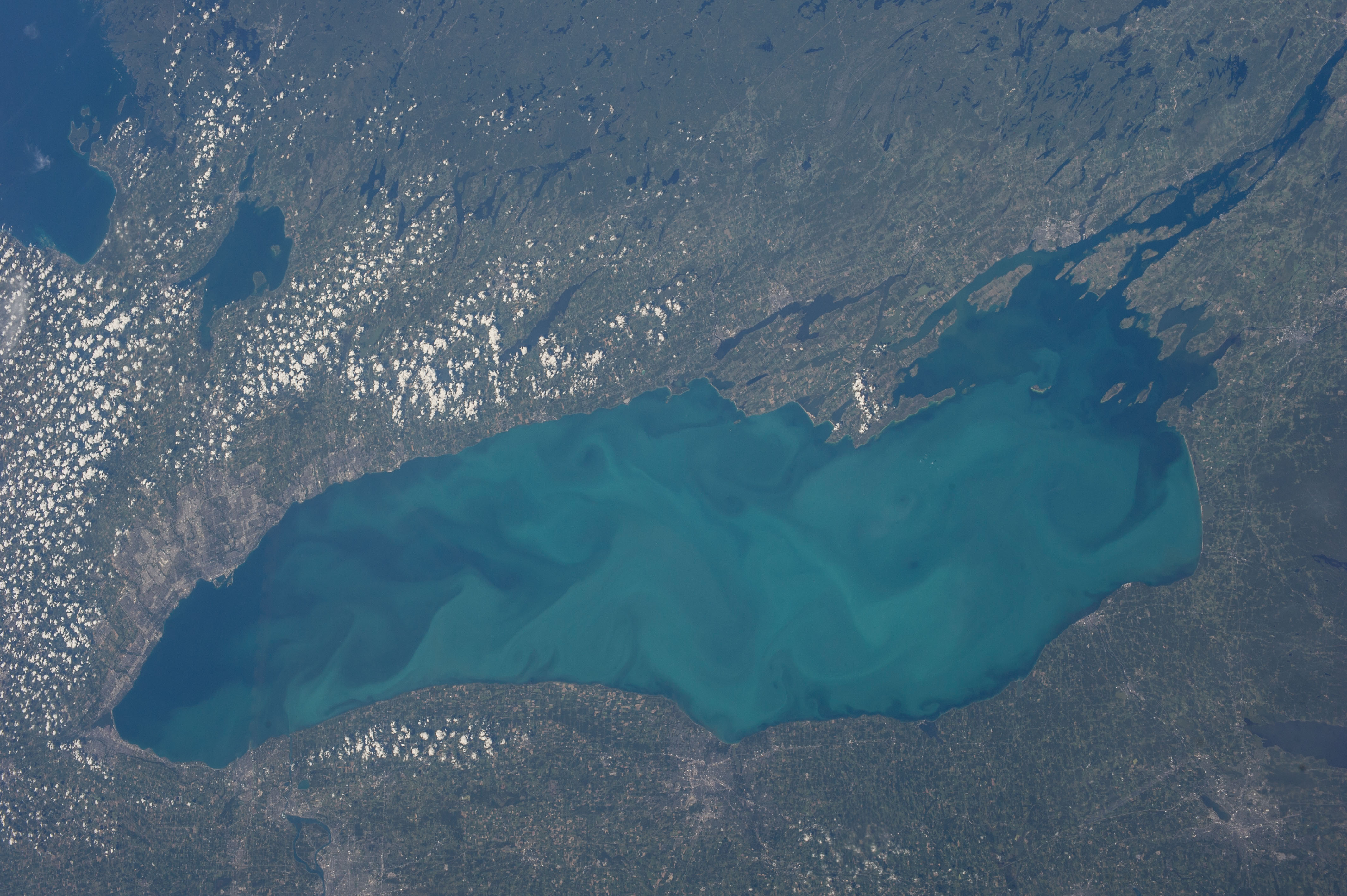
Can a President Rename a Lake?
You can rename a lake in a speech in about five seconds. You can even instruct executive-branch agencies to start using the new name in their press releases and talking points. But you cannot rename geography the way you rename a post office, because geographic names live in shared systems that...
Read more →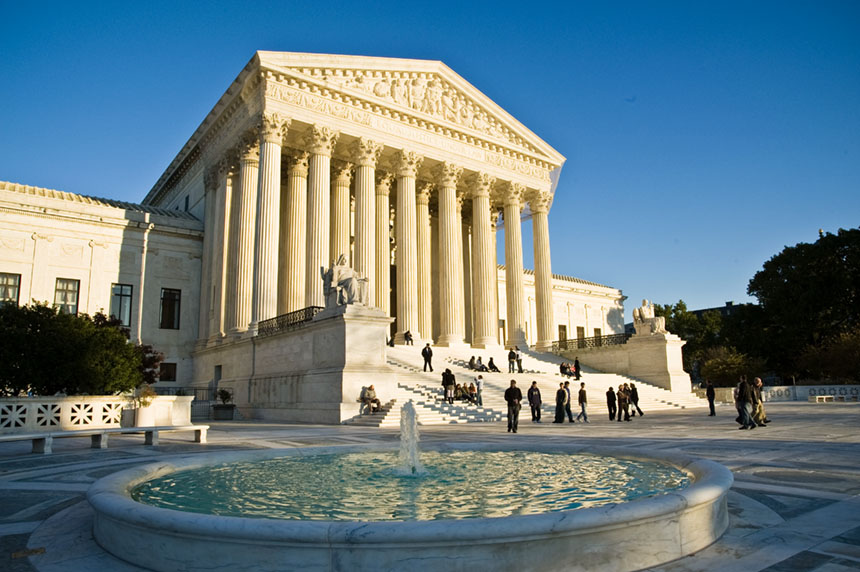
What the Supreme Court’s Alexander Ruling Changes in Redistricting Lawsuits
Redistricting lawsuits always sound like geometry fights dressed up as politics. But the Constitution treats them as something more basic: a question about how a state may use race, and when federal courts should step in to stop it. That is why the Supreme Court’s Alexander v. South Carolina State...
Read more →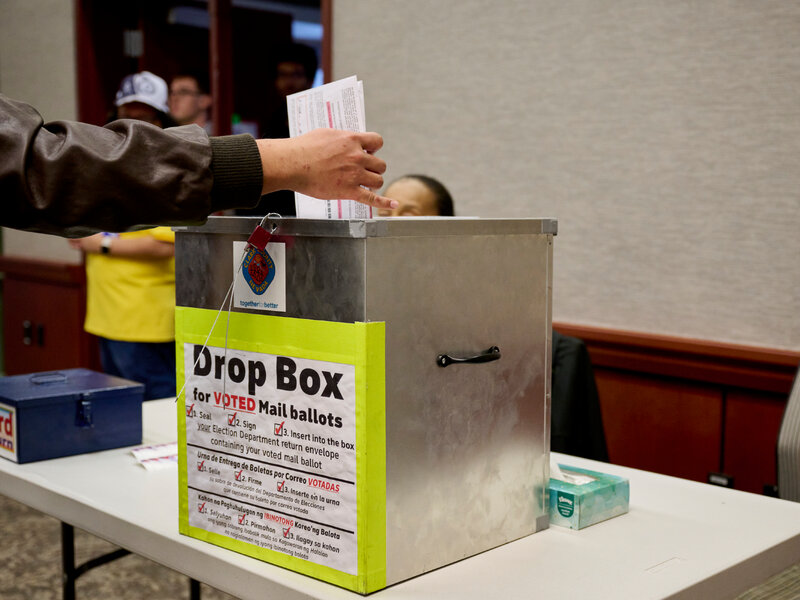
Can Noncitizens Vote? What the Constitution Says About Voter Rolls and Citizenship
The fight over noncitizens on voter rolls often sounds like a single yes or no question: can noncitizens vote? For federal elections , the legal answer is straightforward: noncitizens cannot vote . The Constitution leaves most election administration to the states, but Congress has layered federal...
Read more →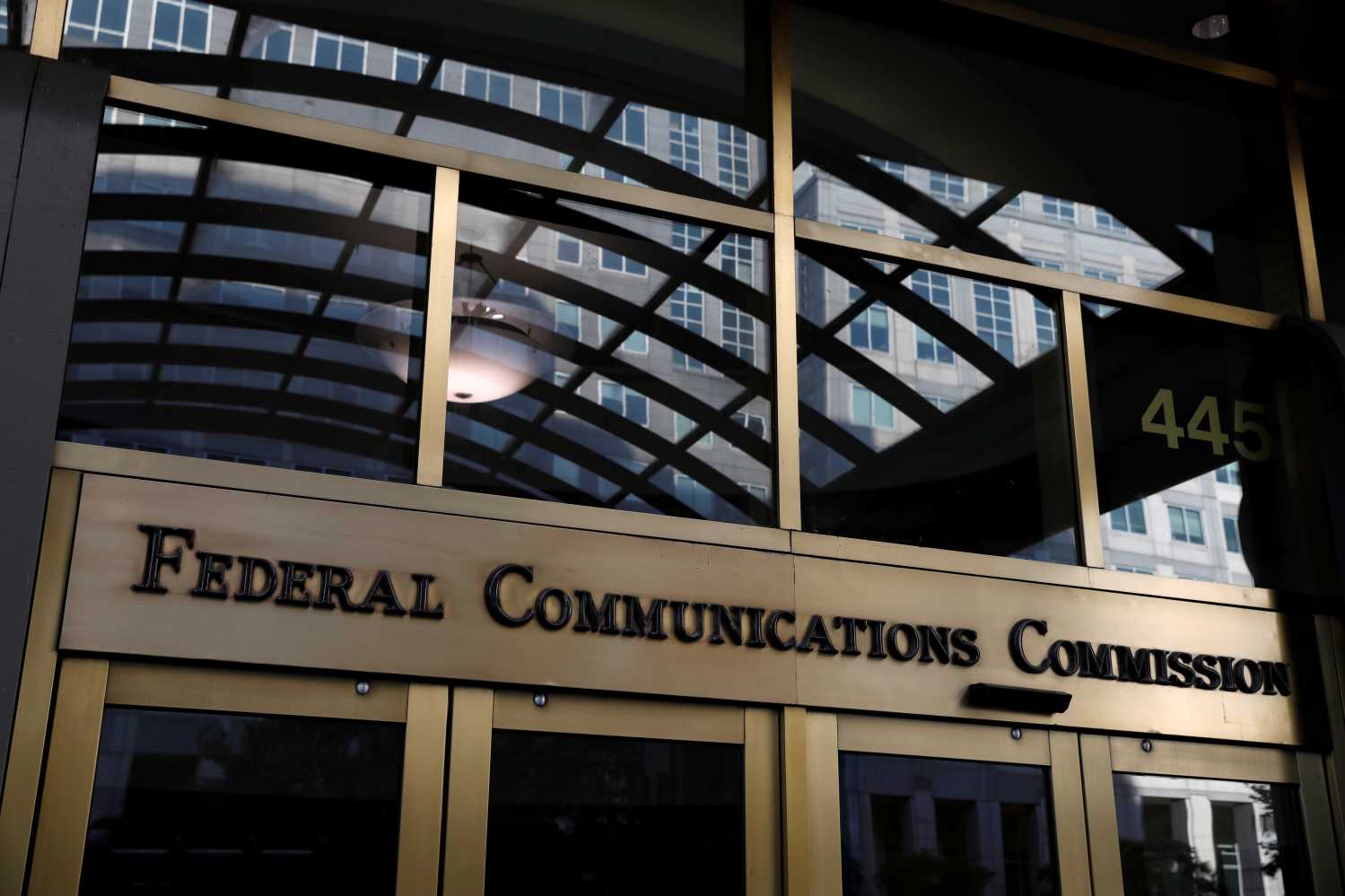
Can the FCC Punish the Media? First Amendment Limits on Broadcast Regulation
When a public figure says a network host should be “reported to the FCC for rebuke or punishment” over allegedly inaccurate commentary, it taps into a persistent American misunderstanding: that because broadcasters use “public airwaves,” the government can police their news judgments. The...
Read more →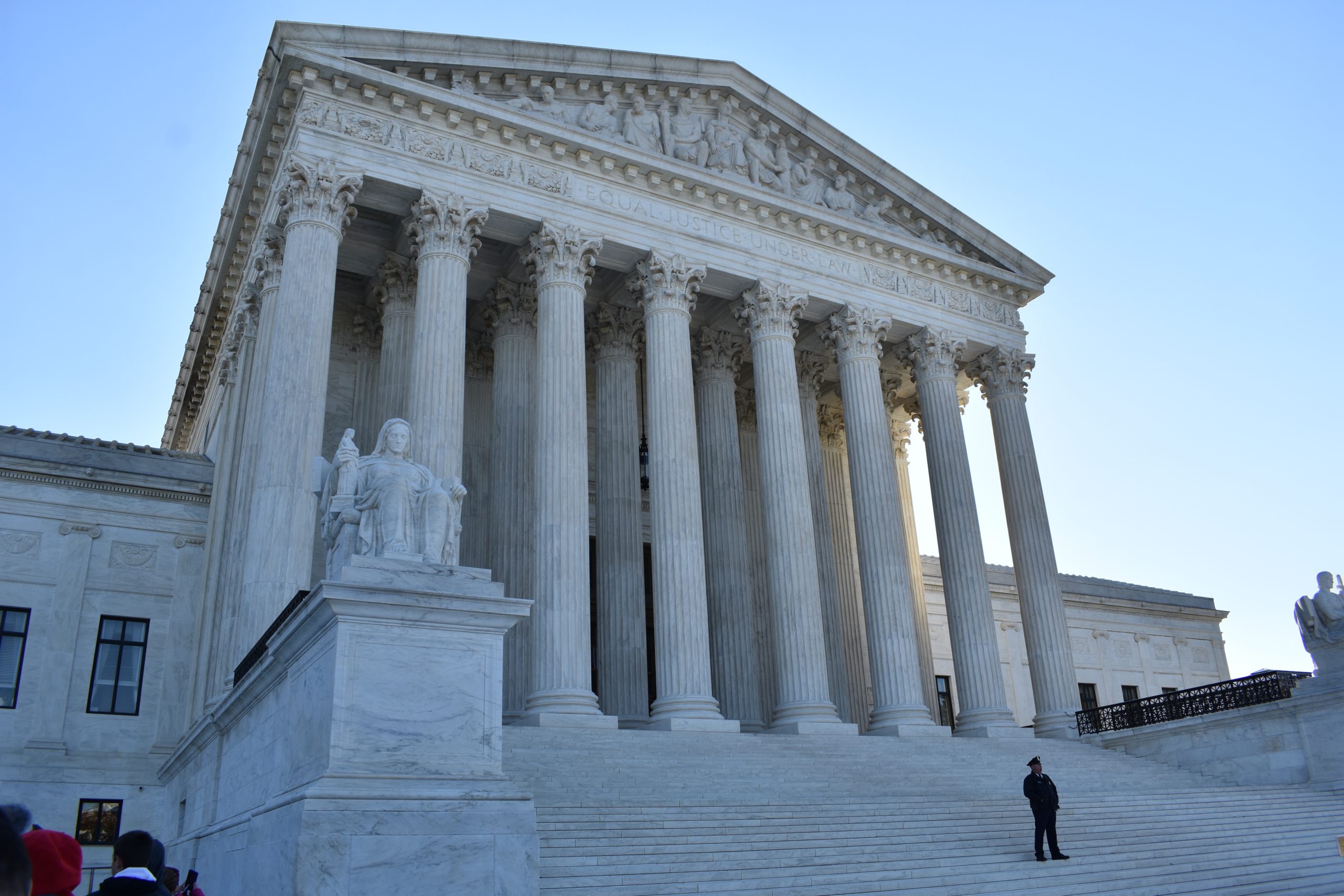
AI-Generated CSAM and the First Amendment: Why Courts Say Their Hands Are Tied
The headline is unsettling for a reason: Supreme Court precedent often constrains how far lawmakers can go in criminalizing at least some computer-generated or AI-generated child sexual abuse material (CSAM) , especially where the government cannot prove a real child was involved. That is not...
Read more →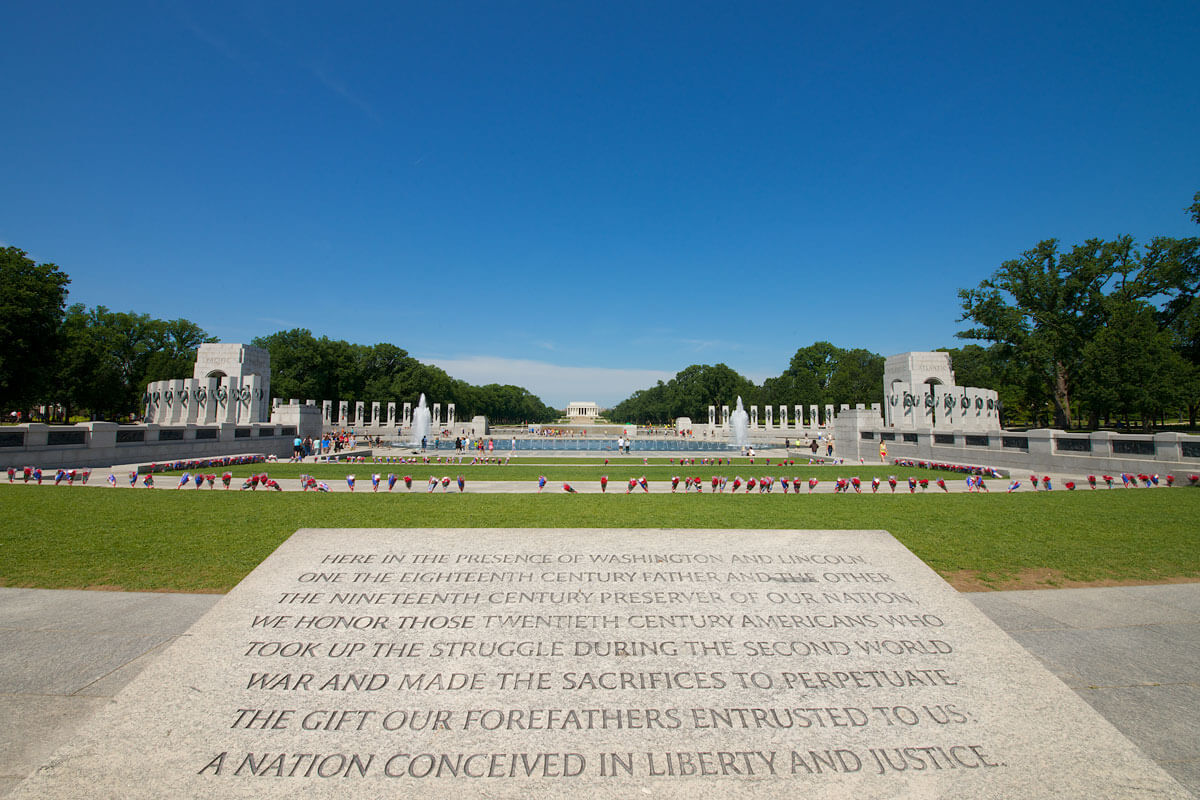
Why Vandalizing the WWII Memorial Can Be a Federal Crime
You can stand on a street corner in America and say a lot. You can march, chant, carry a sign, and make your point loudly. But those rights are not unlimited. Noise rules, permit requirements for certain events, and laws against true threats, harassment, or incitement can still apply. And if you...
Read more →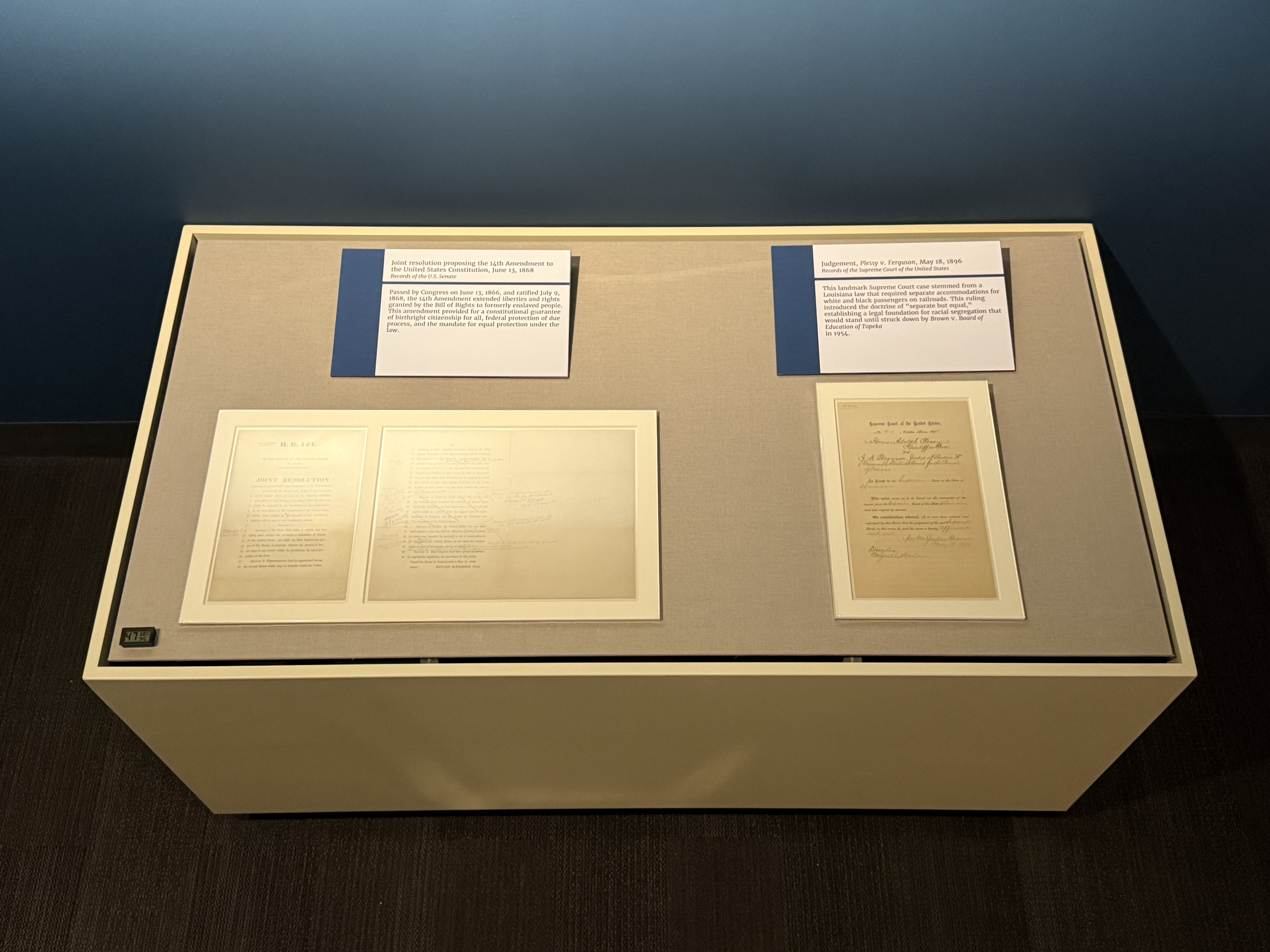
Birthright Citizenship and the 14th Amendment
Birthright citizenship feels like one of those constitutional “obvious truths.” If you are born here, you are American. End of story. Except the rule is not written as a bumper sticker. It is written as one sentence in the Fourteenth Amendment , plus more than 150 years of debate and litigation...
Read more →
Can a President Rename Lake Ontario?
You can rename almost anything in Washington by simply deciding to call it something else. The harder question is whether anyone else is required to play along. That is the real constitutional story behind a recurring kind of controversy: reports that a president might try to rebrand a major...
Read more →