
Articles by Eleanor Stratton
Browse articles in Articles by Eleanor Stratton on U.S. Constitution
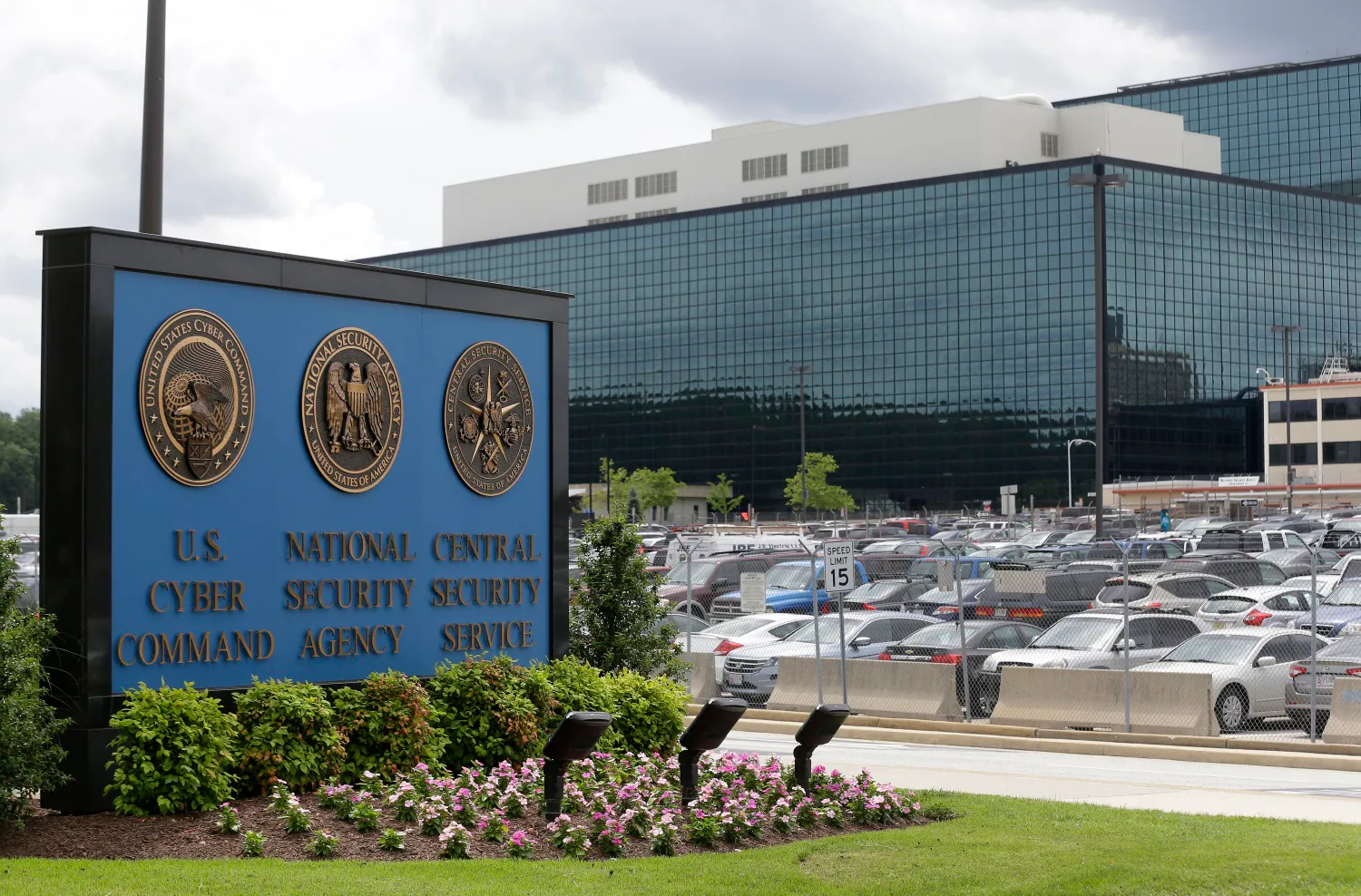
What the NSA Can and Cannot Do: Election Intelligence, Oversight, and the Constitution
When a memo or whistleblower story claims the National Security Agency sat on election-threat reporting, the instinctive question is personal: Who decided that, and are they allowed to do it? But the real answer is structural. The NSA lives inside a constitutional machine with three kinds of...
Read more →
Can a President Impose 50% Tariffs on Canada?
The Constitution puts the power to impose tariffs in Congress , not the President. Article I gives Congress authority to “lay and collect Taxes, Duties, Imposts and Excises” and to “regulate Commerce with foreign Nations.” In the founding design, tariffs were supposed to be a legislative choice...
Read more →
Can the Secretary of State Freeze Visas?
The U.S. Constitution does not mention the terms visa or immigration ban explicitly. But it does build a system where major government actions need a lawful source of power: Congress writes statutes, the executive branch administers and enforces them (including through regulations when Congress...
Read more →
What Is the SAVE America Act? Senate Rules, Voter ID, and Proof of Citizenship
When a high-profile election bill seems to vanish into a Senate recess, it is tempting to treat the outcome like a mystery. Usually it is not. It is procedure. The SAVE America Act is one of those bills that pulls two different constitutional questions into the same spotlight: who sets the rules...
Read more →
Airport Wudu Stations and the First Amendment: What DOJ Can Do
Debates over so called “wudu stations” in public airports can sound like culture war fodder. But the underlying issue is a straightforward constitutional question: what does the First Amendment require, and what does it forbid, when a government run space tries to accommodate religious practice?...
Read more →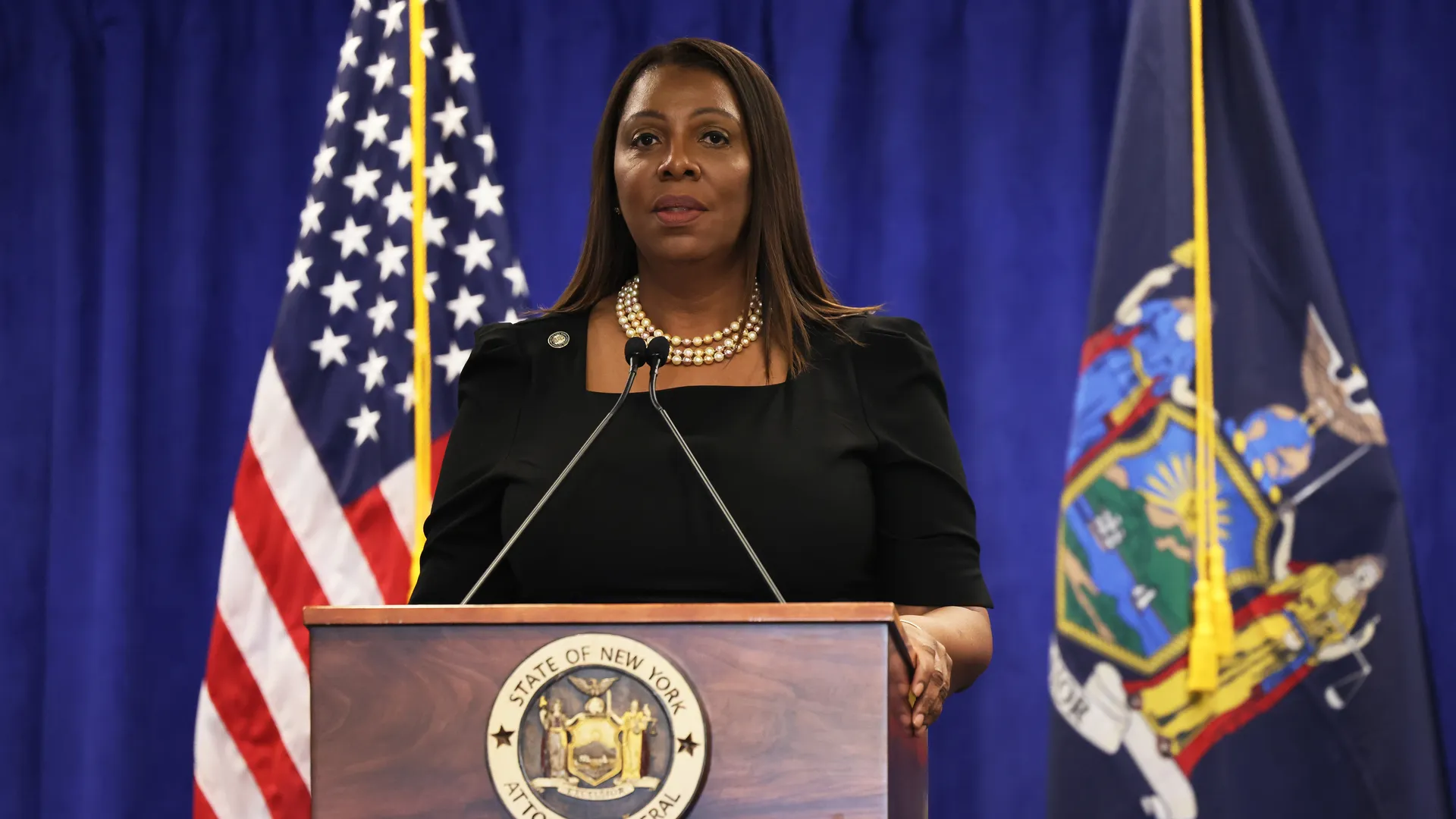
DOJ Subpoenas Letitia James: What It Means
You can feel the constitutional tension in a single word: subpoena . It sounds procedural, almost clerical. A document. A deadline. A signature. But a subpoena is a legal command backed by the possibility of court enforcement. It forces the recipient to produce documents or testimony under...
Read more →
Can a President Waive Beef Tariffs?
You can feel the constitutional tension in a sentence like this: the United States will allow up to 300,000 metric tons of ground-beef product to be imported for 90 days with “no out of quota tariff.” That is policy language. It is also power language. But unless you can point to the implementing...
Read more →
What Is ICE’s VOICE Office?
When a story about immigration enforcement goes viral, a particular acronym tends to surface alongside the anger and grief: VOICE . It sounds like a hotline. It sounds like a task force. It sounds like a promise. In reality, ICE’s VOICE office was something more specific and more bureaucratic: a...
Read more →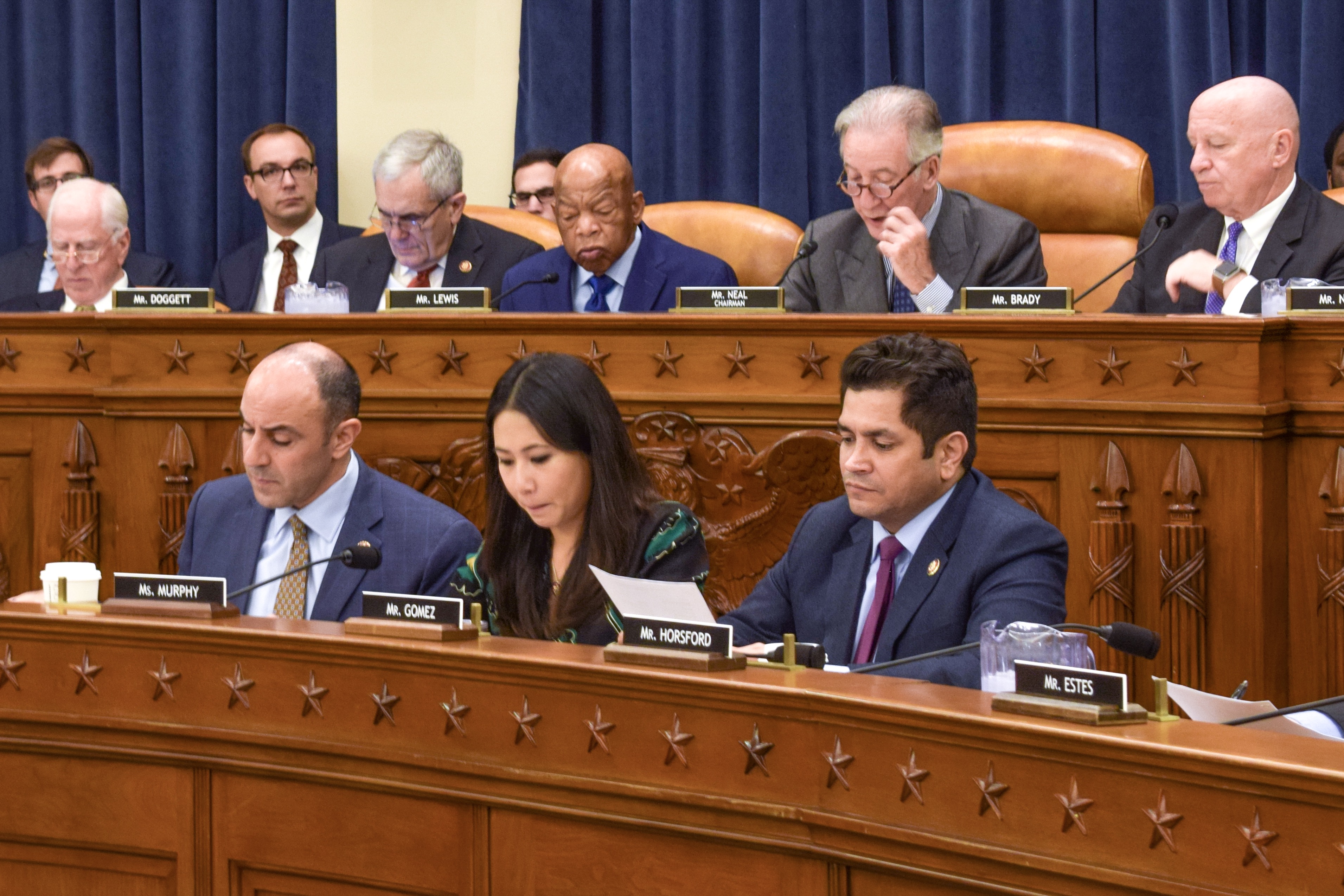
Can Congress Subpoena Nonprofits?
When a nonprofit calls a congressional subpoena a “witch hunt,” it is invoking a very old American fear: that oversight can slide into punishment. The Constitution sits in the middle of that tension. Congress has real power to investigate and demand records. Nonprofits, in turn, can argue they have...
Read more →
Crypto, the Fed, and the Master Account Question
The Constitution never says the words payment rails . It never defines a master account . And it certainly never anticipates a Wyoming-chartered bank built around digital assets asking for a key to the Federal Reserve’s payment system. But here we are, with a dispute that looks technical on the...
Read more →
When ICE Arrests Meet Sanctuary: The Fourth Circuit’s Church Injunction
People talk about churches as “sanctuary” like it is a magic word. As if stepping through a chapel door flips the Constitution into a different mode where federal law pauses politely in the narthex. That is not how American law works. But a federal court order can change how law is enforced in a...
Read more →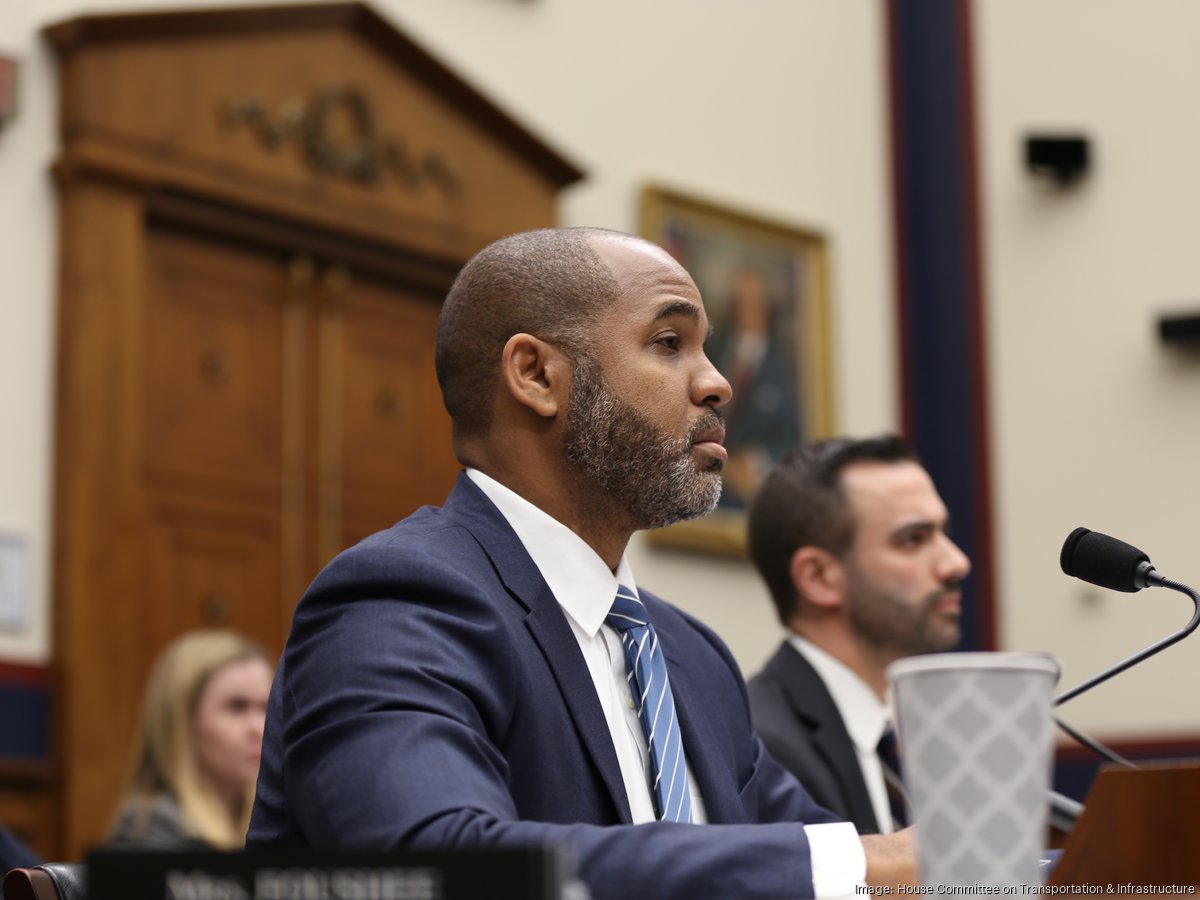
Who Controls Federal Courthouses?
Federal judges do not just decide cases. They also have to answer questions like whether a courtroom is secure enough to try a terrorism case, whether a leaky roof can wait until next term, and whether a courthouse can keep functioning when HVAC systems fail in July. That is why a flare-up between...
Read more →
Can Louisiana Require the Ten Commandments in Public School Classrooms?
When a state tells public schools to hang the Ten Commandments in every classroom, it is not just a culture story. It is a constitutional stress test. The question is not whether the Ten Commandments are historically influential. They are. The question is whether the government can require a...
Read more →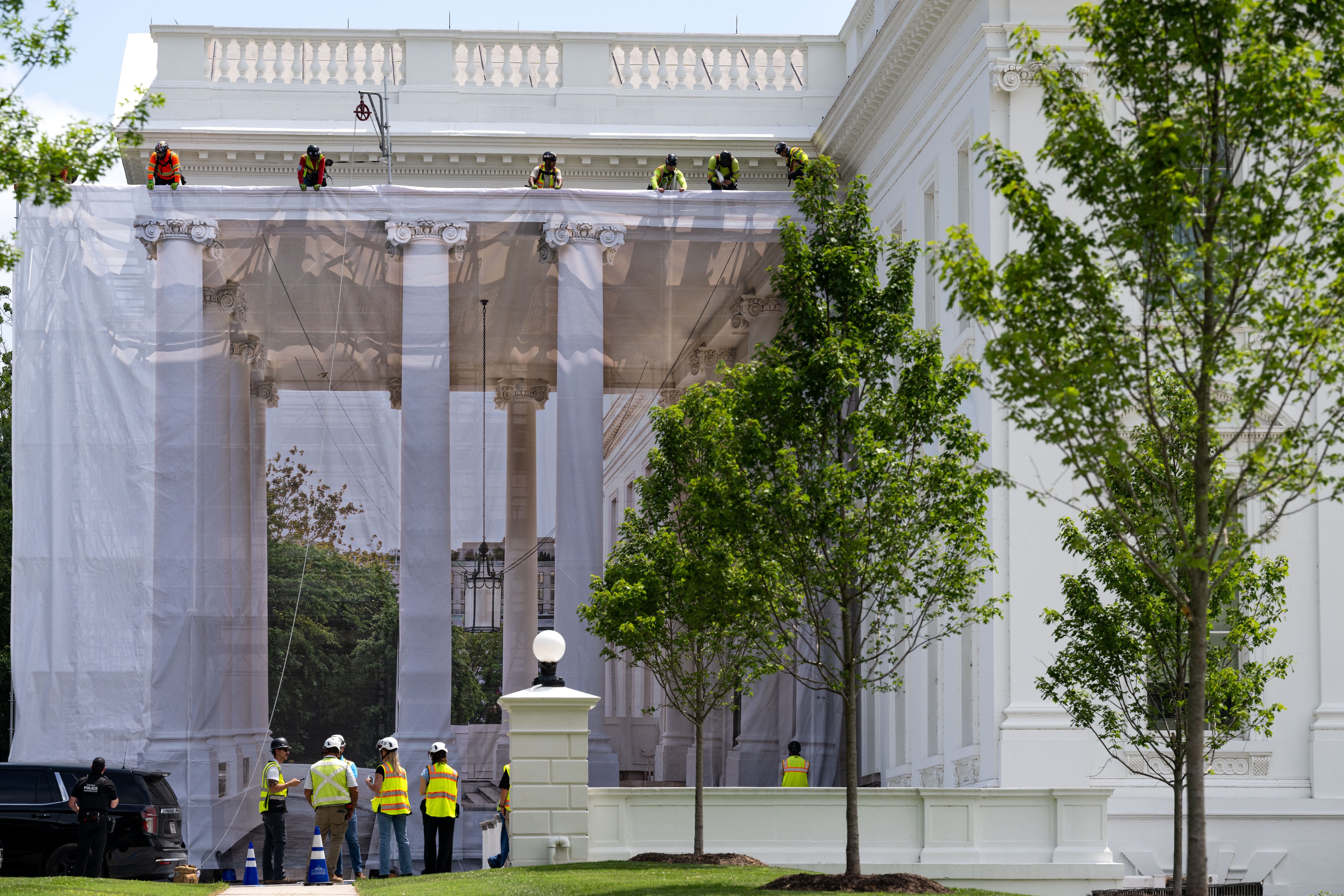
Why White House Construction Can Be Blocked
When headlines say “White House construction is blocked,” it sounds like a simple clash of wills: the President wants to build, a judge says stop. But constitutionally, it is almost never that clean. The White House is the President’s home and the seat of executive power. It is also federal...
Read more →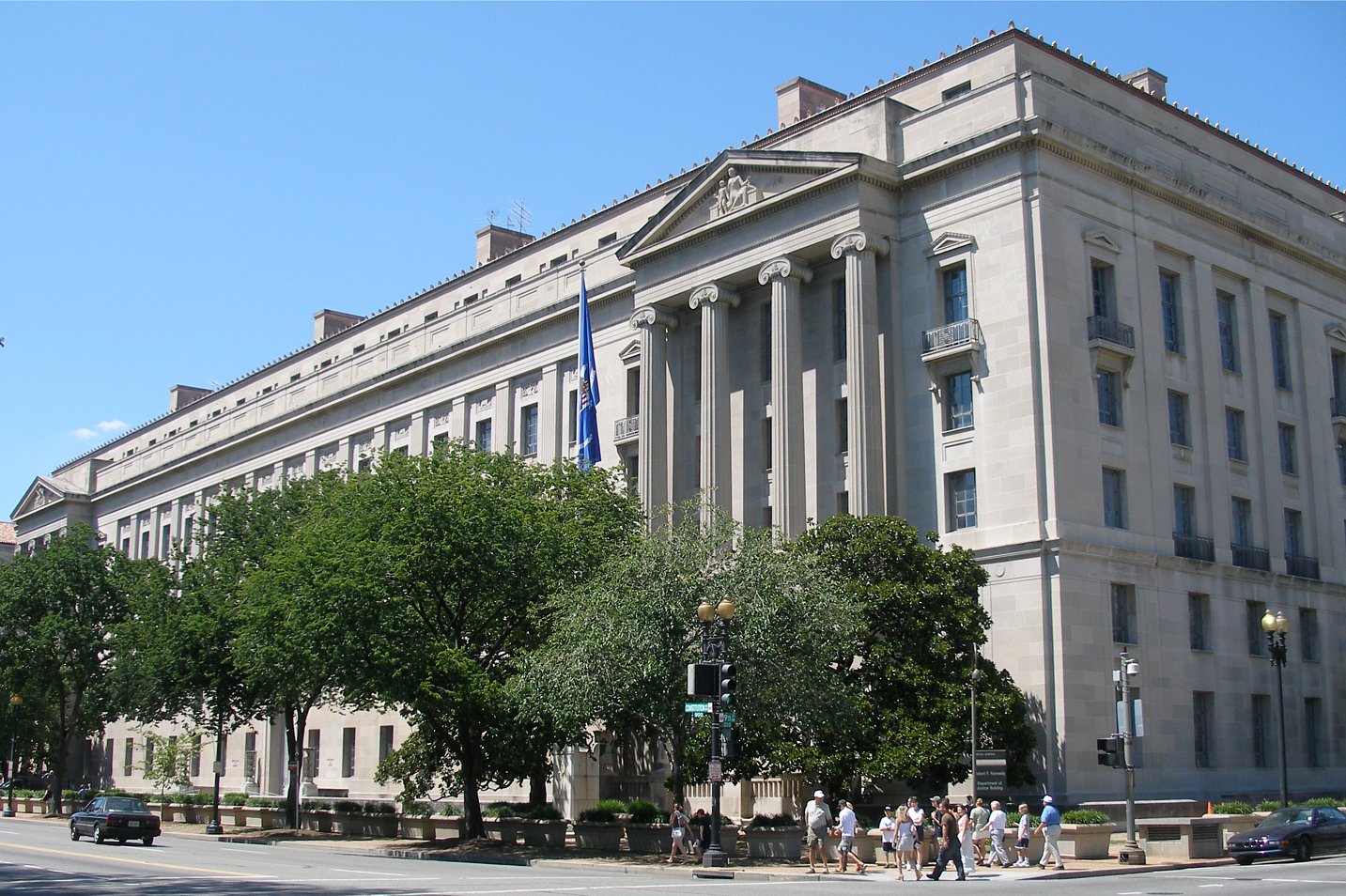
Can Non-Citizens Vote in Federal Elections? DOJ Charges Explained
Every election year brings the same basic question back into the public debate: can non-citizens vote in federal elections? Sometimes the question is prompted by a specific prosecution. If you are reading this because of a headline about an alleged non-citizen voting and using someone else’s...
Read more →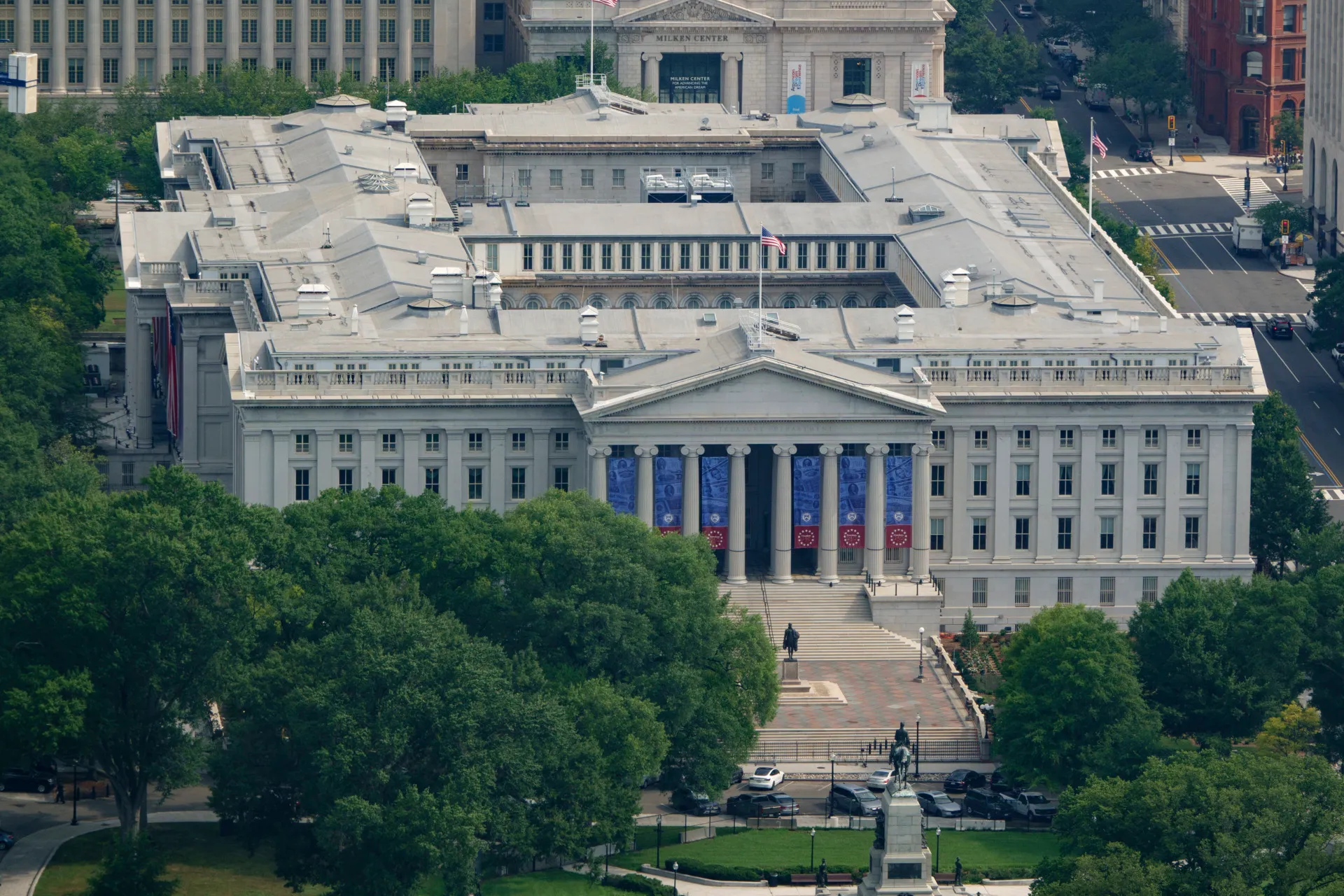
America Hits $40 Trillion in Debt
Forty trillion dollars is the kind of number that stops people mid-scroll. It does not sound like “policy.” It sounds like a cosmic error message. But the national debt is not a mysterious scoreboard controlled by a president, a central bank, or a cabal of accountants. It is the accumulated result...
Read more →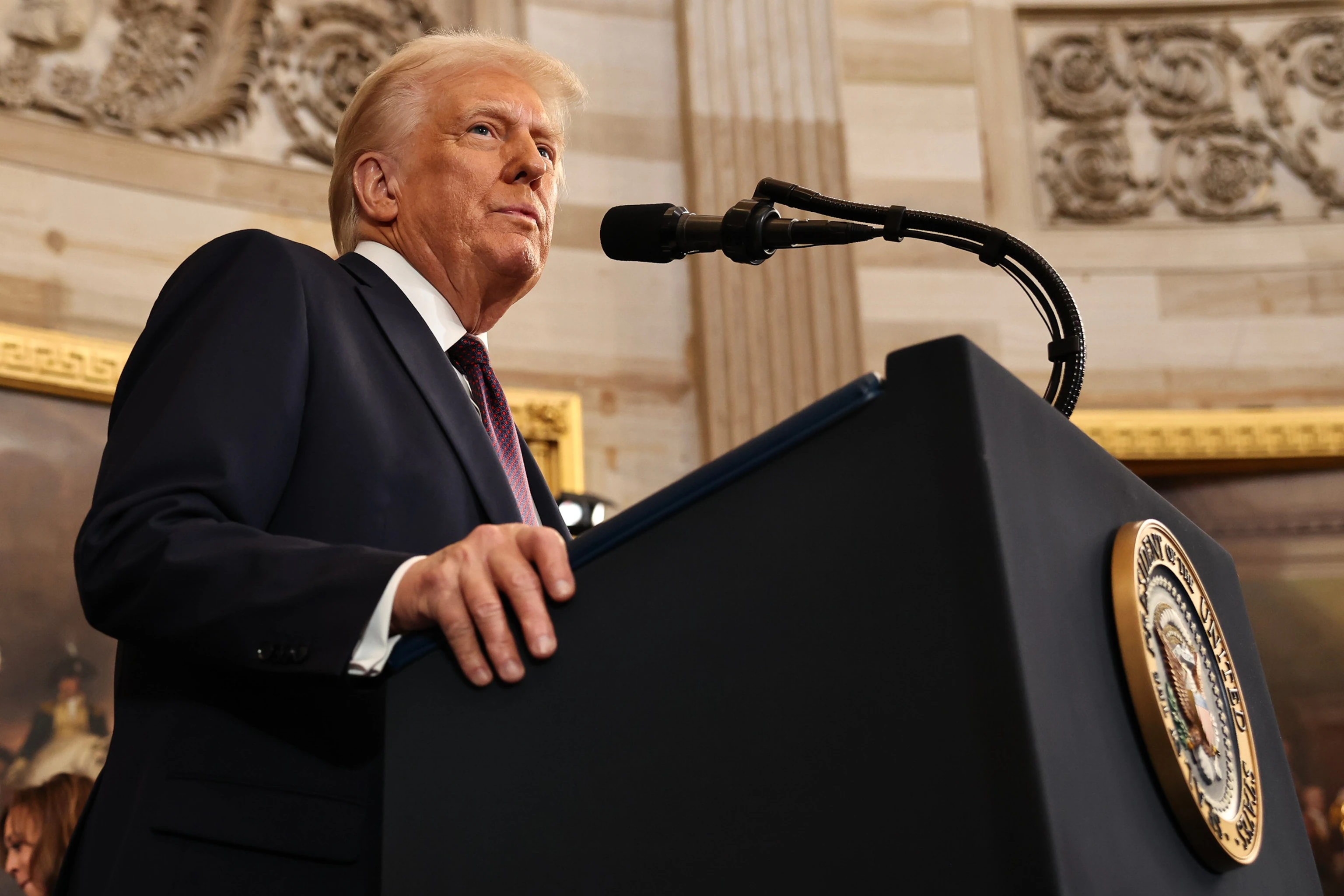
Trump’s “Economic D-Day” Against Iran: What a President Can Really Do
When President Donald Trump declared an “Economic D-Day” against Iran on August 19–20, 2026, the phrase sounded like a single, dramatic button the White House can push: one day, one order, one unprecedented economic siege. That is not how sanctions work in American law. “Economic D-Day” is...
Read more →
ActBlue and Smurfing Allegations: What Campaign Finance Law Actually Requires
When a fundraising platform gets pulled into the news, the debate usually jumps straight to motive. But campaign finance law is not designed to measure political intent. It is designed to answer narrower questions: who gave , how much , to whom , and whether someone used another person as a mask ....
Read more →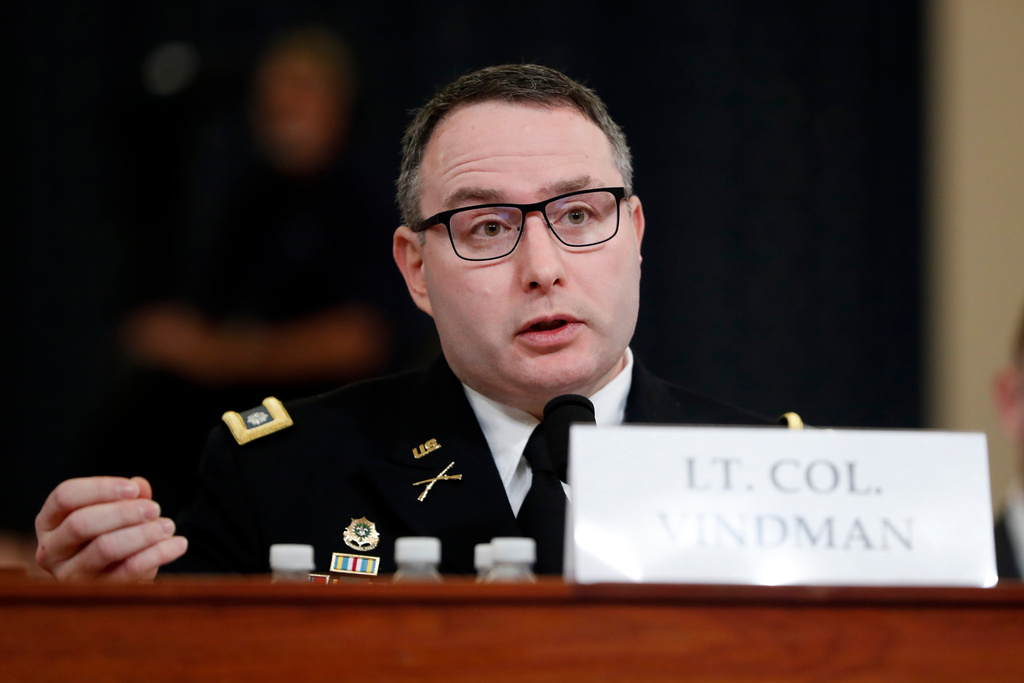
A $16 Million Senate Bid Failed: What Vindman’s Florida Primary Loss Says About Impeachment Politics
Florida Democrats just delivered one of the most jarring results of the 2026 primary season: Rep. Angie Nixon defeated Alexander Vindman in the Democratic primary for U.S. Senate, roughly 55% to 43% with most votes counted, even though Vindman’s campaign spent an estimated $16.3 million to Nixon’s...
Read more →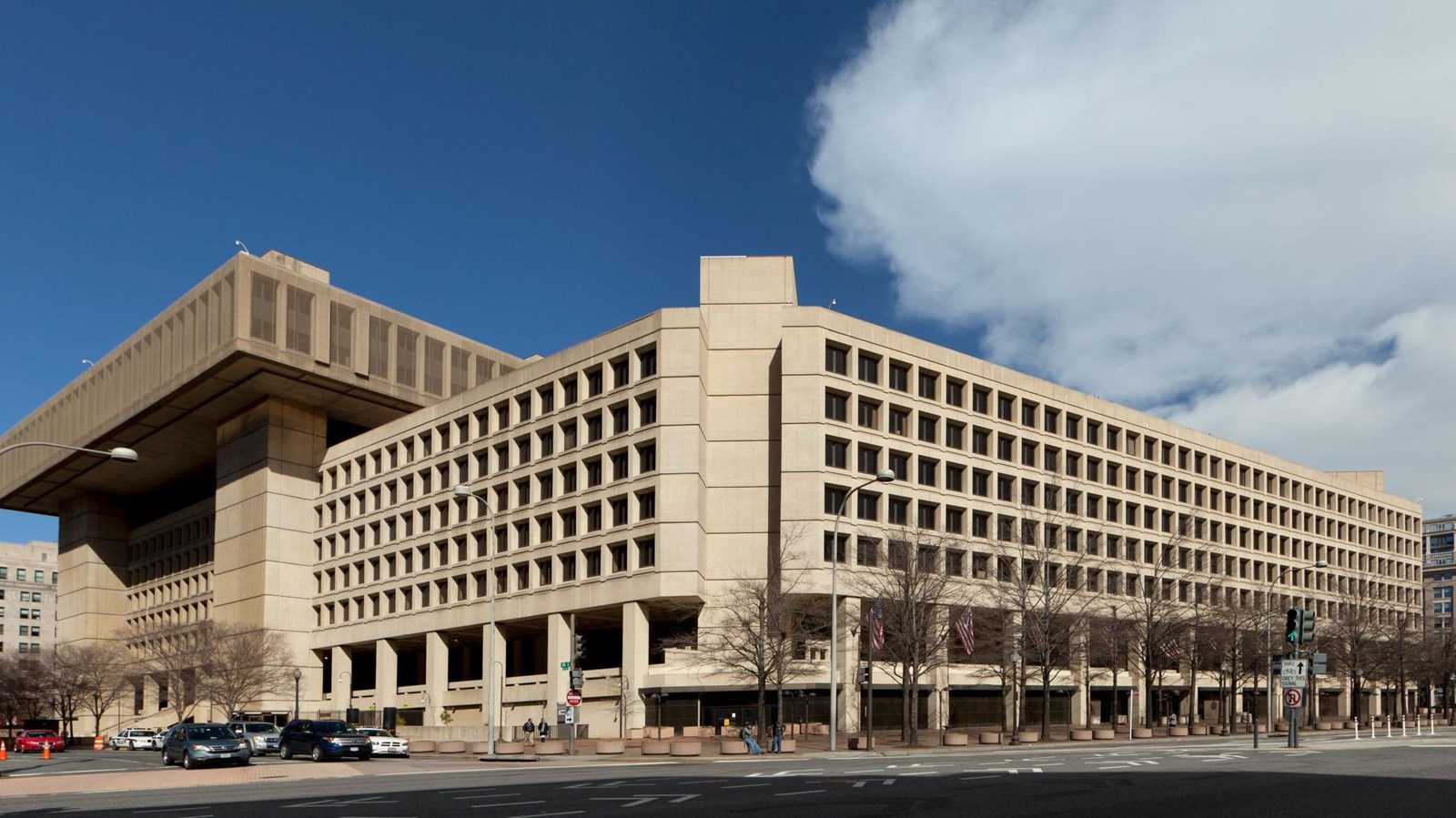
Who Controls Federal Buildings? Why a Judge Blocked the FBI Headquarters Move
It feels like a simple question: if the FBI is an executive branch agency, why can a federal judge block where it puts its headquarters? Because in Washington, “where an agency sits” is rarely just an internal office decision. Federal buildings are not personal property of a president or an agency....
Read more →