
Bill of Rights
Browse articles in Bill of Rights on U.S. Constitution

When a Minor Violation Becomes Financial Ruin
You can live in a constitutional republic and still feel like the rules are hard to see until you trip over them, and the penalties are anything but subtle. Cases like these show how quickly that gap can open. Because somewhere in America, a six-pack of beer can end with the government taking a...
Read more →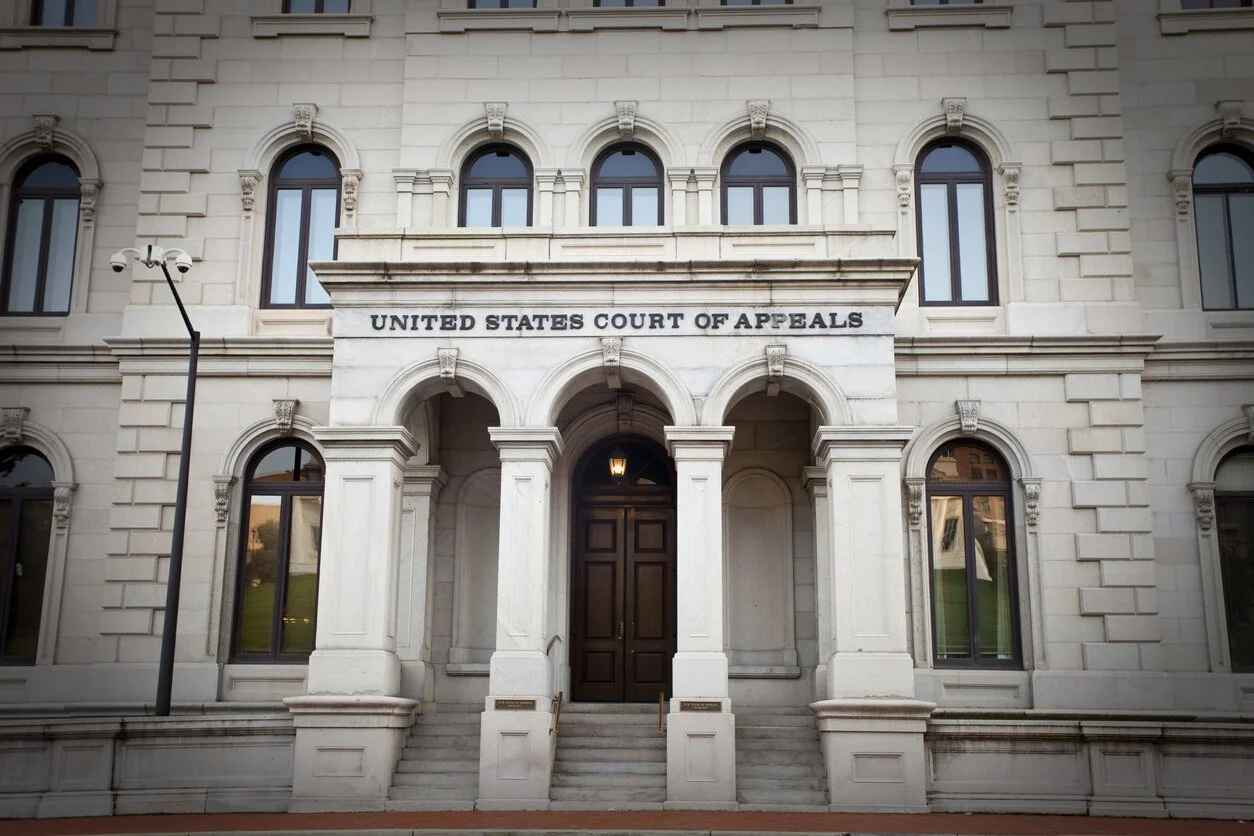
When Judges Lose Immunity: The Line Between the Bench and the Jail Cell
Judicial immunity is one of those legal doctrines that sounds absolute until you see what it is actually designed to protect. Judges need room to make unpopular calls without worrying that every disappointed litigant will sue them personally. But immunity does not turn a robe into a blank check,...
Read more →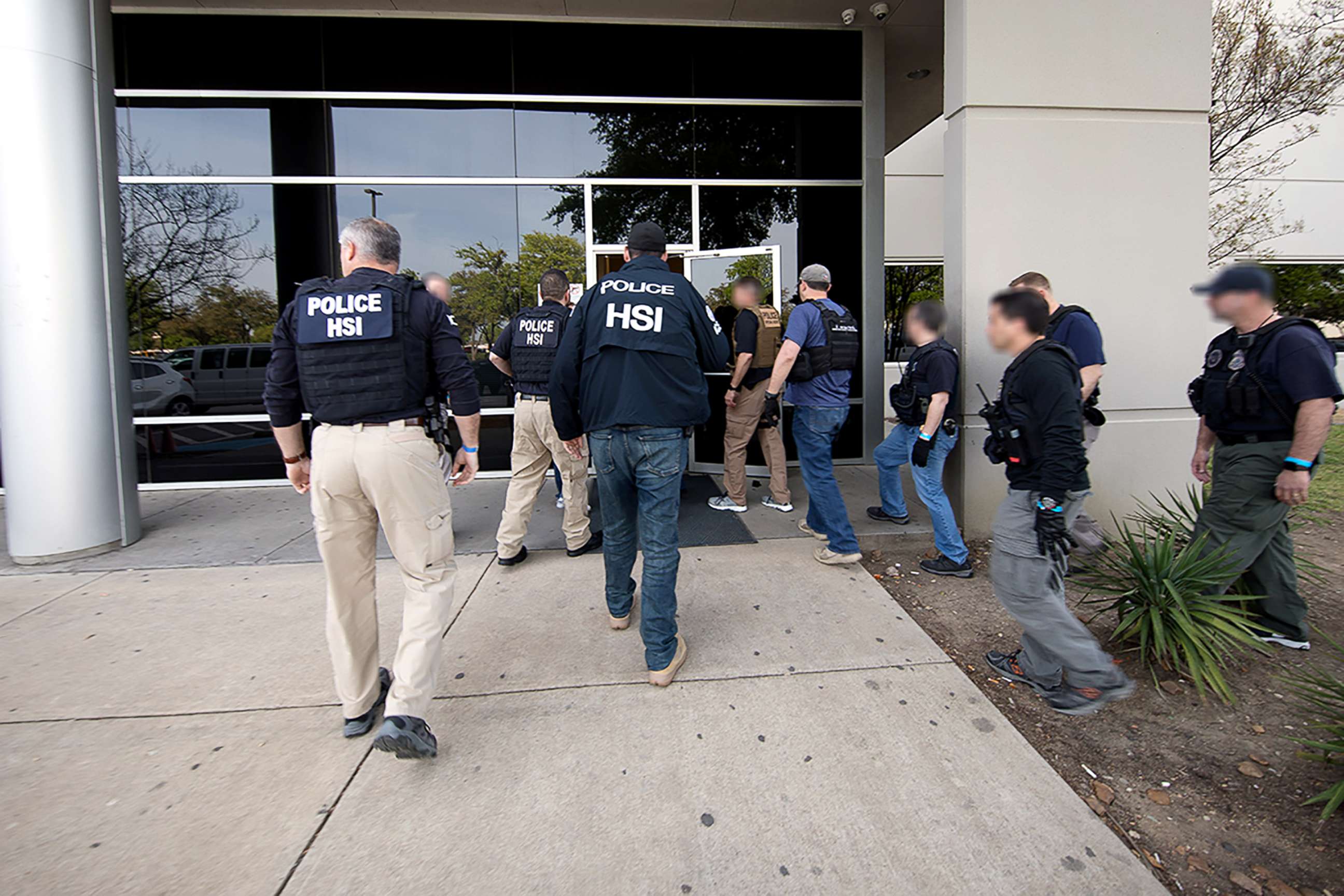
What Happens in an ICE Workplace Raid?
Videos of workers running from immigration agents are jarring because they collapse a big, abstract legal authority into a very small space: a kitchen doorway, a service window, a back parking lot. People watching usually ask the same questions in the same order. Can ICE just walk into a business?...
Read more →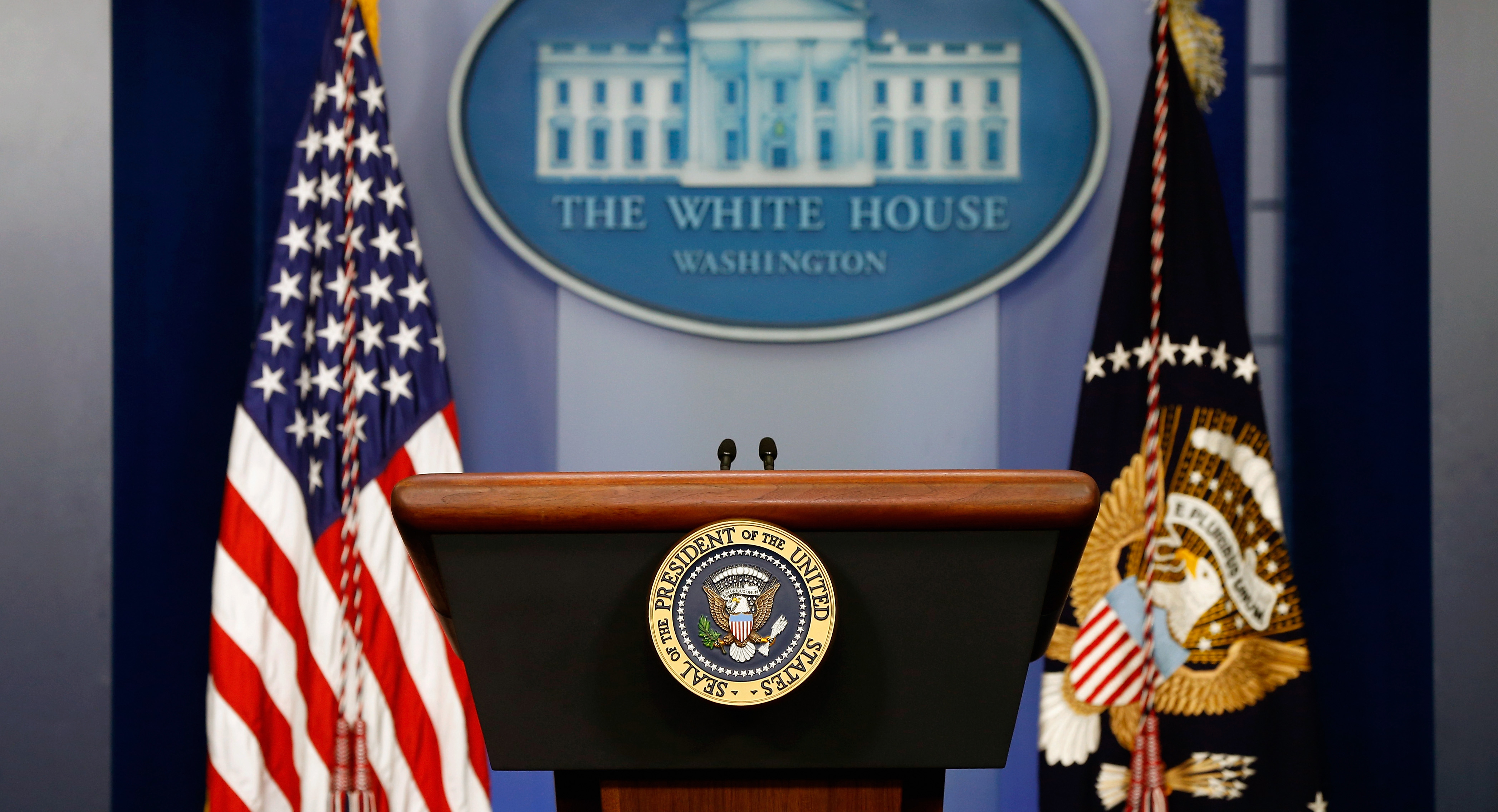
Can the White House Ban News Outlets?
The headline claim that a president has “banned” specific outlets from the White House hits a nerve because it sounds like censorship. But the constitutional question is narrower and more technical: not whether the government can silence a newsroom, but whether the executive branch can deny...
Read more →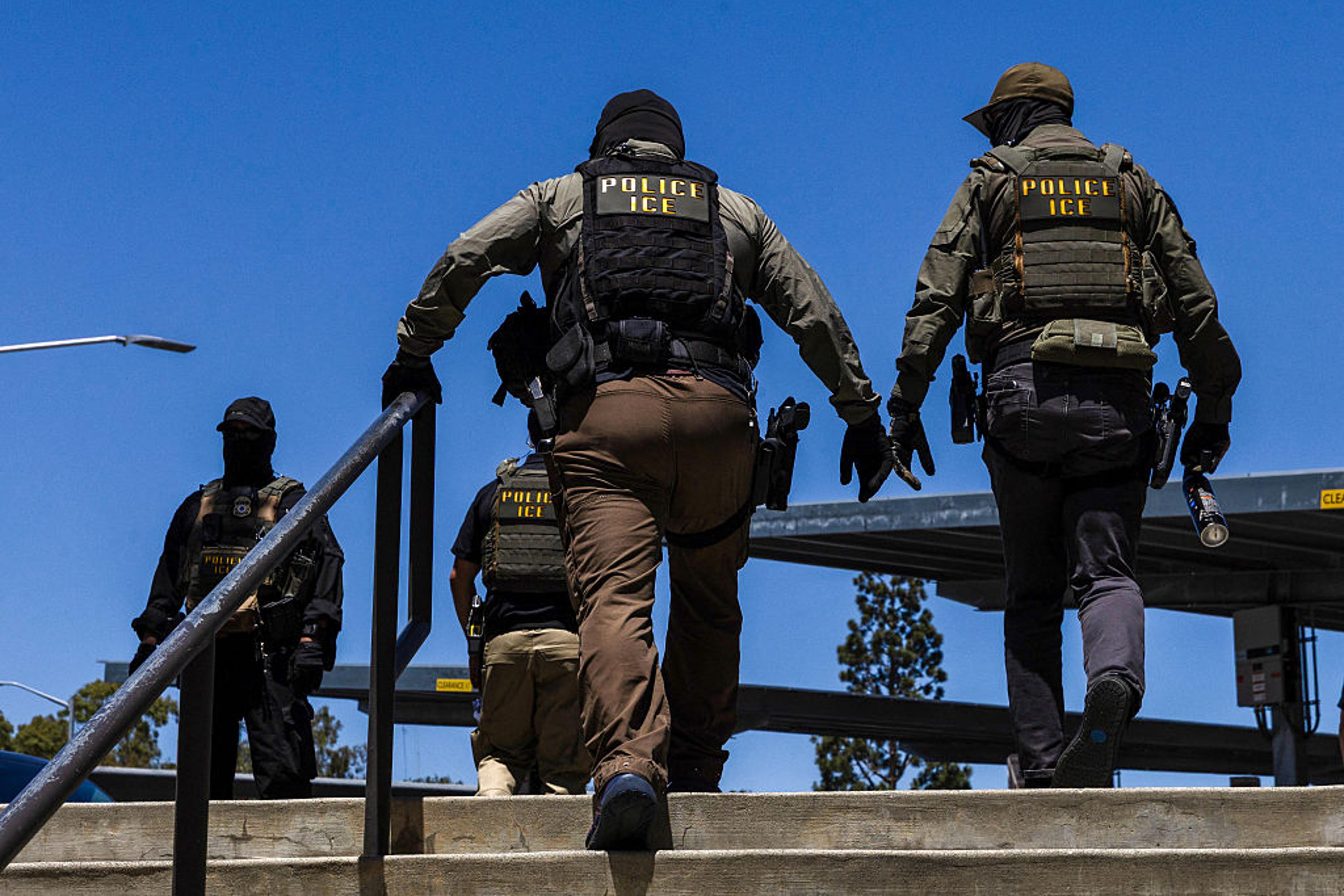
What Are the Limits on ICE? Constitutional Rights in Immigration Enforcement
When people say immigration enforcement has “crossed the line,” they usually mean one of two things: agents entered places they should not have entered, or people were detained in ways that felt arbitrary, coercive, or impossible to challenge. Those concerns map onto two longstanding constitutional...
Read more →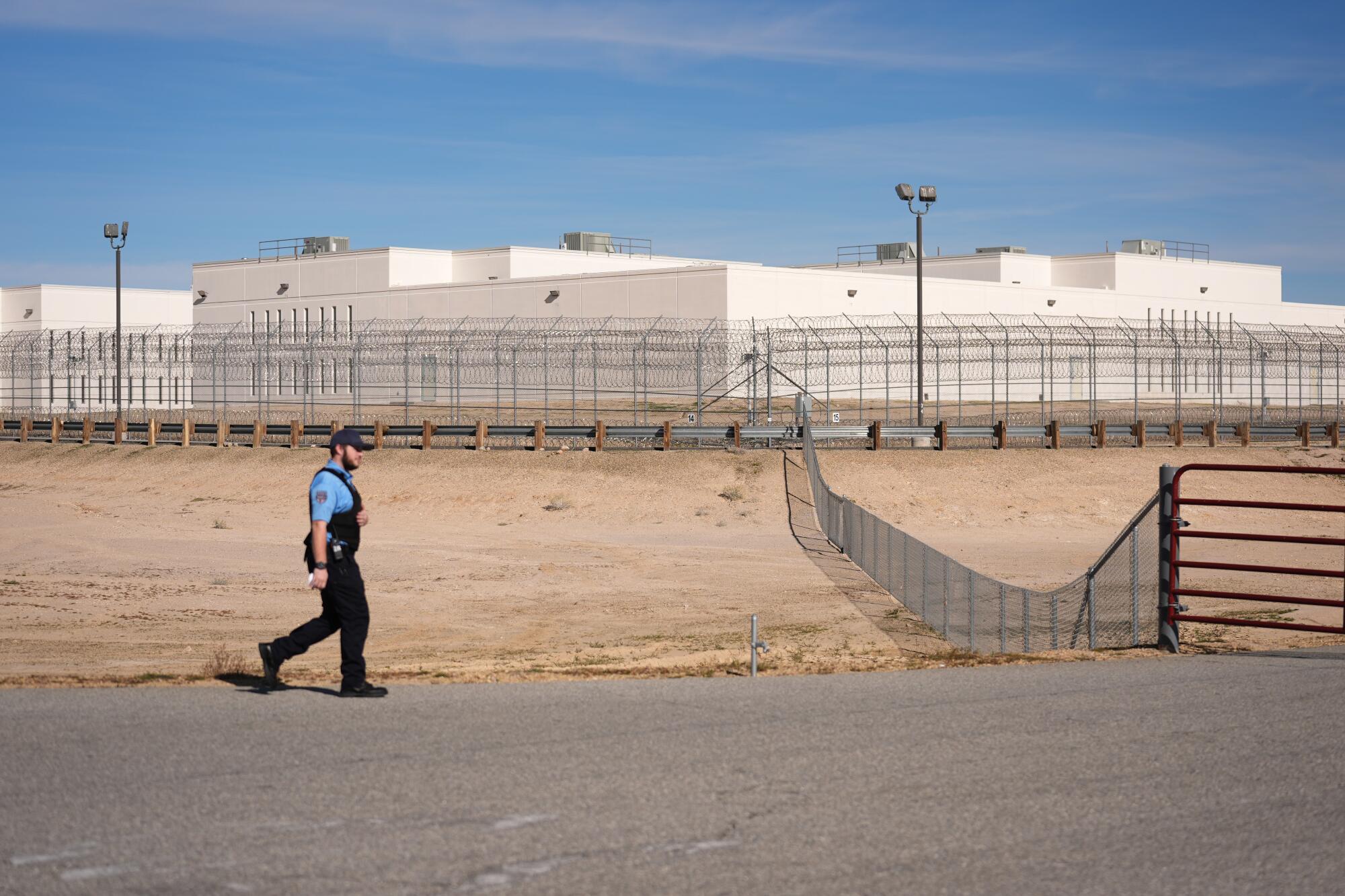
ICE Detention and Bond Hearings: What Due Process Requires
Immigration detention is one of the most visible places in American law where the government can hold a person for months without ever filing a criminal charge. That is not because the Constitution stops applying at the border or inside an ICE facility. It is because immigration detention is...
Read more →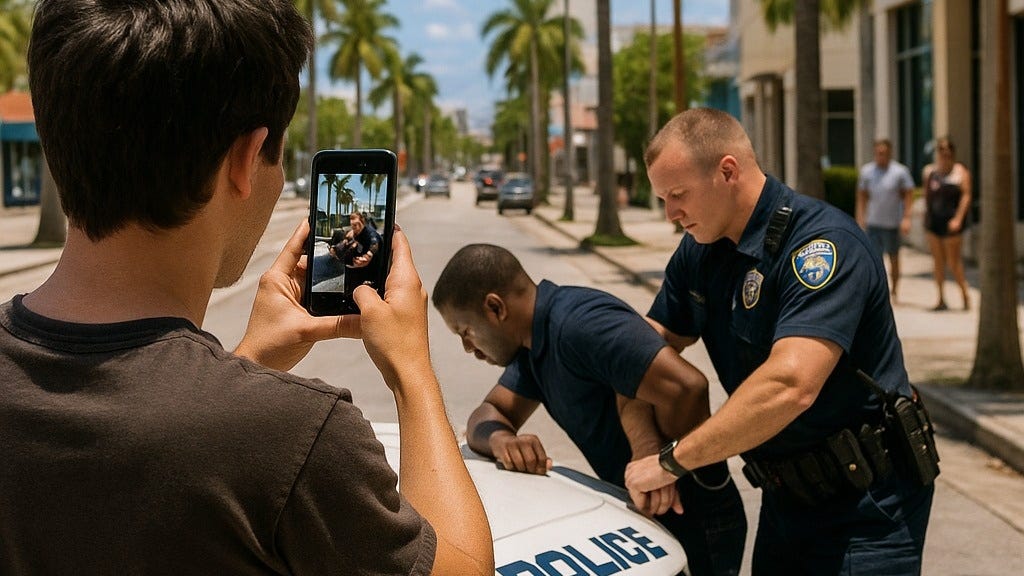
Second Circuit: You Can Film Police in Public
If you have ever wondered, “Am I allowed to record the police from the sidewalk?” the U.S. Court of Appeals for the Second Circuit has given a clearer answer for people living in New York, Connecticut, and Vermont: yes. The First Amendment protects recording law enforcement activity in public when...
Read more →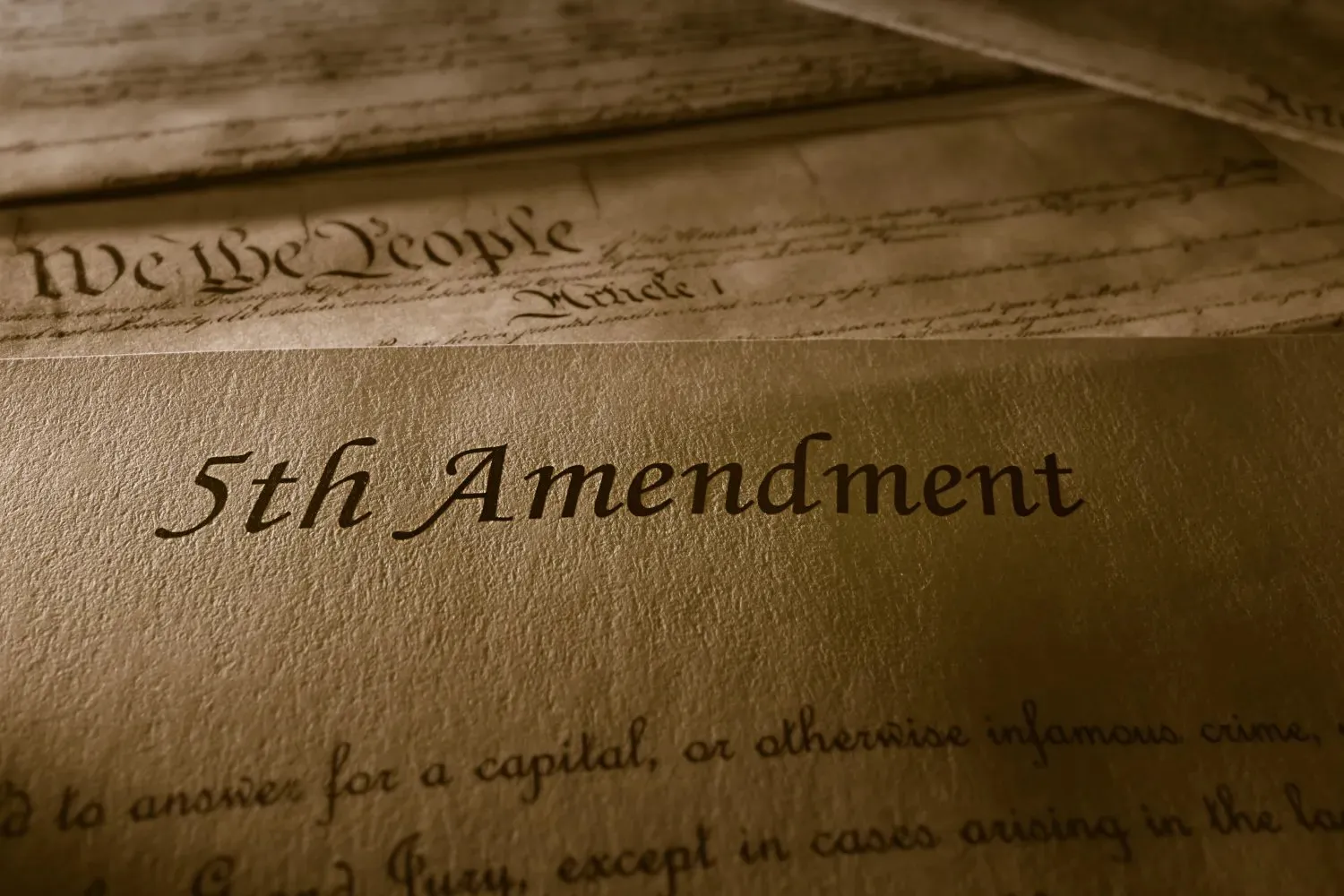
What Does Pleading the Fifth Mean? Self-Incrimination and Senate Testimony Explained
“Pleading the Fifth” is one of those phrases Americans use as shorthand for guilt, stonewalling, or scandal. Constitutionally, it means something narrower and more technical: a witness is invoking the Fifth Amendment’s privilege against compelled self-incrimination , the rule that the government...
Read more →
Can You Protest Outside a Church? First Amendment Limits and New Penalties Explained
You can protest outside a church. In many situations, it is classic First Amendment activity: speech, assembly, petition, all happening on a public sidewalk where Americans have always argued about public questions. But you cannot turn “protest” into a veto on worship. The Constitution protects...
Read more →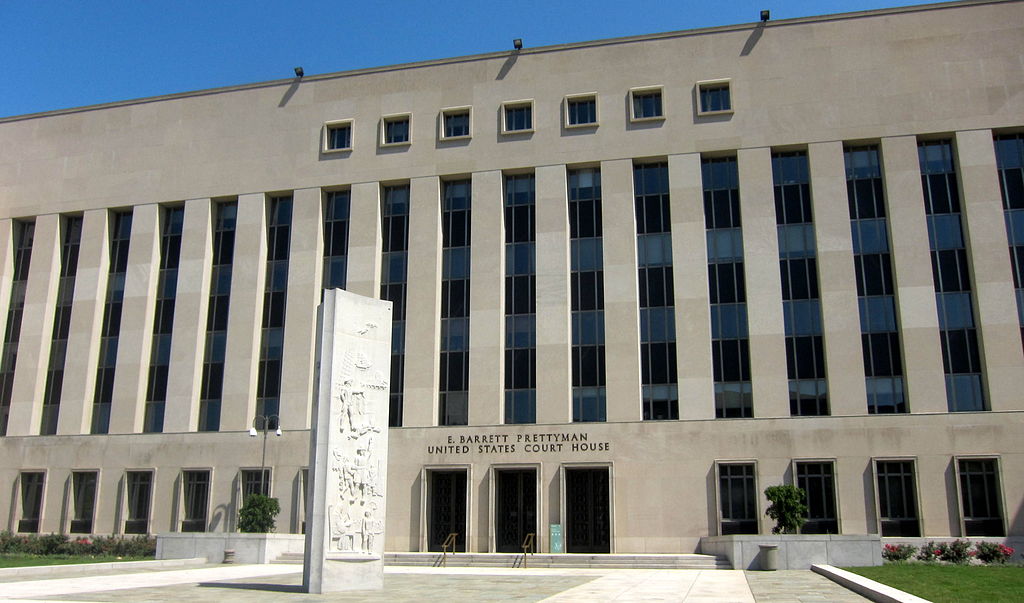
What Is FISA Section 702?
You can tell a surveillance power matters when it shows up in places that do not look like surveillance debates at all, like a fight over confirming a Director of National Intelligence or a Senate logjam that leaves an intelligence authority in limbo. That authority is FISA Section 702 , and it...
Read more →
Answering the Door Armed: The Fourth Amendment Trap
There are constitutional questions that live comfortably in textbooks, and then there are constitutional questions that show up on your porch, under a flashing blue light, when your heart rate is already climbing. Here is one of those questions: Can you put on a holstered handgun before you answer...
Read more →
A $95,000 Plane for a 6-Pack: The Supreme Court Takes an Eighth Amendment Forfeiture Case
It is hard to teach the Bill of Rights as a set of living limits on power, and then watch a case like this drift across the legal landscape for more than a decade. The U.S. Supreme Court has agreed to hear the challenge of Ken Jouppi, a retired 82-year-old Alaska bush pilot whose $95,000 Cessna...
Read more →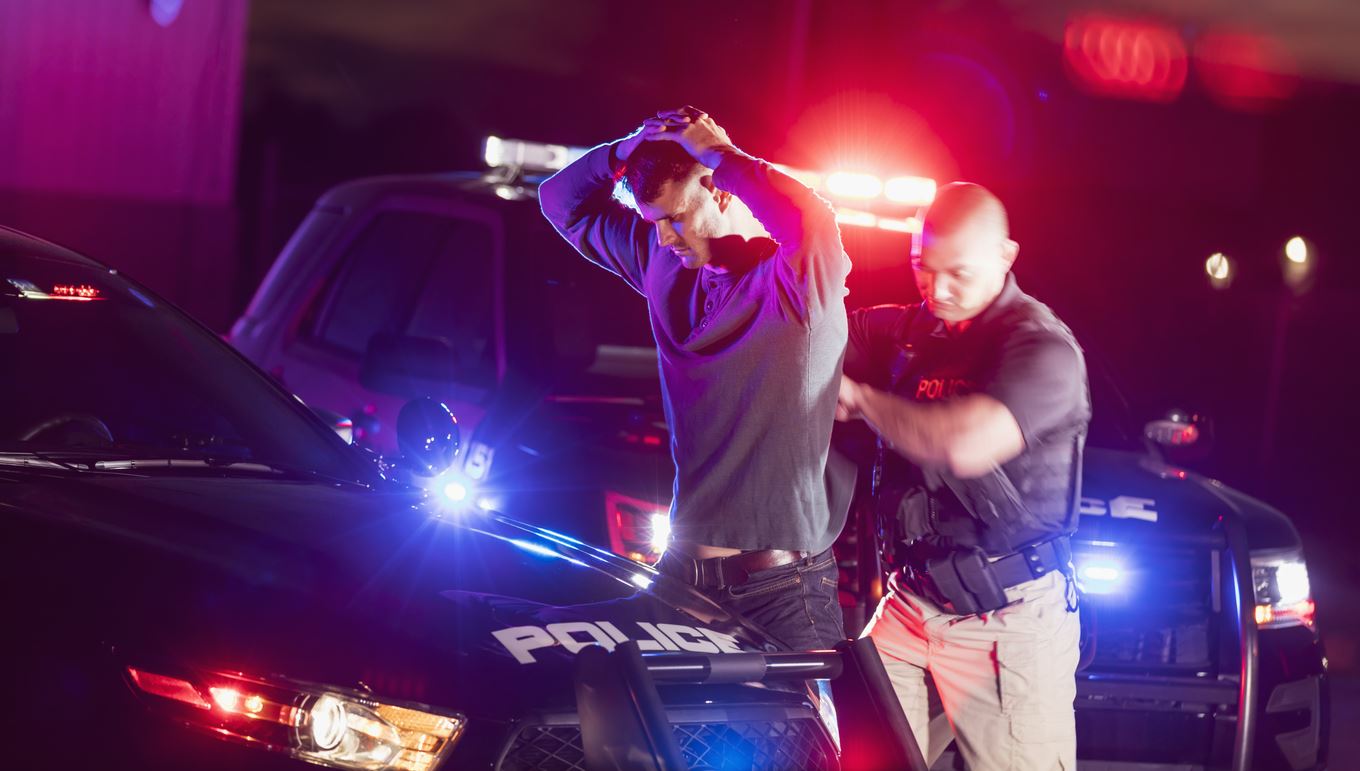
Can ICE Use Traffic Stops?
When a political figure calls the traffic stop one of ICE’s “most important” tools, it turns a practical tactic into a constitutional question. Can ICE use traffic stops? Sometimes, yes. But in the United States, a “stop” is not a casual conversation. It is a Fourth Amendment seizure , and that...
Read more →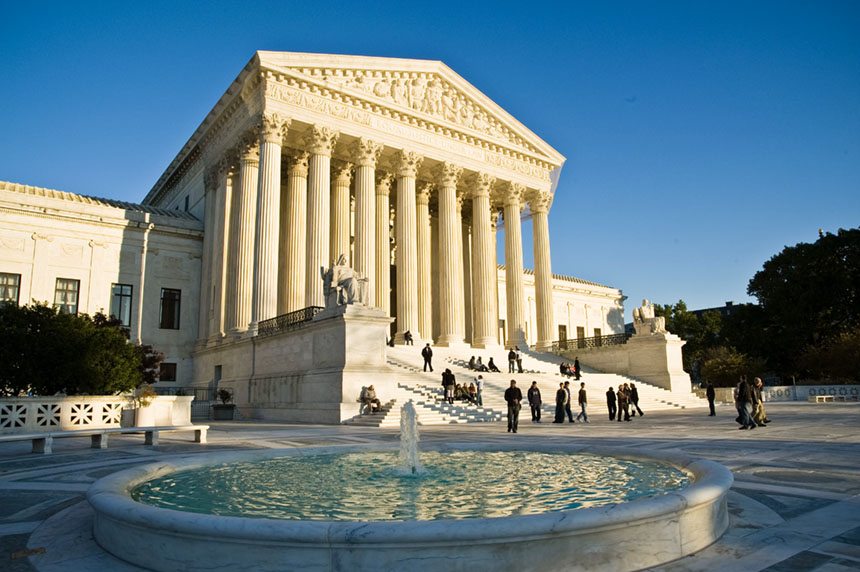
The Vanishing Jury Trial
The Sixth Amendment promises what sounds like a civic birthright: the accused can demand a “speedy and public trial” before an “impartial jury.” Article III backs it up. The Declaration of Independence even lists the loss of jury trials as a hallmark of tyranny. So here is the question I would have...
Read more →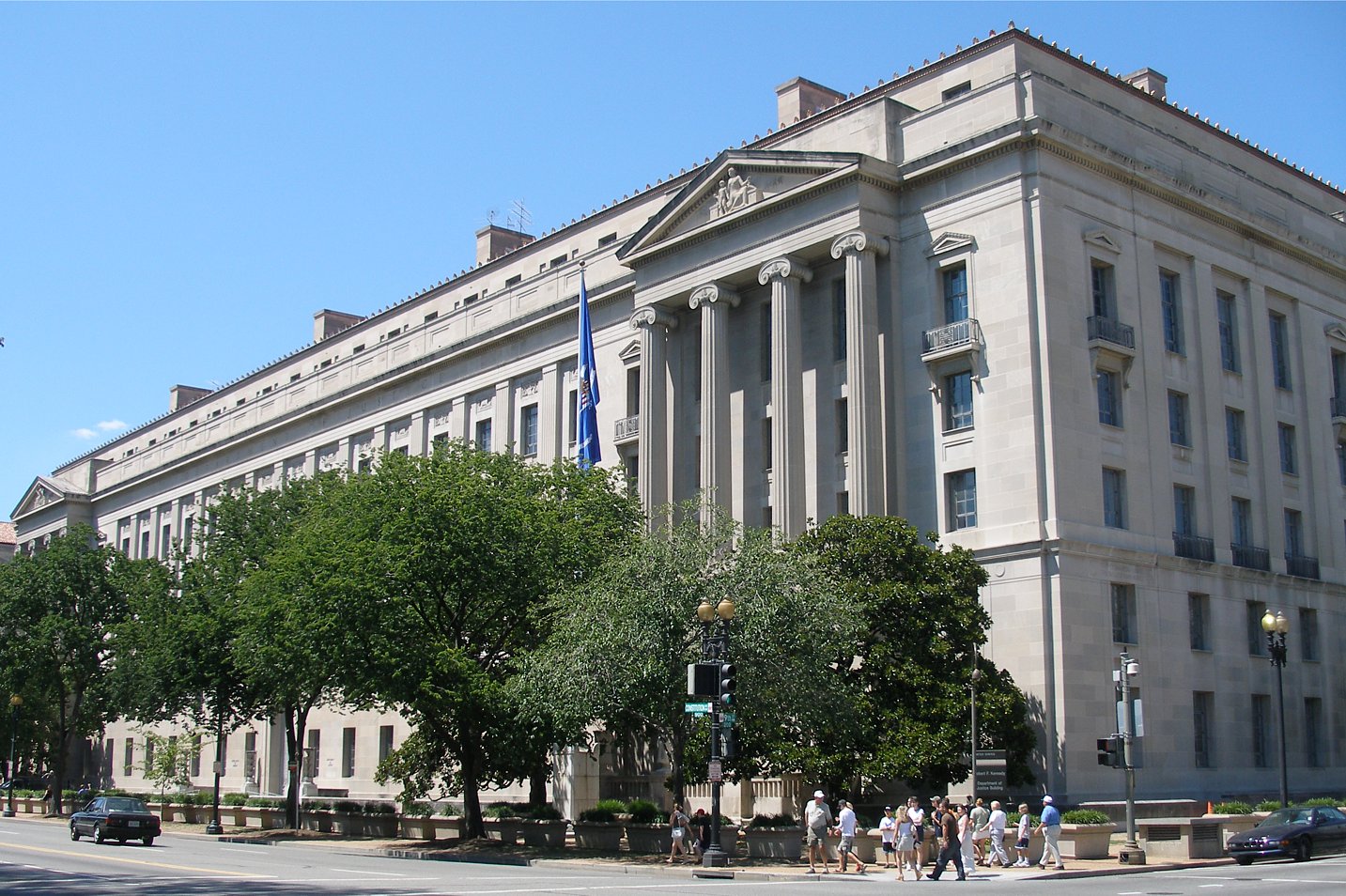
How DOJ Lawsuits Try to Knock Out State Gun Laws
When most people picture a Second Amendment fight, they picture a gun owner suing a state. But gun-law litigation can also run the other direction: the federal government, through the Department of Justice, asking federal courts to block a state restriction it believes violates the U.S....
Read more →
Restoring Second Amendment Rights After Mental Commitment
The Constitution is full of rights that sound absolute until you read the fine print we have built around them. The Second Amendment is one of them. The modern Court says an individual has a right to keep and bear arms, but it also repeats a familiar caveat: some categories of people can be...
Read more →
Is the “86/47” Flag Protected Speech?
When a short slogan becomes a national controversy, the constitutional question is rarely about the slogan itself. It is about who gets to decide what it means , and what the government is allowed to do when it believes a political message sounds like danger. The “86/47” flag has become that kind...
Read more →
Can a Protest Flag Be Banned?
Here is the uncomfortable truth we keep rediscovering in American life: political speech is often ugly, ambiguous, and deliberately provocative. A protest flag is not designed to be soothing. It is designed to be seen. So the constitutional question is not whether a protest flag is in good taste....
Read more →
Justice Thomas, Criminal Procedure, and the Bill of Rights
The Bill of Rights was written for the ordinary moment: the knock at the door, the traffic stop, the search you did not expect, the courtroom you never planned to enter. Most constitutional rights are not exercised in marble hallways. They are tested in fluorescent-lit rooms by people who cannot...
Read more →
Ineffective Assistance of Counsel Explained
The Sixth Amendment guarantees the “Assistance of Counsel” for the accused in criminal prosecutions. Most people hear that and picture a simple promise: if the state is trying to take your liberty, you get a lawyer. But the real promise is sharper than that. A lawyer who shows up and does almost...
Read more →