
Diplomatic immunity is one of those phrases Americans hear when something goes wrong: a serious car crash, an assault allegation, a sensational headline that ends with “the suspect claimed immunity.” It can sound like a magic word. Like a foreign official can do anything on U.S. soil and simply walk away.
That is not what diplomatic immunity is. It is not a personal perk. It is a treaty-based rule the United States follows because it wants American diplomats abroad to be protected by the same rule.
The core idea is practical: diplomacy requires contact, negotiation, and sometimes criticism of the host government. If the host country can arrest, sue, or harass foreign diplomats whenever relations sour, diplomacy collapses. Immunity is the legal buffer that keeps disputes between governments from turning into disputes handled by local prosecutors, local courts, and local politics.
Join the Discussion
Where it comes from
In U.S. law, diplomatic immunity is primarily grounded in treaty obligations and implemented through federal statute.
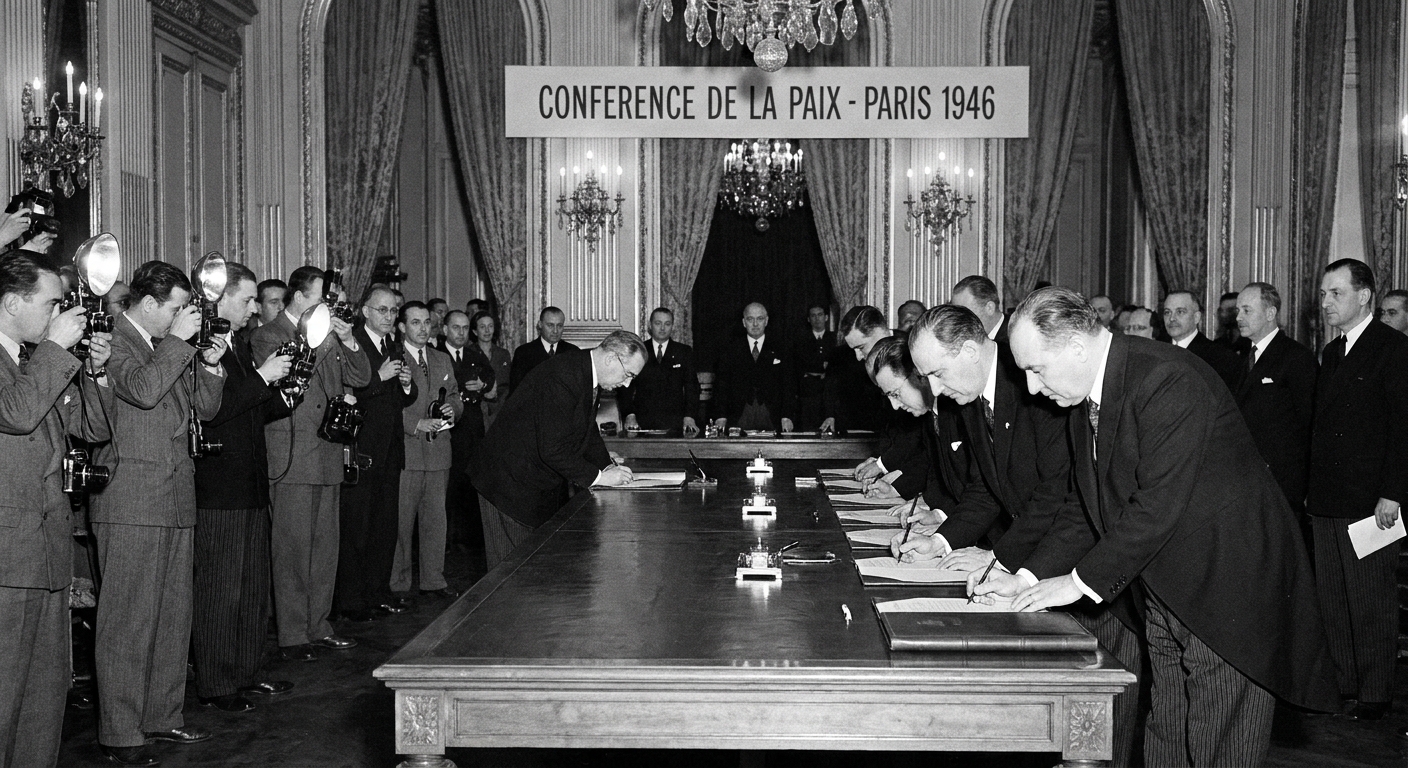
The Vienna Convention on Diplomatic Relations (1961) is the main treaty. It sets the baseline rules for embassies, diplomats, and their families.
The Vienna Convention on Consular Relations (1963) governs consular officers, who usually have a narrower form of immunity tied to their official duties.
The Diplomatic Relations Act (22 U.S.C. §§ 254a to 254e) is the key U.S. law that incorporates the Vienna rules into domestic law and instructs U.S. courts how to treat claims of immunity.
The Constitution matters here too, but mostly in the background. Treaties are part of the “supreme Law of the Land” under the Supremacy Clause (Article VI). That does not mean every treaty provision is automatically enforceable in every context, but U.S. courts generally treat treaty-based immunity as binding when it applies, and they typically defer to the State Department’s certification of an individual’s status.
Who gets it
Not everyone connected to a foreign government receives the same protection. The Vienna system is layered. Think of it as a ladder, not a light switch.
1) Diplomatic agents
Diplomatic agents, including ambassadors and accredited diplomats, receive the strongest protection.
Criminal jurisdiction: The U.S. generally cannot exercise criminal jurisdiction over the person while full diplomatic immunity applies.
Civil jurisdiction: Broad immunity from civil lawsuits, with a few important exceptions listed in the treaty.
Personal inviolability: The diplomat generally cannot be arrested or detained, and the host state must treat the diplomat with respect and take appropriate steps to prevent attacks on their person, freedom, or dignity.
A concrete example: if an accredited diplomat is arrested after a bar fight, the legal question is not whether the fight was illegal. It is whether U.S. authorities can prosecute the diplomat in U.S. court while that status is in place.
2) Administrative and technical staff
These are the people who keep an embassy running: communications specialists, IT staff, analysts, and other accredited employees of the mission.
Criminal jurisdiction: Under the Vienna Convention, they generally have full immunity from the host country’s criminal jurisdiction.
Civil and administrative jurisdiction: Unlike diplomatic agents, their immunity is generally limited to acts performed in the course of their duties (unless a specific agreement expands it).
In plain terms: they are strongly protected from criminal prosecution while accredited, but they do not automatically have the same near-total civil shield for purely private conduct.
3) Service staff
Service staff, such as certain domestic or maintenance roles employed by the mission, usually receive a narrower protection.
Immunity: Generally limited to official acts only.
4) Consular officers
Consular officers are not the same as diplomats. They work on passports, visas, assistance to nationals, and local administrative tasks. Their immunity is typically functional, not personal.
Criminal jurisdiction: More limited than diplomats. Depending on the circumstances and applicable treaty rules, they can be arrested or detained in serious cases.
Civil jurisdiction: Often limited to official acts, not personal conduct.
A simple example: a consular officer’s decision to deny a visa is the kind of official act that is generally protected. A private dispute unrelated to consular work usually is not.
5) Family members
Immediate family members who form part of the diplomat’s household often receive similar immunity to the principal diplomat, as long as they are recognized by the U.S. as “members of the family forming part of the household.” In U.S. practice, family members who are U.S. citizens or lawful permanent residents often do not receive full immunity, or may receive more limited privileges, consistent with State Department guidance and accreditation practice. This is one of the most publicly controversial parts of the system, because a family member can be involved in an incident unrelated to diplomacy.
6) International organizations and special missions
Separate rules can apply to officials of international organizations and to temporary “special missions.” In the U.S., this often involves additional statutes and agreements beyond the Vienna framework, including the International Organizations Immunities Act and, for U.N.-related matters in New York, the U.N. Headquarters Agreement.
Who usually does not get it
Locally hired employees of a foreign mission and private contractors typically do not receive Vienna-style personal immunity. Their legal status is usually the same as any other person working in the United States, unless a specific agreement says otherwise.
Criminal vs. civil
Americans usually encounter the phrase “diplomatic immunity” in criminal contexts, but immunity also affects civil lawsuits. The distinction matters because the scope and exceptions are different.
Criminal cases
For accredited diplomatic agents, the rule is blunt: the U.S. generally cannot prosecute the person in U.S. criminal court while full immunity applies. That does not mean the conduct is lawful. It means the local legal system cannot be the tool used to punish it.
In practice, the host country’s main remedies are diplomatic, not prosecutorial: ask for a waiver, request departure, or declare the person persona non grata.
Civil cases
Civil immunity is broad, but it has classic carve-outs. Under the Vienna Convention, a diplomat can be sued in limited categories, including:
Real actions relating to private immovable property in the host country, unless the property is held on behalf of the sending state for mission purposes
Succession matters where the diplomat is involved as a private person (for example, as an executor or heir)
Professional or commercial activity outside official functions
Those exceptions exist because the treaty is trying to protect diplomacy, not to give an official a private business shield. If a diplomat runs a side business in the host country and a customer sues, the host country is not required to pretend it is “diplomacy.”
What immunity is not
Not a license to ignore U.S. law: Diplomats are still expected to obey the law. The question is enforcement, not morality.
Not a permanent status: Full personal immunity is tied to accredited status and presence in the role.
Not the end of all liability: When a person’s posting ends, they generally lose personal immunity. But a narrower, residual protection for official acts can continue even after they leave, reflecting the idea that a government should not be sued or prosecuted indirectly by targeting former officials for what they did on the job.
Embassies and “foreign soil”
One common misconception is that an embassy is literally “foreign soil.” It is not. Embassy land and buildings remain part of the host country’s territory.
What the treaties do provide is inviolability. Host-country authorities generally may not enter mission premises without consent, and mission archives and official communications receive special protection. That is a different concept from personal immunity, but the two are often confused in pop culture and in headlines.
How claims are handled
When immunity is invoked, the case usually shifts away from the normal courtroom script and into a verification and diplomatic process.
Step 1: Verify status
Immunity depends on accreditation and recognition. Police and prosecutors typically rely on the U.S. Department of State to confirm whether the person is covered and what level of immunity applies.
In court, State Department certification of status is often decisive. The practical result is that immunity is not something a defendant simply declares. It is something the U.S. government recognizes based on treaty status and official diplomatic lists.
Step 2: Decide what can proceed
If immunity applies, prosecutors may have to dismiss or refrain from filing charges. In civil cases, a court may dismiss claims that fall within immunity’s scope.
Step 3: Diplomatic remedies
If the conduct is serious, the U.S. has options that do not require a conviction:
Request a waiver of immunity from the sending state
Declare the person persona non grata and require them to leave
Restrict privileges in certain contexts, consistent with treaty obligations
Seek cooperation so the person can be prosecuted in their home country
Waiver is the pressure point
Immunity belongs to the sending state, not the individual official. That is why the receiving state asks the foreign government to waive immunity if prosecution is appropriate. Waivers are not automatic, but they do happen, especially in high-profile or grave cases where refusing would severely damage relations.
Victims and plaintiffs
Immunity can feel like a dead end for the person harmed. U.S. courts may be unavailable, and the defendant may leave the country.
But “no local jurisdiction” does not always mean “no accountability.” Possible paths include:
Home-country prosecution if the sending state chooses to bring charges
Civil remedies in limited categories where immunity does not apply, or after personal immunity ends
Diplomatic settlements or compensation, depending on the circumstances and the sending state’s choices
The uncomfortable truth is that the system prioritizes stable international relations over full local legal access. The payoff is reciprocal protection for Americans serving abroad, including in countries where courts are not independent and where political retaliation is a real risk.
Persona non grata
If you want the clearest example of what “diplomatic” enforcement looks like, it is this: the United States can declare a diplomat persona non grata.
That designation means the person is no longer acceptable to the host country. The sending state must recall them or terminate their functions. It is expulsion by another name, and it is one of the most important ways a host state can respond to misconduct without trying to force the issue through its criminal courts.
Parking tickets and day to day friction
Most diplomatic-immunity disputes never look like a thriller. They look like traffic stops, collisions, parking tickets, and insurance arguments.
Even when full immunity blocks a citation from turning into a court case, the incident still triggers consequences: reports to the State Department, communications with the embassy, potential requests for payment, and, in serious or repeat situations, escalating diplomatic pressure. The details vary, but the pattern is consistent: the enforcement tool is diplomatic leverage, not prosecution.
Immunity vs. extradition
This is where people often cross wires. Diplomatic immunity and extradition both involve borders, crime, and foreign governments, but they are opposite legal moves.
Immunity is a shield
Immunity limits the host country’s power to arrest, prosecute, or sue certain foreign officials. It is about jurisdiction and status while the person is present and accredited.
Extradition is a handoff
Extradition is the process by which one country delivers a person to another country to face criminal charges or serve a sentence, usually under a treaty and subject to judicial review and executive discretion.
The key contrast
Immunity asks: Can the U.S. exercise jurisdiction over this person here, right now?
Extradition asks: Should the U.S. surrender this person to be prosecuted there?
They can intersect in headlines, but legally they run on different tracks. A diplomat with full immunity is generally not “extradited” by the U.S. because the core response is typically waiver, recall, or expulsion. Extradition usually concerns ordinary suspects who do not have treaty-based immunity in the first place.
Why it survives
Diplomatic immunity persists because it is less about what a foreign official “deserves” and more about what the United States needs in return.
Without immunity, an American diplomat in an unstable country could be arrested on manufactured charges. A consular officer could be hauled into local court over routine visa decisions. A political dispute could become a criminal case overnight.
Immunity is the constitutional irony of international law: a democracy agrees to restrain its own enforcement power so it can protect its people when they operate outside the democracy.
And that restraint comes with a civic cost. When misconduct happens, the remedy looks like paperwork, phone calls, negotiations, and quiet departures. That is often unsatisfying. It is also, by design, how nations keep diplomatic conflict from becoming something harsher.
Quick takeaways
Diplomatic immunity in the U.S. comes primarily from the Vienna Conventions and is implemented through federal law.
Immunity is tiered: diplomatic agents usually have the broadest protection; consular officers and service staff often have narrower, duty-based protection.
Administrative and technical staff generally have full criminal immunity, but their civil and administrative immunity is typically limited to official acts.
Civil immunity has specific treaty exceptions: private immovable property actions, succession matters, and professional or commercial activity outside official functions.
The U.S. response is often diplomatic: verify status through the State Department, request a waiver, or declare the person persona non grata.
Embassies are not “foreign soil,” but mission premises and archives are inviolable under treaty rules.
Diplomatic immunity is not extradition. Immunity limits U.S. jurisdiction; extradition is a process for surrendering a person to another country.