
FAQ
Browse articles in FAQ on U.S. Constitution
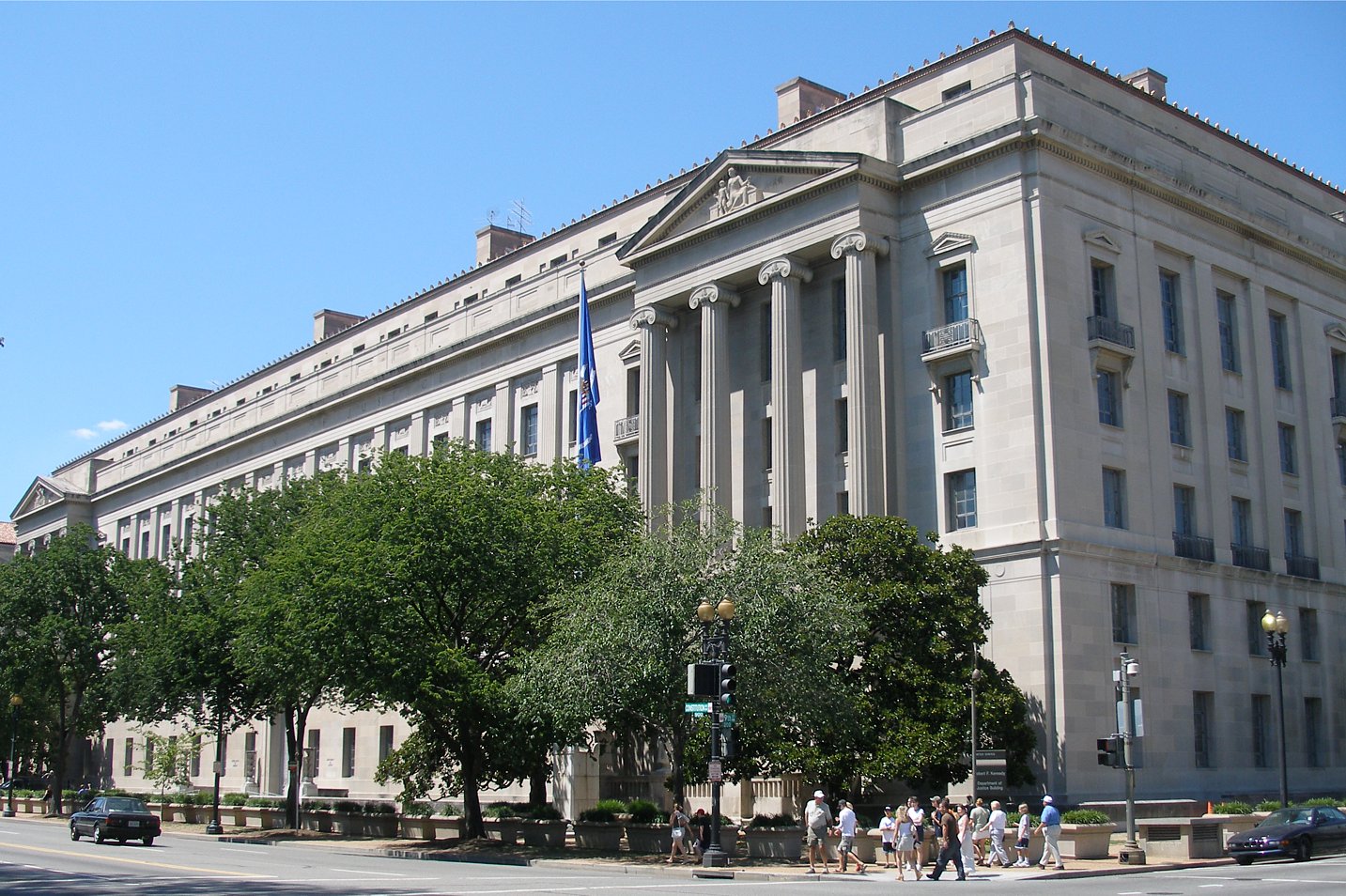
Why State Voter Files Are Not “Just Public Records”
Voter registration records sit in a complicated place. States often let the public view or purchase parts of the voter file, but those same states also treat the information as something that can create serious privacy and security problems if it spreads too broadly. That push and pull is why...
Read more →
Can a President Cancel the Midterms?
Every few election cycles, the same anxious question comes roaring back into American political life: can the president just cancel the midterms? The legal answer is refreshingly plain. No. Midterm elections are not a discretionary event the executive branch can switch off like a light. Federal...
Read more →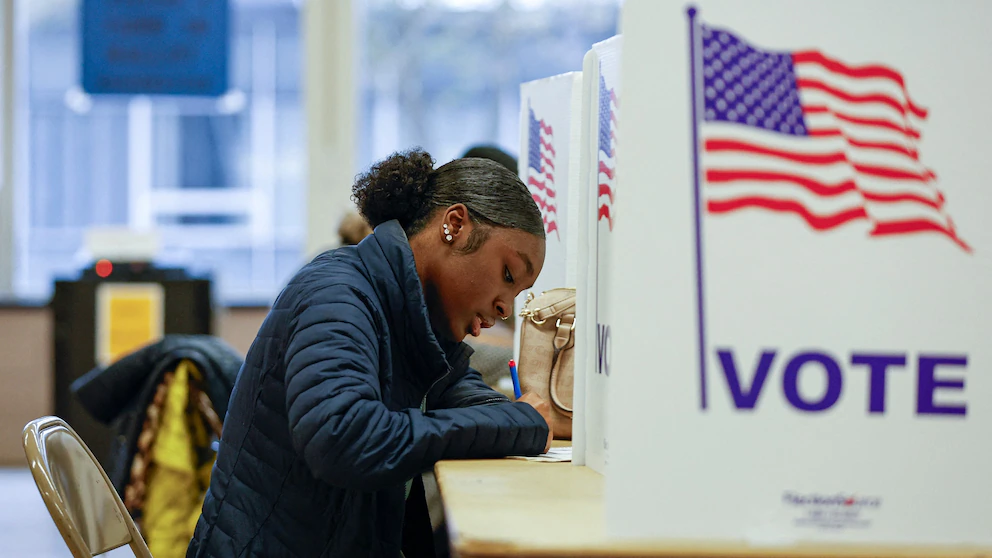
Can a Green Card Holder Vote? The Law on Illegal Voting and Election Crimes
Every election cycle produces the same jolt of confusion: a headline about a noncitizen accused of voting , followed by a wave of questions about whether the law actually forbids it, how anyone gets caught, and who has the power to prosecute. The short answer is straightforward. A green card holder...
Read more →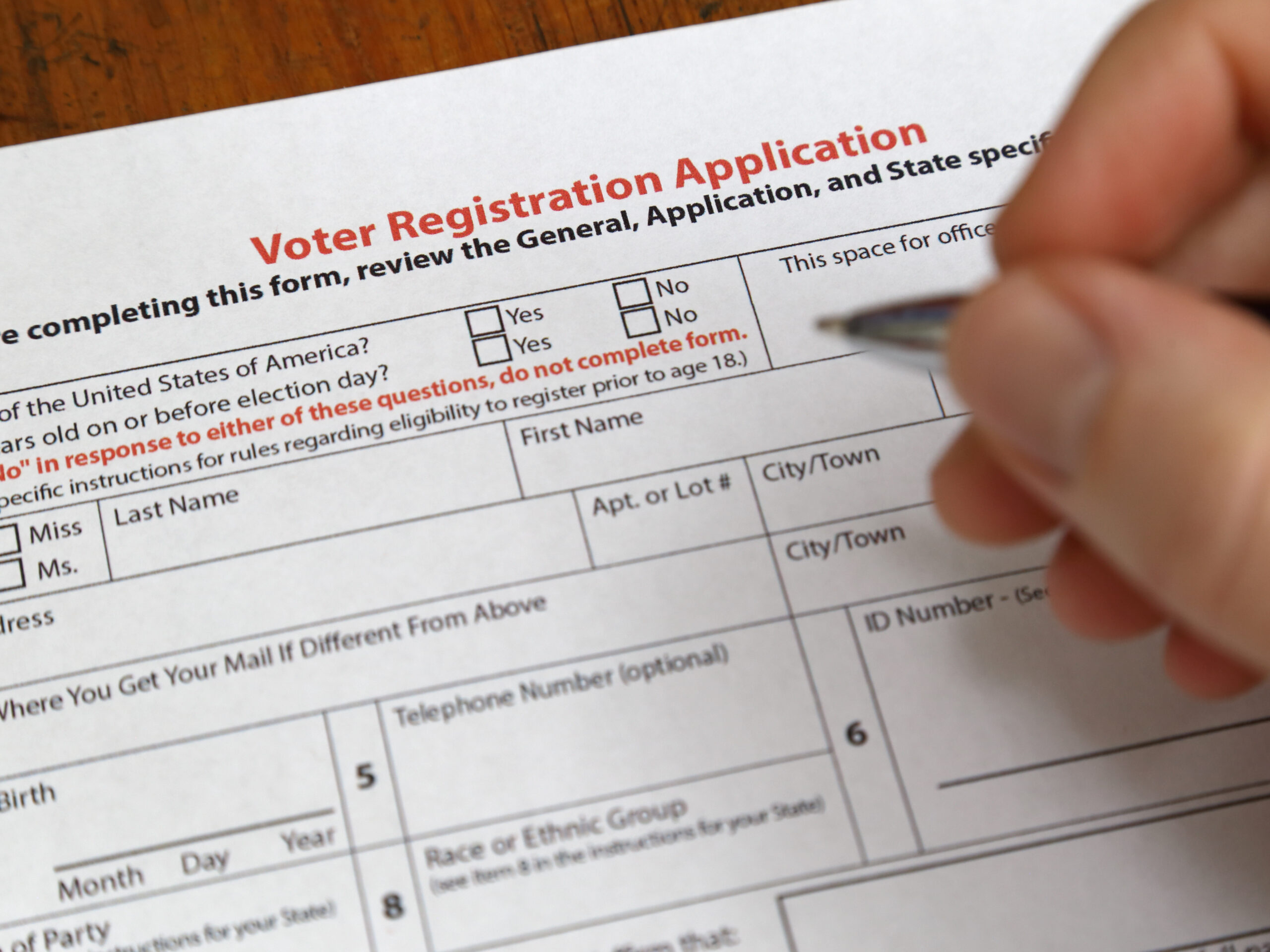
Can Non-Citizens Vote in Federal Elections?
Every election cycle, a familiar claim resurfaces: non-citizens are voting , sometimes because a state “automatically registered” them. A recent guilty plea by a French citizen tied to the 2022 midterms, paired with an allegation that he was registered through a New Jersey motor vehicle...
Read more →Visa Bulletin and Priority Dates Explained
The Visa Bulletin looks simple until you actually need it. A grid of dates. A few cryptic letters. Two different charts that do not always move together. And the quiet, unnerving truth that your place in line for a green card is not just about eligibility. It is about arithmetic, quotas, and when...
Read more →
H-1B Visa Explained
The H-1B visa sits at a uniquely American intersection: business demand, immigration law, and a system built to ration opportunity through paperwork. It is the most widely recognized “specialty occupation” work visa, and it is also one of the most misunderstood. People talk about it like a golden...
Read more →T Visa Explained: Protection for Trafficking Survivors
Many immigration categories are anchored in work, family, or a fear of persecution. The T nonimmigrant visa is anchored in something else: what it means to survive human trafficking, and then try to rebuild a life while the criminal justice system moves forward. Congress created T status in the...
Read more →
U Visa Explained: Immigration Relief for Crime Victims
You can be the victim of a serious crime in the United States and still be treated, in practice, like you are the problem. The U visa was created to change that. It is a humanitarian immigration status for certain crime victims who have suffered substantial harm and who are willing to help law...
Read more →Cancellation of Removal, Explained
In immigration court, “removal” is the formal word for deportation. “Cancellation of removal” is exactly what it sounds like: a judge can cancel the removal case and let a person stay in the United States. But here is the catch that confuses people. Cancellation is not a constitutional right. It is...
Read more →
What Does a District Attorney Do?
The words district attorney sound straightforward: an attorney for a district. In real life, the job is both narrower and more powerful than that. A district attorney, often called a DA or, in some states, a state’s attorney , is the chief local prosecutor for a county or prosecutorial district....
Read more →Consular Processing Explained
Consular processing is the immigrant visa pathway most people use when they are outside the United States and want to enter as lawful permanent residents. It is not a single form. It is a sequence of handoffs between agencies, deadlines that matter, and one high-stakes moment when a consular...
Read more →
Passport Photo Sizes
Passport photos are one of those small details that can slow down an application faster than people expect. The photo rules are not universal. Each country sets its own standard dimensions, cropping expectations, and technical requirements, and even a “close enough” print from a retail photo kiosk...
Read more →
Passport Photo Sizes by Country (20 English-Official Nations)
Passport photos look simple, but they can still slow down an application if they do not meet the specs. In many systems, a non-compliant photo triggers a request to resubmit before processing can continue. The tricky part is that there is no single global standard. One country may want a 2 × 2 inch...
Read more →
What Is RICO?
“RICO” gets used like a synonym for “big crime.” But the Racketeer Influenced and Corrupt Organizations Act is not a vibe. It is a specific federal statute, passed in 1970, that lets prosecutors and civil plaintiffs treat a long-running scheme as the main event. Most criminal law is built to punish...
Read more →
RICO Case Meaning
People throw around the phrase “RICO case” like it is shorthand for big scandal . Someone gets indicted with a stack of charges, the headline says “RICO,” and the public takeaway is basically: this must be serious . It often is. But the meaning of a RICO case is more specific and more technical...
Read more →
Motion for Summary Judgment
Most civil lawsuits do not end with a dramatic trial. They end on paper. One of the biggest paper tools in federal court is the motion for summary judgment , often shortened to MSJ . It is the moment a party tells the judge: if you view the evidence and draw all reasonable inferences in the other...
Read more →
Adjustment of Status Explained
If you are eligible , you can pursue a green card from inside the United States without traveling abroad for a visa interview. That process is called Adjustment of Status , or AOS. It sounds simple in a sentence, but in practice it is a choreography of forms, deadlines, and eligibility rules that...
Read more →
Humanitarian Parole vs. Advance Parole
In everyday English, “parole” sounds like something you get after serving time. In immigration law, it means something very different, and much more precarious. Immigration parole is a discretionary permission to be in the United States for a limited period and a specific purpose, without being...
Read more →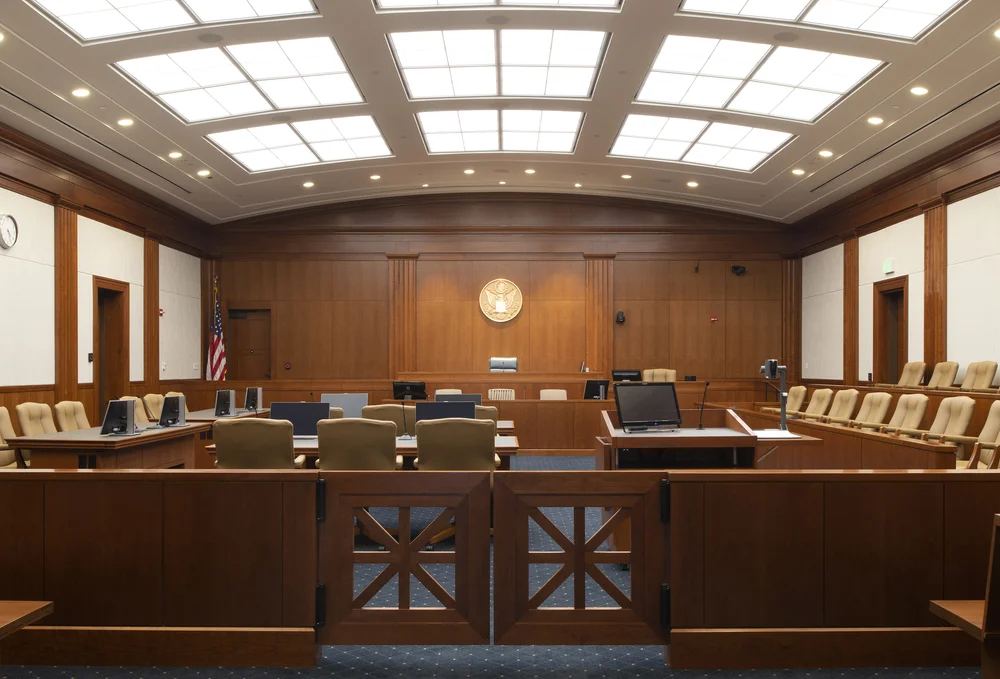
Federal Magistrate Judges
You might expect “judge” to mean one thing in federal court: a black robe, a lifetime appointment, and the power to decide the case. Then you open your summons or read a docket update and see a different title: United States Magistrate Judge . That is when the questions start. Is a magistrate judge...
Read more →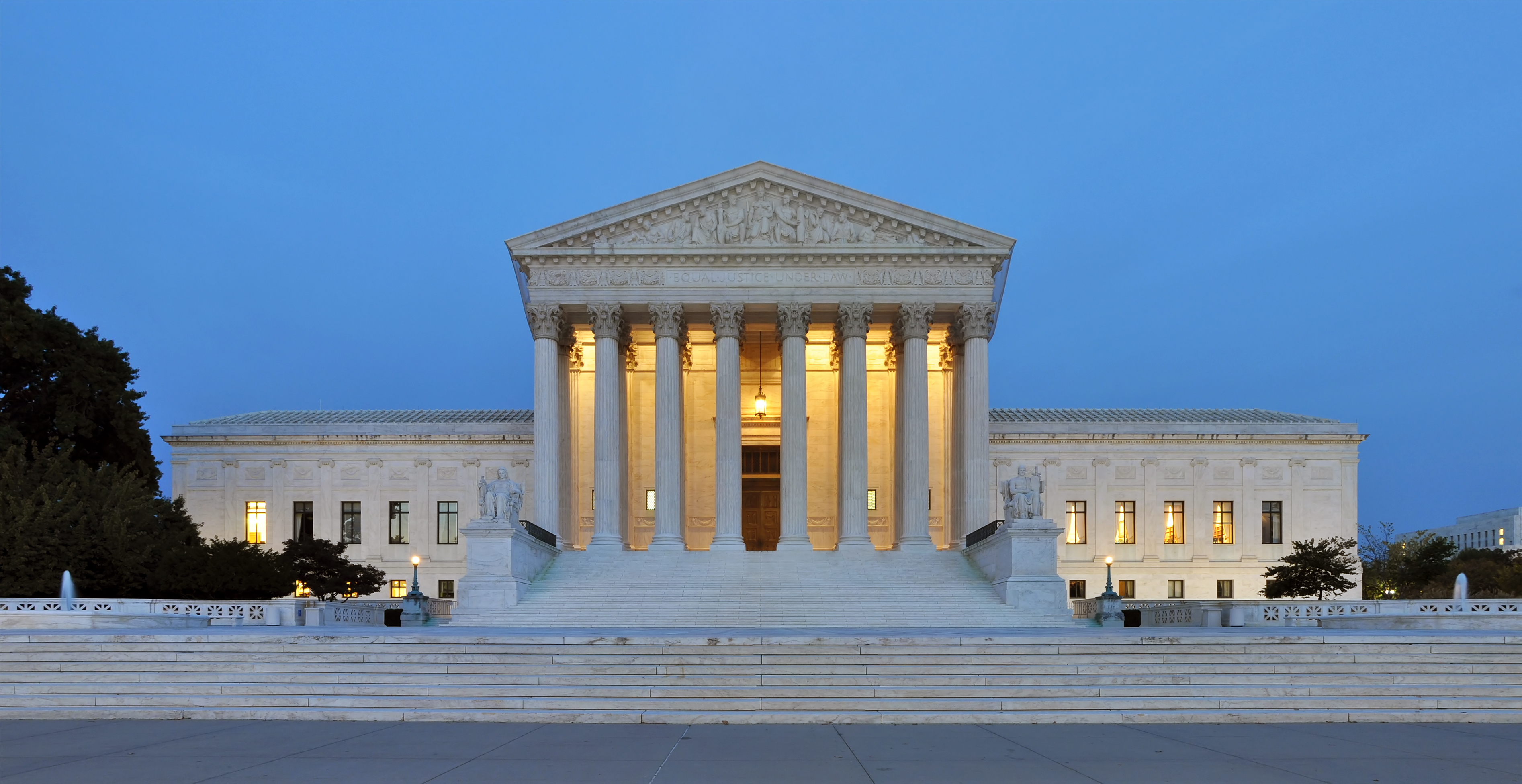
How to Read a U.S. Supreme Court Opinion
Most Supreme Court opinions look like they were designed to keep ordinary readers out. Dense prose. Latin phrases. Citations stacked like bricks. Then a one-line result that somehow changes the law for hundreds of millions of Americans. But you do not need a law degree to read an opinion...
Read more →