
Articles by Eleanor Stratton
Browse articles in Articles by Eleanor Stratton on U.S. Constitution

Can the Government Collect Voter Data From 47 States? What the Lawsuit Says
A new lawsuit filed in federal court in Washington, D.C., is challenging the Trump administration’s efforts to collect and analyze voter data from across the country. The complaint alleges the Department of Homeland Security obtained voter files from at least 47 states , then handled the...
Read more →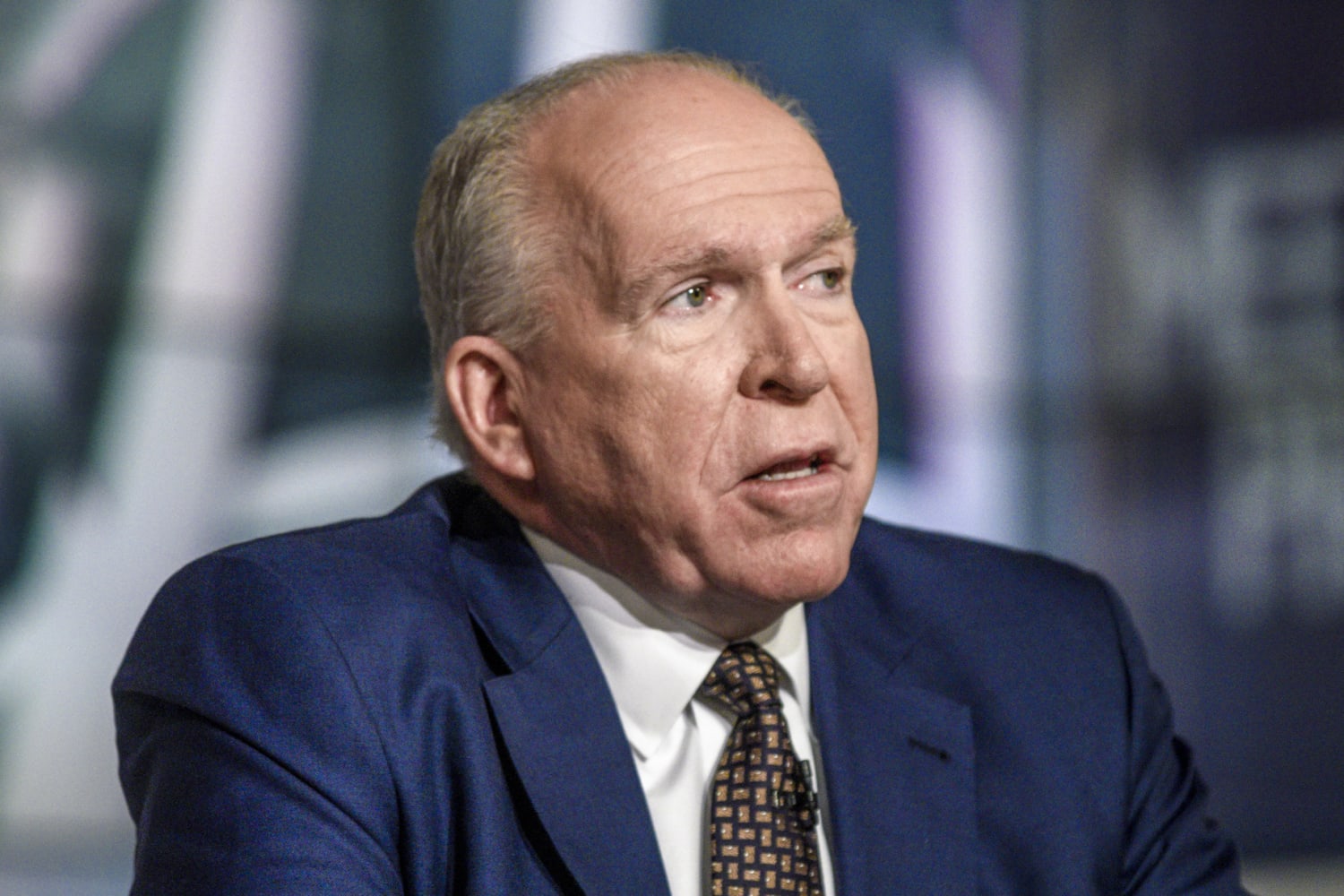
Why Brennan’s Lawsuit Failed and Why the Investigation Still Matters
When a former senior official sues a sitting administration, most people assume the court is about to referee the underlying political fight. That is not what happened in John Brennan’s case. A federal judge dismissed Brennan’s lawsuit against President Donald Trump and multiple top officials...
Read more →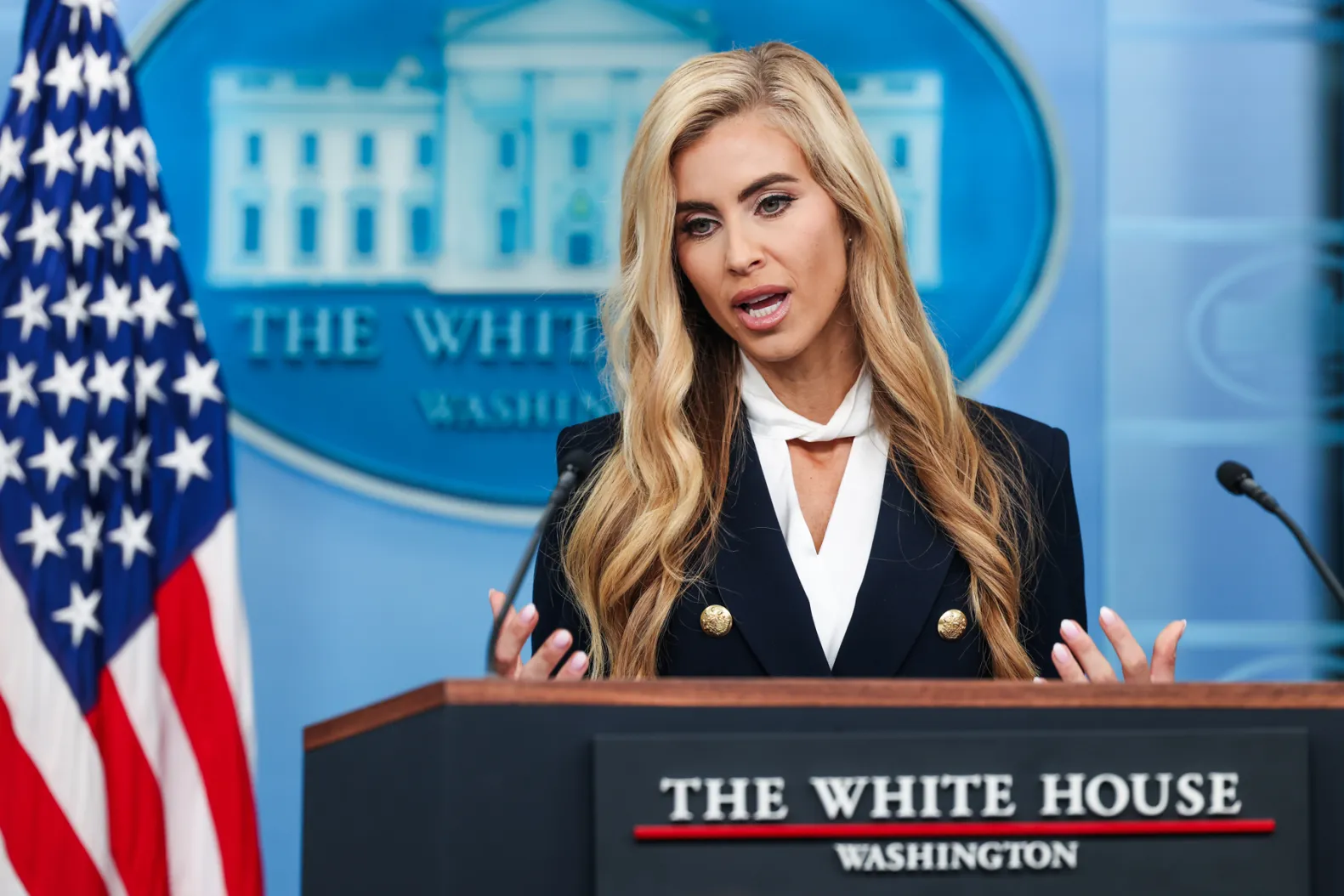
Why White House Press Secretaries Get Fired So Fast
White House press secretaries can look like public officials in their own right. They stand at the podium, speak for the president, and become a daily proxy for the administration. But the job is still a job. And in this case, it lasted a week. White House Press Secretary Katie Zacharia is leaving...
Read more →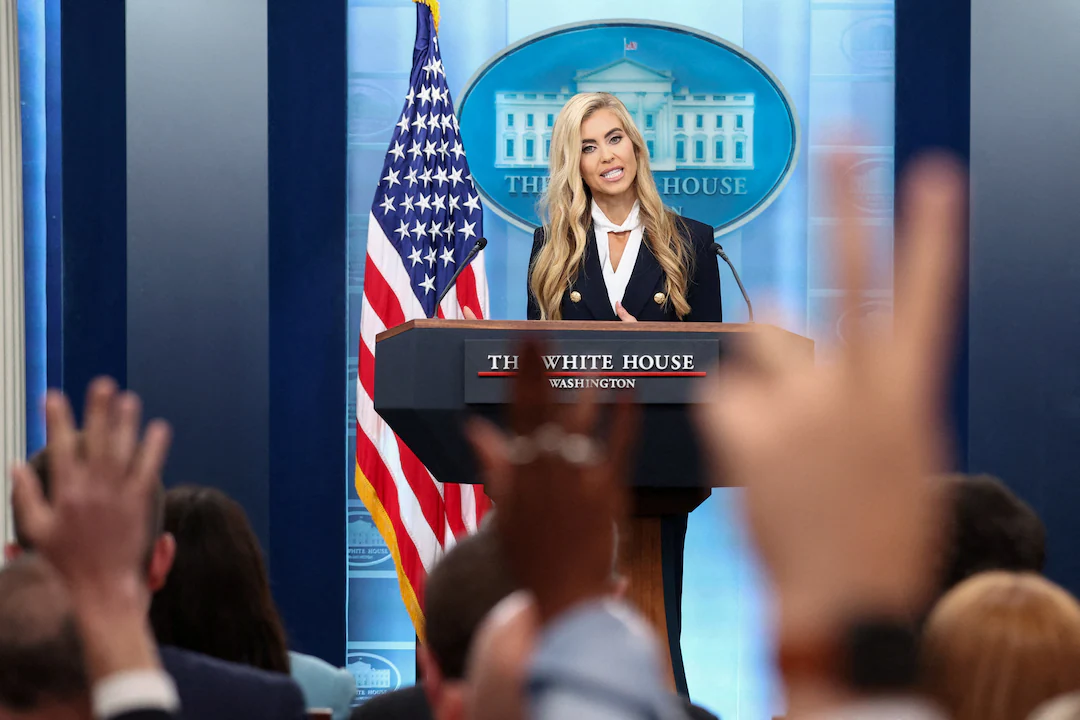
Katie Zacharia Ousted After Five Days as Press Secretary
Katie Zacharia’s time as the White House press secretary ended on Friday, less than a week after it began. Zacharia started on Monday. By Friday, President Donald Trump told reporters he had encouraged her to “reconsider” taking the job. Trump described a conversation with Zacharia as advice about...
Read more →
Martial Law Talk Is Back. Here’s What the Constitution Actually Allows.
“Martial law” has become one of those phrases that can hijack the national nervous system in a single news cycle. It sounds like a button a president can press when politics get messy. It sounds like tanks, curfews, and soldiers replacing civilian government. That is why the latest round of...
Read more →
Fired FBI Staff Sue Over Trump-Case Dismissals
When people hear “FBI” and “Trump classified documents” in the same sentence, they tend to assume the story is about evidence, indictments, or executive privilege. This one is about something more basic: a workplace dispute involving people who worked on a politically charged investigation. Nine...
Read more →
When a Minor Violation Becomes Financial Ruin
You can live in a constitutional republic and still feel like the rules are hard to see until you trip over them, and the penalties are anything but subtle. Cases like these show how quickly that gap can open. Because somewhere in America, a six-pack of beer can end with the government taking a...
Read more →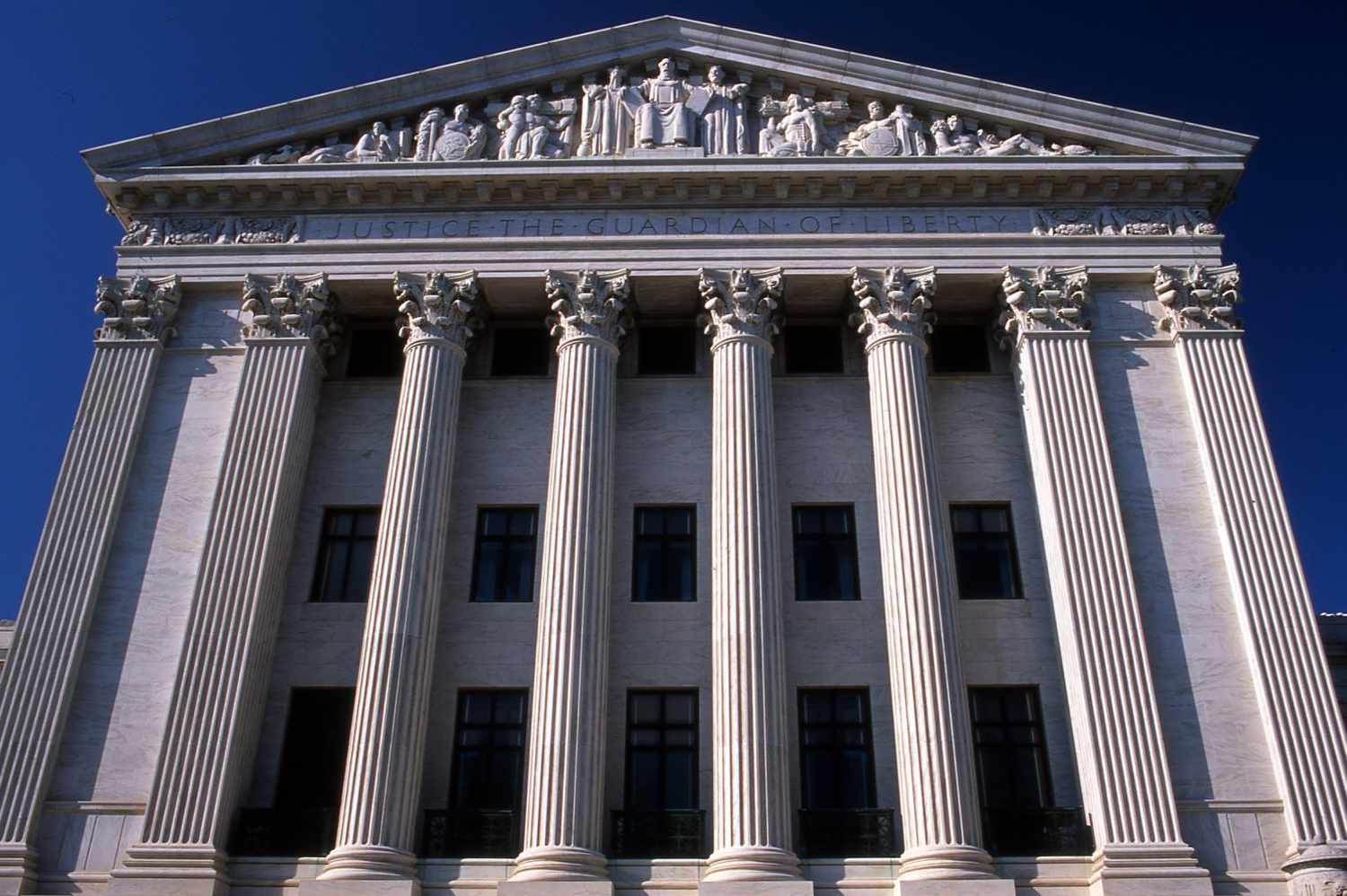
The Supreme Court and the Climate Lawsuit Federalism Fight
In a country built on divided sovereignty, the hardest questions are often not about what we should do, but who gets to do it. That is the constitutional engine under a high-stakes fight now before the Supreme Court: whether states and cities can use their own courts to seek massive damages from...
Read more →
Dad Says He Was Banned After Protest at Cross Country Meet
A dispute over high school cross country eligibility rules in Washington state led to a protest at a Sept. 15 meet and later resulted in a criminal trespass notice that bars one parent from school district property for a year. Joel Retzlaff was served with a criminal trespass notice keeping him off...
Read more →
New Video Shows 6-Year-Old’s Defiance After Virginia Classroom Shooting
Newly released body camera video from Newport News, Virginia shows the moments after the Jan. 6, 2023 shooting at Richneck Elementary School, when a first-grader shot his teacher, Abigail “Abby” Zwerner. In the footage, the 6-year-old curses at officers as they try to locate the gun and secure the...
Read more →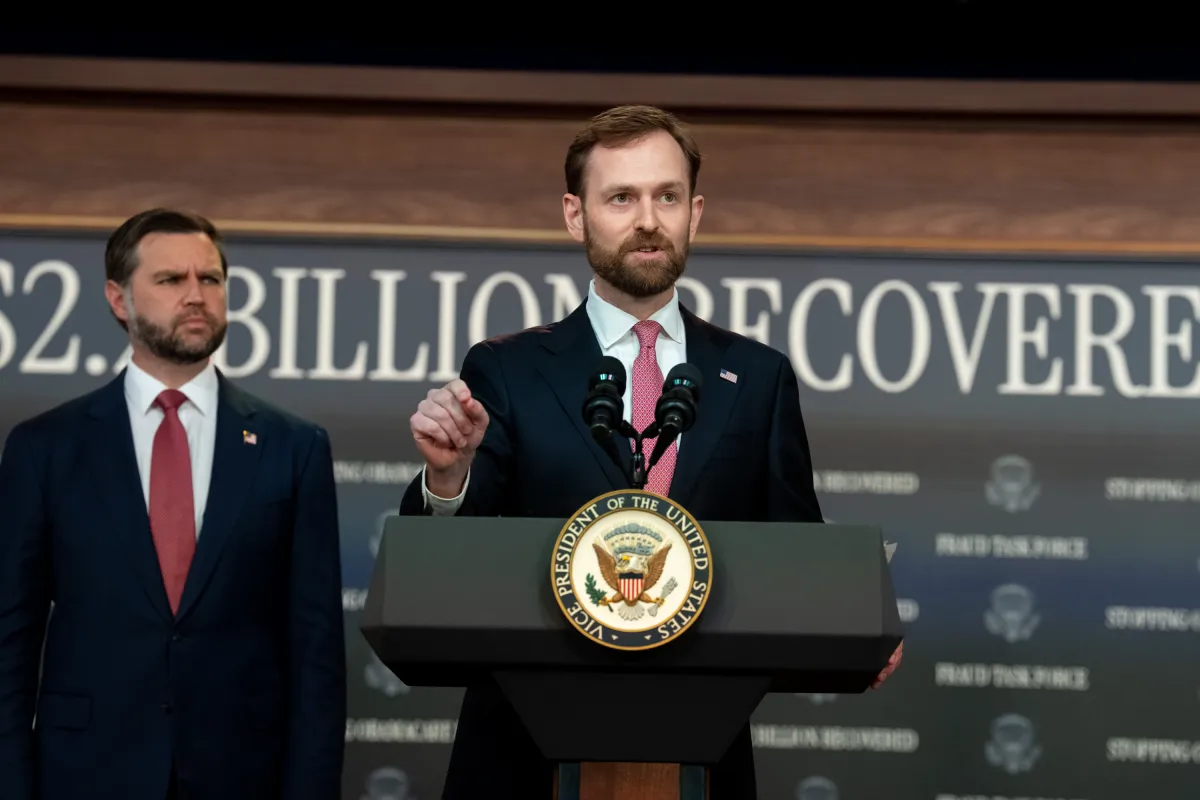
Trump Administration Suspends Microsoft From Green Card Track, Alleging Fraud
President Donald Trump’s administration is suspending Microsoft from a program that allows employers to apply for green cards for workers who come to the United States to live and work using H-1B visas , while accusing the company of fraud . Vice President JD Vance announced the move at the White...
Read more →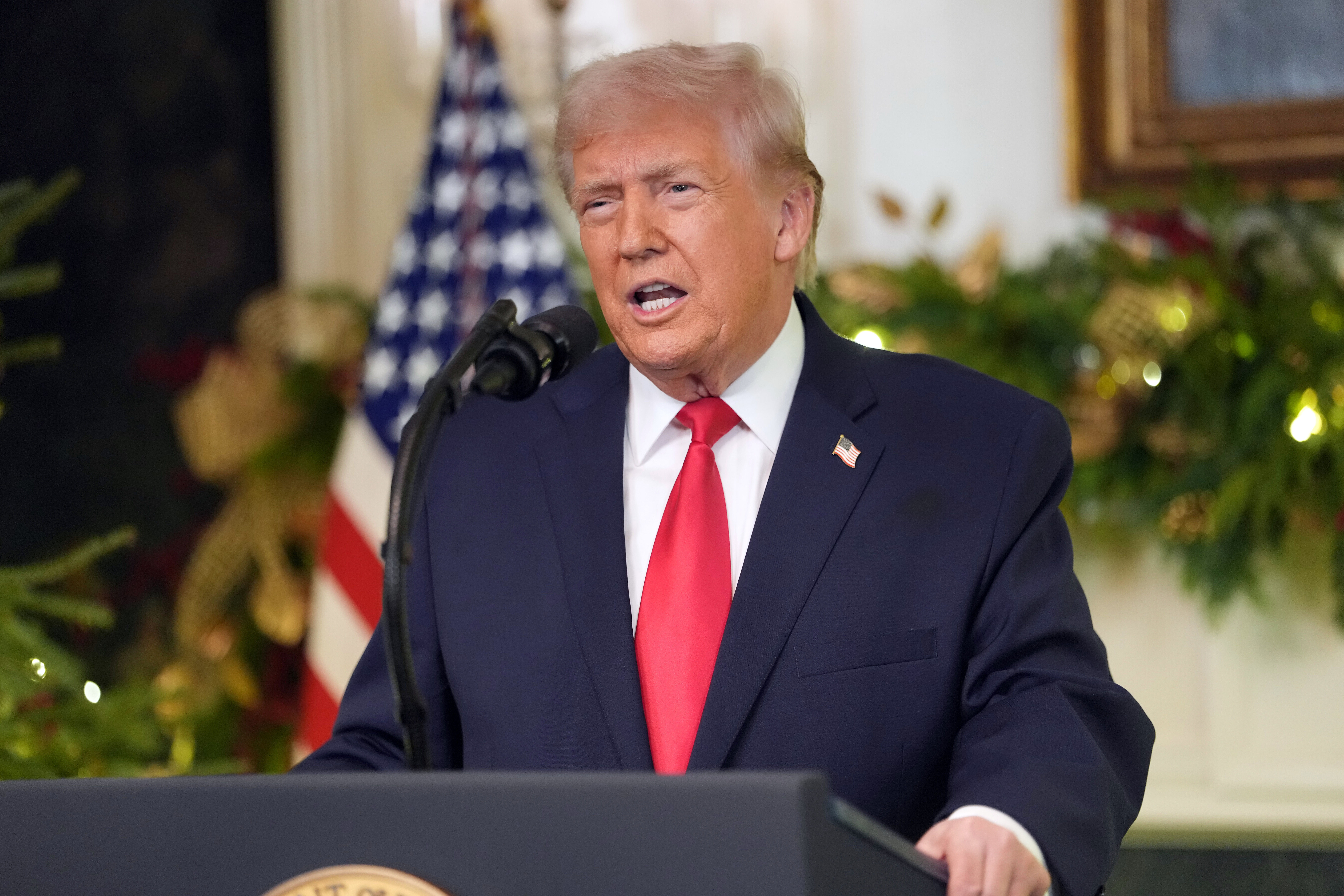
Trump’s ‘Super Intelligence’ Order and the Politics of Language
Presidents have always loved naming things. Wars become “operations.” Agencies get new acronyms. Policies are baptized in patriotic phrasing and released into the bloodstream of government paperwork. But President Donald Trump just pushed the naming instinct into a more combustible place: everyday...
Read more →
Willie Nelson Endorses James Talarico for Senate
You can learn a lot about American politics by watching who decides to speak plainly, and when. This week, Willie Nelson did just that: a short video, a familiar face, a kitchen table setting, and a direct appeal to Texans about the next U.S. senator. Nelson has officially endorsed Democrat James...
Read more →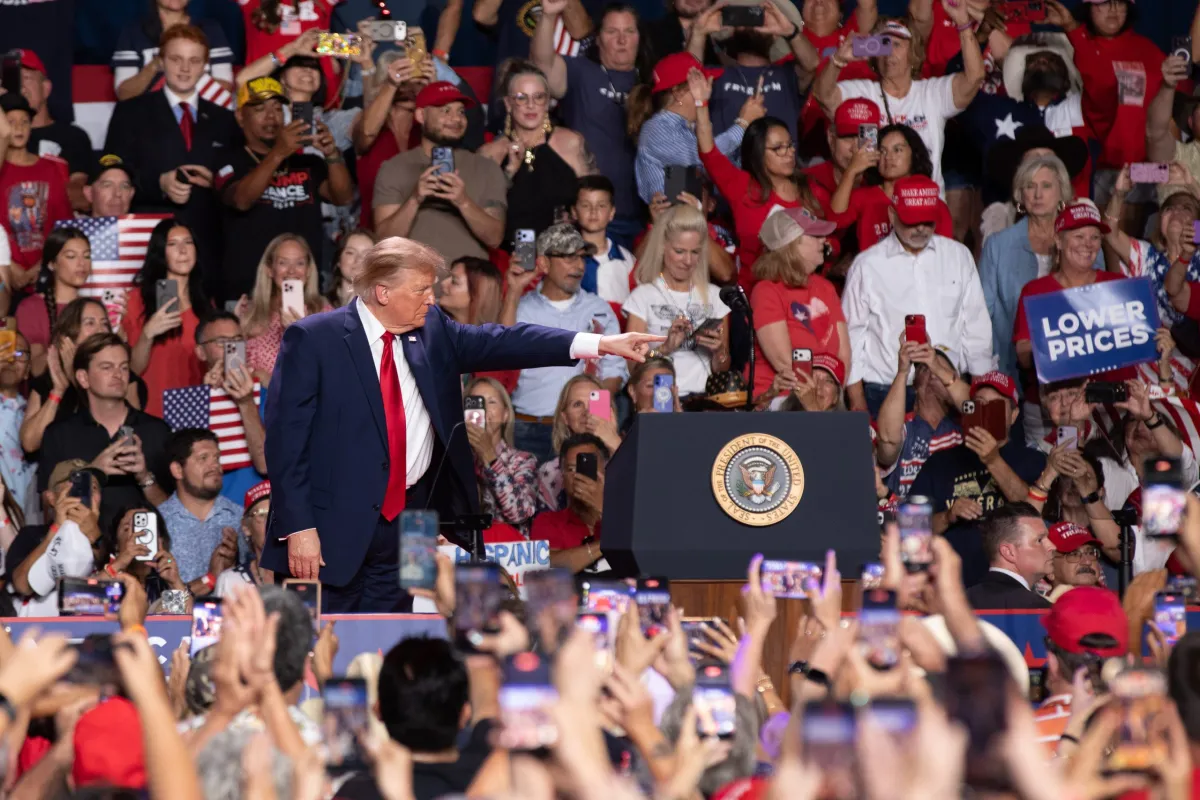
Trump Rally Interrupted in San Antonio
When President Donald Trump took the stage at Freeman Coliseum in San Antonio on Oct. 7, 2026, he was there to rally support for Republican Texas Senate nominee Ken Paxton ahead of November's midterm elections. The night was repeatedly interrupted, and Trump folded the disruptions into his message....
Read more →
The Susie Wiles FBI Records, Explained
You can learn a lot about American power by watching what happens when a name shows up in a federal file. The viral controversy around newly surfaced FBI records tied to Susie Wiles and members of the Trump family is not really about gossip, or even about one adviser’s phone. It is about the...
Read more →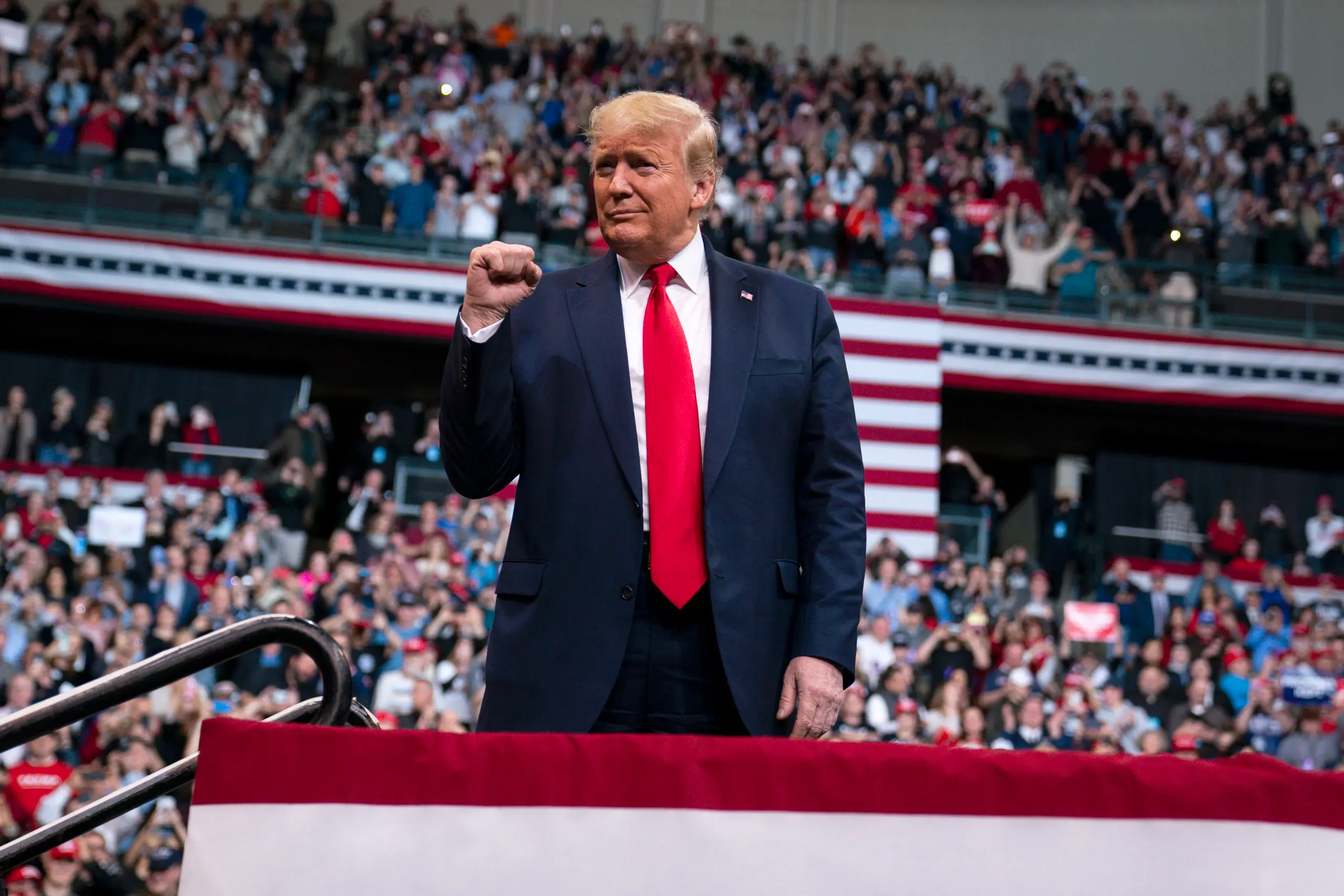
Trump, Tom Cotton, and the Daylight Saving Time Doxxing Fight
Daylight saving time is one of those issues that feels too mundane to light up a national political firestorm. Most Americans encounter it twice a year as a sleepy inconvenience. But this week, a timekeeping bill turned into something else entirely: a test of party discipline, a demonstration of...
Read more →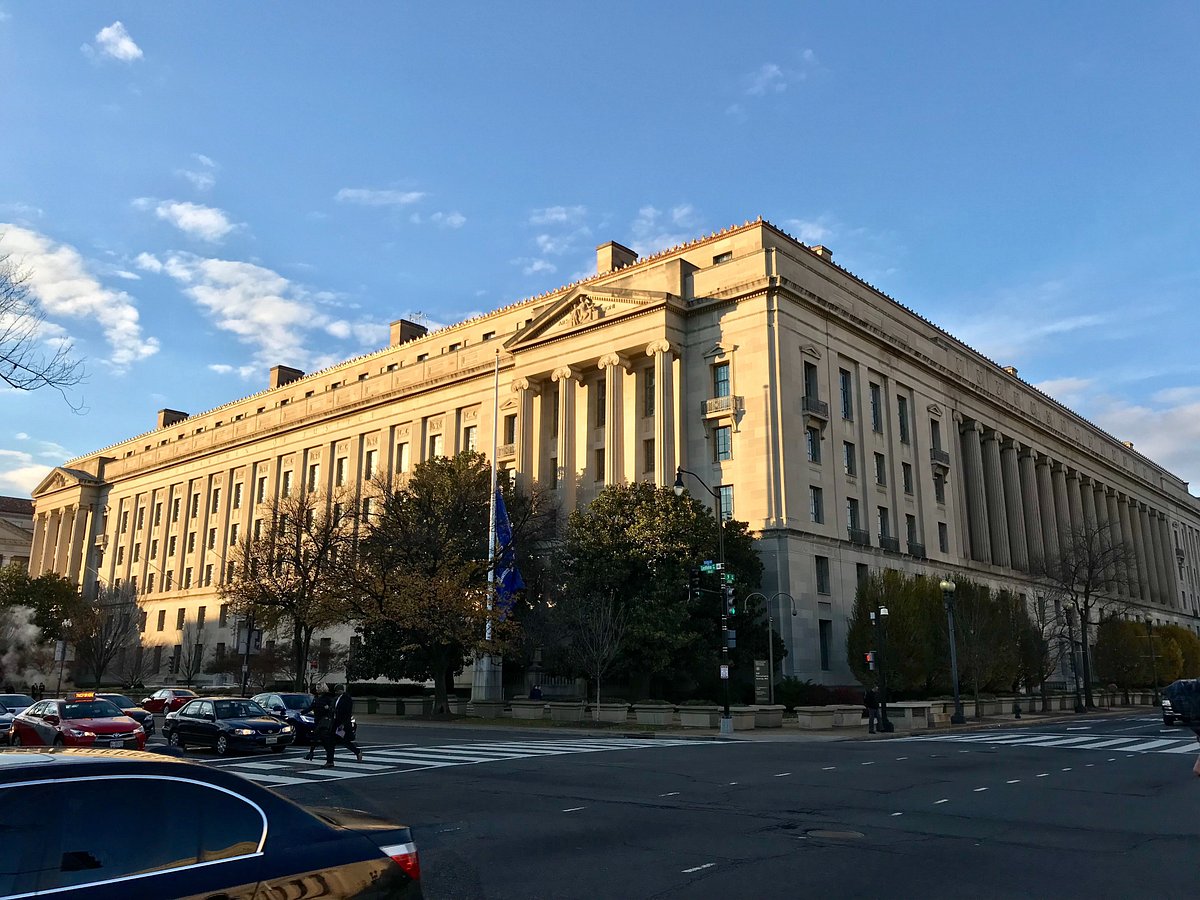
Denaturalization and the Supreme Court’s Materiality Rule
Citizenship feels permanent because we talk about it like a destination. You naturalize, you take the oath, you become an American, full stop. But in a small corner of federal law, citizenship can be taken back. Not casually and not by paperwork whim. Still, it can be taken back. The Department of...
Read more →
Robert De Niro’s Trump Attack Lands Again
Robert De Niro has never flirted with subtlety about Donald Trump. That is part of the point. And in a fresh round of comments, De Niro reached for language that is blunt, personal, and morally categorical. De Niro called Trump a “coward” and a “piece of s‑‑‑.” Those are not policy arguments. They...
Read more →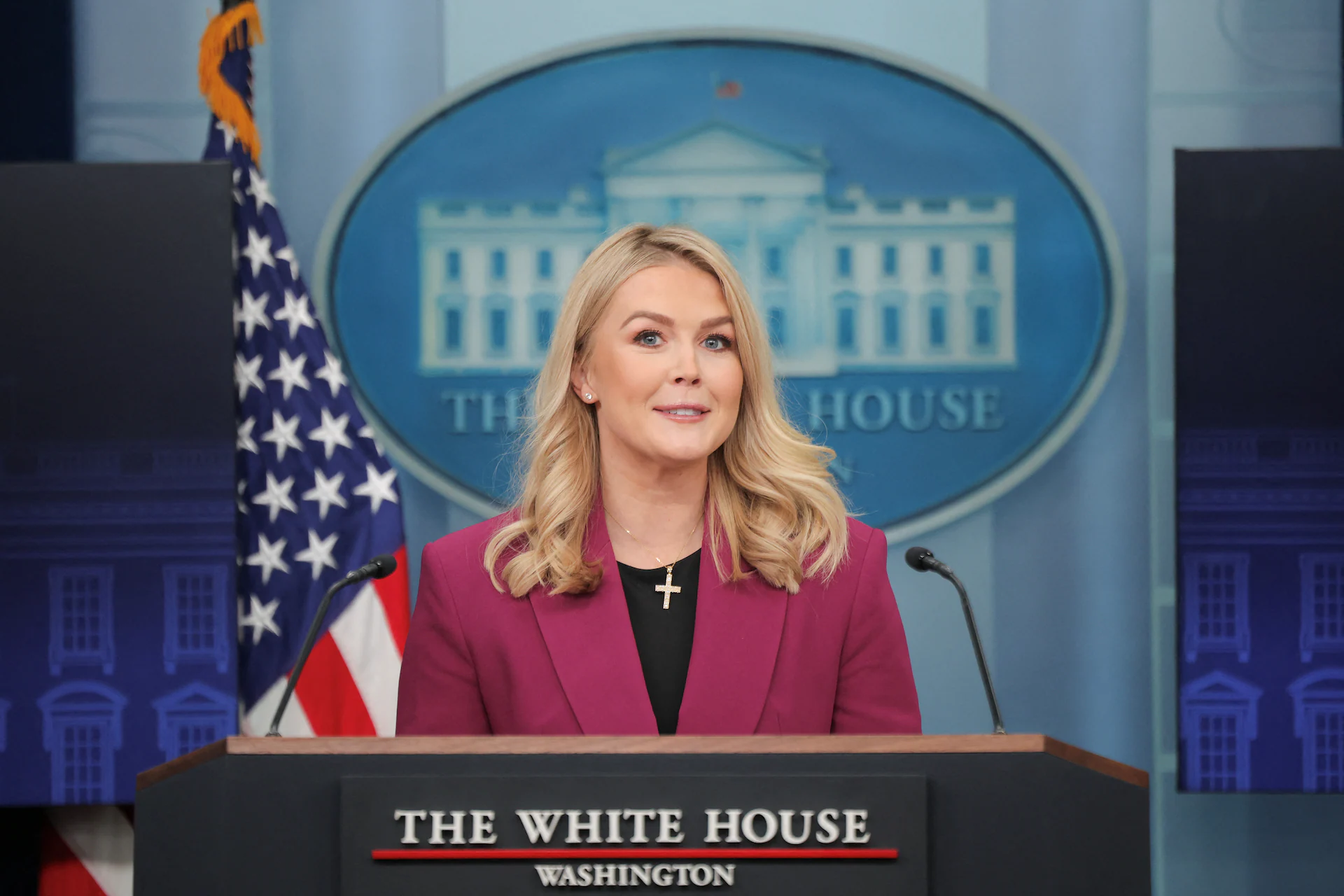
Karoline Leavitt Joins Fox News as a Contributor
Washington has a revolving door, and the hinges are greased with airtime. Karoline Leavitt, the 29-year-old former White House press secretary , has landed her next high-profile perch: she is joining Fox News as an on-air contributor. The network said Monday that her start date is November 1 , a...
Read more →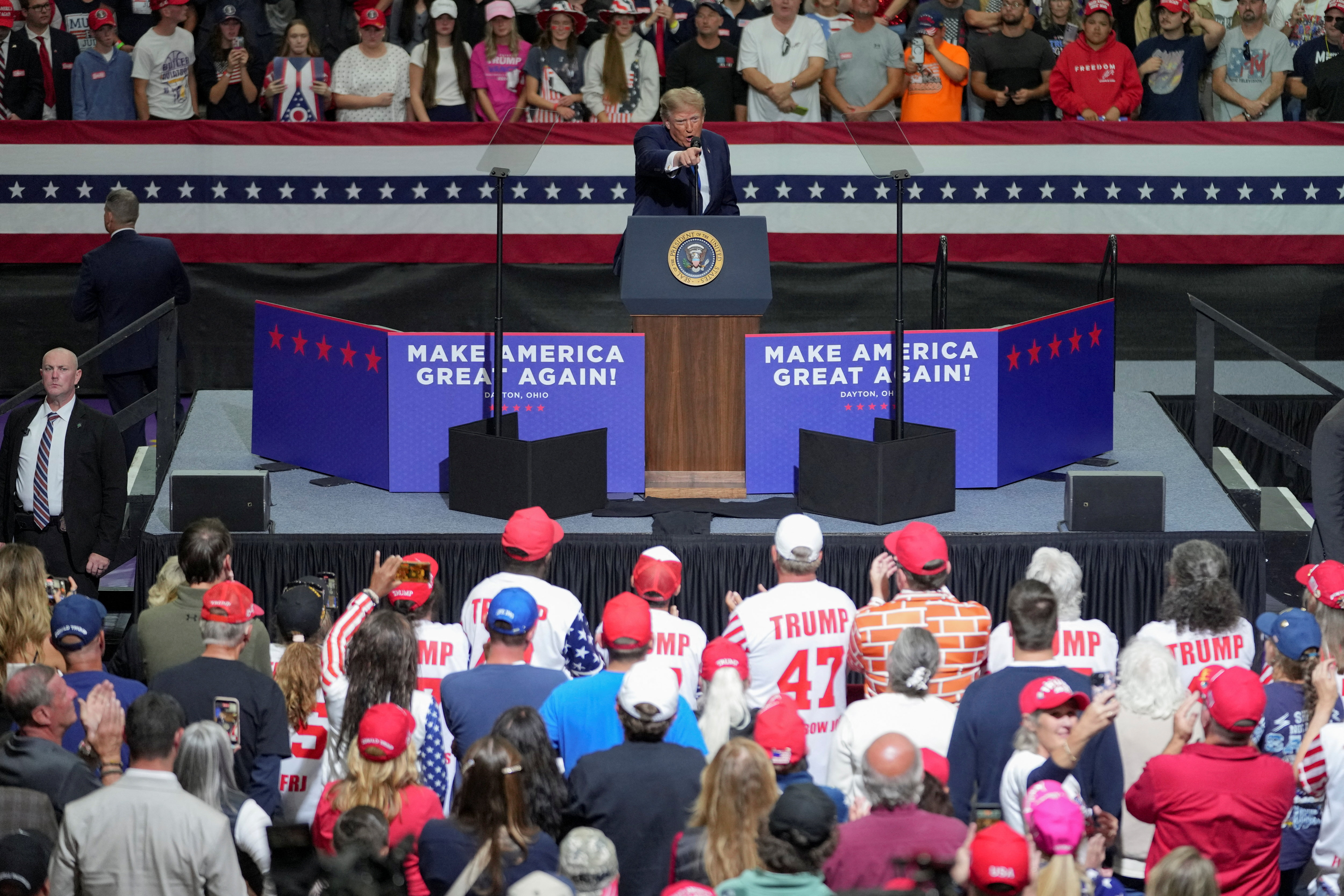
Trump’s Ohio Rally and the New Loyalty Test for Republicans
Campaign rallies are supposed to be about persuasion. Bring the base, broaden the coalition, remind voters what you stand for, and leave the local candidate with a few usable clips. Donald Trump’s stop in Ohio, as he rallied for Republicans, also carried a sharper edge: a warning about what could...
Read more →