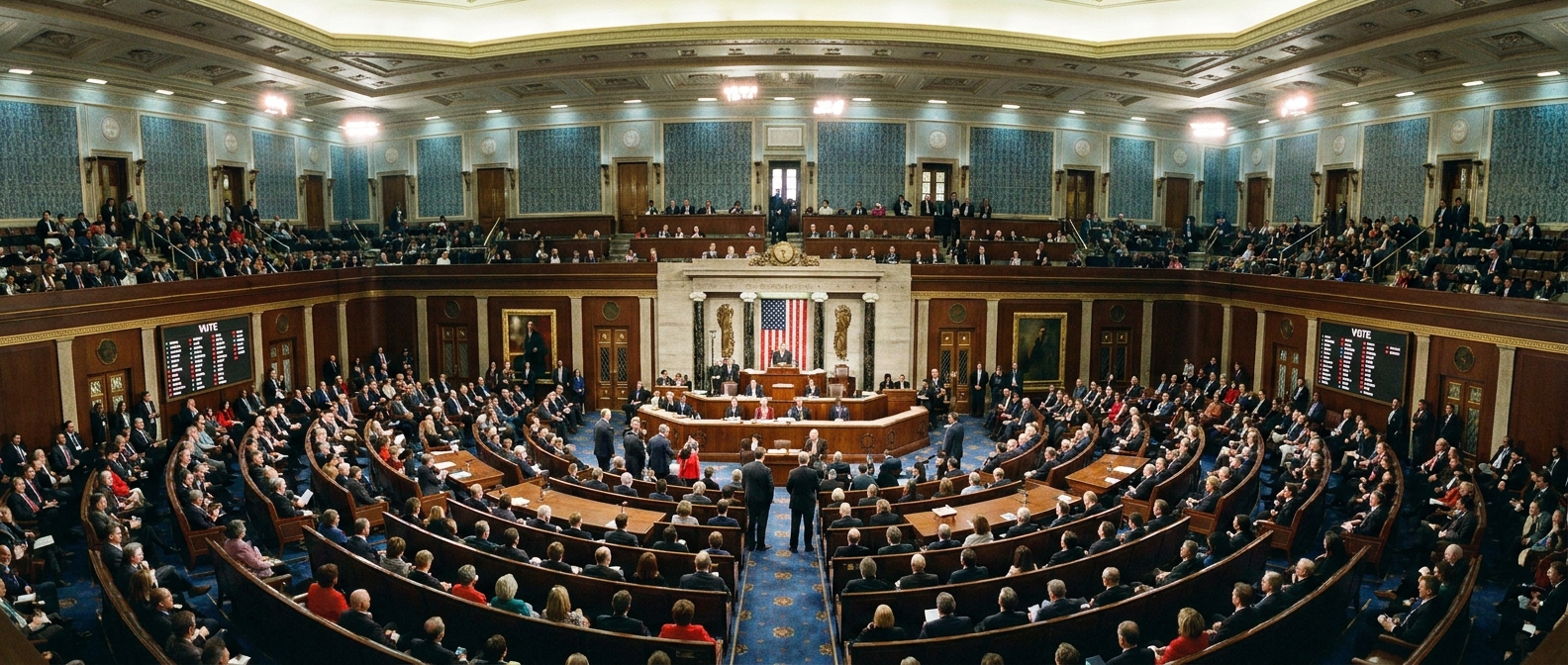
Congress loves a shortcut. The Constitution does not.
For much of the 20th century, one of Congress’s favorite shortcuts was the legislative veto, a device that let either one chamber, or sometimes even a committee, cancel an executive action without passing a new law. It felt efficient. It looked like oversight. It also rewired the Constitution’s lawmaking process.
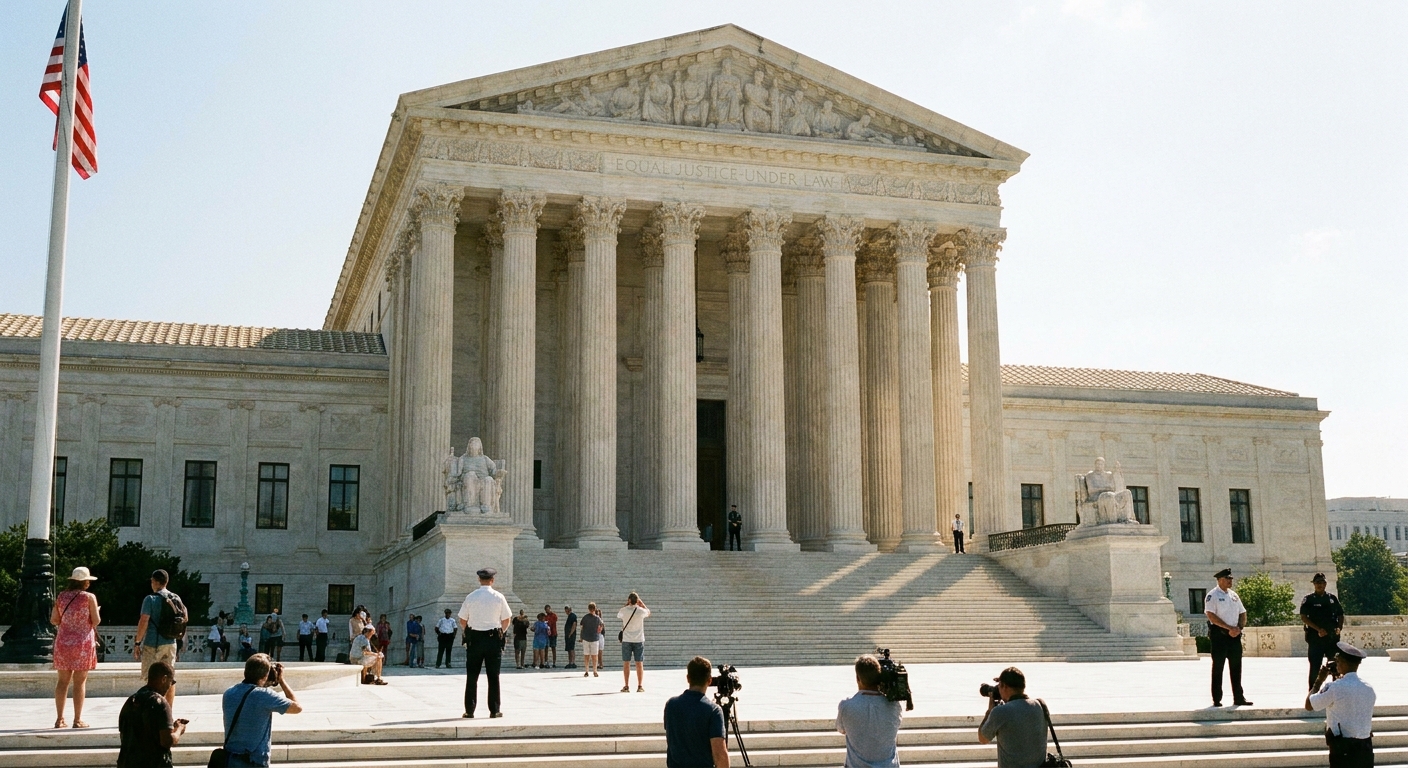
In INS v. Chadha (1983), the Supreme Court slammed that door shut. Not because the legislative veto was bad policy, but because it tried to produce legal consequences without following the steps the Constitution demands: bicameralism (approval by the House and the Senate) and presentment (submission to the President for signature or veto).
Join the Discussion
What a legislative veto was for
Start with the basic problem Congress faces in a modern administrative state.
Congress writes broad statutes. It then hands day-to-day implementation to executive agencies, which issue rules, make decisions, and administer programs. That delegation is hard to avoid in a modern government. But it comes with a political cost: once Congress delegates authority, it loses direct control over how that authority gets used.
The legislative veto was a response. Congress would pass a statute that said, in effect:
- The executive branch may take this action, unless one chamber of Congress votes to stop it.
There were many versions:
- One-house veto: either the House or Senate alone could block the action.
- Two-house veto: both chambers could block it, sometimes by concurrent resolution.
- Committee veto: a committee could effectively halt action without a full chamber vote.
By the time Chadha reached the Court, legislative vetoes were everywhere, woven into roughly 200 federal statutes (often described as “nearly 200” provisions). They were not obscure procedural quirks. They were a core feature of the governing bargain between Congress and the agencies.
The story behind INS v. Chadha
Jagadish Rai Chadha was born in Kenya to Indian parents and came to the United States on a student visa. Accounts of his nationality are often described in the case materials as a Kenyan-born British subject (a citizen of the United Kingdom and Colonies). He overstayed his visa, and deportation proceedings began. An immigration judge found him deportable, but also granted him a form of relief called suspension of deportation, based on hardship.
Here is where Congress inserted itself.
Under the Immigration and Nationality Act as it then existed, the Attorney General could allow a deportation suspension, but Congress reserved a check: either house could veto the suspension by passing a resolution of disapproval.
The House did exactly that. By a one-house resolution, it nullified the suspension. That meant deportation could proceed.
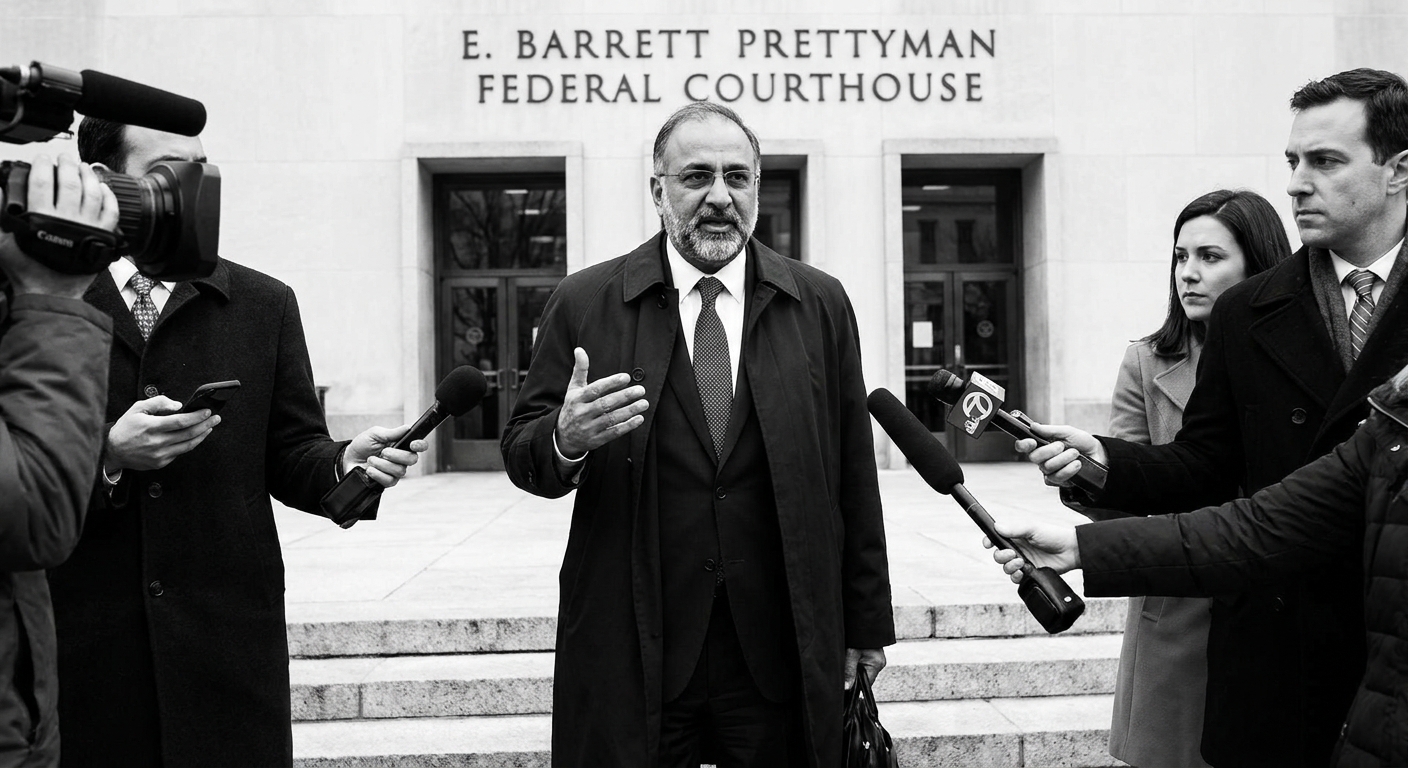
Chadha challenged the constitutionality of that one-house veto. The case became a referendum on whether Congress could create binding legal outcomes without going through the Constitution’s lawmaking machinery.
Presentment: the rule Congress cannot dodge
The Constitution’s legislative process is not implied. It is written down.
Article I, Section 7 contains two ideas that operate as a single lock:
- Bicameralism: to become law, legislation must pass both the House and the Senate.
- Presentment: a passed bill must be presented to the President, who may sign it or veto it (and Congress can override by supermajorities).
The legislative veto tried to do something with legal force without opening that lock. A one-house resolution is not a bill. It does not pass both chambers. It is not presented to the President. It cannot be vetoed. And it cannot be “overridden” the way a veto can be overridden. Congress can still try to change the result later, but only by passing a new law through the full constitutional process.
This is why people sometimes describe Article I, Section 7 as the Constitution’s anti-shortcut provision. It forces political accountability. If Congress wants to change legal rights and duties, it must do so openly, through the process voters can recognize as “making a law.”
The Court’s reasoning
The Supreme Court, in a 7–2 decision, held that the one-house veto was unconstitutional.
1) The House’s action was legislative
The Court did not get distracted by labels like “resolution” or “oversight.” It looked at what the House’s vote did.
By vetoing Chadha’s deportation suspension, the House changed his legal situation. It altered rights and obligations outside Congress. That is the hallmark of legislative power, even if Congress insists it is merely supervising an agency.
2) Legislative action must follow Article I, Section 7
Once you call the House’s move what it was, a legislative act, the Constitution’s procedure clicks into place. Congress cannot exercise legislative power by half-measures.
And there is a separation-of-powers problem baked in. The legislative veto let Congress reach into the execution of the law and flip the outcome of a specific executive decision without passing a new statute. That is not oversight in the ordinary sense. It is Congress exercising control with legal effect outside the channels the Constitution provides.
3) Efficiency is not a constitutional excuse
Congress argued that the legislative veto was practical and widely used. The Court’s response was blunt: the Constitution does not contain an “efficiency exception.”
Yes, bicameralism and presentment slow things down. That was the point. The Court treated the lawmaking steps as structural protections, not optional formalities.
4) The counterargument (and why it lost)
The dissent and many defenders of the legislative veto emphasized functional necessity. Modern government runs on delegation, and Congress needs a nimble way to keep agencies within bounds. The majority’s answer was essentially: if the tool produces binding legal consequences, it has to look like lawmaking, even when the policy case for speed is strong.
What happened after Chadha?
Chadha did not erase the political appetite for control. It erased a particular tool.
After 1983, many statutory legislative veto provisions became legally dead on arrival, even if they remained printed in the U.S. Code. Congress adapted in several ways:
- Report-and-wait provisions: agencies must submit proposed actions to Congress and then wait a period of time before acting, giving Congress time to respond by passing a law if it wants to stop the action.
- Appropriations leverage: Congress can deny funding for an action through the budget process, which does require bicameralism and presentment.
- Oversight hearings and investigations: powerful politically, but not a substitute for changing legal outcomes.
- More detailed statutes: sometimes Congress writes narrower delegations to reduce agency discretion, though this has obvious limits in complex regulatory fields.
One modern, concrete replacement is the Congressional Review Act (1996). It allows Congress to nullify certain agency rules, but only by passing a joint resolution that goes through both chambers and to the President. In other words, it uses the constitutional track Chadha insisted on.
A related note on committee vetoes: Chadha directly addressed a one-house veto. But its logic also puts committee vetoes on thin ice, because they try to create legal effects outside Congress without bicameral passage and presentment.
The important distinction is this: Congress can always influence the executive branch through politics. It cannot legislate through a single-chamber or committee veto that never goes to the President.
Why it matters
INS v. Chadha can feel like a technicality until you notice what it prevents.
No delegating while keeping the off-switch
The legislative veto let Congress hand power away while keeping an off-switch that avoided the political costs of passing a new law. Chadha says: if you want the power to change legal outcomes, you must use the constitutional process, every time.
Protecting the President’s veto
Presentment is not ceremonial. It ensures the President participates in lawmaking, including through the veto. A one-house veto would allow Congress to control executive decisions while cutting the President out of the loop entirely.
No government by resolution
Congress passes lots of resolutions. Some are symbolic. Some set internal rules. Some express sentiments. Chadha draws a bright line: when Congress’s action changes the legal status of people outside Congress, the action is legislative and must go through Article I, Section 7.
Modern delegation fights
Chadha sits in the same constitutional neighborhood as modern debates over delegation, but it is not the same argument.
Today’s disputes often focus on whether Congress has delegated too much power to agencies, especially on major economic and political questions. Chadha assumes delegation is common and sometimes necessary. Its concern is different: if Congress delegates, it cannot keep a shortcut veto that produces legal effect without passing a new law.
That matters in the real world because the legislative veto was a political compromise that made broad delegations easier to swallow. Remove the veto, and Congress must choose between two uncomfortable options:
- Delegate power and live with the consequences unless it can pass a new statute, or
- Write narrower laws up front, accepting that it must legislate more specifically.
Either way, Chadha pushes lawmaking back toward the constitutional track: two chambers, a president, and an openly accountable vote.
The lesson
INS v. Chadha is often summarized as “one house cannot veto.” The deeper rule is more durable than that.
Congress cannot make law without bicameralism and presentment. If an action changes legal rights, duties, or status outside Congress, it is legislative in character, and the Constitution demands the full Article I, Section 7 process.
That requirement can feel frustrating when you want government to move quickly. But the Constitution is not designed for speed. It is designed for legitimacy.