
Constitutional Topics
Browse articles in Constitutional Topics on U.S. Constitution
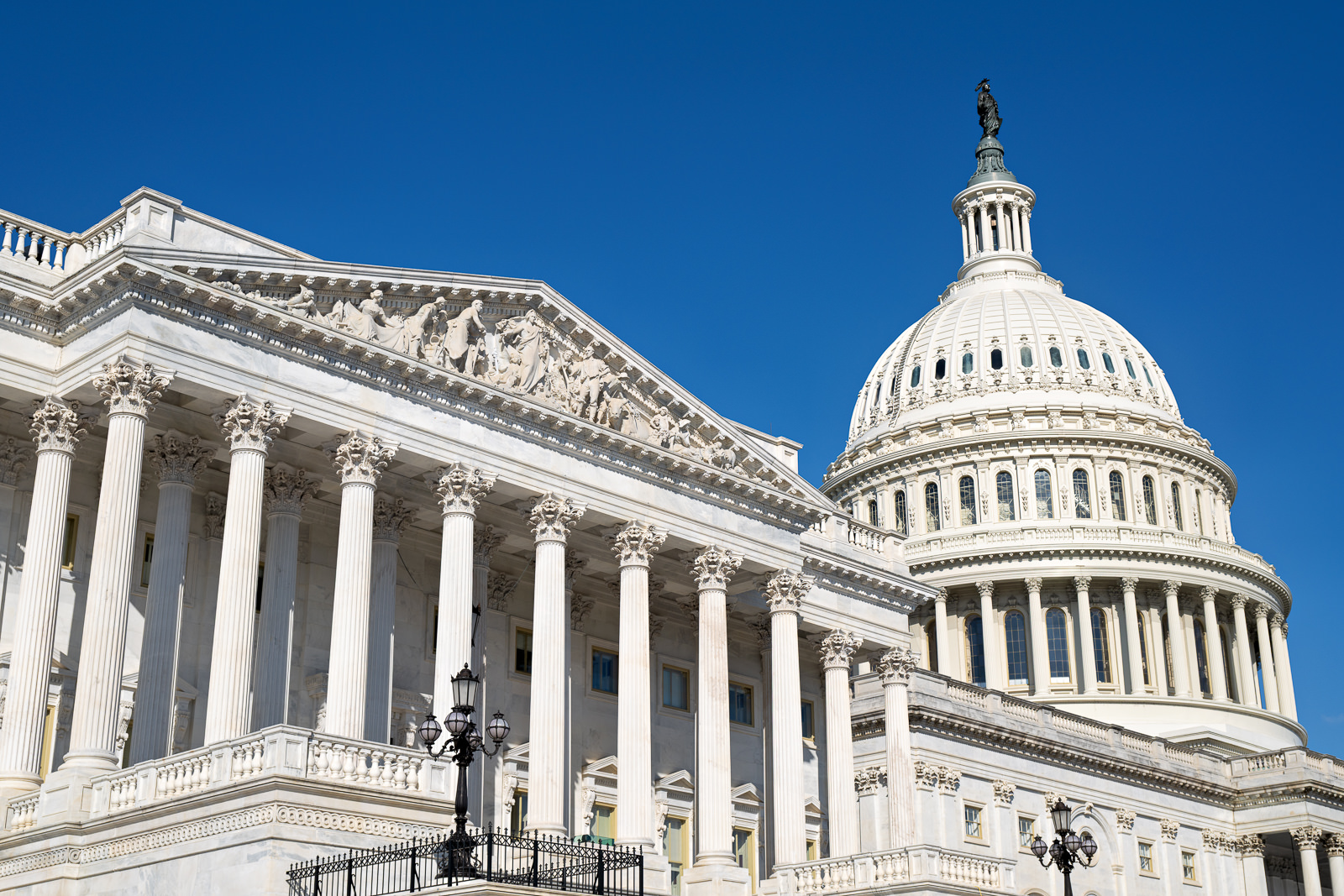
Martial Law Talk Is Back. Here’s What the Constitution Actually Allows.
“Martial law” has become one of those phrases that can hijack the national nervous system in a single news cycle. It sounds like a button a president can press when politics get messy. It sounds like tanks, curfews, and soldiers replacing civilian government. That is why the latest round of...
Read more →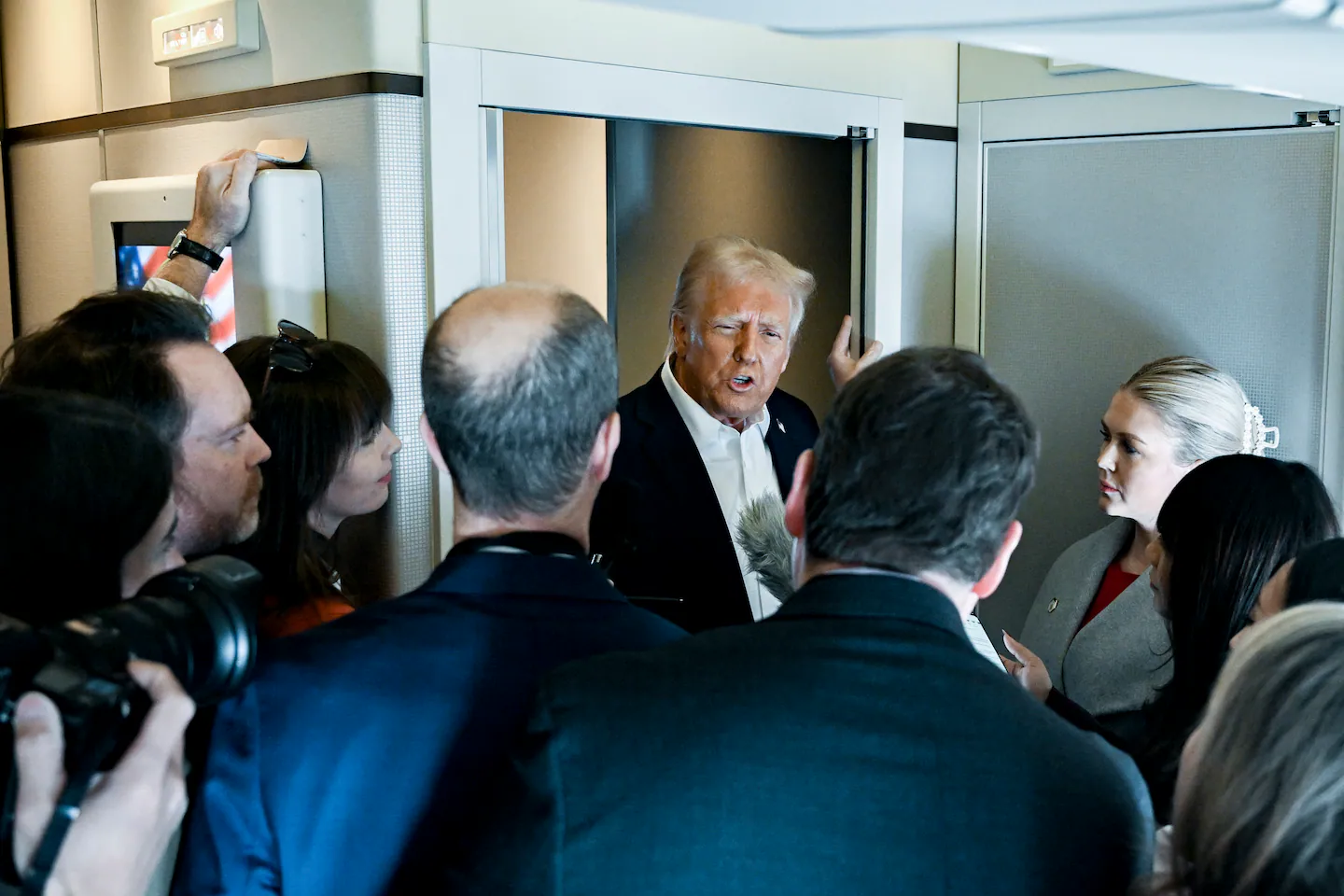
Can Antitrust Law Apply to a White House TV Press Pool Boycott?
When the Justice Department opens an antitrust investigation into major television networks, it immediately raises two different kinds of questions. One is practical: do the facts fit antitrust law? The other is about power: what happens when federal enforcement collides with press access and a...
Read more →
Dad Says He Was Banned After Protest at Cross Country Meet
A dispute over high school cross country eligibility rules in Washington state led to a protest at a Sept. 15 meet and later resulted in a criminal trespass notice that bars one parent from school district property for a year. Joel Retzlaff was served with a criminal trespass notice keeping him off...
Read more →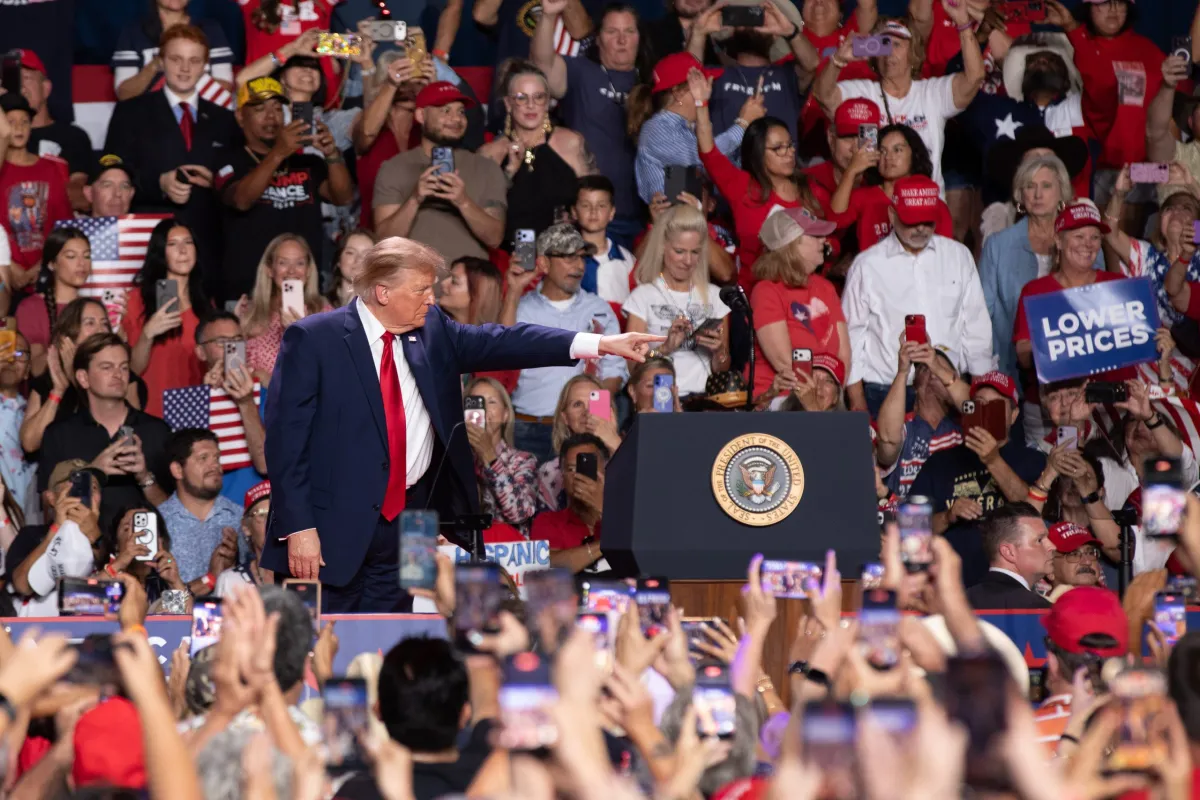
Trump Rally Interrupted in San Antonio
When President Donald Trump took the stage at Freeman Coliseum in San Antonio on Oct. 7, 2026, he was there to rally support for Republican Texas Senate nominee Ken Paxton ahead of November's midterm elections. The night was repeatedly interrupted, and Trump folded the disruptions into his message....
Read more →
Can a President Nationalize U.S. Elections?
It is a tempting idea in moments of political anxiety: if elections feel chaotic, why not put them under one national set of rules and one national administrator, the president? People sometimes call that “nationalizing” elections, as if voting could be folded into the executive branch the way a...
Read more →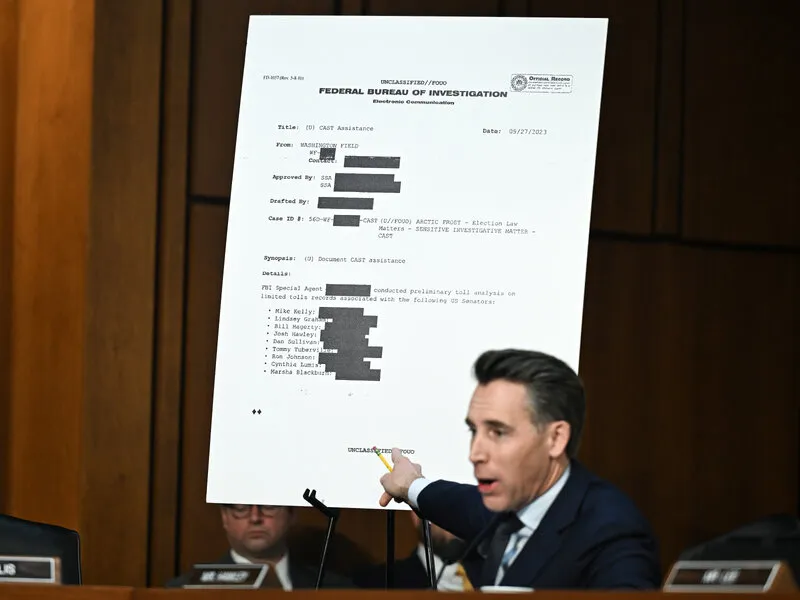
Can a Special Counsel Seize a Senator’s Phone Records?
There is a particular kind of constitutional alarm bell that rings when prosecutors go digging through a member of Congress’s communications records, especially when the member is not notified at the time because a third party is gagged from saying anything. That alarm is sounding now because Sen....
Read more →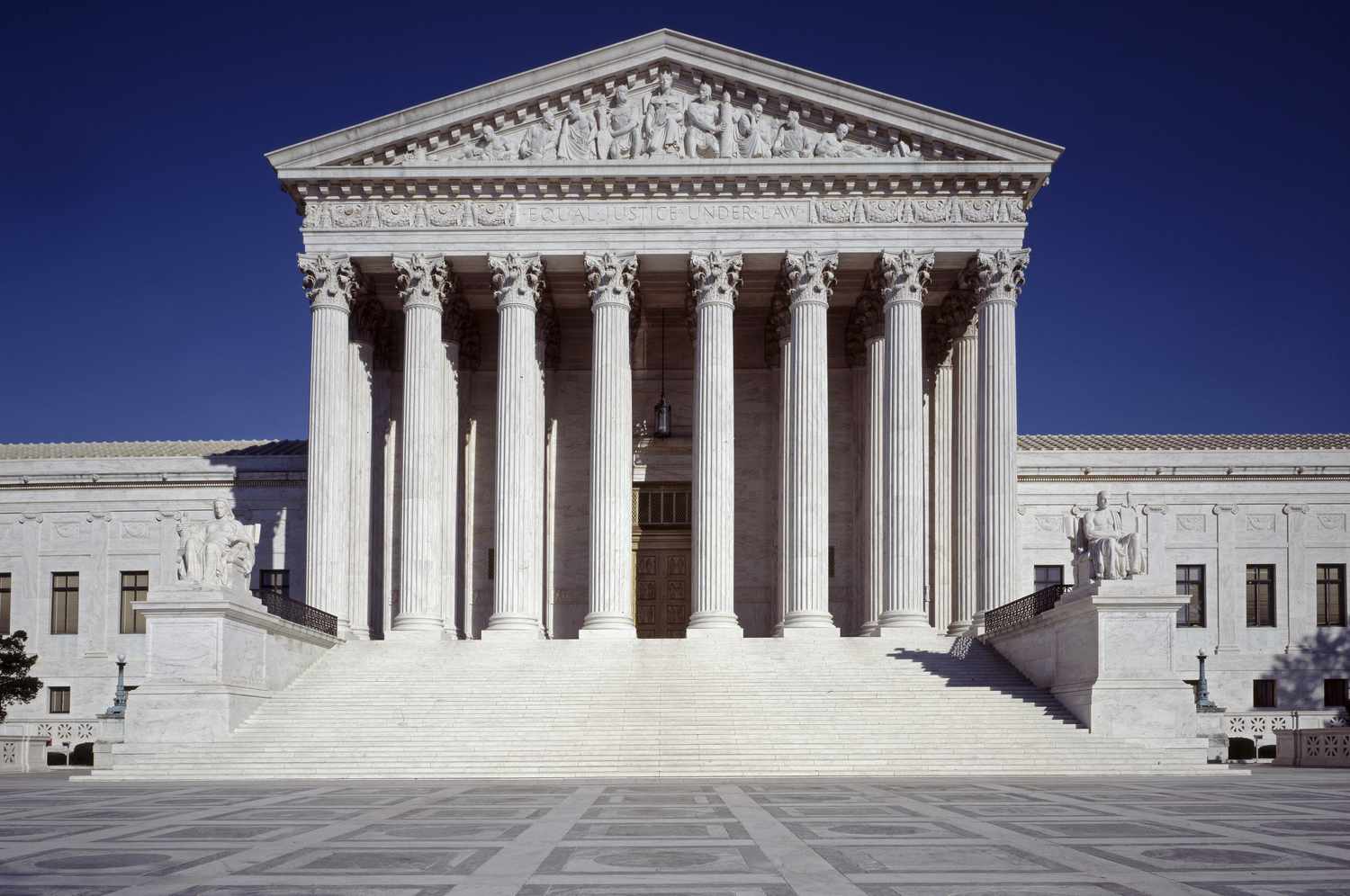
Can Federal Prisons Restrict Transgender Treatment? What the Supreme Court Fight Is About
When the Justice Department asks the Supreme Court to “save” a Bureau of Prisons policy, it can sound like a morality play. But it is really a power question and a constitutional question, with a medical question inside it. This explainer is written to be evergreen . It explains the legal standards...
Read more →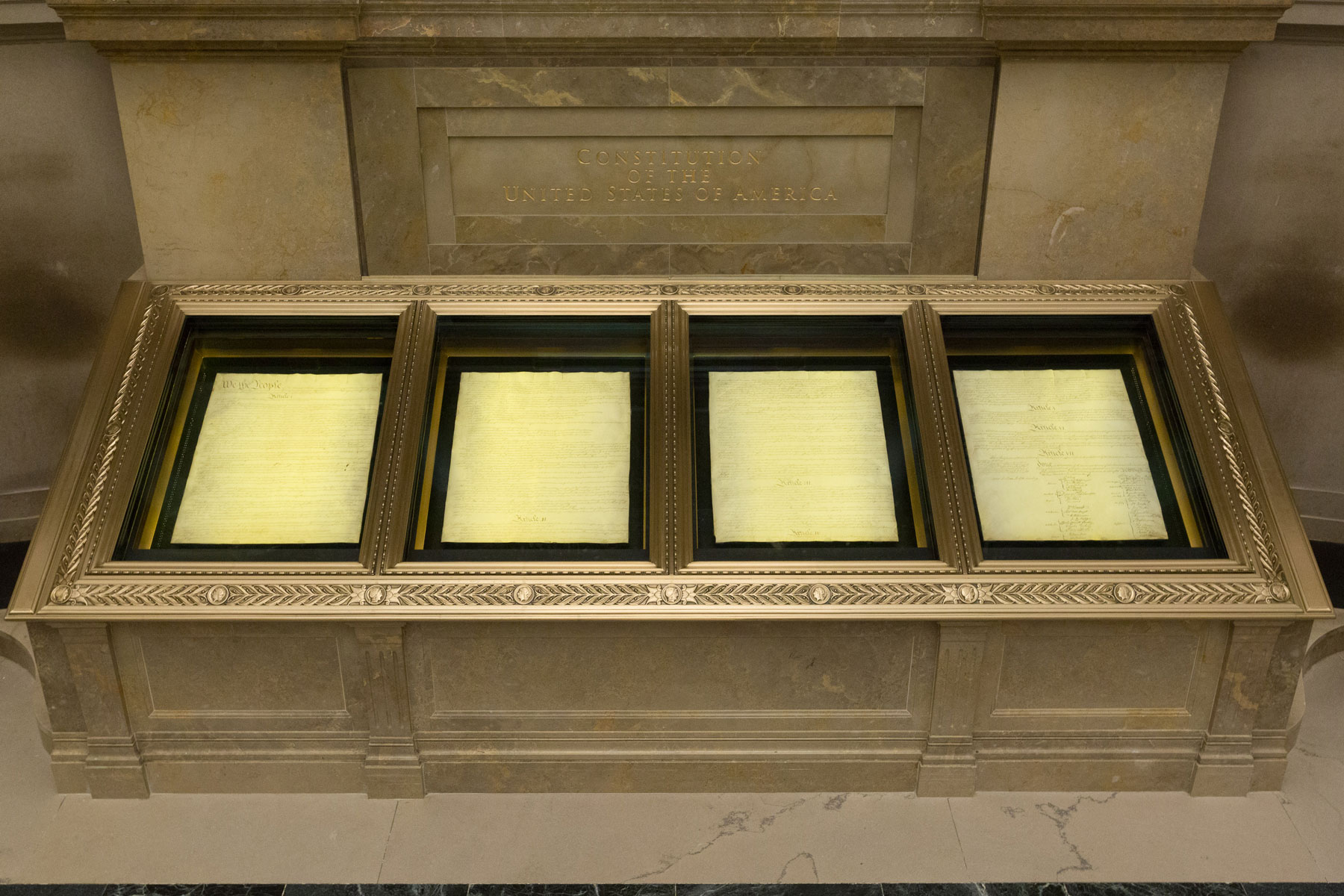
Can Citizenship Be Revoked? What Denaturalization Requires and Who Can Do It
In moments like this, a familiar question pops up fast: can the government revoke someone’s citizenship? The Constitution treats citizenship as a status with real gravity, not a license that can be canceled when politics turns ugly. That does not mean citizenship is untouchable. It means there are...
Read more →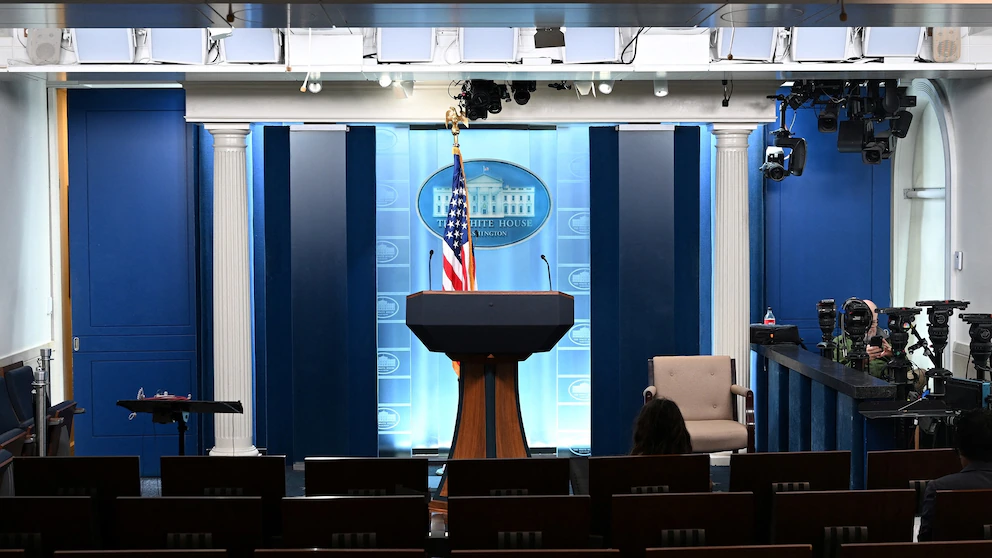
Can a President End Fuel-Economy Mandates?
Fuel economy rules are one of those Washington phrases that sound simple until you ask the obvious question: who is actually in charge. Politicians sometimes claim they have “terminated” an “EV mandate” by moving “fuel economy standards” in a new direction. That runs into a basic constitutional...
Read more →
Who Actually Has the Power in Iran Talks?
You can tell when a foreign policy story is really a civics story because the argument is not about Iran. It is about who can promise what, for how long, and whether the next election can erase it. That is the constitutional question underneath the latest back and forth: if Iran thinks it can wait...
Read more →
Pocket Rescission Explained
You can learn a lot about the Constitution by watching what people fight over when real money is on the table. That is why the phrase pocket rescission keeps showing up in commentary and legal criticism as late-year spending deadlines approach. The label is not a formal term in federal budget law....
Read more →
What Election Fraud Charges Against Noncitizens Could Mean in Pennsylvania
When the Justice Department announces voting-related charges, the public reaction tends to jump straight to the biggest question: Does this mean the election system is broken? That question is understandable, but it is usually the wrong starting point. The better place to begin is more basic and...
Read more →
Why the Voter ID Fight Is Back: What Noncitizen Registration Claims Mean Legally
You can practically set your watch by it: a fresh allegation that noncitizens are getting onto voter rolls , and suddenly the voter ID debate resurfaces with familiar urgency and anger. But the legal questions underneath the rhetoric are older, narrower, and more solvable than the national argument...
Read more →
Can ICE Detainees Get Bond Hearings?
People hear “ICE detention” and assume it works like criminal jail: you get booked, you often see a judge quickly, and bail is at least on the table. Immigration detention is not built that way. It is civil detention, and Congress has written immigration statutes that sometimes make detention...
Read more →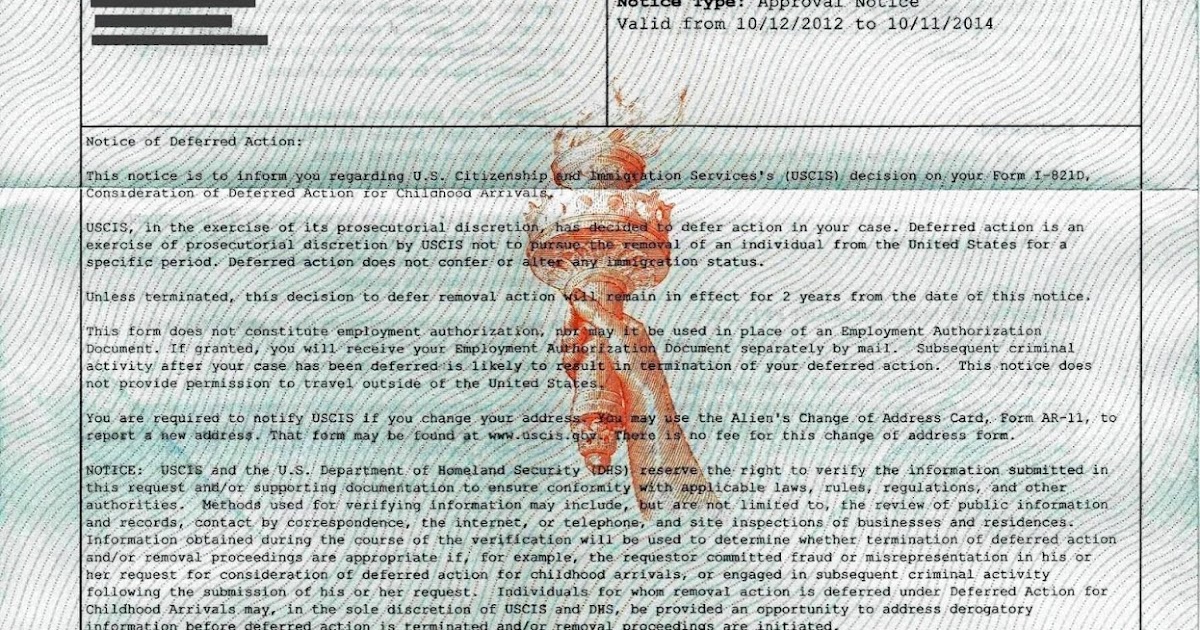
What Deferred Action Means and Why a Visa Overstay Still Matters
“Deferred action” sounds like a technical footnote. It is not. It is one of the most powerful quiet tools in federal immigration enforcement because it answers a blunt question: will the government try to remove you right now ? Recent coverage and public discussion has pointed to Chukwunonso Eze, a...
Read more →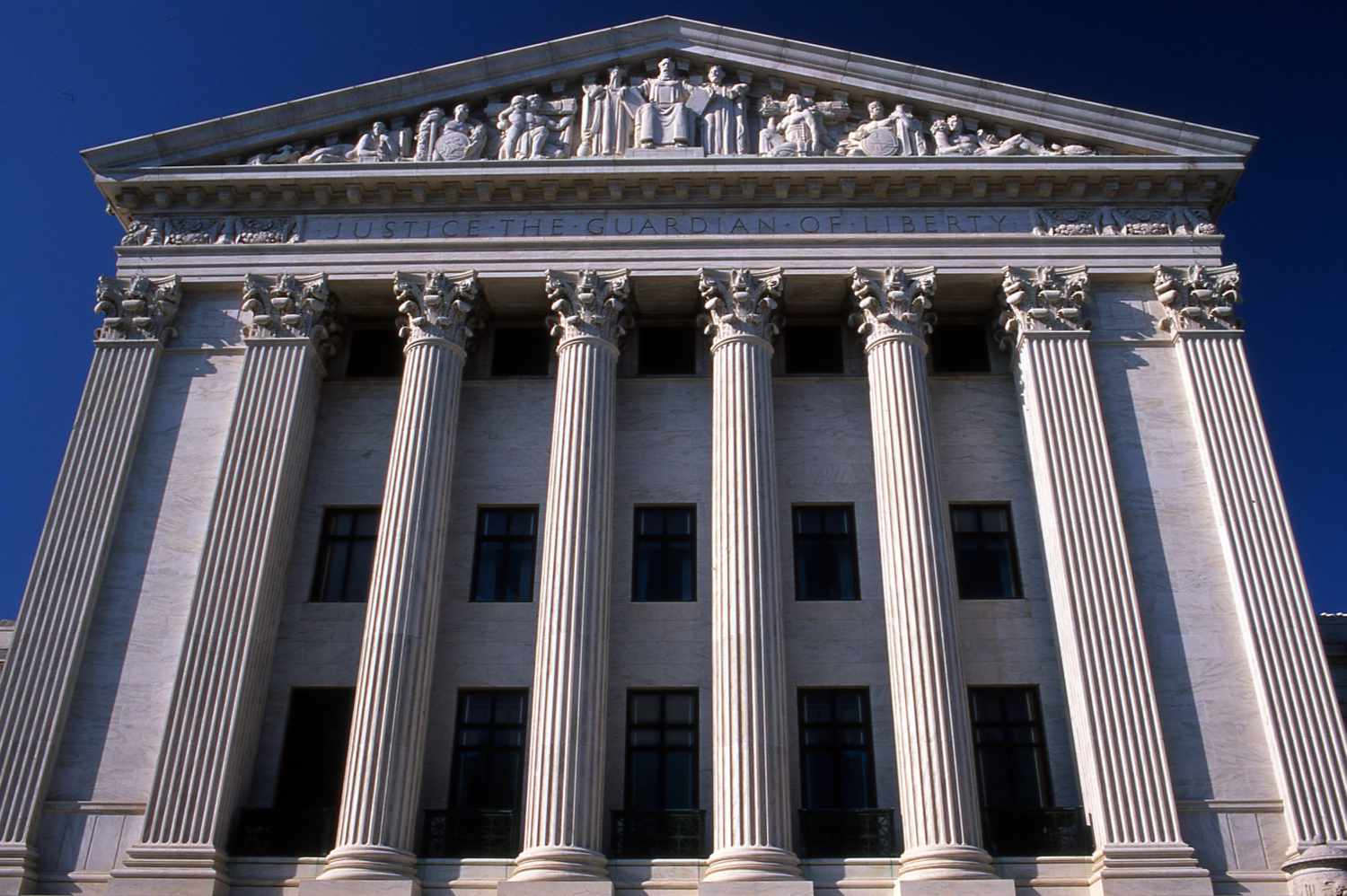
The Supreme Court Emergency Docket Explained
The Supreme Court has a way to change the legal landscape without hearing oral argument, issuing a full signed opinion, or waiting months for the usual briefing schedule. It is not a secret power. It is an old tool used in a modern way. That tool is the Court’s emergency docket , sometimes...
Read more →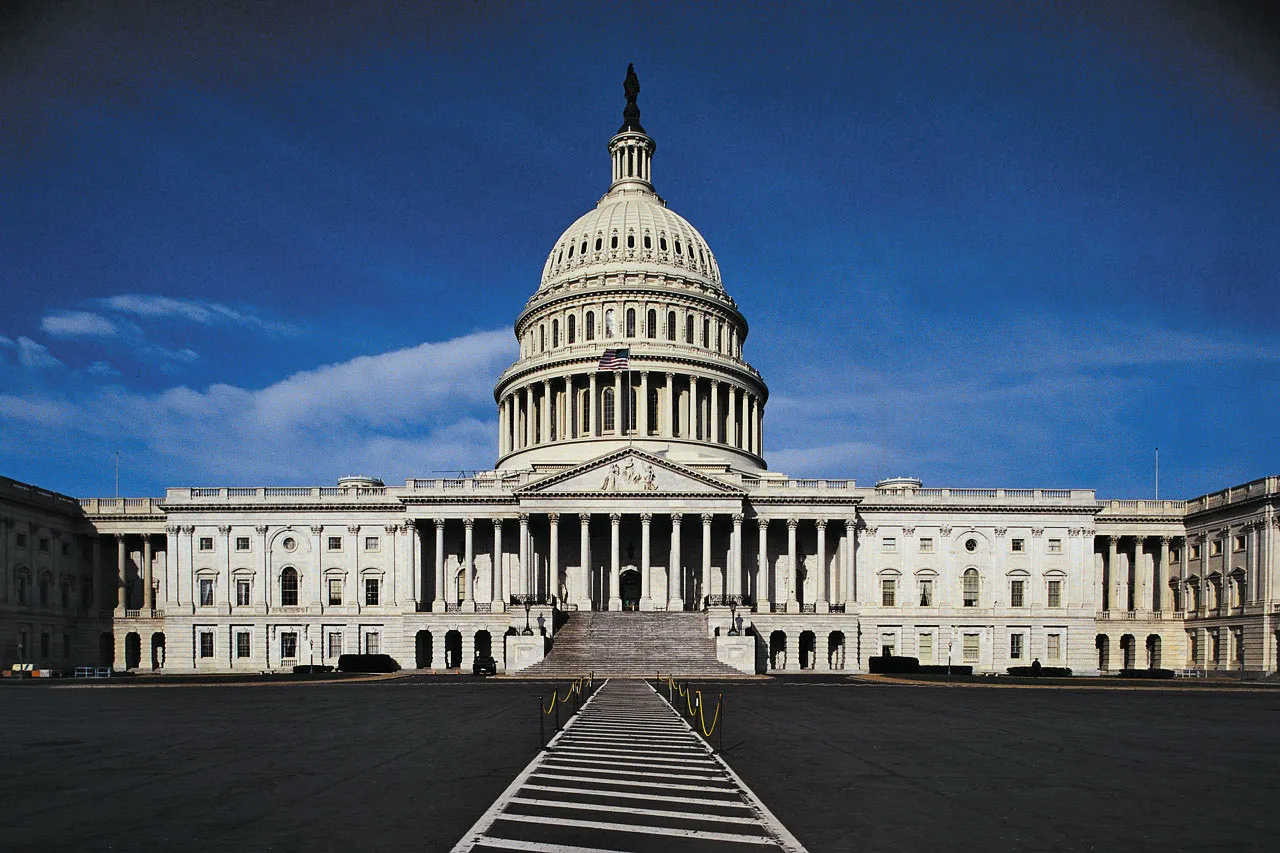
How Noncitizens End Up on Voter Rolls
Every time a report surfaces claiming that noncitizens were found on voter rolls , two different questions collide in the public mind. First: Is it legal for a noncitizen to vote? For federal elections, the answer is no. Federal law makes it a crime for a noncitizen to vote in an election held in...
Read more →
What the War Powers Fight Over Iran Actually Means
When the Senate votes on whether to “rein in” presidential authority over a potential Iran conflict, the headline is not just about one president or one country. It is about a structural choice the Framers made on purpose: the power to use military force is split , so no single branch is supposed...
Read more →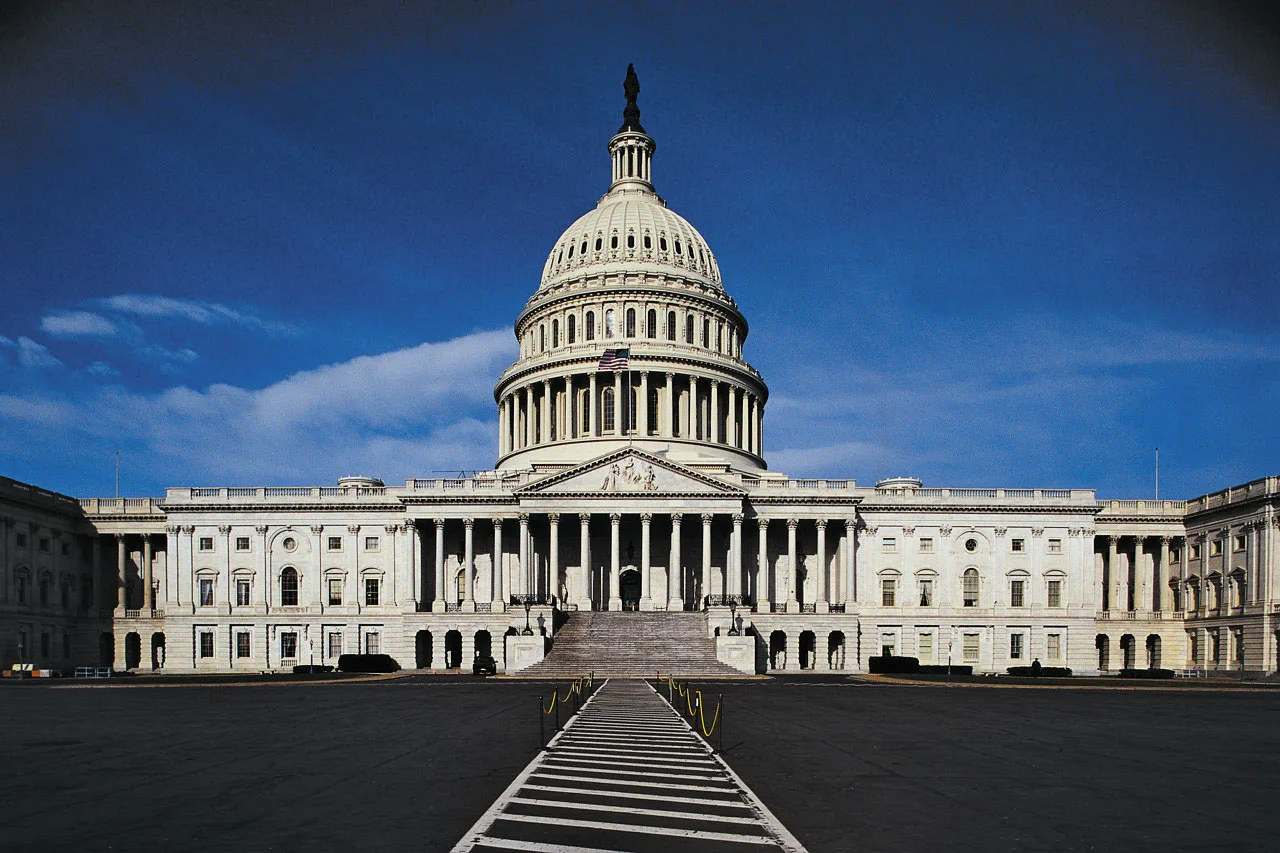
What Voters Can Blame Presidents For
Midterms are America’s constitutional stress test. Not because the Constitution mentions “midterm elections” as a special category, but because the structure practically dares voters to send a message halfway through a presidency. When prices climb and paychecks feel smaller, voters do what humans...
Read more →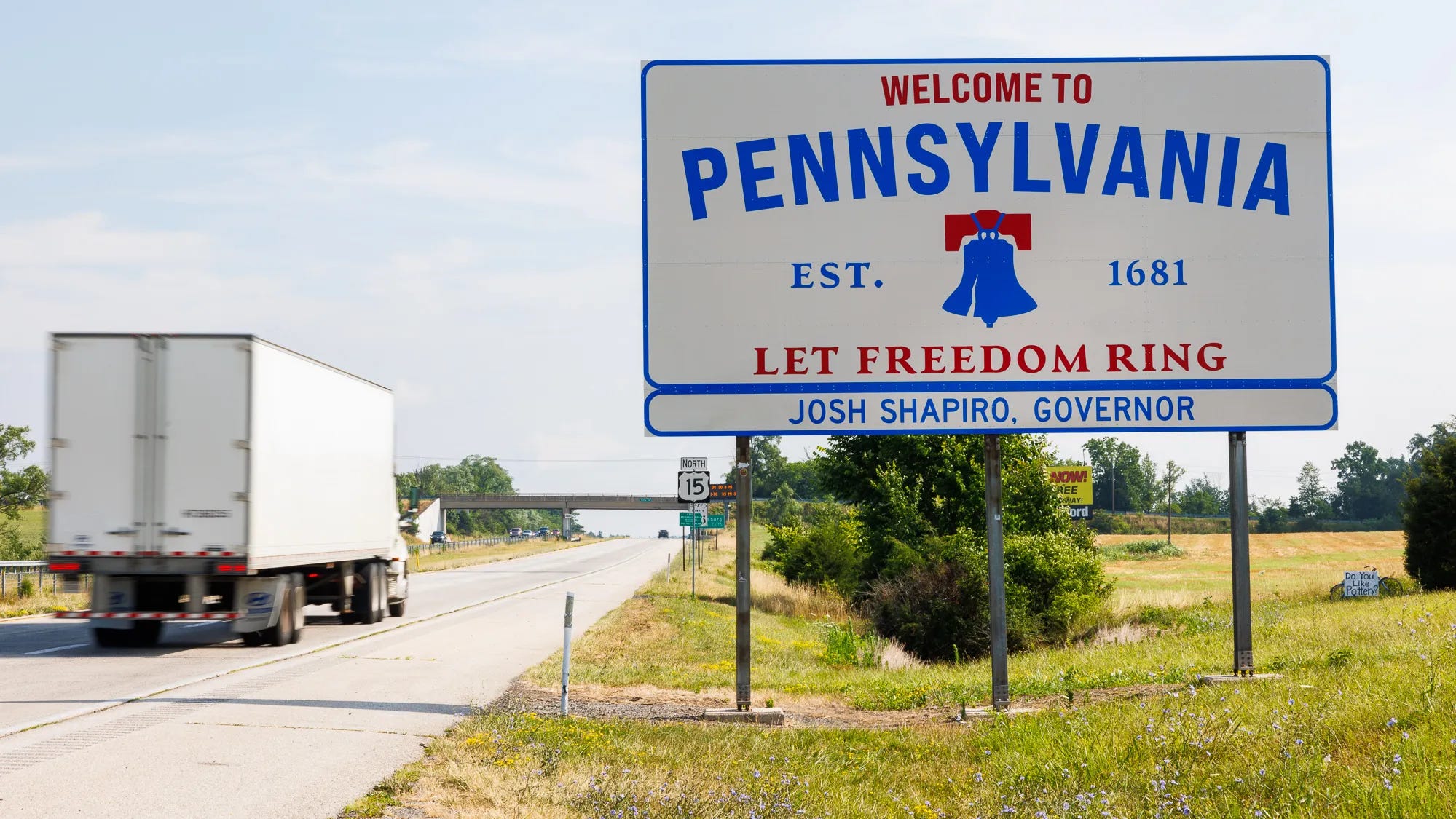
Can One State Force Another to Honor a Carry Permit?
If you want to understand America, watch what happens at state borders. A line on a map can turn a legal act into a felony, and it can happen in the space of a highway exit. That is the quiet tension behind the next big concealed-carry question: can a state refuse to recognize a concealed-carry...
Read more →