
The U.S. Constitution
Archival records, profiles, and educational resources since 1995.
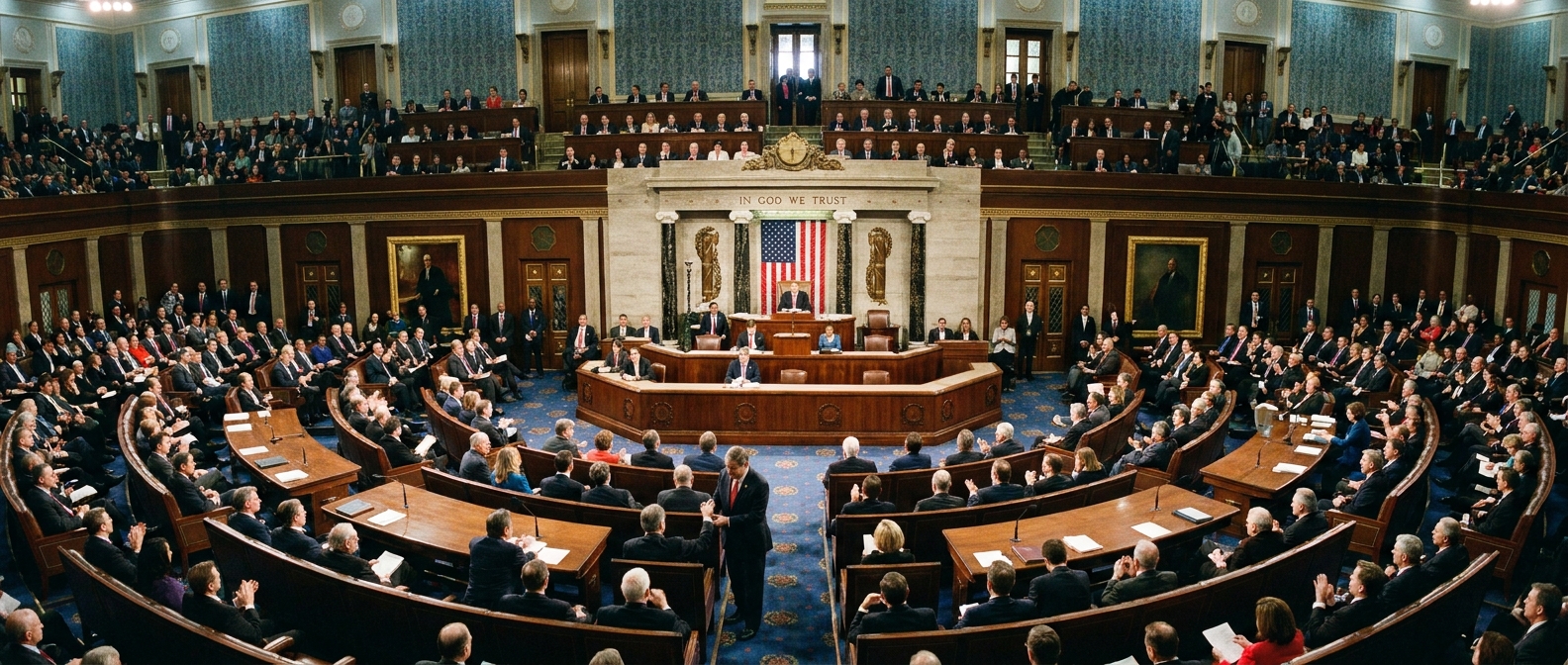
Congressional Expulsion Explained
Congress can investigate you. Congress can subpoena you. Congress can vote to hold you in contempt. But there is one power that feels uniquely severe because it is personal and final: Congress can kick out one of its own. That power is called expulsion , and it is not a criminal conviction. It is...
Read more →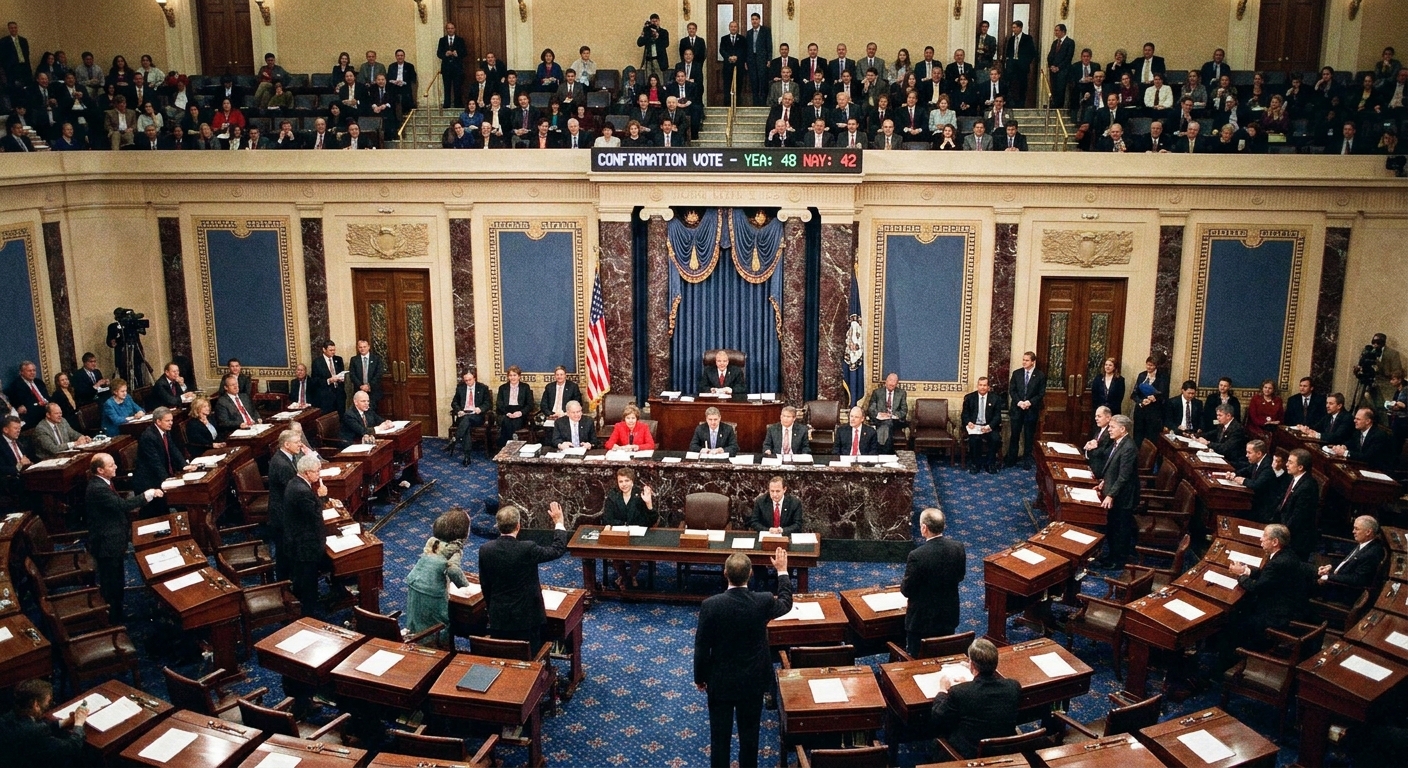
The Federal Vacancies Reform Act Explained
Washington runs on confirmations. But it also runs on vacancies. When a top job requiring Senate confirmation suddenly goes empty, the government cannot just pause. Someone has to sign the orders, approve the spending, supervise the workforce, and answer Congress. The Federal Vacancies Reform Act...
Read more →
Federal Pretrial Diversion and Deferred Prosecution Agreements
Most people assume the federal criminal system has only two gears. You either fight the charge at trial, or you plead guilty and accept the consequences. But there is a quieter third path that shows up in certain federal cases: the government agrees to pause, or even avoid, prosecution if the...
Read more →
Mandatory Minimums and the Federal Safety Valve
When a headline says someone is “facing a mandatory minimum,” it sounds like a prediction. In federal court, it is closer to a rule. Mandatory minimums are statutory sentencing floors passed by Congress. If the statute applies, the judge generally cannot go below that number, unless Congress has...
Read more →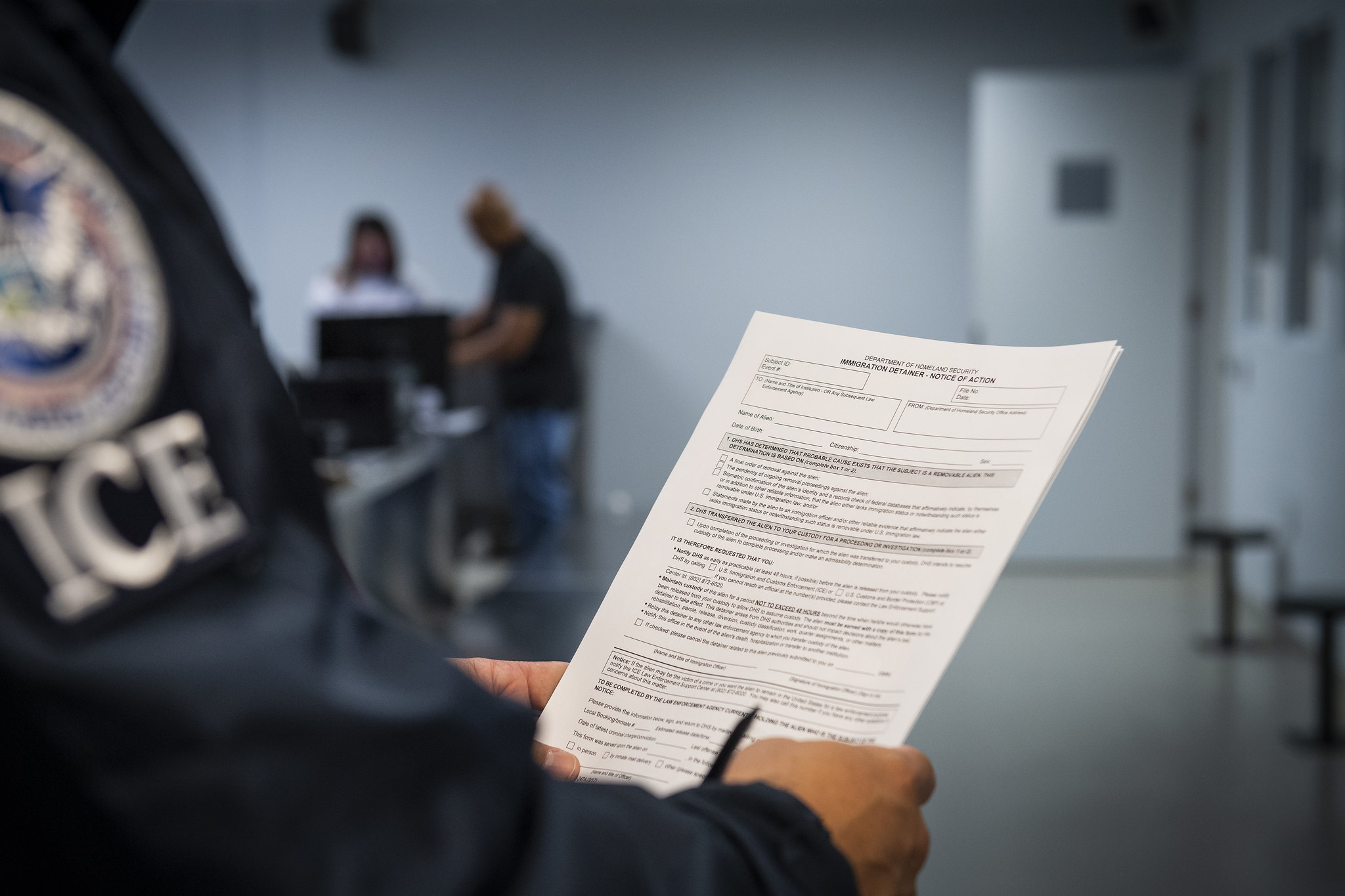
ICE Detainers and Immigration Holds Explained
In immigration debates, one phrase shows up again and again: ICE detainer . It sounds like a formal order. It often functions like a hold. But in most places, it begins as something much more modest in legal terms: a request . That gap between how a detainer feels on the ground and what it is on...
Read more →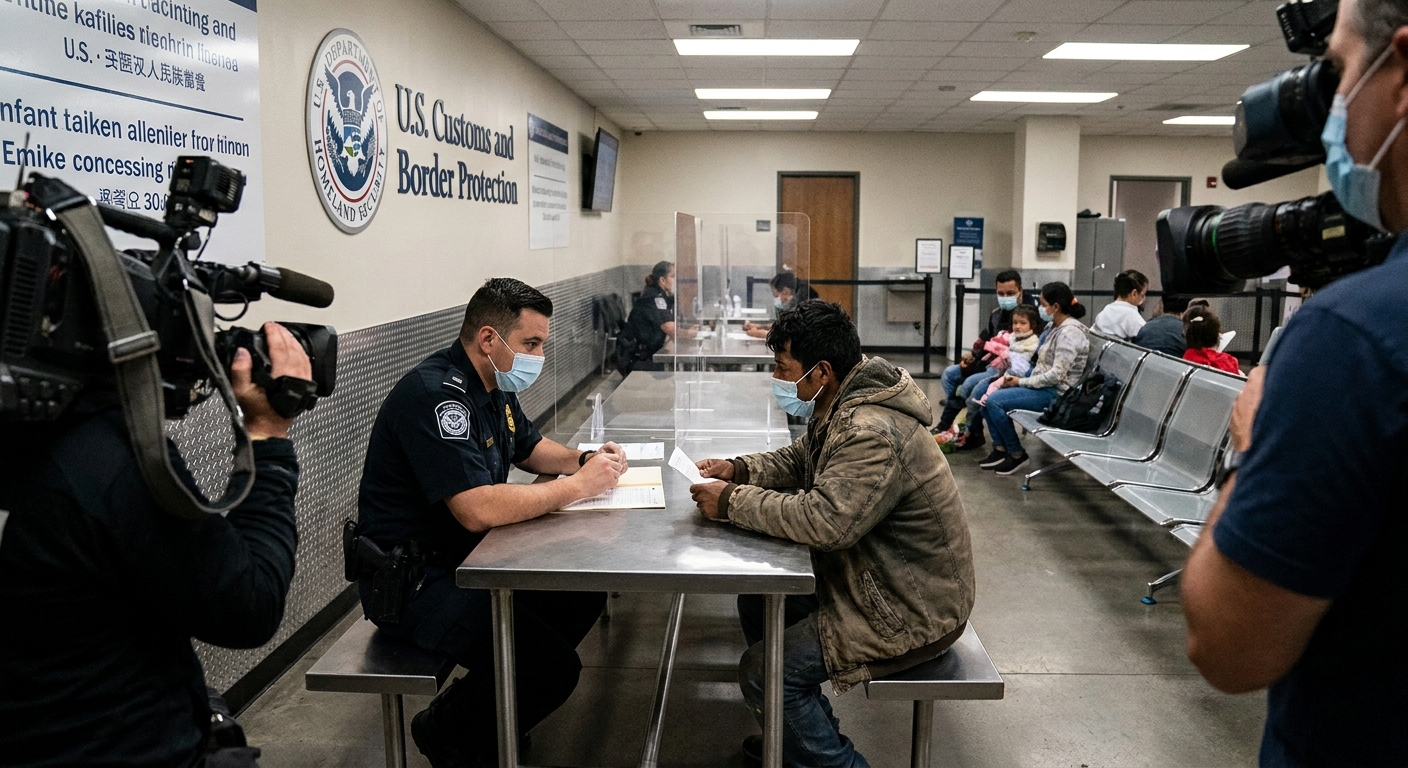
Credible Fear Screening and Expedited Removal
Most asylum stories online begin at the end: a person “applies for asylum,” waits, and eventually stands before a judge. But a huge number of cases never start that way. They begin at the border or shortly after entry, inside a fast track process with a blunt name and a sharp consequence: expedited...
Read more →
Stop-and-Identify Laws by State
You can feel it in the first five seconds of a police interaction: the subtle shift from “conversation” to “compliance.” And the most common pressure point is a deceptively simple demand: “What’s your name?” or “Let me see your ID.” Whether you must answer depends on three moving parts that do not...
Read more →
The Automobile Exception and Vehicle Searches
You can feel it the moment you see the lights in your mirror: the Fourth Amendment suddenly becomes very real. Most Americans learn the warrant rule first. Police generally need a warrant to search your “persons, houses, papers, and effects” (the Fourth Amendment’s text). Cars are “effects.” So why...
Read more →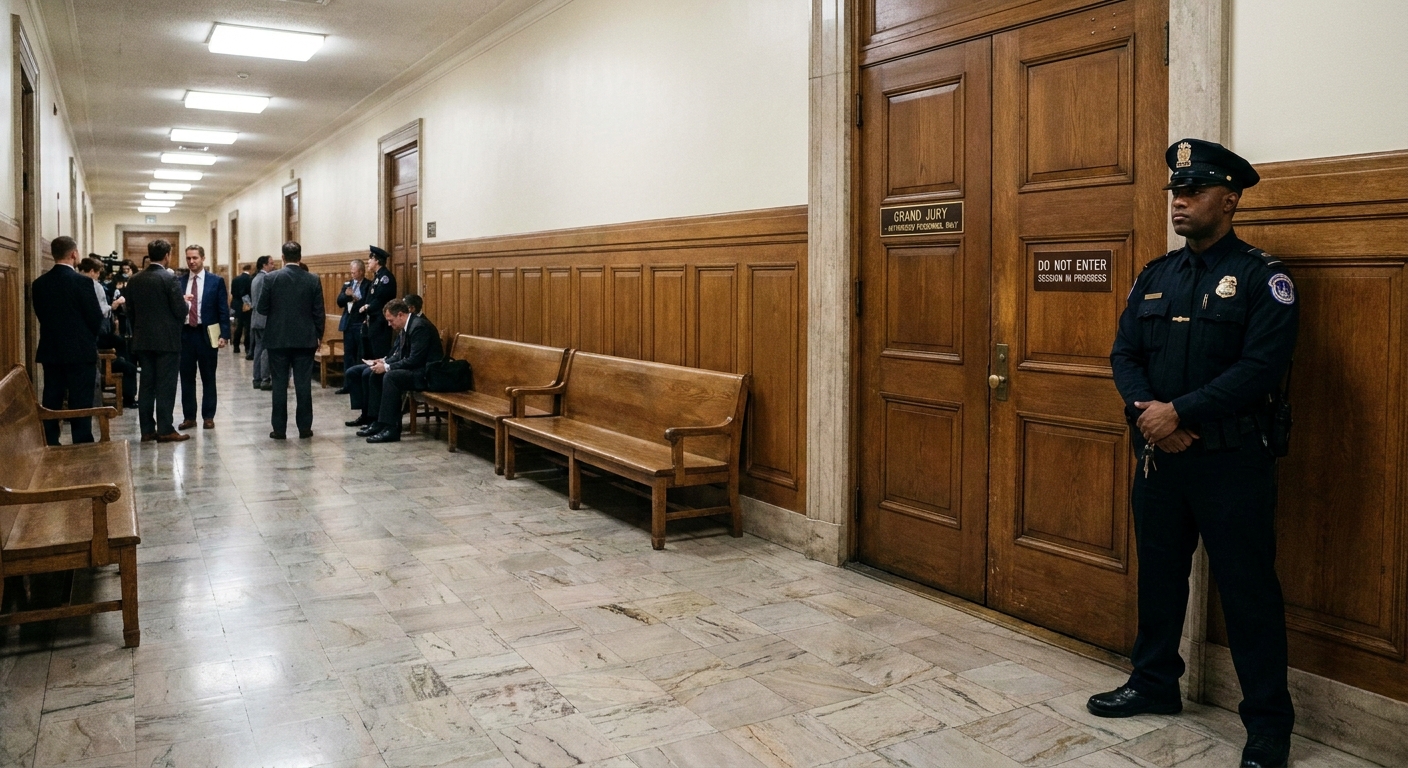
Federal Witness Immunity: Use vs. Transactional
You can refuse to testify if your answer could incriminate you. That is the Fifth Amendment in its most familiar form. But in federal court, that refusal is not always the end of the story. A prosecutor can ask a judge to order you to testify anyway, as long as the government gives you a specific...
Read more →
FARA Explained: Who Must Register and Why
In American politics, “foreign influence” is a phrase that can mean everything and nothing at once. The Foreign Agents Registration Act, usually shortened to FARA , is one of the few laws that turns that anxiety into a concrete rule: if you are acting in the United States as an agent of a foreign...
Read more →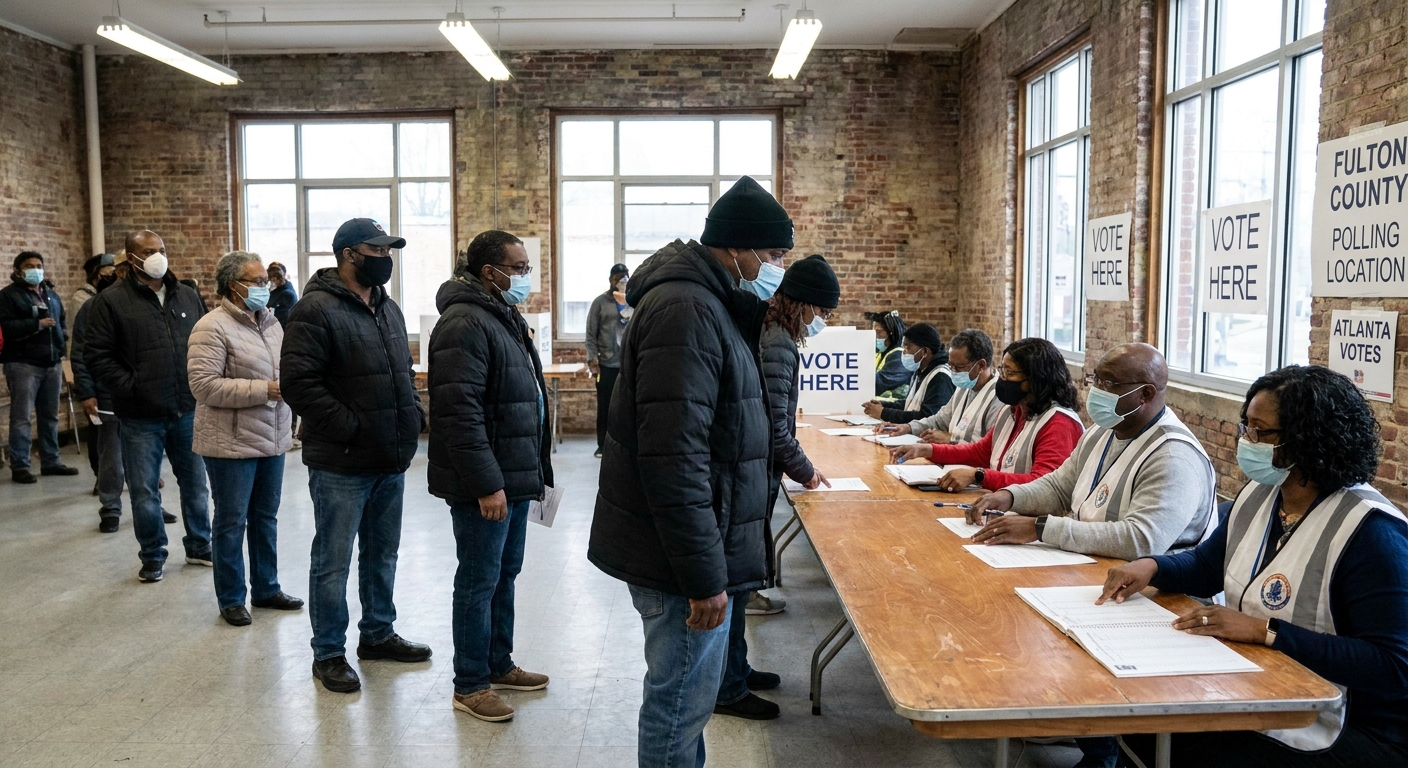
Election Observers, Poll Watchers, and Challengers
On Election Day, democracy does something unusual: it invites the public to watch itself work. That visibility is a feature, not a flaw. Transparent procedures can be harder to manipulate and easier to trust. But the same public access that supports accountability can also be misused. The law draws...
Read more →
Motion for Summary Judgment
Most civil lawsuits do not end with a dramatic trial. They end on paper. One of the biggest paper tools in federal court is the motion for summary judgment , often shortened to MSJ . It is the moment a party tells the judge: if you view the evidence and draw all reasonable inferences in the other...
Read more →
How Congressional Redistricting Works After the Census
Every ten years, the United States does something deceptively simple: it counts people. Then the hard part begins. The census is not just a headcount for trivia night. It is the starting gun for a chain reaction that moves seats in the House of Representatives, forces states to redraw districts,...
Read more →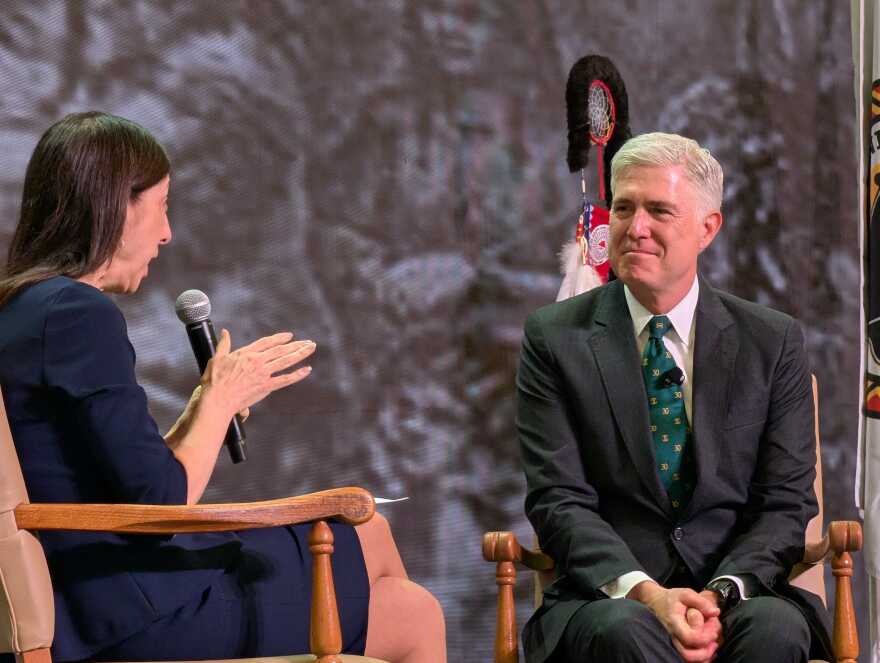
Gorsuch, “Hard Cases,” and Trust in the Supreme Court
When Americans say they have “lost trust” in the Supreme Court, they rarely mean they no longer trust the Court to decide . Of course it decides. Nine justices vote, opinions get published, and the country moves on, sometimes grudgingly. What people mean is something more constitutional and more...
Read more →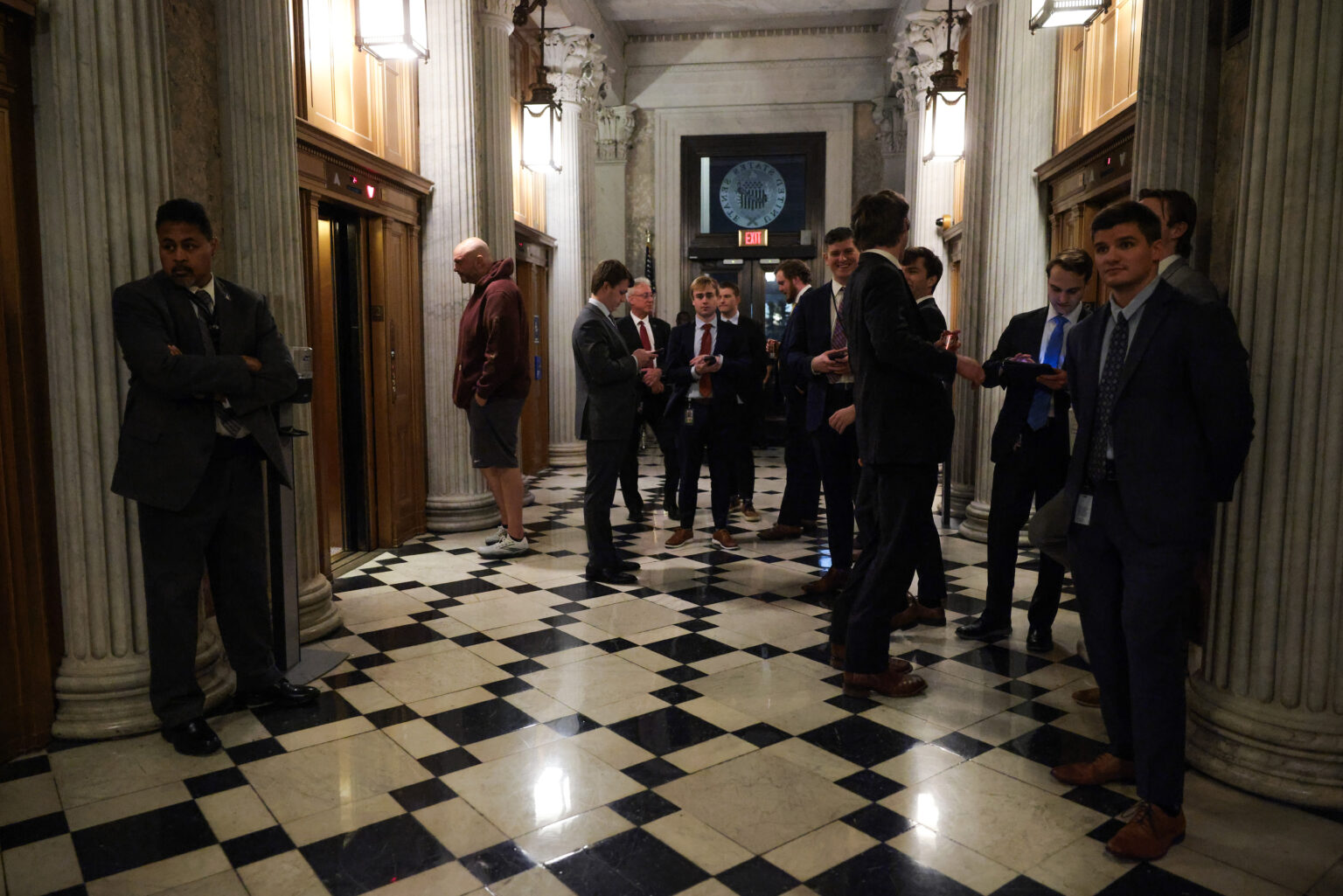
Trump Dangles GOP Support if Fetterman Switches Parties
Party labels are supposed to be shorthand, not shackles. But in a polarized moment, even small acts of independence can trigger a loyalty test. That is the backdrop to a remarkable offer now floating around Washington: President Donald Trump wants Sen. John Fetterman of Pennsylvania to switch...
Read more →
Explosives-Filled Car Crashes Into Portland Club
A car “packed with explosives” was driven into the Multnomah Athletic Club in Portland, Oregon, and the driver was killed in the resulting explosion, officials said. Investigators believe the driver was a former employee who deliberately rammed the vehicle through the club. Those are the basic...
Read more →
When Government Nudges Become Censorship
Most Americans know the First Amendment’s basic idea: the government generally cannot punish you for political speech. That statement comes with important, narrow exceptions, including limits on true threats, incitement, and certain time, place, and manner rules. It also depends on context. Speech...
Read more →
Can Minnesota Democrats Pass a Gun Ban Through an Omnibus Bill?
Minnesota Democrats are advancing a broad firearms package in the form of a single omnibus bill , a structure that turns multiple contested policies into one up-or-down vote. The bill at the center of the debate is SF 4067 , formally titled the Omnibus Firearms Bill . The Minnesota Senate is...
Read more →
Who Can Shut Down Telehealth Abortion Pills by Court Order?
It is hard to overstate what almost happened in the last few days: a three-judge panel on the U.S. Court of Appeals for the Fifth Circuit accepted Louisiana’s request for an injunction that would have halted telehealth dispensing of mifepristone nationwide, even in states where abortion remains...
Read more →
Rudy Giuliani Hospitalized in Critical Condition
Rudy Giuliani, the former New York City mayor and onetime adviser to President Donald Trump, has been hospitalized and is in “critical but stable condition,” according to his spokesman. The statement came Sunday from spokesman Ted Goodman, who did not disclose what led to Giuliani’s hospitalization...
Read more →