
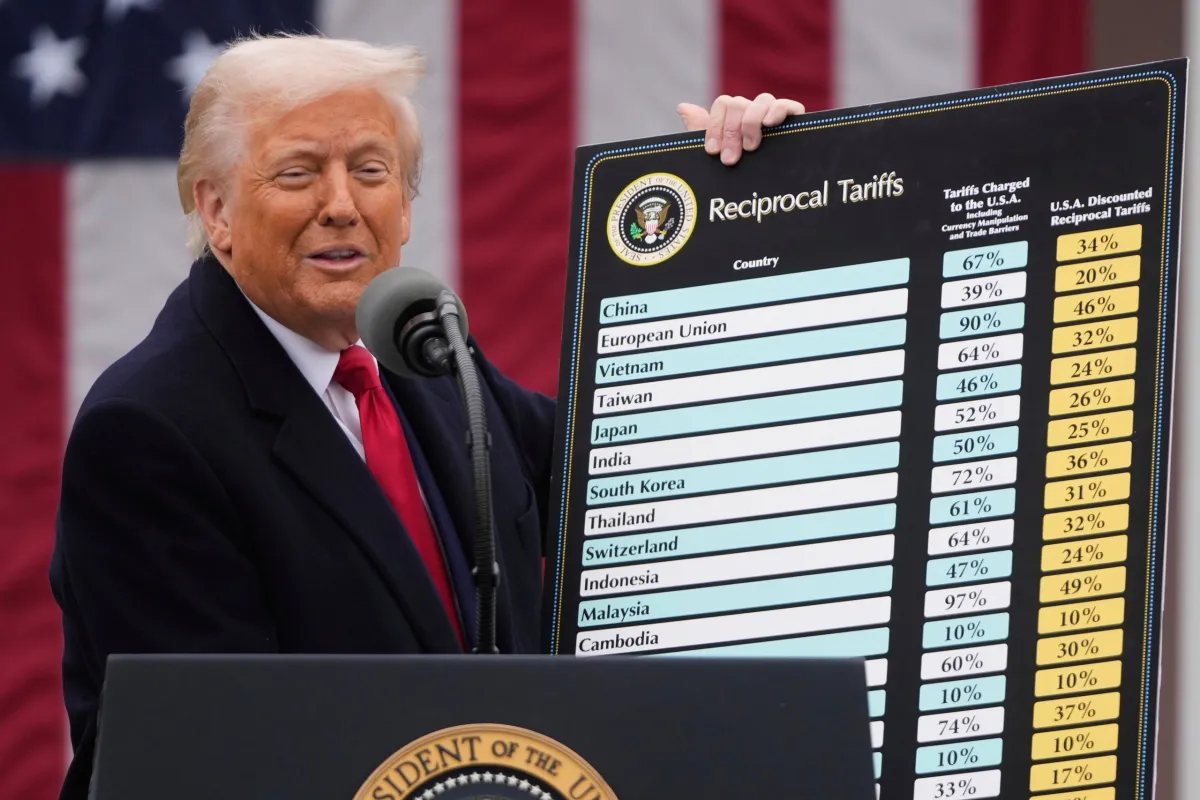
When presidents lose at the Supreme Court, they usually complain about the decision. President Donald Trump chose a different target this week: the people, including two justices he personally elevated to the bench.
On Sunday, Trump lashed out at Justices Neil Gorsuch and Amy Coney Barrett after they joined the majority that invalidated most of his sweeping global tariffs, a cornerstone of his second-term economic policy. “They were appointed by me, and yet have hurt our Country so badly!” Trump wrote. He claimed their decision on tariffs “cost the United States 159 Billion Dollars that we have to pay back” and asked why the Court did not add what he called a “tiny” fix: “Any money paid by others to the United States does not have to be paid back.”
If you listen closely, there are two arguments in that outburst. One is legal. The other is constitutional culture. And only one of them belongs in a country that still wants an independent judiciary.
Join the Discussion
What the Court said
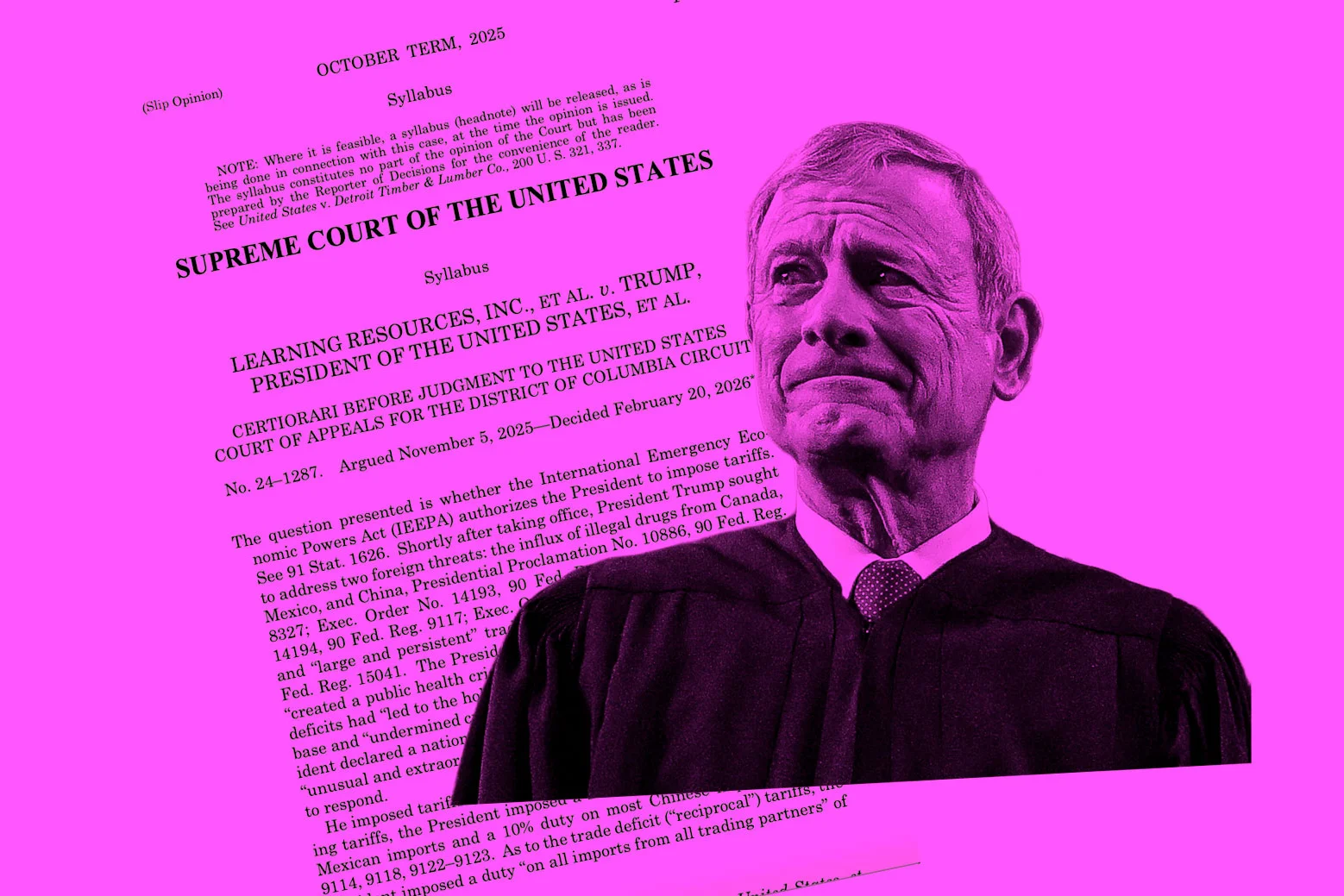
In February, the Supreme Court ruled 6-3 that the International Emergency Economic Powers Act, better known as IEEPA, does not give the president a blank check to impose sweeping tariffs. Chief Justice John Roberts wrote the opinion, emphasizing the Court’s limited constitutional role: “We claim no special competence in matters of economics or foreign affairs. We claim only, as we must, the limited role assigned to us by Article III of the Constitution.”
That sentence is not a throwaway. It is the Court restating a boundary line: judges are not economic planners, but they are referees of legal authority. When a statute does not authorize a particular power, the Court’s job is to say so, even if the policy is popular, even if the consequences are messy, and even if the president is furious.
The dissents and emergency power
The dissenters, Justices Clarence Thomas, Brett Kavanaugh, and Samuel Alito, would have allowed broader presidential latitude to impose tariffs during a national emergency.
This is the recurring American temptation: “emergency” as a master key. Congress writes a statute aimed at genuine crises, presidents discover it can be stretched, and courts are asked whether the stretch is still law or just politics wearing a legal costume.
IEEPA has long been a magnet for that debate because it sits at the intersection of foreign affairs, economic coercion, and executive speed. But the question in February was not whether tariffs can ever be wise. It was whether Congress actually handed the president this tariff power through this statute.
Loyalty versus independence
Trump’s Sunday posts did not just criticize legal reasoning. They treated disagreement as disloyalty.
He wrote that Democratic court-packing is unnecessary “With certain Republican Nominated Justices that we have on the Supreme Court,” and then added: “In fact, I should be the one wanting to PACK THE COURT!” He continued with the core expectation: “They have to do the right thing, but it’s really OK for them to be loyal to the person that appointed them…”
Read that again. It is not an argument about text, history, or statutory interpretation. It is an argument about team membership.
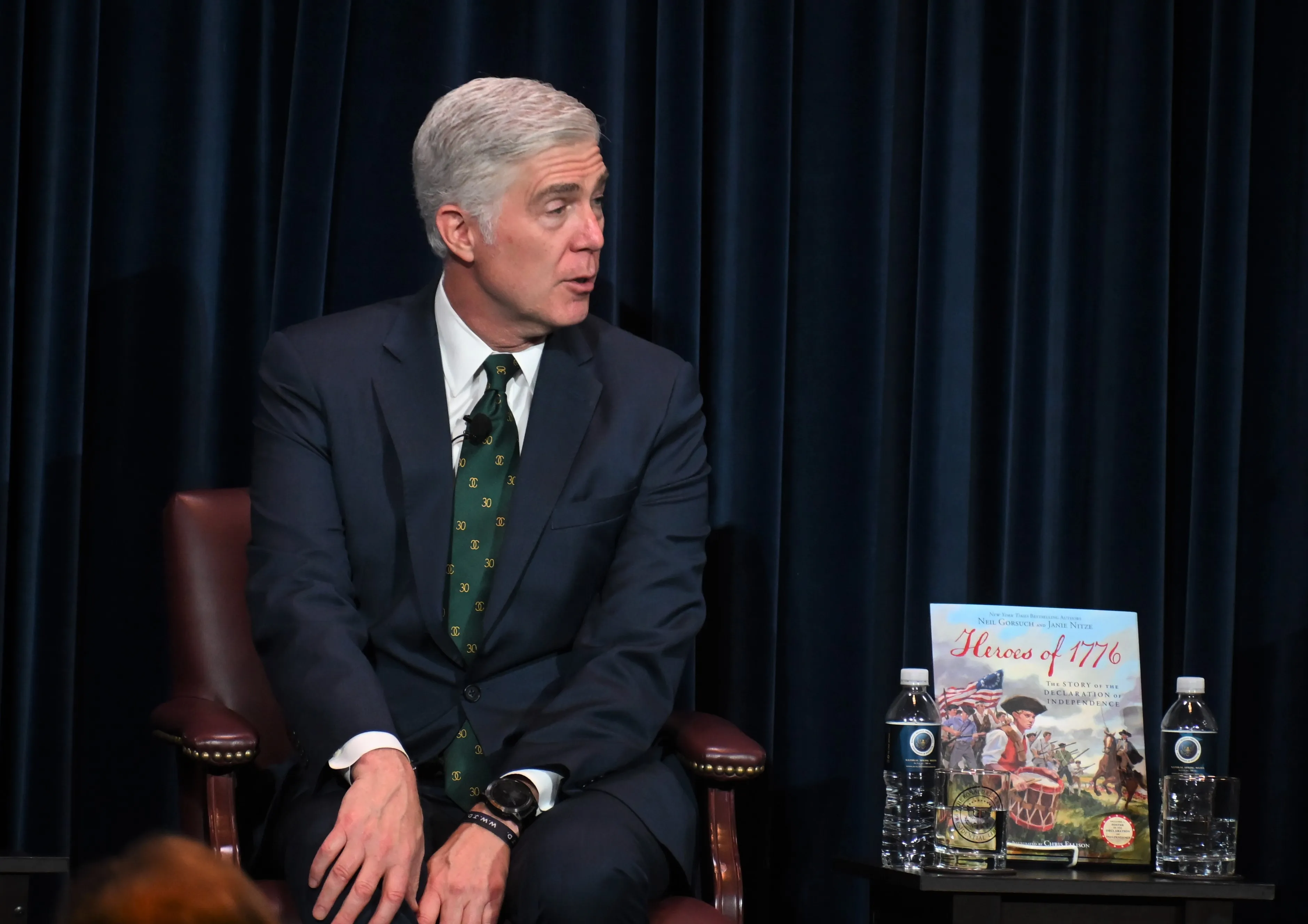
In March, Trump had already railed against the court system, saying Gorsuch and Barrett were trying to go “out of their way, with bad and wrongful rulings and intentions, to prove how ‘honest,’ ‘independent,’ and ‘legitimate’ they are.” Last week, Gorsuch responded publicly in his own voice, saying he is determined to remain “independent” and “fearless” in fulfilling his duty despite harsh criticism from the president who appointed him.
That exchange captures the civic problem. The judiciary cannot function as a branch of government if it is treated as a set of political seats whose occupants are expected to return the favor. Lifetime tenure exists precisely to make that kind of expectation feel improper.
The “tiny sentence” idea
Trump suggested the justices could have prevented refunds or other repayments of collected tariff money by adding a line declaring that payments “do not have to be paid back.”
But courts do not get to cure a legal defect by drafting new fiscal rules out of thin air. Even if Trump is right about the price tag and the payback mechanics, the power to set refund rules, impose retroactive liability, or create immunity from repayment is generally the kind of thing Congress legislates directly.
There is a phrase for what Trump is asking the Court to do: legislate. That is not a tiny tweak. It is a constitutional category error.
Why their votes mattered
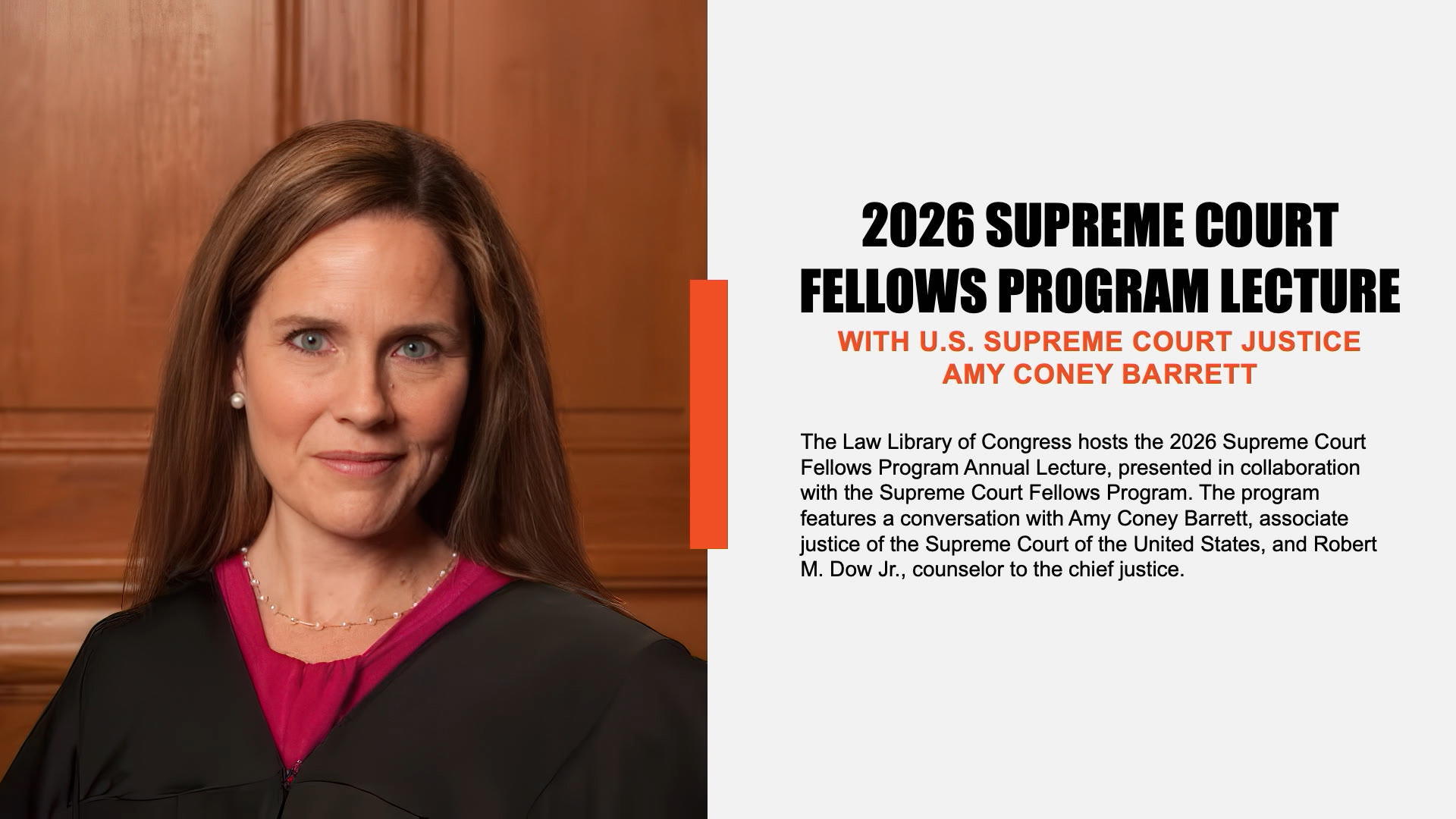
Gorsuch and Barrett have been reliable conservative votes, consistently voting in favor of positions backed by the Trump administration. Barrett, notably, authored a major 6-3 decision last year restricting the ability of lower court judges to issue nationwide injunctions against Trump administration policies.
So when both join a majority against the president on tariffs, it punctures the simplistic story that justices are merely partisan robots in robes. It also exposes a tension many Americans prefer not to discuss openly: a president can appoint a justice, but he cannot appoint a vote.
That is not a bug in the constitutional design. It is one of the features that tries to keep law from becoming pure political muscle.
Another front: birthright citizenship
Trump also predicted the Court would block his attempt to limit access to birthright citizenship, an issue the justices heard arguments about on April 1 in a challenge to his executive order.
Here, the pattern matters more than the prediction. Publicly scolding individual justices by name, framing adverse rulings as national catastrophe, and hinting at court-packing is not just venting. It is a pressure campaign aimed at the institution’s weakest point: legitimacy.
Trump summed it up with a line that sounds patriotic until you inspect it: “I don't want loyalty, but I do want and expect it for our Country.” In practice, he is defining loyalty to the country as agreement with him. That is an old trick in executive power politics, and it is dangerous.
The civics lesson
There is a basic rule that still holds: if you want a judge to rule the way you want, make your case in law, not in loyalty.
Trump’s complaint is not merely that the Court blocked a policy tool. It is that two appointees acted like judges rather than allies. That may be a frustrating reality for presidents. But it is the only reality compatible with Article III’s promise that courts exist to decide cases, not to protect political patrons.
The tough question for the rest of us is whether we still want that promise. Because the moment we cheer for “our” judges to behave like “our” soldiers, we are not reforming the Court. We are replacing it with something else entirely.