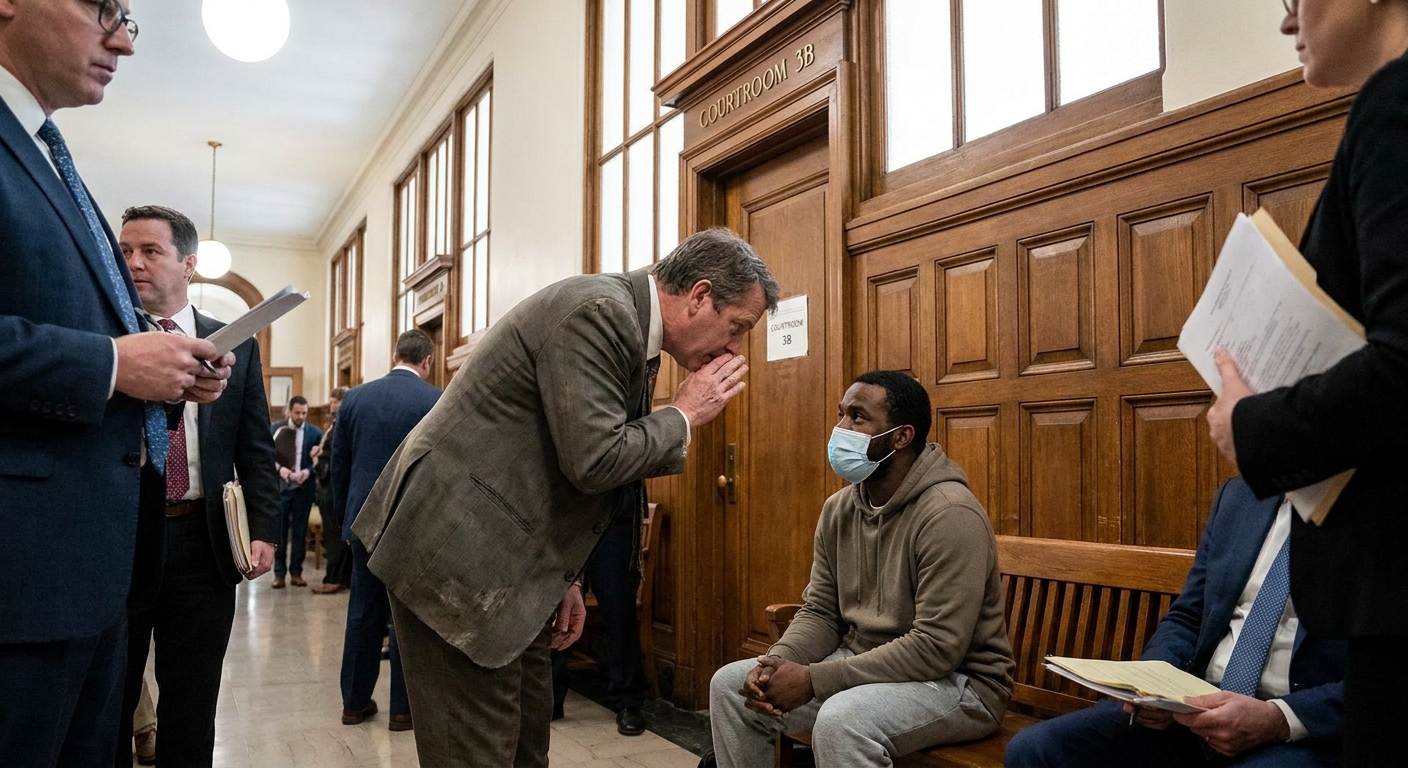
For many people, “arraignment” is a word they only hear on TV, usually shouted right before a dramatic plea. In real life, an arraignment is less theatrical and more structural. It is the court’s way of putting the case on the record: who you are, what you are charged with, what your rights are, and what happens next.
It is also one of the first moments where the Constitution stops being an abstract civic document and starts behaving like a set of guardrails. Some rights show up loudly, like the right to counsel. Others matter quietly, like due process and protection against excessive bail.
Join the Discussion
What an arraignment is
An arraignment is a formal court hearing where a judge:
- Confirms the defendant’s identity
- Ensures the defendant understands the charges
- Advises the defendant of key rights, including the right to an attorney
- Asks for a plea (guilty, not guilty, or in some jurisdictions no contest)
- Addresses release conditions, including bail or other restrictions
- Sets the next court date
Arraignments happen in both state and federal systems, and the details vary by jurisdiction. In many places, an “initial appearance” (also called a first appearance) comes first, and the arraignment on a complaint, information, or indictment may come later. The basic purpose is consistent: it is a procedural checkpoint that moves the case forward in open court, with notice and rights on the record.
When an arraignment happens
Timing depends on where you are, what level the case is in, and whether the system uses a separate initial appearance.
After an arrest
If you are arrested without a warrant and held in custody, the Constitution requires a prompt judicial review of the basis for holding you. Under Gerstein v. Pugh (1975), the government must provide a timely determination of probable cause by a neutral magistrate if it wants to keep you in custody. Later, in County of Riverside v. McLaughlin (1991), the Supreme Court said that a probable cause determination within 48 hours of a warrantless arrest is generally presumed prompt.
That 48-hour presumption is not a free pass. A delay can still be unconstitutional even within 48 hours if it is for improper reasons, and a delay beyond 48 hours puts the burden on the government to justify it. Depending on local practice, the probable cause review may occur at an initial appearance, at arraignment, or in a separate hearing.
After charges are filed
Arraignment also ties to the formal charging process. Charges may be filed by complaint, information, or indictment. In federal court, arraignment typically occurs after an indictment or information is filed and the defendant is brought before the court under the Federal Rules of Criminal Procedure.
How felony cases fit in
In felony cases, readers often mix up arraignment with a preliminary hearing or a grand jury indictment. Those are different steps. A preliminary hearing (in jurisdictions that use it) is about whether there is enough evidence to move a felony forward. A grand jury indictment is another route to formal charges. Arraignment is the hearing where the defendant is formally told what the charges are and is asked to enter a plea.
Step by step: what happens in the courtroom
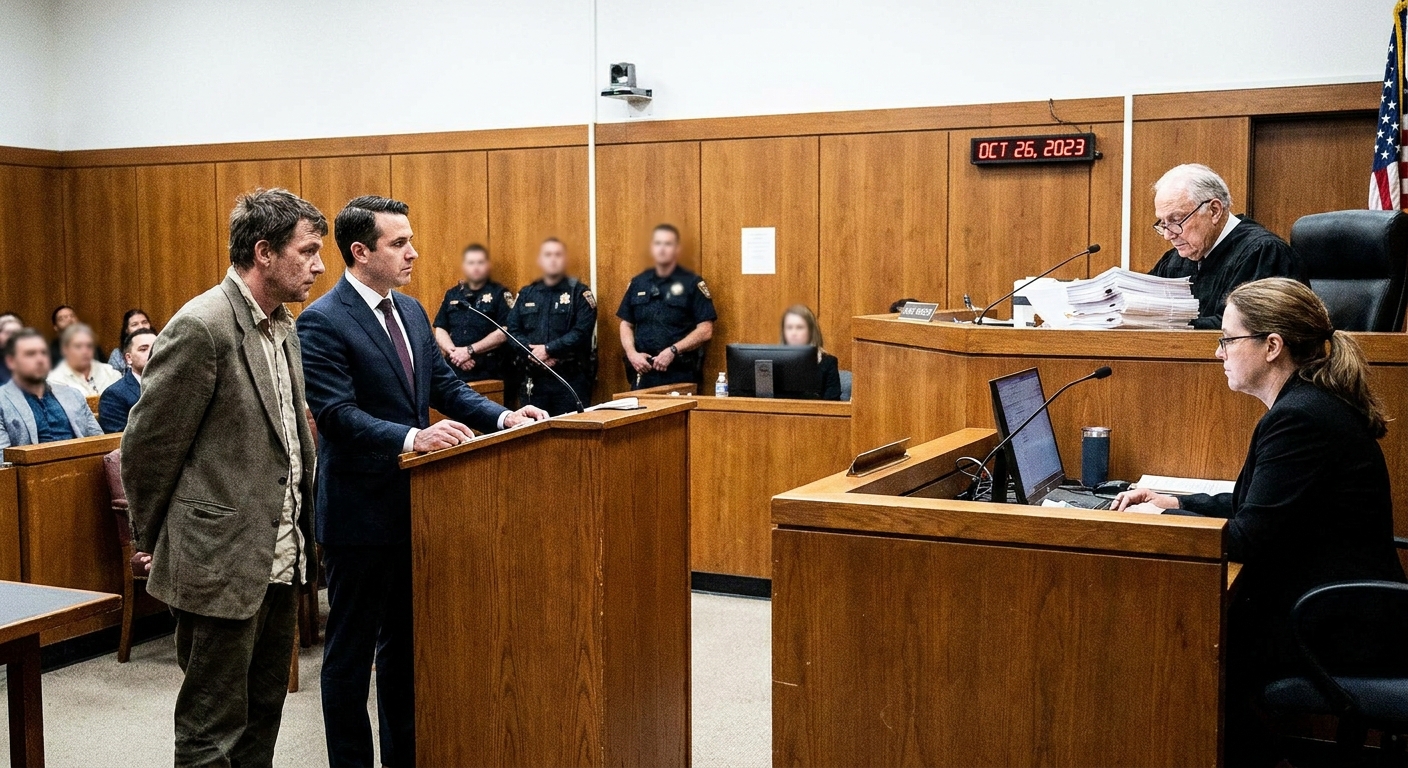
Arraignments are often brief. That does not mean they are unimportant. Here is what usually happens, in order.
Practical note: many courts run arraignments in high-volume calendars, and some jurisdictions use video for certain appearances. The core purpose stays the same, even if the setting feels fast.
1) The judge calls the case and confirms identity
The judge (or magistrate) calls the defendant’s name, confirms basic identifying information, and ensures the court has the correct person on the record. If an interpreter is needed, this is typically addressed early.
2) The charges are read or summarized
The court states the charges, sometimes in detail and sometimes as a summary with reference to the charging document. In some courts, the judge may also advise of potential penalties or maximum exposure, but practices vary. The key point is notice. Due process requires that you understand what the government is accusing you of so you can respond.
3) Rights are explained
Courts often advise defendants of core rights, including:
- The right to counsel and, if eligible, appointed counsel
- The right to remain silent
- The right to a trial (and in many cases a jury trial)
- The right to confront witnesses at trial
- The right to call witnesses and present evidence at trial
Some of these rights are explained in standardized language. That can feel routine, but the routine is the point. The criminal process is designed to put warnings on the record so later stages are harder to dispute.
4) The defendant enters a plea
This is the moment people remember. The judge asks how the defendant pleads. Common pleas include:
- Not guilty: You deny the charges, and the case proceeds toward motions, negotiations, and possibly trial.
- Guilty: You admit guilt. The court will usually not accept a guilty plea without additional safeguards to ensure it is knowing and voluntary.
- No contest (nolo contendere): You do not admit guilt but accept conviction. Availability and consequences vary by jurisdiction.
In many cases, defense attorneys advise a “not guilty” plea at arraignment even when negotiations are likely later. That preserves options. It is also common in many jurisdictions for a guilty plea to be taken at a later hearing, after discovery, plea discussions, and a full plea colloquy.
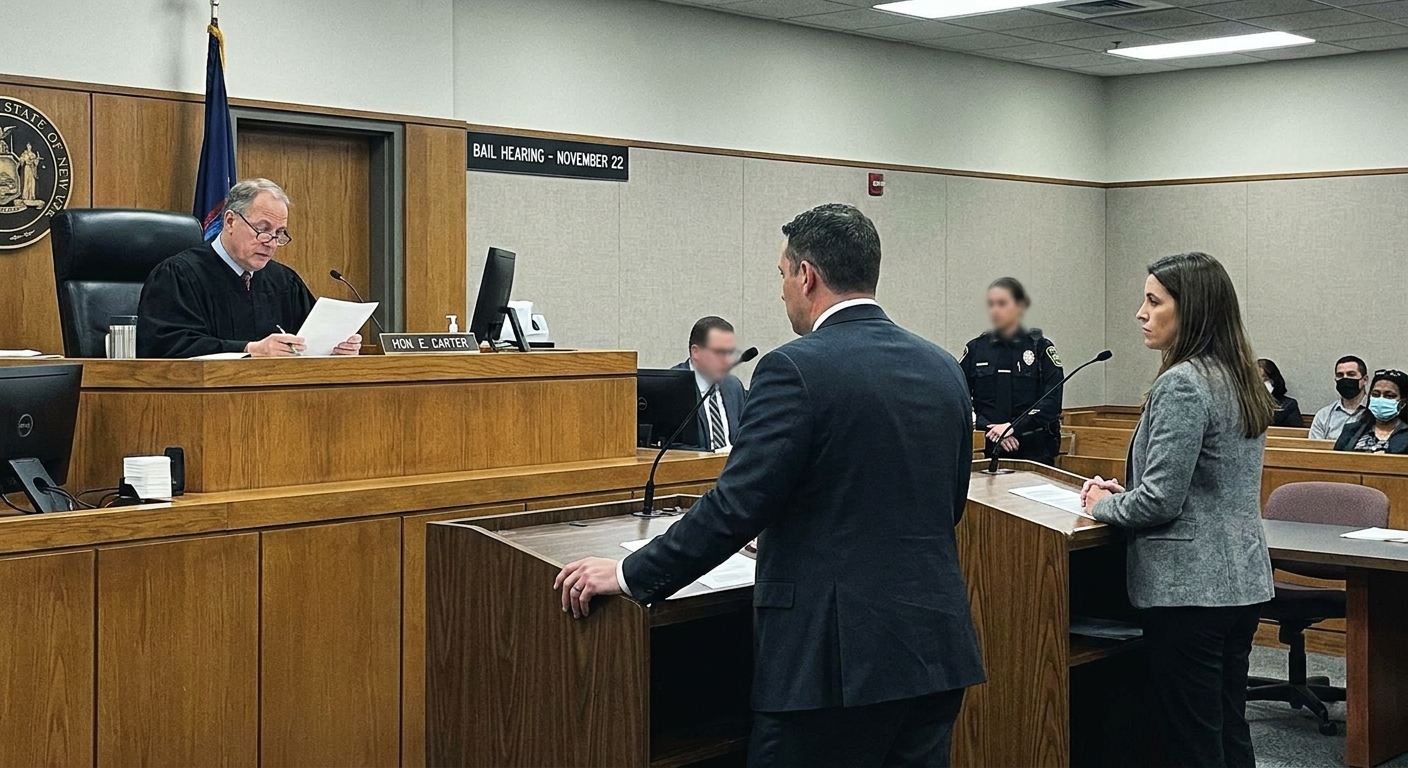
5) Bail and release conditions are addressed
After the plea, the judge decides whether the defendant will be released while the case is pending and under what conditions.
Possible outcomes include:
- Release on recognizance: You are released based on a promise to return.
- Unsecured bond: You owe money only if you fail to appear.
- Cash or surety bail: You must pay or post a bond to be released.
- Conditional release: Requirements like check-ins, travel limits, electronic monitoring, no-contact orders, stay-away zones, curfews, or drug testing.
- Pretrial detention: You are held without release in limited circumstances, depending on the jurisdiction and the case.
The constitutional anchor here is the Eighth Amendment’s prohibition on “excessive bail.” That does not guarantee bail in every case. It does constrain the government from setting bail higher than justified by its legitimate interests, typically ensuring the defendant’s appearance and, where authorized by law, protecting public safety.
The constitutional rights that matter most at arraignment
Arraignment is not just a calendar event. It is a rights event. Several constitutional protections are especially relevant.
Sixth Amendment: the right to counsel
The Sixth Amendment guarantees the assistance of counsel in criminal prosecutions. If you cannot afford an attorney, the court may appoint one based on Supreme Court doctrine stemming from Gideon v. Wainwright (1963) and later cases. In broad terms, the Constitution requires appointed counsel in cases that result in actual imprisonment, including a suspended sentence that can lead to jail if conditions are violated. Many jurisdictions appoint counsel earlier in any case where incarceration is authorized, which offers protection before the stakes become irreversible.
Arraignment is also an early stage where having counsel matters practically. Bail arguments, release conditions, and the decision to plead are moments where a defendant can lose leverage quickly without guidance.
Fifth Amendment: the right against self-incrimination
The Fifth Amendment protects you from being compelled to incriminate yourself. At arraignment, the judge may ask basic questions, but you do not have to explain the facts of the incident. The government bears the burden of proving the case, and many harmful statements are made in court by defendants trying to “clear things up.”
Eighth Amendment: excessive bail
The Eighth Amendment does not set a dollar amount. It sets a principle: bail cannot be excessive in light of the government’s interests. Those interests most commonly include ensuring you return to court, and in some systems, addressing public safety through conditions or, in limited circumstances, detention. Modern pretrial practices vary widely by jurisdiction, and some places have moved toward risk-based systems or expanded non-monetary release. But the constitutional idea remains: pretrial restrictions are not supposed to function as punishment before conviction.
Fourteenth Amendment: due process in state cases
Most criminal cases are in state court, which means the Fourteenth Amendment is the bridge that applies many Bill of Rights protections against the states. Due process is why charges must be clear, proceedings must be fair, and the defendant must have meaningful opportunity to respond.
What the prosecutor and defense are doing
Even if the hearing is short, the legal strategies are already active.
Prosecutor priorities
- Confirm the charges are properly filed
- Argue for bail, conditions, or detention based on flight risk and public safety where applicable
- Preserve the procedural timeline
Defense priorities
- Make sure the defendant understands rights and options
- Argue for release or lower bail, often with details about work, family, and ties to the community
- Seek early discovery or make preservation and disclosure requests where permitted
- Prevent accidental self-incrimination on the record
What happens after arraignment
Arraignment is the beginning of the court-managed phase of the case, not the end. After arraignment, the case typically moves into some combination of:
- Pretrial conferences where schedules are set and negotiations occur
- Discovery where evidence is exchanged
- Motions including motions to suppress evidence, dismiss charges, or limit testimony
- Plea negotiations which resolve many cases
- Trial if no resolution is reached
- Sentencing if the defendant pleads guilty or is found guilty
If bail or conditions were set, the defendant must follow them. Violations can lead to stricter conditions, revocation of release, and in some jurisdictions separate allegations such as bail jumping or contempt.
Common questions
Do I have to speak at arraignment?
Usually, you will be asked for a plea. Beyond that, your attorney may speak for you, and you generally should not volunteer facts about the case. Procedures vary, but the safest assumption is that anything you say in court can become part of the record.
Can the judge dismiss the case at arraignment?
It is uncommon. Arraignment is not designed for a full test of evidence. Dismissals usually happen later through motions, prosecutorial discretion, or lack of evidence.
Is arraignment the same as a trial?
No. There is no jury, and there is typically no testimony or evidence presentation like at trial. Arraignment is about notice, rights, pleas, and release conditions.
What if I miss my arraignment?
Courts can issue a bench warrant for failure to appear. Practically, that can mean you may be arrested, you may have to post higher bail later, and it can complicate negotiations. If there is a legitimate reason, contacting counsel and the court quickly matters.
Why this hearing matters
An arraignment can feel like bureaucracy. But it is a moment when the government must say, in public, what it is accusing you of, and a judge must take responsibility for what happens next.
That is the constitutional promise in miniature: the state does not get to hold you, charge you, or restrict your freedom in the dark. It has to do it on the record, with rules, and with rights attached.
If you or someone you know is facing an arraignment, consult a qualified defense attorney in the relevant jurisdiction. This page is civic education, not legal advice.