
Most people use the phrase “overstayed my visa” like it is self-explanatory. It sounds like a single mistake with a single punishment.
Immigration law does not work that cleanly. In everyday speech, “overstay” often means you stayed longer than you were supposed to. But the legally operative concepts are period of authorized stay, status, and unlawful presence. Those terms determine what consequences apply, including whether a technical clock runs long enough to trigger the three-year or ten-year bar when you leave the United States.
That distinction matters because people can be “out of status” without accruing unlawful presence in some situations, and people can accrue unlawful presence without the usual “my visa expired” story you hear most often.
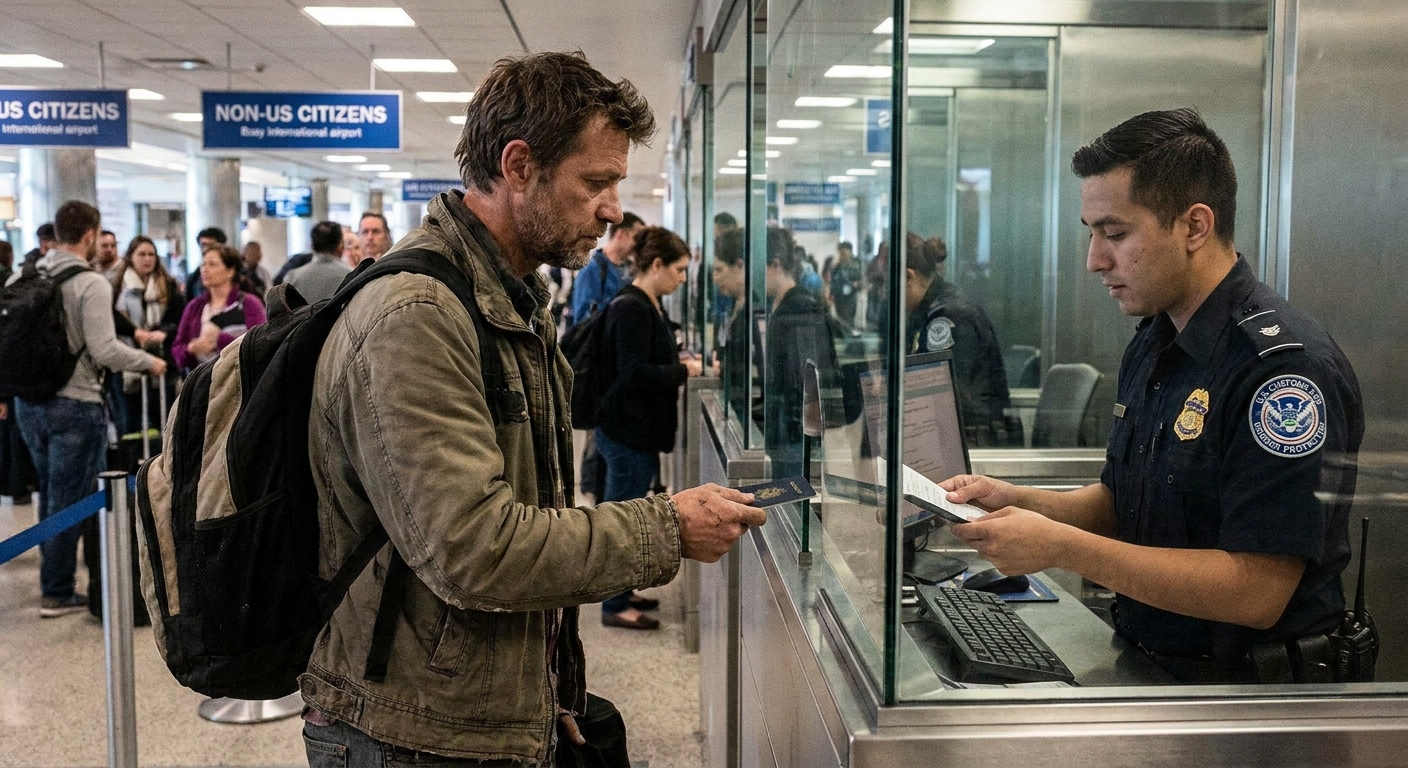
Join the Discussion
Visa basics: visa vs status
To understand “overstay” rules, it helps to separate two words that get blended together in everyday conversation:
- Visa: the entry document in your passport that lets you ask to be admitted at the border (or airport). A visa can expire while you are inside the U.S. and that alone does not automatically end your lawful stay.
- Status: the permission to remain in the U.S. for a particular purpose and time, granted when you are admitted. Your I-94 record is often the key document showing how long you were authorized to stay.
When people say “my visa expired,” what usually matters legally is whether your authorized period of stay ended, not the ink expiration date on the visa foil.
Authorized stay vs being “in status”
These terms are related, but they can diverge:
- In status usually means you are complying with the conditions of the nonimmigrant category you were admitted under (for example, attending school as an F-1 student).
- Period of authorized stay is a broader concept used in several contexts, including unlawful presence. In some fact patterns, a person may be in a period of authorized stay for unlawful presence purposes even if they are no longer in a clean nonimmigrant status, depending on what was filed and when.
This is one reason “overstay” can be a misleading shortcut. The consequences often turn on technical definitions and timing.
What people mean by “overstay”
“Overstay” is often used as plain-English shorthand for staying in the United States beyond what immigration law allowed. The key question is usually whether you remained past the end of your authorized stay as shown on your I-94 or otherwise defined by law.
In practice, that usually looks like one of two situations:
- Date-certain I-94: Many visitors are admitted until a specific date (for example, “Admit Until 06/30/2026”). Staying past that date is commonly called an overstay, and it often also starts unlawful presence the next day.
- D/S (Duration of Status): Many students (F-1) and exchange visitors (J-1) are admitted for “D/S,” meaning they can stay as long as they comply with program requirements. “Overstay” questions here often hinge on whether there has been a formal finding of a status violation for unlawful presence purposes.
Staying past your authorized stay is an immigration violation. It is generally civil, not criminal, but it can still carry severe consequences, including losing eligibility for certain benefits and creating reentry problems.
Unlawful presence: the technical clock
Unlawful presence is a specific legal concept that matters most because it can trigger time-based reentry bars when you depart the United States.
At a high level, unlawful presence generally means time spent in the U.S. after:
- your authorized stay expires (often the I-94 “admit until” date), or
- a status violation is determined in a way that makes your stay no longer authorized under immigration law.
Think of “overstay” as the headline, and unlawful presence as the stopwatch. The stopwatch is what powers the three-year and ten-year bars.
The three-year and ten-year bars
These are commonly called the unlawful presence bars. They are triggered by a combination of (1) how much unlawful presence you accrued and (2) whether you depart the United States.
Three-year bar
If you accrue more than 180 days but less than 1 year of unlawful presence in a single stay, and then you leave the United States, you can become inadmissible for three years.
Ten-year bar
If you accrue 1 year or more of unlawful presence, and then you leave the United States, you can become inadmissible for ten years.
Two details people miss:
- The bars are triggered by departure. Many people do not feel the consequence until they try to return with a visa or apply for an immigrant visa abroad. Accruing unlawful presence by itself does not “activate” the bar until you leave.
- “Days” matter. The difference between 179 days and 181 days can change the legal landscape dramatically.
Also important: unlawful presence is not the only way an overstay can create inadmissibility or long-term immigration problems. Removal orders, fraud or misrepresentation, and unlawful reentry issues can carry separate consequences.

When unlawful presence starts
For many visitors admitted until a specific date, unlawful presence typically begins the day after the I-94 authorized stay expires.
For “D/S” admissions (common for F-1 students and many J-1 exchange visitors), unlawful presence rules can be more technical. In many cases, the clock may depend on a formal determination that the person violated status, which can occur through a government finding in an adjudication or in removal proceedings. This area has also been policy-sensitive over time, so it is wise to check current USCIS and State Department guidance if your analysis turns on D/S timing.
The core point is simple: “Overstay” language does not always tell you when the unlawful presence clock started.
Other overstay consequences
Even without triggering a three-year or ten-year bar, staying past your authorized period of stay can create other consequences. Two of the most common:
- Visa voidance (INA 222(g)). If you stay beyond your period of authorized stay, your nonimmigrant visa can be considered void under INA 222(g). In general, that can mean you must apply for a new visa in your country of nationality (with limited exceptions). This is about overstaying the authorized stay, not merely having a visa foil that expired while you were still in an authorized stay.
- Discretion and credibility issues. A prior overstay can make future applications more difficult because it suggests the person may not comply with terms of admission.
In other words, the unlawful presence bars are not the only punishment in the system. They are simply the most famous because they come with a clean number: three years, ten years.
Common exceptions and tolling (high level)
Immigration law includes exceptions that can stop unlawful presence from accruing or reduce its consequences. Some commonly discussed categories include:
- Minors under 18. Unlawful presence generally does not accrue before age 18.
- Pending applications in certain circumstances. Some timely filed, non-frivolous requests (such as certain extensions or changes of status) can affect unlawful presence calculations in limited ways.
- Victims and humanitarian protections. Certain humanitarian categories have special rules or protections that can change the analysis.
Two guardrails:
- Pending does not automatically mean protected. A filing that is late, denied, or undermined by other facts can leave a person accruing unlawful presence anyway.
- This list is not exhaustive. Unlawful presence is one of the most technical parts of the system, and the details can turn on the exact category and timeline.
These are not “loopholes.” They reflect the reality that immigration status can be fluid: people file extensions, change schools, marry U.S. citizens, flee danger, or get stuck in bureaucratic delays. The unlawful presence rules try, imperfectly, to account for that.
Waivers: what they are and what they are not
A waiver is not an appeal to sympathy. It is a legal request to forgive a ground of inadmissibility so a person can obtain a visa or immigrate despite a past violation.
At a high level, waivers for unlawful presence often require showing that denying admission would cause extreme hardship to certain qualifying family members (often U.S. citizen or lawful permanent resident spouses or parents). Not every family relationship qualifies, and not every hardship qualifies.
Two big-picture truths about waivers:
- They are discretionary. Even when someone meets the basic legal standard, approval is not guaranteed.
- They are strategy-sensitive. Timing, where the application is filed, and what other issues exist in the person’s history can change the risk.
This is why people can be “eligible” in theory and still make a harmful move in practice by departing too soon or applying in the wrong posture.
One more bar people confuse with this
People sometimes hear about a “permanent bar” and assume it is the same as the three-year or ten-year bars. It is not. There is a separate rule that can create a much harsher result in certain situations involving extended unlawful presence and then reentry or attempted reentry without inspection. If you are anywhere near that fact pattern, get qualified legal advice before taking your next step.
Civil violations vs criminal entry
Overstay and unlawful presence are usually civil immigration issues. Civil does not mean harmless. It means the legal system handles them primarily through immigration enforcement and admissibility rules, not a criminal trial.
Unlawful entry is different. Entering the United States without inspection can implicate separate rules, including potential criminal exposure in certain circumstances, and often triggers different barriers to future immigration benefits.
Why the distinction matters: two people can both be “out of status,” but one arrived with inspection and overstayed, while the other entered without inspection. Those facts can lead to radically different options, risks, and timelines.
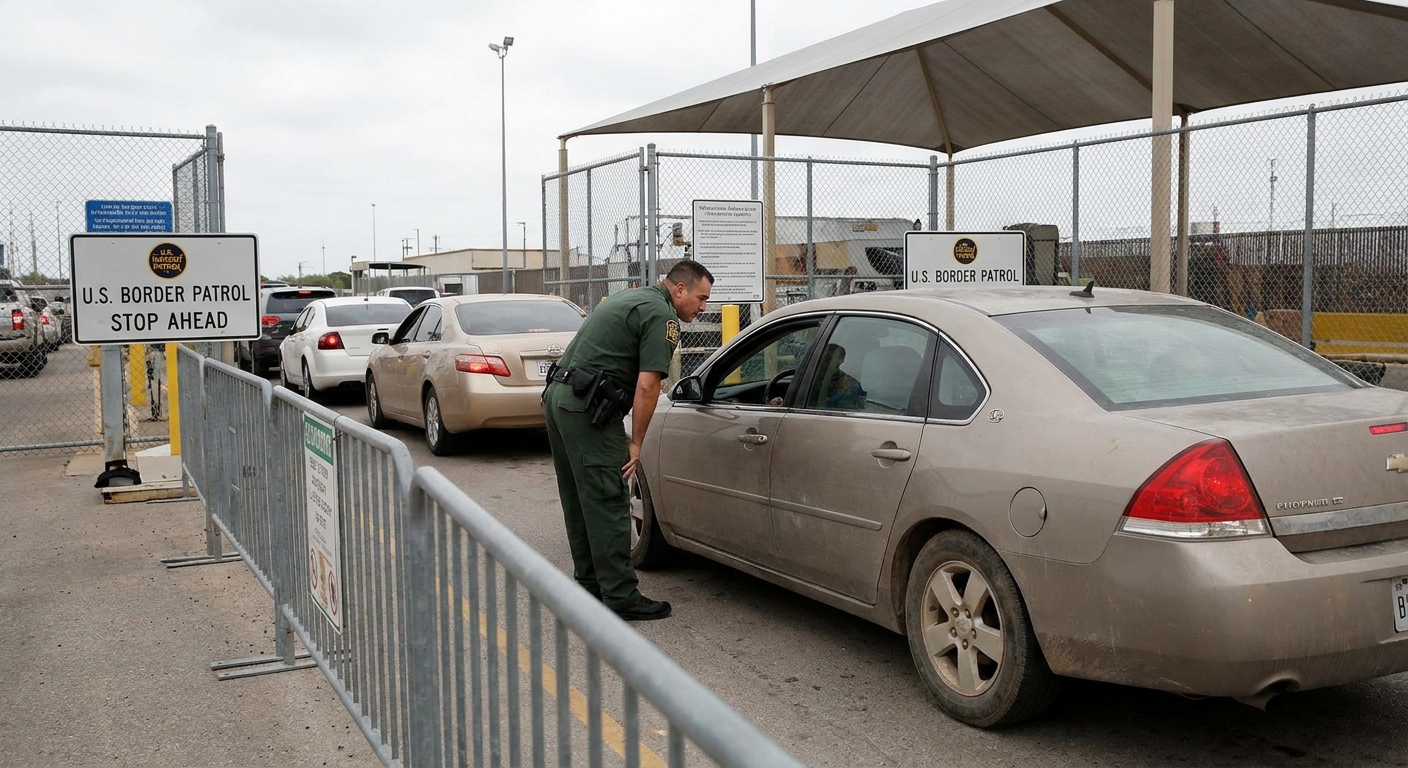
A simple timeline
Here is the basic structure most people are asking about, without the fine print:
- Day 0: Your authorized stay ends (often your I-94 date).
- Day 1: Unlawful presence may begin accruing.
- Day 181: If you depart after this point but before a full year, you risk triggering the three-year bar.
- Day 365+: If you depart after a year or more of unlawful presence, you risk triggering the ten-year bar.
The moment of departure is often the moment the consequence becomes real.
Quick questions people ask
My visa expired but my I-94 is still valid. Am I okay?
Often, yes. The visa is an entry document. What usually controls your lawful stay inside the U.S. is the I-94 authorized period of stay and whether you are following your status conditions.
My I-94 says D/S. Does that mean I am safe?
Not automatically. D/S can change how unlawful presence is counted, but it does not mean status violations are consequence-free. Because this area is technical and policy-sensitive, confirm your risk using current guidance and your specific timeline.
Why this belongs on a Constitution site
Immigration law is statutory. Congress writes most of it, agencies administer it, and courts interpret it. But the power structure behind it is constitutional: federal authority over immigration, due process in removal proceedings, limits on detention, and the basic rule that the government must follow its own procedures when it takes life-altering action against a person.
Unlawful presence is a perfect example of how modern governance works in the United States: a handful of defined terms, a clock, and a consequence that can separate families for years. The Constitution is not a customer service desk for that system. But it is the frame that explains who gets to build it, and how far it can go.
What to do if you think a clock is running
This page is for civic clarity, not individualized legal advice. Still, there are practical steps that are broadly sensible if you are worried about an overstay or unlawful presence:
- Find your I-94 record and confirm what it says about your admission and authorized stay.
- Document your timeline, including entries, exits, school or employment authorization records, and any filings or receipts.
- Do not assume that leaving “resets” things. Departure can trigger the three-year and ten-year bars.
- Get qualified legal guidance if you are considering travel, consular processing, or a waiver. Small factual differences can change the legal outcome.
The most expensive immigration mistakes are often not bad intentions. They are misunderstandings about what a single date, a single departure, or a single filing does to a legal clock you did not know was running.
Sources to look up: INA 212(a)(9)(B) (unlawful presence bars), INA 222(g) (visa voidance after overstay), CBP I-94 records, and current USCIS and State Department policy guidance.