
Midterm elections are the federal election cycle held two years into a president’s four-year term. They are not a “midterm test” in any legal sense, but politically they often function like one because voters decide whether the president’s party will keep or lose power in Congress.
Here is the simple version: every two years, the United States holds a federal election. In presidential years, you elect a president and members of Congress (with only some Senate seats up at a time). In the even-numbered year between presidential elections, you elect Congress without the president on the ballot. That even-year election is the midterm.
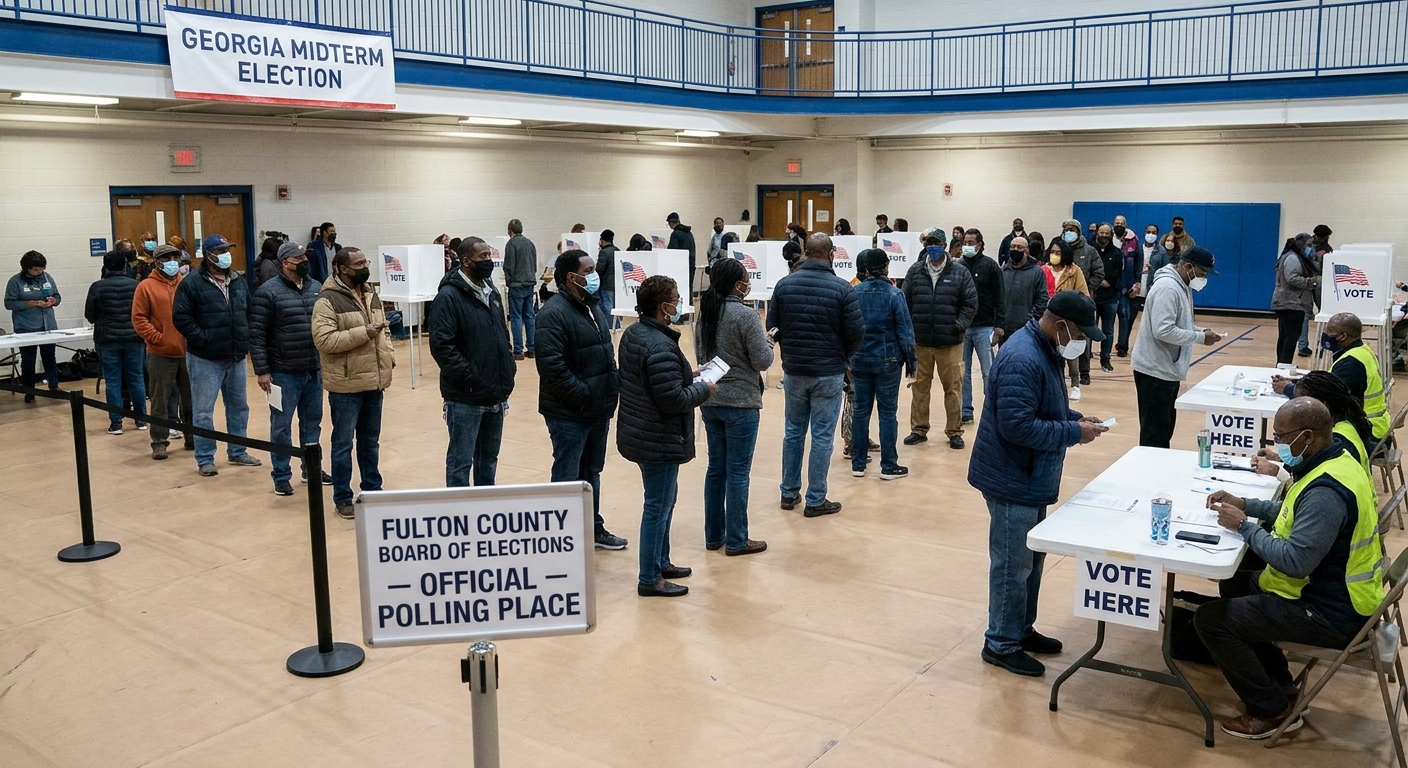
One important civic detail up front: there is no single, nationally administered election. Midterms are a nationwide federal cycle, but they are run by the states and carried out locally.
Join the Discussion
What is on the ballot?
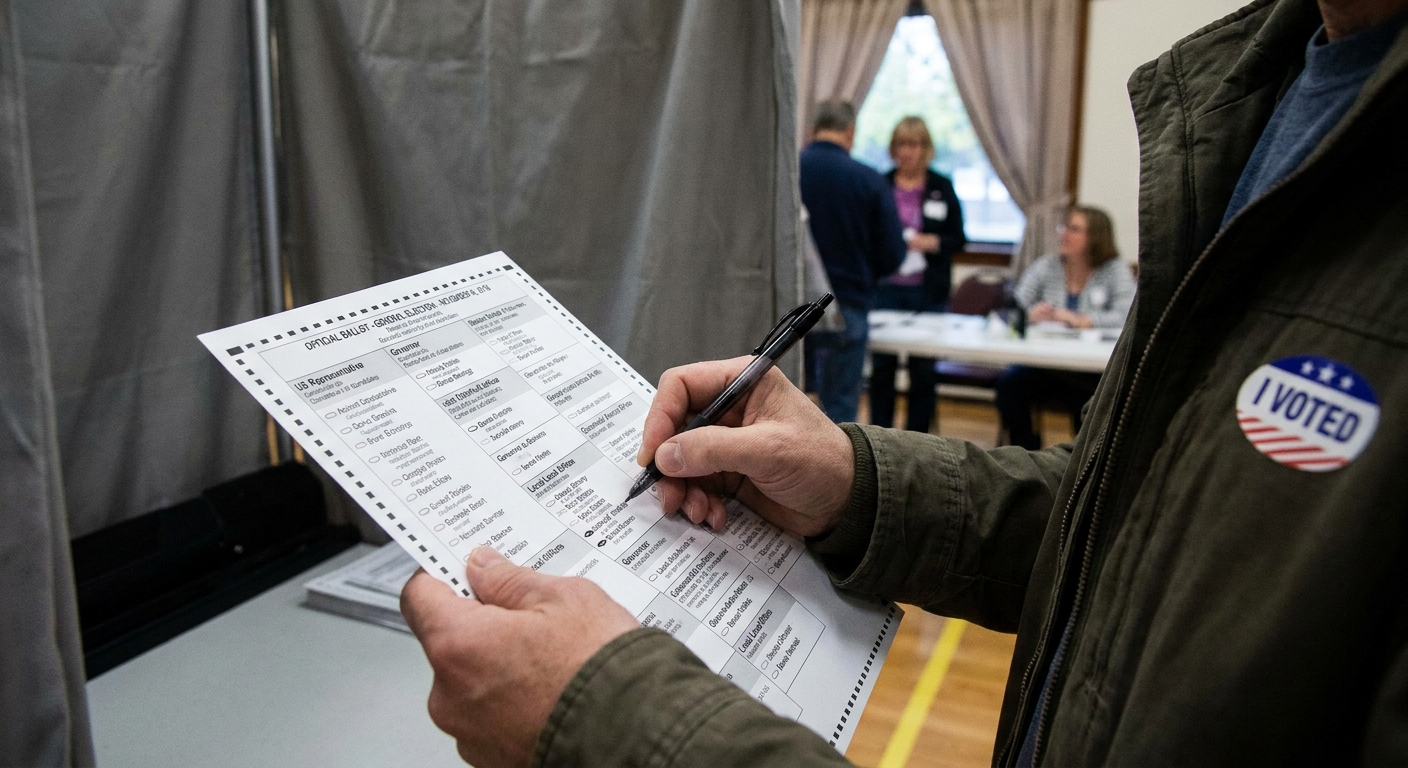
At the federal level, midterms always include:
- All 435 seats in the U.S. House of Representatives
- About one-third of the U.S. Senate (typically 33 or 34 seats)
Many midterms also include major state and local elections, which can affect daily life just as much as Congress does:
- Governors (in many states, depending on the cycle)
- State legislatures
- Attorneys general, secretaries of state, and other statewide offices
- Mayors, county officials, school boards
- Ballot measures (taxes, bonds, constitutional amendments at the state level)
So even though the word “midterm” usually makes people think “Congress,” the actual ballot can be a stack of power centers, from Washington down to your governor’s office, city hall, and school district.
Why midterms matter
Midterms decide who controls Congress, and that control shapes the national agenda. It is not absolute power, because laws still have to clear both chambers, survive Senate rules, and be signed by the president (or passed over a veto).
The House: where legislation starts
The House is built for responsiveness. Members serve two-year terms, so the entire chamber is up for election every midterm. A shift of a few seats can flip the majority, and with it:
- Which bills get hearings and votes
- Which investigations happen and which do not
- Which budget priorities move forward
- Whether impeachment proceedings are likely to advance through committees and leadership decisions
The Senate: fewer seats, enormous leverage
The Senate does not turn over all at once, but midterms can still reshape it. The Senate has unique constitutional leverage because it:
- Confirms federal judges, including Supreme Court justices
- Confirms Cabinet secretaries and other principal officers
- Ratifies treaties (by a two-thirds vote of senators present)
- Tries impeachments passed by the House
One practical limit matters here too: in today’s Senate, major legislation often runs into the filibuster, which generally requires 60 votes for cloture to move many bills forward. So a “majority” can be powerful, but it is not always enough.
If you have ever wondered how a single election can affect constitutional law for a generation, start with the Senate and the federal courts.
What the Constitution says
The Constitution does not use the term “midterm elections.” What it does is set the timing and structure that make them inevitable.
House terms: every two years
Article I, Section 2 sets two-year terms for House members. That design choice forces a federal election every two years, presidential or not.
Senate terms: six years, staggered
Article I, Section 3 sets six-year terms for senators, with seats divided into classes so that roughly one-third are up every two years. That is why the Senate is always on the ballot in some form during midterms, but never fully up for election.
States run elections, but Congress can regulate
The Constitution also splits election administration between the states and the federal government. Under Article I, Section 4 (the Elections Clause), states set the “Times, Places and Manner” of congressional elections, but Congress may make or alter those regulations.
That is the constitutional backbone behind debates over federal election rules, from voting access to how ballots are counted to districting standards. It also connects directly to redistricting and gerrymandering, because House maps can shape which party has a realistic path to a majority even before a single ballot is cast.
Timing and the calendar
Federal Election Day is set by law as the first Tuesday after the first Monday in November. That schedule applies in midterm years too, with primaries and early voting rules varying by state.
The president is not on the ballot
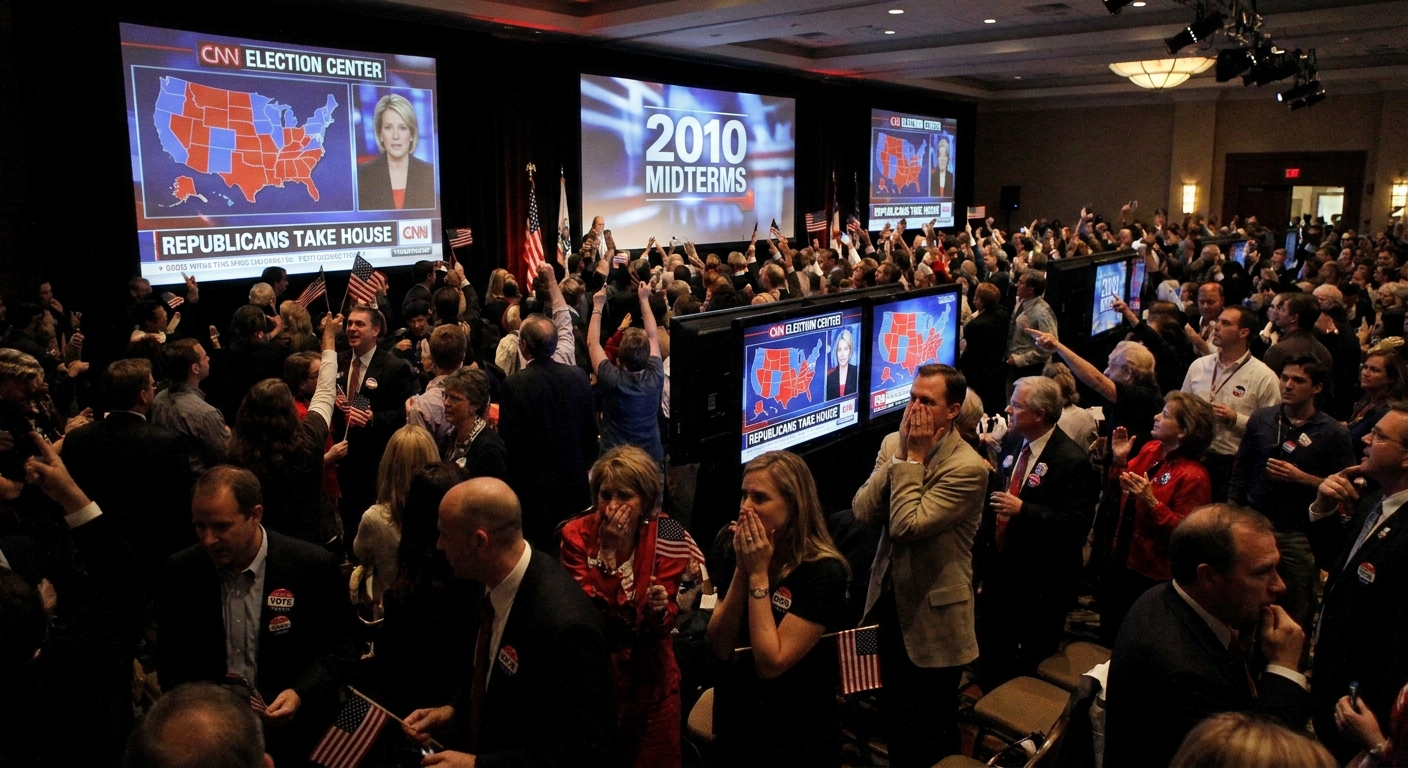
Midterms happen during a president’s term, but the president is not elected in a midterm year. Still, midterms often become a referendum on the administration’s performance because:
- The president’s party tends to be blamed for national problems and gridlock
- Voters use midterms to “balance” power by strengthening the opposition party
- Turnout and enthusiasm often shift when the White House is not being contested
Historically, the president’s party frequently loses seats in midterms. It is not a constitutional rule, but it is a recurring political pattern driven by incentives that the Constitution’s election calendar creates.
Midterms and separation of powers
The Constitution is not built for one election to settle everything. It is built for institutions to compete, cooperate, and restrain each other. Midterms are one of the main ways voters rewire that balance without changing the presidency.
When control of one or both chambers changes hands, you can see immediate constitutional consequences:
- Legislation can stall or surge depending on majorities, Senate rules, and the president’s signature or veto.
- Oversight ramps up, because Congress has broad investigatory power tied to its legislative functions.
- Appointments become easier or harder, because Senate consent is required for judges and top officials.
- Budget showdowns become more likely, because spending bills must pass both chambers and be signed by the president.
This is why midterms can feel like a hinge point. The president remains the same person the next morning, but the governing environment can change completely.
Common questions
Are midterms national or state elections?
They are both. The term “midterm” refers to the federal cycle, but the election is administered by states and often includes major state and local contests on the same day.
Do midterms include the Electoral College?
No. The Electoral College is used only for presidential elections.
Can midterms change the Supreme Court?
Not directly, because justices are appointed, not elected. But midterms can change the Senate majority, which can change how judicial nominees are confirmed. Over time, that can reshape constitutional interpretation as dramatically as any statute.
Why is turnout usually lower?
Presidential elections draw more casual voters, media attention, and campaign spending. Midterms often depend more on motivated voters and local organizing. Historically, midterm electorates have often been older and more partisan than presidential-year electorates, although the exact mix varies by state, issue environment, and voting rules.
Thinking like a constitutional citizen
If you want to read midterms through a constitutional lens, focus less on the drama and more on the levers of power:
- Who will write and pass federal laws? (House and Senate majorities, plus the limits of vetoes and Senate procedure)
- Who will confirm judges? (the Senate)
- Who will investigate the executive branch? (congressional committees)
- Who will run elections in your state? (state and local offices on the same ballot)
The Constitution gives us a government of separated powers, but it gives voters a periodic moment to rearrange those powers. Midterms are that moment, right on schedule, every two years.