
Denver is about to learn the hard lesson every civics student eventually bumps into: the Constitution does not always care what a city council meant to do.
The U.S. Department of Justice has sued Denver over a local gun ban, moving the dispute into federal court. Beyond the politics, the practical reality is simple: when a dispute becomes a lawsuit, it stops being a talking point and starts becoming a question for a judge.
What, exactly, that judge will be asked to decide depends on what is in the complaint and on the precise language of the ordinance. What the ban covers, where it applies, how exceptions work, what legal theories the DOJ advances, and what relief it seeks will become clear as the litigation unfolds. So what follows focuses on the most common pressure points a case like this can raise, while keeping in mind that the actual legal basis could turn out to be narrower, different, or layered with non-Second-Amendment claims.
- Key unknowns right now: what conduct is restricted (possession, carry, sales, something else), the geographic scope, the exemptions, and the remedy the DOJ is asking the court to order.
Join the Discussion
What the case signals
A DOJ lawsuit against a city signals a higher-stakes fight. It puts the dispute squarely in a posture where legality, not just local preference, is the main event. Whatever the political messaging on either side, the courtroom version is narrower and colder: what authority the city has, what the law actually does, and what the Constitution permits.
What is being tested
On paper, the lawsuit is about a Denver gun ban. In practice, cases in this lane can end up as a referendum on the modern Second Amendment after District of Columbia v. Heller (2008), McDonald v. Chicago (2010), and especially New York State Rifle & Pistol Association v. Bruen (2022).
But that is a lens, not a guarantee. The DOJ’s legal theory is not yet known at this stage in the litigation, and the case may not be primarily a Bruen dispute at all. The department could frame its challenge as a straight Second Amendment claim, or it could lean on other grounds, including statutory, procedural, or state and local authority questions. The complaint will decide which fight this really is.
If the case does turn primarily on the Second Amendment, Bruen changed the legal weather. It told governments they cannot defend firearm restrictions the way they defend most other laws, by citing modern public safety evidence and balancing interests. Instead, if a law burdens conduct covered by the Second Amendment, the government generally must point to a historical tradition of analogous regulation from the Founding era and early Republic.
That shift is why a city gun ban can draw a direct constitutional challenge. Once courts stop asking, “Is this reasonable today?” and start asking, “Is this consistent with historical tradition?”, local creativity can become legal vulnerability.
Denver’s likely defense
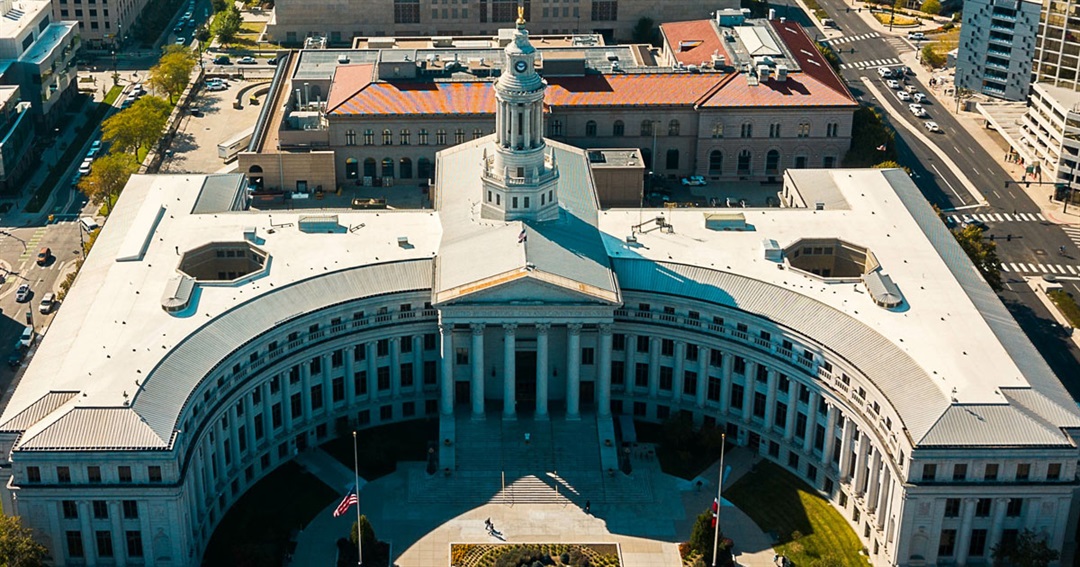
Denver is likely to argue that it is governing like a city has to govern: with crowds, density, and modern public safety concerns that do not fit neatly into eighteenth-century categories.
Depending on how the ban is written, Denver could try to anchor its defense in the idea of “sensitive places,” a concept Bruen acknowledged while also warning governments not to stretch it until it becomes a loophole that swallows the right.
If the ban is broader than a location-based restriction, the city may still argue necessity, administrative clarity, and risk reduction. But after Bruen, necessity is not a magic word. It is, at best, the beginning of an argument, not the end of one.
The DOJ’s posture
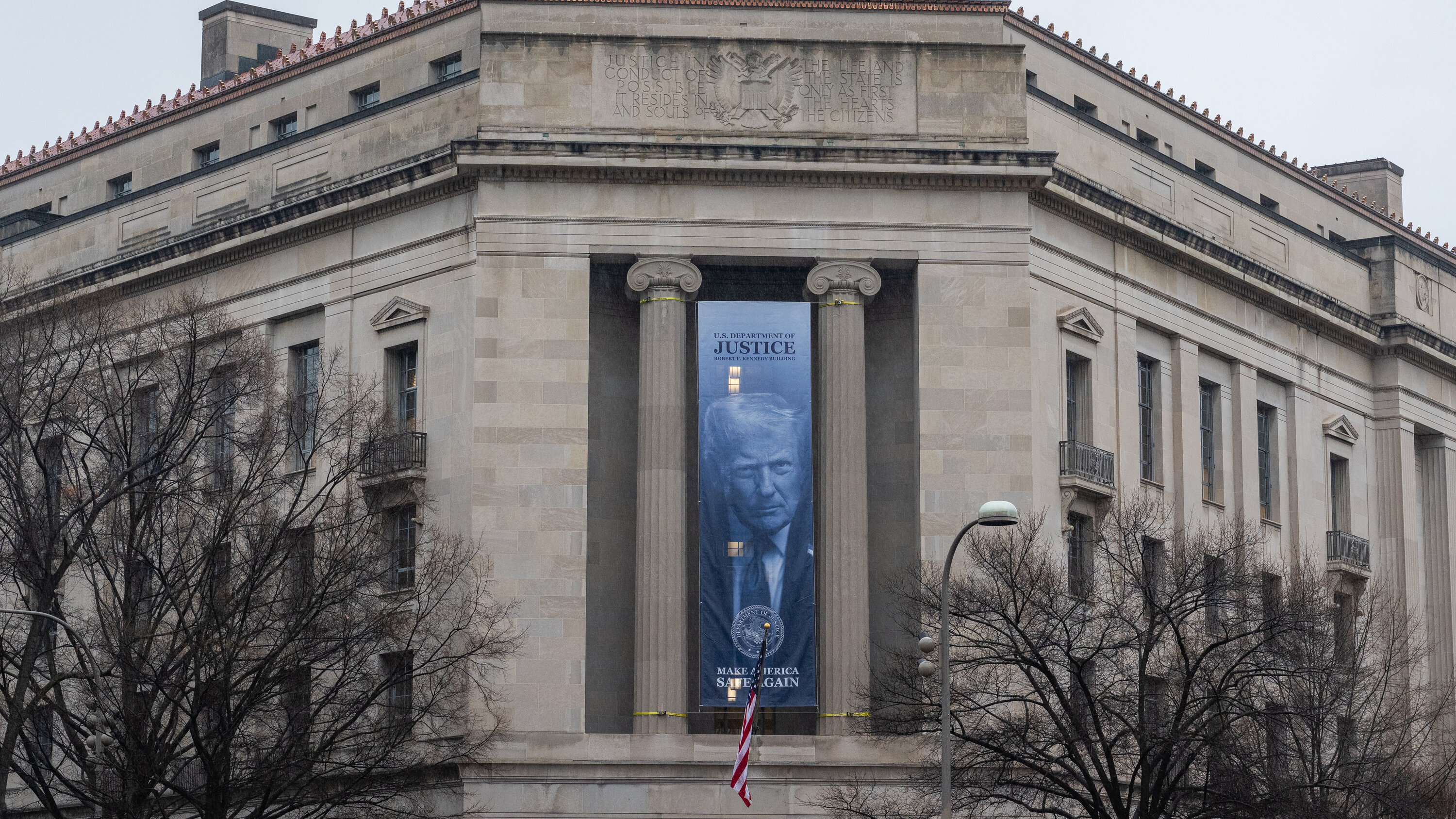
A federal lawsuit against a city is not a press release. It is a choice to seek a binding court ruling rather than settle for criticism. The DOJ is not merely objecting to Denver’s policy in the abstract. In cases like this, the department typically seeks a ruling that the challenged policy cannot stand, along with relief that would bind the city. The precise contours of that request, however, turn on what the filing actually asks for.
There is an unavoidable civics question baked into that choice: when the federal government sues a city over guns, is it defending constitutional rights, or is it centralizing constitutional power?
In a healthy federal system, local governments experiment, states draw lines, and courts referee. When the federal government steps in as a plaintiff, it is no longer only the referee that matters. The executive branch is on the field, too.
The Second Amendment test
If the case turns primarily on the Second Amendment, the framework courts apply after Bruen is predictable and historically demanding.
What courts ask
- Does the regulated conduct fall within the Second Amendment’s plain text? If yes, the burden shifts to the government.
- Is there a historical analogue? Not a perfect twin, but a comparable tradition of regulation from the relevant eras.
- Is the restriction narrow or effectively sweeping? Courts have been skeptical when a supposedly limited category expands until it looks like “everywhere people go.”
Denver might have strong arguments about modern risk and modern governance. Under the post-Bruen approach, it will also need historical support, not just contemporary policy logic.
Federalism, flipped
For decades, the familiar story was federal power pressing down while states and cities pushed back. In gun policy, the script can flip. Cities often want tighter rules than surrounding jurisdictions. Some states respond with preemption. And in this case, the federal government is the one challenging a city’s restriction.
That creates a layered tug of war:
- The city argues it must govern its own public spaces.
- The state may have its own limits on local gun rules, depending on preemption and home rule boundaries.
- The federal government may contend that the Constitution draws the hard line, and that Denver crossed it.
So yes, this is about guns. It is also about where authority lives when rights claims collide with local control.
What matters next
This kind of case is won or lost on scope and on the actual claims in the complaint: How wide is the prohibition? Where does it apply? How broad are the exceptions? Is it targeted at particular places, particular methods of carry, or something closer to a sweeping prohibition? Is the challenge framed mainly as a Second Amendment fight, or as something else layered on top?
Those are not side issues. They are the difference between a narrow fight about a narrow restriction and a bigger test of whether modern cities can treat themselves as constitutionally special.
A civic lesson
The Constitution is not a suggestion box. It is a limit. And limits feel most offensive when you are convinced your goal is noble.
Denver likely believes its gun ban makes the city safer. The DOJ may be asking a court to conclude that the city does not have the constitutional authority to do it in the way it chose, but the exact claim and remedy will live in the filing.
The real takeaway is not just “guns.” It is jurisdiction. Who gets to decide what rights look like on the ground: the people closest to the problem, or the constitutional rulebook that applies even when it complicates local solutions?