
The U.S. Constitution
Archival records, profiles, and educational resources since 1995.

A Justice Called It a ‘Kafkaesque Nightmare’
When Supreme Court writing turns literary, it is usually because something has gone off the rails. On Monday, Justice Ketanji Brown Jackson used a phrase that had never appeared in a Supreme Court justice’s dissenting opinion before: a “Kafkaesque nightmare.” She was describing the procedural maze...
Read more →
Georgia Redistricting Case Revived: What the Appeals Court Ruling Means
Redistricting lawsuits can feel abstract until you translate them into the question underneath them: who gets a fair chance to elect representatives, and under what rules ? On August 23, 2024, the U.S. Court of Appeals for the Eleventh Circuit sent key parts of Georgia’s 2021 redistricting...
Read more →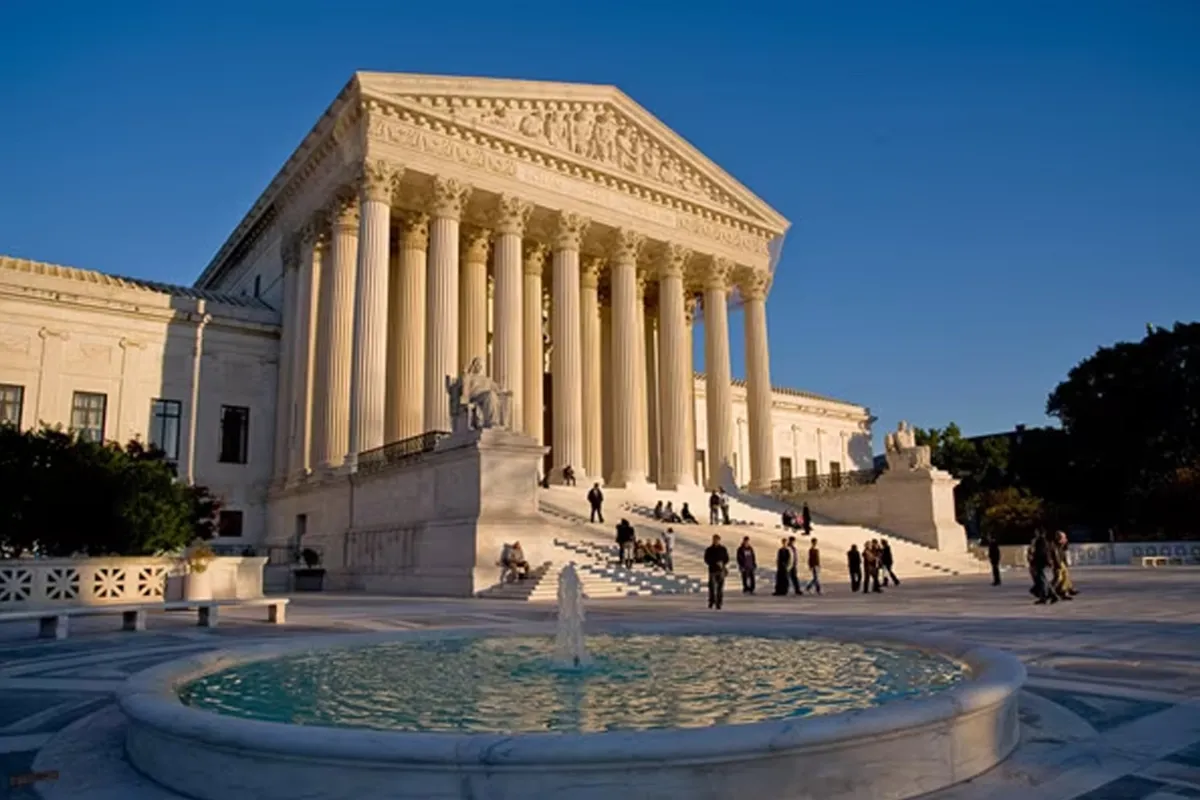
Supreme Court Mail-In Voting Ruling Explained: What Changes Now
Mail-in voting sounds like a simple administrative choice. Put a ballot in an envelope, mail it, count it. But when the Supreme Court issues an emergency order and a state signals more litigation, you are no longer talking about envelopes. You are talking about who gets to write the rules of...
Read more →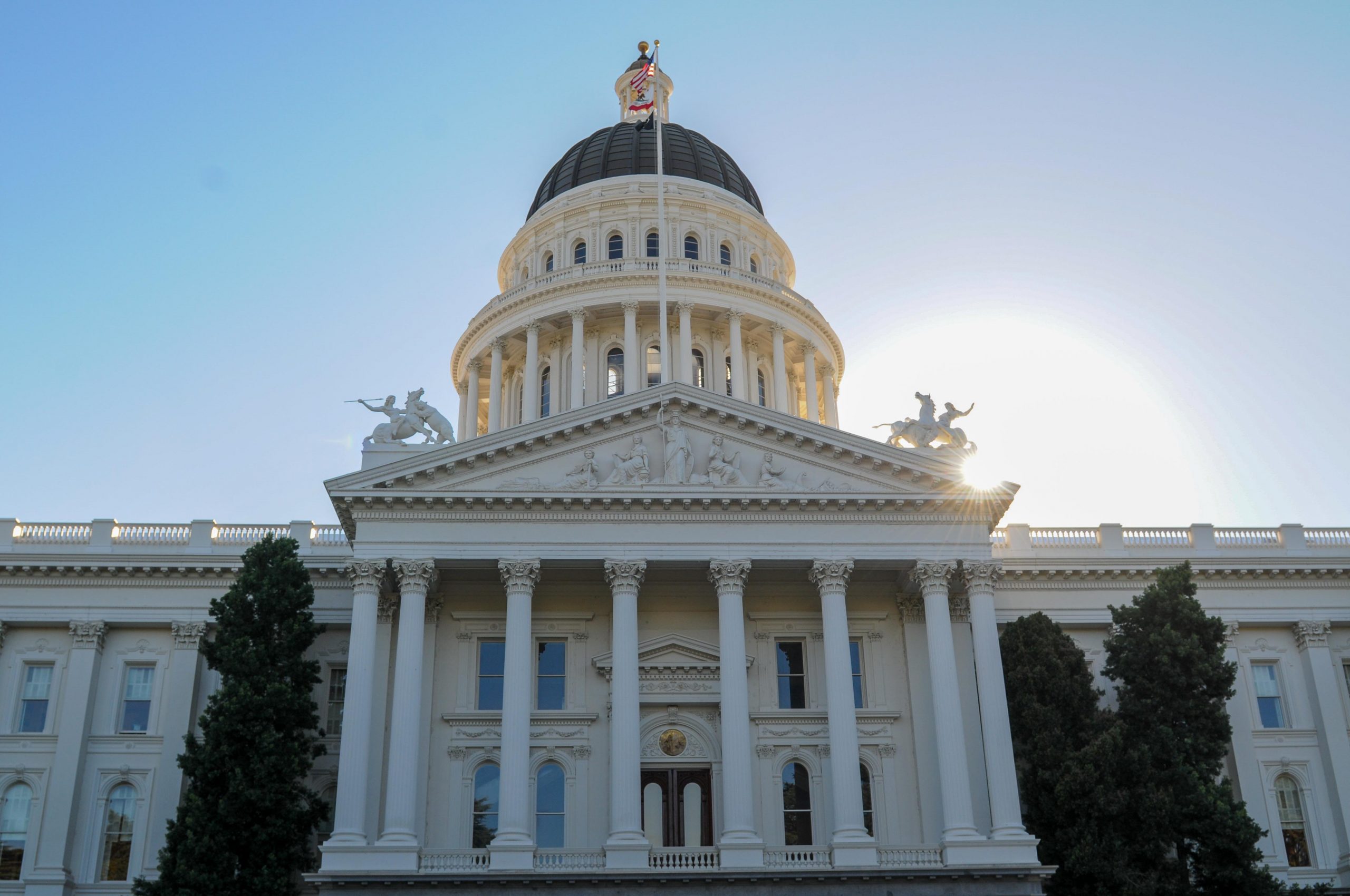
Can Sex Offenders Run for School Board? What California Law Allows
Proposals to tighten who may hold public office tend to generate loud reactions, especially when they involve schools. One version that regularly returns to state capitols, including in California, raises a blunt civic question: can a registered sex offender legally run for school board or other...
Read more →
How Impeachment Works in the House: What Al Green’s New Resolution Does
When a House member files an impeachment resolution, the headlines often make it sound like the constitutional gears have already started grinding toward removal. They have not. Rep. Al Green of Texas has filed another resolution calling for the impeachment of President Donald Trump. The filing...
Read more →
Can the U.S. Revoke Visas From Asylum Seekers?
Visas feel like permission slips. You have one, you show it, you enter, you stay until the date on the stamp. But U.S. immigration law treats a visa as something narrower and more fragile: a travel document that lets you seek admission at a port of entry. Once you are inside the United States, your...
Read more →
USPS Mail-In Ballots and the New Federal Portal Fight
You can tell this dispute is not really about envelopes when the pressure point is not “fix your postage,” but “make your ballot mail match our data format.” Critics frame it that way, anyway. USPS frames it differently: as a modernization and visibility effort for election mail. The gap between...
Read more →
Trump’s “Iran Is Completely Collapsing” Post and Bessent’s Sanctions Push, Explained
When a sitting president posts “IRAN IS COMPLETELY COLLAPSING!!!” in all caps, it reads like a dispatch from the front line. That is exactly how the internet treated it on August 24, 2026: as if the United States had just received confirmation that Iran’s government was falling in real time. But...
Read more →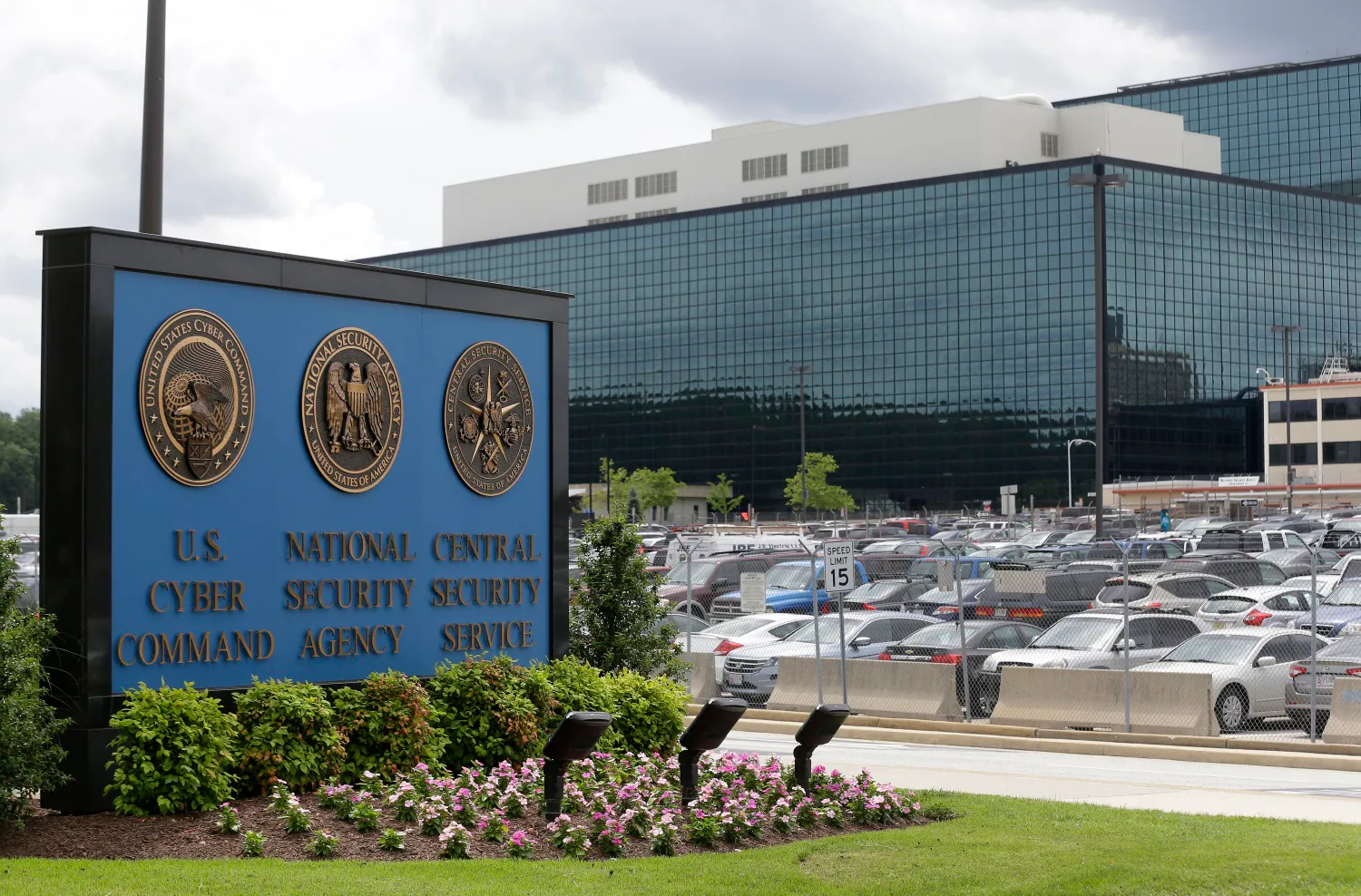
What the NSA Can and Cannot Do: Election Intelligence, Oversight, and the Constitution
When a memo or whistleblower story claims the National Security Agency sat on election-threat reporting, the instinctive question is personal: Who decided that, and are they allowed to do it? But the real answer is structural. The NSA lives inside a constitutional machine with three kinds of...
Read more →
Can a President Impose 50% Tariffs on Canada?
The Constitution puts the power to impose tariffs in Congress , not the President. Article I gives Congress authority to “lay and collect Taxes, Duties, Imposts and Excises” and to “regulate Commerce with foreign Nations.” In the founding design, tariffs were supposed to be a legislative choice...
Read more →
Firing the Newsroom: Stars and Stripes, the First Amendment, and Congress’s Job
When the Pentagon fires the top leaders of a newspaper that exists to serve American service members, it is tempting to reach for a single tidy headline: censorship . But the harder question is the constitutional one. What does the First Amendment actually protect inside a newsroom where the...
Read more →
Prediction Markets, Gambling, and the Supreme Court
Prediction markets force a blunt constitutional question that America keeps dodging: when citizens put money behind a belief about the future, are they gambling, or are they participating in something closer to a public information system? That question is no longer academic. State regulators argue...
Read more →
The USPS Voter List Rule Fight: Can Washington Make States Hand Over Election Records?
A constitutional tug-of-war is hiding inside what sounds like a routine administrative move: the U.S. Postal Service has finalized a rule that ties certain mail ballot handling to whether a state provides USPS with specific voter information and mailing identifiers. Supporters describe the rule as...
Read more →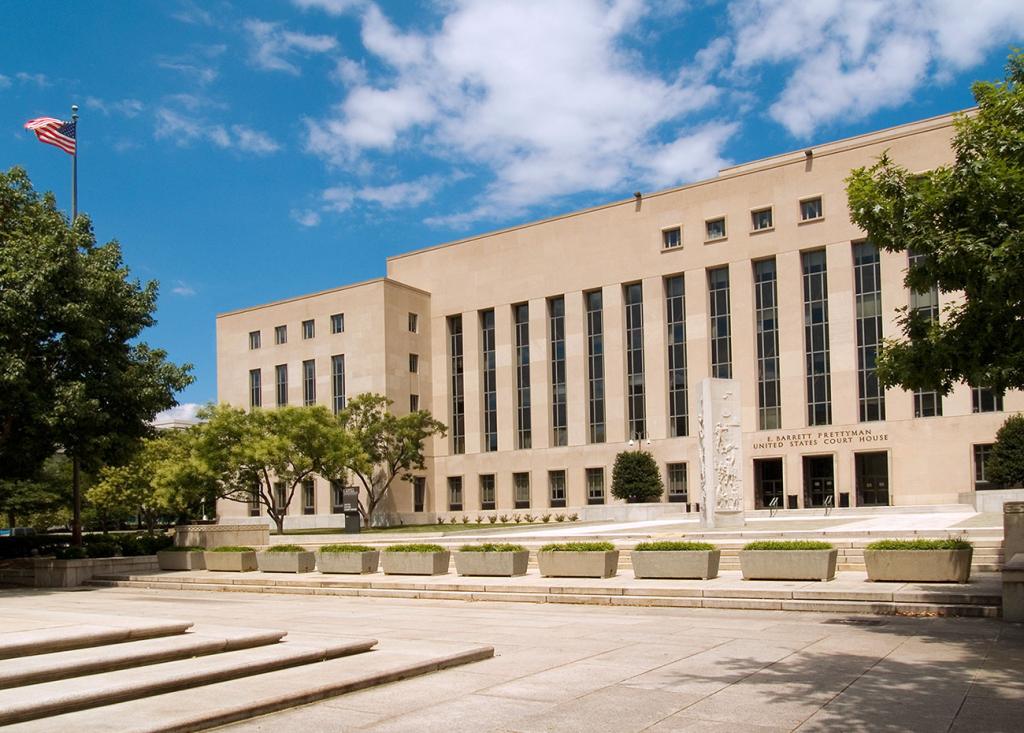
Can the Secretary of State Freeze Visas?
The U.S. Constitution does not mention the terms visa or immigration ban explicitly. But it does build a system where major government actions need a lawful source of power: Congress writes statutes, the executive branch administers and enforces them (including through regulations when Congress...
Read more →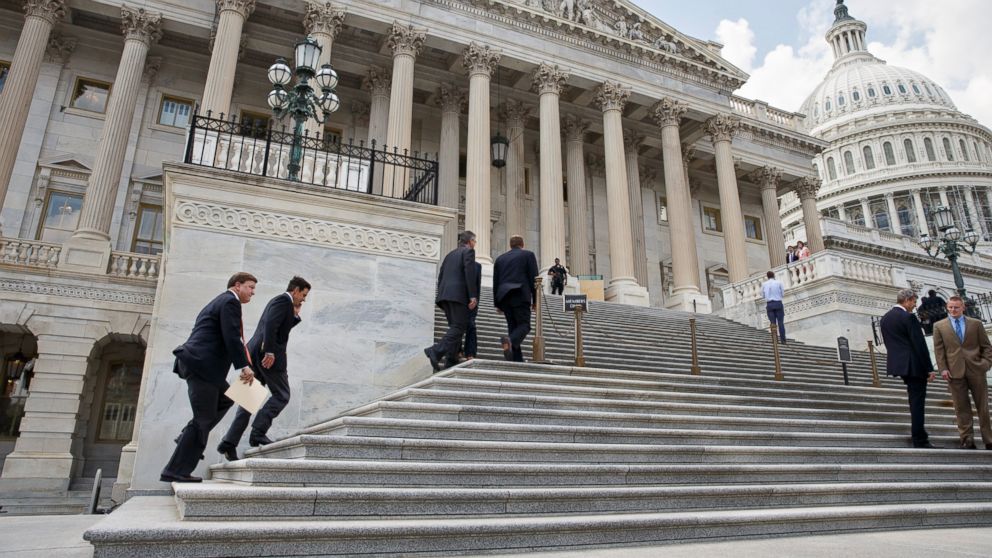
What Is the SAVE America Act? Senate Rules, Voter ID, and Proof of Citizenship
When a high-profile election bill seems to vanish into a Senate recess, it is tempting to treat the outcome like a mystery. Usually it is not. It is procedure. The SAVE America Act is one of those bills that pulls two different constitutional questions into the same spotlight: who sets the rules...
Read more →
Airport Wudu Stations and the First Amendment: What DOJ Can Do
Debates over so called “wudu stations” in public airports can sound like culture war fodder. But the underlying issue is a straightforward constitutional question: what does the First Amendment require, and what does it forbid, when a government run space tries to accommodate religious practice?...
Read more →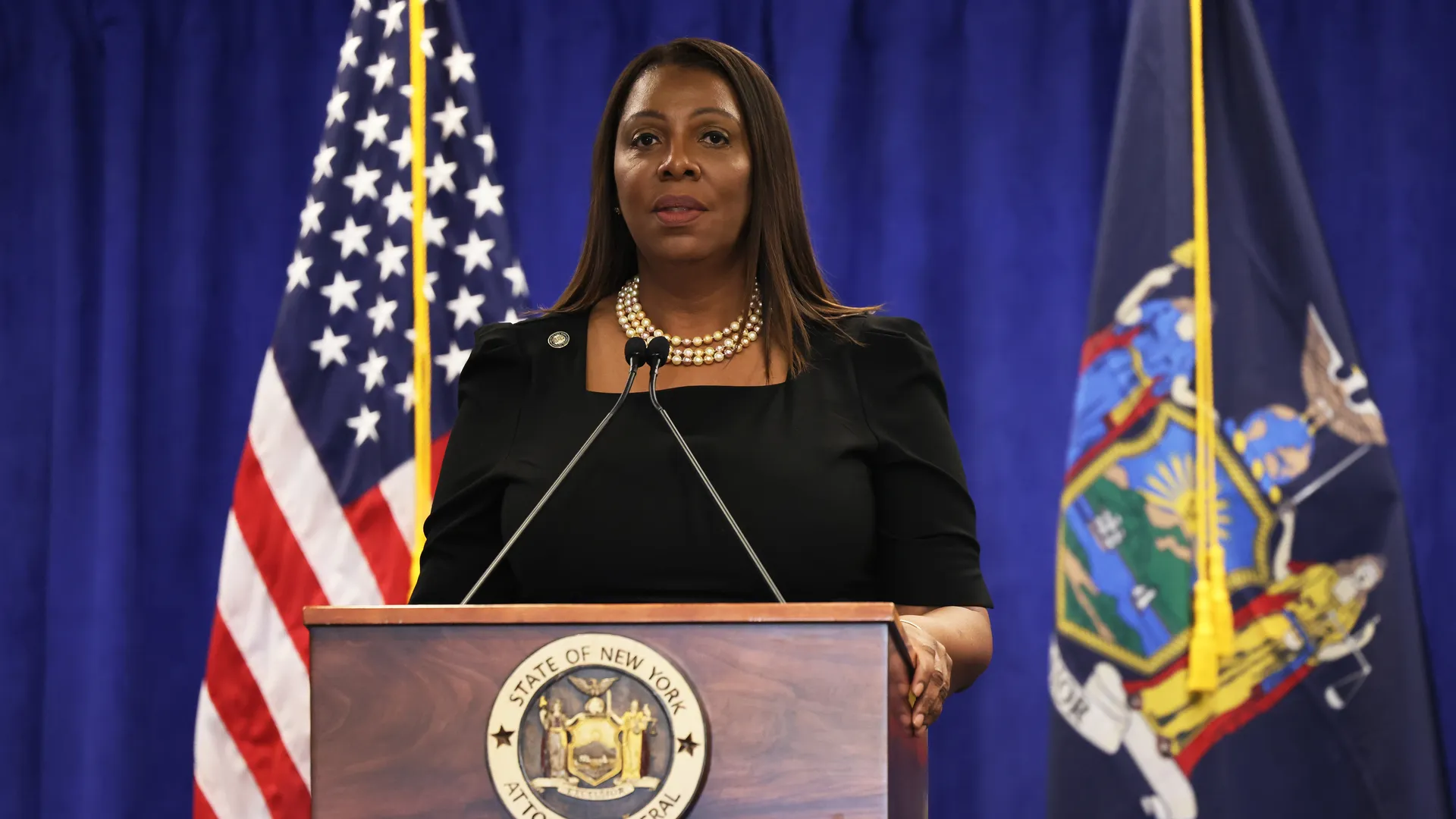
DOJ Subpoenas Letitia James: What It Means
You can feel the constitutional tension in a single word: subpoena . It sounds procedural, almost clerical. A document. A deadline. A signature. But a subpoena is a legal command backed by the possibility of court enforcement. It forces the recipient to produce documents or testimony under...
Read more →
Can a President Waive Beef Tariffs?
You can feel the constitutional tension in a sentence like this: the United States will allow up to 300,000 metric tons of ground-beef product to be imported for 90 days with “no out of quota tariff.” That is policy language. It is also power language. But unless you can point to the implementing...
Read more →
What Is ICE’s VOICE Office?
When a story about immigration enforcement goes viral, a particular acronym tends to surface alongside the anger and grief: VOICE . It sounds like a hotline. It sounds like a task force. It sounds like a promise. In reality, ICE’s VOICE office was something more specific and more bureaucratic: a...
Read more →
Can Congress Subpoena Nonprofits?
When a nonprofit calls a congressional subpoena a “witch hunt,” it is invoking a very old American fear: that oversight can slide into punishment. The Constitution sits in the middle of that tension. Congress has real power to investigate and demand records. Nonprofits, in turn, can argue they have...
Read more →