
The U.S. Department of Justice has demanded that Wayne County, Michigan, produce materials from the November 2024 election, including all ballots along with supporting paperwork like ballot receipts and ballot envelopes. The request, delivered in an April 14 letter, gives the county 14 days to produce what federal officials are asking for.
Wayne County is Michigan’s largest county, home to Detroit, and often at the center of national debate about how big urban jurisdictions run elections. President Donald Trump carried Michigan in 2024, even as he lost Wayne County by nearly 250,000 votes. That contrast helps explain why this request is landing with so much force, even as the legal argument will hinge on what, exactly, the federal government can demand and how local officials can comply.
Join the Discussion
What DOJ is asking for
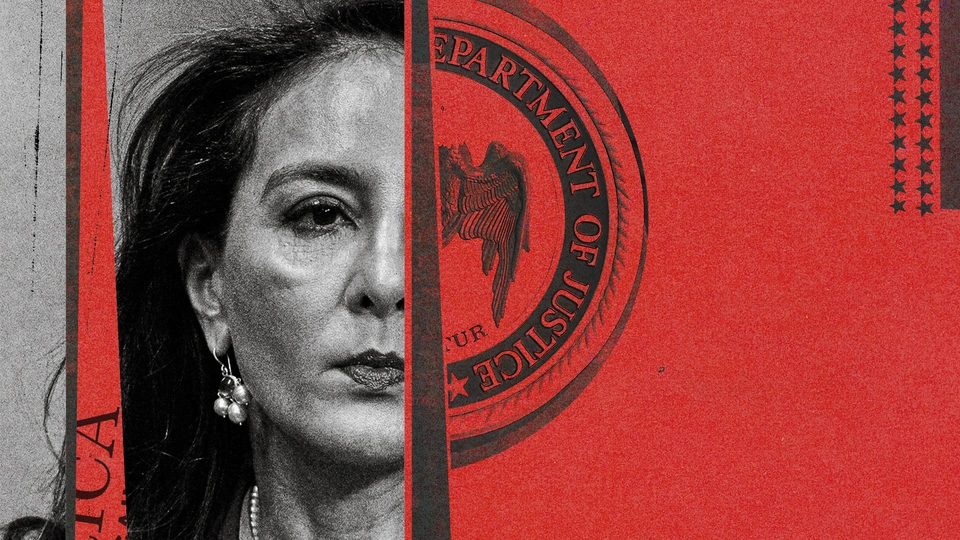
The demand comes from Assistant Attorney General Harmeet Dhillon. In her letter to Wayne County’s chief election official, she points to three convictions for election fraud and five lawsuits that alleged election fraud involving the county.
DOJ’s list includes ballots, ballot receipts and ballot envelopes. The letter calls for the county to produce those records within the deadline. It does not, on its face, spell out key logistics that would matter to election administrators and courts alike, such as whether DOJ is seeking originals or copies, whether records are to be inspected in place, or whether any transfer would be temporary.
Michigan’s response
Michigan Attorney General Dana Nessel, a Democrat, called the request “absurd” and “baseless” in a statement posted on X.
“Once again, President Trump is weaponizing the Justice Department in an attempt to sabotage our democratic process and turn it into his own personal agency to interfere in state elections,” she wrote. “If this administration wants to bring this circus to our state, my office is prepared to protect the people’s right to vote.”
Nessel also made a point election administrators often raise when fraud cases come up: prosecutions can be evidence that safeguards worked. In her words, “the instances of voter fraud are rare and addressed.” She accused the administration of “recycling debunked 2020 election conspiracy theories” to justify the demand for ballot copies and warned that the effort could “bully clerks and spread fear,” even after Trump won Michigan in 2024.
State power vs federal tools
Here is the core civics issue: American elections are primarily administered by states and localities, but the federal government still has meaningful authority to enforce federal law.
States run elections
Article I of the Constitution assigns states the responsibility for setting the “Times, Places and Manner” of congressional elections, subject to Congress’s ability to change those regulations. In everyday terms, that is why counties print ballots, train poll workers, tabulate results and store records. This decentralized design is also one of the country’s checks against centralized control.
Federal enforcement still matters
Federal law can reach state election activity when there are allegations involving federal crimes, voting rights violations or fraud affecting federal contests. The friction comes when a request is broad, politically charged, or aimed at a high profile jurisdiction. In those moments, the practical question is not only can Washington demand records, but also how it can do so without colliding with state procedures for securing and retaining election materials.
Why the ballots matter
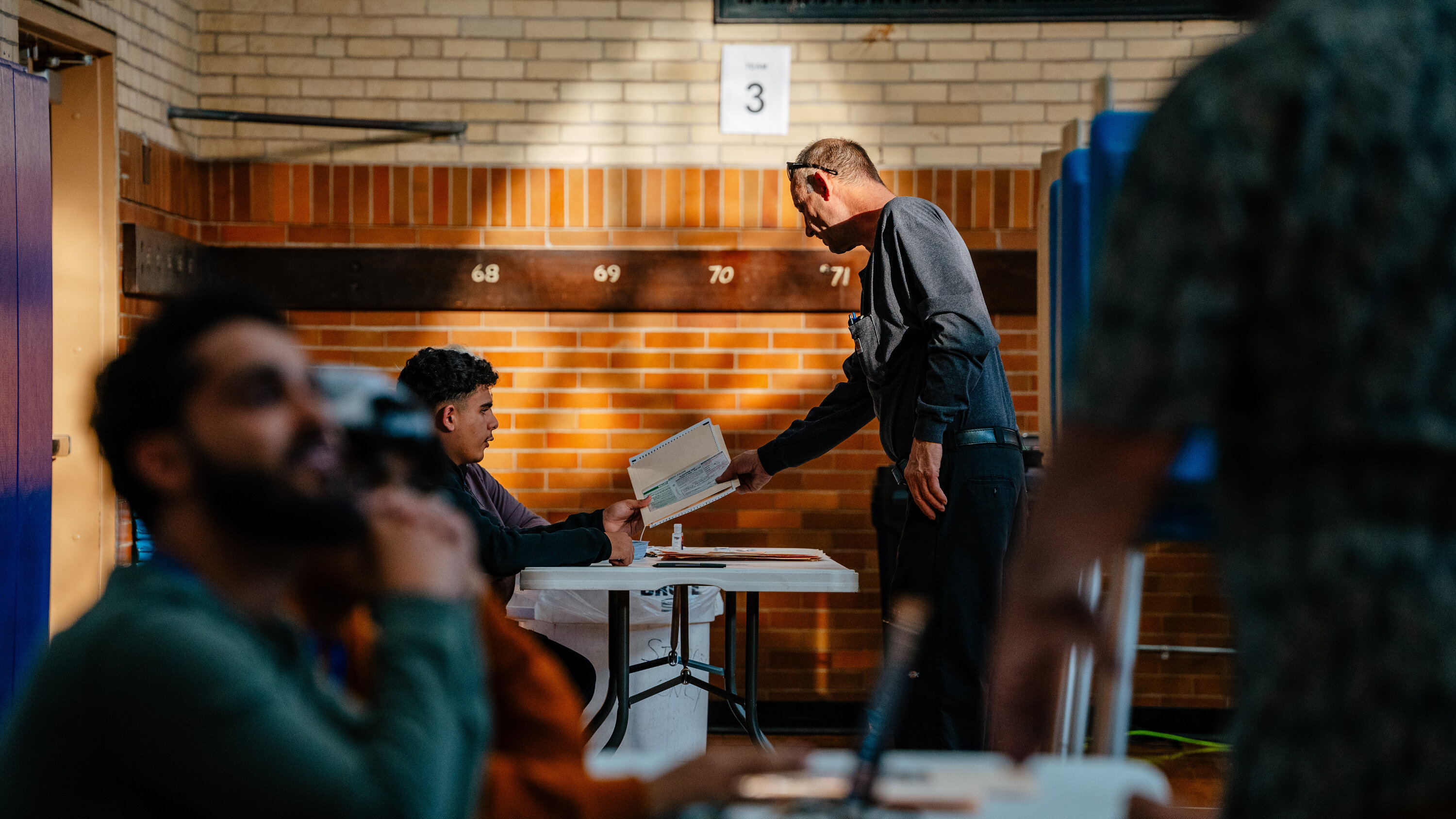
To many voters, a ballot is a piece of paper. To election officials, it is evidence. Ballots and their associated materials are used to resolve recounts, audits and post election challenges. They are also protected by procedures intended to preserve integrity and voter confidence, including secured storage and documented access.
A federal demand to produce ballots and closely related materials raises practical and legal questions that go beyond politics, especially when the request does not clarify whether access can occur locally or whether custody would change:
- Chain of custody: Who handles the ballots, where are they stored and how is access documented?
- Retention and availability: Does compliance affect the county’s ability to meet state recordkeeping requirements or respond to future disputes?
- Voter privacy: Even when ballots are anonymous, associated materials can raise concerns about whether voters could be identified indirectly in rare circumstances.
- Precedent: If one county is compelled to produce a sweeping set of records, other jurisdictions may assume they could be next, particularly in contested areas.
A bigger pattern
The Wayne County demand is part of a broader run of voting related inquiries by the Trump administration. It has requested voting records from 29 states and Washington, D.C.
Separately, federal action elsewhere has included an FBI subpoena for election records in Maricopa County, Arizona, related to the 2020 election. That came after the agency raided an elections hub in Fulton County, Georgia, earlier in the year and seized records related to the 2020 election.
These steps are unfolding as Trump, who has long made false claims about widespread voter fraud in the 2020 election and in Democratic areas, has sought to exert greater federal control over elections. He signed an executive order last month seeking to create federal lists of citizens as a way to tighten mail voting rules, prompting lawsuits from Democratic officials and voting rights advocates. Earlier this year, he also sparked alarm among election officials when he said Republicans should “take over the voting” in at least 15 unspecified places.
What happens next
The immediate timeline is straightforward: Wayne County has 14 days from the April 14 letter to respond to DOJ’s demand.
After that, the path is less predictable. If county officials resist, seek clarification about what “produce” means in practice, or propose a narrower form of compliance, you can expect negotiations, legal filings or both. Courts often end up as the referee, balancing the federal government’s asserted investigative needs against state law requirements and the realities of election administration.
For voters, the lasting significance may come down to precedent. Each time the federal government presses deeper into local election records, it can reshape expectations about who ultimately controls the machinery of voting: the states that run elections day to day, or federal agencies that can compel access to core materials.