A federal judge has signaled that federal officials may have crossed a constitutional line when they urged major tech companies to remove online tools used to share information about immigration enforcement activity. In a preliminary ruling, U.S. District Judge Jorge L. Alonso found that the plaintiffs are likely to succeed on their First Amendment claim that the Department of Justice (DOJ) and the Department of Homeland Security (DHS) effectively coerced Apple and Facebook into taking down platforms that tracked or discussed Immigration and Customs Enforcement (ICE) operations.
This case matters for a simple reason: the First Amendment does not only limit what the government can ban directly. It also restricts the government from achieving the same result indirectly by leaning on private intermediaries to do it for them.
Join the Discussion
What the judge found
Judge Alonso’s decision is not a final ruling on the full merits of the lawsuit. It comes at the preliminary injunction stage, where the court asks whether the plaintiffs are likely to win and whether immediate relief is needed to prevent ongoing harm while the case proceeds.
On that question, the judge sided with the plaintiffs. He concluded that the free speech injuries described by the platform creators are likely connected to “government-coerced enforcement.” In plain English, the court sees a plausible chain from federal pressure to private takedown decisions.
One key phrase from the ruling captures the court’s concern: “thinly veiled threats such as these constitute sufficient evidence on which Plaintiffs are likely to succeed on their claim.”
The speech at issue
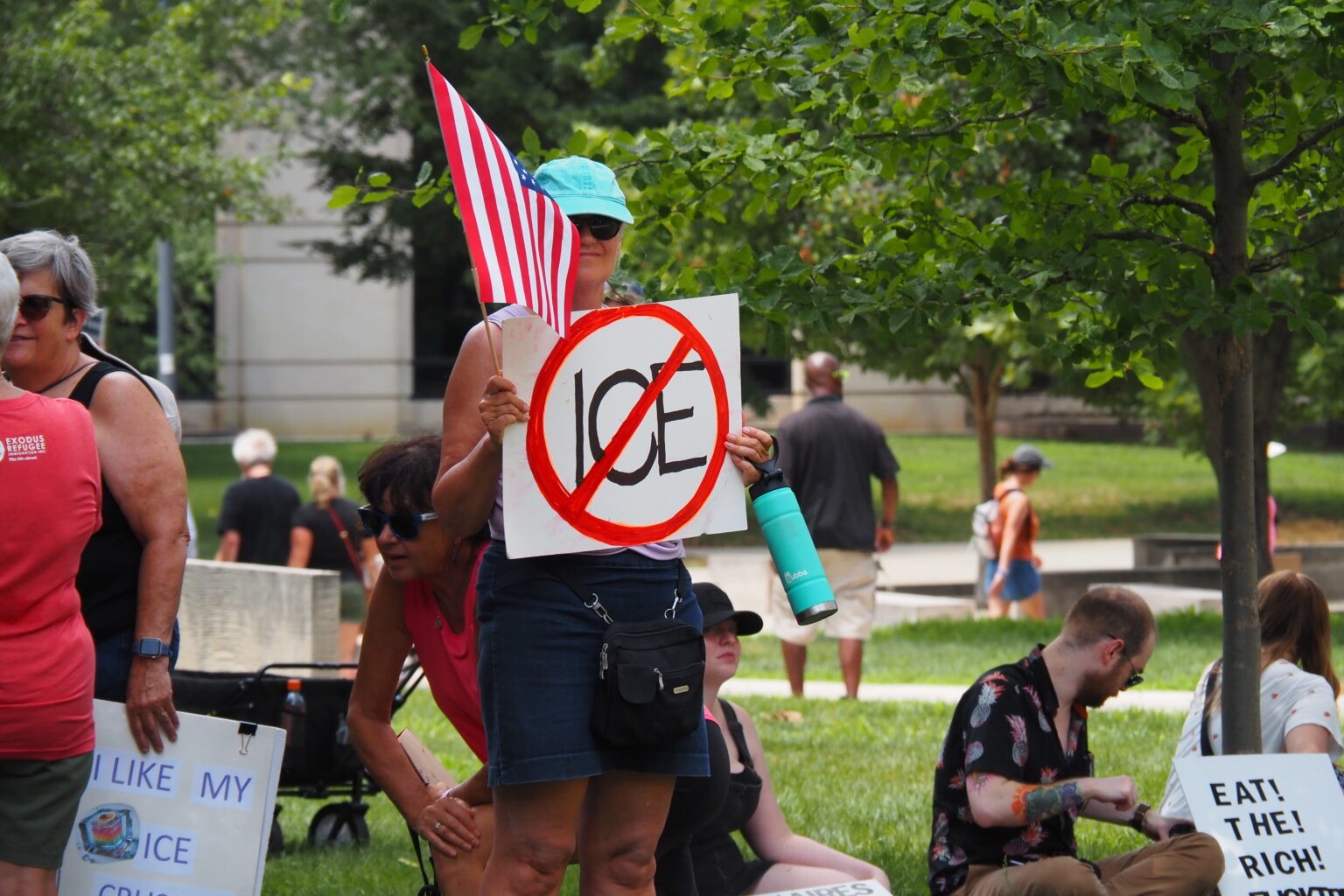
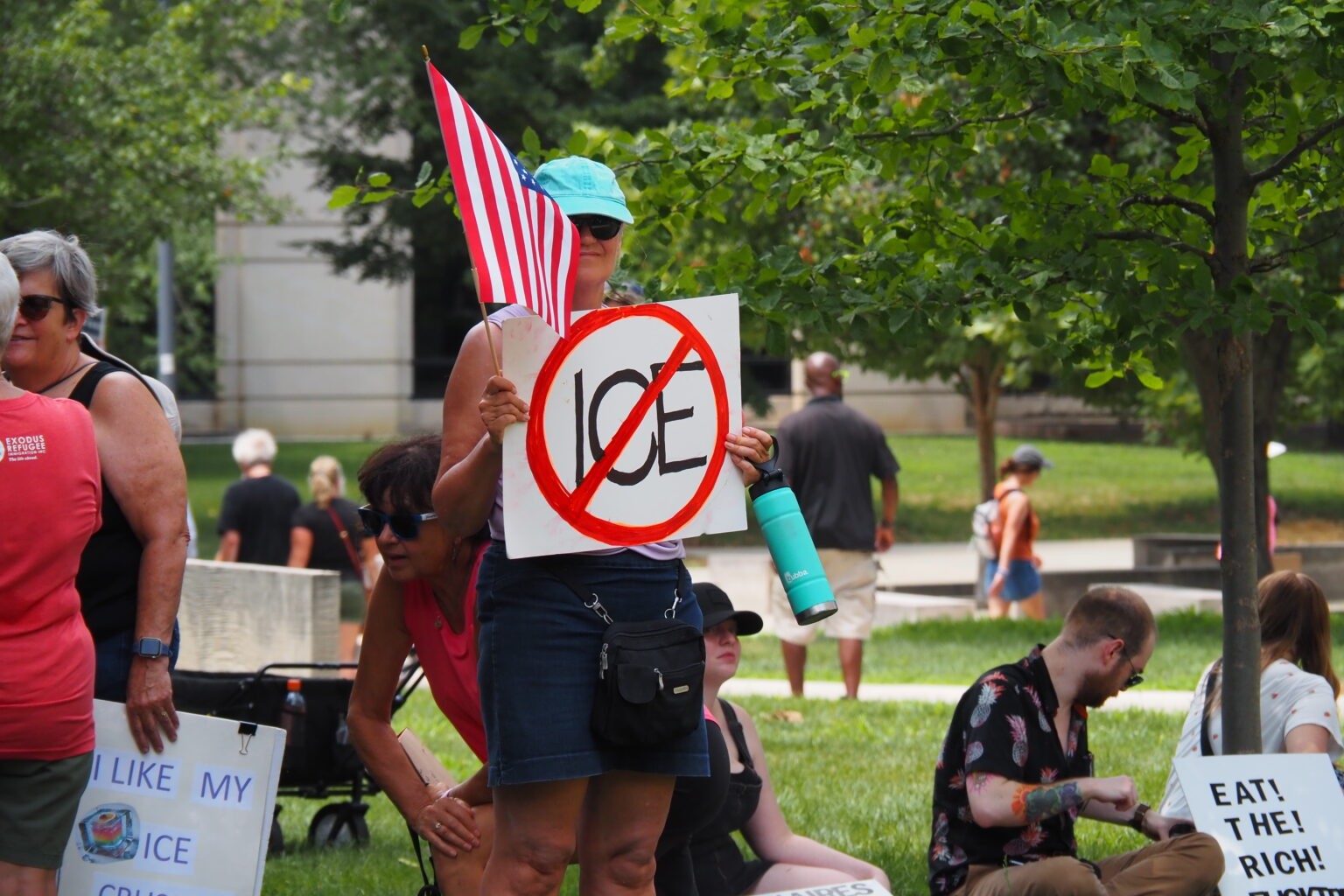
The lawsuit centers on platforms used to share information about immigration enforcement activity, including videos of immigration operations. The complaint describes this as constitutionally protected activity, tied to a broader principle: people generally have a right to discuss and document what law enforcement does in public spaces.
Two plaintiffs are highlighted:
- Kassandra Rosado, who created a Facebook group called “ICE Sightings – Chicagoland”, described as having nearly 100,000 members.
- Kreisau Group, LLC, which created an app called “Eyes Up.”
Both were removed after federal outreach, according to the allegations the court evaluated at this stage.
Why coercion matters
Readers often ask a fair question here: if Facebook and Apple are private companies, can they not remove content whenever they want?
Yes. They can enforce their own rules. The constitutional problem, as the plaintiffs describe it and as the judge viewed the record at this stage, is when the government is not merely expressing a concern or sharing information, but instead using its power in a way that effectively steers the outcome.
A useful way to think about it
- Often permissible: the government alerts a company to a specific threat or a possible criminal scheme, and the company independently decides what to do.
- Legally risky: the government implies that legal trouble, regulatory retaliation, or prosecution could follow unless speech is removed.
Judge Alonso emphasized that the statements at issue “may not be direct threats” aimed at the companies, but they can still function as “intimations of a threat.” That is the pressure point the plaintiffs say turned private moderation into something the First Amendment can reach, and the court concluded the plaintiffs are likely to succeed on that theory.
The outreach and the removals
According to the complaint and the timeline described in court filings, the removals occurred amid public and official scrutiny of apps and groups that shared information about ICE activity.
By early October, apps including ICEBlock and Eyes Up were removed from the Apple App Store. Shortly afterward, the “ICE Sightings – Chicagoland” group was removed from Facebook.
Apple and Facebook have claimed the two platforms were removed for guideline violations. But according to the complaint, neither company had mentioned the violations or signaled any danger of shutting the platforms down until the federal government got involved.
The lawsuit names then-Attorney General Pam Bondi and then-DHS Secretary Kristi Noem. Although both were later removed from office, the case continues against their successors.
After the Facebook group was taken down, Bondi publicly celebrated the DOJ’s role and accused the group of doxing and targeting ICE agents. She also said she would “continue engaging tech companies to eliminate platforms where radicals can incite imminent violence against federal law enforcement.” The plaintiffs argue that remarks like these, combined with the enforcement power behind the DOJ and DHS, would reasonably be understood by companies as a warning that adverse government action could follow if the speech remained online.

What the injunction does
The judge granted a request for a preliminary injunction that would block DOJ and DHS from pressuring Apple and Facebook into continuing to keep the plaintiffs’ platforms off their services. The precise operational details of the order were not yet finalized at the time of the ruling.
It is worth pausing on what this does and does not mean:
- It does not automatically force a company to host every category of content forever.
- It does restrict the government’s ability to use implied threats or coercive pressure to cause speech to disappear.
This is one reason preliminary injunctions are common in speech cases. Once speech is suppressed, the harm can be immediate and difficult to fully undo later, even if the speaker eventually wins at trial.
Why it matters
Even if you have no interest in ICE-related apps, the underlying issue reaches far beyond immigration enforcement. Much of modern public conversation happens on privately owned platforms. That reality can create a temptation for officials to treat tech companies like convenient switches for speech that becomes politically or operationally inconvenient.
If courts allow government agencies to lean on platforms whenever speech becomes inconvenient, the First Amendment’s protections can become thinner in practice. The Constitution does not just protect popular opinions delivered in polite settings. It also protects criticism, documentation, and discussion of government conduct, especially when officials would prefer the public not watch too closely.
What happens next
The case will continue through the normal litigation process, where the government can contest the allegations and the court can evaluate a fuller evidentiary record. For now, the preliminary injunction signals that the plaintiffs have cleared an important hurdle: persuading a federal judge that their coercion claim is not speculative, and that First Amendment limits likely apply to the government’s dealings with private platforms in this context.
Colin McDonell, a senior attorney for the plaintiffs’ legal team, put it this way: “Even though it’s not the end of the case, it bodes well for the future of our legal fight to ensure that the First Amendment protects the right to discuss, record, and criticize what law enforcement does in public.”