
The U.S. Constitution
Archival records, profiles, and educational resources since 1995.
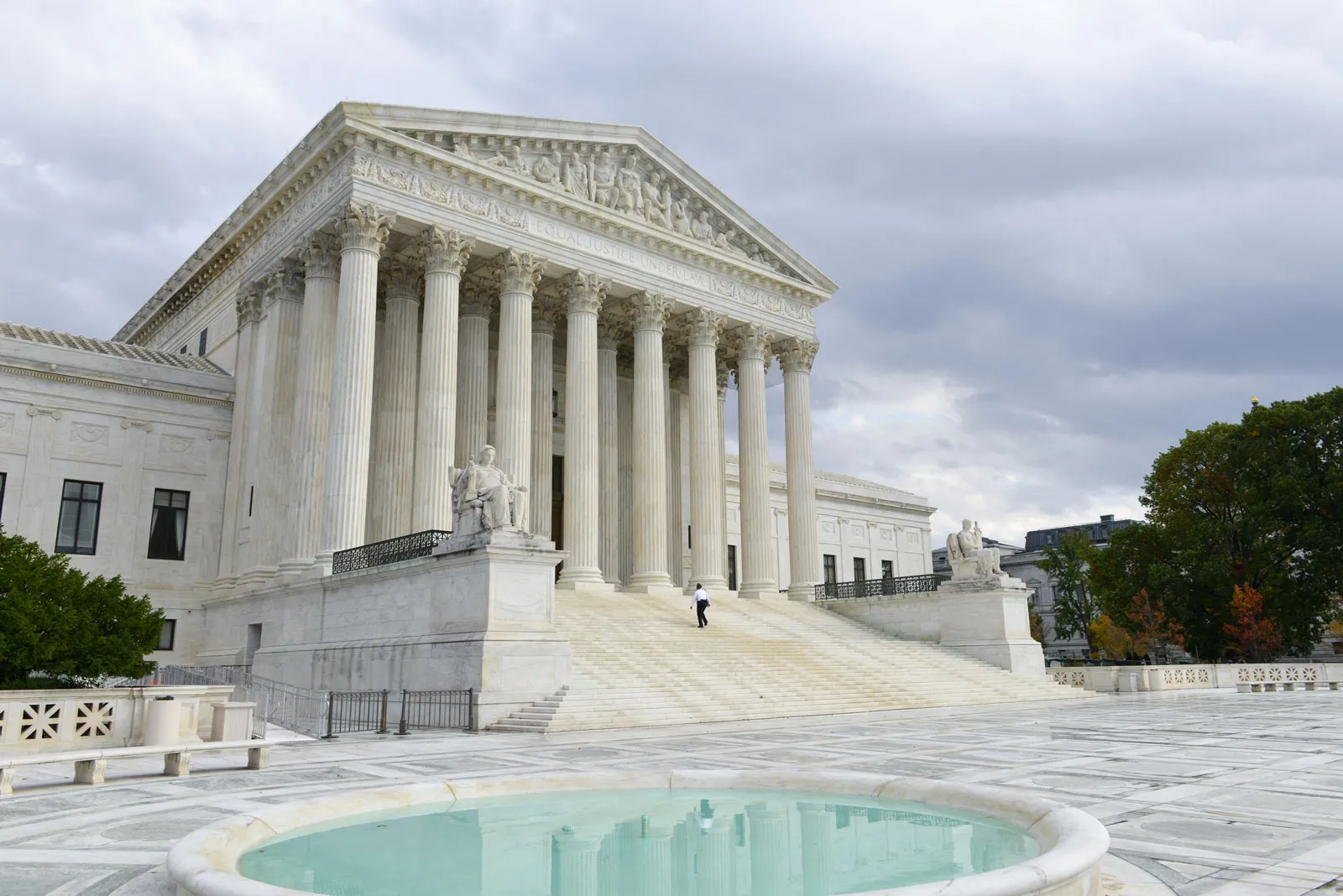
Crypto, the Fed, and the Master Account Question
The Constitution never says the words payment rails . It never defines a master account . And it certainly never anticipates a Wyoming-chartered bank built around digital assets asking for a key to the Federal Reserve’s payment system. But here we are, with a dispute that looks technical on the...
Read more →
When ICE Arrests Meet Sanctuary: The Fourth Circuit’s Church Injunction
People talk about churches as “sanctuary” like it is a magic word. As if stepping through a chapel door flips the Constitution into a different mode where federal law pauses politely in the narthex. That is not how American law works. But a federal court order can change how law is enforced in a...
Read more →
Second Circuit: You Can Film Police in Public
If you have ever wondered, “Am I allowed to record the police from the sidewalk?” the U.S. Court of Appeals for the Second Circuit has given a clearer answer for people living in New York, Connecticut, and Vermont: yes. The First Amendment protects recording law enforcement activity in public when...
Read more →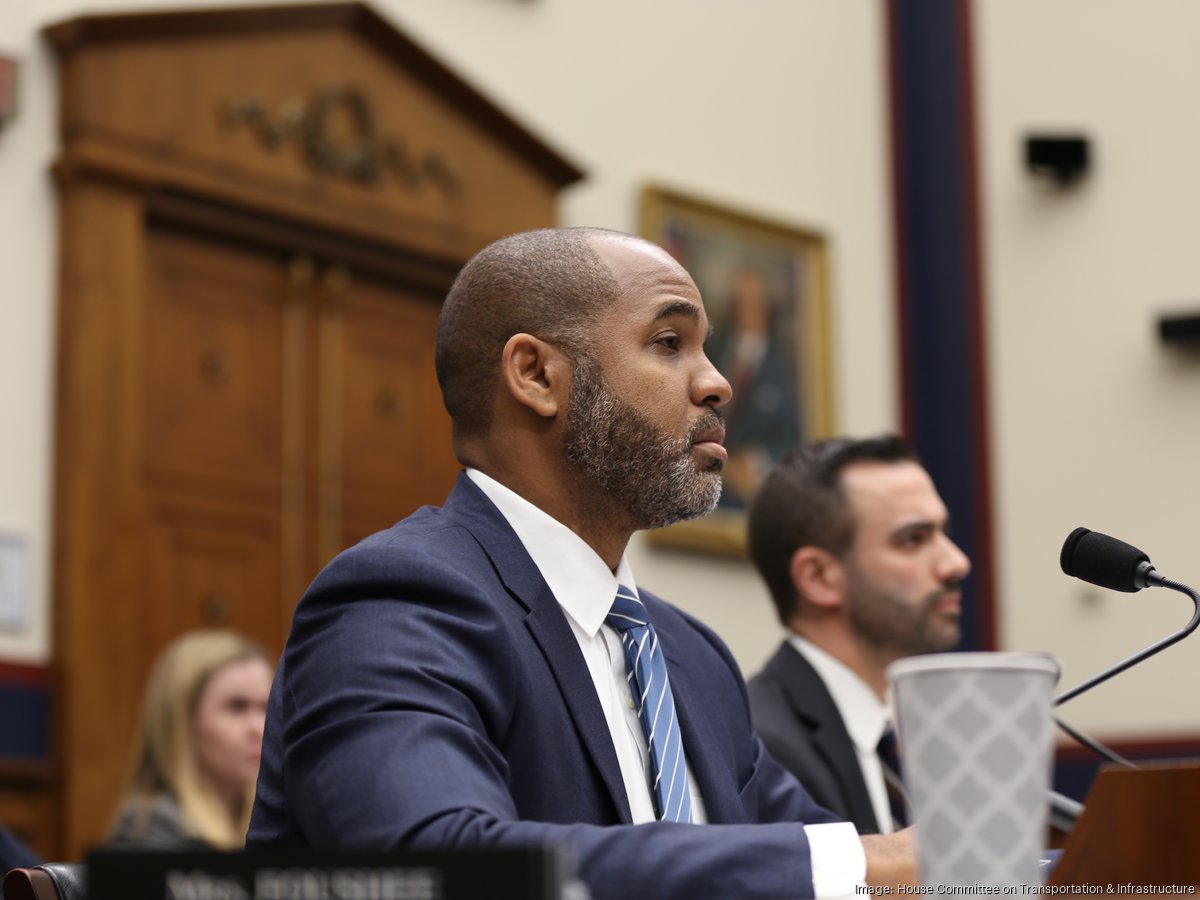
Who Controls Federal Courthouses?
Federal judges do not just decide cases. They also have to answer questions like whether a courtroom is secure enough to try a terrorism case, whether a leaky roof can wait until next term, and whether a courthouse can keep functioning when HVAC systems fail in July. That is why a flare-up between...
Read more →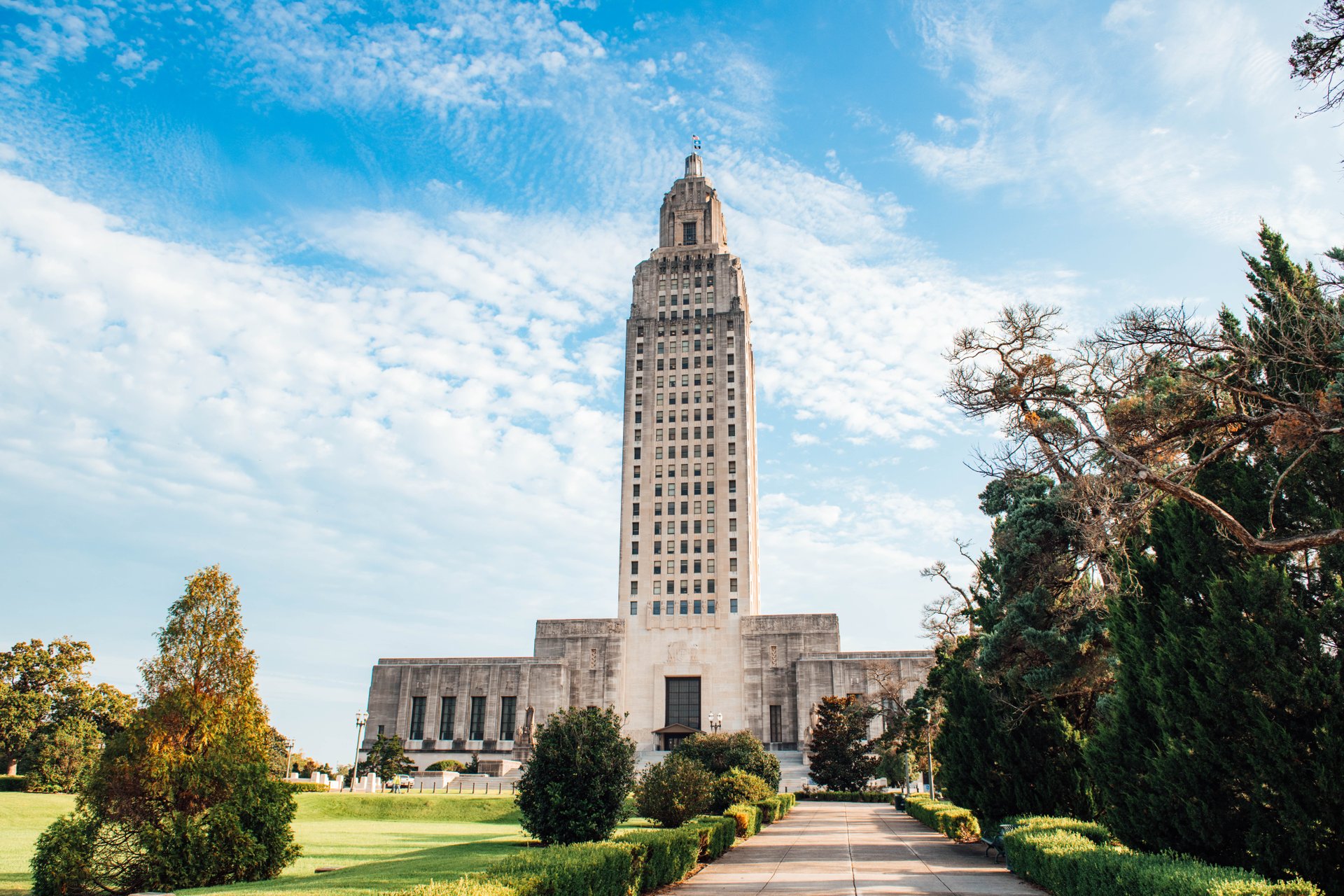
Can Louisiana Require the Ten Commandments in Public School Classrooms?
When a state tells public schools to hang the Ten Commandments in every classroom, it is not just a culture story. It is a constitutional stress test. The question is not whether the Ten Commandments are historically influential. They are. The question is whether the government can require a...
Read more →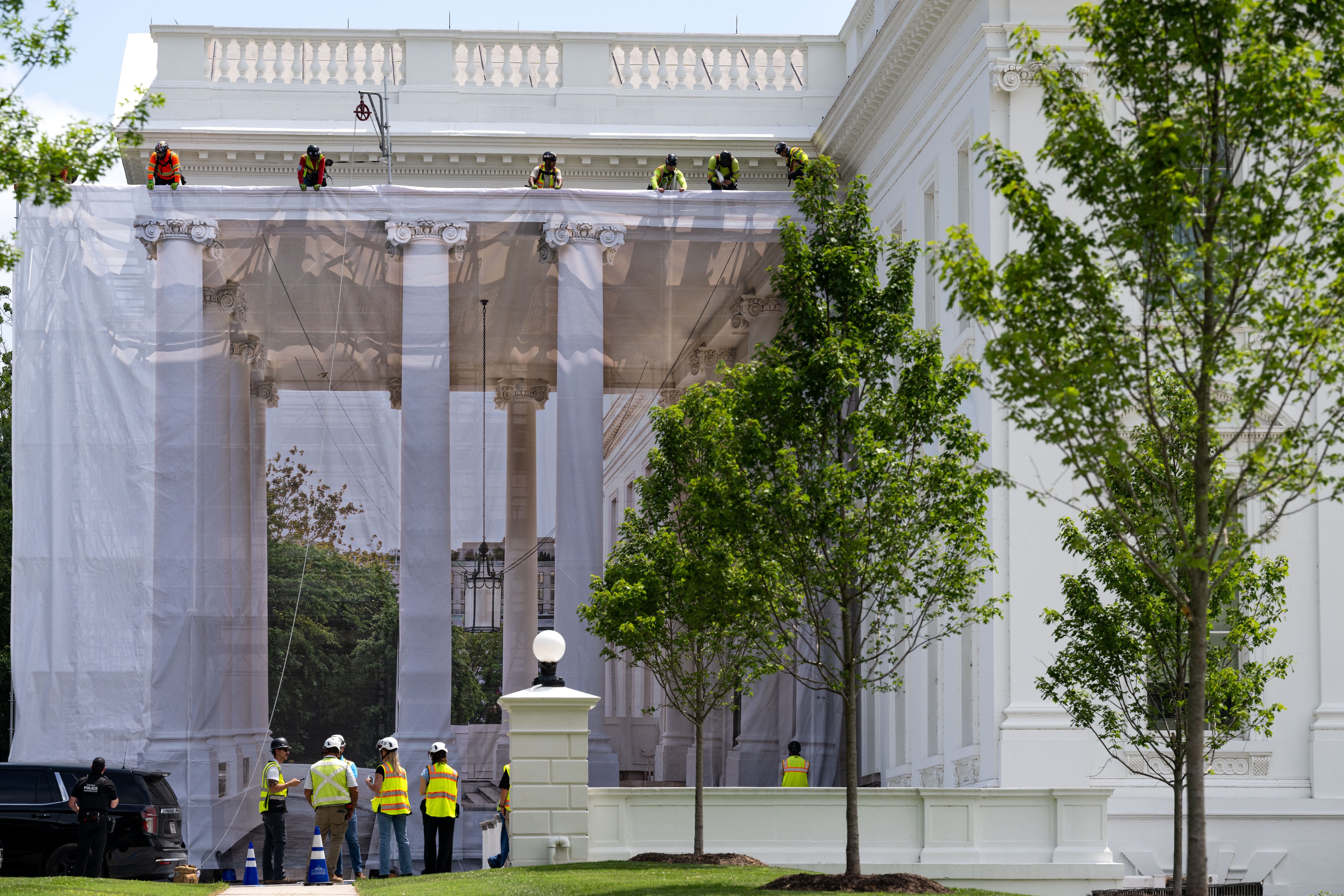
Why White House Construction Can Be Blocked
When headlines say “White House construction is blocked,” it sounds like a simple clash of wills: the President wants to build, a judge says stop. But constitutionally, it is almost never that clean. The White House is the President’s home and the seat of executive power. It is also federal...
Read more →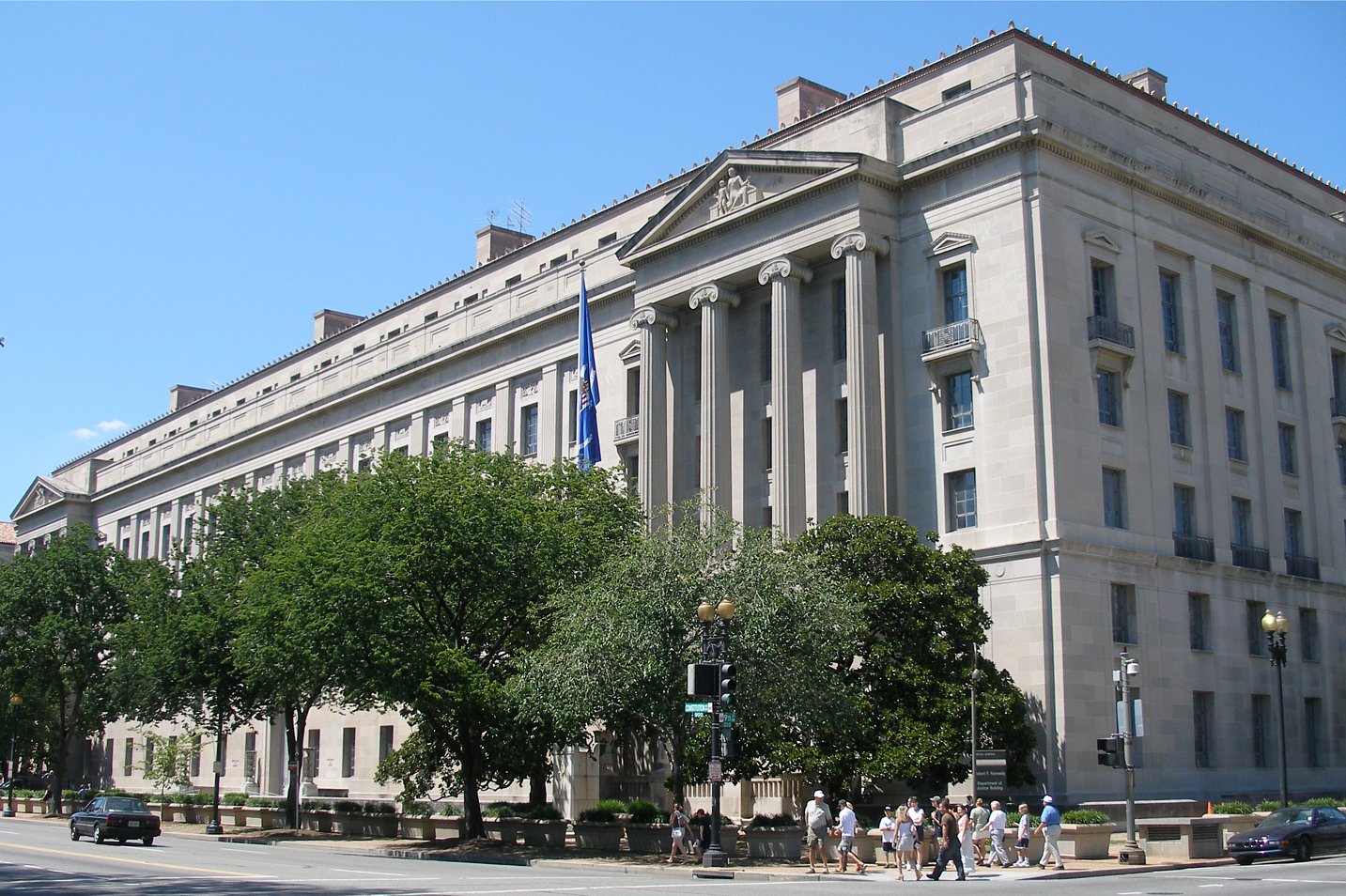
Can Non-Citizens Vote in Federal Elections? DOJ Charges Explained
Every election year brings the same basic question back into the public debate: can non-citizens vote in federal elections? Sometimes the question is prompted by a specific prosecution. If you are reading this because of a headline about an alleged non-citizen voting and using someone else’s...
Read more →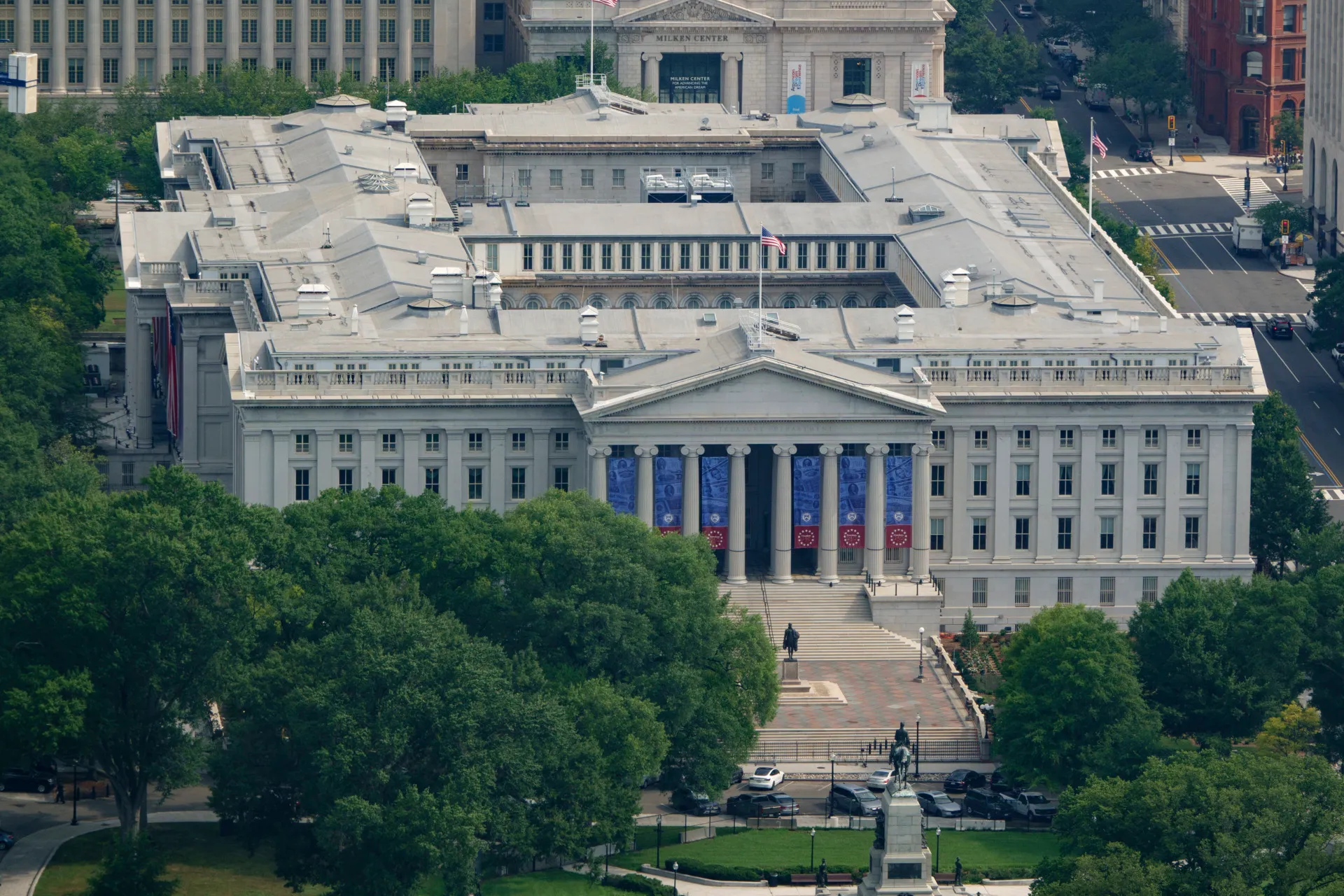
America Hits $40 Trillion in Debt
Forty trillion dollars is the kind of number that stops people mid-scroll. It does not sound like “policy.” It sounds like a cosmic error message. But the national debt is not a mysterious scoreboard controlled by a president, a central bank, or a cabal of accountants. It is the accumulated result...
Read more →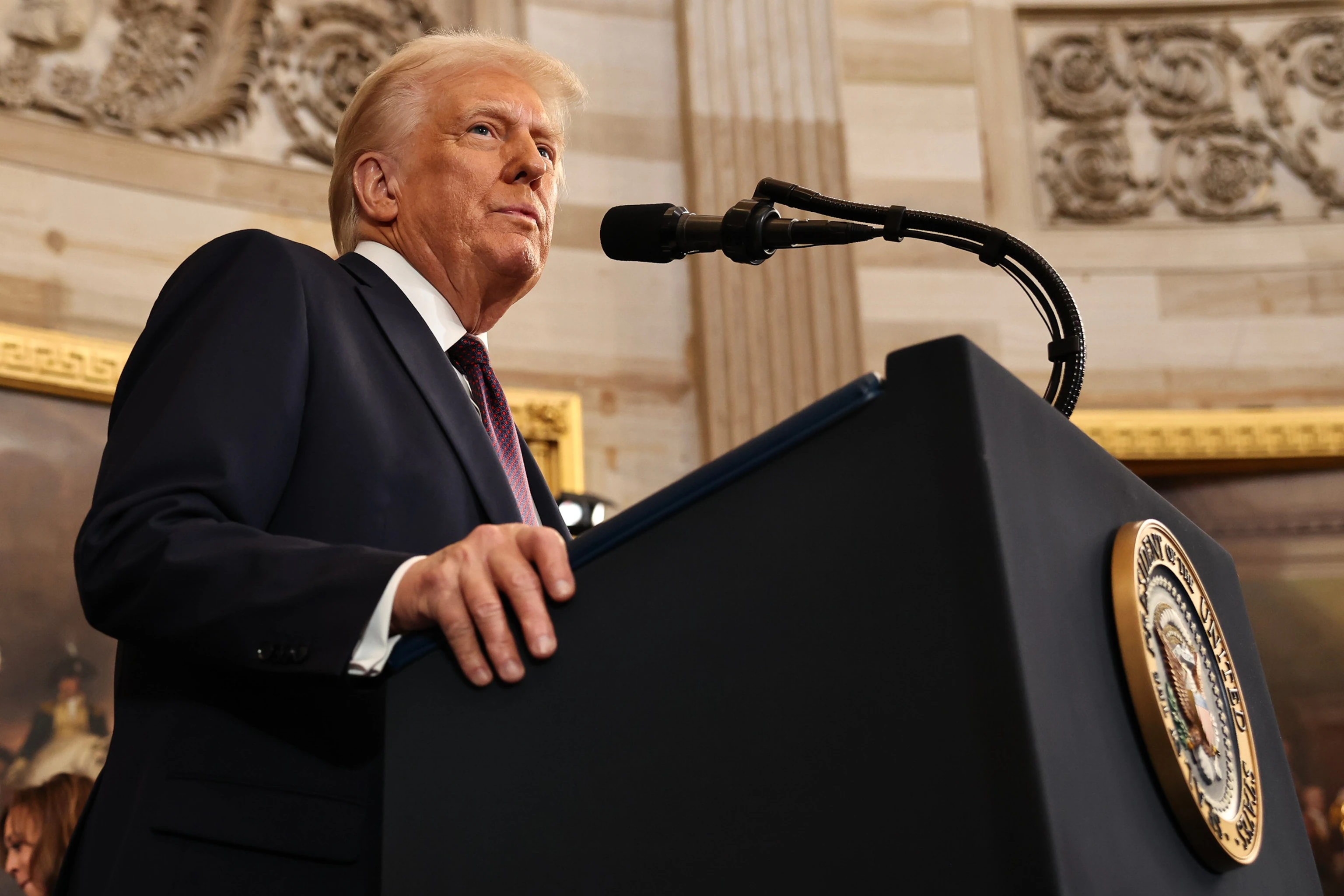
Trump’s “Economic D-Day” Against Iran: What a President Can Really Do
When President Donald Trump declared an “Economic D-Day” against Iran on August 19–20, 2026, the phrase sounded like a single, dramatic button the White House can push: one day, one order, one unprecedented economic siege. That is not how sanctions work in American law. “Economic D-Day” is...
Read more →
ActBlue and Smurfing Allegations: What Campaign Finance Law Actually Requires
When a fundraising platform gets pulled into the news, the debate usually jumps straight to motive. But campaign finance law is not designed to measure political intent. It is designed to answer narrower questions: who gave , how much , to whom , and whether someone used another person as a mask ....
Read more →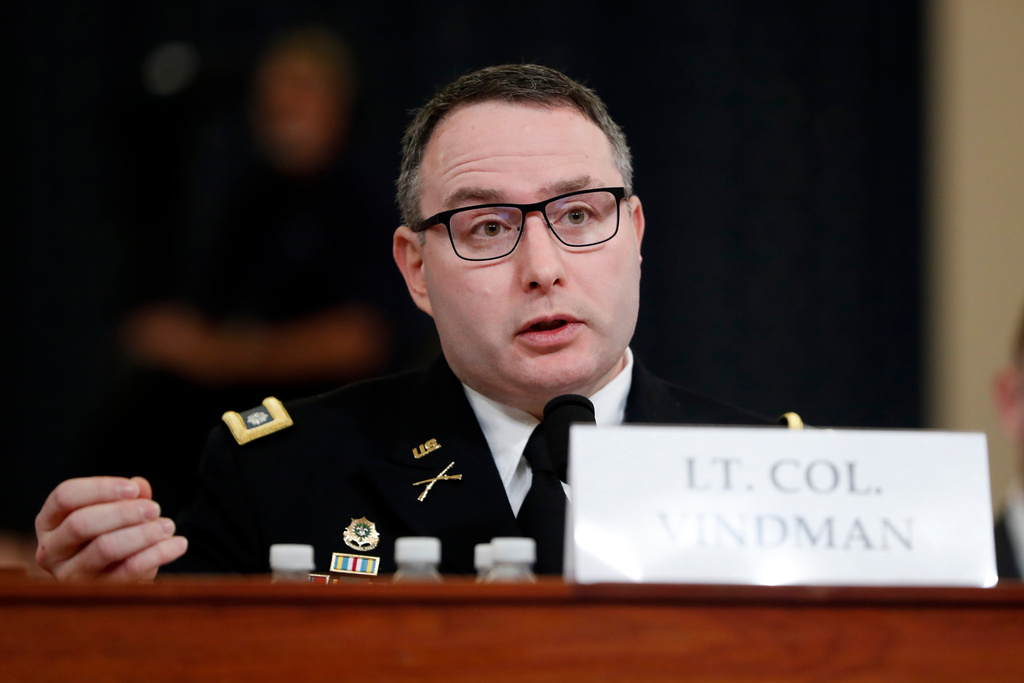
A $16 Million Senate Bid Failed: What Vindman’s Florida Primary Loss Says About Impeachment Politics
Florida Democrats just delivered one of the most jarring results of the 2026 primary season: Rep. Angie Nixon defeated Alexander Vindman in the Democratic primary for U.S. Senate, roughly 55% to 43% with most votes counted, even though Vindman’s campaign spent an estimated $16.3 million to Nixon’s...
Read more →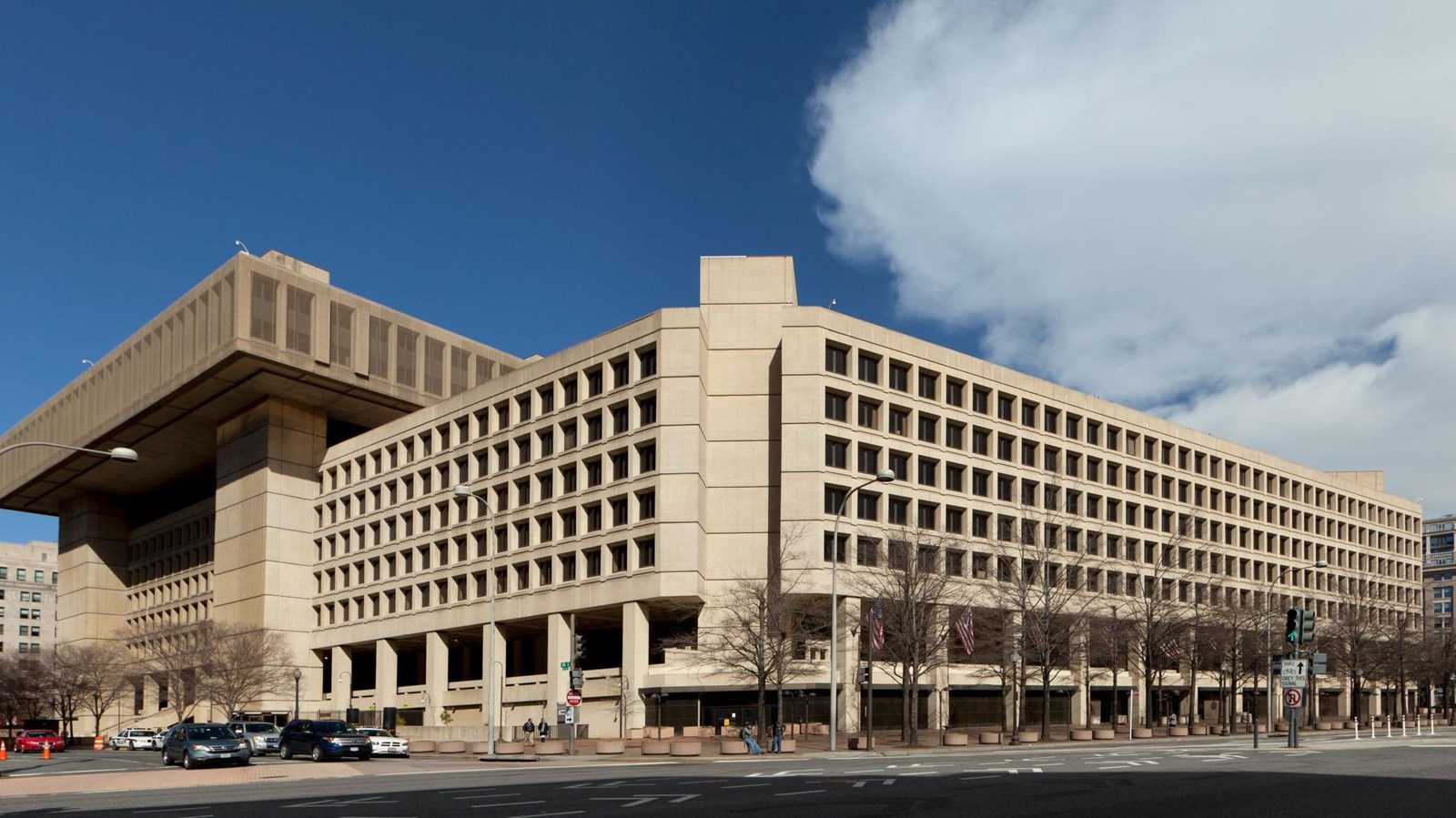
Who Controls Federal Buildings? Why a Judge Blocked the FBI Headquarters Move
It feels like a simple question: if the FBI is an executive branch agency, why can a federal judge block where it puts its headquarters? Because in Washington, “where an agency sits” is rarely just an internal office decision. Federal buildings are not personal property of a president or an agency....
Read more →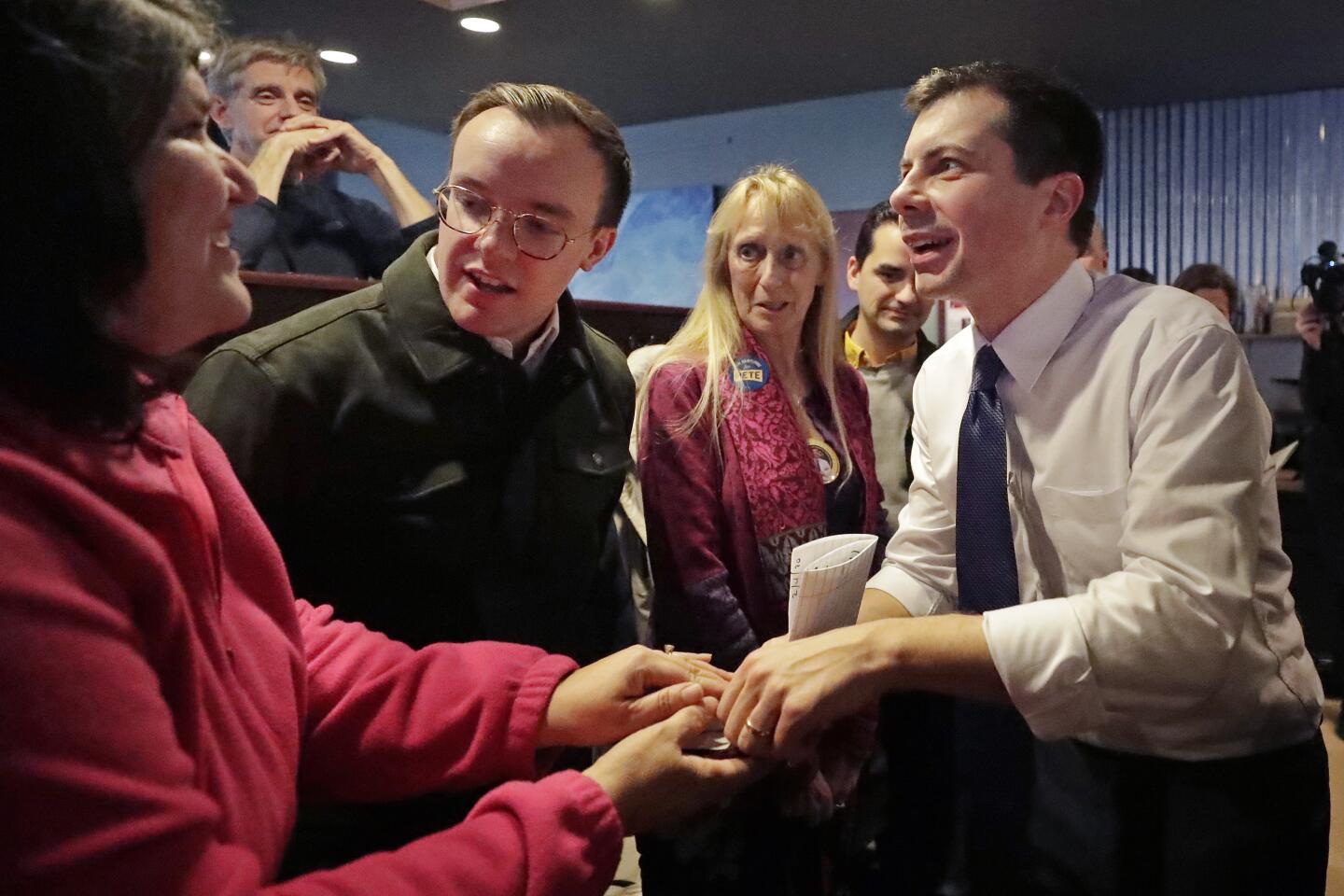
Hegseth in Iowa and the ‘Personal Capacity’ Claim
You can tell how fraught the line between “government” and “campaign” can be by a phrase that keeps appearing in press guidance and official disclaimers: personal capacity . You see it most often when a senior executive official makes a high-visibility public stop that looks, to many observers,...
Read more →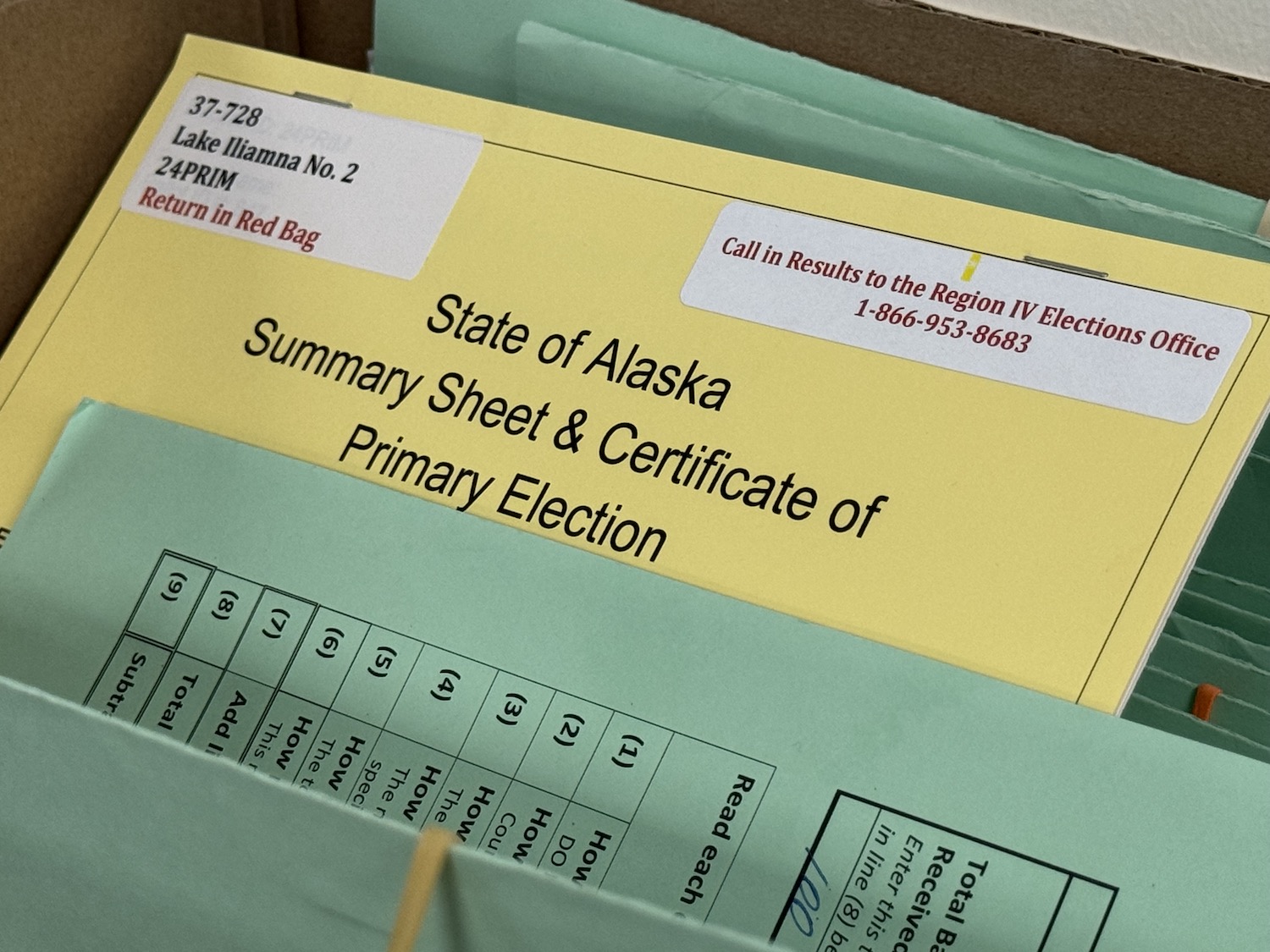
Can a Candidate Run Under the Same Name as an Incumbent? Alaska Ballot Rules Explained
Ballots are not meant to verify anyone’s identity. They are administrative tools, designed to record votes and present eligible candidates in a standardized way. That is why the question at the center of recent Alaska conversation is both simpler and messier than it sounds: Can someone run under...
Read more →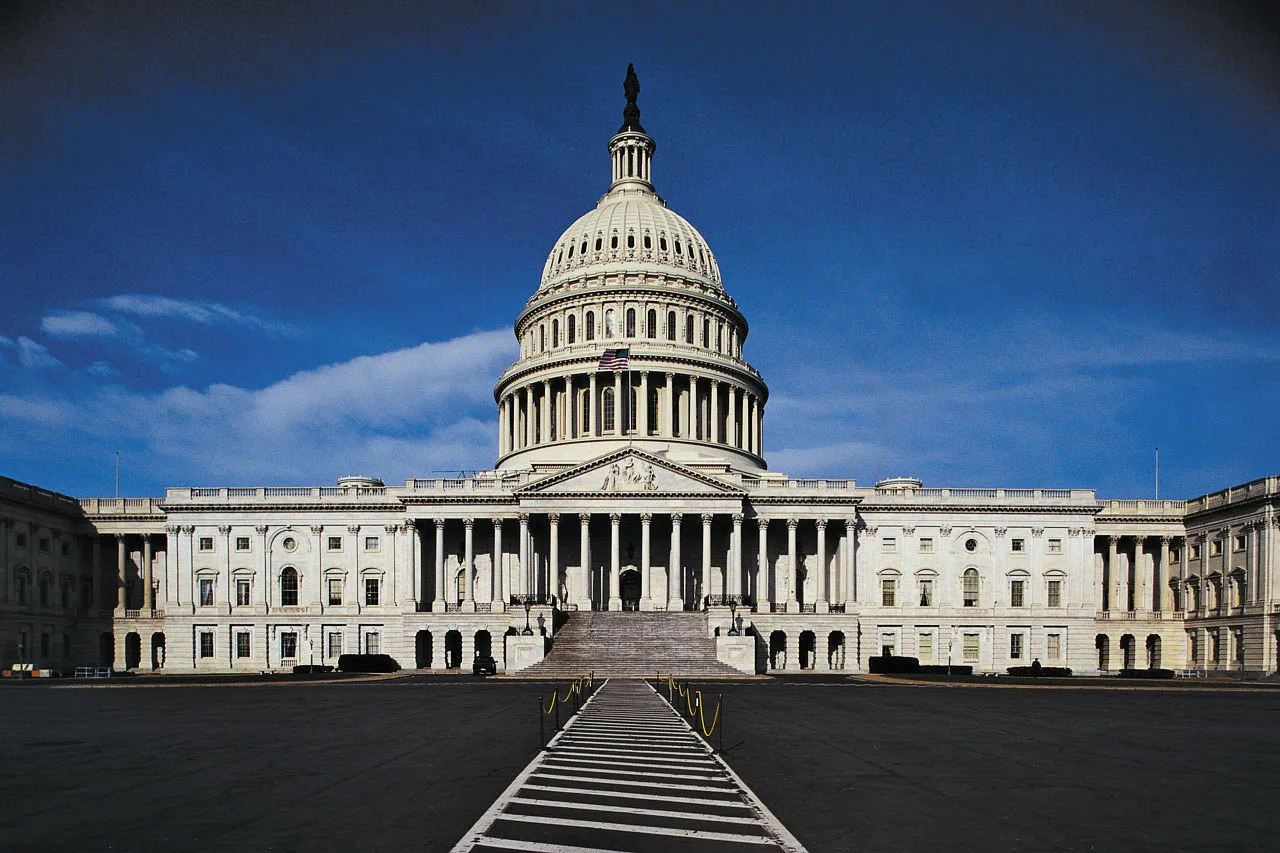
Does Federal Law Require Photo ID to Vote?
You can vote in the United States without showing a photo ID in many places, and that is not a “loophole” in federal law in the sense people usually mean. What it reflects is the absence of a single nationwide photo-ID mandate. American elections are primarily run by states, and Congress only...
Read more →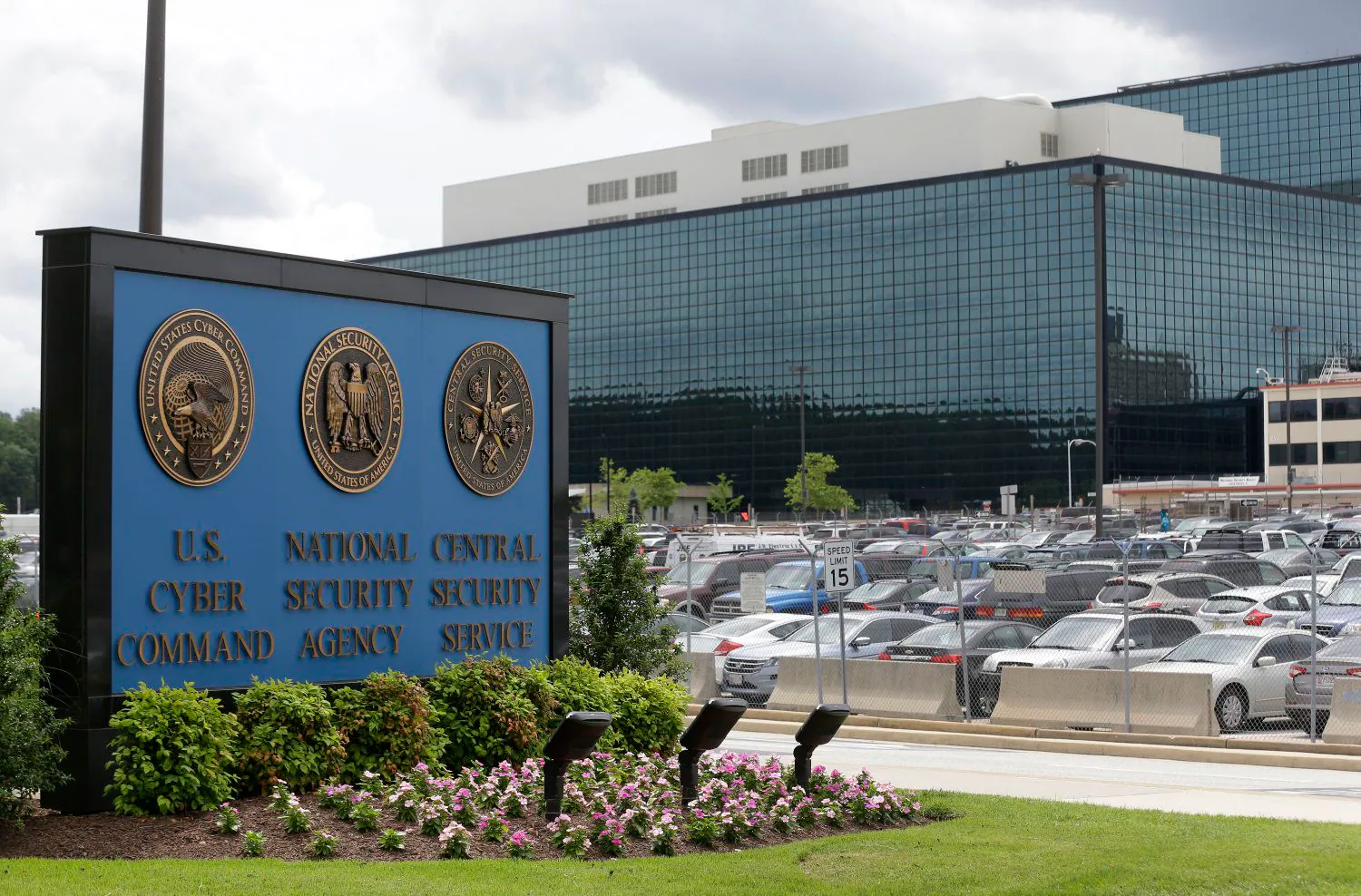
Can the NSA Withhold Election Threat Intelligence?
When a story breaks claiming the National Security Agency held back or delayed election threat reporting, the instinct is to treat it as a spy-thriller plot twist. But the real question is more constitutional than cinematic. In a system built on separation of powers, intelligence is not just...
Read more →
Trump’s South Korea Drill Cut and the Limits of Executive Power
A president can cancel a meeting. A president can move a carrier strike group. A president can also, apparently, tell the Pentagon to dial down decades of joint military exercises with a treaty ally, then explain it to the public in the language of personal relationships. That is the constitutional...
Read more →
The Most Talkative Justice, and Why It Matters
When the Supreme Court hears a case, we often picture the big moment as oral argument , the public hour where lawyers and justices volley questions back and forth. It is the most visible part of the Court’s work, and it is also the easiest part to measure. So here is the headline fact: by word...
Read more →
Mangione Pleads Guilty Federally, Then Tries to Halt New York Murder Case
Luigi Mangione’s federal guilty plea in the killing of UnitedHealthcare CEO Brian Thompson has immediately put his separate Manhattan murder case in jeopardy. The reason is New York’s double-jeopardy law , which can bar a second prosecution when the cases are tied to the same criminal act or...
Read more →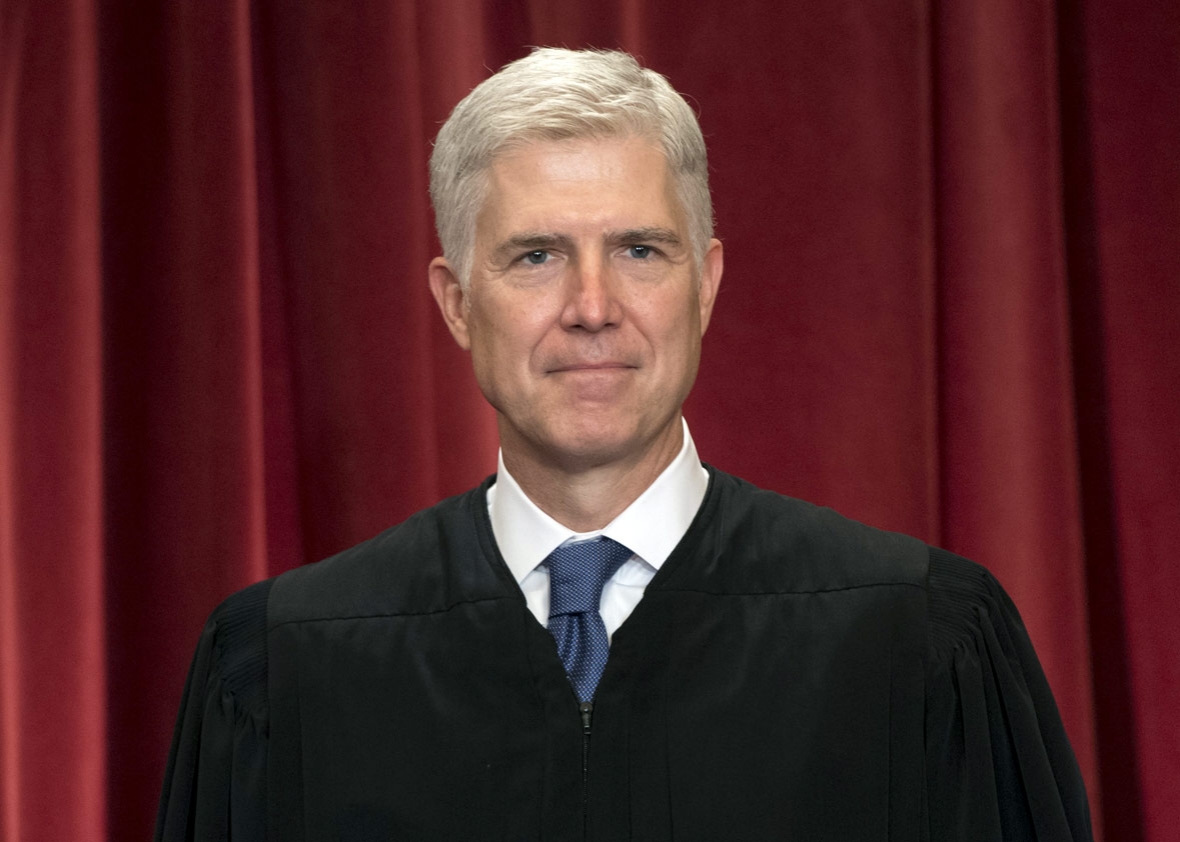
Neil Gorsuch Is the Key to This Supreme Court
When people try to make sense of the Supreme Court today, they often start with the chief justice, or with the Court’s headline decisions. That is understandable. But if you want a clearer picture of why this Court keeps moving in the directions it does, it helps to focus on one particular justice:...
Read more →