
Constitutional Topics
Browse articles in Constitutional Topics on U.S. Constitution
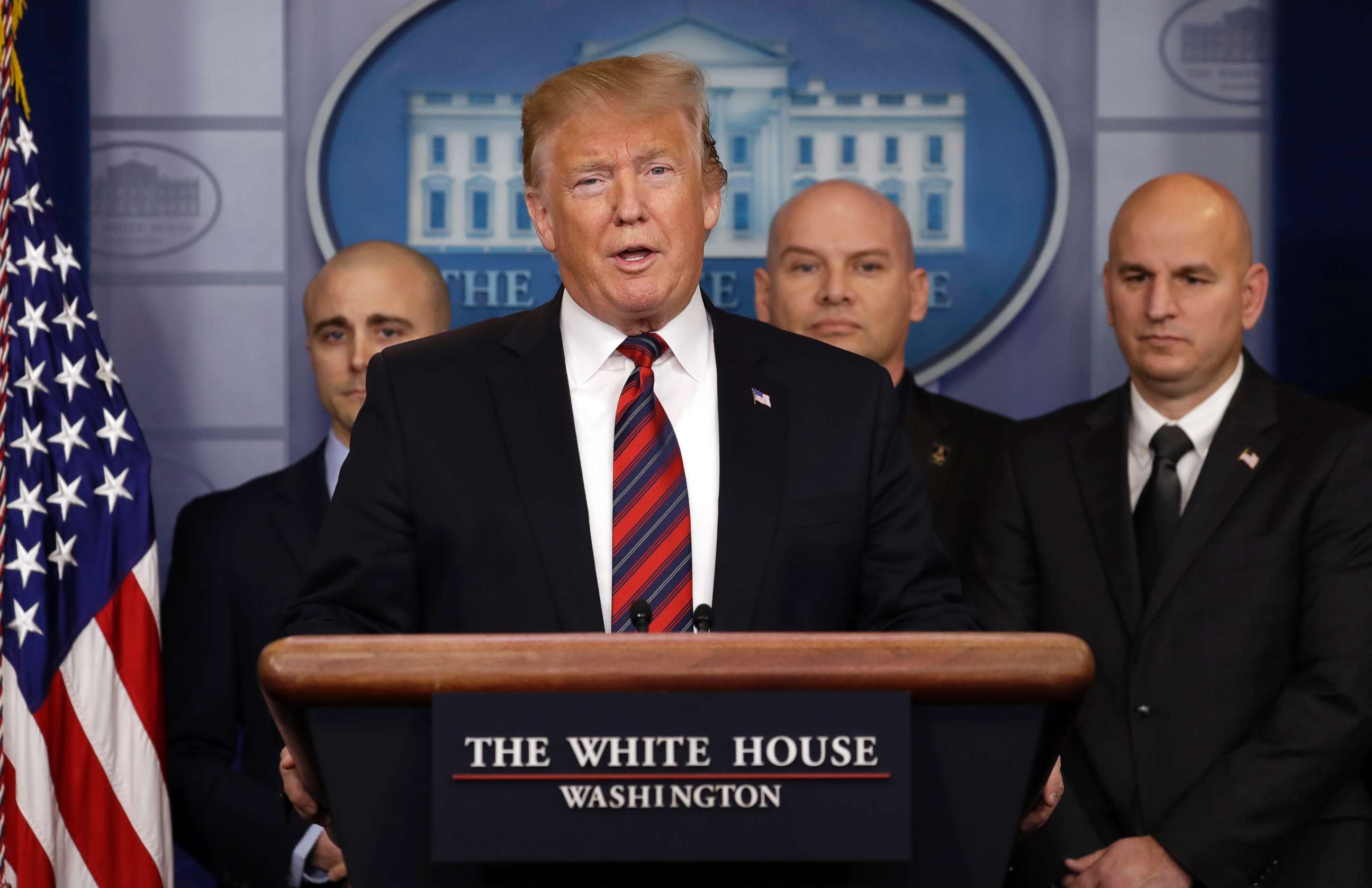
Trump’s South Korea Drill Cut and the Limits of Executive Power
A president can cancel a meeting. A president can move a carrier strike group. A president can also, apparently, tell the Pentagon to dial down decades of joint military exercises with a treaty ally, then explain it to the public in the language of personal relationships. That is the constitutional...
Read more →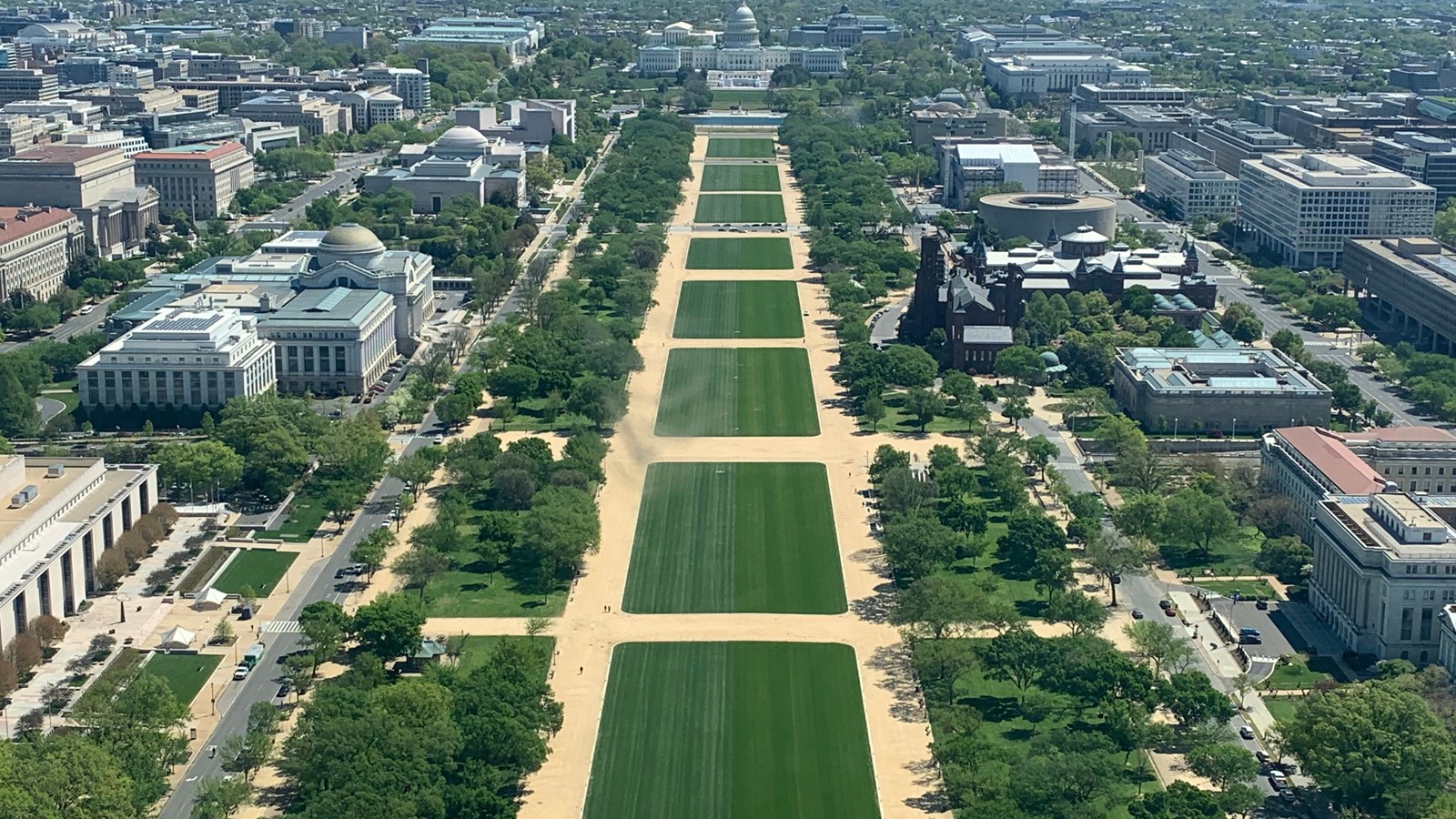
National Mall Vandalism Cases: Who Prosecutes and Why Charges Get Dropped
The National Mall feels like America’s front yard. You can walk from the Capitol to the Lincoln Memorial without ever leaving a space that is legally unusual: a dense patchwork of federal land, multiple layers of policing authority, and federal charging decisions, all sitting inside the District of...
Read more →
De Minimis Tariffs Explained: What the Court Ruling Means for Presidential Trade Power
You can feel the constitutional tension in the phrase “presidential tariff power.” Tariffs are, generally, taxes of a particular kind: customs duties on imported goods. The Constitution assigns taxing and trade powers to Congress. Yet modern trade law often runs through executive-branch processes,...
Read more →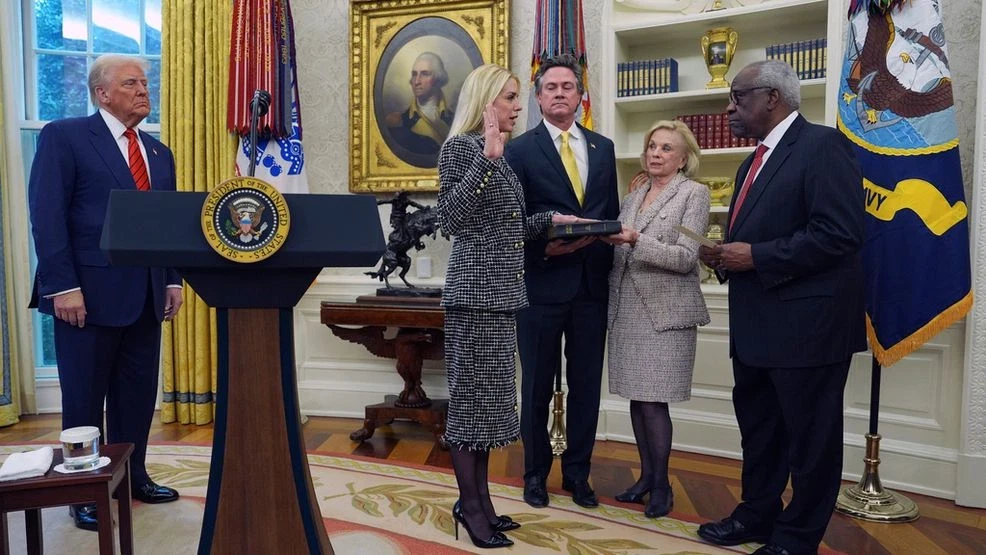
Who Is the Attorney General, and How Is the Job Chosen?
A new Attorney General being sworn in tends to trigger the same wave of questions: Who is this person? What power do they actually have? And who, exactly, is the nation’s “top law enforcement officer” supposed to answer to? The Constitution gives us the outline in broad strokes. The details live in...
Read more →
Can Congress End Daylight Saving Time?
Daylight Saving Time has a talent for returning to the headlines twice a year, like a civic groundhog. This week’s spark is a high-profile demand for the Senate to vote on a proposal branded as the “No More Changing the Clocks” act, framed as a push to end the disruption of moving clocks forward...
Read more →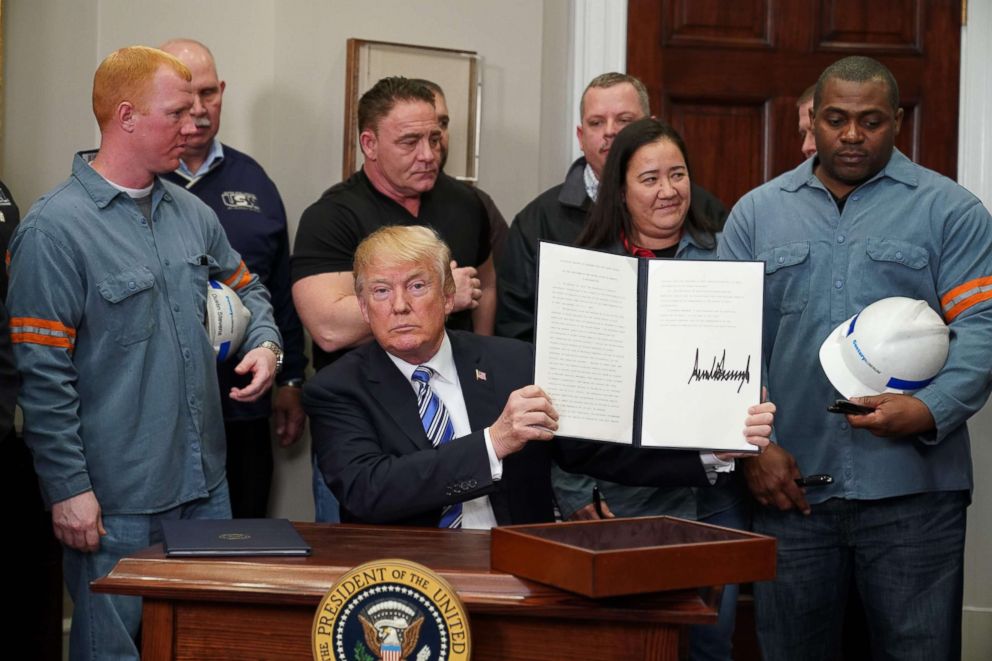
Tariffs, Section 232, and De Minimis
Tariffs feel like a blunt instrument. One day a product is cheap, the next day it is not. But the real story in the current tariff fights is not a single rate or a single sector. It is the way presidential power has grown into a system where the White House can tighten trade rules quickly, category...
Read more →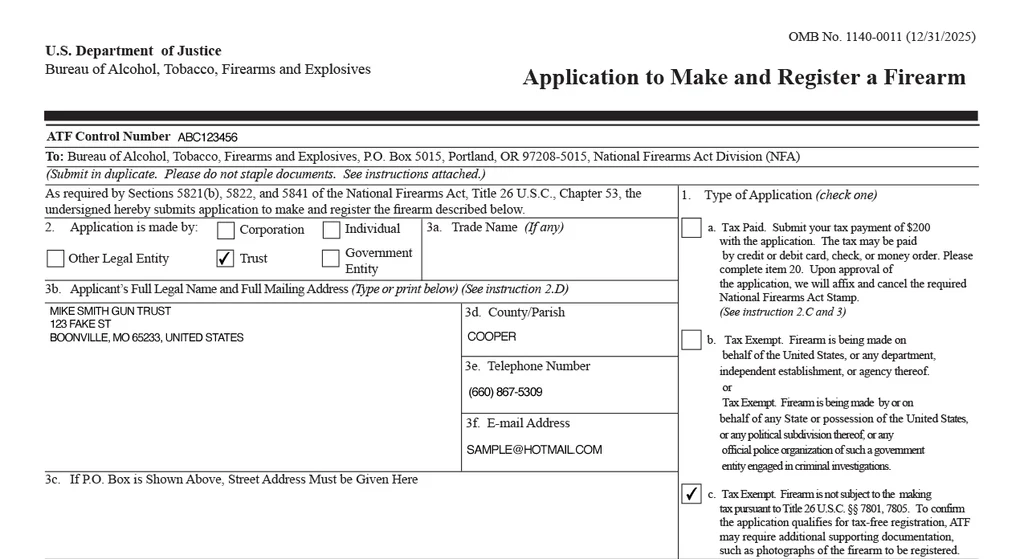
What Is the National Firearms Act? Suppressor Rules After the Latest Ruling
The National Firearms Act, or NFA, is one of those federal laws that reshaped how certain firearms and firearm devices are bought, transferred, and prosecuted through forms, approvals, and penalties. It does not categorically prohibit silencers for civilians nationwide. Instead, it creates a...
Read more →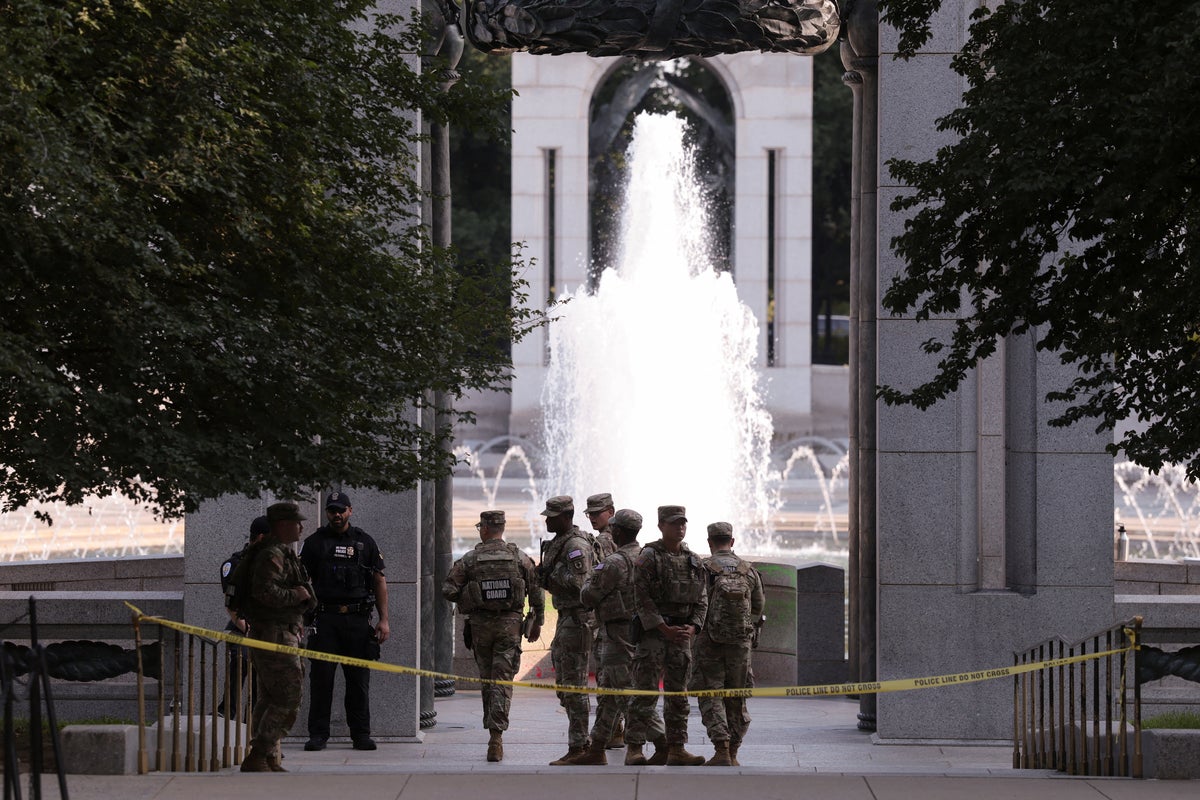
Is Vandalizing a National War Memorial a Federal Crime?
The Constitution does not have a “thou shalt not deface the World War II Memorial” clause. But it does give Congress something just as powerful: the ability to protect federal property. So when news breaks that a National Mall memorial has been spray-painted, the core legal question is not whether...
Read more →
How Eighth Circuit Judges Are Nominated
When a president announces a new nominee for a federal appeals court seat, it can sound like a personnel move in Washington. But constitutionally, it is one of the most direct ways a president and the Senate shape the meaning of federal law for decades. That is the backdrop to a report by Brooke...
Read more →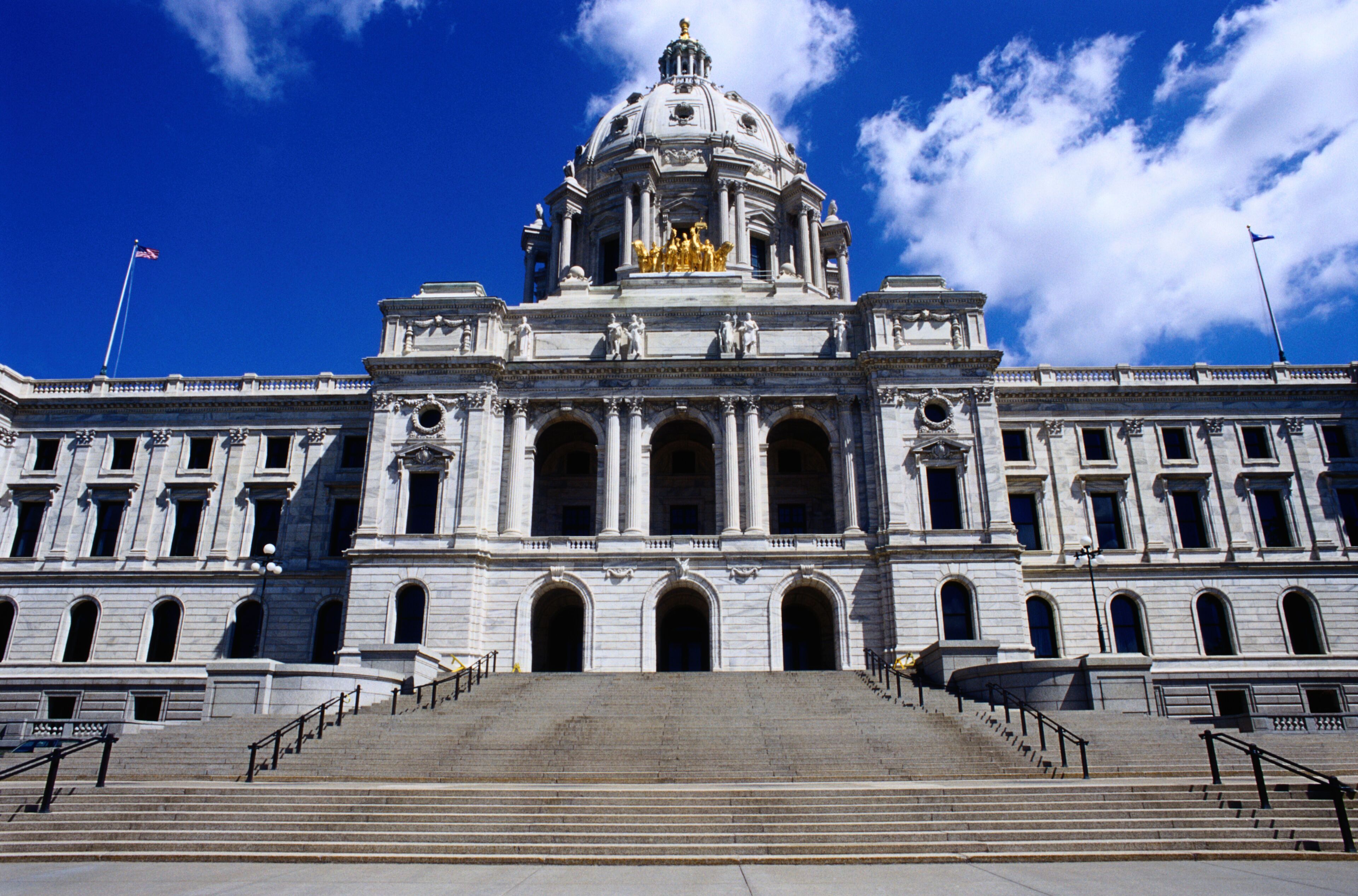
Minnesota Welfare Fraud Scandal: How Public-Benefit Fraud Is Investigated and Prosecuted
When a public-benefit fraud story re-enters the headlines, it often comes wrapped in campaign language: who knew what, who was “tainted,” who should answer for what. But the legal system does not run on slogans. It runs on jurisdiction, evidence, intent, and due process. This article explains what...
Read more →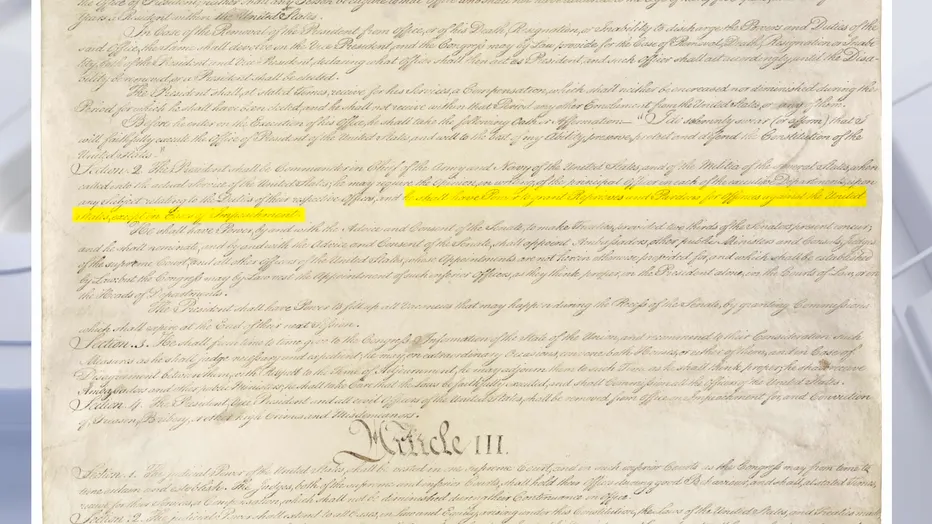
Presidential Clemency Power: Pardons, Commutations, and DOJ Vetting
When a president issues a large batch of commutations outside the usual Justice Department review pipeline, the resulting internal scramble can make clemency sound like a paperwork problem. It is not. It is a constitutional design feature, and a political accountability problem. The Constitution...
Read more →
EPA Section 404(c) Explained: The Clean Water Act Veto That Can Stop Permitted Projects
You can build a project around a federal permit and still discover that the permit was never the final word. That is the core anxiety behind the recent attention to Section 404(c) of the Clean Water Act: a power Congress gave the Environmental Protection Agency (EPA) to prohibit or restrict the...
Read more →
What Is ICE and What Can Congress Legally Do About It?
When a candidate says they want to “rip ICE apart,” they are not just making a statement about immigration policy. They are making a claim about government structure. And structure is where the Constitution quietly does most of its work. Immigration and enforcement live at the intersection of two...
Read more →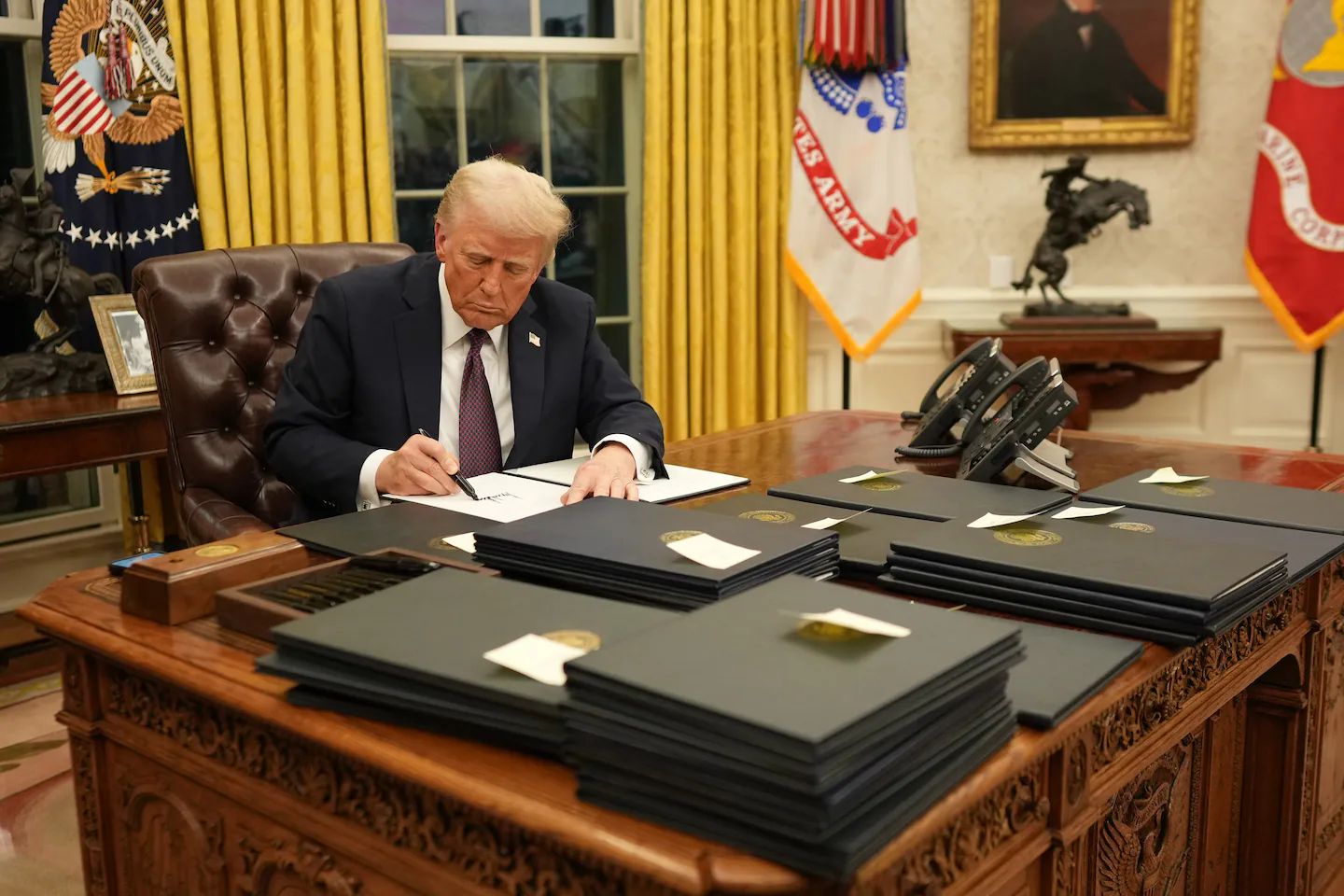
Can a President Rewrite the Vaccine Schedule?
Presidents love the clean drama of a signature. One pen stroke, one camera flash, and the public is supposed to understand: something has changed . On childhood vaccines, President Donald Trump is testing that idea again. His new executive order calls for fewer childhood vaccines and recommends...
Read more →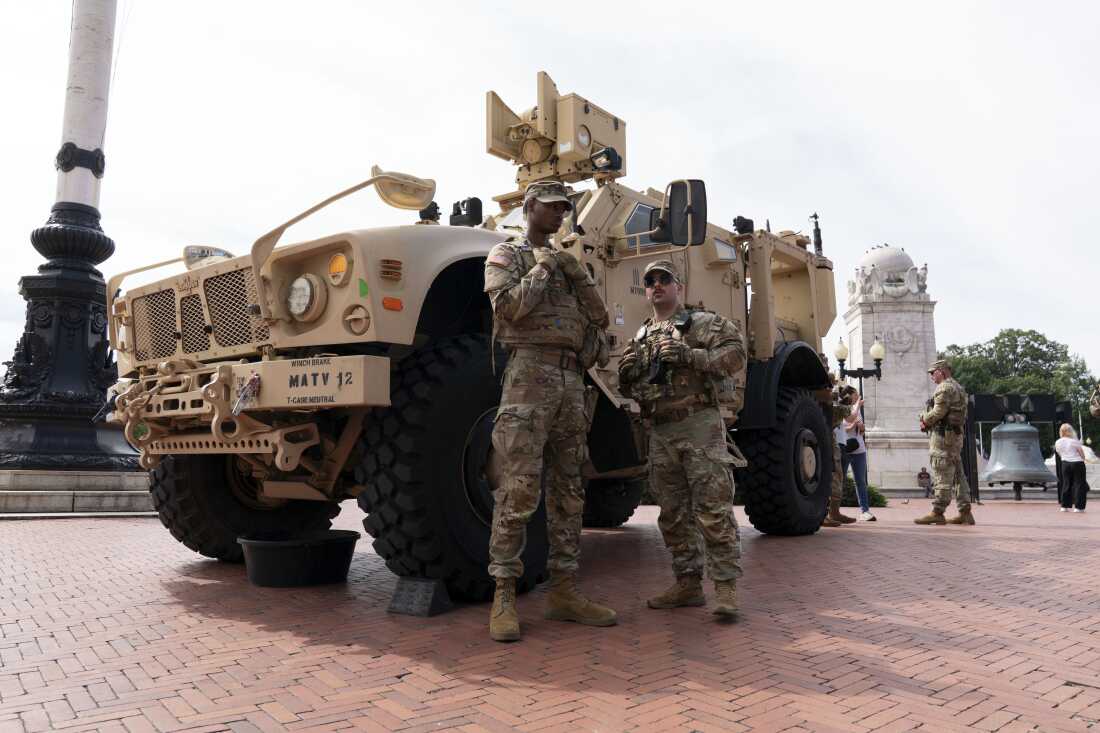
Can the President Send the National Guard Into Cities?
The Constitution does not have a neat clause that says, “The President may send the National Guard into cities when crime rises.” What it does have is something broader and more consequential: a structure that splits military power between the federal government and the states, and then hands...
Read more →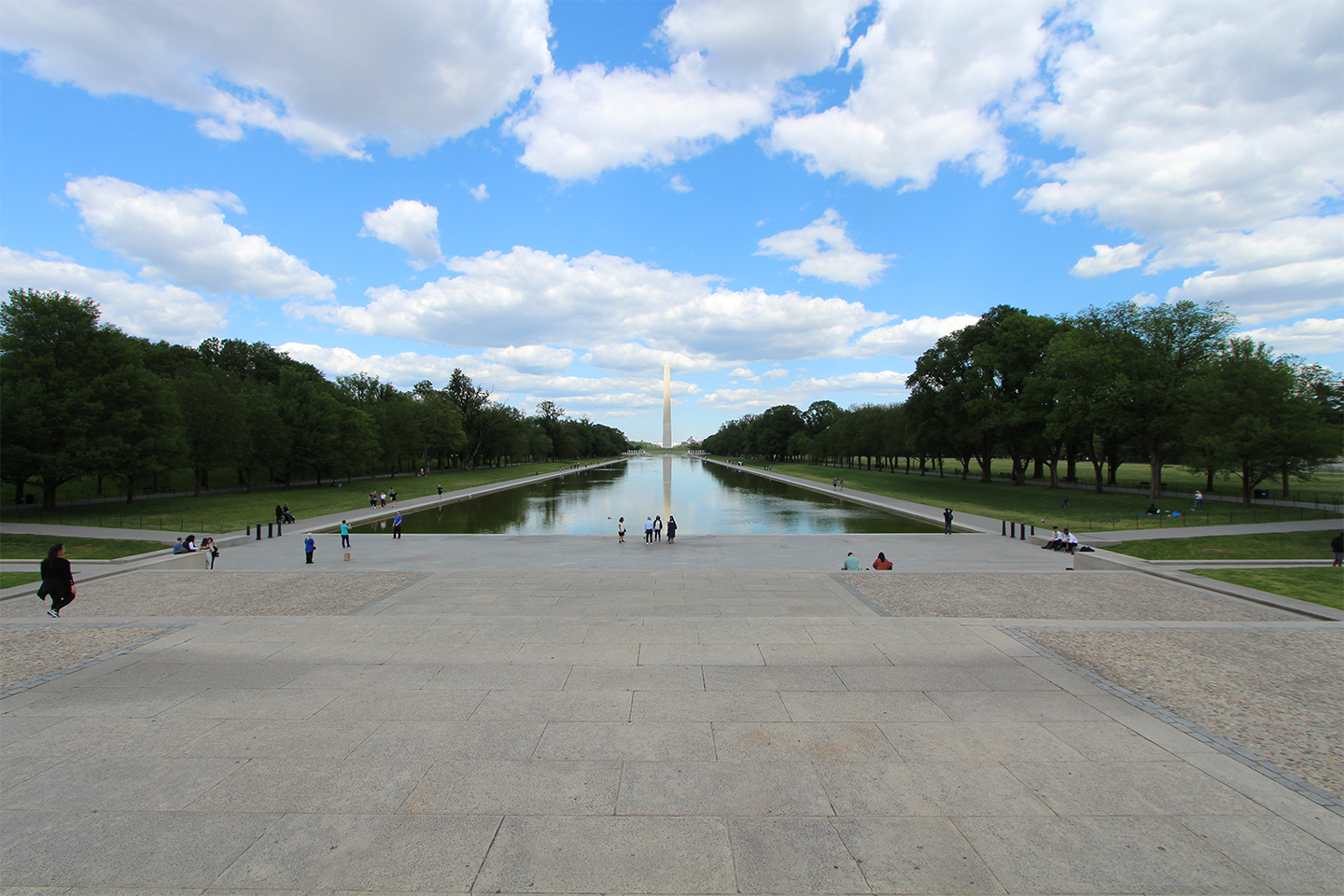
Reflecting Pool Vandalism: What Federal Law Covers
You can stand at the Lincoln Memorial, look down the National Mall, and feel like you are standing inside the country’s shared memory. That is part of why vandalism stories involving the Reflecting Pool resonate so strongly. The Pool is not just a tourist backdrop. It is part of the National Mall...
Read more →
Can Religion Disqualify Someone From Public Office?
You can feel the tension in the question because it lives at the intersection of two American instincts: the desire to judge leaders by character and the fear that government will start judging citizens by creed. That is why the Constitution, unusually early and unusually bluntly, draws a bright...
Read more →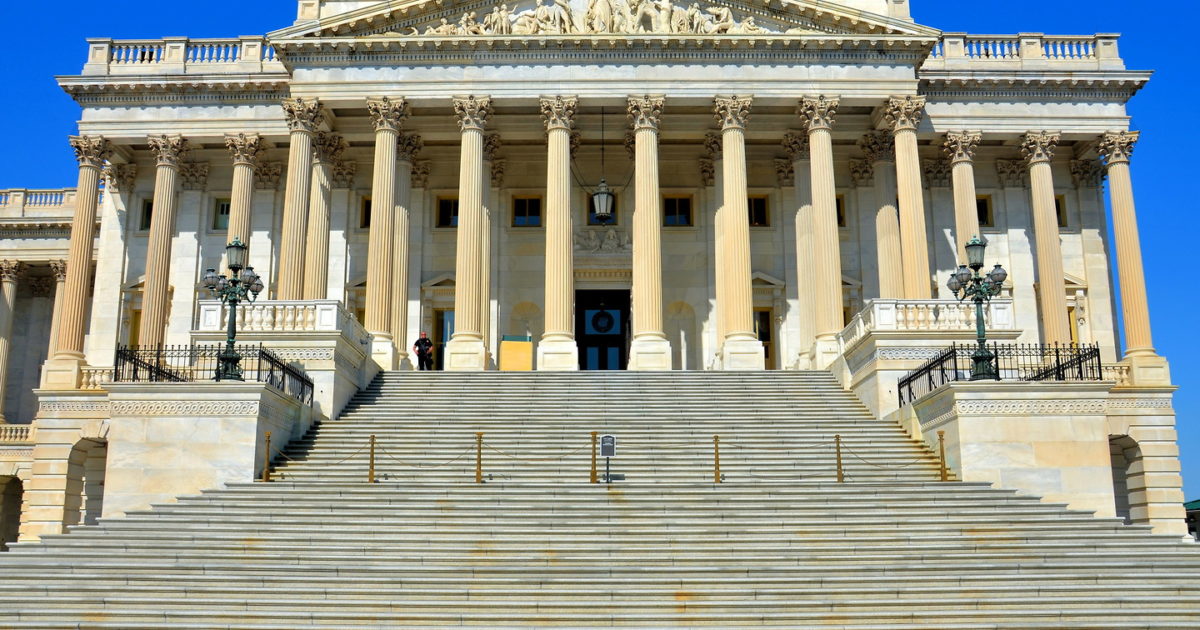
What Is the Filibuster?
You can spot a filibuster fight a mile away because it always sounds like a constitutional argument. One side says the Senate is being “paralyzed.” The other says the Senate is doing what it was designed to do: cool the passions of the moment. But the filibuster itself is neither a constitutional...
Read more →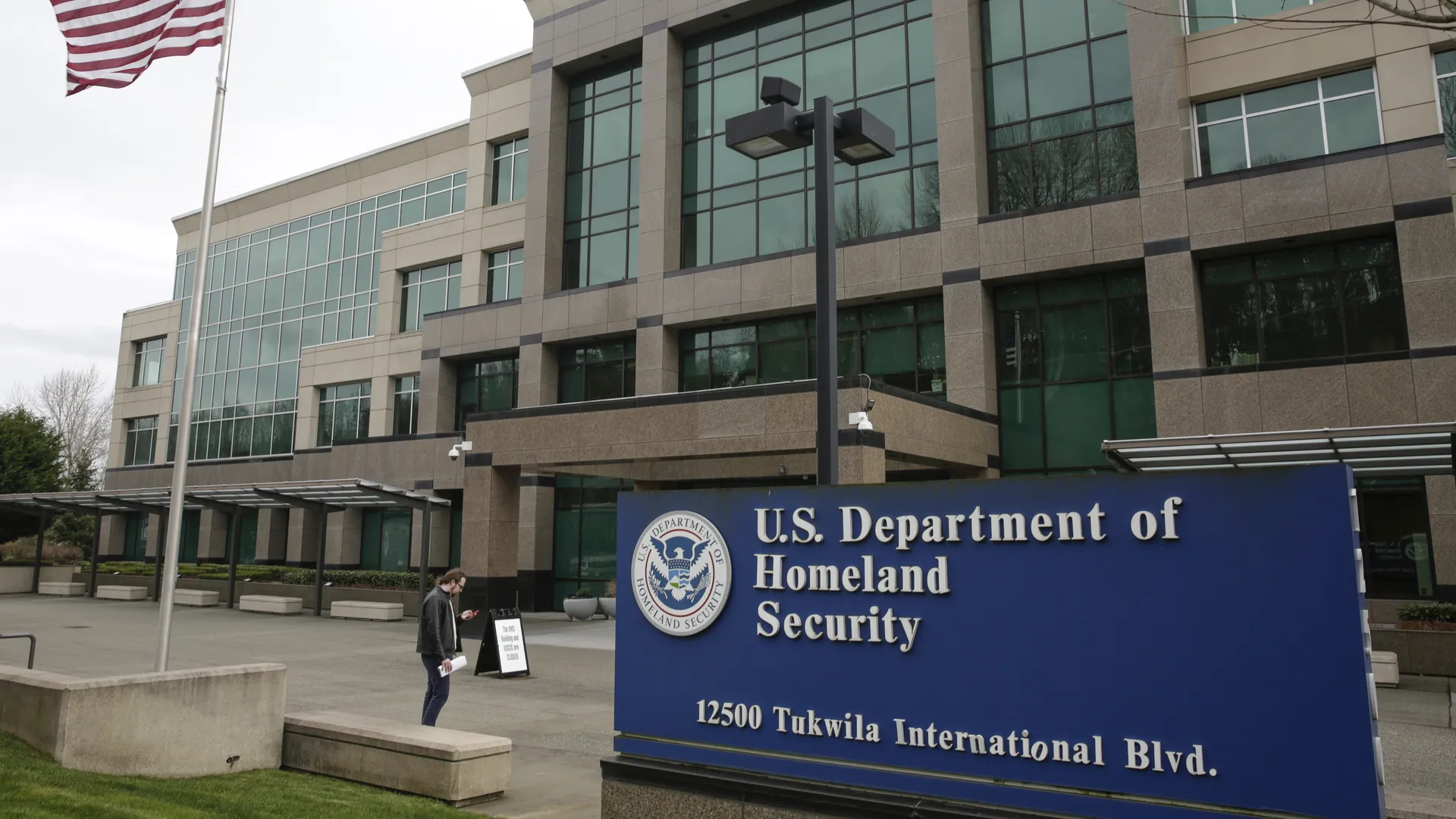
What Is TPS? How Temporary Protected Status Works and Why Haiti TPS Can End
Temporary Protected Status, or TPS, is one of the most misunderstood parts of U.S. immigration law because the word protected can sound like a permanent guarantee. It is not. TPS exists because Congress wrote a statute that lets the executive branch temporarily shield certain people already in the...
Read more →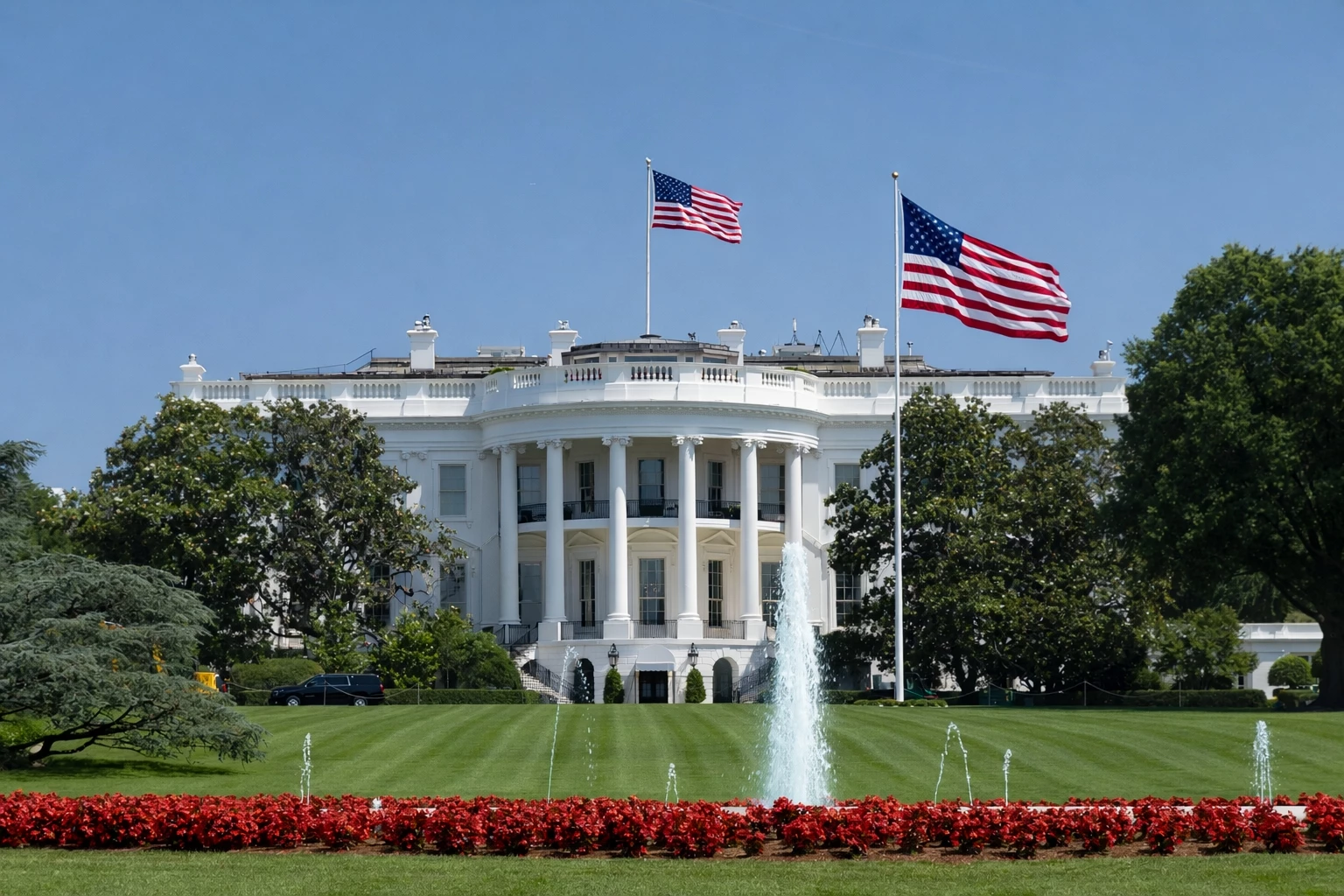
Can a President Renovate the White House Without Congress?
You can feel the constitutional nerve being touched whenever a president says, in effect, This is my house to secure and improve , and critics respond, You are a temporary occupant , and a court could ultimately agree in some form. To be clear, what follows is not a report about a specific, current...
Read more →