
Constitutional Topics
Browse articles in Constitutional Topics on U.S. Constitution
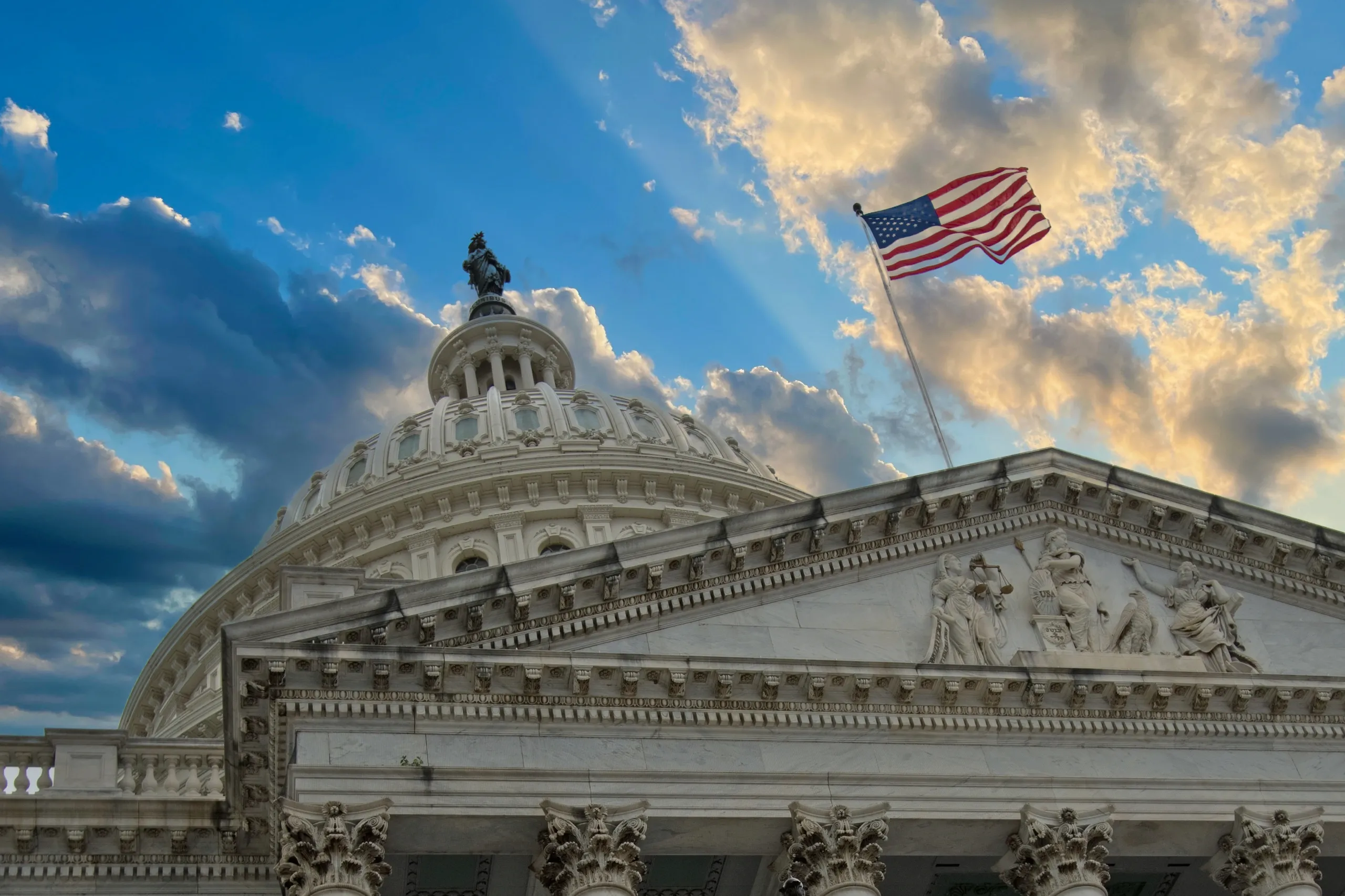
Can a Member of Congress Be Prosecuted? Legislative Immunity Explained
Members of Congress write laws. They investigate. They hold hearings that can damage reputations. They give speeches that ignite national arguments. So it is natural to assume they are insulated from ordinary criminal prosecution. The Constitution does give them a kind of immunity. But it is...
Read more →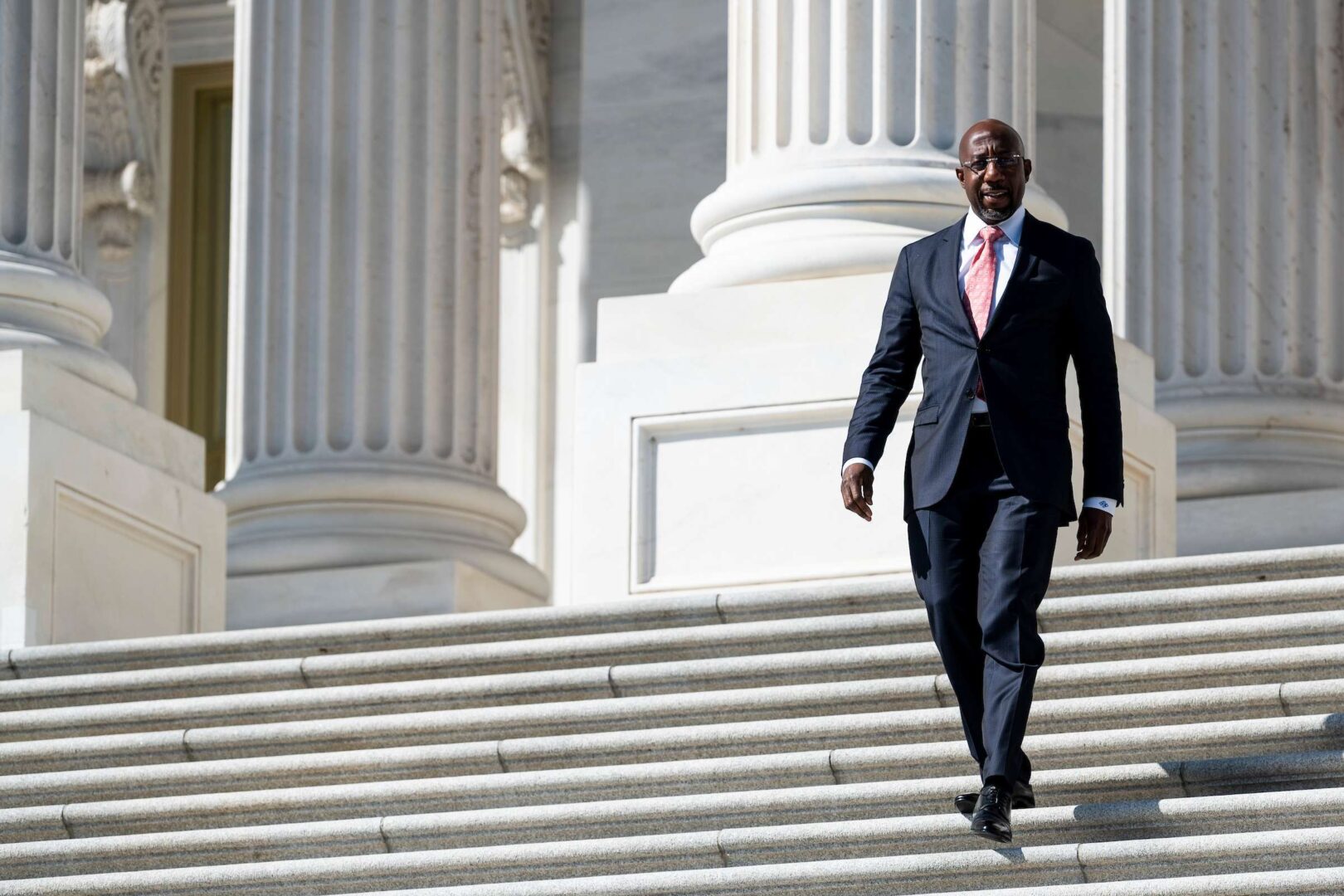
Warnock’s 3-step power plan and the constitutional choke points
Sen. Raphael Warnock has sketched a three-step playbook for what Democrats should do if they claw back congressional power: investigate Southern redistricting , add new states , and push a constitutional amendment that guarantees the right to vote . It is an ambitious sequence, and it is also a...
Read more →
Can Sex Offenders Run for School Board? What California Law Allows
Proposals to tighten who may hold public office tend to generate loud reactions, especially when they involve schools. One version that regularly returns to state capitols, including in California, raises a blunt civic question: can a registered sex offender legally run for school board or other...
Read more →
Can the U.S. Revoke Visas From Asylum Seekers?
Visas feel like permission slips. You have one, you show it, you enter, you stay until the date on the stamp. But U.S. immigration law treats a visa as something narrower and more fragile: a travel document that lets you seek admission at a port of entry. Once you are inside the United States, your...
Read more →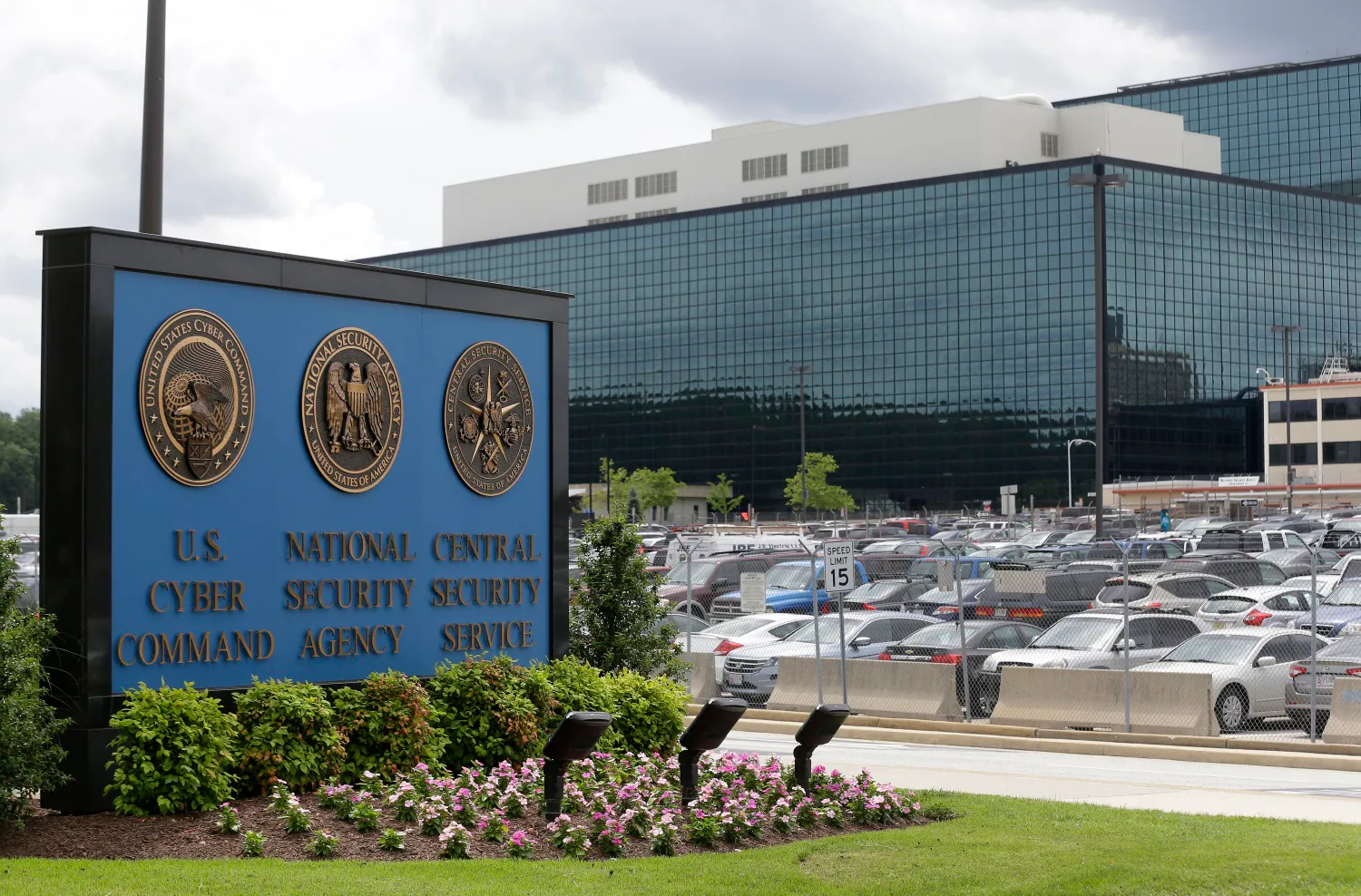
What the NSA Can and Cannot Do: Election Intelligence, Oversight, and the Constitution
When a memo or whistleblower story claims the National Security Agency sat on election-threat reporting, the instinctive question is personal: Who decided that, and are they allowed to do it? But the real answer is structural. The NSA lives inside a constitutional machine with three kinds of...
Read more →
Can a President Impose 50% Tariffs on Canada?
The Constitution puts the power to impose tariffs in Congress , not the President. Article I gives Congress authority to “lay and collect Taxes, Duties, Imposts and Excises” and to “regulate Commerce with foreign Nations.” In the founding design, tariffs were supposed to be a legislative choice...
Read more →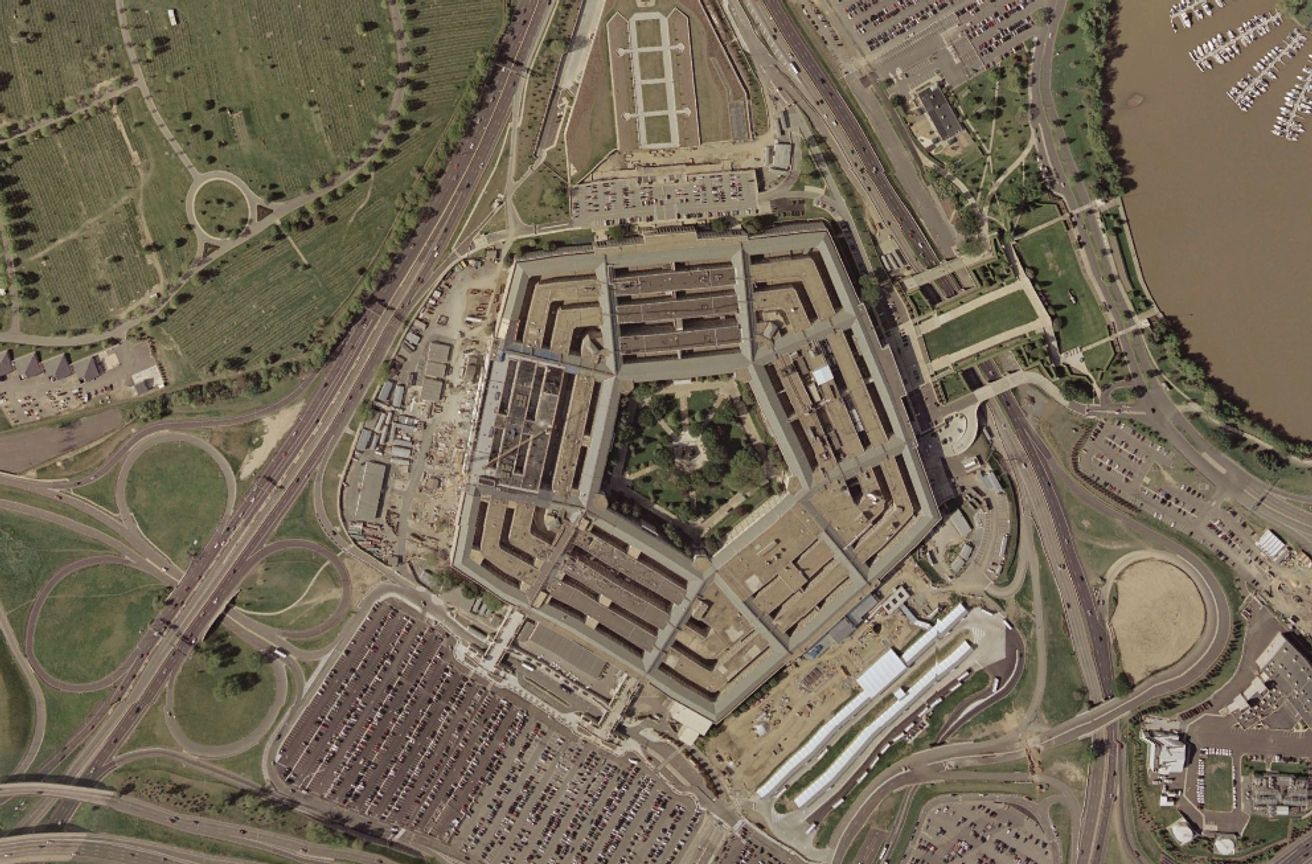
Firing the Newsroom: Stars and Stripes, the First Amendment, and Congress’s Job
When the Pentagon fires the top leaders of a newspaper that exists to serve American service members, it is tempting to reach for a single tidy headline: censorship . But the harder question is the constitutional one. What does the First Amendment actually protect inside a newsroom where the...
Read more →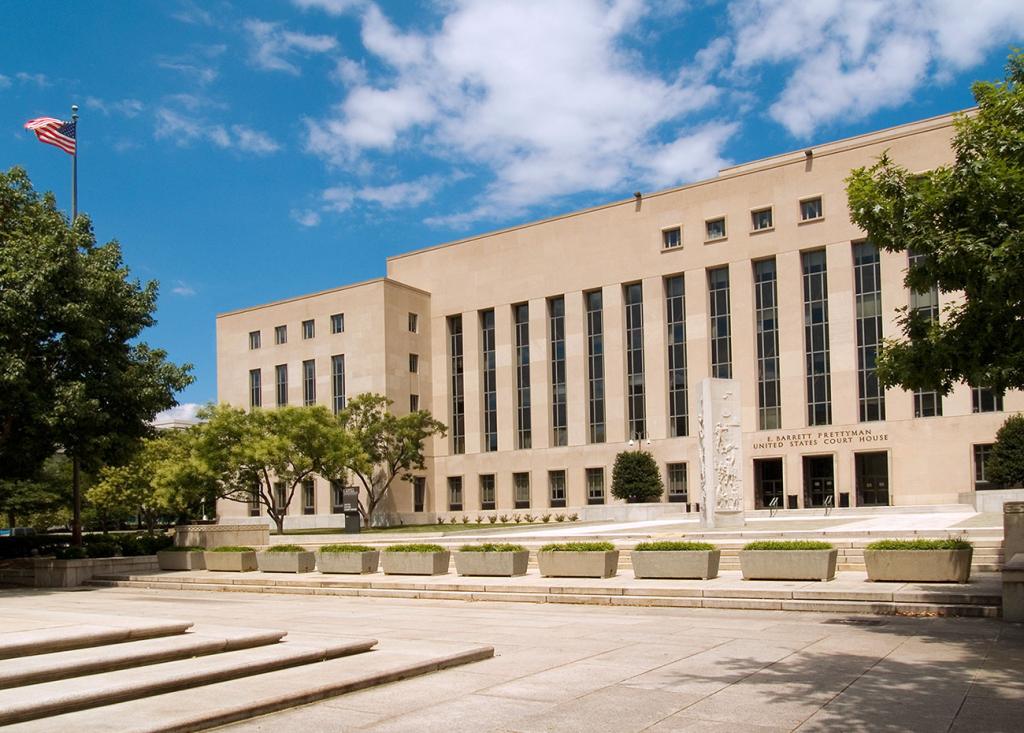
Can the Secretary of State Freeze Visas?
The U.S. Constitution does not mention the terms visa or immigration ban explicitly. But it does build a system where major government actions need a lawful source of power: Congress writes statutes, the executive branch administers and enforces them (including through regulations when Congress...
Read more →
Can a President Waive Beef Tariffs?
You can feel the constitutional tension in a sentence like this: the United States will allow up to 300,000 metric tons of ground-beef product to be imported for 90 days with “no out of quota tariff.” That is policy language. It is also power language. But unless you can point to the implementing...
Read more →
What Is ICE’s VOICE Office?
When a story about immigration enforcement goes viral, a particular acronym tends to surface alongside the anger and grief: VOICE . It sounds like a hotline. It sounds like a task force. It sounds like a promise. In reality, ICE’s VOICE office was something more specific and more bureaucratic: a...
Read more →
Can Congress Subpoena Nonprofits?
When a nonprofit calls a congressional subpoena a “witch hunt,” it is invoking a very old American fear: that oversight can slide into punishment. The Constitution sits in the middle of that tension. Congress has real power to investigate and demand records. Nonprofits, in turn, can argue they have...
Read more →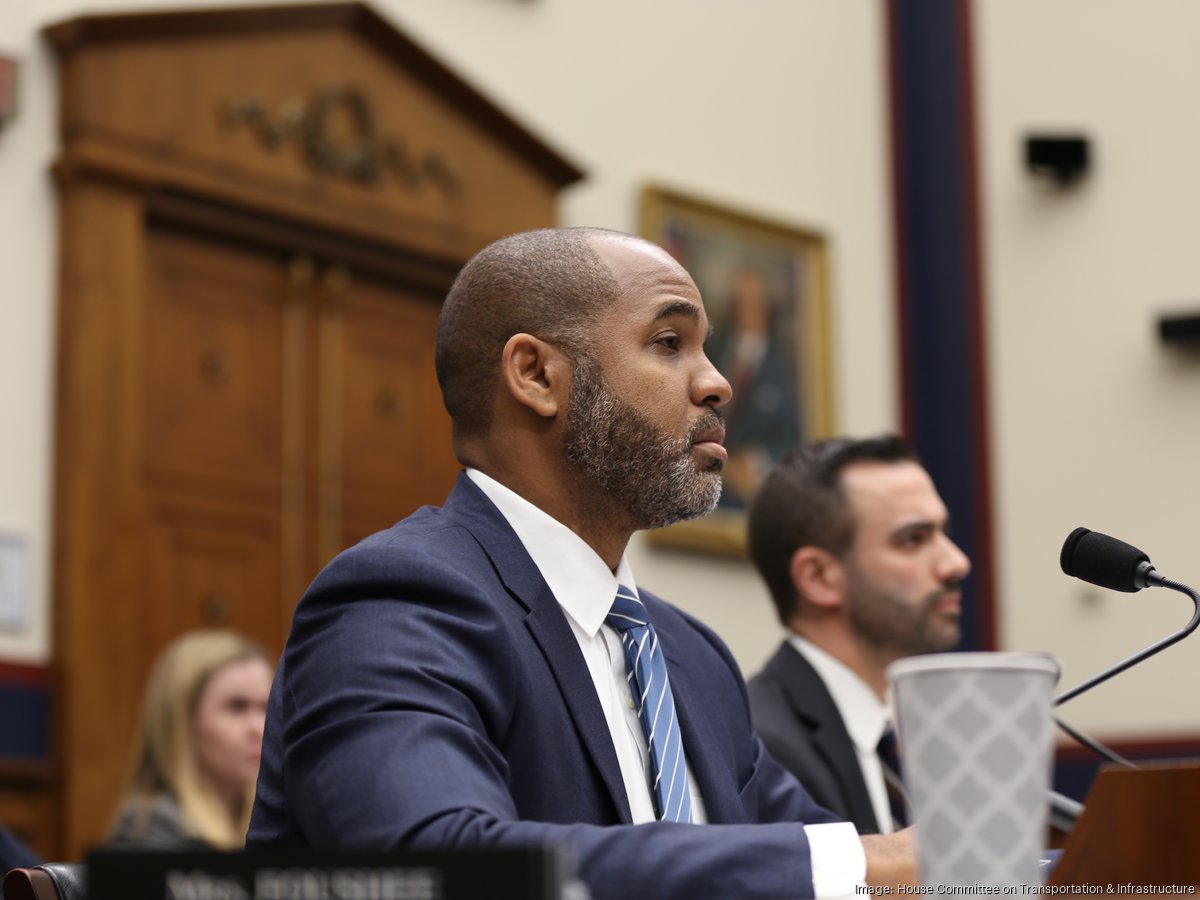
Who Controls Federal Courthouses?
Federal judges do not just decide cases. They also have to answer questions like whether a courtroom is secure enough to try a terrorism case, whether a leaky roof can wait until next term, and whether a courthouse can keep functioning when HVAC systems fail in July. That is why a flare-up between...
Read more →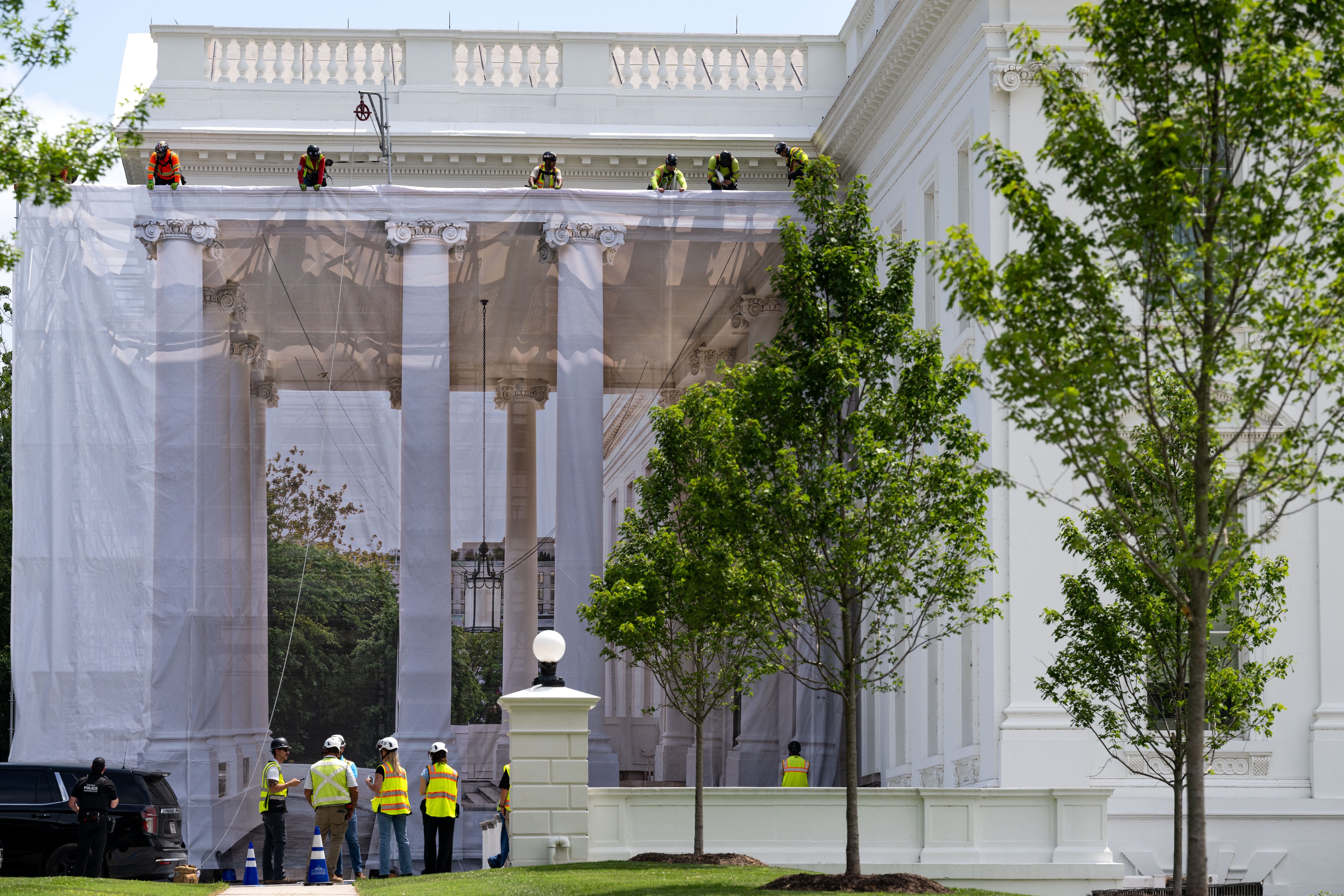
Why White House Construction Can Be Blocked
When headlines say “White House construction is blocked,” it sounds like a simple clash of wills: the President wants to build, a judge says stop. But constitutionally, it is almost never that clean. The White House is the President’s home and the seat of executive power. It is also federal...
Read more →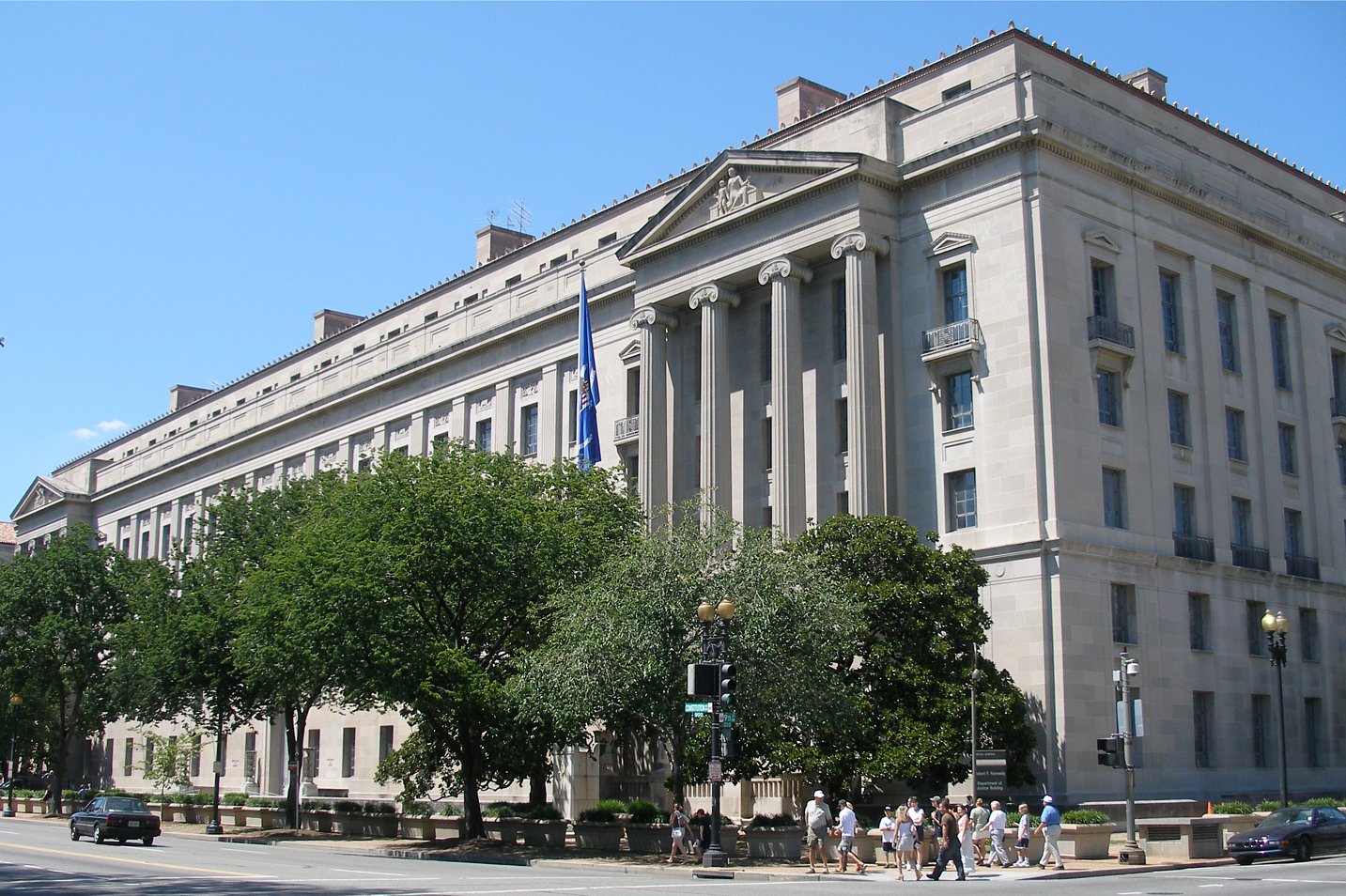
Can Non-Citizens Vote in Federal Elections? DOJ Charges Explained
Every election year brings the same basic question back into the public debate: can non-citizens vote in federal elections? Sometimes the question is prompted by a specific prosecution. If you are reading this because of a headline about an alleged non-citizen voting and using someone else’s...
Read more →
Trump’s “Economic D-Day” Against Iran: What a President Can Really Do
When President Donald Trump declared an “Economic D-Day” against Iran on August 19–20, 2026, the phrase sounded like a single, dramatic button the White House can push: one day, one order, one unprecedented economic siege. That is not how sanctions work in American law. “Economic D-Day” is...
Read more →
Who Controls Federal Buildings? Why a Judge Blocked the FBI Headquarters Move
It feels like a simple question: if the FBI is an executive branch agency, why can a federal judge block where it puts its headquarters? Because in Washington, “where an agency sits” is rarely just an internal office decision. Federal buildings are not personal property of a president or an agency....
Read more →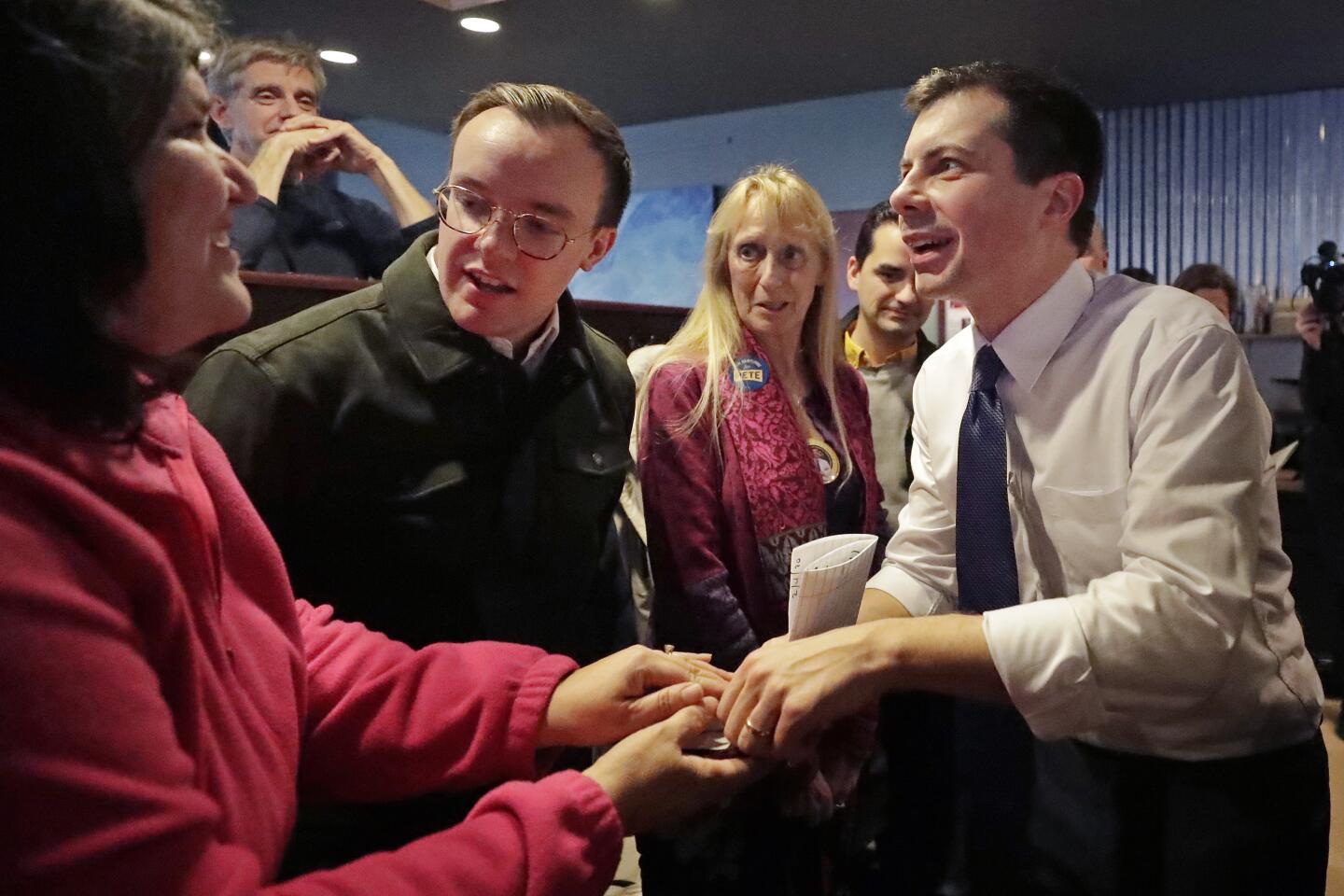
Hegseth in Iowa and the ‘Personal Capacity’ Claim
You can tell how fraught the line between “government” and “campaign” can be by a phrase that keeps appearing in press guidance and official disclaimers: personal capacity . You see it most often when a senior executive official makes a high-visibility public stop that looks, to many observers,...
Read more →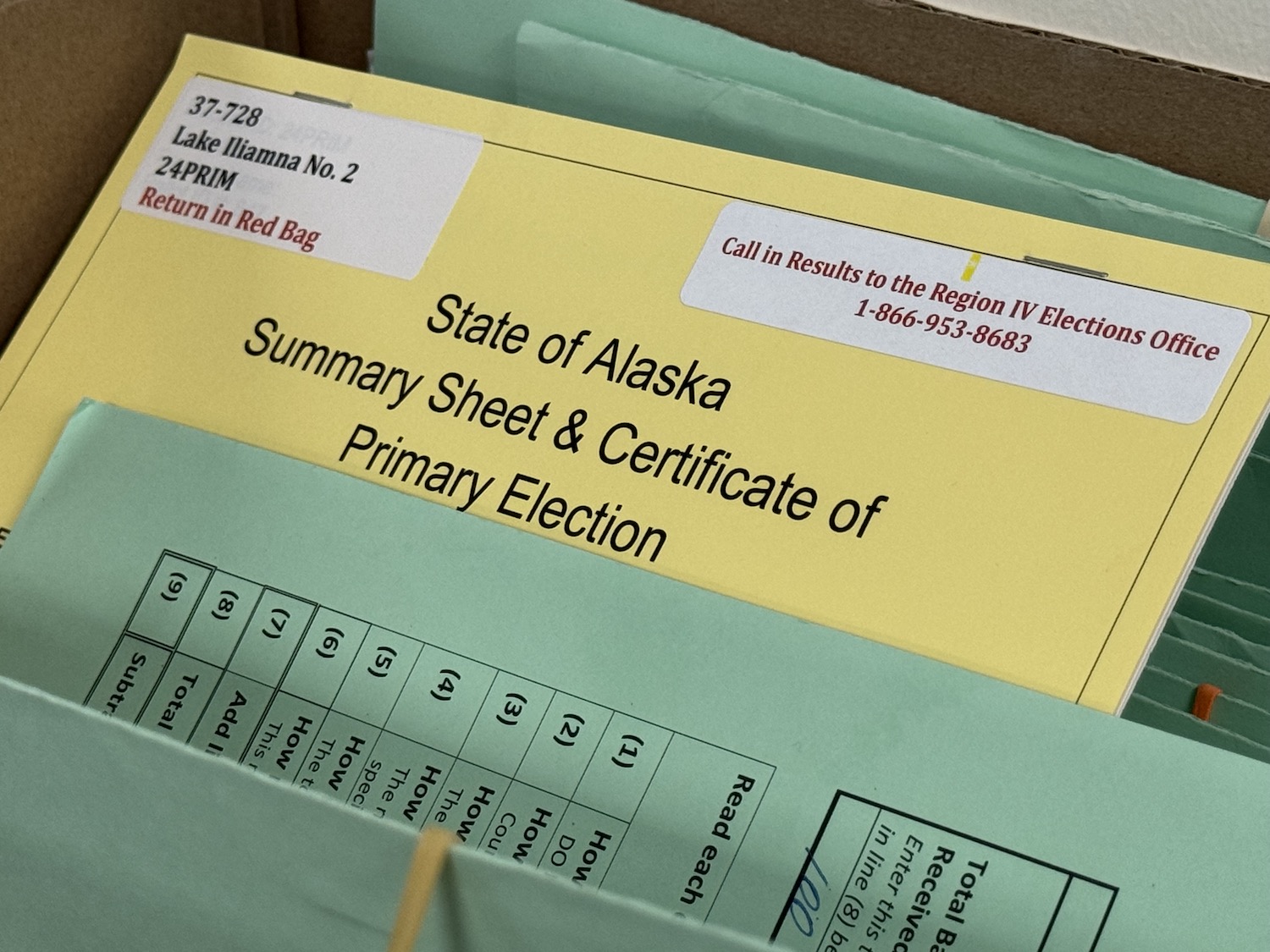
Can a Candidate Run Under the Same Name as an Incumbent? Alaska Ballot Rules Explained
Ballots are not meant to verify anyone’s identity. They are administrative tools, designed to record votes and present eligible candidates in a standardized way. That is why the question at the center of recent Alaska conversation is both simpler and messier than it sounds: Can someone run under...
Read more →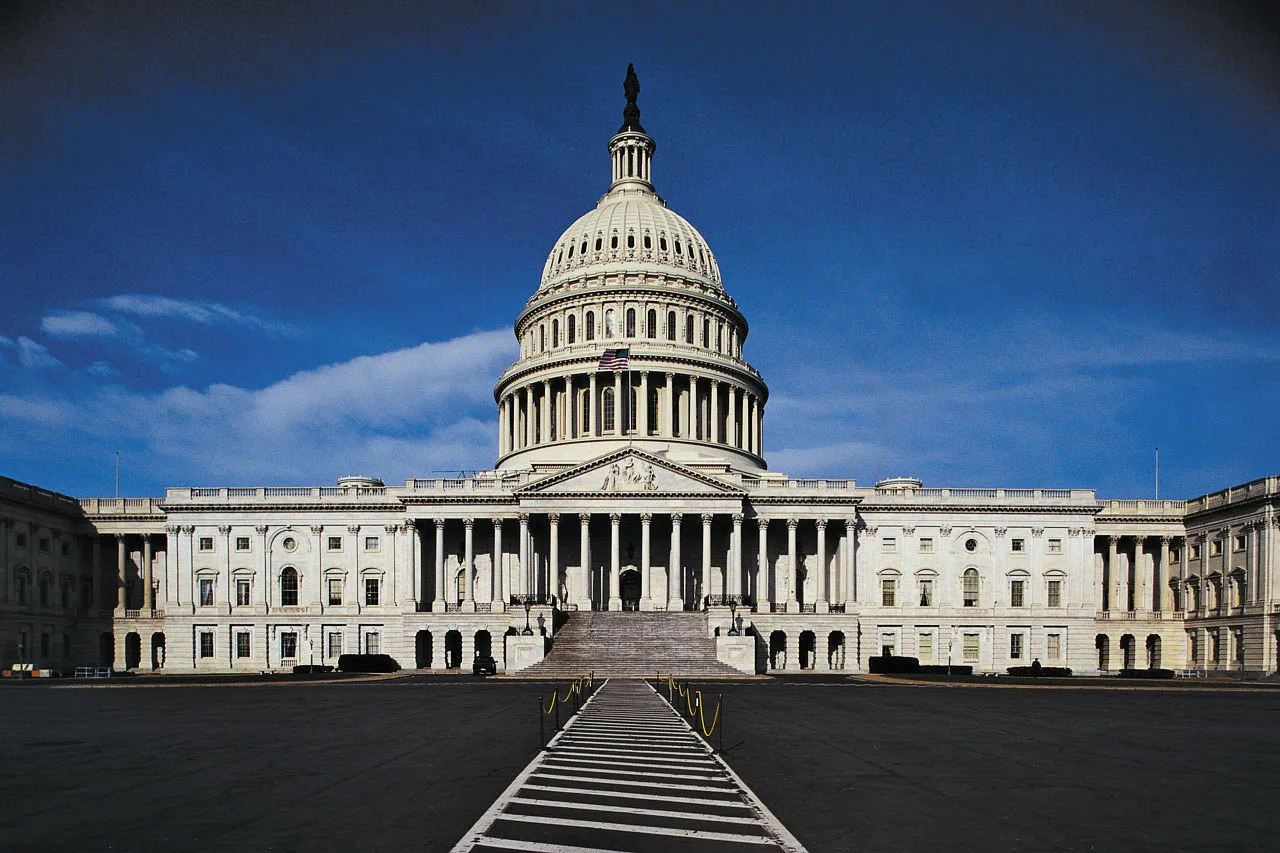
Does Federal Law Require Photo ID to Vote?
You can vote in the United States without showing a photo ID in many places, and that is not a “loophole” in federal law in the sense people usually mean. What it reflects is the absence of a single nationwide photo-ID mandate. American elections are primarily run by states, and Congress only...
Read more →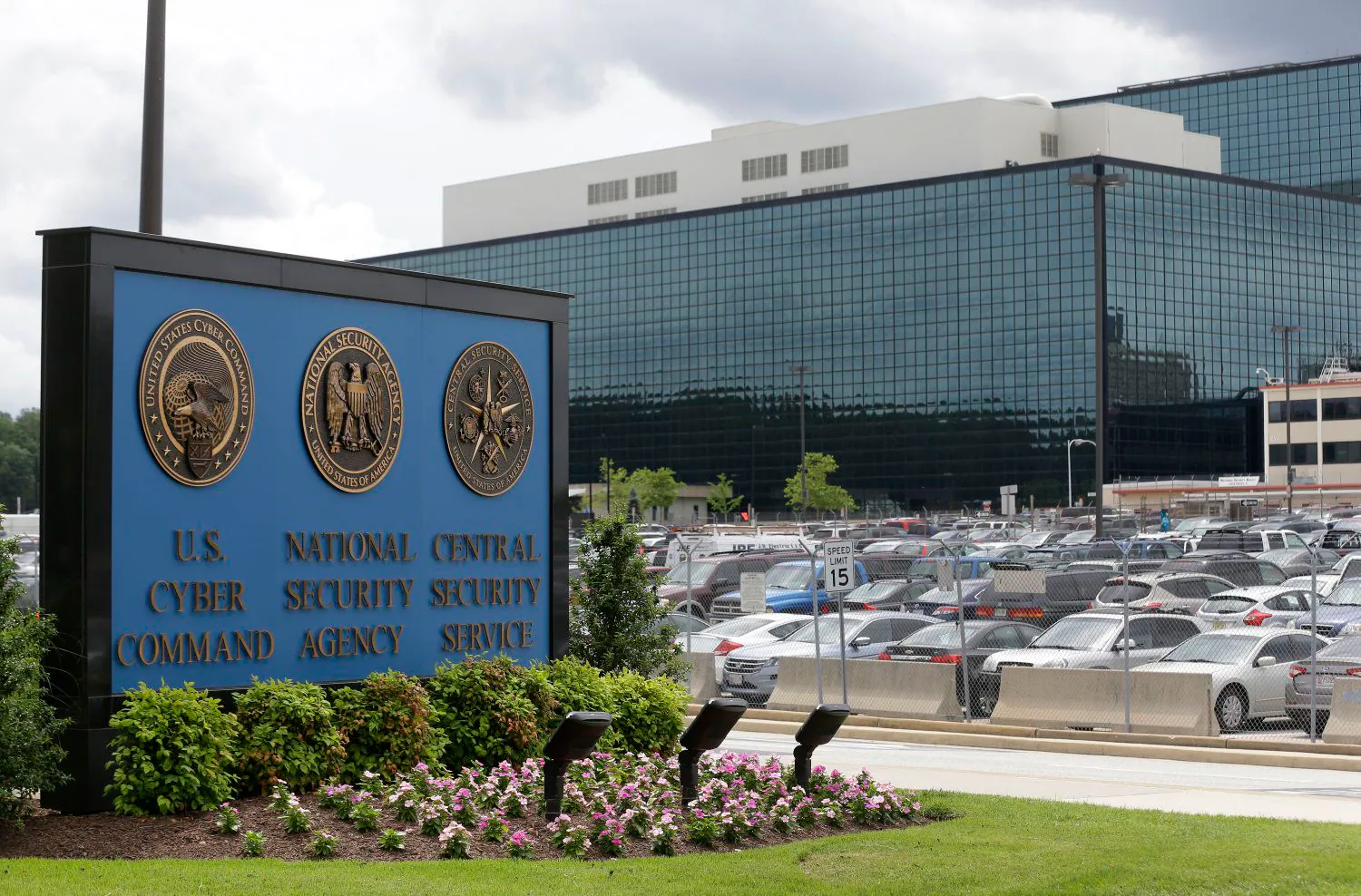
Can the NSA Withhold Election Threat Intelligence?
When a story breaks claiming the National Security Agency held back or delayed election threat reporting, the instinct is to treat it as a spy-thriller plot twist. But the real question is more constitutional than cinematic. In a system built on separation of powers, intelligence is not just...
Read more →