
When Congress misses a funding deadline, the public tends to talk about a “shutdown” like it is a switch someone flips in a back room. But inside the executive branch, it is more like a legal tripwire. When appropriations lapse for a given account, a statute with 19th-century origins called the Antideficiency Act can turn ordinary government operations into potential violations of federal law.
That is why agencies start using words that sound managerial but are actually legal categories. Obligations. Apportionments. Excepted activities. And the one everyone feels immediately: furloughs.
Join the Discussion
What the Antideficiency Act prohibits
The Antideficiency Act is less about austerity than about constitutional wiring. Article I gives Congress the power of the purse, and the Act enforces that separation by making it unlawful for federal officials to treat government money like a flexible credit line.
No spending beyond what Congress provided
At its core, the Act bars federal agencies from:
- Making or authorizing an expenditure or obligation that exceeds the amount available in an appropriation or fund.
- Involving the government in a contract or obligation for payment of money before an appropriation is made, unless another law specifically authorizes it.
That second prohibition is the shutdown engine. It means an agency cannot keep operating on the assumption that Congress will “eventually” pass a bill. If the money is not legally available, the government generally cannot promise to pay for work today.
Apportionments are legal guardrails too
Even when money exists on paper, agencies are still constrained by apportionment, the process that controls how much budget authority can be obligated over time. It is part of the same Antideficiency Act framework: do not obligate funds faster than the law allows.
No accepting voluntary services
The Antideficiency Act also generally prohibits agencies from accepting voluntary services, or employing personal services beyond what is authorized by law, except for emergencies involving the safety of human life or the protection of property.
This is one of the most counterintuitive parts. If an appropriations lapse occurs, an employee cannot simply say, “I will work for free until Congress fixes it.” The law is designed to prevent exactly that kind of informal workaround because it creates political and moral pressure to pay later, which effectively turns “volunteer” labor into an unauthorized obligation.
In other words, the Antideficiency Act is trying to stop the executive branch from doing an end run around Congress with promises, even well-intentioned ones.
Shutdowns are appropriations lapses
A shutdown is what we call the public-facing consequences of a legal condition: an appropriations lapse. If an agency does not have enacted budget authority available for a particular activity, it has to stop most activities because continuing them would require obligations or services that trigger Antideficiency Act restrictions.
This is also why shutdowns look different across agencies. Some have funding that is not annual, some have fee authority, some have carryover balances, and some programs have permanent appropriations. The Antideficiency Act does not “shut down the government.” It forces each agency to ask a narrower question: Do we currently have legal authority to obligate funds for this activity?
It is also why shutdowns do not begin as a single synchronized event across all of government. Many accounts never lapse. Others do. Agencies have to sort that out fast.

How continuing resolutions fit
A continuing resolution, usually called a CR, is Congress’s way of saying: “The regular appropriations bills are not done, but you may keep operating for now under temporary terms.”
Legally, a CR matters because it creates appropriations. That is the key word. If a CR is enacted before the deadline, there is no lapse for covered accounts. Agencies can continue to obligate funds, pay employees, and sign contracts within the limits set by the CR.
CRs are not blank checks
CRs often fund programs at a prior year rate and may include anomalies or restrictions. Agencies can be funded but still constrained. That is a different kind of problem, but it is not the Antideficiency Act crisis mode that accompanies a lapse.
When the CR expires, the clock matters again
If a CR expires without a new appropriation, the legal authority it provided expires too. At that point, agencies have to reassess immediately. That is why you sometimes see shutdown planning surge right before a CR deadline. It is not theater. It is risk management under a statute that carries real administrative consequences and, in narrow cases, criminal penalties for knowing and willful violations.
Why furloughs happen fast
The public often imagines that the government could keep everyone on the job while waiting for Congress to act, and just “pay them later.” The Antideficiency Act is built to prevent that exact behavior.
When an employee works, the government incurs an obligation: the obligation to compensate that employee. If appropriations are not available for that work, allowing non-excepted employees to keep working can create an unlawful obligation in advance of an appropriation.
So agencies furlough not because they want leverage, but because continuing normal operations can become a legal violation. The simplest compliance tool is to stop the work that would create the obligation.
Back pay is now guaranteed
After recent shutdowns, Congress made back pay explicit. Under the Government Employee Fair Treatment Act of 2019, back pay is guaranteed for covered federal employees who are furloughed or required to work as excepted employees during a lapse in appropriations. That protects employees from being used as collateral in a funding standoff, but it does not change the legal problem managers face during the lapse itself. The question remains: Do we have authority right now to incur this obligation?
“Essential” really means “excepted”
Shutdown coverage often uses the word “essential,” but inside agencies the sharper legal term is usually excepted. During a lapse, agencies identify which activities may continue because they fall into recognized exceptions under the Antideficiency Act or are supported by other funding.
This is where the language can mislead. “Essential” sounds like a value judgment about how important a job is. But the shutdown categories are more technical than moral.
Why work can be excepted
- Emergency protection of human life or property, within the statute’s narrow meaning.
- Activities funded by a source not affected by the lapse, such as certain fee-funded operations or multi-year appropriations that remain available.
- Functions necessary to support excepted work, where stopping support would make the excepted activity impossible.
Even the “life and property” exception has guardrails. It is not “important work” or “work people will miss.” The closer standard is whether there is a reasonable likelihood of danger to human life or the protection of property if the activity is delayed.
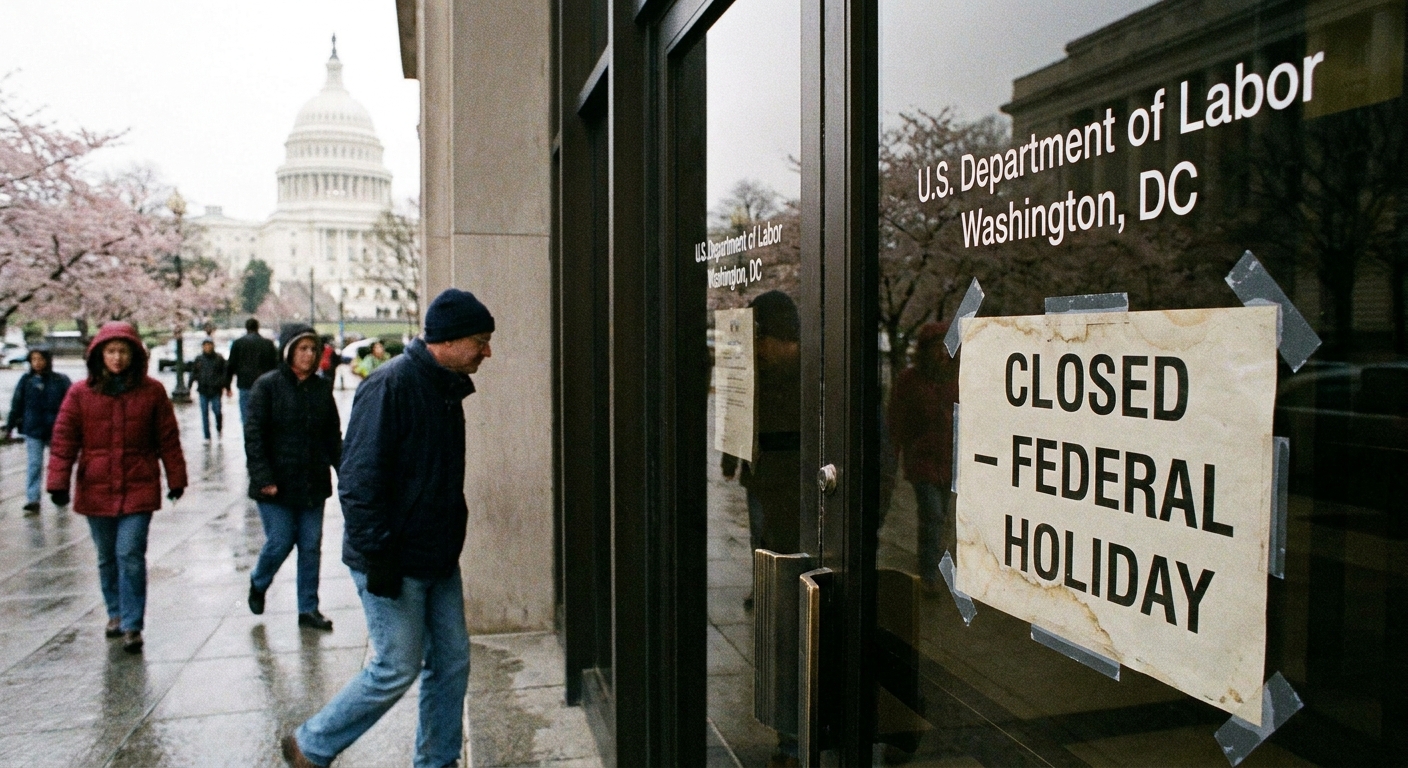
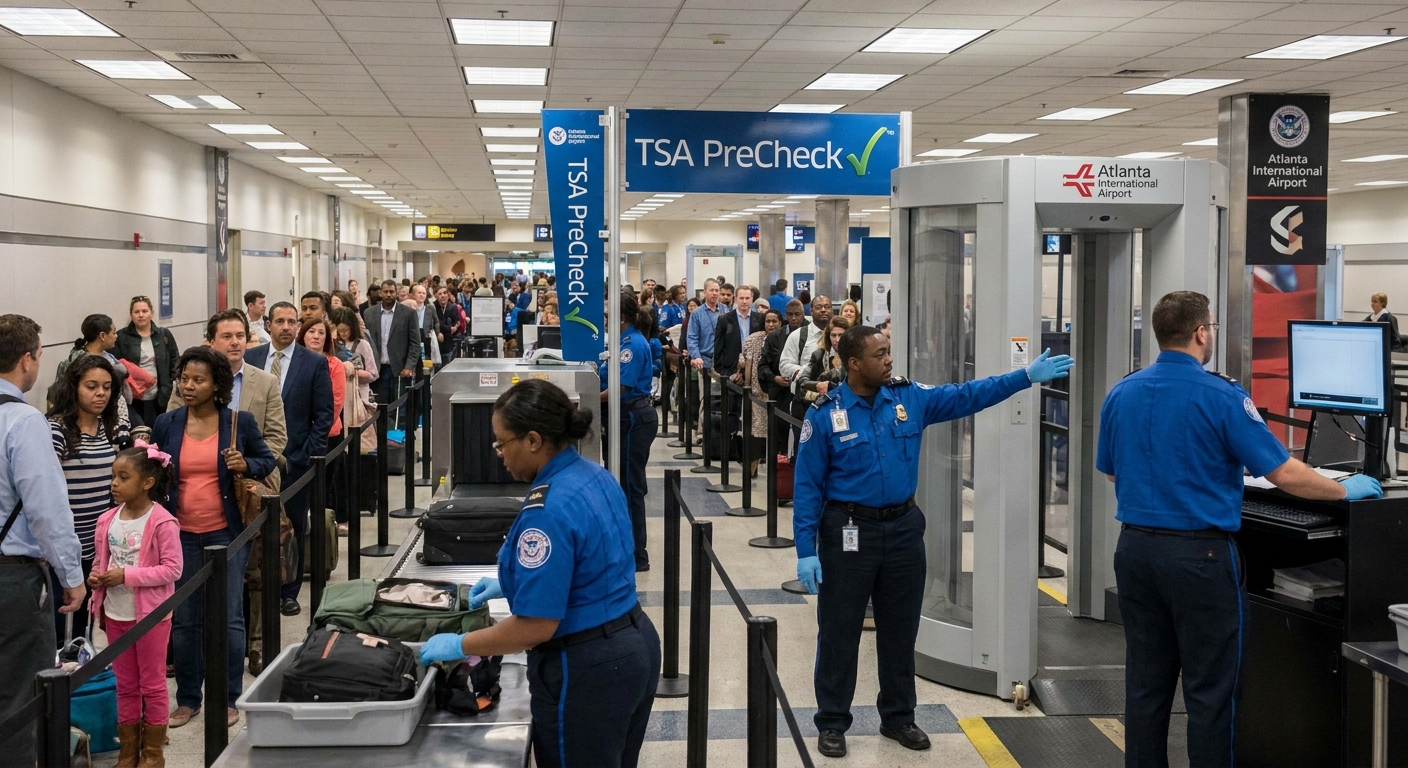
That is why a shutdown can feel arbitrary from the outside. Air traffic control continues because it fits the exception. Many national park services close because staffing them is not automatically justified under that standard, even if the closures are disruptive.
Why agencies cannot work now and fix it later
The Antideficiency Act has teeth. Violations can trigger administrative discipline and reporting obligations, and in certain circumstances criminal penalties. But even when criminal enforcement is rare, the compliance culture is real. Federal managers are trained not to create unauthorized obligations because that is exactly the kind of executive discretion Congress has historically tried to contain.
Letting employees “volunteer” during a lapse is also not the simple solution it seems to be. If agencies normalize unpaid labor in a shutdown, two things happen:
- Congress’s leverage shifts, because the pain of a lapse is masked.
- Employees bear the burden, because the government is implicitly relying on private sacrifice to sustain public operations.
The Act rejects that system by design. It forces a clean question: is the program funded, and if not, is there a lawful exception that allows it to continue?
The role of OMB in shutdown planning
Another part of the machinery is the Office of Management and Budget (OMB). OMB issues guidance, directs agencies to prepare contingency plans, and reviews how agencies apply the excepted/non-excepted framework. Agencies write their plans, but they do not do it in a vacuum. They do it within an OMB-directed structure meant to keep the government’s legal posture consistent across the executive branch.
Those plans also explain a practical reality that the word “shutdown” can hide: agencies are typically allowed to perform limited orderly shutdown activities for a short period, such as notifying employees and contractors, securing files and facilities, and protecting property, so that stopping work does not itself create new risks.
The constitutional principle inside the statute
Shutdowns feel chaotic because they collide with a modern assumption: that government is a continuous service provider. The Antideficiency Act is built on an older assumption: that the executive branch is not allowed to commit the nation’s resources without Congress’s consent.
If that sounds abstract, translate it into the daily mechanics of a shutdown. Furloughs, halted contracts, paused grants, closed offices, and limited customer service are not merely consequences of political stalemate. They are the enforcement mechanism of the separation of powers.
Congress does not just decide how much government costs. Through appropriations, it decides what the executive branch is allowed to do in the first place.
What to watch in the next lapse
If you want to understand what is happening during a lapse without replaying the same shutdown timeline, watch for the details that reflect Antideficiency Act compliance.
- Agency contingency plans: They reveal what work is treated as excepted and why, often reflecting OMB direction.
- Contracting pauses: New obligations are the first legal pressure point.
- Who is required to report: Reporting does not always mean “essential” in the everyday sense. It often means “authorized to work without current appropriations.”
- Refunds and fees: Some functions continue because they are funded differently, not because they are more important.
The headline will still say “shutdown.” The real story underneath is simpler and stricter: without current budget authority for a given activity, most federal work is not just unfunded. It is unlawful to continue.