
Constitutional Topics
Browse articles in Constitutional Topics on U.S. Constitution
New U.S. Immigration Rules Explained
Immigration policy in the United States can feel like it changes overnight. One week it is a new “rule.” The next it is a new “guidance.” Then a court blocks something, a new administration reverses it, and everyone asks the same question: did the law actually change? Sometimes it did. Often it did...
Read more →
Can Courts Keep Rebuking ICE Detentions?
Here is the civics question nobody wants to answer out loud: if the government can lock you up first and explain itself later, what exactly is left of due process? Immigration detention sits in the uncomfortable seam between two ideas Americans hold at once. First, that the federal government...
Read more →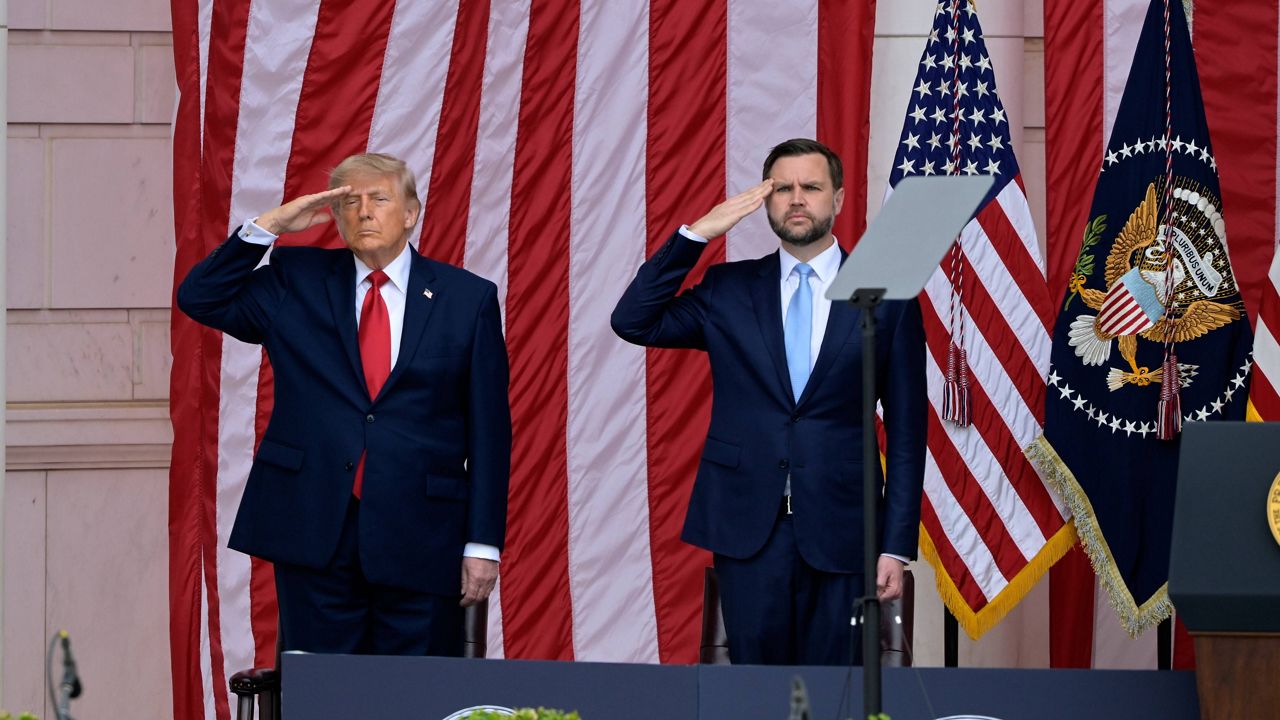
Trump’s Iran Posts and the Constitution’s War Powers Line
Over Memorial Day weekend, President Donald Trump posted a series of rapid, sometimes conflicting messages about negotiations with Iran. At one moment, he suggested a peace deal was essentially in hand. Less than 24 hours later , he tempered that assessment. By the end of the holiday, he floated a...
Read more →
Can a City Compel Counselors to Counsel Same-Sex Married Couples?
There is a version of this question that sounds simple. If you open a business to the public, you serve the public. End of story. And then there is the constitutional version, where “service” is not just selling a product but speaking, listening, advising, affirming, challenging, and guiding. In...
Read more →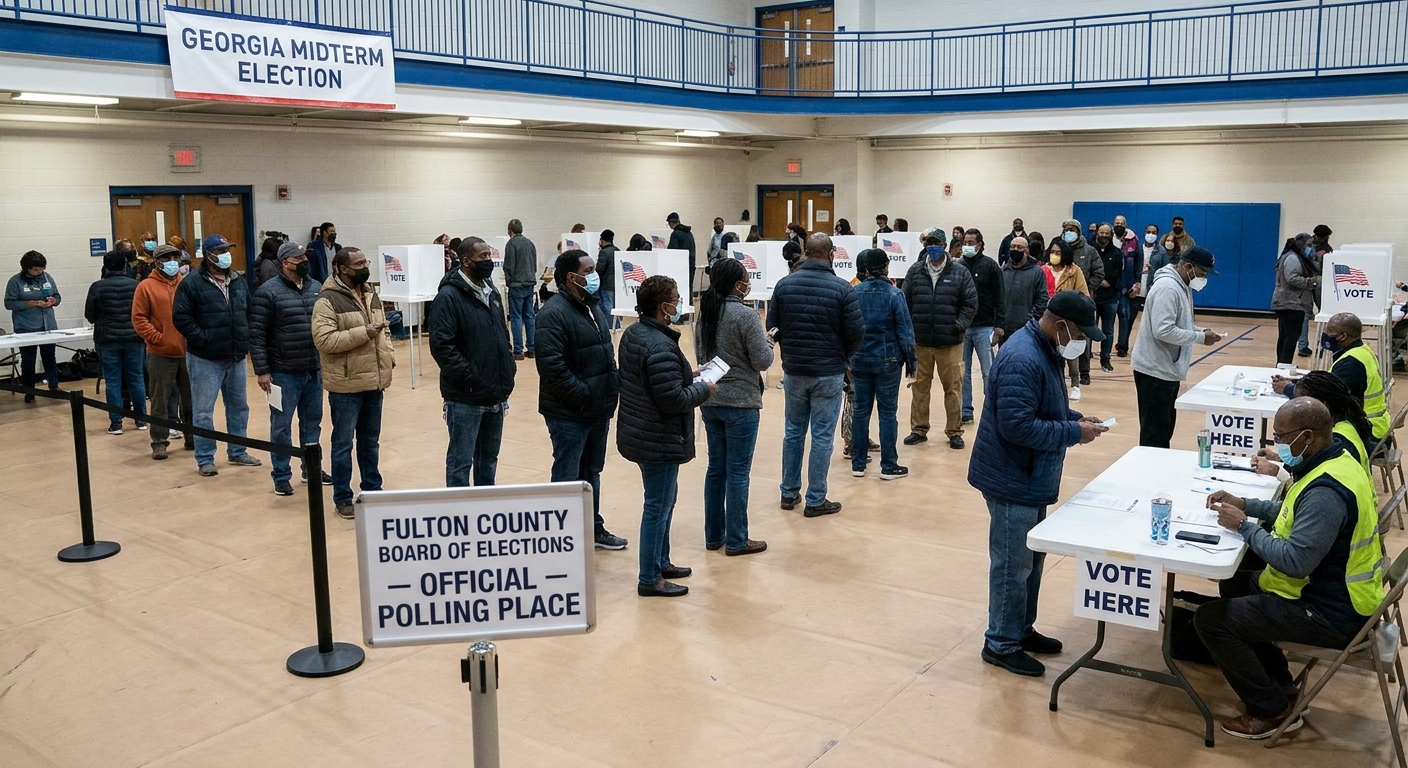
What Are US Midterm Elections?
Midterm elections are the federal election cycle held two years into a president’s four-year term. They are not a “midterm test” in any legal sense, but politically they often function like one because voters decide whether the president’s party will keep or lose power in Congress. Here is the...
Read more →
Who’s Paying for the Ads You Hate?
Try a simple civics exercise the next time your screen fills with a grim-faced attack ad: pause and ask, who paid for that ? In theory, that question is easy. In practice, modern campaign finance has turned it into a scavenger hunt with missing pieces, false leads, and a clock that runs out before...
Read more →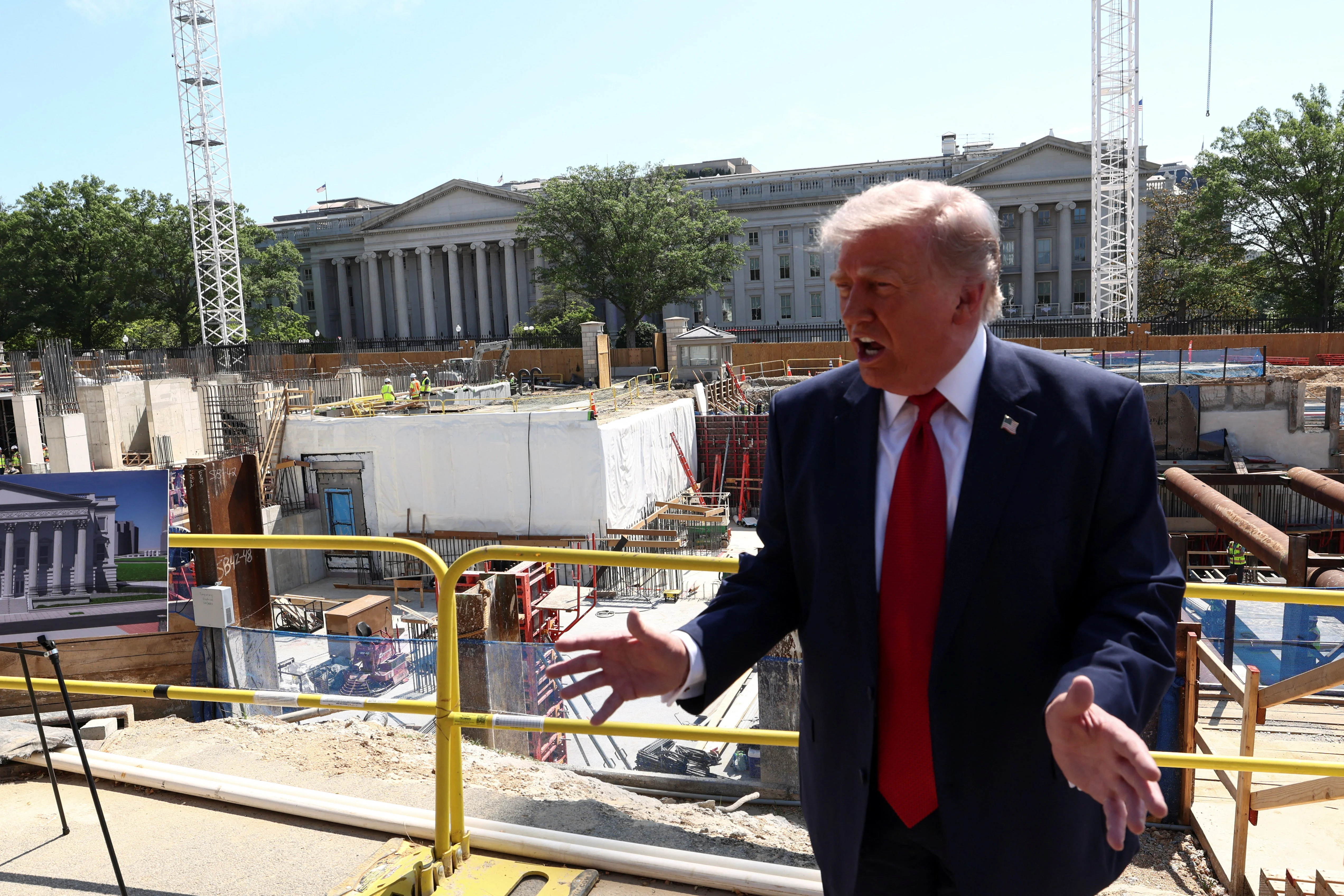
Trump’s ‘Anti-Weaponization’ Fund: Constitutional Fix or New Problem?
A new Justice Department move is drawing intense criticism and, understandably, a lot of public confusion. The department has announced a $1.776 billion “anti-weaponization” fund meant to compensate people who say they are victims of “lawfare and weaponization” by the federal government. Vice...
Read more →
The Supreme Court’s Worst Decisions (and Why They Never Really Die)
We treat Supreme Court decisions like tombstones. Chiseled in stone. Final. Settled. But the Court’s worst moments do not stay buried. Even when a case is “overruled,” the reasoning that powered it can linger in the legal bloodstream, ready to reappear in a new body with a new name. So when we rank...
Read more →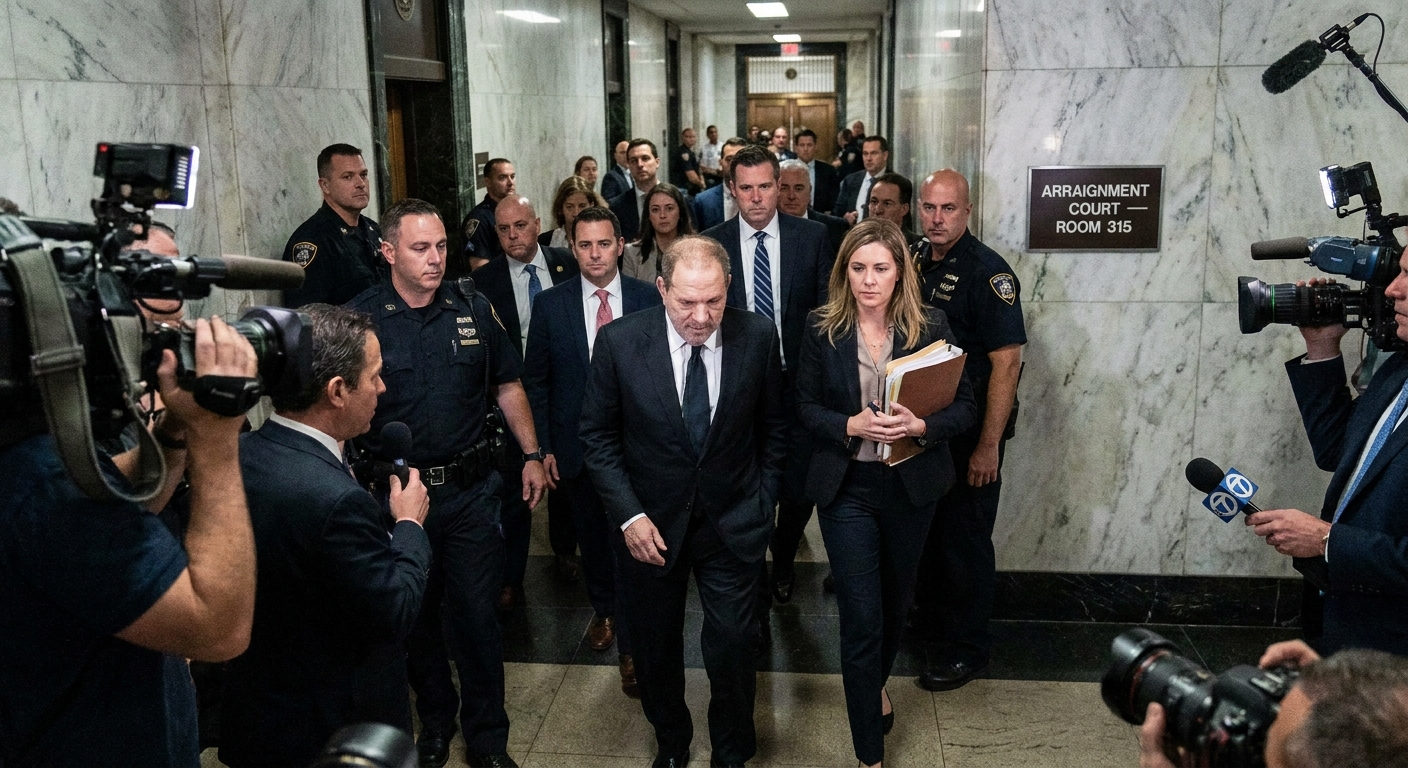
What Are RICO Charges?
When you hear that someone is facing “RICO charges,” it often sounds like a prosecutor just opened a trap door labeled organized crime and dropped the defendant through it. But RICO is not a magical super-crime. It is a statute, passed in 1970, that lets prosecutors connect the dots between...
Read more →
“Don’t Let Them Hide FOX News” and the First Amendment
You are on Fox News. The page dims. A centered popup takes over the screen in dark blue with Fox branding and a warning that sounds less like marketing and more like mobilization: “Don’t Let Them Hide FOX News.” Under it: “Take control of your search.” The call to action is specific. A graphic...
Read more →
When the Supreme Court Stops Deferring to Congress
One of the most important choices the Supreme Court makes is not just what the Constitution means, but how confident the Court must be before it invalidates a law passed by Congress. That choice has a name: judicial deference . Deference can sound like a dusty courtroom custom, but it is really a...
Read more →
Can SCOTUS Overturn the Federal Home Distilling Felony?
Here is the uncomfortable civics question hiding inside a very American hobby: can Congress turn what you do in your own kitchen into a federal felony, not because it is inherently harmful, but because it might make taxes harder to collect? For more than a century and a half, federal law has said...
Read more →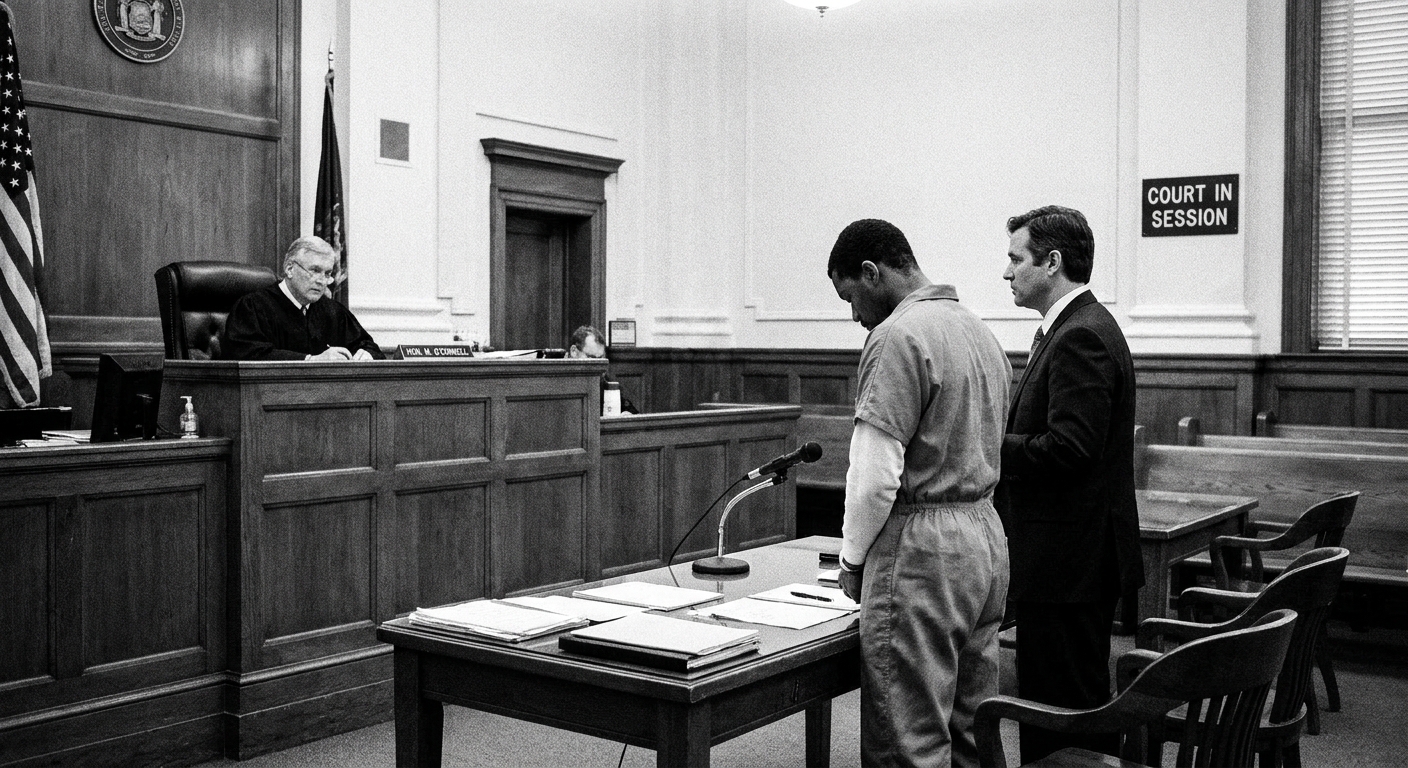
What Is an Arraignment Hearing?
You can feel the whole criminal justice system snap into focus at an arraignment. Until that moment, an arrest can feel like a blur of handcuffs, paperwork, and holding cells. An arraignment, or a closely related first appearance in some courts, is where the state has to say, out loud and on the...
Read more →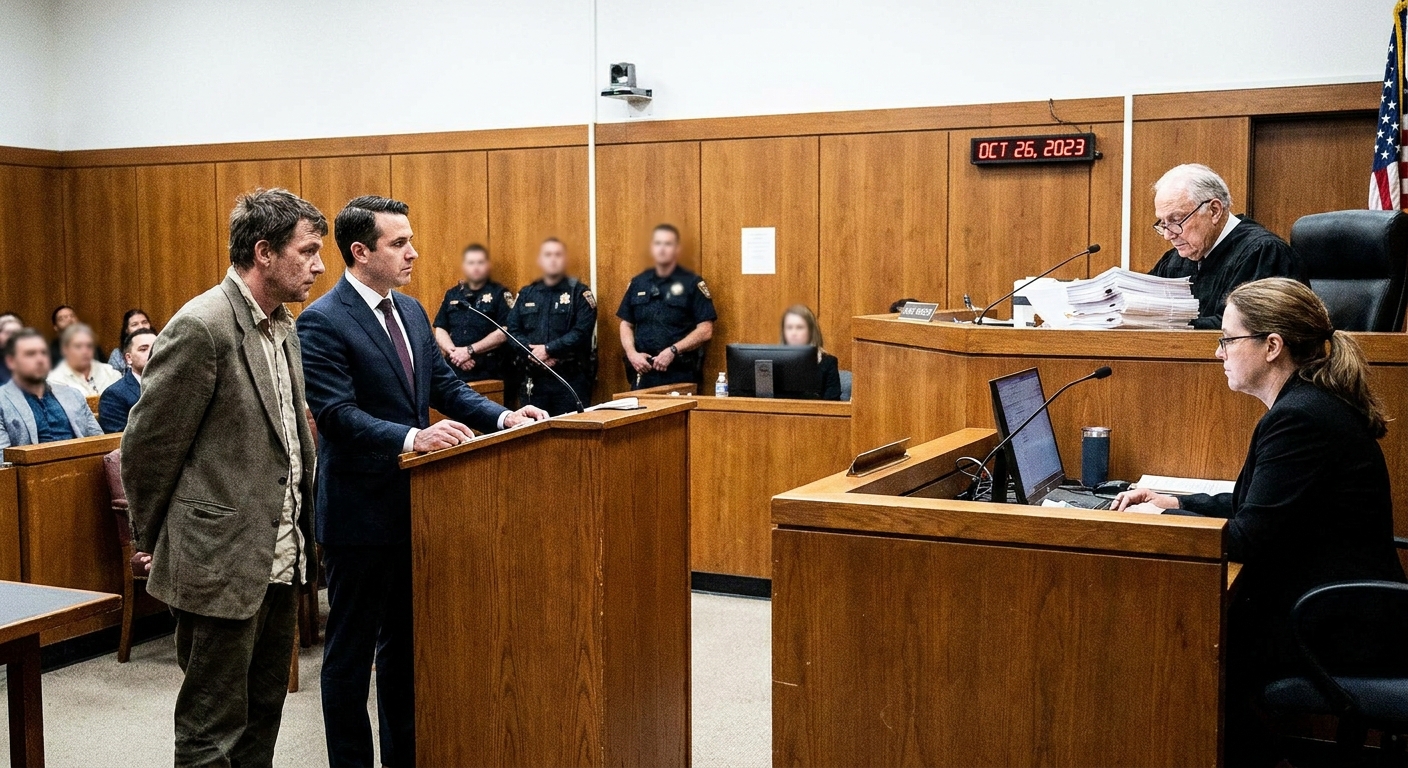
What Happens at an Arraignment
For many people, “arraignment” is a word they only hear on TV, usually shouted right before a dramatic plea. In real life, an arraignment is less theatrical and more structural. It is the court’s way of putting the case on the record: who you are, what you are charged with, what your rights are,...
Read more →
What Is Dark Money?
Dark money is political money with an identity problem. You can see the ad. You can hear the message. You can sometimes even guess who benefits. But the public cannot reliably see who paid for it , because the true donors are routed through organizations that are not required to disclose them. That...
Read more →
Visa Overstay and Unlawful Presence Explained
Most people use the phrase “overstayed my visa” like it is self-explanatory. It sounds like a single mistake with a single punishment. Immigration law does not work that cleanly. In everyday speech, “overstay” often means you stayed longer than you were supposed to. But the legally operative...
Read more →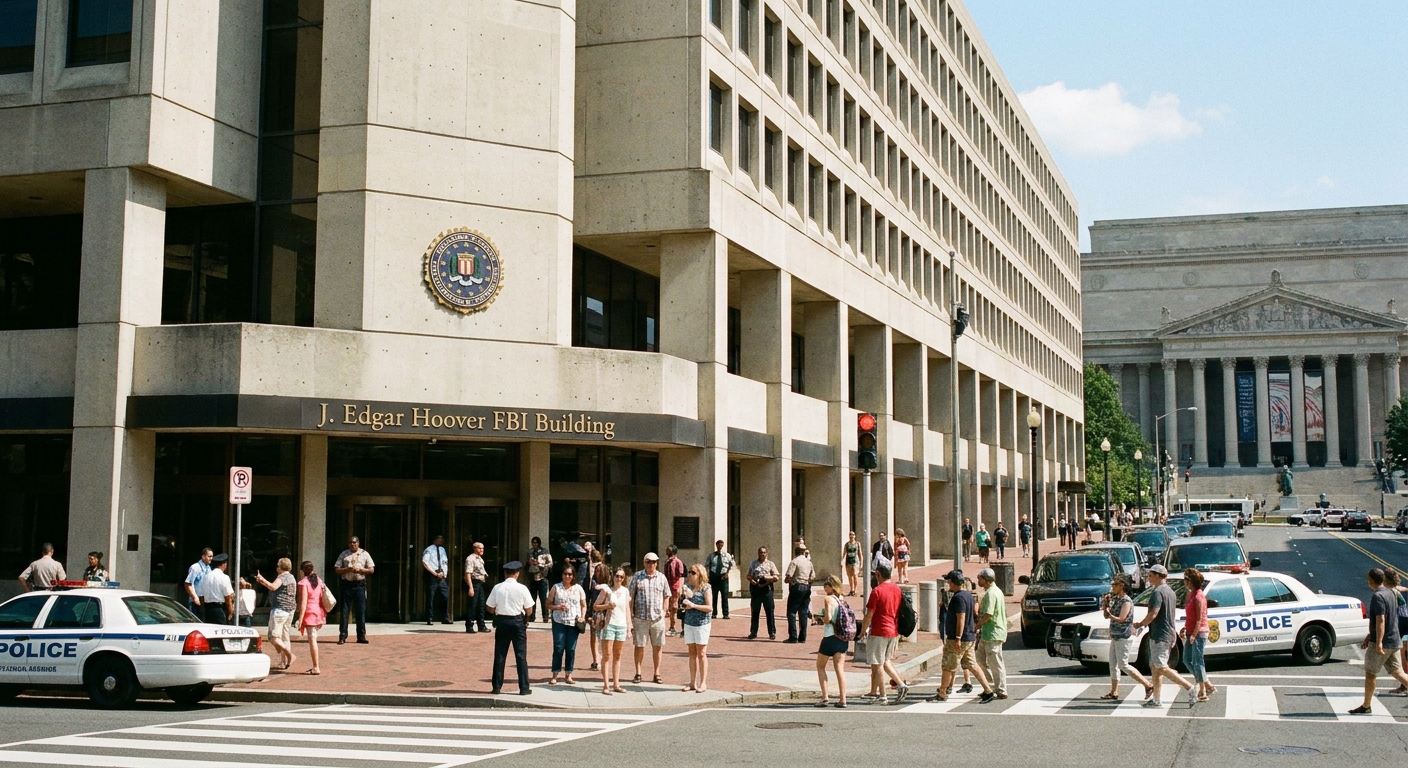
National Security Letters Explained
National Security Letters sound like something a judge signs in a hurry, under dim lights, with a national crisis ticking in the background. They are not that. A National Security Letter, or NSL, is an administrative demand issued by the FBI that compels a company to hand over certain categories of...
Read more →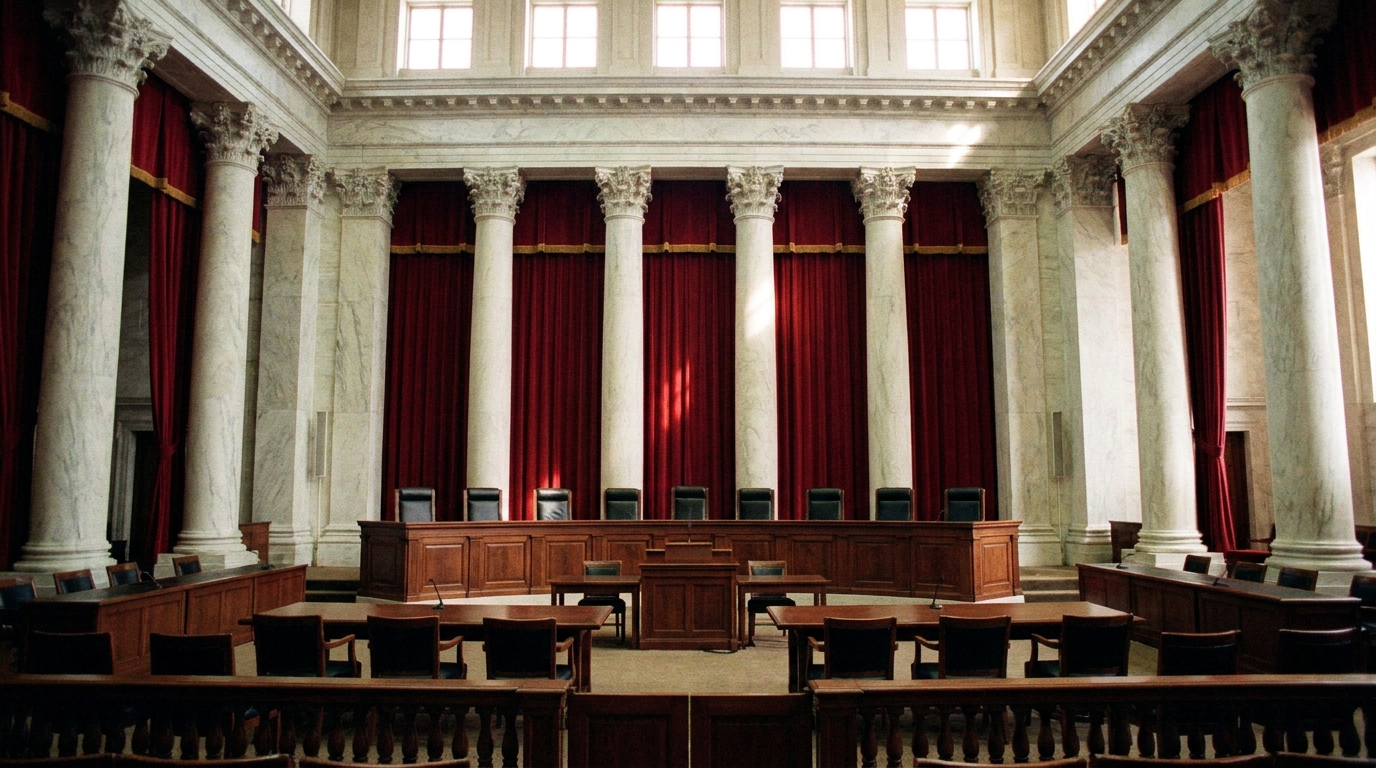
Removing Federal Judges: The Good Behavior Clause
You will sometimes hear it said that federal judges “can’t be fired.” That is true in the way a bank vault is “unopenable.” It does not open like an ordinary door, but the Constitution includes a mechanism. It is just intentionally difficult. The key phrase is in Article III : judges “shall hold...
Read more →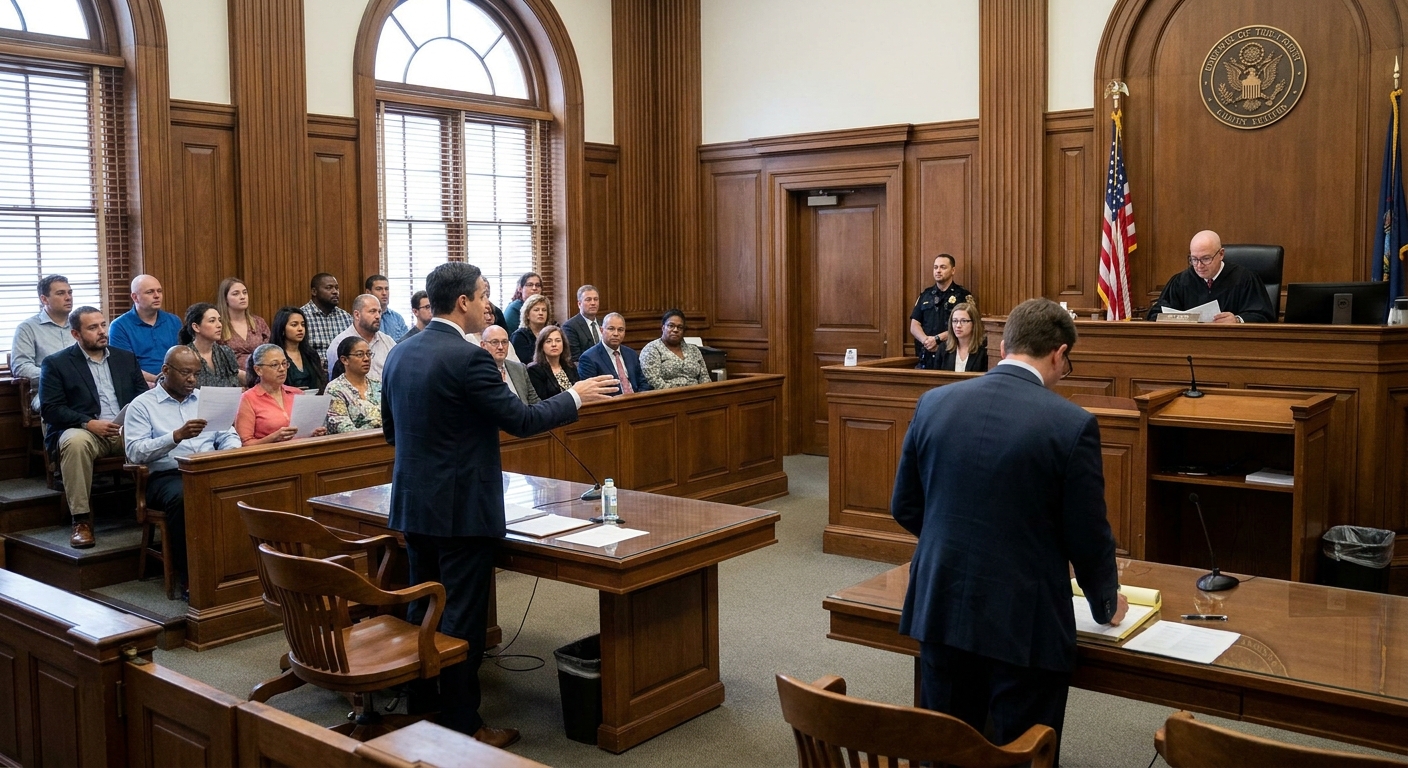
Batson Challenges and Peremptory Strikes
Jury selection is one of the few moments in American law where vibes can look like doctrine. In theory, a juror is removed for a clear reason: bias, a conflict of interest, an inability to follow the law. In practice, lawyers also get a limited number of “peremptory strikes,” which allow them to...
Read more →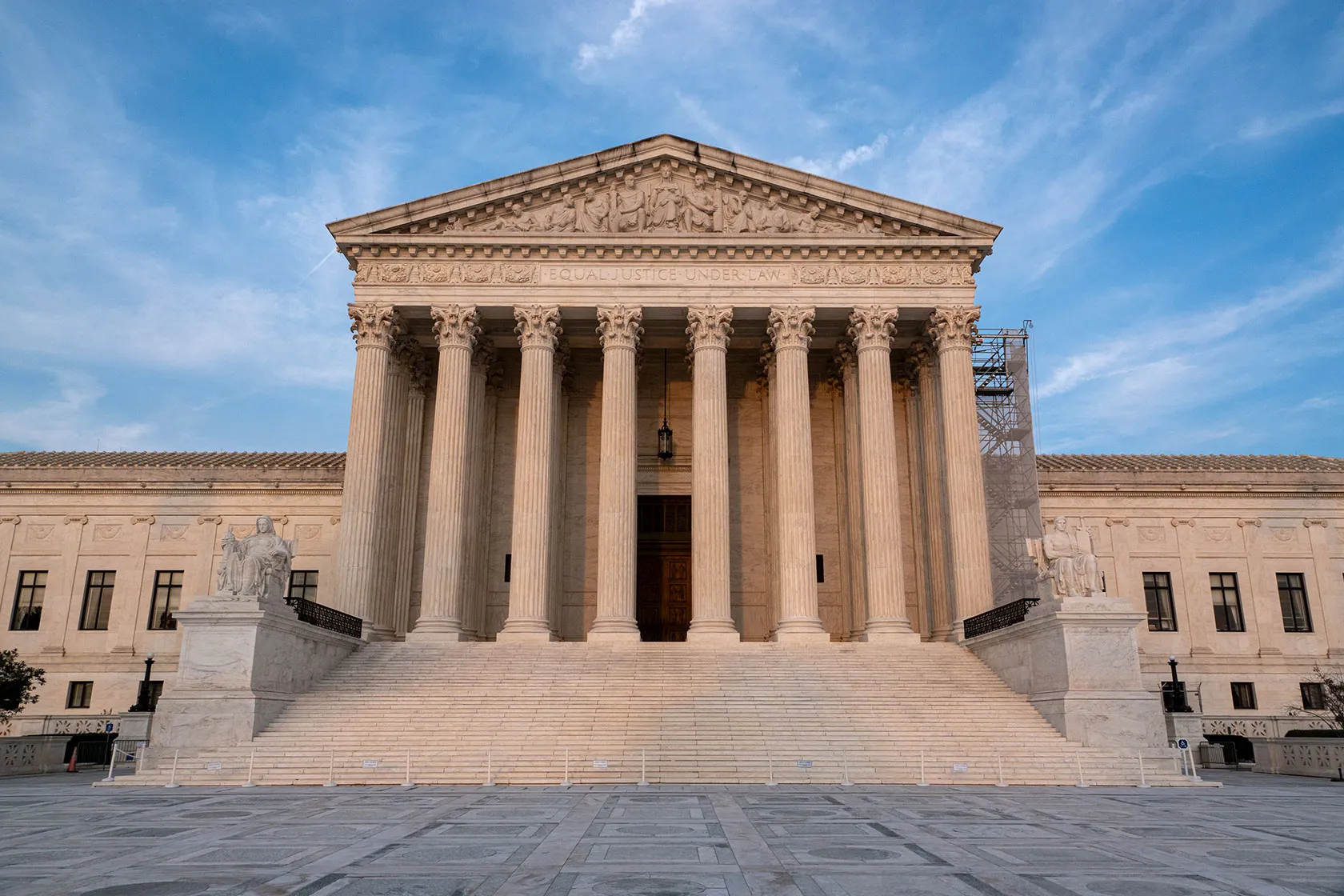
The Anti-Commandeering Doctrine
Federal law is “the supreme Law of the Land.” That line from the Supremacy Clause gets quoted like it settles every federalism fight on the spot. But supremacy has a boundary that shows up again and again in modern constitutional law: Congress can regulate private actors, but it cannot commandeer...
Read more →