
Most civics explanations start with a simple premise: the Constitution is the rulebook, and Americans get a standard set of rights plus a vote for the people who run the federal government.
That premise breaks the moment you step off the map of the fifty states.
About 3.5 million people (roughly 3.4 to 3.6 million, depending on the year and estimate) live in Puerto Rico, Guam, the U.S. Virgin Islands, the Commonwealth of the Northern Mariana Islands, and American Samoa under American sovereignty. Federal laws reach them. Federal courts have jurisdiction over many disputes involving them, though the court system is not identical in every territory. The U.S. flag flies over them. But citizenship, voting for president, representation in Congress, and even the way constitutional provisions apply can change depending on whether you live in a state, a territory, or a place the law treats as “unincorporated.”
This is the civics gap that keeps resurfacing every election cycle. People ask: Why can’t Puerto Rico vote for president? Why does Congress have the final say over local policy? Why are some rights treated as “fundamental” in territories and others treated as optional?
The answers are not intuitive. They are constitutional architecture, built mostly by Article IV, shaped by Congress, and reinforced by Supreme Court doctrine that still casts a long shadow today.

Join the Discussion
The constitutional hook: Article IV and Congress’s territory power
The Constitution does not contain a neat “Territories Chapter.” Instead, the main textual anchor is the Territory Clause in Article IV, Section 3, Clause 2:
“The Congress shall have Power to dispose of and make all needful Rules and Regulations respecting the Territory or other Property belonging to the United States.”
That single sentence does a lot of work. It is the reason Congress can create territorial governments, structure their courts, set the terms of their relationship to the federal government, and heavily influence the contours of local self-government. The mechanisms vary by territory and history, and in some places the executive branch has played a central role (especially through the Department of the Interior).
But it does not answer the harder question that people feel in their bones: Do constitutional rights follow the flag?
Sometimes yes. Sometimes not automatically. And that “sometimes” is where territorial status matters.
State, territory, and unincorporated: the status that changes the rules
States
States sit at the Constitution’s core. They elect voting members of Congress. Their residents vote for president through the Electoral College. Most of the Bill of Rights applies to states through the Fourteenth Amendment, and constitutional protections are assumed to apply fully.
Territories
Territories belong to the United States, but they are not states. The most important modern category is the unincorporated territory, a legal term that comes from a line of Supreme Court decisions often called the Insular Cases (early 1900s, including Downes v. Bidwell).
In simplified form, the doctrine created this idea: in some territories, only “fundamental” constitutional rights apply by their own force, while other provisions may not apply unless Congress extends them.
This doctrine is widely criticized across the ideological spectrum today. Several justices have openly questioned it. But it has never been cleanly overruled, and its basic framework still influences territorial law.
A key clarification
Today, the five inhabited U.S. territories discussed here are generally treated as unincorporated. “Incorporated territory” is rare and largely historical. That matters because unincorporated status is where the “fundamental rights” framework keeps showing up.
Why the category matters
- Representation and national voting are tied to statehood in the Constitution’s structure.
- Citizenship can be constitutional (Fourteenth Amendment) or statutory (granted by Congress), depending on where you are born.
- Rights and constitutional provisions may apply differently in territories, especially when courts invoke “fundamental rights” analysis.
Citizenship: constitutional in states, often statutory in territories
The Fourteenth Amendment’s Citizenship Clause says:
“All persons born or naturalized in the United States, and subject to the jurisdiction thereof, are citizens of the United States…”
In everyday civics, people read “born in the United States” as a geographic fact. In territorial law, it becomes a definitional fight: Is a given territory “in the United States” for Fourteenth Amendment birthright citizenship?
For many territories, Congress has made the question less visible by granting citizenship through federal statute. That is real citizenship, with real passports and real federal rights. But it is citizenship that rests on legislation rather than the explicit text of the Fourteenth Amendment.
Puerto Rico
- U.S. citizenship: Yes. Congress granted U.S. citizenship to people born in Puerto Rico by statute (beginning in 1917, with later updates reflected in current federal law).
- Practical effect: Puerto Ricans are U.S. citizens at birth under federal law. The deeper constitutional question is whether the Fourteenth Amendment compels that result or whether Congress could alter it. Even that “could” is disputed: many scholars argue that once citizenship is granted, constitutional protections may limit revocation. Whatever the theory, the legal foundation is different from Fourteenth Amendment birthright citizenship in the states.
Guam
- U.S. citizenship: Yes. Granted by Congress through statute (mid-20th century, now reflected in federal code).
U.S. Virgin Islands
- U.S. citizenship: Yes. Granted by Congress through statute (also mid-20th century, now reflected in federal code).
Northern Mariana Islands (CNMI)
- U.S. citizenship: Yes. Granted by Congress through statute as part of the territory’s political union with the United States, now reflected in federal law.
- One nuance: CNMI’s relationship is structured by a Covenant that is often described as treaty-like in character. In day-to-day constitutional terms it is still generally treated as an unincorporated territory, but the governing framework is distinctive.
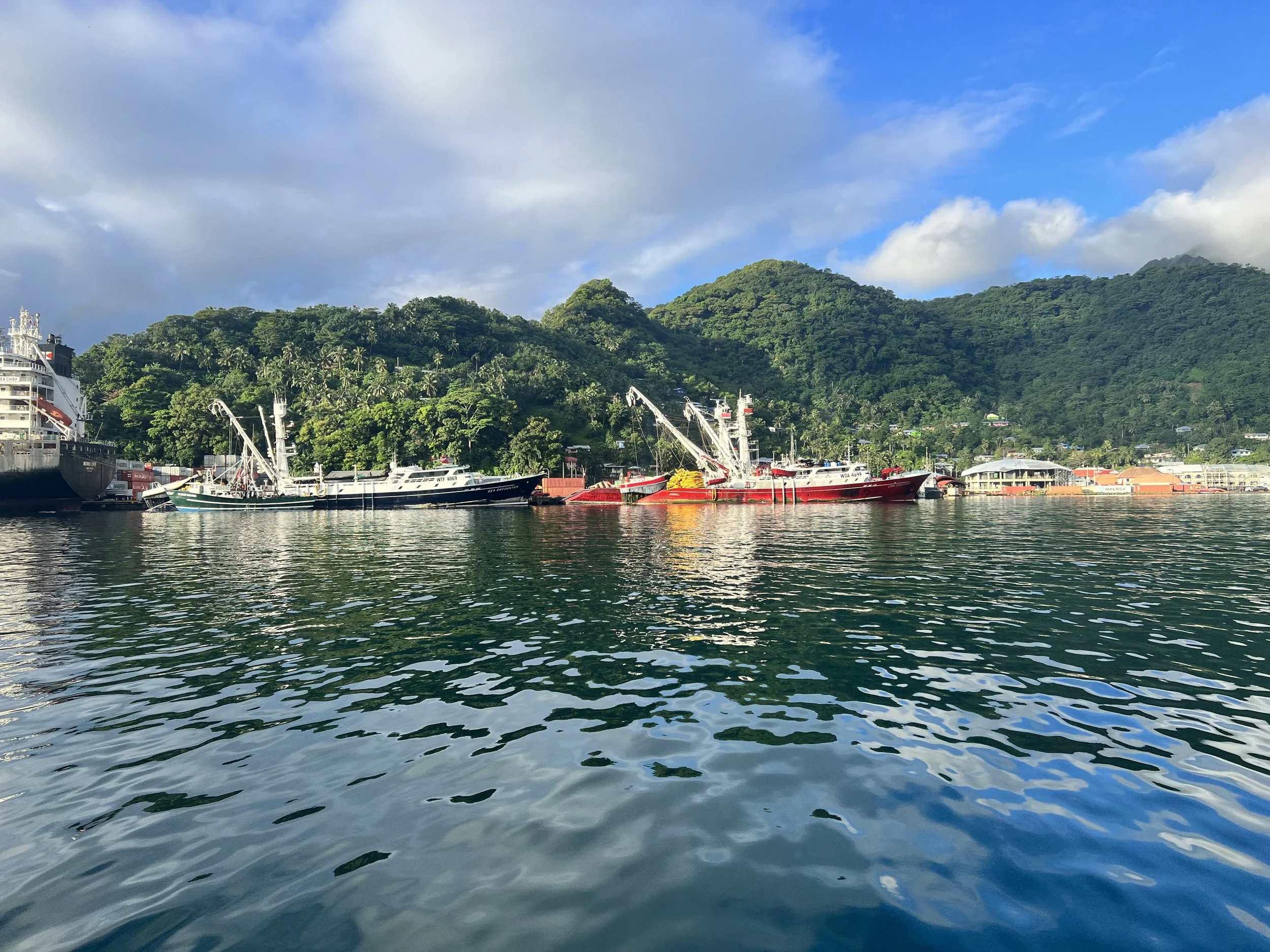
American Samoa
- U.S. citizenship: Not automatically.
- Status at birth (generally): People born in American Samoa are typically U.S. nationals, not U.S. citizens, unless they acquire citizenship through a parent or later naturalize.
- What “U.S. national” means: A U.S. national owes permanent allegiance to the United States and can receive a U.S. passport, but does not have full citizenship rights, such as voting in federal elections, and may face limits in certain jobs or civic participation depending on the context.
- Ongoing litigation: The question has been tested in modern courts (including the Tuaua and Fitisemanu litigation), but Congress has not extended birthright citizenship by statute in the way it has for other territories.
The American Samoa distinction is the clearest example of how territorial status reaches into something most Americans treat as binary: citizen or not. In territorial law, there is a third status that still exists.
Voting for president: why most territorial residents cannot do it
If you are a U.S. citizen in Florida, you vote for president. If you are a U.S. citizen in Puerto Rico, you generally cannot, unless you move to a state.
This is not because Congress forgot to extend the franchise. It is because the Constitution’s presidential election system runs through states.
Article II and the Twelfth Amendment tie electors to “States.” The Twenty-Third Amendment later created a special rule for the District of Columbia, giving it electors “as though it were a State.” There is no equivalent constitutional amendment for territories.
What this means in practice
- Puerto Rico: No Electoral College votes. Residents do not vote for president in the general election while residing on the island.
- Guam: Same.
- U.S. Virgin Islands: Same.
- Northern Mariana Islands (CNMI): Same.
- American Samoa: Same, and most residents are U.S. nationals rather than citizens, which adds another layer.
“But they vote in primaries.”
Territories often participate in party primaries or caucuses. That is a party process, not a constitutional right to vote for president. A party can invite territorial participation and allocate delegates. The Constitution does not require the general election Electoral College system to include territories.
If you want the one-screen version of the rules, skip ahead to the Quick reference section.
So the frustrating punchline is structural: unless Congress admits a territory as a state, or the Constitution is amended, territorial residents are usually outside the presidential electorate by design.
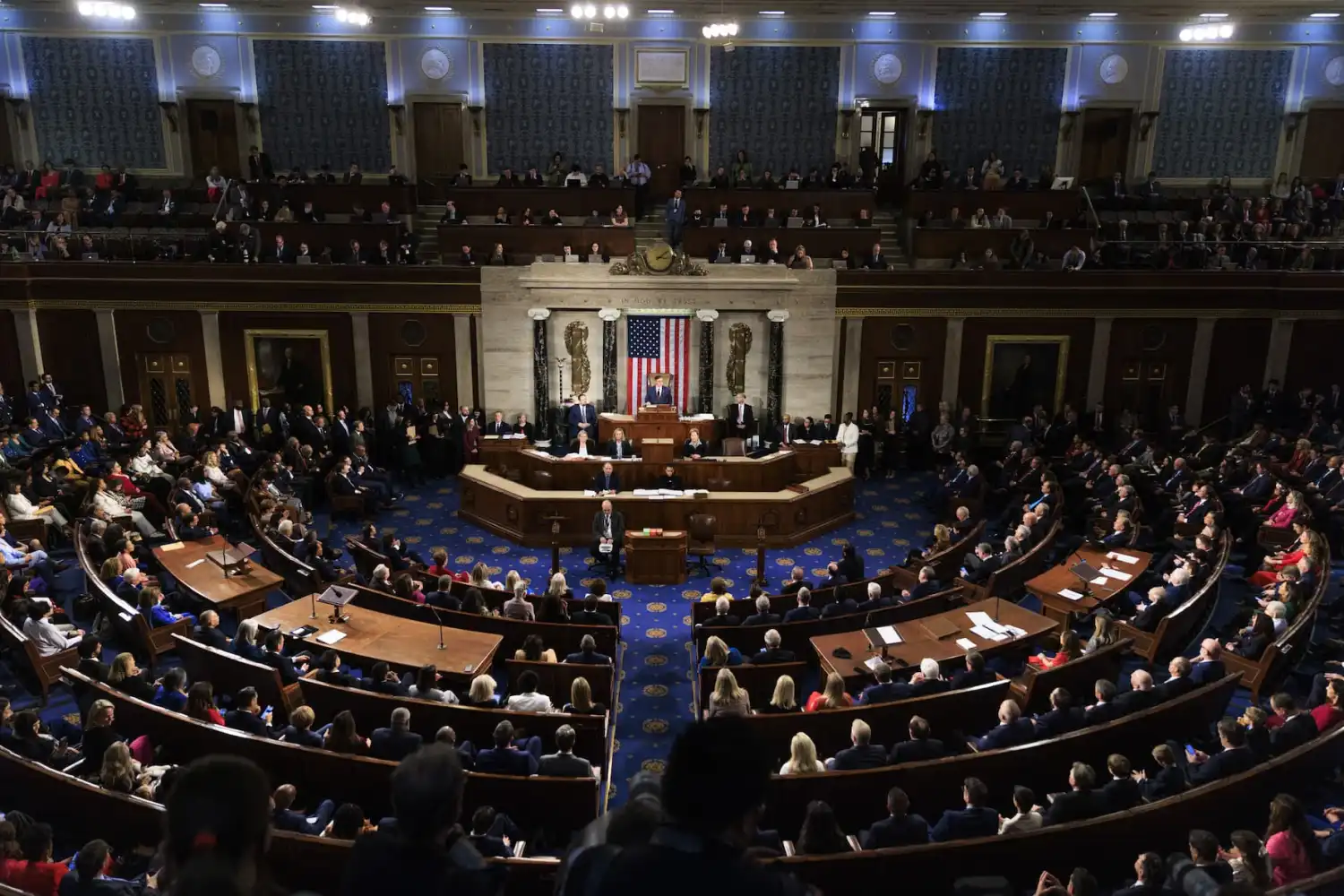
Representation in Congress: delegates without a final vote
Territories are represented in Washington, but not in the way most Americans mean when they say “representation.”
The Constitution provides for voting members of the House to be chosen “by the People of the several States.” Senators are chosen by each state. Territories are not states, so they do not get voting House members or any Senators.
What territories do have
Each of the five territories discussed here sends a delegate to the House (Puerto Rico’s is called the resident commissioner). These members can typically:
- Introduce legislation
- Serve on committees and vote in committee
- Debate on the House floor under House rules
But they generally cannot cast a final vote on passage of legislation on the House floor.
What that means for everyday policy
Territorial residents are subject to federal laws, including laws that shape immigration enforcement, environmental rules, labor standards, bankruptcy regimes, and many benefits programs. Yet they have no voting members in the body that enacts those laws.
This is not a technical oversight. It is a constitutional choice that treats statehood as the entry ticket to full representation.
Do constitutional rights apply in territories?
Here is the part that makes territorial civics feel slippery: territorial residents can be under U.S. sovereignty without receiving every constitutional rule in the same way.
As a general principle, many core protections do apply, especially rights courts treat as fundamental. But the legal pathway can differ from what people learn in a basic Bill of Rights unit.
The fundamental rights idea
The Insular Cases developed the notion that, in unincorporated territories, not every constitutional provision applies automatically. Instead, “fundamental” rights apply of their own force. Other provisions may depend on congressional extension or may apply differently based on local conditions.
That is a blunt tool, and it has been criticized for its origins and its logic. But it remains part of the legal landscape that lawyers, judges, and policymakers still have to navigate.
Examples of what this affects
- Criminal procedure: Questions can arise about jury composition and whether particular jury trial guarantees apply in the same way in a territory.
- Tax and benefits regimes: Congress can treat territories differently for certain federal programs, which can trigger equal protection style arguments. A recent example is United States v. Vaello-Madero, involving SSI benefits eligibility and Puerto Rico.
- Local self-government: Territorial constitutions and local laws operate under congressional oversight in ways states do not, even when local institutions are strong and well-established.
It is important not to overstate this. Territorial residents are not living in a constitutional vacuum. Federal constitutional constraints still matter. But the territory-state difference can change which arguments work in court, and how much deference Congress receives when it draws territorial lines.
Taxes and federal benefits: the headline version
Many readers look for the practical punchline: taxes and federal programs work differently in territories.
In broad strokes, many territorial residents do not pay federal income tax on income sourced within the territory, though there are important exceptions (including federal employees and certain types of income, and rules that vary across territories). On the benefits side, Congress often writes separate eligibility and funding formulas for territories, which can mean some programs are smaller, capped, or structured differently than in the states. This is why you will see recurring legal and political fights over programs like SSI, Medicaid financing, and tax credits: territorial status is not just symbolism, it is a line in the U.S. Code.
Five territories, five snapshots
Territories get flattened into a single category in casual conversation. In law and in lived experience, they are not identical. Here is a grounded way to keep the major distinctions straight.
Puerto Rico
- Citizenship: U.S. citizens by statute.
- President: No vote in the general election while residing in Puerto Rico.
- Congress: One resident commissioner who participates but does not cast a final House floor vote.
- Constitutional posture: Unincorporated territory with a robust local government, but still under Congress’s Article IV authority.
Guam
- Citizenship: U.S. citizens by statute.
- President: No general election vote while residing in Guam.
- Congress: One House delegate without a final floor vote.
- Constitutional posture: Unincorporated territory, governed under an organic act framework authorized by Congress.
U.S. Virgin Islands
- Citizenship: U.S. citizens by statute.
- President: No general election vote while residing in the territory.
- Congress: One House delegate without a final floor vote.
- Constitutional posture: Unincorporated territory with local self-government under congressional authority.
Northern Mariana Islands (CNMI)
- Citizenship: U.S. citizens by statute.
- President: No general election vote while residing in the CNMI.
- Congress: One House delegate without a final floor vote.
- Constitutional posture: A “commonwealth” political union governed by a Covenant and federal law. It is generally treated as an unincorporated territory, but its covenant-based structure is distinctive, and it often comes up when people talk about how flexible Congress’s territorial power really is.
American Samoa
- Citizenship: Generally U.S. nationals at birth, not automatically U.S. citizens.
- President: No general election vote while residing in American Samoa.
- Congress: One House delegate without a final floor vote.
- Constitutional posture: Unincorporated territory with distinctive local legal traditions that often appear in arguments about how constitutional provisions should apply.
If you remember only one thing from this list, make it this: territorial status affects both who you are in law (citizen or national) and how you participate in national power (president and Congress).
Representation without voting power: the democratic tension
The United States has built a constitutional system where the people most directly subject to federal authority are supposed to have political recourse. In the states, the recourse is straightforward: vote for House members, vote for Senators, vote for the president.
In territories, the chain is kinked.
Congress can legislate extensively for territories. Federal agencies regulate territory residents. Federal courts can decide territorial disputes, even when the on-the-ground court structure differs from a state. Yet the people affected cannot vote for the voting members who ultimately control that federal power, unless they move to a state.
That is why territorial status is not just a trivia fact. It is a live question about what “consent of the governed” means inside a constitutional framework that ties full participation to statehood.
Common misconceptions, cleared up
“If you are a U.S. citizen, you can vote for president.”
Citizenship alone does not determine presidential voting. Residence in a state (or D.C.) is what connects you to electors.
“Territories are foreign.”
They are not foreign countries. They are under U.S. sovereignty. But they are also not states, and the Constitution’s structure treats those categories differently.
“A delegate to Congress is the same as a Representative.”
Delegates can do meaningful work, especially in committees. But the missing final floor vote is the difference between influence and power.
“The Constitution applies the same everywhere under the flag.”
Many rights apply, and territorial residents can and do invoke constitutional protections. But territorial doctrine has long treated some provisions as not automatically applicable in unincorporated territories, depending on the right and the context.
Why this matters now
Territorial status is not an abstract label. It determines whether millions of people get to participate in choosing the federal government that governs them. It determines whether citizenship is guaranteed by constitutional text or depends on congressional policy. It shapes litigation over benefits, criminal procedure, and local autonomy. It shapes the national conversation about equality, democracy, and what the United States claims to be.
And it forces a question the Constitution does not answer cleanly on its own: if American sovereignty extends to a place, what, exactly, should follow with it? Full rights. Partial rights. Full participation. Partial participation. Or a new status entirely.
The Constitution is often praised for its clarity. Territorial civics is where you see its silences, and the doctrines built to fill them.
Quick reference: the big four questions
- Are you a U.S. citizen at birth? Yes in Puerto Rico, Guam, the U.S. Virgin Islands, and the Northern Mariana Islands by federal statute. In American Samoa, typically U.S. national status at birth instead.
- Can you vote for president while living there? Generally no in all five.
- Do you have voting members of Congress? No. Each has a delegate or resident commissioner without a final House floor vote, and none has Senators.
- Does the Constitution apply? Many protections apply, especially those treated as fundamental. But territorial doctrine and congressional authority can change how particular provisions operate.