
Constitutional Topics
Browse articles in Constitutional Topics on U.S. Constitution
Obstruction of Justice, Explained
In the movies, obstruction of justice usually looks like a panicked cover-up. A shredded file. A hush-money exchange. A witness who suddenly “can’t remember.” In federal court, it is less cinematic and more structural. Obstruction is not a single crime. It is a family of statutes that punish...
Read more →
Federal Conspiracy Charges Explained
Federal conspiracy is one of those charges that sounds like it belongs in spy movies, but it shows up in everyday indictments: fraud , drugs, public corruption, immigration, protest cases, even market manipulation. It is also one of the government’s most flexible tools, because it lets prosecutors...
Read more →
Monell Liability Explained
You can sue a police officer for violating the Constitution. That part is familiar. Suing the city is where people get blindsided. Most of us assume the government “owns” what its employees do. In everyday life, employers are often responsible for employees under a doctrine called respondeat...
Read more →
SpeechNow.org v. FEC Explained
Super PACs did not appear out of nowhere in 2010. They grew out of a specific legal conclusion: if a group is making independent expenditures , meaning it is not coordinating its spending with a candidate, then limiting how much people can give to that group starts to look less like corruption...
Read more →McCutcheon v. FEC Explained
You can legally buy an entire season of courtside tickets and no one calls it speech. But give money to politics and the Supreme Court treats it as a First Amendment problem. McCutcheon v. Federal Election Commission (2014) is a major campaign finance case, not because it invented a new right, but...
Read more →The Purpose of the 2026 Midterm Elections
Midterm elections are a product of the Constitution’s staggered election cycles: the United States does not hand one election a four-year blank check. The House of Representatives turns over every two years. The Senate turns over in thirds. Put together, midterms force the national government to...
Read more →Baker v. Carr (1962) Explained
You can tell a lot about a democracy by what it counts and what it ignores. After each federal census, Tennessee had fresh population numbers in hand, then largely ignored what the new figures meant for representation. District lines for the state legislature had not been meaningfully updated since...
Read more →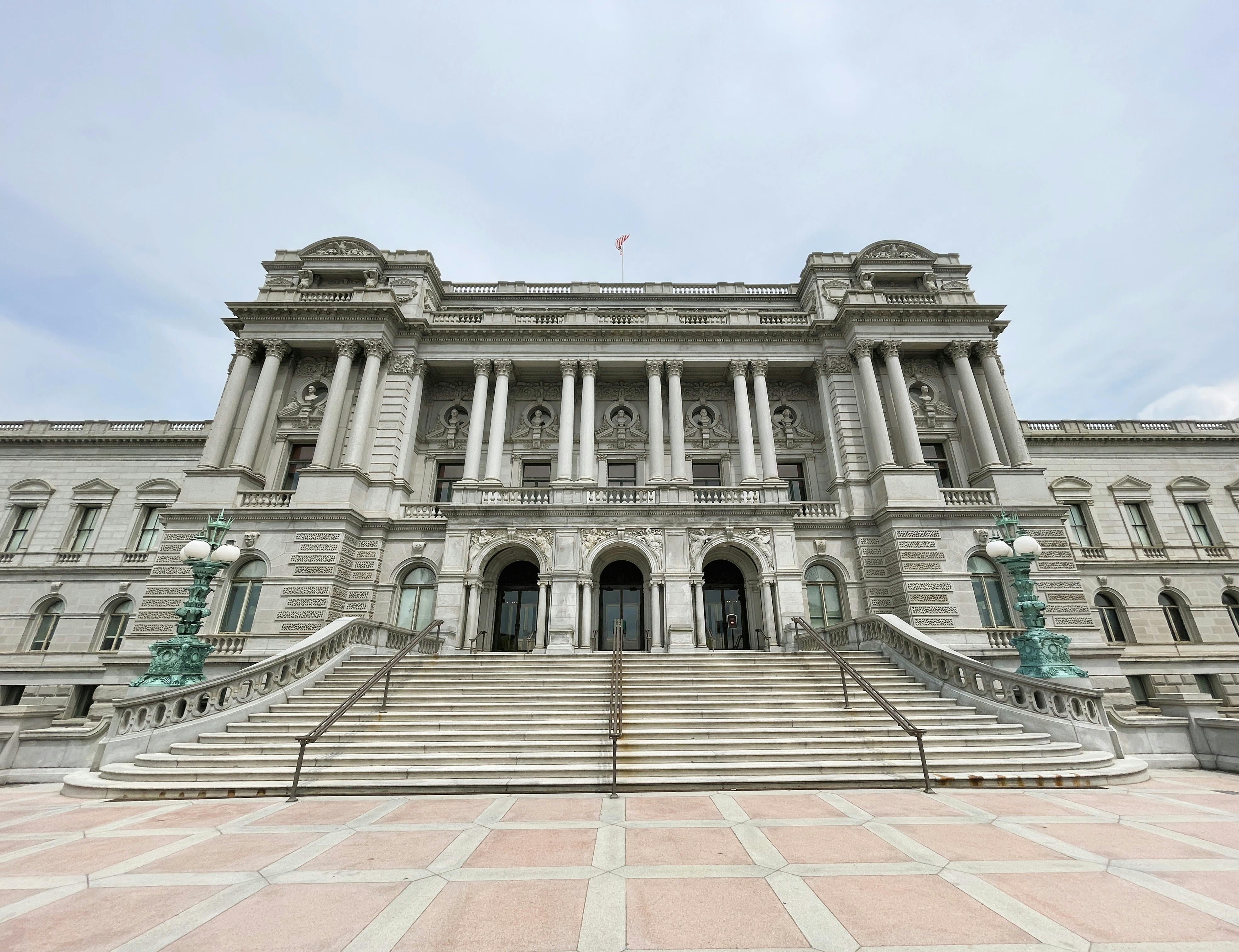
Fusion Voting Explained
Most American ballots force a simple story: you pick a candidate, and that choice also picks a party. Fusion voting scrambles that script. It lets multiple parties nominate the same candidate so that candidate appears on more than one party line on the ballot. Voters can support the candidate and...
Read more →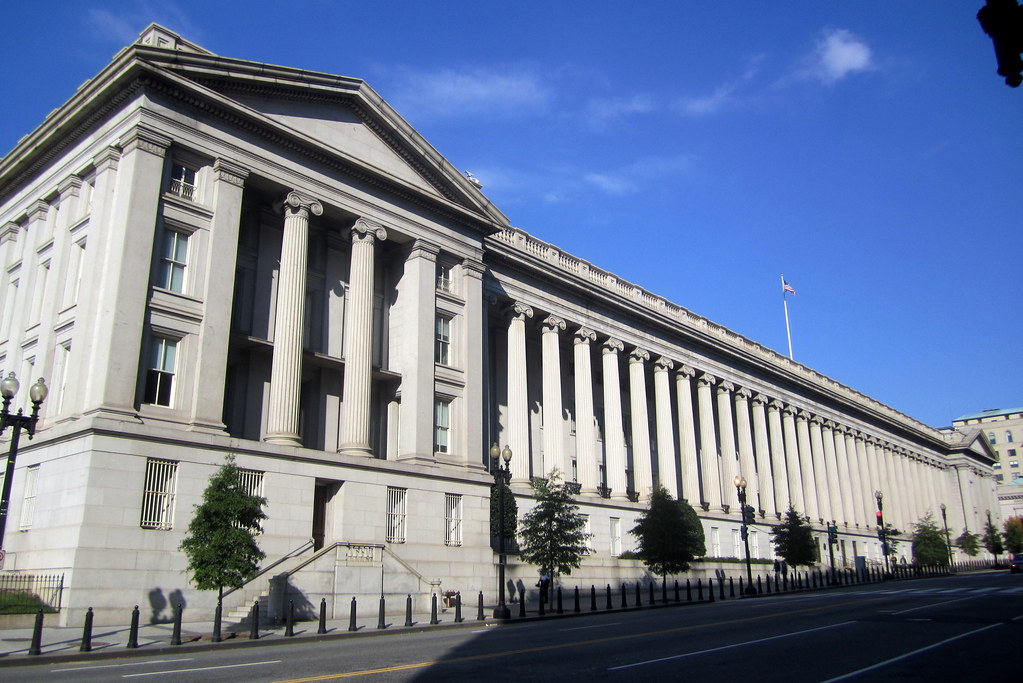
IEEPA Explained: Presidential Emergency Economic Powers
When Americans hear the words national emergency , they tend to picture troops, disaster zones, and urgent speeches. But a huge share of modern emergency power is quieter and more technical. It runs through banks, shipping insurers, payment rails, export licenses, and corporate compliance...
Read more →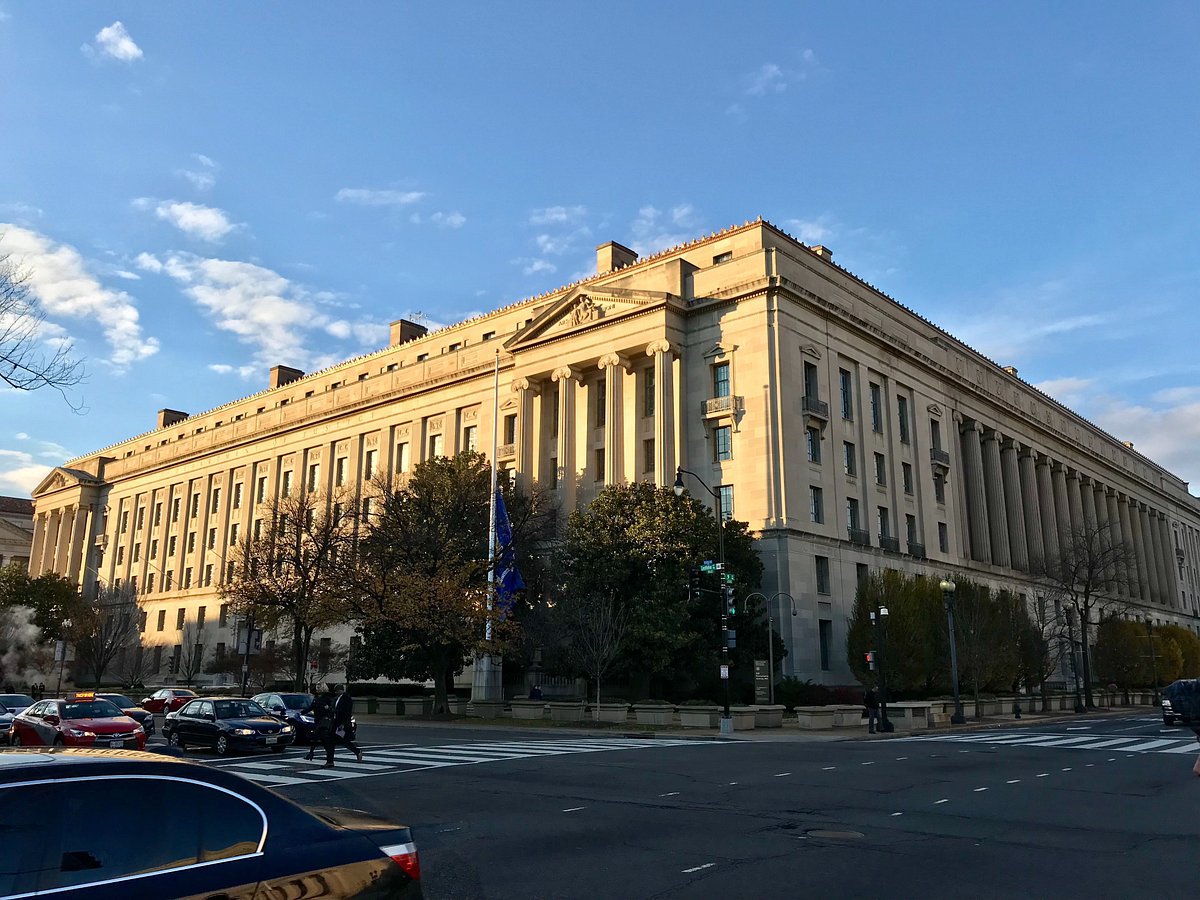
Criminal Discovery in Federal Cases Explained
In a federal criminal case, “discovery” sounds like it should mean the same thing it means in civil court: broad, document-heavy exchange where each side can demand information from the other and take depositions to lock in testimony. That is not how criminal discovery works. Federal criminal...
Read more →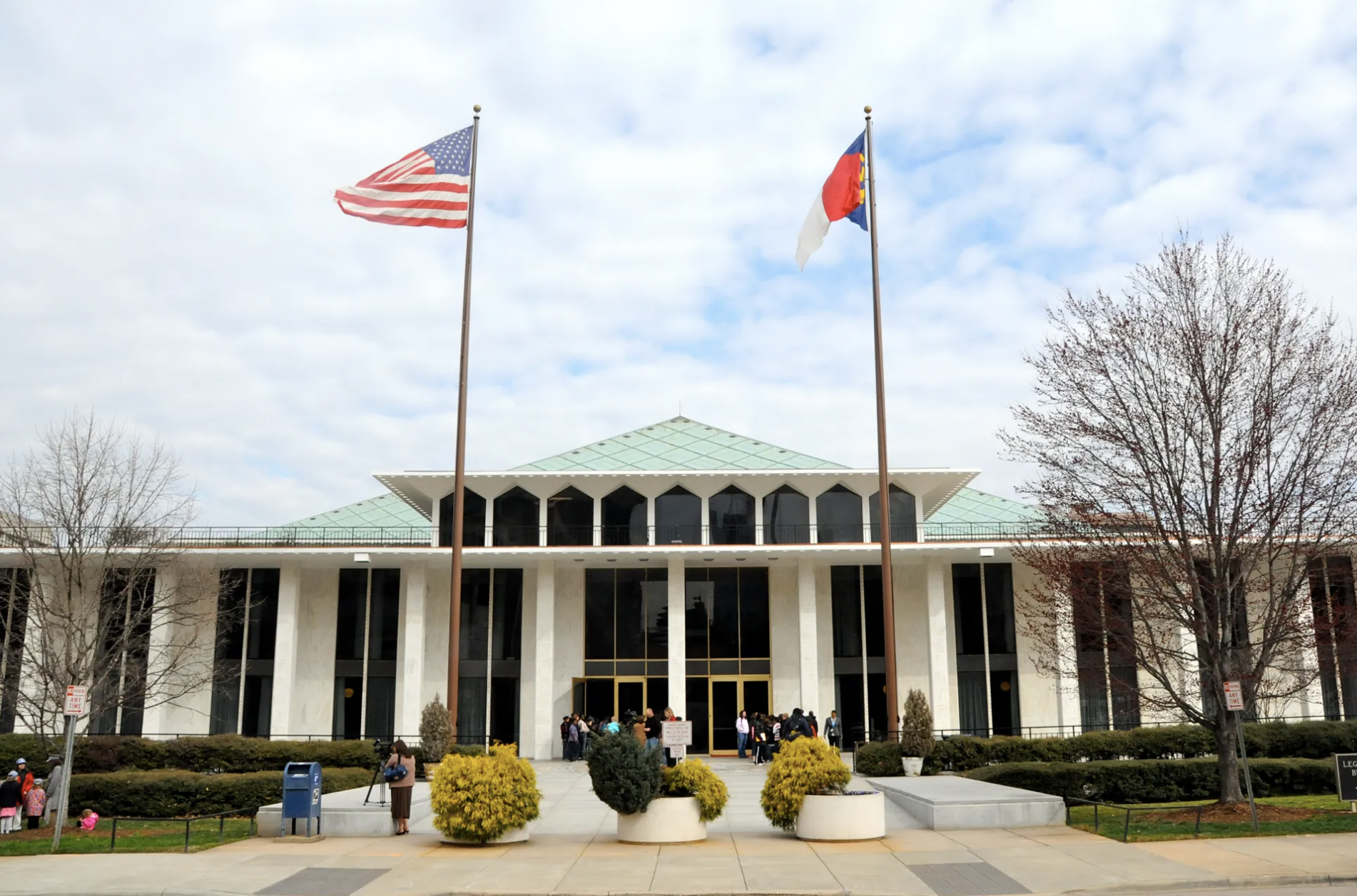
Shaw v. Reno Explained
Most redistricting controversies feel like inside baseball until you see the shape of a district that looks like it was poured through a crack in the map. That was the visual spark behind Shaw v. Reno (1993). The case did not say legislatures must ignore race. It said something narrower and more...
Read more →
McCulloch v. Maryland Explained
There are Supreme Court decisions that resolve a dispute. And then there are decisions that shape what kind of country the United States can become under the Constitution. McCulloch v. Maryland (1819) is the second kind. On the surface, it was a fight over a bank and a state tax. Underneath, it was...
Read more →Top-Four Primaries and Ranked General Elections
Most Americans grow up with a simple civics story about elections: each party holds its own primary, each party picks a nominee, and the general election is a head-to-head contest between Democrats and Republicans. Alaska’s “top-four primary and ranked general” model departs from that script by...
Read more →Approval Voting Explained
Many U.S. single-winner elections ask you to do something oddly narrow: pick exactly one name, even if you would be perfectly fine with two or three. That design choice is not a law of nature. It is a rule, and like any rule, it shapes behavior. Approval voting rewrites that rule in the simplest...
Read more →Collateral Consequences of a Criminal Conviction
Most people think a criminal sentence ends when the jail door opens, probation ends, or the fine gets paid. But a conviction can keep punishing you long after the judge is done. Lawyers and policymakers often call these collateral consequences (sometimes collateral sanctions or discretionary...
Read more →
Guilty, Not Guilty, Nolo Contendere, and Alford Pleas Explained
At an arraignment , the judge confirms what you are accused of, makes sure you understand key rights, and asks a deceptively simple question: How do you plead? Those words are a switch. A not guilty plea keeps the government in proof mode. A guilty plea moves the case into sentencing mode. And two...
Read more →
Denaturalization Explained: How U.S. Citizenship Can Be Revoked
Most Americans treat citizenship as a one-way door. You are in, forever. For people born in the United States, that is close to true. For people who become citizens through naturalization , there is a narrow, high-stakes exception: denaturalization , the legal process of taking citizenship back....
Read more →Allen v. Milligan Explained
People talk about redistricting as if it were a political sport. A new census drops, lines move, and the party in charge tries to lock in power for a decade. Allen v. Milligan (2023) is what happens when that game runs into a federal statute that still has sharp edges. The case did not ask whether...
Read more →
VRA Section 2 and Vote Dilution, Explained
Most voting rights debates get framed as a question of access. Can you register? Can you cast a ballot? Can you stay in line long enough? Section 2 of the Voting Rights Act often asks a different, quieter question: even if everyone can vote, does the election system make some voters’ ballots less...
Read more →
Brnovich v. DNC Explained
Most Americans assume the Voting Rights Act is a broad, sturdy shield: if a voting rule makes it harder to vote, especially for minority voters, federal law will step in. Brnovich v. Democratic National Committee (2021) did not erase that shield. But it did narrow the doorway for one major kind of...
Read more →