
Constitutional Topics
Browse articles in Constitutional Topics on U.S. Constitution

Can a Law School Favor Some Applicants Over Others? The Admissions Fight Explained
A recent federal inquiry involving the University of California, Berkeley School of Law (Berkeley Law) is being framed as a simple question: did the school favor Black applicants over White and Asian applicants? Public reporting and official statements around an inquiry like this can be thin at the...
Read more →
What Is the $5,000 Dividend Proposal and Can It Actually Happen?
The idea is getting repeated like it is a button a president can press: collect money at the border, then send every taxpayer a $5,000 “dividend.” It sounds like a rebate. It is framed like a reward. And it is being argued over like it is either obvious populism or obvious heresy. But the...
Read more →
Can Corrupt Politician Money Do Good?
You can tell yourself a lot of comforting things about corruption if you choose the right ending. It is amazing what the brain will forgive when the last scene is a child going home from the hospital. I met Senator Grant Halstead (Real Name Excluded) in a place that was not on his official...
Read more →
Fetterman’s RNC Steel Moment
John Fetterman’s now-viral convention cameo landed like a tossed wrench in the neat machinery of party politics. A Democratic senator in a Republican convention context, praising a Republican former president and a Republican senator, all while speaking the language of industrial protection and...
Read more →
Broadcast Political Ad Rates, Explained
When a campaign says it is being “priced out” of television, that is not just a fundraising complaint. It is a regulatory question with constitutional stakes, because the federal government has long treated broadcast airwaves as a scarce public resource and built rules around who gets access, when,...
Read more →
Inside the House Probe Into Foreign ‘Trojan Horses’
When lawmakers warn about foreign “Trojan horses,” they are usually not claiming a literal spy thriller plot. They are describing a familiar national-security fear: a domestic-looking organization, advocacy network, donor, vendor, or data infrastructure project that might, in practice, advance a...
Read more →
Trump’s $5,000 Check Proposal: What It Is and What Congress Can Do
A promise to send Americans a $5,000 check lands with the force of a headline because it feels like something a president can simply order. In this case, the idea has been promoted publicly as part of Donald Trump’s pitch for a $5,000 “dividend” payment. But the Constitution treats federal money...
Read more →
Can the IRS Share Your Tax Data With ICE? What the Law Really Says
You can feel the tension in this question because it sits at the intersection of two powerful government functions: collecting taxes and enforcing immigration law. And it triggers a very American instinct: if the government already has my information, can it hand it to someone else? The crucial...
Read more →
Who Controls the Smithsonian? What Roberts’ Praise Means Amid Political Pressure
The Smithsonian feels like a federal agency because many of its museums sit on federal land, it flies the American flag, and it functions as the nation’s attic and conscience all at once. But structurally, it is something stranger: a federally chartered institution with a governance model that...
Read more →
Can a President Put a Columbus Statue at the White House?
When a president says a statue of Christopher Columbus “stands at the entrance” to the Eisenhower Executive Office Building, right next to the White House complex, the obvious question is simple: can a president do that? The constitutional answer is less cinematic than people expect. The President...
Read more →
The Mail-In Ballot Case at the Supreme Court, Explained
Mail-in ballots feel like a modern controversy, but the legal fight is older than the pandemic and bigger than any one candidate. It is a recurring clash between two ideas that both sound like democracy: making voting accessible, and making voting verifiable. This explainer focuses on why mail...
Read more →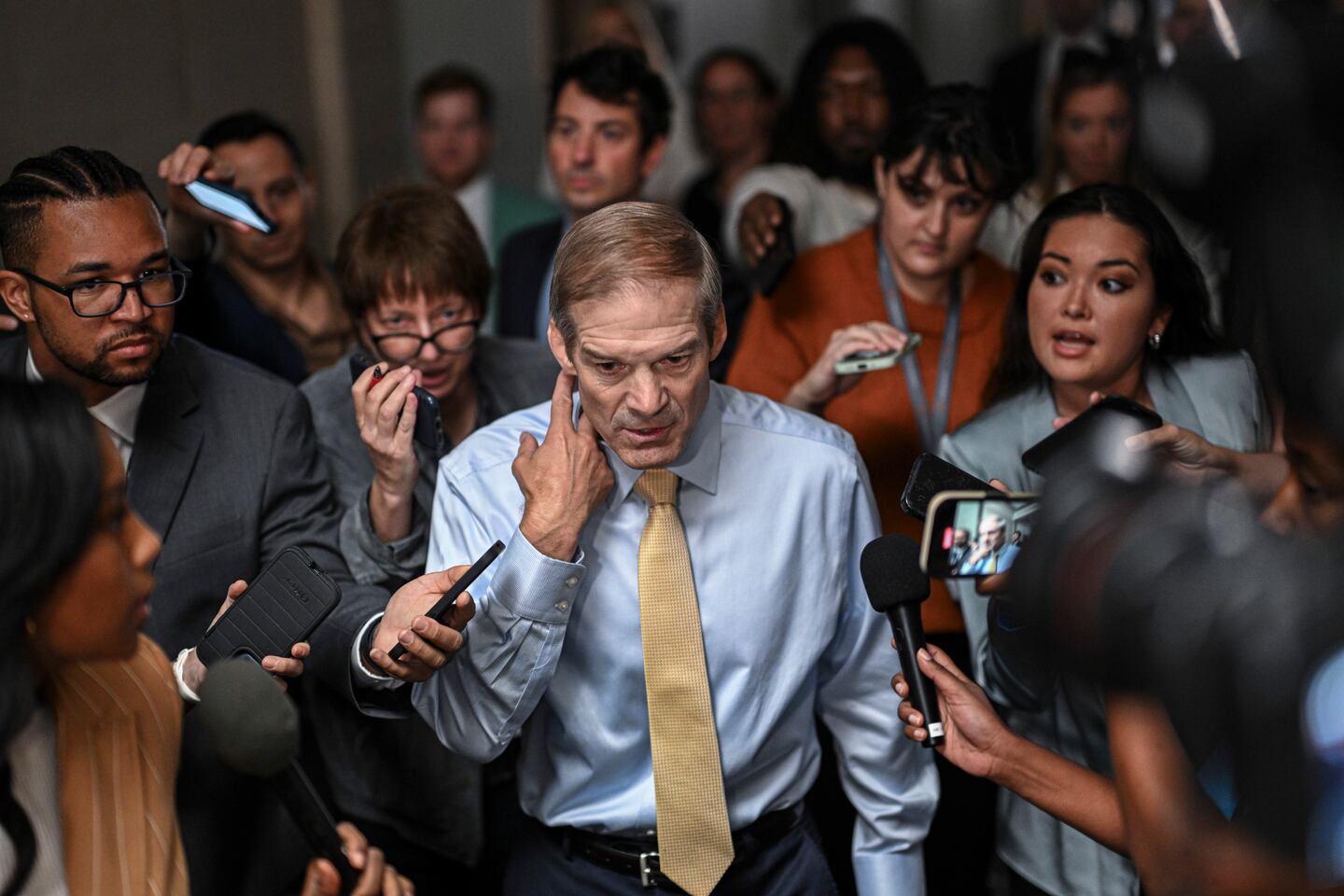
Can Congress Force the FBI to Turn Over Documents?
When a member of Congress “demands” FBI documents, it can sound like a simple hierarchy: lawmakers ask, agencies comply. The Constitution does not work that way. It sets up separate branches with overlapping powers, and then it forces them to argue until something gives. The current dispute...
Read more →
Arizona Voter Law at the Supreme Court: Proof of Citizenship and Voter Rolls
You can feel the tension in this case without knowing a single statute number: states administer elections, but federal law keeps showing up with a clipboard. What case are we talking about? This explainer is about Mi Familia Vota v. Fontes , a challenge to parts of Arizona’s election system that...
Read more →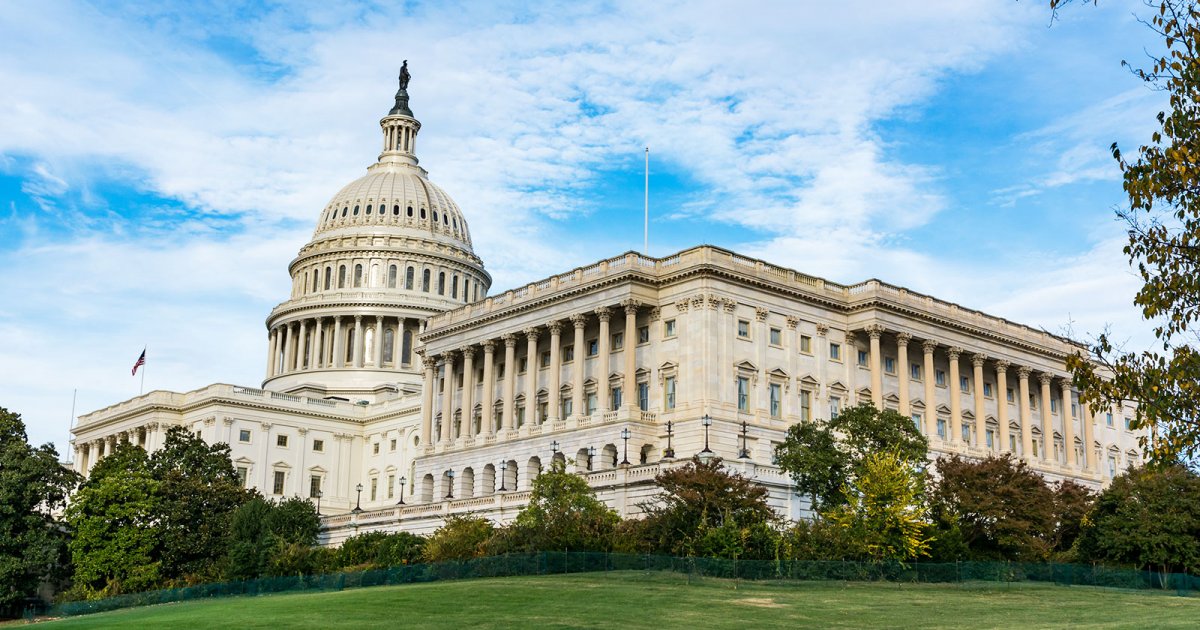
Supreme Court and Redistricting
When a congressional map is challenged close to an election, the dispute can look like pure politics. But the legal question underneath it is older than any modern redistricting cycle: who, exactly, is allowed to draw the lines that decide who votes for which member of Congress? That question is...
Read more →
Non-Citizen Voting Arrests: What Federal Law and the Constitution Say
Arrest video tied to alleged non-citizen voting has a way of triggering the same argument on repeat: one side insists it is widespread, the other insists it is impossible. The Constitution does not settle the debate as neatly as either side suggests. It does not contain a single sentence that...
Read more →
Pentagon Leadership Shake-Ups and Presidential Power
The Constitution gives the president a title that sounds absolute: Commander in Chief . In moments of Pentagon turmoil, that phrase can get treated like a blank check, as if the White House can rearrange the entire national security bureaucracy at will, instantly, and without consequence. But the...
Read more →
Can a President Force Lower Interest Rates or Stop Trade?
Presidents talk about interest rates and trade the way coaches talk about the refs: as if a little pressure and a louder voice might change the outcome. The Constitution does not run on vibes. It runs on separated powers, delegated statutes, and a financial system deliberately built to resist...
Read more →
Can a Foreign President Claim Immunity in U.S. Federal Court?
You can feel the tension in the phrase sovereign immunity . It sounds absolute, like a force field. But in U.S. law it is closer to a set of rules about who can be sued or prosecuted, where , and who gets to say so . That is why a headline like “foreign president asks judge to dismiss U.S....
Read more →
Can DOJ Cut State Welfare Funds Over Immigration Reporting?
The headline version is simple: if federal officials warn that states could lose major welfare-related dollars unless they comply with immigration-information reporting requirements, the dispute usually turns on a familiar set of constitutional and statutory limits. The constitutional version is...
Read more →
Can Congress Require Mail Ballots to Arrive by Election Day?
When people argue about mail-in voting, they usually argue about security or access . But the fight underneath those words is more mechanical than moral: who gets to set the deadline for a ballot that travels through the mail. In recent years, some Republicans, including allies of President Donald...
Read more →