
Constitutional Topics
Browse articles in Constitutional Topics on U.S. Constitution
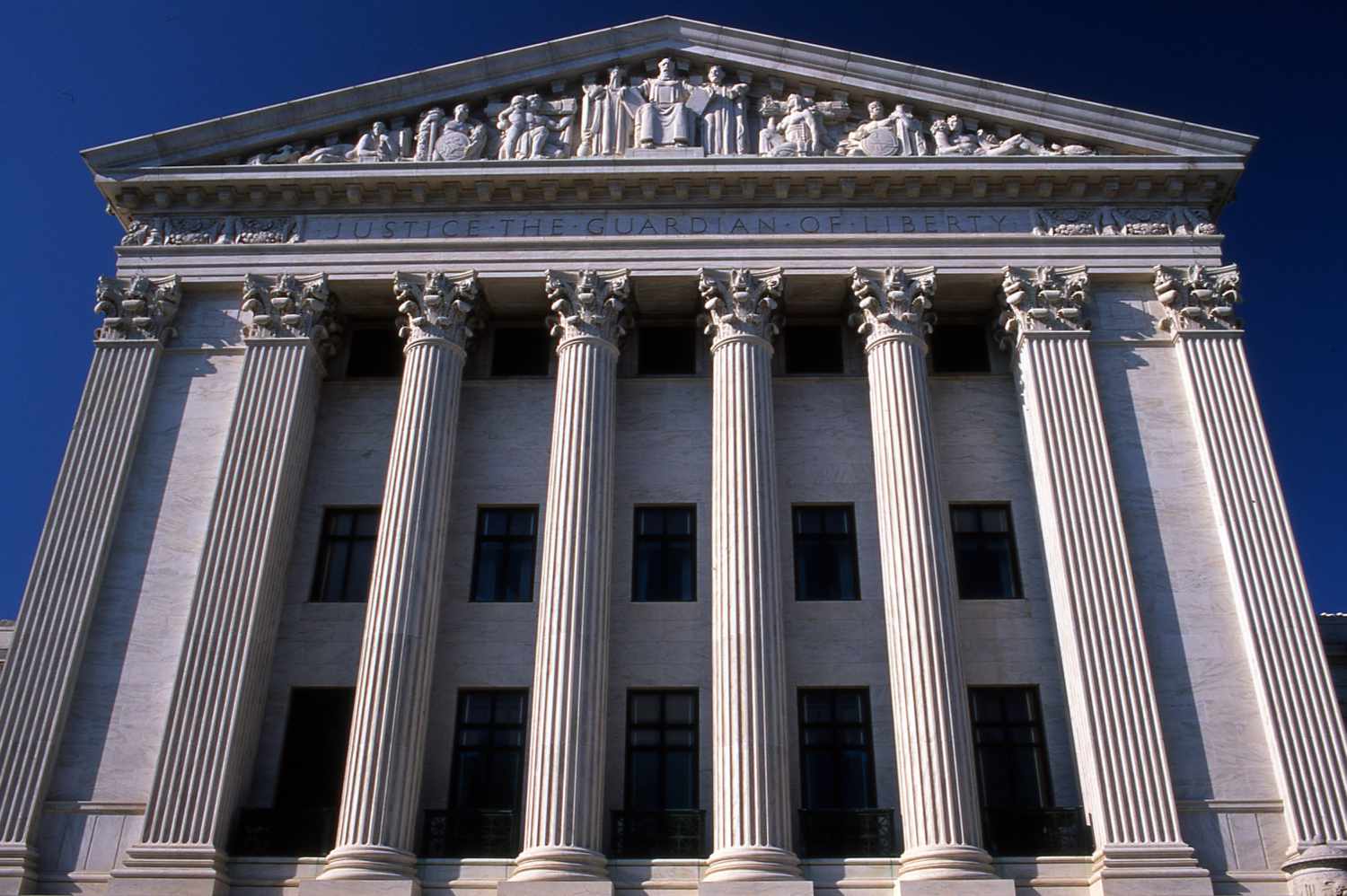
Judge Talwani, Mail-In Voting, and the Constitution’s Clock
When a federal district judge becomes the main character in an election fight, it is usually because something bigger is happening behind the scenes. But before any personalities take over the story, one grounding point matters more than the headlines. Clarification: This piece is an explainer that...
Read more →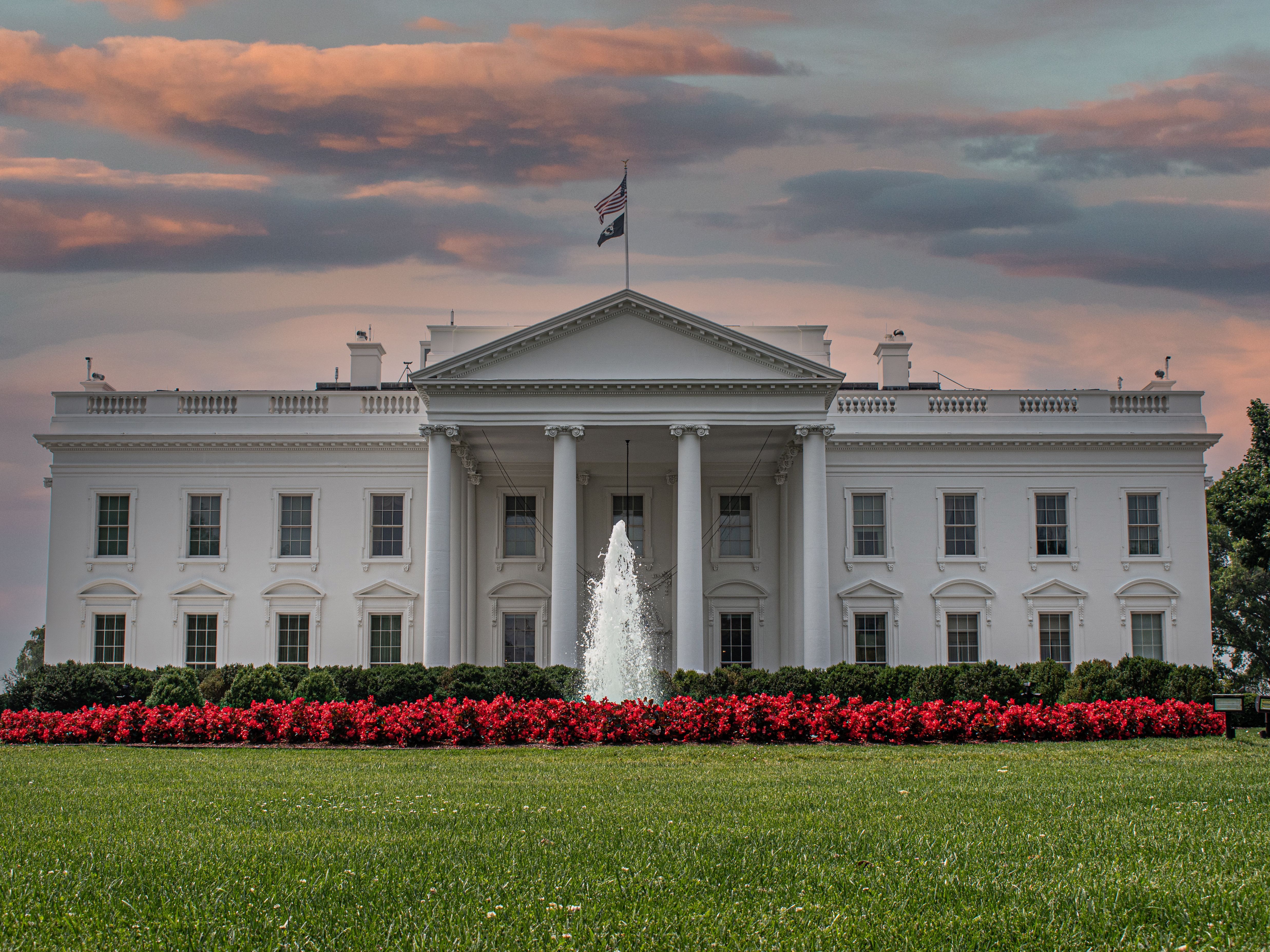
Can the President Order Military Strikes on Drug Cartels Without Congress?
The Constitution makes war powers feel simple on paper and slippery in real life. Congress has the power to declare war and to authorize, fund, and regulate the armed forces. The President commands the military. Then the world hands us problems that do not fit the Founders’ clean categories, like...
Read more →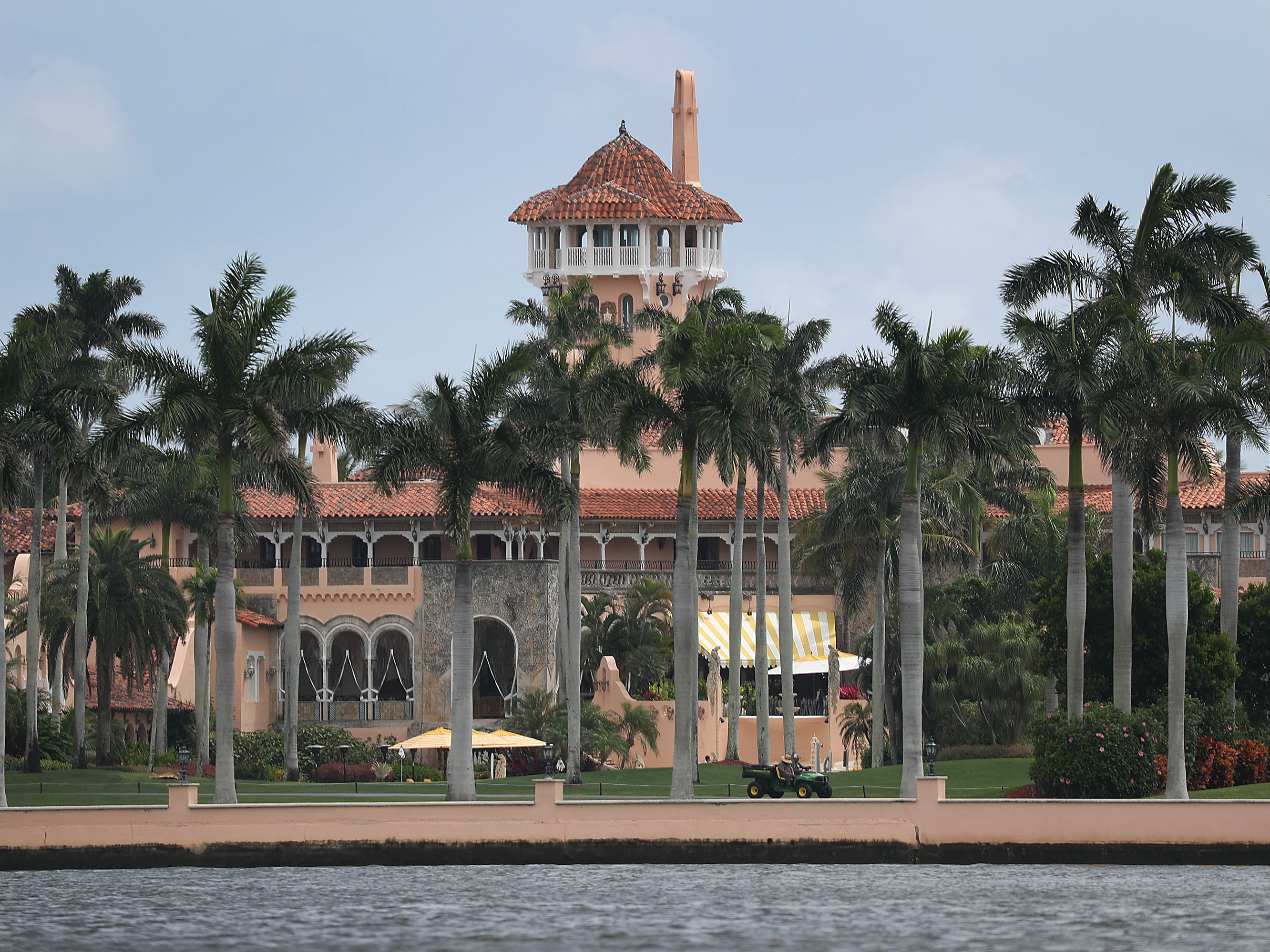
The Mar-a-Lago Data-Center Dare
Mar-a-Lago is trending for a reason that has almost nothing to do with gold fixtures or membership lists. It became a stand-in for a much larger civic question: when political leaders call for a nationwide buildout of data centers and AI infrastructure, who is expected to host the noisy,...
Read more →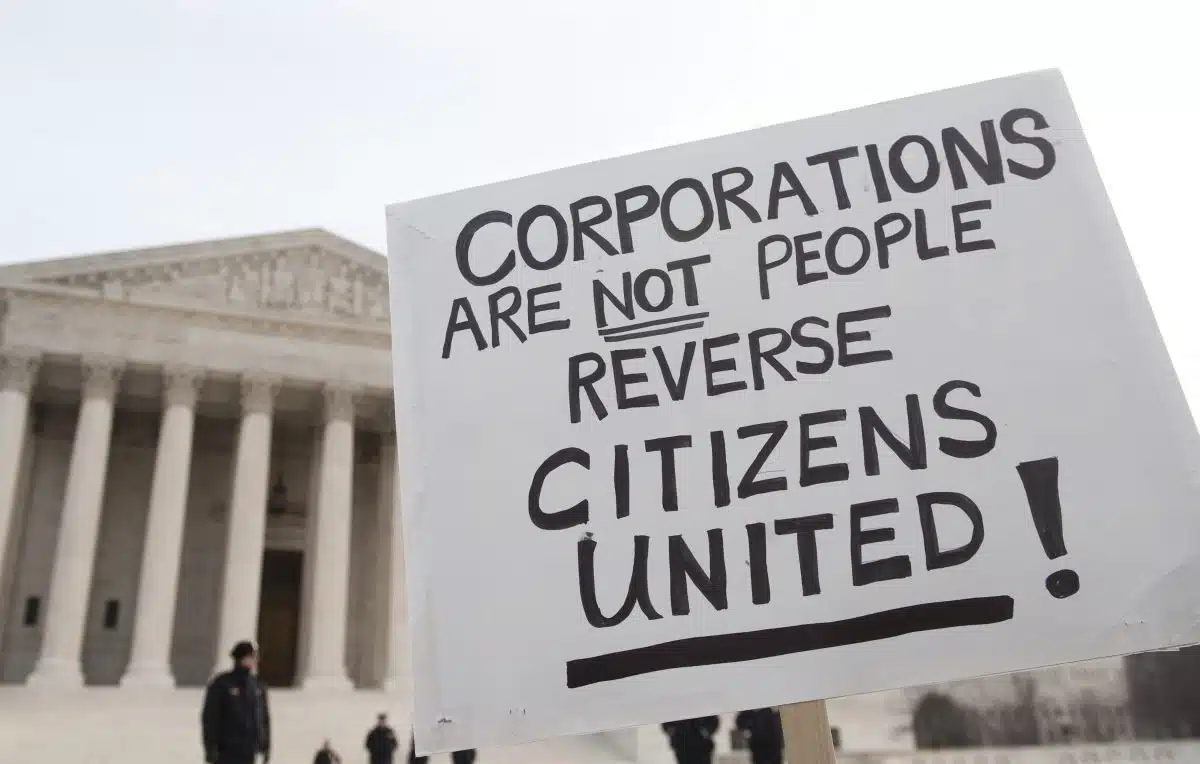
Dark Money, Fake Polls, and Election Trickery: What Federal Law Actually Allows
You can feel the tension every election cycle: someone is always “rigging,” “tricking,” or “confusing” the electorate. In 2026, the buzzwords are dark money , fake polls , and primary meddling . Here is the hard truth that tends to disappoint everyone equally. Federal election law is not a general...
Read more →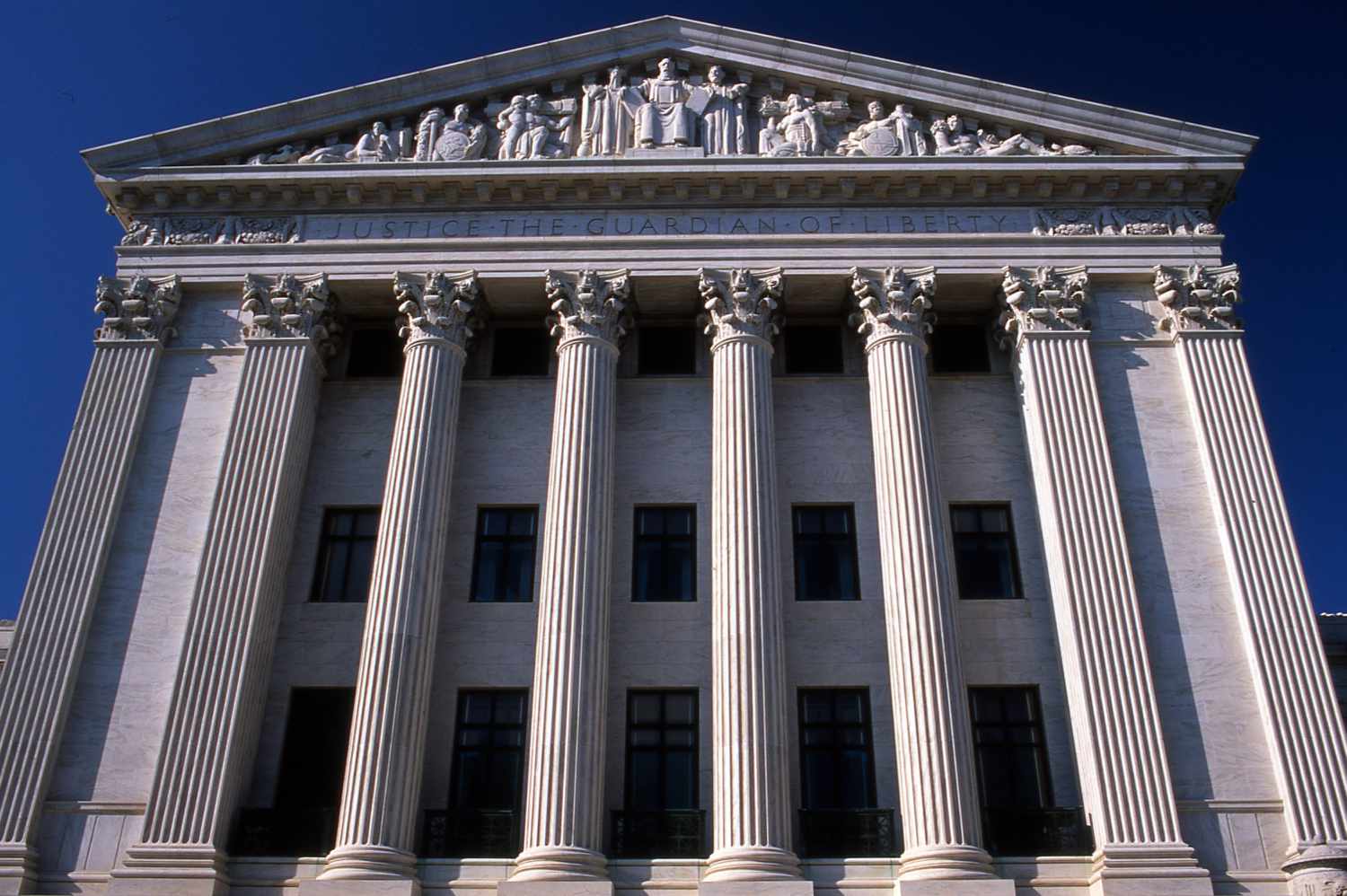
Can Congress Cap the Supreme Court at Nine Justices?
You can feel it every time the Supreme Court becomes the main character in the news: someone proposes a “fix” that sounds constitutional, even if it is really political. One of the recurring ideas is a “cap at nine,” often rolled into a House resolution meant to force a vote and draw lines....
Read more →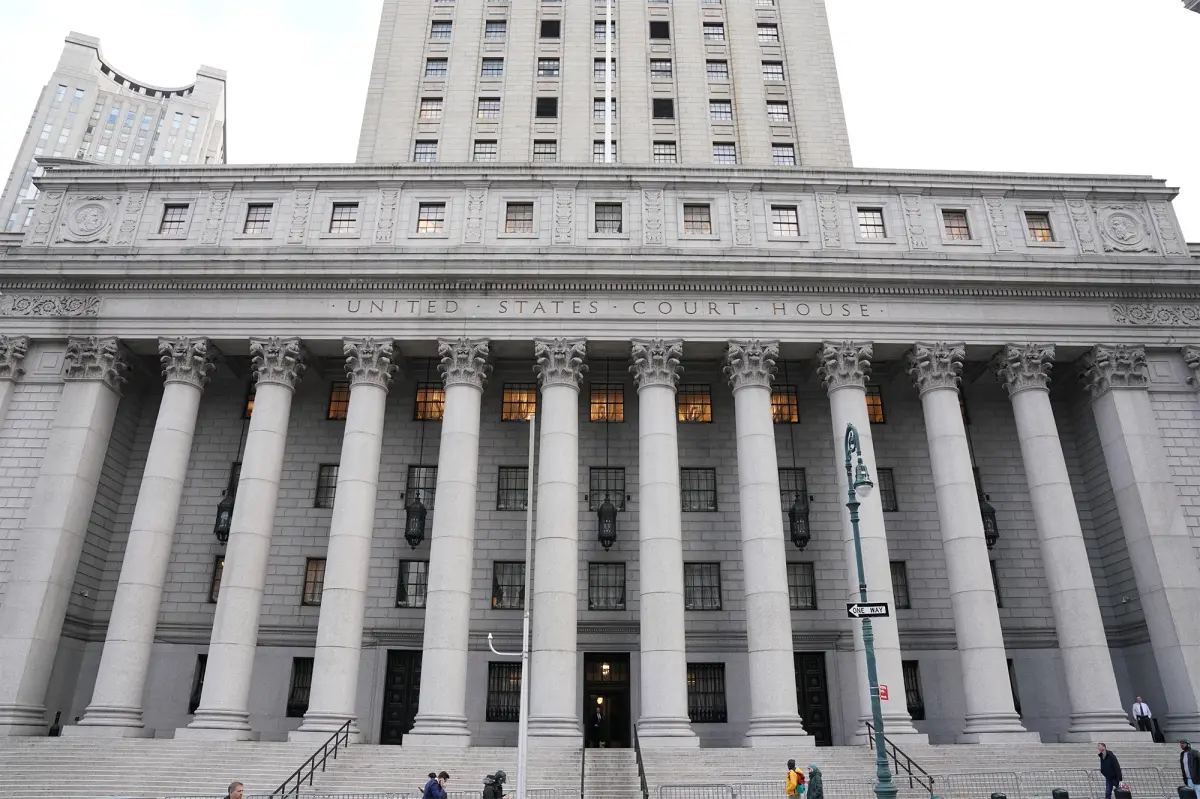
Your ChatGPT Chats Can Be Subpoenaed
People often assume they have a constitutional right to privacy in their “private” conversations. Except when your “private” life is a searchable object inside a device, a cloud account, or a corporate database. Then privacy stops being a feeling and becomes a legal question. And the legal question...
Read more →
Who Controls the Kennedy Center? Federal Law, Funding, and the Renovation Fight
The John F. Kennedy Center for the Performing Arts is often treated like a city landmark: a big building on the Potomac that hosts big shows. Legally, it has an unusual hybrid status, and the details matter. The Kennedy Center was created by federal statute as the nation’s cultural center, operates...
Read more →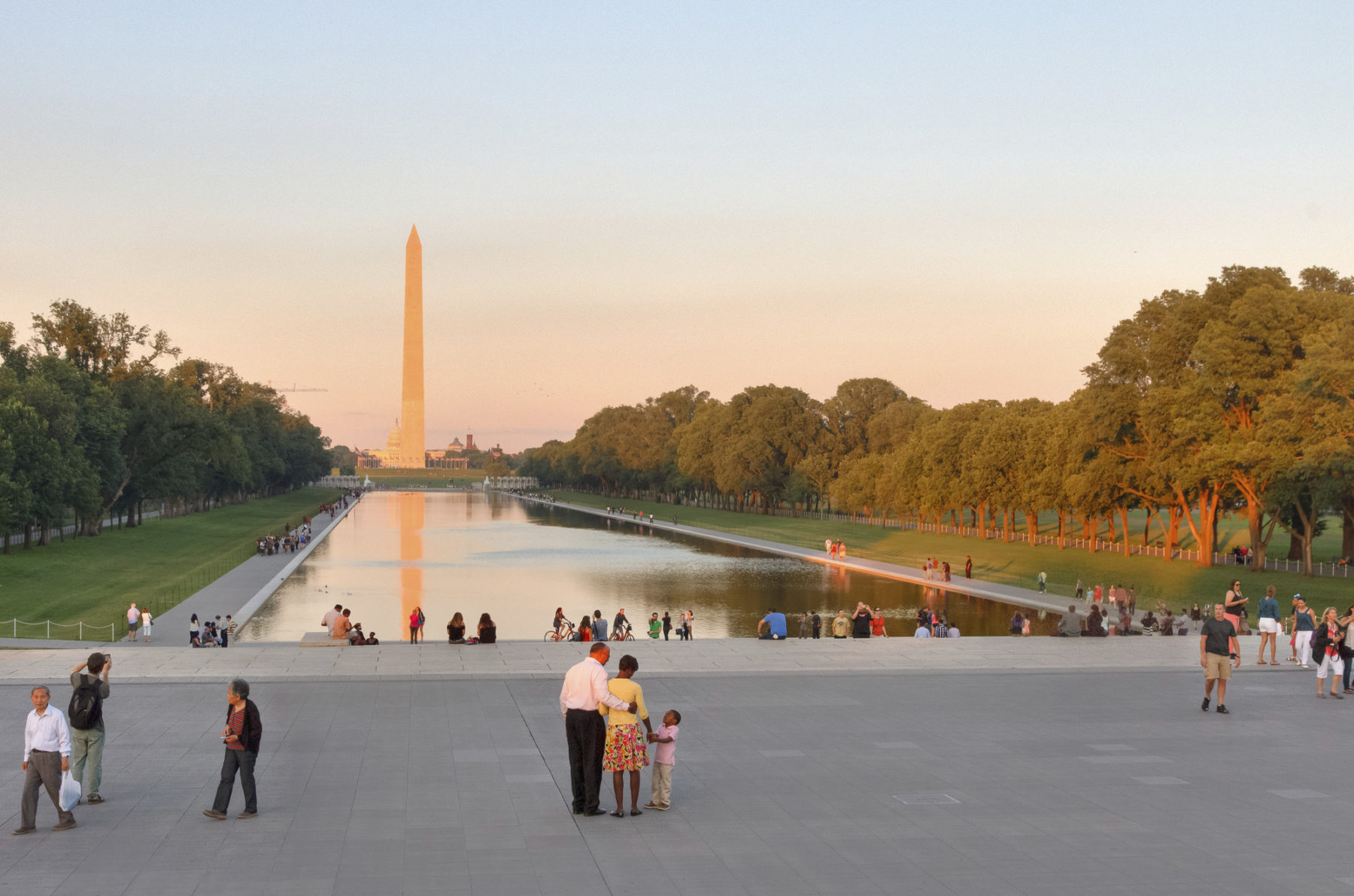
National Mall Vandalism: Laws, Penalties, and Who Pays
The National Mall looks like a park because it is one, but it is also federal parkland with federal jurisdiction. The lawns, walkways, monuments, and the Reflecting Pool sit on federal land managed largely by the National Park Service. That matters because when someone damages the grounds, the case...
Read more →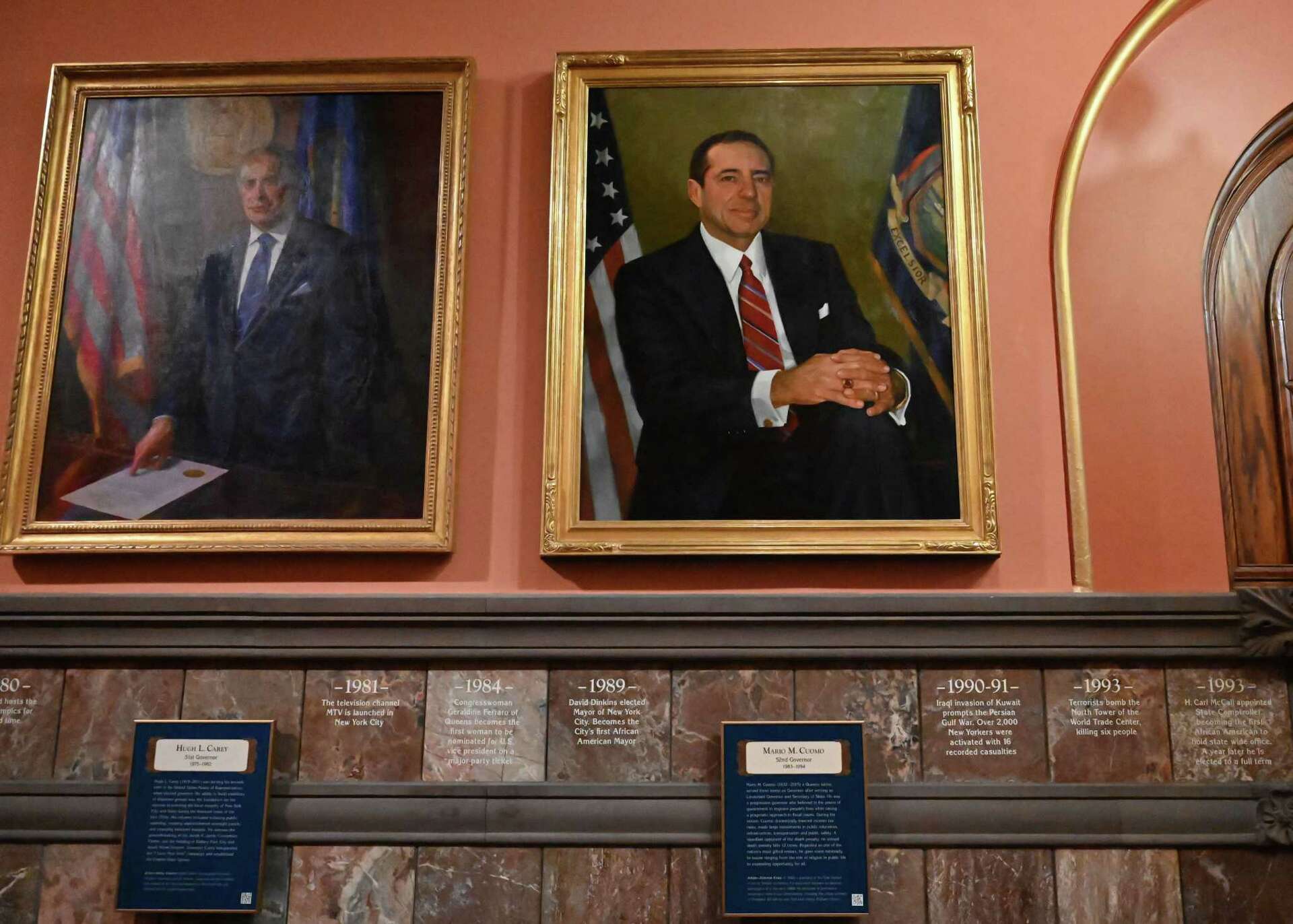
Can a Governor Mass-Release Prisoners? NY Bail, Clemency, and the Facts
A viral post claims New York Governor Kathy Hochul “released 7,000 hardcore criminals.” It is the kind of sentence that feels like it should have a single, clean answer: either a governor did that or she did not. But in criminal justice, the word released is a suitcase. People pack different legal...
Read more →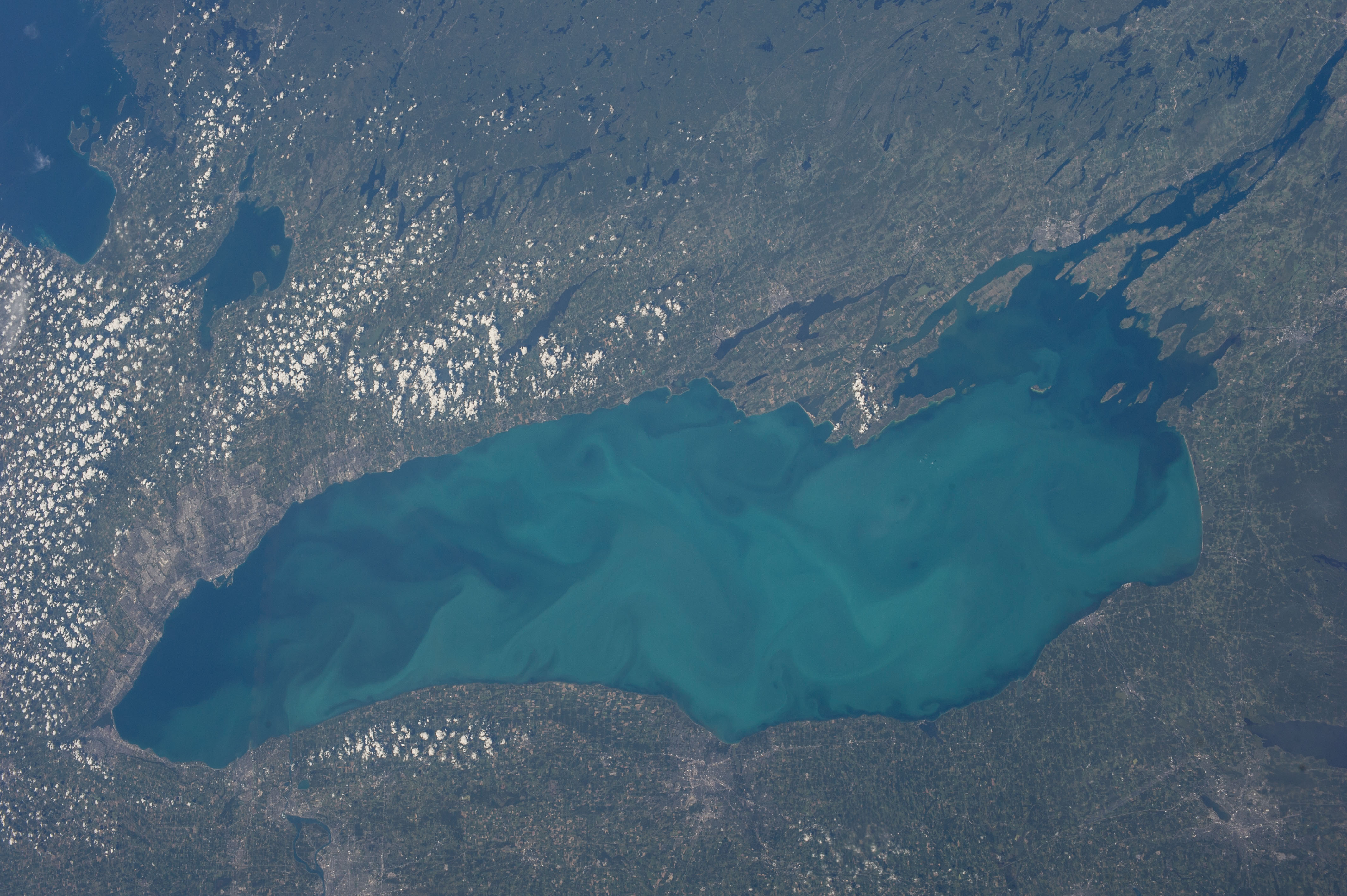
Can a President Rename a Lake?
You can rename a lake in a speech in about five seconds. You can even instruct executive-branch agencies to start using the new name in their press releases and talking points. But you cannot rename geography the way you rename a post office, because geographic names live in shared systems that...
Read more →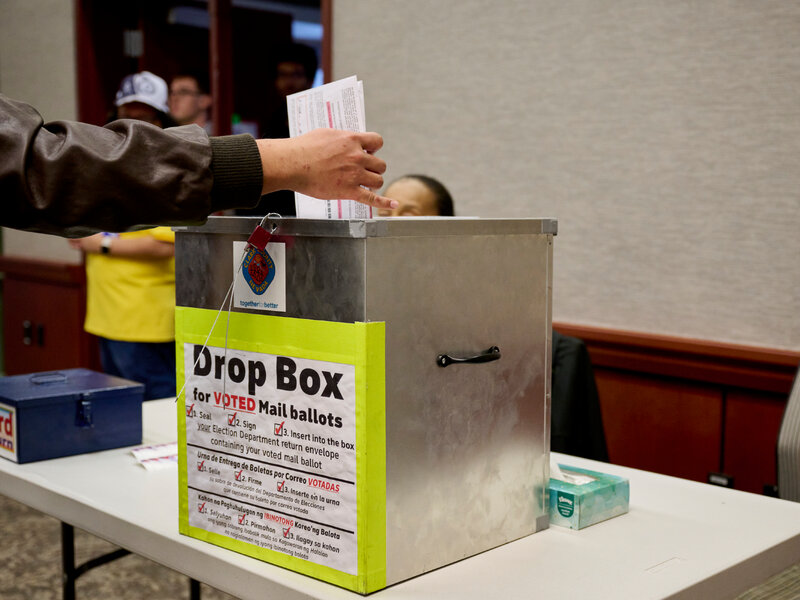
Can Noncitizens Vote? What the Constitution Says About Voter Rolls and Citizenship
The fight over noncitizens on voter rolls often sounds like a single yes or no question: can noncitizens vote? For federal elections , the legal answer is straightforward: noncitizens cannot vote . The Constitution leaves most election administration to the states, but Congress has layered federal...
Read more →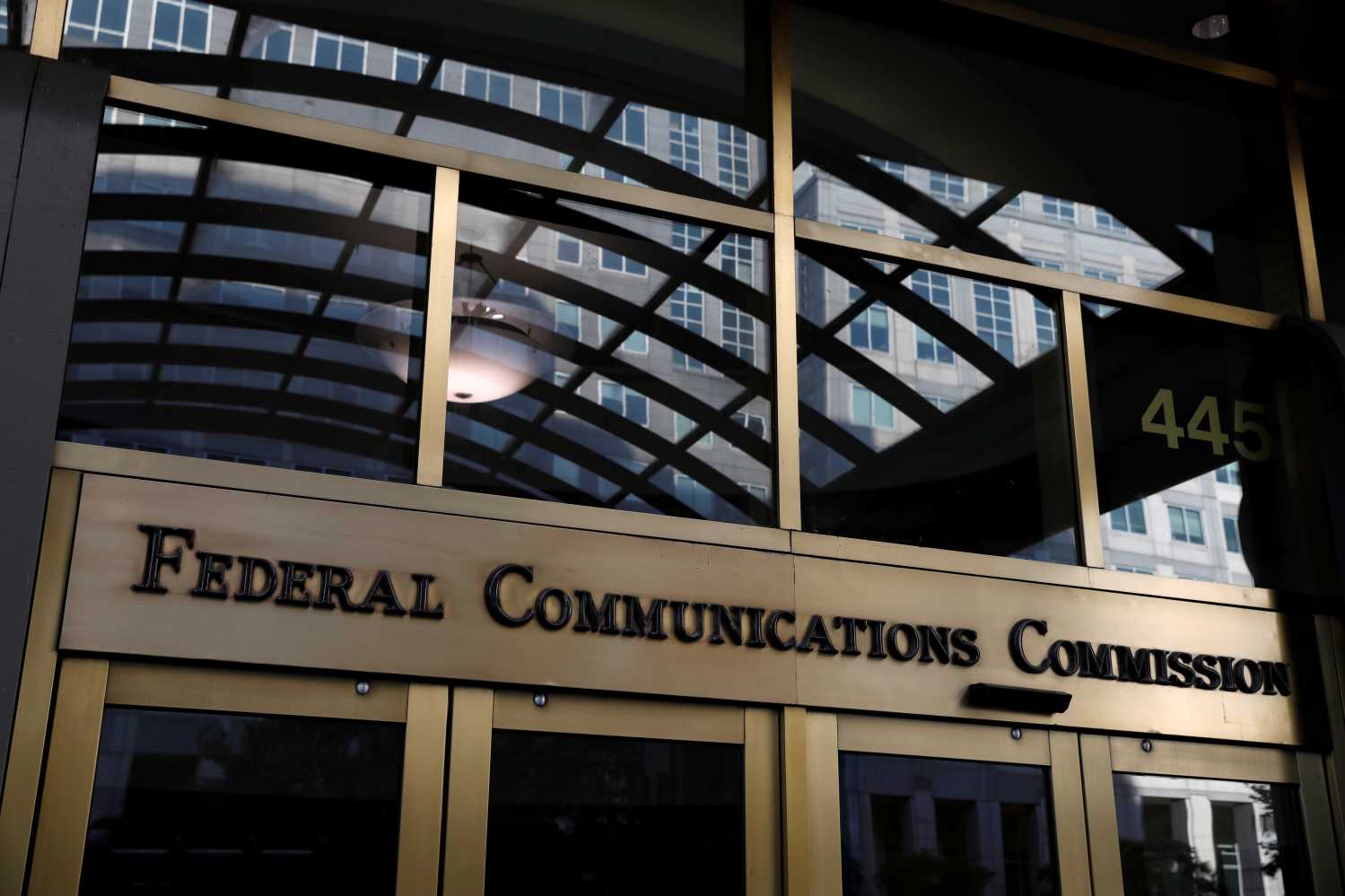
Can the FCC Punish the Media? First Amendment Limits on Broadcast Regulation
When a public figure says a network host should be “reported to the FCC for rebuke or punishment” over allegedly inaccurate commentary, it taps into a persistent American misunderstanding: that because broadcasters use “public airwaves,” the government can police their news judgments. The...
Read more →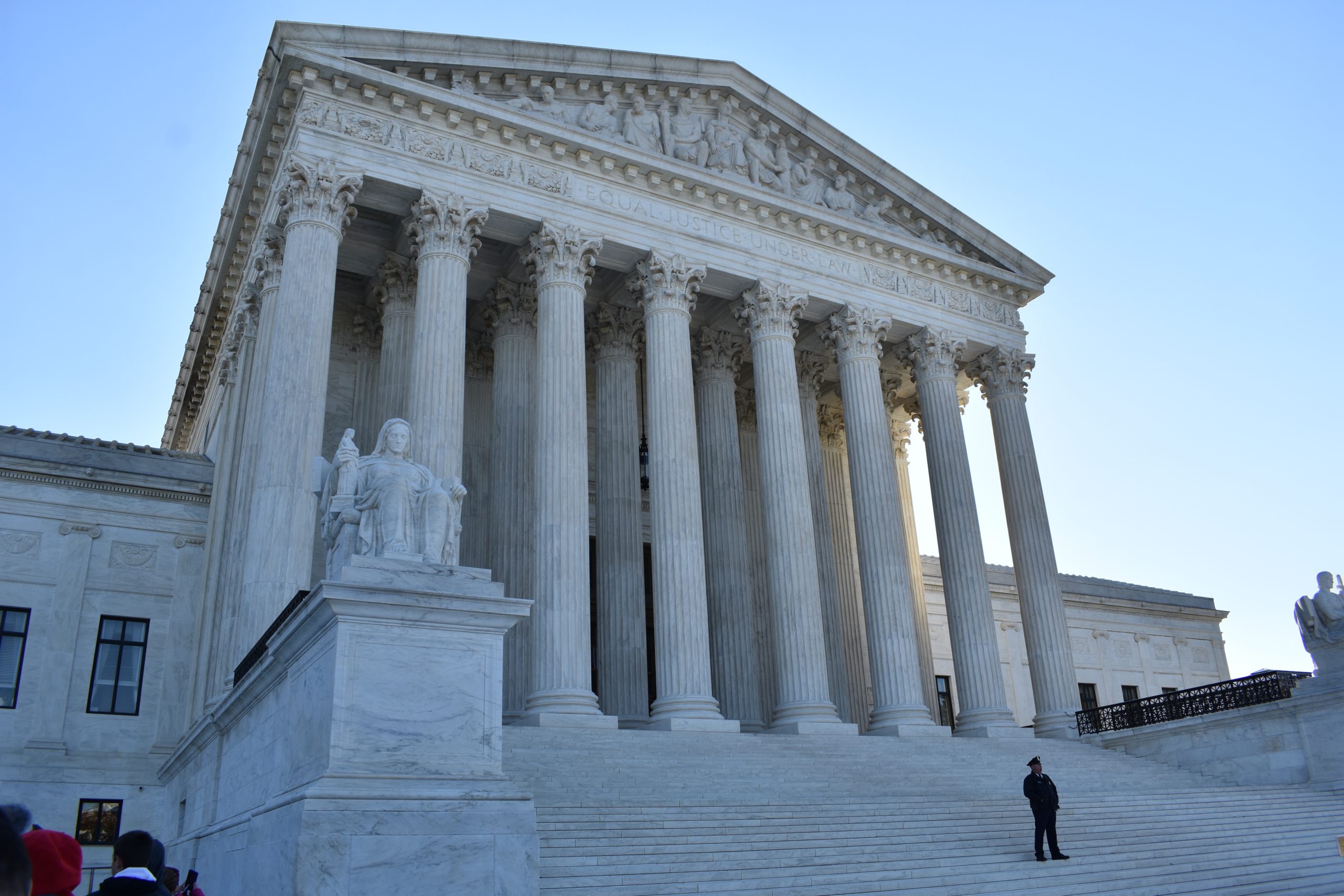
AI-Generated CSAM and the First Amendment: Why Courts Say Their Hands Are Tied
The headline is unsettling for a reason: Supreme Court precedent often constrains how far lawmakers can go in criminalizing at least some computer-generated or AI-generated child sexual abuse material (CSAM) , especially where the government cannot prove a real child was involved. That is not...
Read more →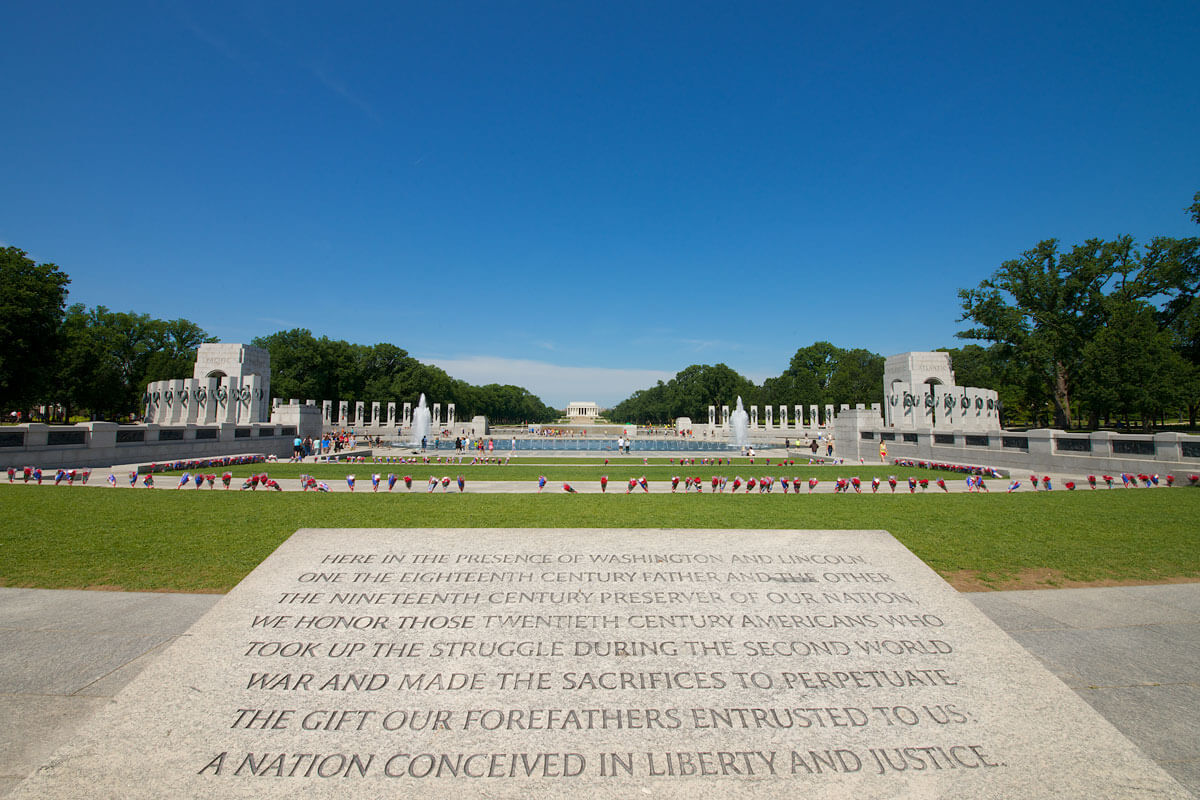
Why Vandalizing the WWII Memorial Can Be a Federal Crime
You can stand on a street corner in America and say a lot. You can march, chant, carry a sign, and make your point loudly. But those rights are not unlimited. Noise rules, permit requirements for certain events, and laws against true threats, harassment, or incitement can still apply. And if you...
Read more →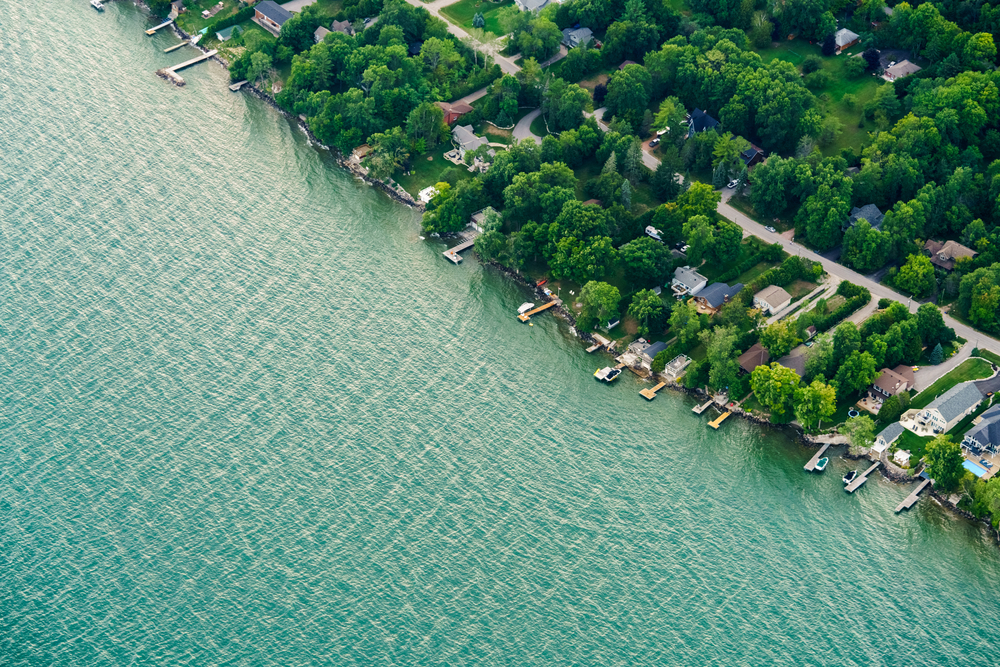
Can a President Rename Lake Ontario?
You can rename almost anything in Washington by simply deciding to call it something else. The harder question is whether anyone else is required to play along. That is the real constitutional story behind a recurring kind of controversy: reports that a president might try to rebrand a major...
Read more →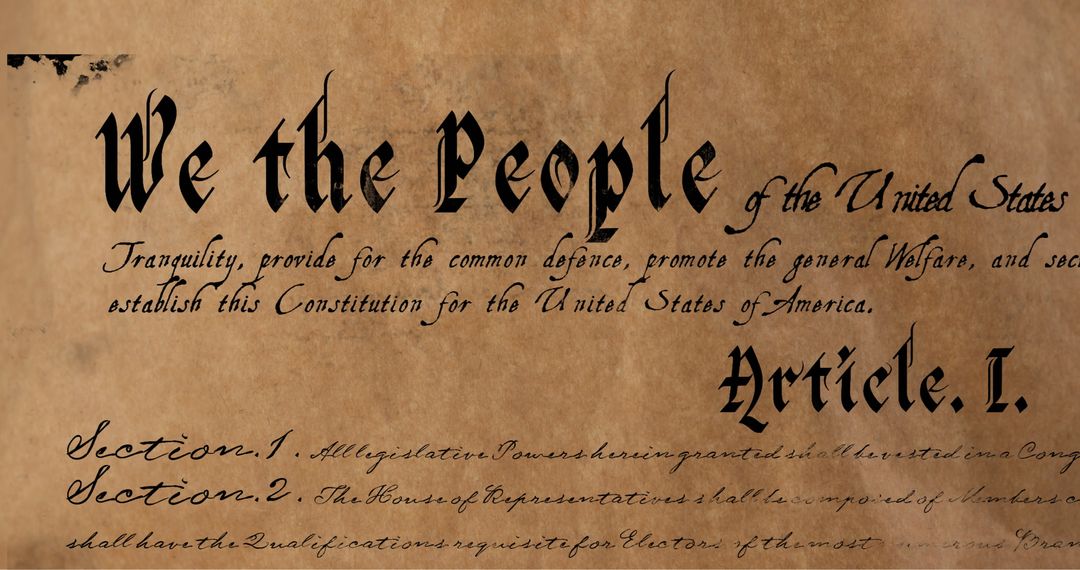
Can Noncitizens Be on Voter Rolls?
Every election cycle seems to rediscover the same unsettling sentence: noncitizens on the voter rolls . Recently, the Republican National Committee said it warned New Jersey election officials that it may sue over records it claims show noncitizens on registration lists, with a compliance deadline...
Read more →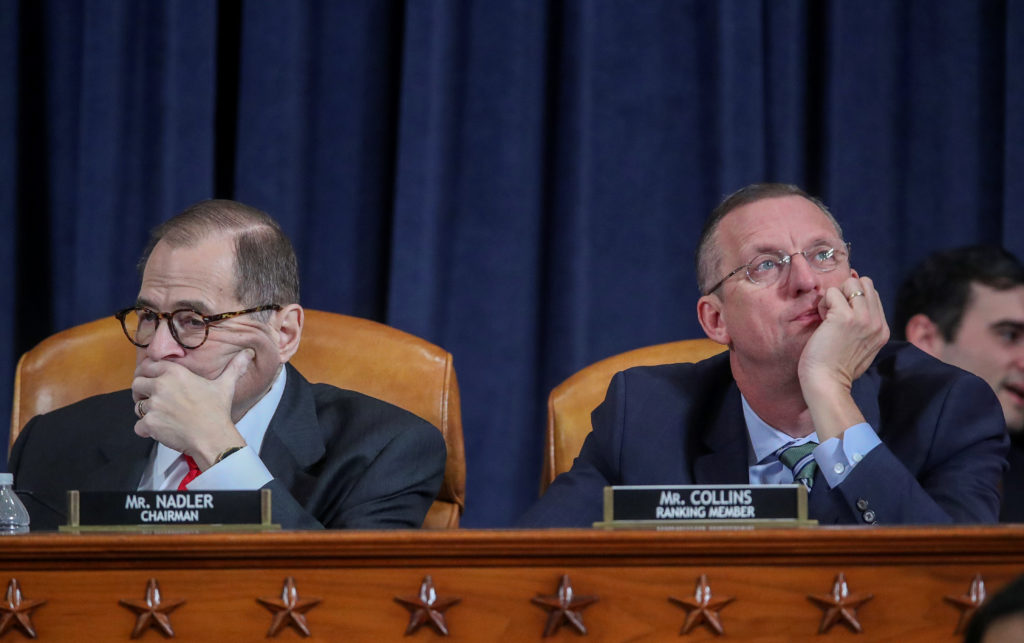
Can Congress Subpoena Sanctuary City Prosecutors?
When members of Congress threaten subpoenas, it can sound like a simple question of muscle: Can Washington summon anyone, anywhere, and demand answers? The Constitution’s real answer is both more powerful and more limited. Congress has broad investigative authority as an implied incident of Article...
Read more →
Can the President Restrict Mail-In Voting?
Mail-in voting can feel like a single national system because the envelopes look familiar and the Postal Service is federal. But constitutionally, elections are mostly not federal programs. They are state-run events with a federal overlay. That is why executive orders aimed at mail ballots often...
Read more →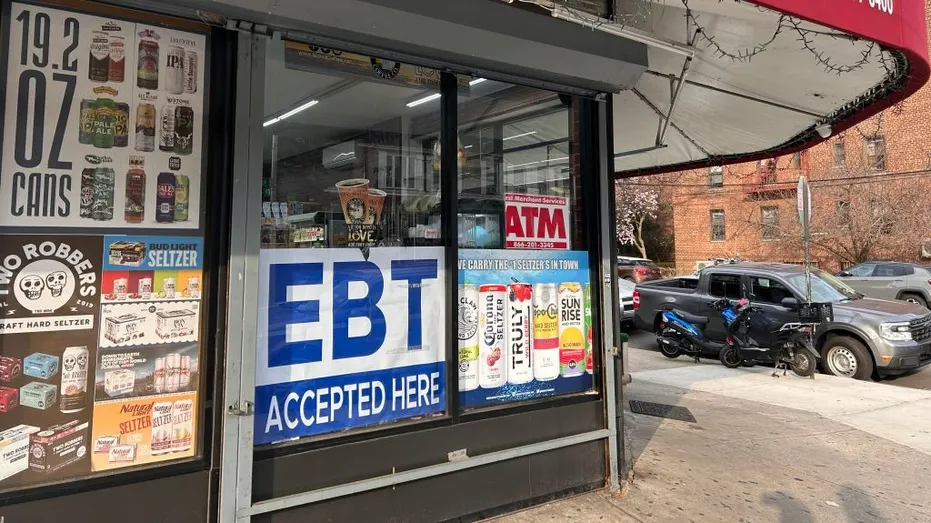
Can States Ban Welfare Cash for Tattoos, Vapes, and Video Games?
You can feel the instinct behind policies like this: if public dollars are meant to keep families afloat, the state should be able to say they cannot be used for tattoos, vapes, theme park tickets, or a new game console. But here is the necessary clarification up front: despite a lot of...
Read more →
What Power Does a State Attorney General Have Over Sheriff ICE Operations?
When immigration enforcement shows up on a county road, it can look simple: a deputy pulls a driver over, checks identity, calls ICE, and someone winds up in federal custody. But constitutionally, that one traffic stop can involve at least three governments at once: a local sheriff’s office, a...
Read more →