
You can sue a city after a rights violation. You can vote out a mayor. You can hire a new chief, pass a new policy, and promise things will be different.
And then, a year later, the same complaints return with the same familiar details: the same stops, the same uses of force, the same failures to investigate, the same quiet settlements.
A consent decree exists for the moment when the problem is not one bad incident, but a system that keeps recreating the incident. It is the civil-rights version of putting the plan in writing, signing it, and then letting a federal judge hold you to it.
Join the Discussion
What a consent decree is
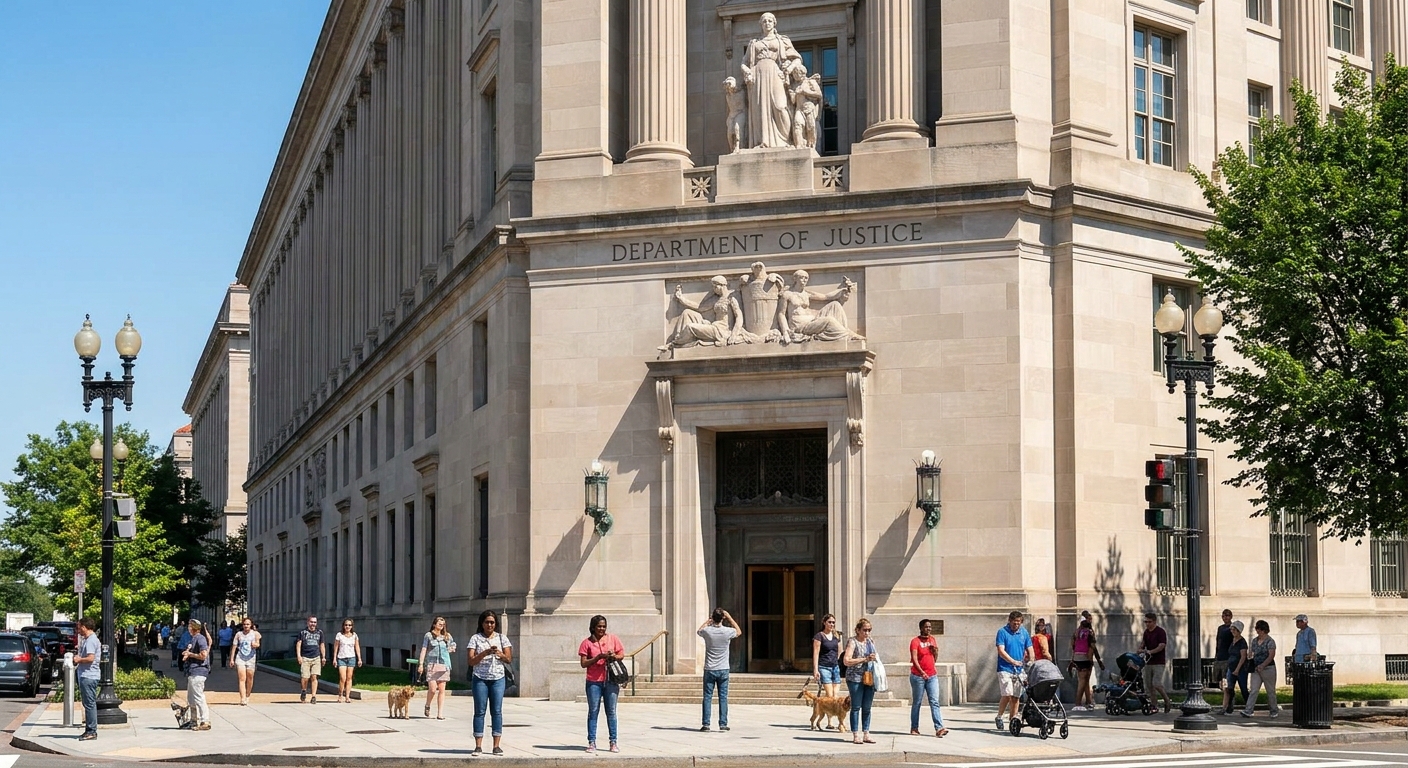
A consent decree is a negotiated agreement between parties that a court enters as an enforceable order. In police reform, the parties are often the U.S. Department of Justice (DOJ) and a city, county, or law-enforcement agency.
In that context, the usual path is this:
- DOJ investigates a police department or other public agency.
- DOJ alleges a pattern or practice of civil-rights violations, meaning repeated, systemic conduct rather than an isolated incident.
- Instead of litigating to a final judgment, the parties negotiate a detailed reform plan.
- A federal judge enters that agreement as an enforceable order, the consent decree.
This is the key difference between a settlement and a consent decree: a consent decree is not just a promise. It is enforceable in court. If the agency falls out of compliance, the judge can order fixes, set deadlines, and, in rare and extreme situations, use contempt powers to compel compliance.
Many police consent decrees grow out of DOJ authority under 34 U.S.C. § 12601 (formerly 42 U.S.C. § 14141), which allows DOJ to sue when a law-enforcement agency engages in a pattern or practice that deprives people of rights protected by the Constitution or federal law.
How DOJ gets there
Consent decrees do not typically begin with one headline, even if a headline triggers public attention. DOJ builds a record.
A pattern-or-practice investigation often includes:
- Reviewing incident reports, body camera footage, dispatch logs, and use-of-force files
- Auditing stops and searches, including demographic data
- Examining how misconduct complaints are received, investigated, and disciplined
- Interviewing officers, supervisors, city officials, and community members
- Assessing training, supervision, early-warning systems, and internal affairs independence
If DOJ finds systemic problems, it issues findings and negotiates for reform. A department may accept a decree to avoid years of litigation risk and reputational damage. A city may accept because it wants outside leverage to push through reforms that local stakeholders resist.
Or a city may refuse, and DOJ may sue. Even then, the end point is sometimes a decree or a decree-like court order, because once both sides see the cost of a full trial, a negotiated resolution can become attractive.
One practical reality that matters, too: DOJ enforcement priorities can shift across administrations. The underlying authority remains, but how aggressively it is used, and what kinds of agreements DOJ seeks, can change with federal leadership.
What is inside a decree
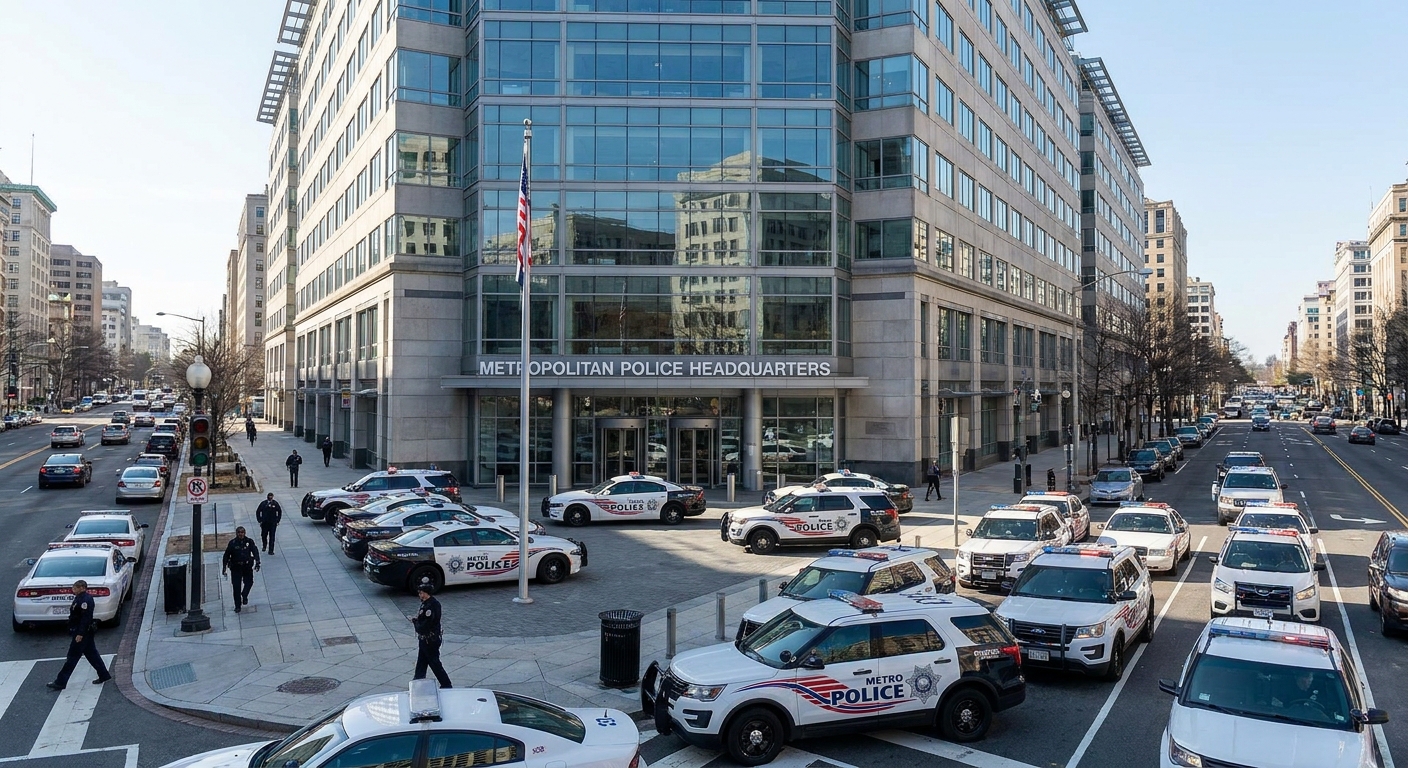
Consent decrees are long because they are specific. They tend to read less like lofty constitutional theory and more like a detailed operations manual.
Common reform areas
- Use of force: clearer standards, de-escalation requirements, reporting rules, and supervisory review
- Stops, searches, and arrests: documentation, bias-free policing rules, and auditing for Fourth Amendment compliance
- First Amendment policing: crowd-control policies, rules for journalists and observers, and limits on dispersal orders
- Accountability systems: internal affairs timelines, complaint intake, discipline consistency, and civilian oversight access
- Training: scenario-based modules, field training officer standards, and supervisor training
- Data and transparency: public reporting dashboards, policy publication, and recordkeeping integrity
- Mental health response: crisis-intervention models, co-responder programs, and referral pathways
Because the decree is a court order, the details matter. A department that can satisfy a judge with measurable compliance is more likely to get out from under supervision. A department with vague promises is more likely to fight about whether it is really changing.
Concrete examples help make this real. DOJ consent decrees and court-enforced reform agreements have shaped policing in cities such as Los Angeles, Seattle, and New Orleans, among others. The specifics vary, but the logic is the same: if the problem is a system, the remedy has to be structural.
The monitor
Many major consent decrees appoint an independent monitor or monitoring team, though some use other compliance structures like court-appointed coordinators or joint compliance committees. This role is not symbolic. It is the mechanism that turns a decree from a piece of paper into a lived practice.
What monitors do
- Audit compliance: sample cases, review footage, inspect files, and test whether policies are followed in the field
- Issue public reports: periodic findings that explain what is working and what is not
- Recommend corrections: concrete changes to training, supervision, policy language, and data systems
- Verify sustainability: assess whether reforms survive leadership changes and political pressure
Monitors are usually paid by the city or agency being monitored, which becomes a political flashpoint. Supporters call it the price of credibility and constitutional compliance. Critics call it expensive federal micromanagement.
The truth is more mundane and more important: monitors exist because constitutional policing is not only about good rules. It is about implementation. Implementation is where institutions quietly revert to habit.

How long they last
There is no single timeline. A consent decree lasts until the court is convinced that the agency has met the decree’s court-defined compliance benchmarks and can sustain them, often for a maintenance period.
In practice, that often means years. Why so long?
- Policy is the easy part. Writing a new use-of-force rule can happen in weeks.
- Training takes time. You cannot retrain an entire department overnight, especially with shift coverage realities.
- Supervision is culture. Sustainable change requires supervisors to enforce the new standards consistently.
- Data systems lag. Early-warning tracking, body camera management, and auditing tools are expensive and slow to implement.
Decrees also tend to require repetition. It is not enough to look compliant once. A department usually has to show it can stay compliant.
How they end
Consent decrees end through a legal process, not a press conference. The details vary by case, but the arc is familiar.
- Progress is measured. The monitor (or other compliance structure) reports on whether requirements are being met.
- A party moves to terminate. Often the city or agency asks the court to end the decree, sometimes in phases by topic.
- The court evaluates evidence. That can include monitoring data, audits, policy implementation records, and sometimes testimony.
- Community input may appear. Some courts allow public comment or consider stakeholder submissions, especially where the decree includes community engagement provisions.
The underlying idea is simple: the court looks for proof that reforms are not just adopted, but operating in the real world, and that they will survive the next leadership change.
Decrees and local politics
Consent decrees are negotiated in a legal setting, but they live in a political one. The judge may be the formal authority, but the day-to-day realities are controlled by budgets, elections, union contracts, and public patience.
Where friction shows up
- Budget fights: training time, data systems, and monitor costs compete with other city needs
- Union resistance: discipline reform and supervisory accountability can collide with collective bargaining
- Leadership turnover: a reform-minded chief can be replaced by a “law and order” hire, or vice versa
- Public attention cycles: urgency spikes after a crisis and fades when headlines move on
- Competing mandates: mayors want lower crime numbers while decrees demand slower, better documented, constitutionally grounded policing
This is why consent decrees become symbols in broader debates. Supporters see them as a way to protect rights when local systems fail to correct themselves. Opponents see them as federal control over local policing, with reforms that may not match the city’s political priorities.
Both sides are reacting to a real tension built into American federalism: policing is mostly local, but constitutional rights are national.
Decrees vs. 1983 lawsuits
Most people encounter police accountability through the lens of individual lawsuits, often filed under 42 U.S.C. § 1983. That tool is aimed at remedies for specific violations, usually damages or targeted injunctions.
Consent decrees operate differently:
- 1983 cases usually ask: What happened to this person, and who is legally responsible?
- Consent decrees ask: What keeps happening, and what structural changes will stop it from recurring?
The two can overlap. A wave of 1983 suits can reveal patterns. Large settlements can pressure city leaders. But a consent decree is the more direct mechanism for system-level change because it creates enforceable obligations, measurement, and oversight.
It is also why consent decrees are sometimes called both too weak and too strong. Too weak because they do not punish past misconduct the way criminal prosecution might. Too strong because they can place a city’s police operations under sustained court supervision.
Decrees vs. non-court agreements
Not every reform deal is a consent decree. Sometimes DOJ or other parties use agreements that are not entered as court orders, such as memoranda of understanding or settlement agreements without ongoing judicial enforcement.
Those arrangements can still drive change, but the leverage is different. Without a judge and a court’s enforcement tools, compliance depends more heavily on politics, budgets, and voluntary follow-through.
Do they work?
The honest answer is: sometimes, and it depends on what you mean by “work.”
If “work” means a fast drop in every negative outcome, decrees can disappoint. They are slow. They are procedural. They often begin with better reporting, which can make problems look worse before they look better.
If “work” means building durable guardrails, decrees have a stronger case. They can:
- force policy clarity where ambiguity enabled abuse
- create supervisory incentives to intervene early
- make complaint systems usable and trackable
- produce public data that outlasts the current administration
But they cannot manufacture political will. A city that treats the decree as an enemy to outlast will behave differently than a city that treats it as leverage to modernize.

Why it matters
The Constitution does not enforce itself. It is enforced through institutions: courts, agencies, legislatures, and the public pressure that moves them.
A consent decree is one of the clearest examples of constitutional enforcement as a long-term project. It is not a dramatic trial verdict. It is not a single Supreme Court opinion. It is a supervised, measurable effort to align a local agency’s daily practices with national constitutional standards.
That is also why it remains controversial. A consent decree makes a quiet claim about how rights actually survive: not only through declarations of principle, but through policies, training schedules, database fields, supervisor checklists, and public reports that show whether the promises are being kept.
If you want a closing thought, it is this: consent decrees are what happens when the law stops pretending that misconduct is always a one-off, and starts treating it like a system with habits.