
In the American immigration debate, the word refugee gets used like a mood. Sometimes it means “person in danger.” Sometimes it means “anyone crossing a border.” Sometimes it means “a policy I like” or “a policy I do not.”
But in U.S. law, refugee is a specific legal category with a specific pipeline. The U.S. Refugee Admissions Program, usually shortened to USRAP, is the formal system for bringing certain displaced people to the United States from outside the country and resettling them through a network of federal agencies and local partners.
From a civics angle, USRAP is a clean example of how American government really works: Congress writes broad statutes, the executive branch runs the program, the President sets annual targets, courts review individual disputes, and state and local communities end up living with the practical consequences.
Join the Discussion
What USRAP is, in plain terms
USRAP is the United States’ overseas refugee resettlement system. A person who qualifies as a refugee under U.S. law can be admitted to the United States, transported to a receiving community, and connected with initial support services.
This is not the same thing as ordinary immigration through family sponsorship or employment. It is also not the same thing as someone arriving at the border and asking for protection. USRAP is designed for people who are outside their home country and typically already recognized as needing protection.
The core legal idea
U.S. refugee law tracks the international definition built around a well-known standard: a person who is outside their country and cannot return because of a well-founded fear of persecution based on:
- race
- religion
- nationality
- political opinion
- membership in a particular social group
That is the framework. The hard part is applying it to real lives and real evidence, under real time pressure, with real security concerns.
Who runs the program, and what each branch controls
Refugee admissions can feel like a single federal “decision,” but it is actually a chain of authorities spread across the constitutional system.
Congress: the statutory backbone
Congress sets the legal structure through the Immigration and Nationality Act. That statute authorizes refugee admissions, funds key parts of the process, and builds reporting and consultation requirements. Congress also appropriates money for refugee processing overseas and resettlement services at home.
The President: the annual ceiling
Each fiscal year, the President sets a refugee admissions cap and regional allocations after consulting with Congress. This is why “refugee numbers” can swing dramatically from one administration to the next without Congress rewriting the underlying statute.
The cap is a ceiling, not a guarantee. The government can admit fewer than the target depending on processing capacity, global events, and policy choices.
The executive branch: the machinery
Several agencies do different pieces of the work:
- Department of State: coordinates USRAP overseas and funds resettlement partners.
- Department of Homeland Security (through USCIS): conducts refugee interviews and makes many of the adjudication decisions.
- Department of Health and Human Services (Office of Refugee Resettlement): supports services after arrival.
In other words, the Constitution’s separation of powers shows up as a practical reality: Congress writes the rulebook and funds it, the President sets the annual admissions framework, and agencies carry out the detailed work.
How cases get into the pipeline: referrals
One of the biggest misconceptions about USRAP is that people simply “apply” and get chosen the way they might apply to a visa. In practice, the program often begins with a referral.
Common sources include:
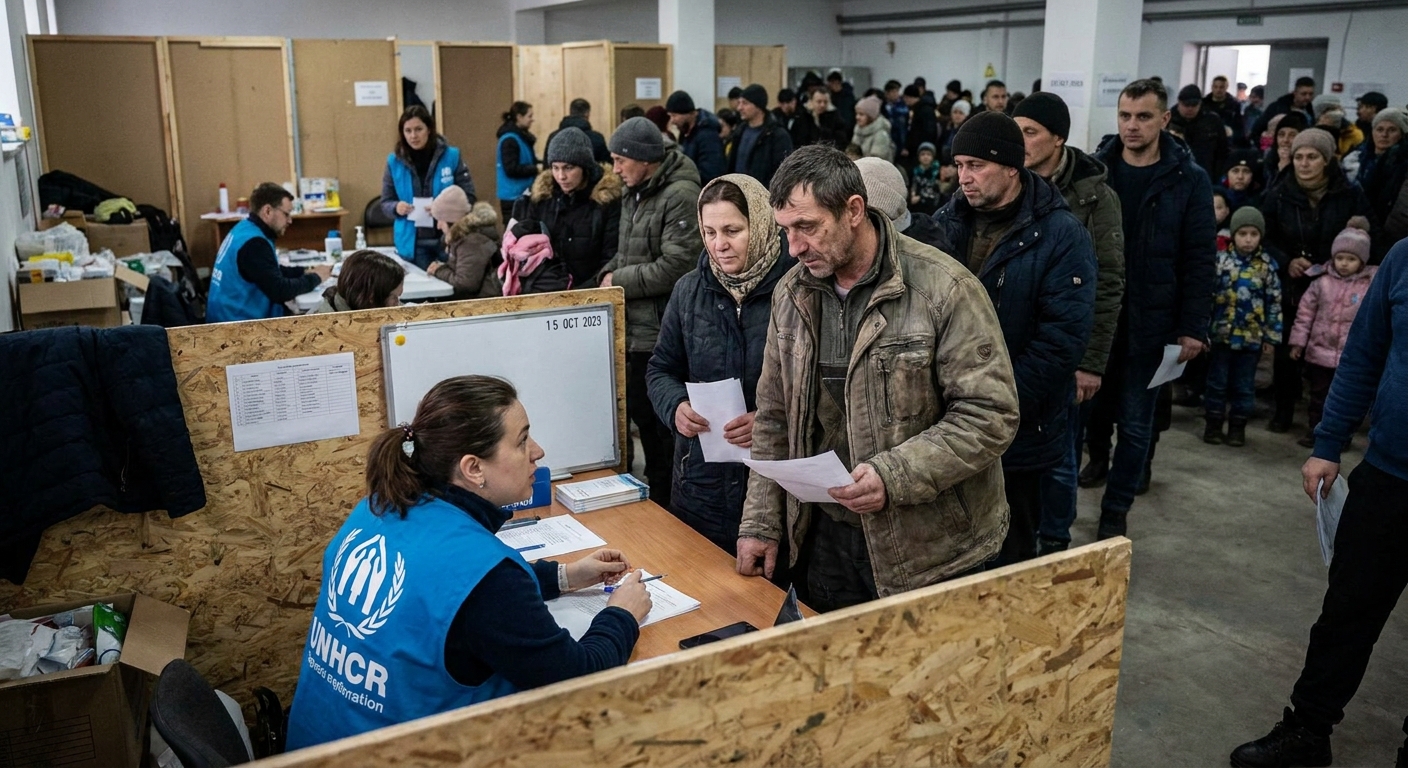
- The United Nations High Commissioner for Refugees (UNHCR), which identifies especially vulnerable refugees and refers some for resettlement consideration.
- U.S. embassies in certain circumstances.
- Designated non-governmental organizations in some regions.
- Family-based access points in limited situations, depending on the program rules in effect.
Think of referrals as a gate. It does not guarantee admission, but it gets a person to the front door of the U.S. process.
Vetting and screening: what happens before a plane ticket exists
Because refugee admissions are an entry path to the United States, the government layers multiple checks before approval. The exact sequence and time frame can vary, but at a high level the process usually includes:
1) Case creation and biographic checks
Basic identity information is collected and checked against government databases. Names, dates of birth, family ties, and travel history matter here. This is also where inconsistencies can cause major delays.
2) Biometrics
Many applicants provide fingerprints and other biometrics. Biometrics help answer the government’s central question: Are you who you say you are? They also support security checks across multiple systems.
3) The refugee interview
A U.S. immigration officer interviews the applicant. This is where the legal definition becomes human. Officers ask about:
- what happened to you
- why you fear returning
- what evidence supports your account
- how your story fits the persecution categories
The interview is not just about sympathy. It is about credibility, eligibility, and whether the facts meet the legal standard.
4) Security-related checks
Refugee admissions include a set of security screenings that draw on multiple agencies. In civics terms, this is the executive branch doing what it is constitutionally expected to do: protecting national security while administering a lawful pathway into the country.
These checks do not mean every refugee is suspected of wrongdoing. They mean the government treats admission as a sovereign act and tries to reduce risk before entry.
5) Medical screening
Refugees generally undergo medical exams before travel. The purpose is partly public health and partly practical: to identify conditions that need treatment upon arrival and to clear people for travel.
Medical screening is not a moral judgment. It is administrative triage. It also reflects a public health reality: resettlement is a coordinated logistics effort, not a spontaneous event.
Approval is not the end: travel and placement
Once someone is approved, the program shifts from adjudication to resettlement logistics. This is where USRAP becomes visible in American communities.
Who decides where refugees live?
Resettlement is coordinated through national nonprofit agencies, often called resettlement support centers overseas and resettlement agencies domestically. Local affiliates help arrange initial housing and services.
Placement decisions consider factors like:
- where family members already live
- available housing
- employment prospects
- medical needs and local healthcare capacity
- community support networks
States and cities are not “running” USRAP, but they feel it. Schools enroll children. Employers become first job opportunities. Local clinics become the first point of care. Refugee admissions are a federal policy with local footprints.
What refugees receive after arrival, and why
In American civics, the most important shift happens at the border of legal status. Once admitted as a refugee, a person is not just “present.” They are in a recognized, lawful category with a pathway forward.
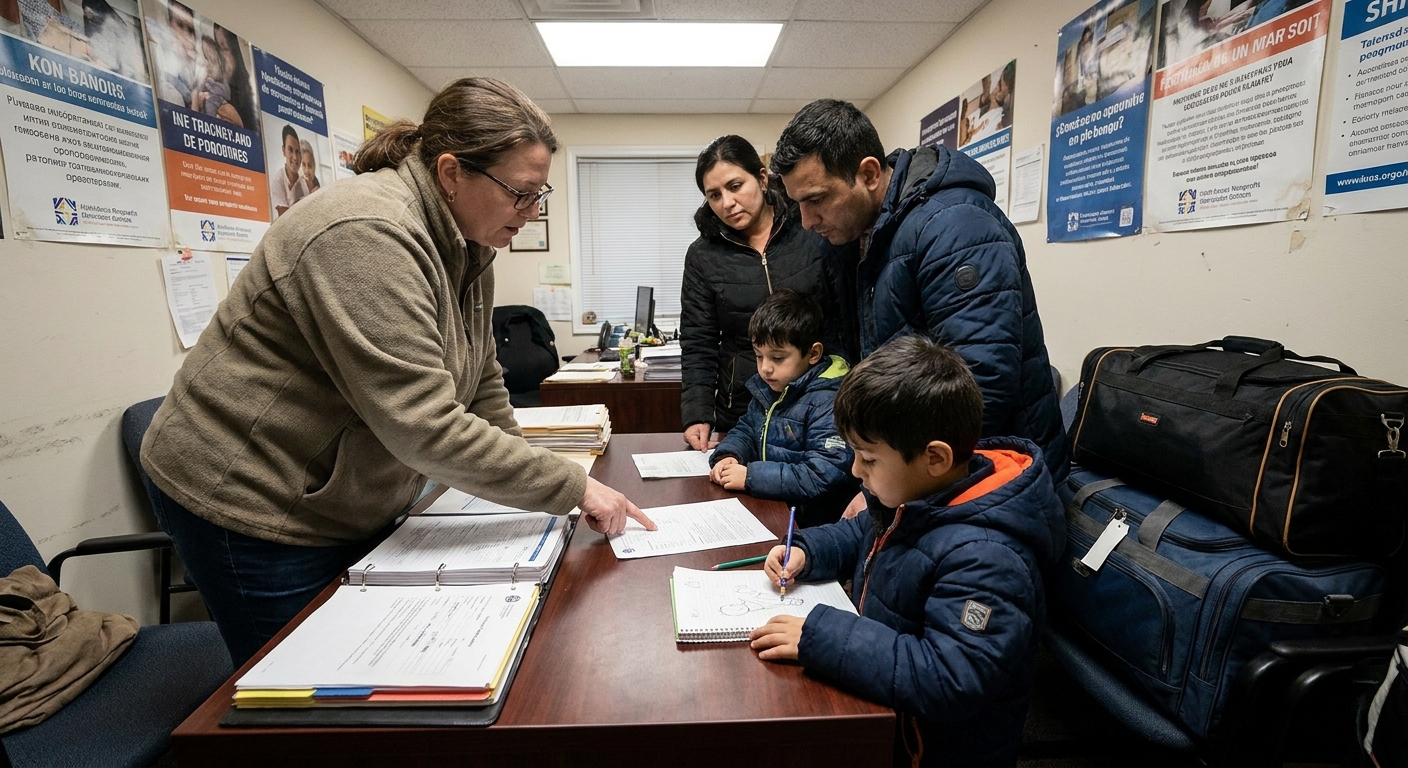
Initial support services
Refugees are typically connected to short-term assistance such as:
- help finding housing and basic furnishings
- enrollment support for school-aged children
- English classes and job placement assistance
- orientation to U.S. laws and community systems
This support is not indefinite. It is meant to stabilize the first months, when everything from a lease to a bus route is a new civic language.
Work authorization
Refugees are generally authorized to work. That matters because it distinguishes USRAP from many other immigration categories that restrict employment at first.
Permanent residence and citizenship pathway
Refugee status is designed as a bridge, not a holding pen. Refugees typically can apply for lawful permanent residence after meeting the statutory requirements, and later for citizenship if they choose and qualify.
Constitutional rights after arrival
Once inside the United States, refugees are protected by core constitutional guarantees that apply to persons, not only citizens. That includes due process protections in many contexts and basic legal protections in criminal proceedings.
Some rights are tied to citizenship, especially voting in federal elections and holding certain public offices. But the baseline truth is simple: the Constitution’s protection is not reserved for people who were lucky enough to be born here.
Refugee vs. asylum: same fear, different doorway
The cleanest way to understand the difference is geography.
Refugee
- Where they are: outside the United States.
- How the process starts: usually by referral into USRAP and overseas processing.
- How they enter: they are admitted to the U.S. as refugees.
Asylum seeker
- Where they are: already in the United States or at a U.S. port of entry.
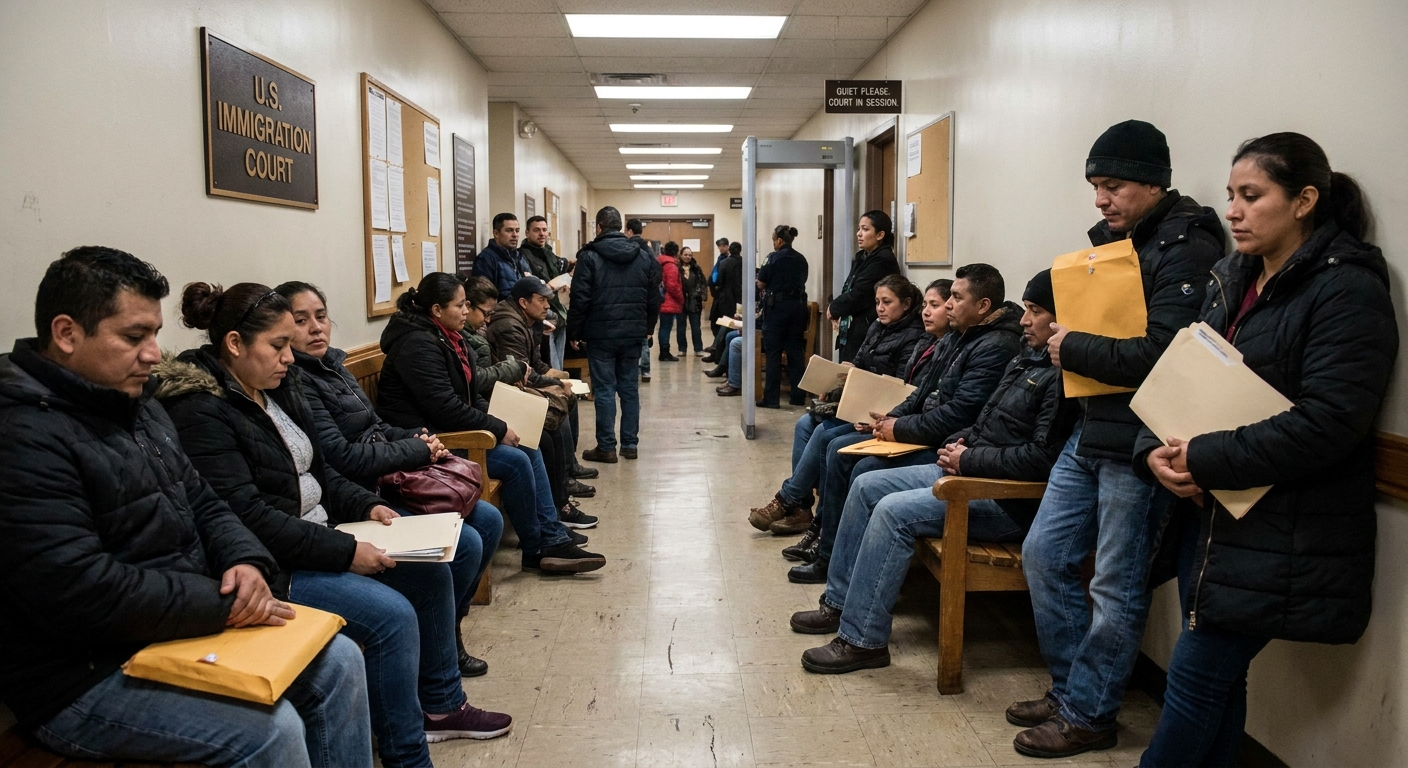
- How the process starts: they apply for asylum, either affirmatively (through USCIS) or defensively (in removal proceedings).
- How they enter: they may have entered with a visa, without a visa, or requested protection at the border, depending on the case.
Both categories use a similar persecution standard. The difference is process, and process is where law becomes lived reality.
USRAP is designed to select and prepare people before they arrive. Asylum adjudication often happens amid the pressures of enforcement, detention decisions, court backlogs, and shifting policy rules.
Welcome Corps and private sponsorship
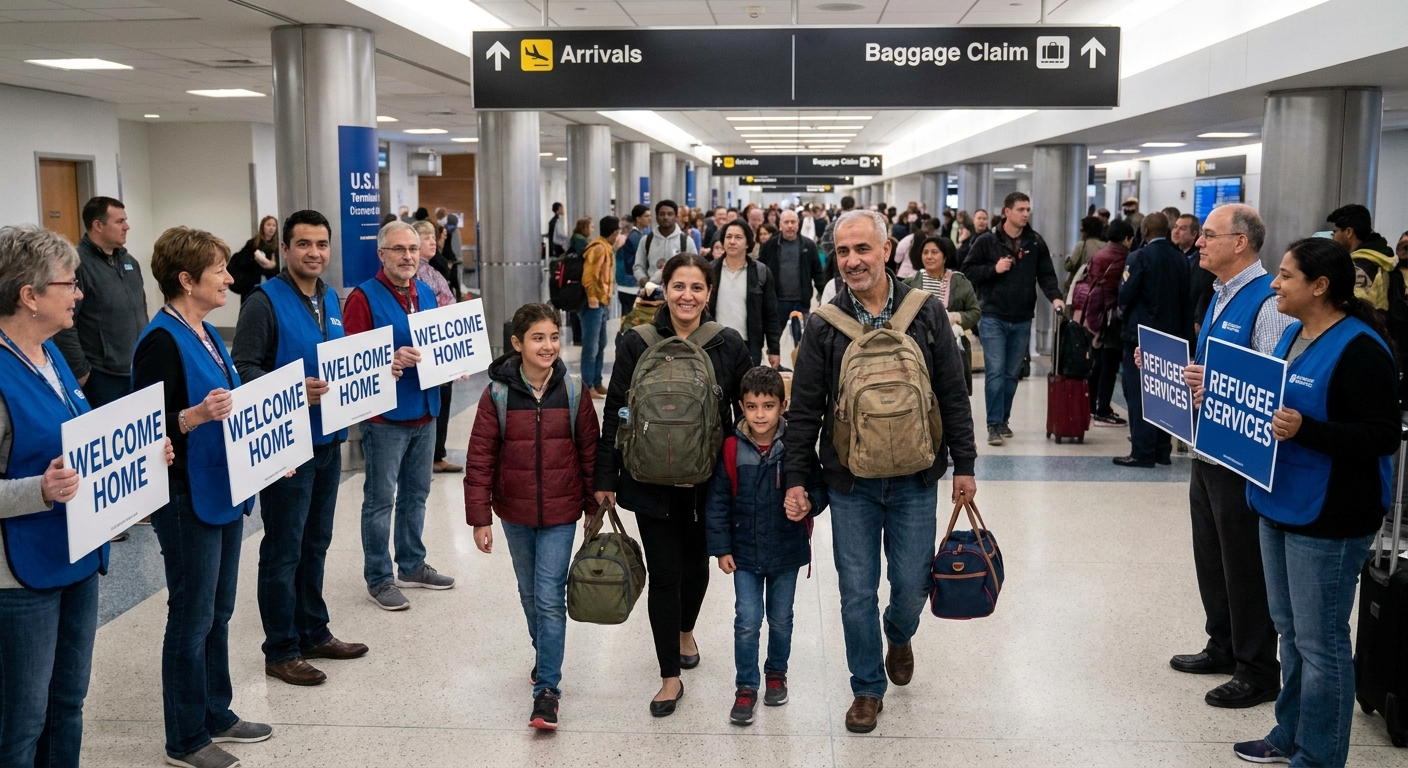
One of the most important recent developments inside USRAP is the rise of private sponsorship through the Welcome Corps, launched in 2023. The basic idea is civic by design: groups of private citizens can form a sponsor group, raise funds, and commit to helping resettled refugees get established after arrival.
It does not replace the federal role. Refugee eligibility, screening, and admission still run through the U.S. government’s process. But it changes the texture of resettlement by formalizing something that has always been true in practice: local communities are not just the “footprint” of refugee policy. They can be part of the machinery that makes it work.
Why the program is always political
Even when people agree on compassion, they disagree on structure. USRAP sits at the intersection of humanitarian policy and sovereign control, and that makes it a permanent political target.
The admissions cap is executive power in action
Because the President sets the annual ceiling, refugee policy often becomes a proxy fight over executive priorities. The same statute can produce radically different outcomes depending on how an administration uses its discretion.
Security, trust, and public confidence
Every resettlement system depends on public trust that screening is meaningful and that the government is telling the truth about how it works. When trust collapses, the argument rarely stays technical. It becomes cultural.
Federalism shows up at the local level
Resettlement is federally controlled, but it is locally experienced. That mismatch can create tension. Communities may welcome newcomers enthusiastically, or they may feel that the federal government made decisions without local consent. Both reactions are part of the same civic story.
What to ask when you hear “refugee” in the news
If you want to read refugee headlines like a civics student instead of a partisan, ask a few grounded questions:
- Are we talking about USRAP (overseas refugee admissions) or asylum (already in the U.S. or at the border)?
- What is the current annual admissions cap, and how many admissions are actually occurring?
- Which agencies are making which decisions in this specific story?
- Is the dispute about eligibility, vetting, funding, or local capacity?
- What rights attach to the person’s status right now, and what rights do not?
The Constitution does not contain a refugee clause. What it contains is something more consequential: a structure for making contested decisions in public, through law, and with accountability points that citizens can pressure.
USRAP is one of those accountability tests. It is a humanitarian program, yes. It is also a live demonstration of how the United States decides who gets to join the American “we.”