There is a simple sentence in the Constitution that looks like it should settle a very modern fight: who gets to start the nation’s tax bills.
It is called the Origination Clause. It lives in Article I, Section 7. And it says that “All Bills for raising Revenue shall originate in the House of Representatives; but the Senate may propose or concur with Amendments as on other Bills.”
On paper, that sounds like a clean division of labor. In practice, it creates a recurring constitutional argument over two questions that never stop mattering in Washington:
- What counts as a “bill for raising revenue”?
- How far can the Senate go when it “amends” a House revenue bill?
Join the Discussion
The text and the basic idea
The Origination Clause is part of the same section that gives us the familiar steps of lawmaking: passing both chambers, presentation to the President, vetoes, and overrides. The placement is a hint. The Framers were not only designing a legislature. They were designing leverage.
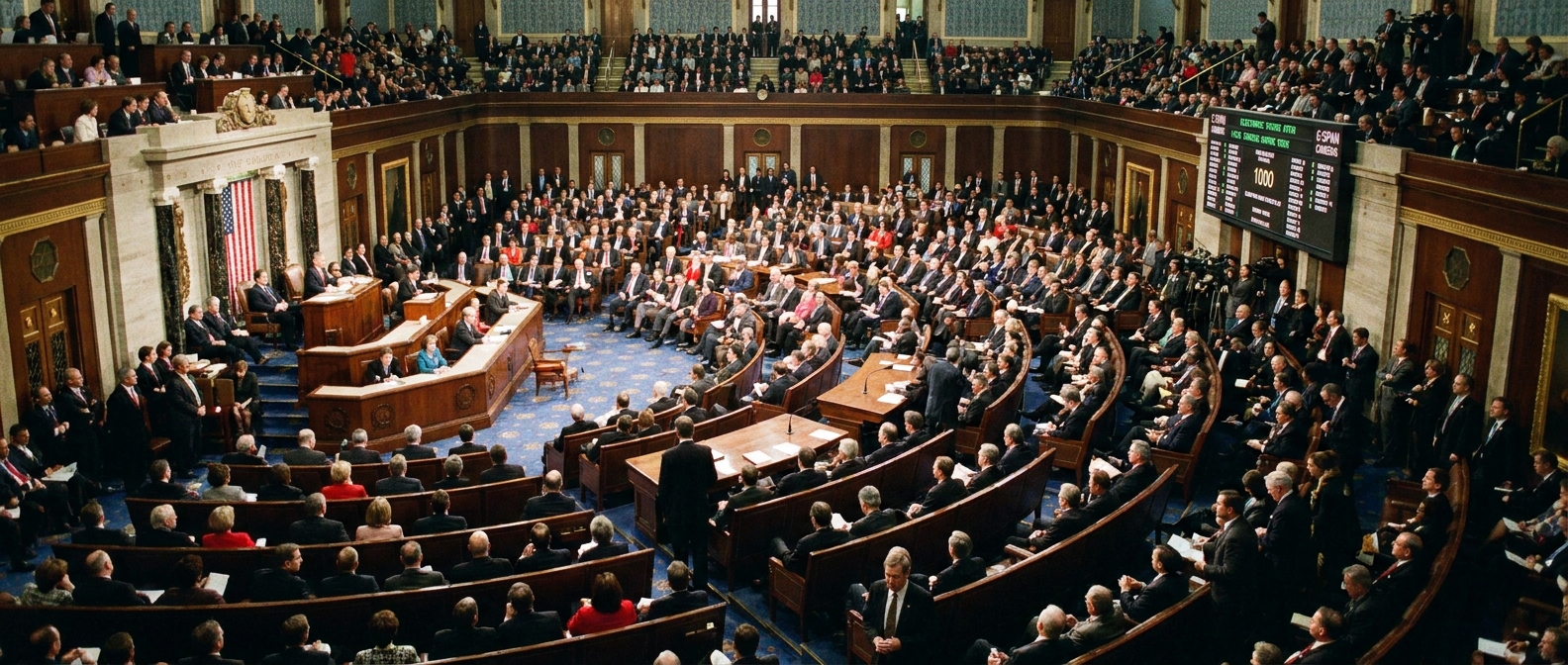
The House is the chamber closest to the people. Its members face elections every two years. In the founding era, that closeness made the House the natural starting point for taxes, tariffs, and other measures that reach directly into people’s wallets.
So the clause sets a constitutional presumption: if Congress is going to raise money for the government, the first move should come from the people’s chamber.
Why it mattered: accountability
The Origination Clause did not appear out of nowhere. It reflects an older constitutional instinct inherited from British practice: taxation should begin in the legislative body most directly accountable to the electorate.
In the United Kingdom, money bills traditionally began in the House of Commons, not the House of Lords. The American Founders did not copy Parliament, but they did borrow some of its hard-earned lessons about representation and consent.
The logic is less poetic than it sounds. Taxes are often unpopular. Spending is often popular. A system that lets elected officials spend without taking visible responsibility for revenue invites wishful budgeting. The Origination Clause tries to anchor both decisions to the body that cannot escape voters for long.
What counts as “raising revenue”
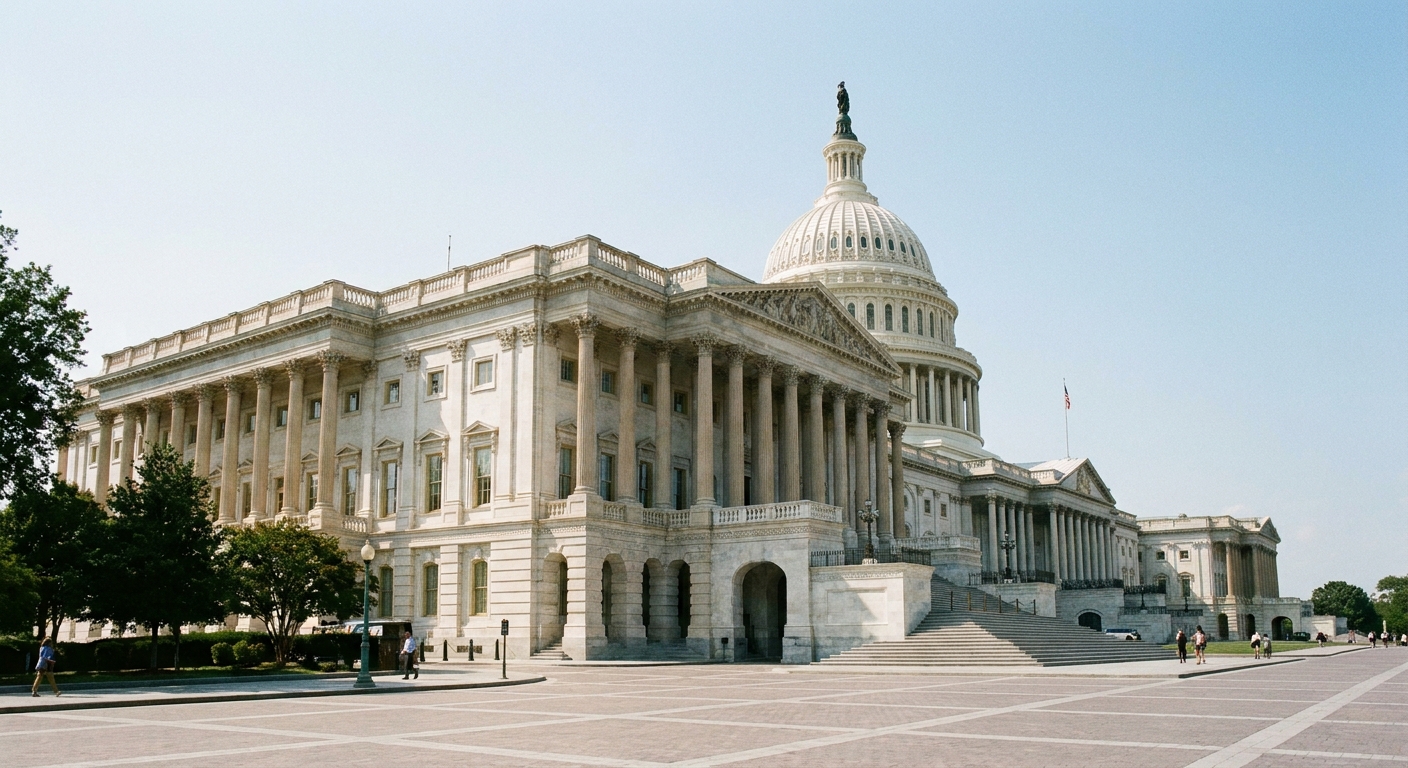
The phrase “Bills for raising Revenue” sounds broad, but the Supreme Court has generally treated it more narrowly than everyday political language does.
In modern constitutional law, a bill is most likely to be treated as a revenue bill when its primary purpose is to raise money for the general support of the government. A commonly cited anchor here is United States v. Munoz-Flores (1990), where the Court emphasized that not every law that generates money is a “revenue” bill in the Origination Clause sense.
That framing creates a crucial distinction:
- Revenue-raising as the main point: more likely to trigger the Origination Clause.
- Money collected as a side effect of regulation: less likely to be treated as “raising revenue” in the constitutional sense.
Taxes vs fees, penalties, and regulation
Congress can require payments to the government for many reasons. Not all of them are “revenue bills.” Courts often look for whether a measure is trying to fund the government or trying to shape behavior.
For example, a charge designed mainly to discourage a harmful activity can be viewed as regulatory even if it brings in money. The money matters, but the constitutional label depends on the law’s overall design and purpose.
Spending bills are not revenue bills
This is a common point of confusion. A bill that authorizes spending, or appropriates money, is not the same thing as a bill that raises revenue.
The Origination Clause is about how money comes in. Appropriations are about how money goes out. Both are power-of-the-purse issues, but they live in different constitutional buckets.
Tariffs and classic taxes
Historically, tariffs were central to federal revenue. Today, the big revenue engines are income, payroll, and corporate taxes. Measures that adjust these systems are the clearest modern candidates for Origination Clause debates.
Where it gets murky
Hard cases often live in the middle: tax credits, program-specific levies, and charges that are earmarked for a particular fund instead of the general Treasury. In those disputes, arguments tend to focus on purpose and structure, including whether the money is mainly meant to support the government generally or to operate a specific regulatory or administrative scheme.
How the Senate still shapes tax laws
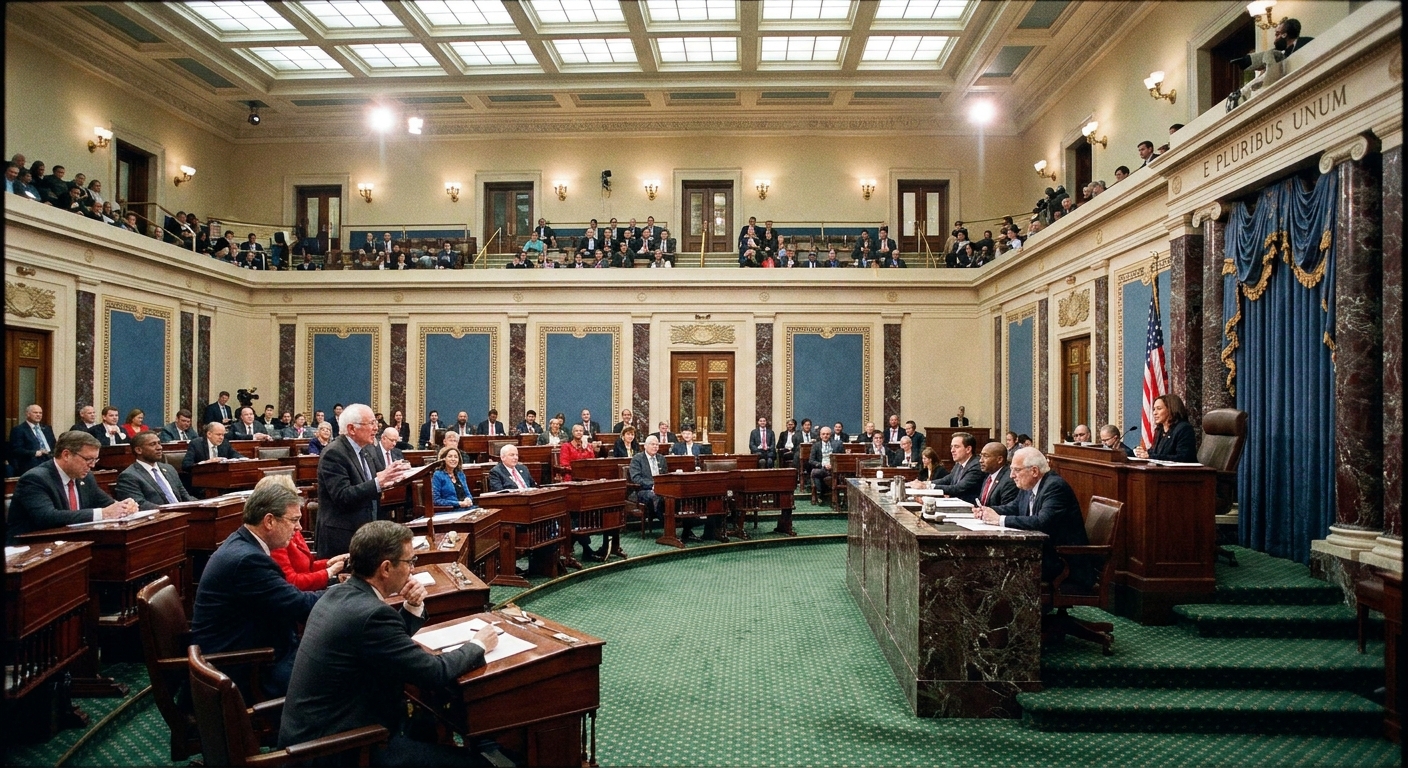
The second half of the Origination Clause is where much of the modern drama happens: “but the Senate may propose or concur with Amendments as on other Bills.”
The Senate cannot start a revenue bill. But it can amend one. And “amend” can mean anything from a minor edit to a sweeping rewrite.
The amendment power
In practice, the Senate often takes a House-originated bill that satisfies the Origination Clause and then replaces large portions of it. The constitutional argument is that the bill still technically “originated” in the House, even if the Senate’s final version barely resembles what the House passed.
This is why you will sometimes hear a phrase that sounds like a legislative parlor trick: the Senate uses a House bill as a “shell” or “vehicle.” That practice is politically contested and has been challenged in court from time to time, but judges have generally treated the Senate’s amendment power as broad and the boundaries as not sharply defined.
From a civics standpoint, the result is straightforward:
- The House must provide the starting paper for a revenue bill.
- The Senate can exert enormous influence by amending that paper.
- The House still gets a final vote on whether to accept the Senate’s changes, or to negotiate in conference.
Amendment vs replacement
There is no explicit constitutional line that says an amendment has to be small. The Constitution does not say, “minor amendments only.” It says amendments “as on other Bills,” which suggests the Senate’s usual flexibility carries over.
That reality has produced a recurring tension:
- Formalism: If the House bill number started in the House, the Origination Clause is satisfied.
- Functionalism: If the Senate can replace everything, the House’s originating role can start to feel symbolic.
Congress has largely lived with that tension because the legislative process itself provides guardrails. The House can refuse to take up the Senate’s version. It can insist on its own approach. It can force negotiation. The Origination Clause shapes bargaining power more than it dictates outcomes.
What courts and Congress do
Origination Clause challenges do occur in litigation, often when a major tax or health care law is controversial and someone is searching for a constitutional hook that might invalidate it.
The general pattern is this:
- Courts ask whether the challenged law is truly a “bill for raising revenue” in the constitutional sense.
- If it is, courts ask whether it “originated” in the House, which is often satisfied if the legislative vehicle began there.
- The Senate’s power to amend is treated as substantial.
A well-known modern example is the Affordable Care Act litigation. Among many other arguments, challengers raised Origination Clause claims tied to the Act’s payment provisions and the fact that the final legislation moved through a House-originated vehicle after extensive Senate revision. Those claims ultimately did not succeed, and the episode illustrates the recurring themes: what counts as “revenue,” and how much rewriting still counts as an “amendment.”
The House’s enforcement tool: blue slips
The Origination Clause is also enforced inside Congress, not just in court. The House has a long-standing practice of returning certain Senate-initiated measures that it views as violating the clause, sometimes called “blue-slipping” (because of the traditional blue paper used for the resolution). It is a procedural assertion of the House’s prerogative, and it shapes negotiations even when judges never get involved.
So the clause is not meaningless. It functions as a structural rule about legislative initiation, enforced heavily through inter-chamber politics and procedure, with courts usually hesitant to police the fine print after the fact.
How it shows up in budget politics
You do not have to follow every procedural twist in Congress to see why the Origination Clause stays relevant.
Modern fiscal lawmaking often involves:
- Large packages that combine taxes, credits, and spending priorities.
- Fast-track procedures and deadlines that pressure both chambers to move quickly.
- Strategic choices about which chamber introduces what, and in what legislative form.
When lawmakers are building a major tax package, the Origination Clause becomes part of the choreography. The House may introduce the initial revenue vehicle. The Senate may reshape it dramatically. Then the House must decide whether the Senate’s version is a deal worth making.
The clause does not pick a winner in those negotiations. It assigns the opening move, and that is often enough to matter.
What to remember
The Origination Clause is one of those constitutional rules that sounds like a technicality until you notice what it is really doing: assigning political accountability for the most direct kind of governmental burden.
- The text: Revenue bills must start in the House, but the Senate can amend.
- The practical definition: A “revenue bill” is usually one whose main purpose is raising money for the general treasury, not simply collecting funds as a side effect of regulation.
- The Senate’s influence: Often enormous, because amendment power can include near-total replacement, even if the outer limits are not crisply defined.
- The modern impact: It shapes negotiation leverage in big budget and tax fights, reinforced by House procedure like blue slips and only occasionally tested in court.
The Constitution does not just limit power. It also scripts how power competes. The Origination Clause is a quiet example of that design, still visible every time Congress argues over who gets to write the first draft of the nation’s bills.