
Articles by Eleanor Stratton
Browse articles in Articles by Eleanor Stratton on U.S. Constitution
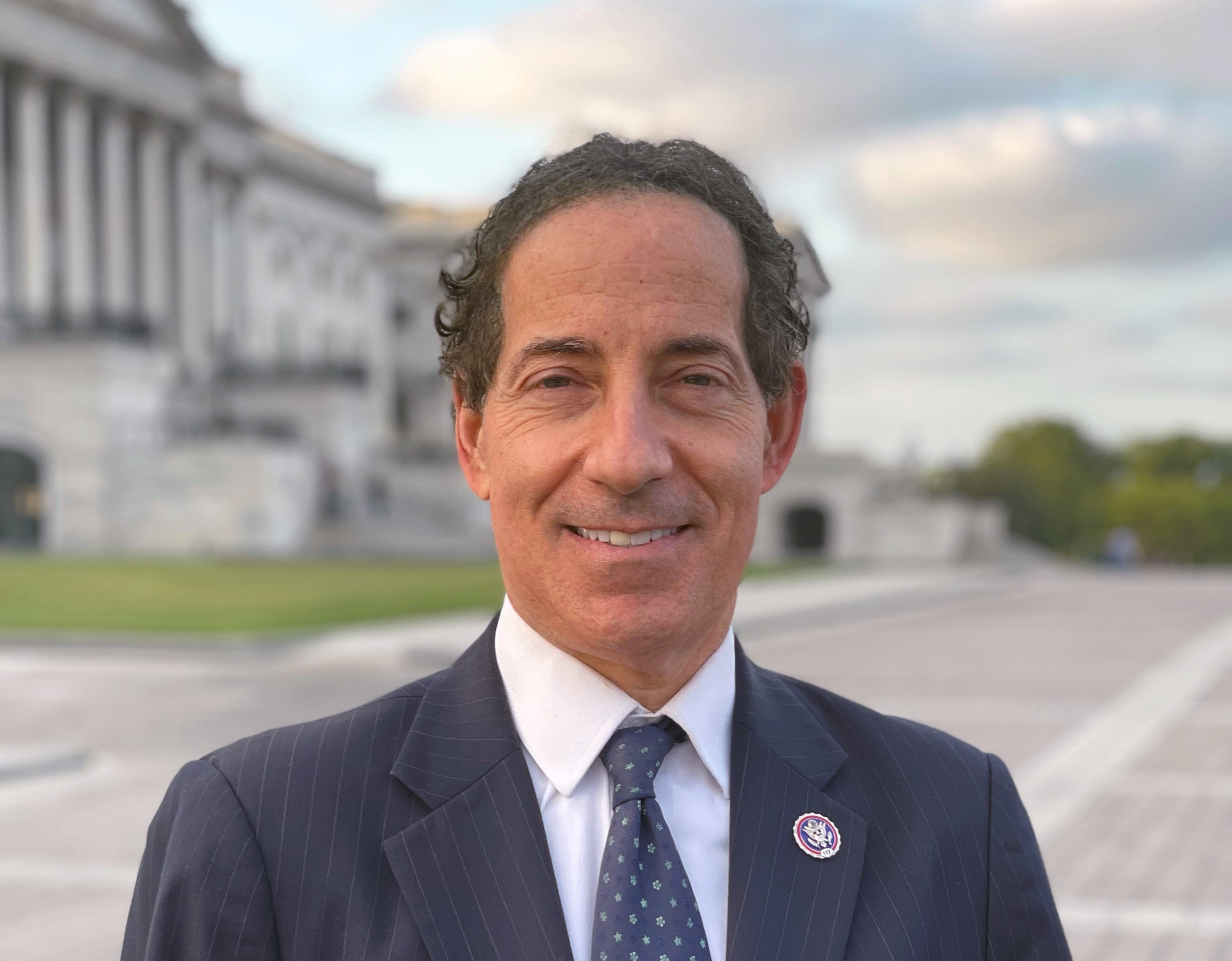
Raskin, Trump, and the Third Impeachment Question
Impeachment is one of those constitutional words that sounds like a verdict. But in American law, it is closer to an indictment: a formal accusation issued by the House, followed by a trial in the Senate. That distinction is the key to understanding why Rep. Jamie Raskin’s September 6, 2026...
Read more →
When AI-Generated CSAM Meets the First Amendment
You can feel the moral impulse immediately: if an image depicts the sexual abuse of a child, it should be illegal to make, to possess, to share. Full stop. But American constitutional law does not run on moral certainty. It runs on categories, definitions, and lines that courts draw so the...
Read more →
Arizona’s Voter Rolls Case Heads to the Supreme Court
Most election fights sound like they are about politics. This one is about plumbing. Not the dramatic question of who wins, but the quiet machinery underneath: who is allowed onto the voter rolls in the first place, who can be taken off, and when a state is permitted to fix its own list. This...
Read more →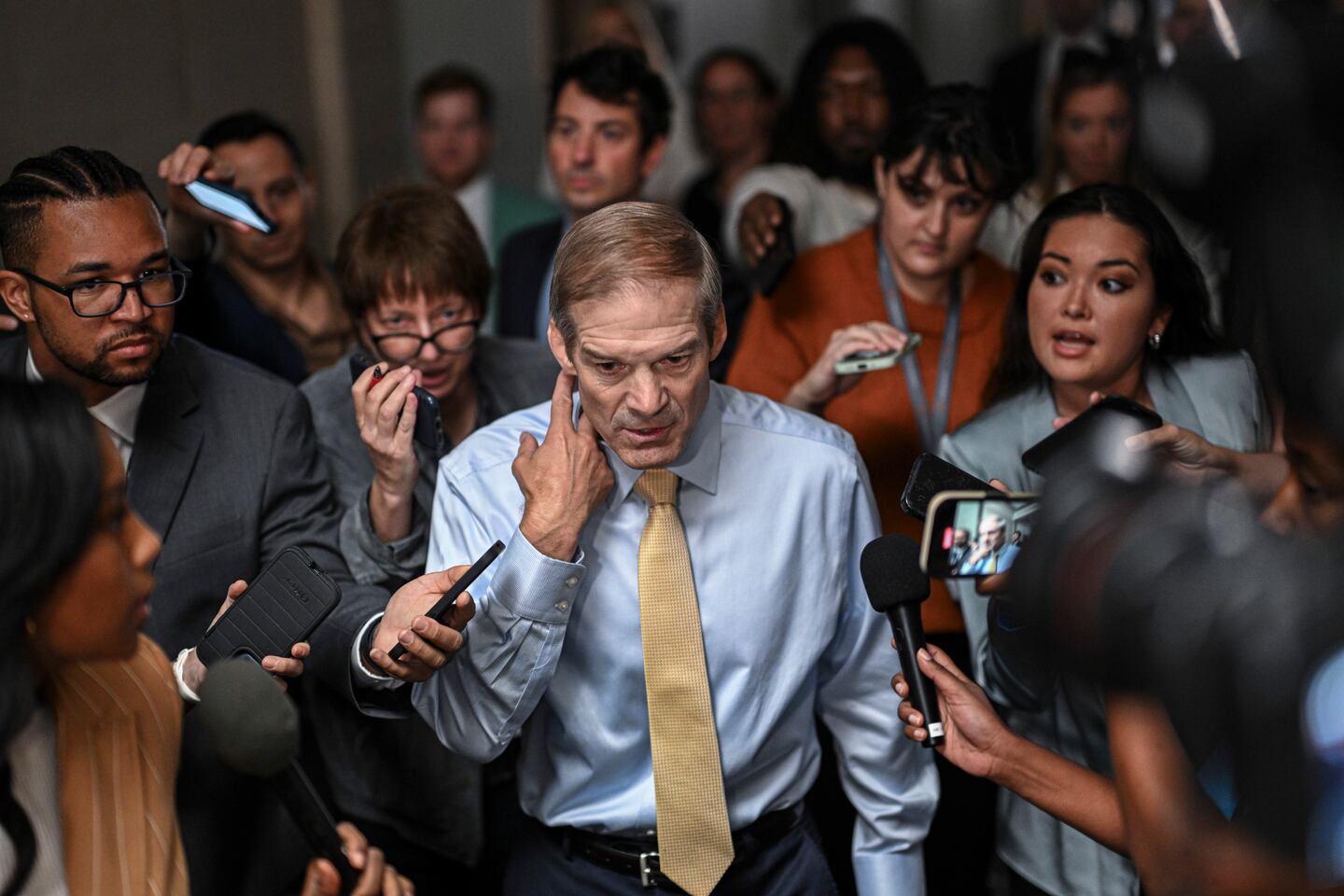
Can Congress Force the FBI to Turn Over Documents?
When a member of Congress “demands” FBI documents, it can sound like a simple hierarchy: lawmakers ask, agencies comply. The Constitution does not work that way. It sets up separate branches with overlapping powers, and then it forces them to argue until something gives. The current dispute...
Read more →
Arizona Voter Law at the Supreme Court: Proof of Citizenship and Voter Rolls
You can feel the tension in this case without knowing a single statute number: states administer elections, but federal law keeps showing up with a clipboard. What case are we talking about? This explainer is about Mi Familia Vota v. Fontes , a challenge to parts of Arizona’s election system that...
Read more →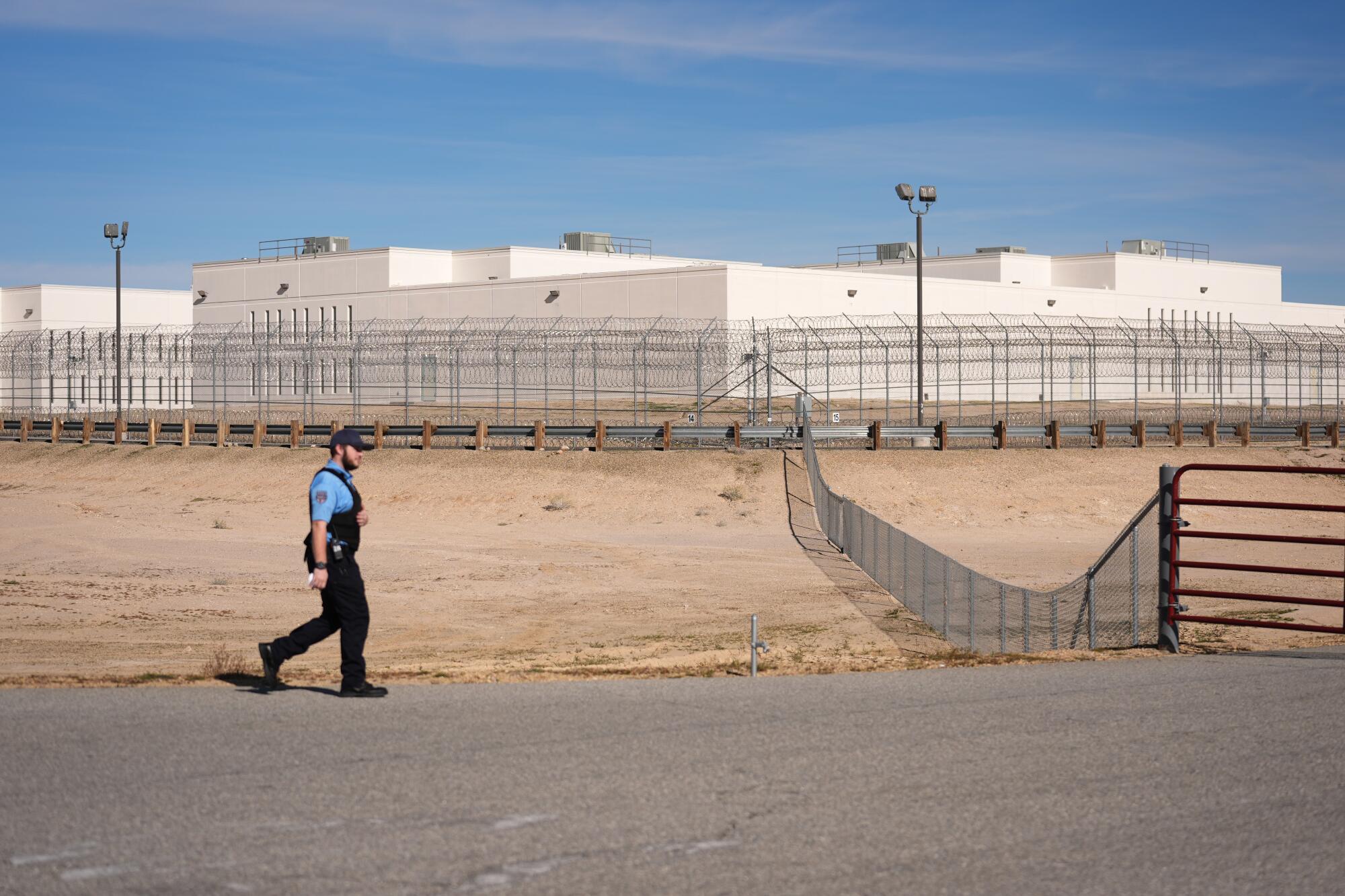
ICE Detention and Bond Hearings: What Due Process Requires
Immigration detention is one of the most visible places in American law where the government can hold a person for months without ever filing a criminal charge. That is not because the Constitution stops applying at the border or inside an ICE facility. It is because immigration detention is...
Read more →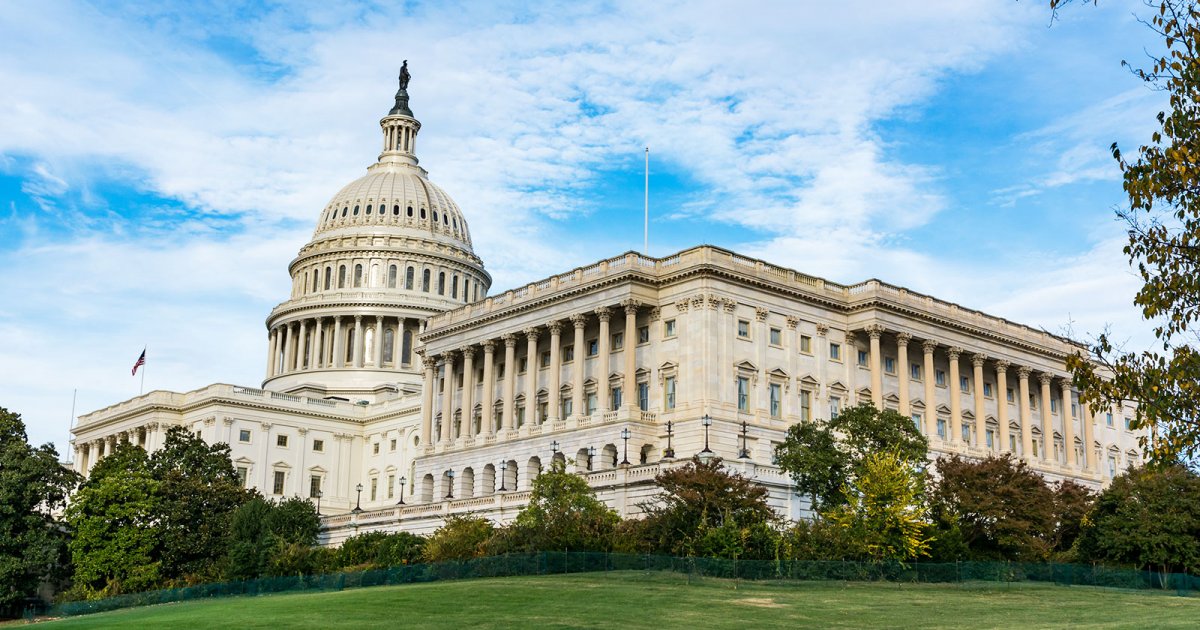
Supreme Court and Redistricting
When a congressional map is challenged close to an election, the dispute can look like pure politics. But the legal question underneath it is older than any modern redistricting cycle: who, exactly, is allowed to draw the lines that decide who votes for which member of Congress? That question is...
Read more →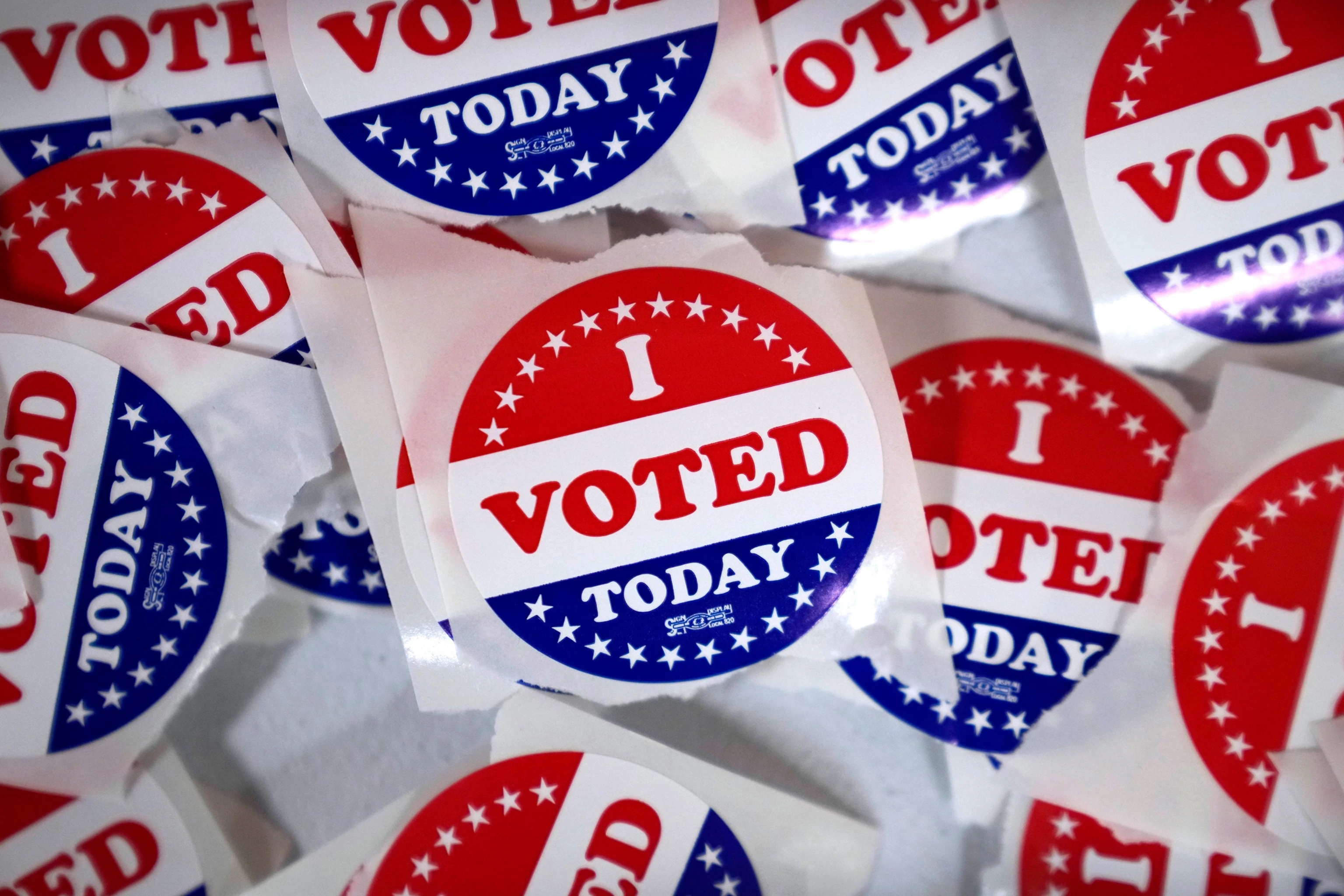
Non-Citizen Voting Arrests: What Federal Law and the Constitution Say
Arrest video tied to alleged non-citizen voting has a way of triggering the same argument on repeat: one side insists it is widespread, the other insists it is impossible. The Constitution does not settle the debate as neatly as either side suggests. It does not contain a single sentence that...
Read more →
Pentagon Leadership Shake-Ups and Presidential Power
The Constitution gives the president a title that sounds absolute: Commander in Chief . In moments of Pentagon turmoil, that phrase can get treated like a blank check, as if the White House can rearrange the entire national security bureaucracy at will, instantly, and without consequence. But the...
Read more →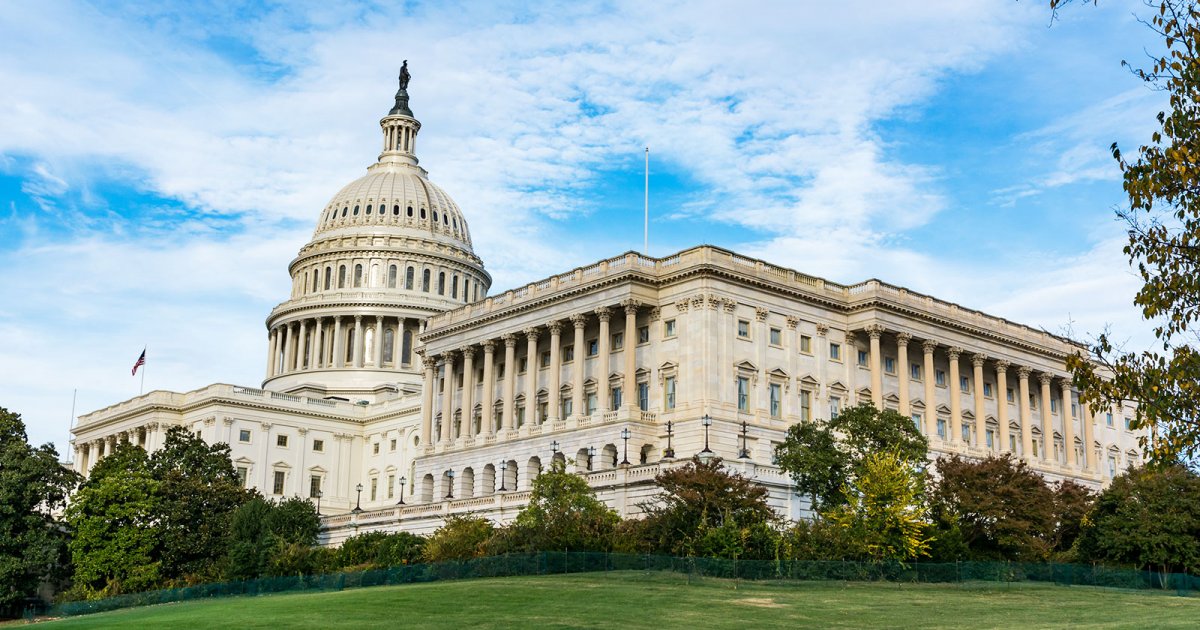
Can a President Force Lower Interest Rates or Stop Trade?
Presidents talk about interest rates and trade the way coaches talk about the refs: as if a little pressure and a louder voice might change the outcome. The Constitution does not run on vibes. It runs on separated powers, delegated statutes, and a financial system deliberately built to resist...
Read more →
Why North Carolina’s Supreme Court Blocked a Congressional Map Before the Midterms
When a state supreme court blocks a congressional map weeks before a midterm election, it feels like the judiciary is stepping onto the field in the fourth quarter. But in American election law, that is often exactly when courts show up, because that is when deadlines turn legal theories into...
Read more →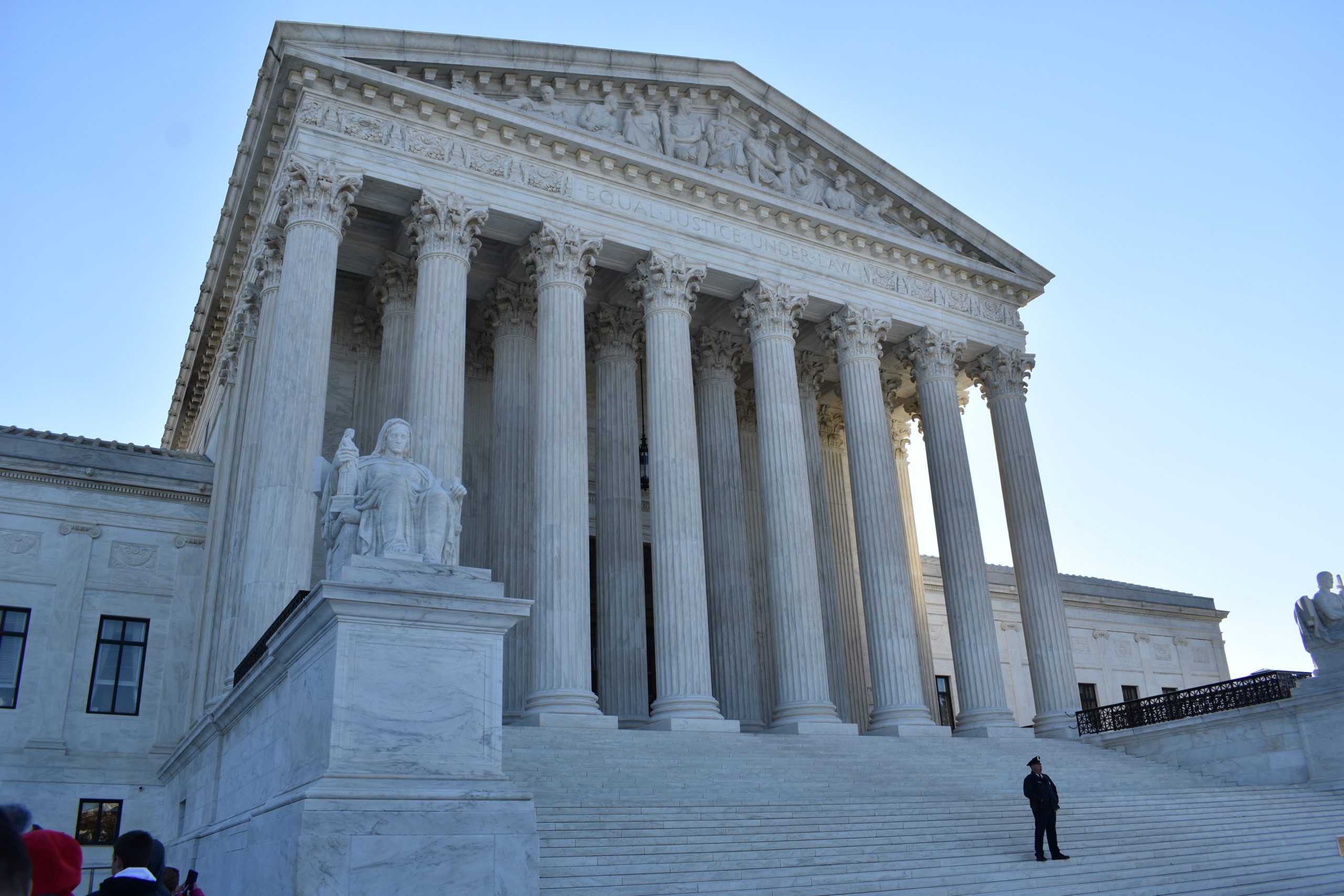
Birthright Citizenship and the 14th Amendment: Can a President End It by Executive Order?
Birthright citizenship is one of those constitutional ideas that sounds simple until someone tries to change it in real time. A recurring flashpoint is when a president issues (or proposes) an executive order aimed at narrowing who counts as a citizen at birth, and a federal court quickly blocks it...
Read more →
Hung Juries and the Lindsay Clancy Trial
A criminal jury’s job is deceptively simple on paper: listen, weigh credibility, apply the law as instructed, and return a verdict. In real life, that last step can become the hardest one, because the American jury is built to require something rare in modern civic life: unanimity. That design is...
Read more →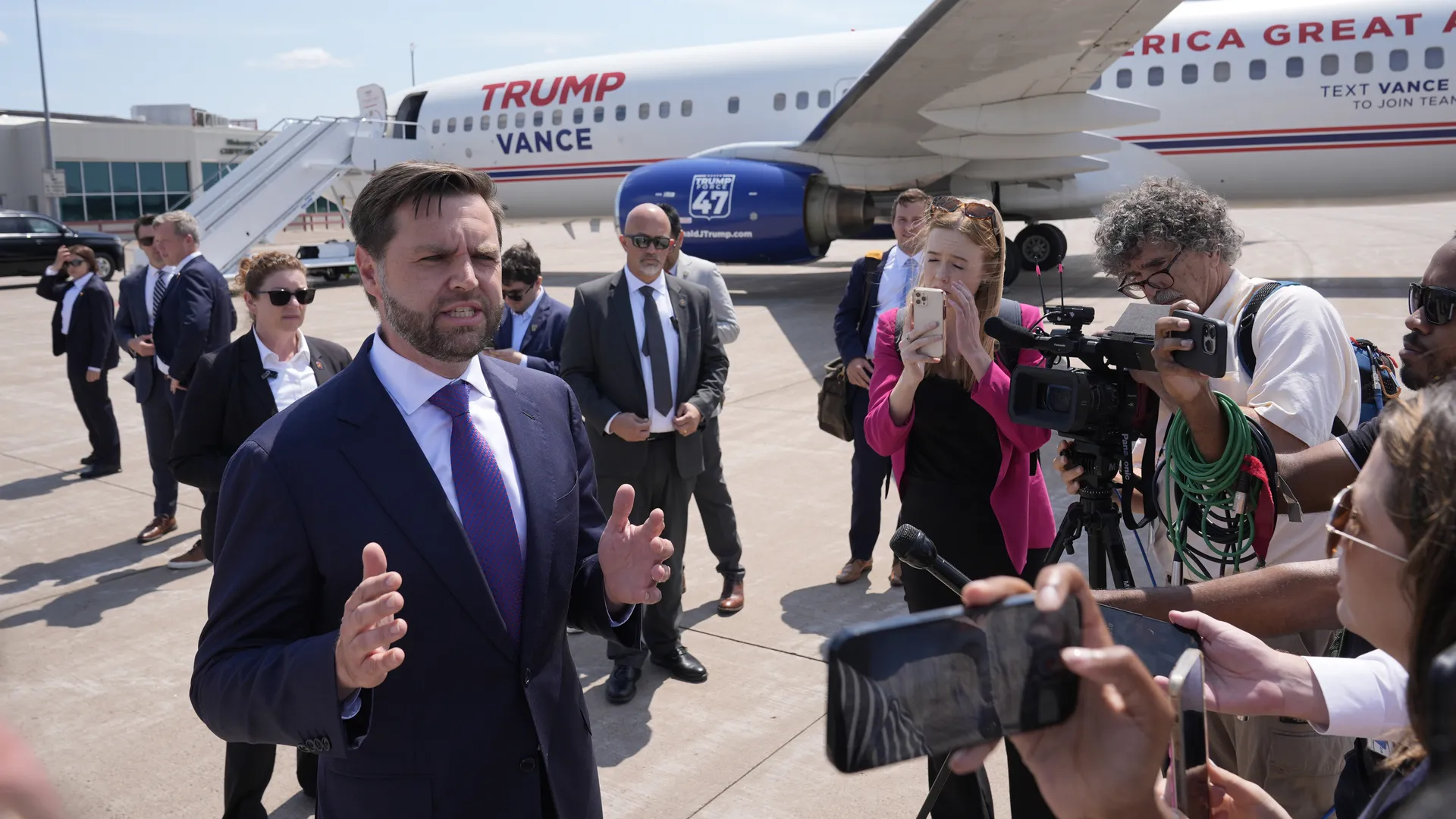
Vance’s Podium Joke, Bartiromo’s Exit, and the Press Secretary Rumor Mill
There are two ways Washington staffing rumors usually die. Either the White House announces a name and everyone moves on, or the rumor collapses under the weight of its own improbability. The viral “press secretary” moment that lit up social media on September 3, 2026 took a third path: it didn’t...
Read more →
Can a Foreign President Claim Immunity in U.S. Federal Court?
You can feel the tension in the phrase sovereign immunity . It sounds absolute, like a force field. But in U.S. law it is closer to a set of rules about who can be sued or prosecuted, where , and who gets to say so . That is why a headline like “foreign president asks judge to dismiss U.S....
Read more →
Can DOJ Cut State Welfare Funds Over Immigration Reporting?
The headline version is simple: if federal officials warn that states could lose major welfare-related dollars unless they comply with immigration-information reporting requirements, the dispute usually turns on a familiar set of constitutional and statutory limits. The constitutional version is...
Read more →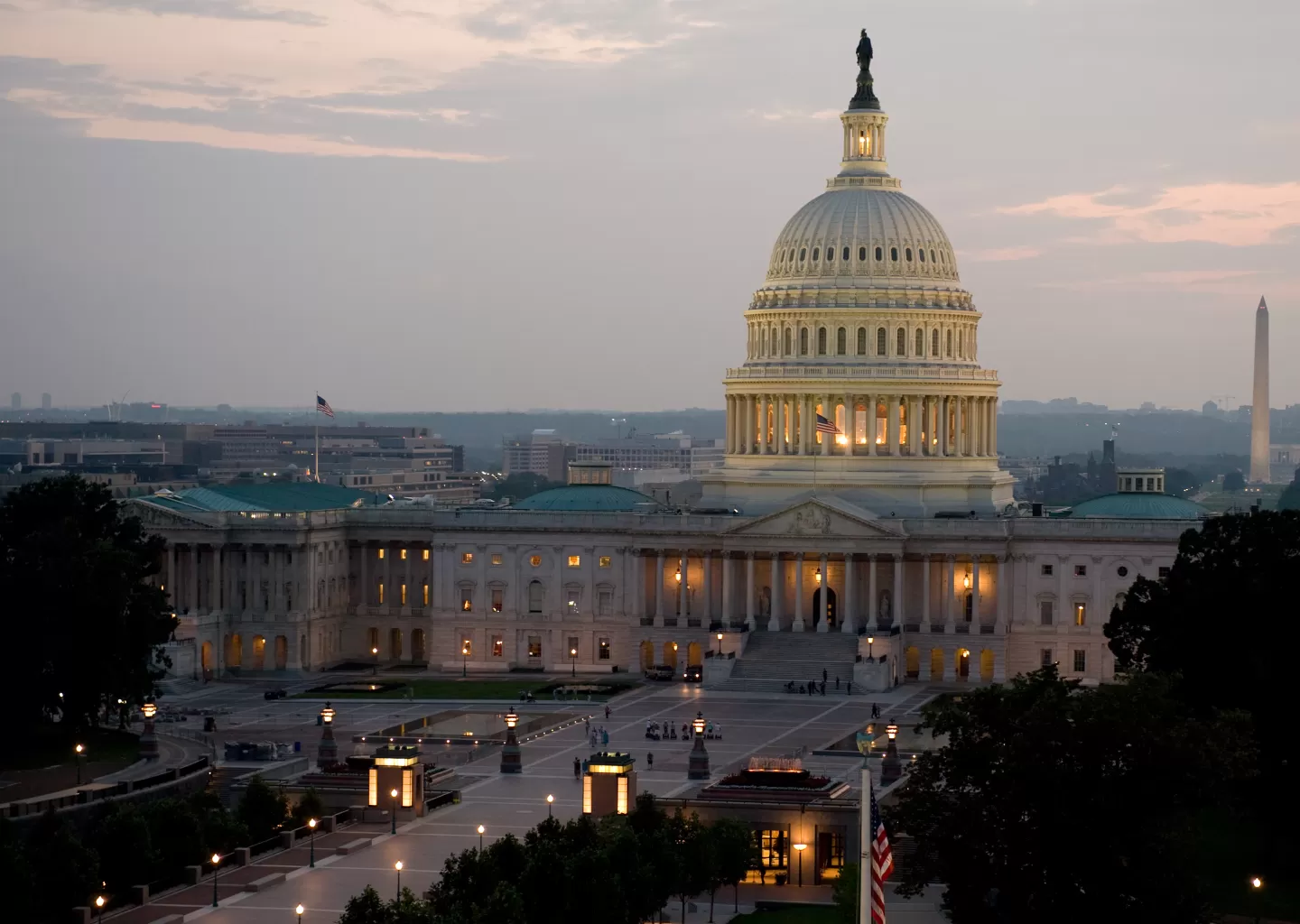
Can Congress Require Mail Ballots to Arrive by Election Day?
When people argue about mail-in voting, they usually argue about security or access . But the fight underneath those words is more mechanical than moral: who gets to set the deadline for a ballot that travels through the mail. In recent years, some Republicans, including allies of President Donald...
Read more →
Shutdown Averted, Nominations, Courts, and a Primary Shock
Most political stories are easier when they stay in one lane. Congress. The White House. Courts. Culture. This week did not cooperate. The headlines sprawled, but the connecting tissue was the same as ever: power moves land hardest when they collide with process and voters feel the friction. Here...
Read more →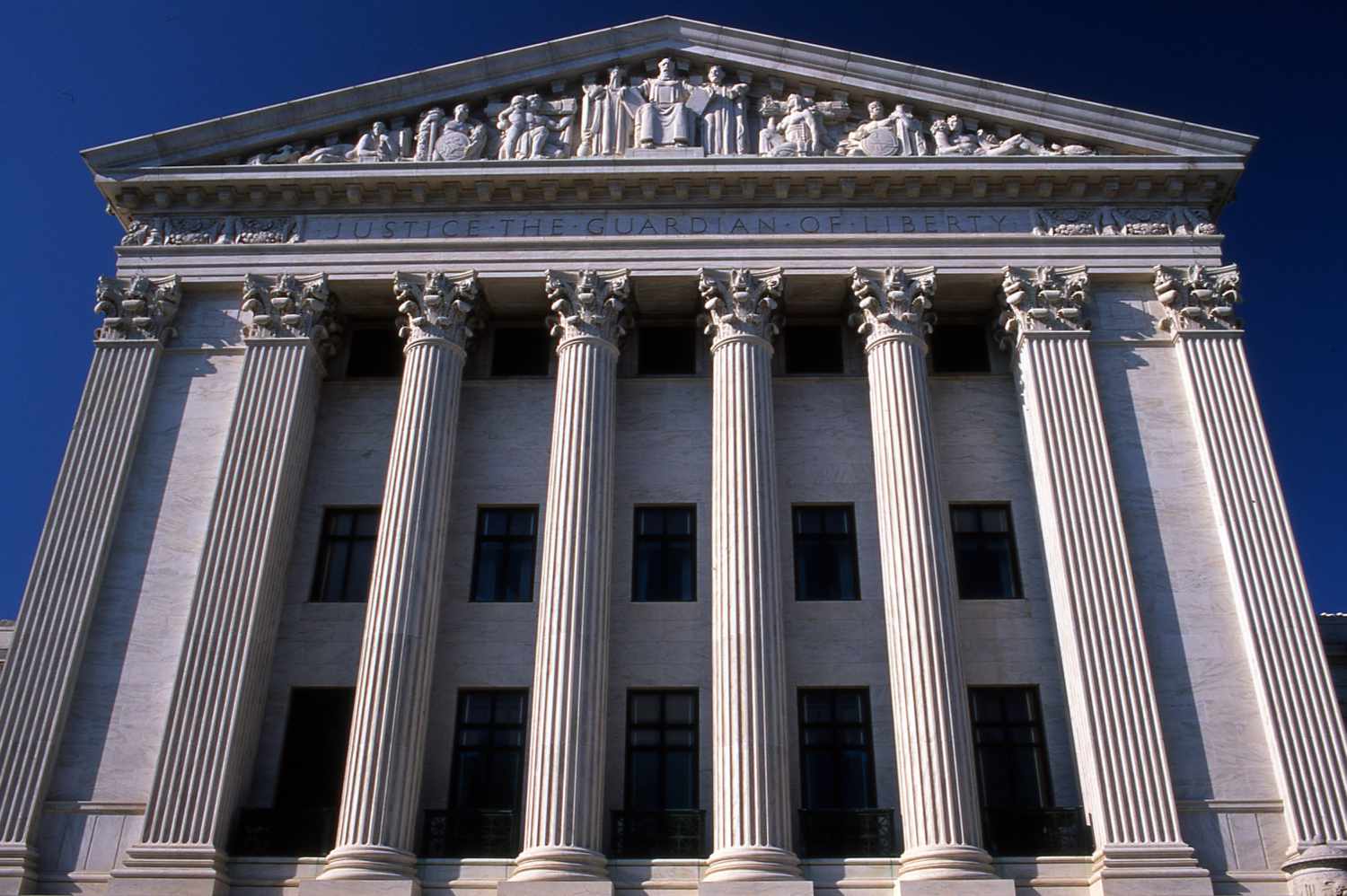
Judge Talwani, Mail-In Voting, and the Constitution’s Clock
When a federal district judge becomes the main character in an election fight, it is usually because something bigger is happening behind the scenes. But before any personalities take over the story, one grounding point matters more than the headlines. Clarification: This piece is an explainer that...
Read more →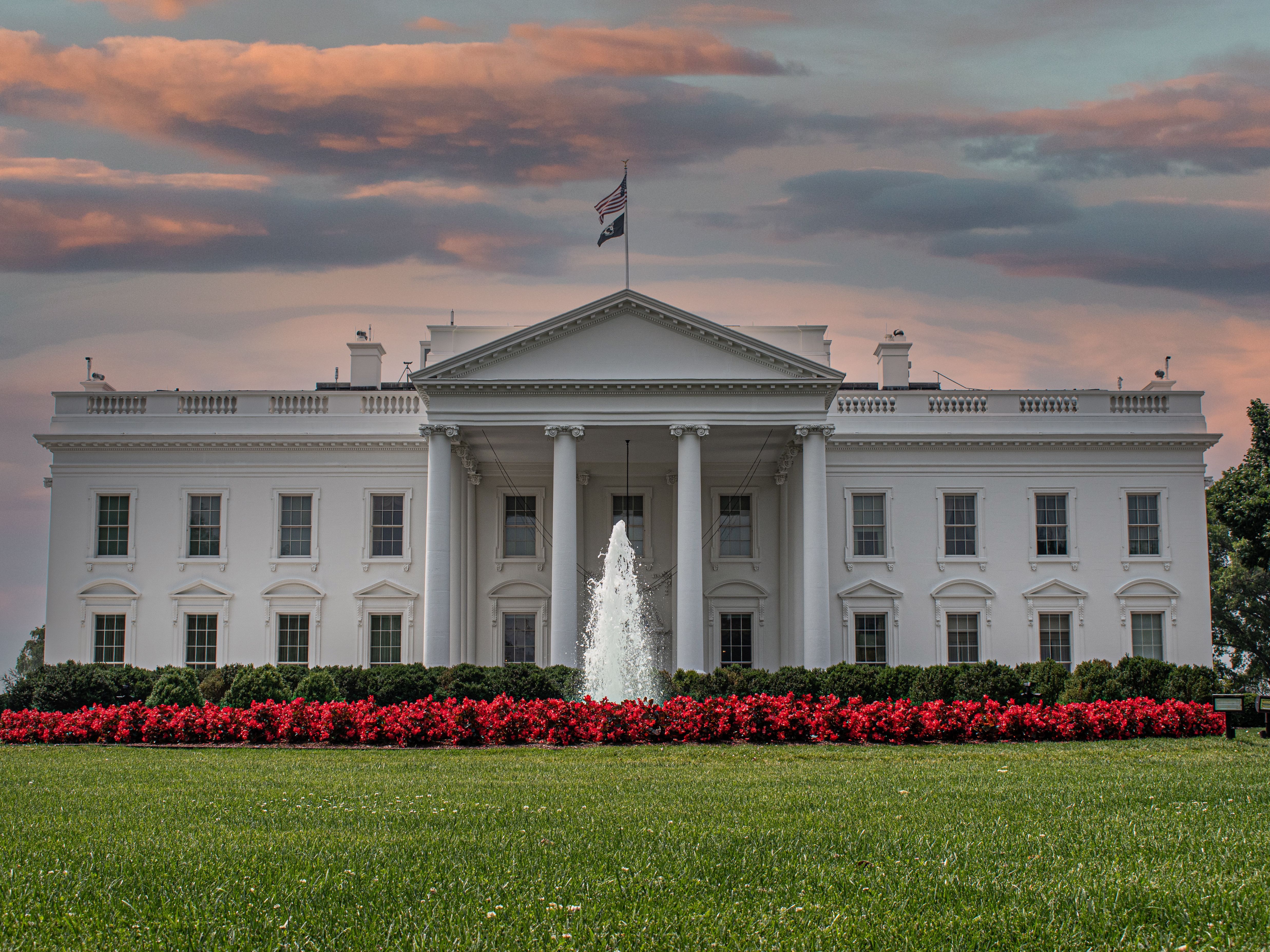
Can the President Order Military Strikes on Drug Cartels Without Congress?
The Constitution makes war powers feel simple on paper and slippery in real life. Congress has the power to declare war and to authorize, fund, and regulate the armed forces. The President commands the military. Then the world hands us problems that do not fit the Founders’ clean categories, like...
Read more →