
You can tell a lot about a justice system by what it does the moment the government accuses someone of a crime.
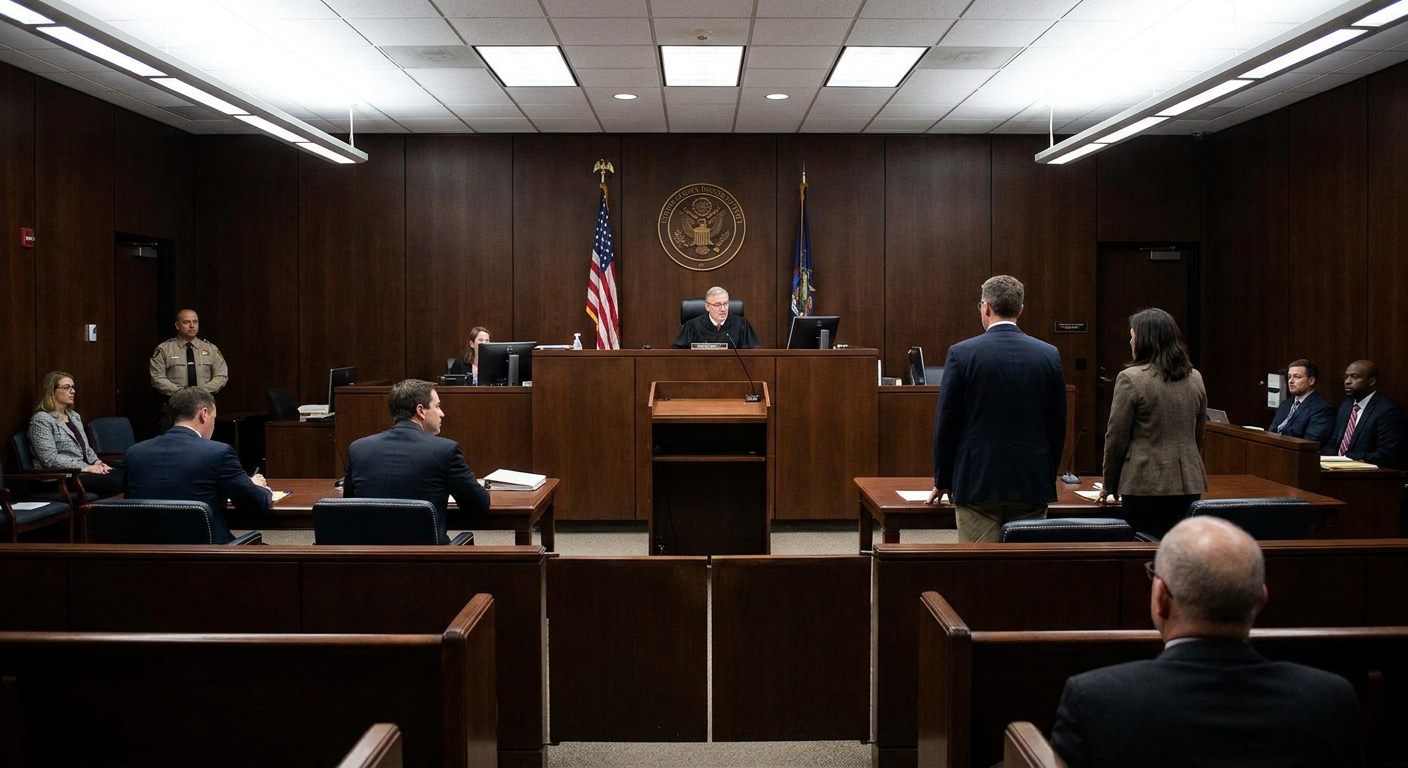
In federal court, that moment often looks like this: a person stands before a judge for an initial appearance, the prosecutor outlines the charge, and the court turns to the defendant and asks one question that quietly determines everything that follows.
Do you have a lawyer?
If the answer is no, the federal public defender system is supposed to make sure the next answer is not “then you are on your own.” It is one of the most important, least understood structures in American constitutional life, a nationwide network built to give real meaning to the Sixth Amendment’s promise that the accused shall “have the Assistance of Counsel for his defence.”
But that promise has edges. The constitutional floor is not “a lawyer in every case.” It is counsel at the critical stages of a prosecution, and in misdemeanor-level cases it turns on whether incarceration is actually imposed (or can be imposed later). The federal system, through the Criminal Justice Act, exists to make sure those constitutional requirements are not theoretical.
Join the Discussion
The constitutional promise behind federal defenders
The Sixth Amendment sounds simple: if the government prosecutes you, you get a lawyer. But that sentence hides two centuries of legal change, and a more technical reality: the right attaches once adversary judicial proceedings begin, and it matters most at the moments the law calls critical stages.
For much of early American history, the right to counsel was uneven. In federal court, Congress eventually recognized the need for appointed counsel, but the modern system did not arrive until the mid-twentieth century, when the Supreme Court constitutionalized what had often been treated as a policy choice.
Gideon did not start in federal court, but it changed everything
Gideon v. Wainwright (1963) is the famous headline because it required states to provide counsel to indigent defendants in felony cases. Clarence Earl Gideon was charged in Florida state court, asked for a lawyer, and was told the state only appointed counsel in capital cases. The Supreme Court held that the Sixth Amendment right to counsel is so fundamental that it applies to the states through the Fourteenth Amendment.
Federal court was already moving in that direction. A year later, the Criminal Justice Act of 1964 created the statutory framework for appointing counsel in federal court and authorized the development of what we now call federal defender organizations, along with the panel of private attorneys who take appointments when defenders cannot.
Then the Court clarified the reach of Gideon’s logic in cases like:
- Argersinger v. Hamlin (1972): no one can be jailed for an offense unless they had counsel.
- Scott v. Illinois (1979): the key trigger is actual imprisonment, not just a theoretical maximum sentence.
- Alabama v. Shelton (2002): even a suspended jail sentence generally requires counsel because incarceration can later be imposed.
Those are mostly state cases, but they explain the constitutional logic. The federal defender system exists to make the Sixth Amendment operational, not ceremonial.
What the federal public defender system is
When people say “public defender,” they often picture one local office handling everything from shoplifting to homicide. Federal defense works differently because federal criminal court is a national system with a standardized appointment structure.
Under the Criminal Justice Act (CJA), federal courts provide representation through two primary models:
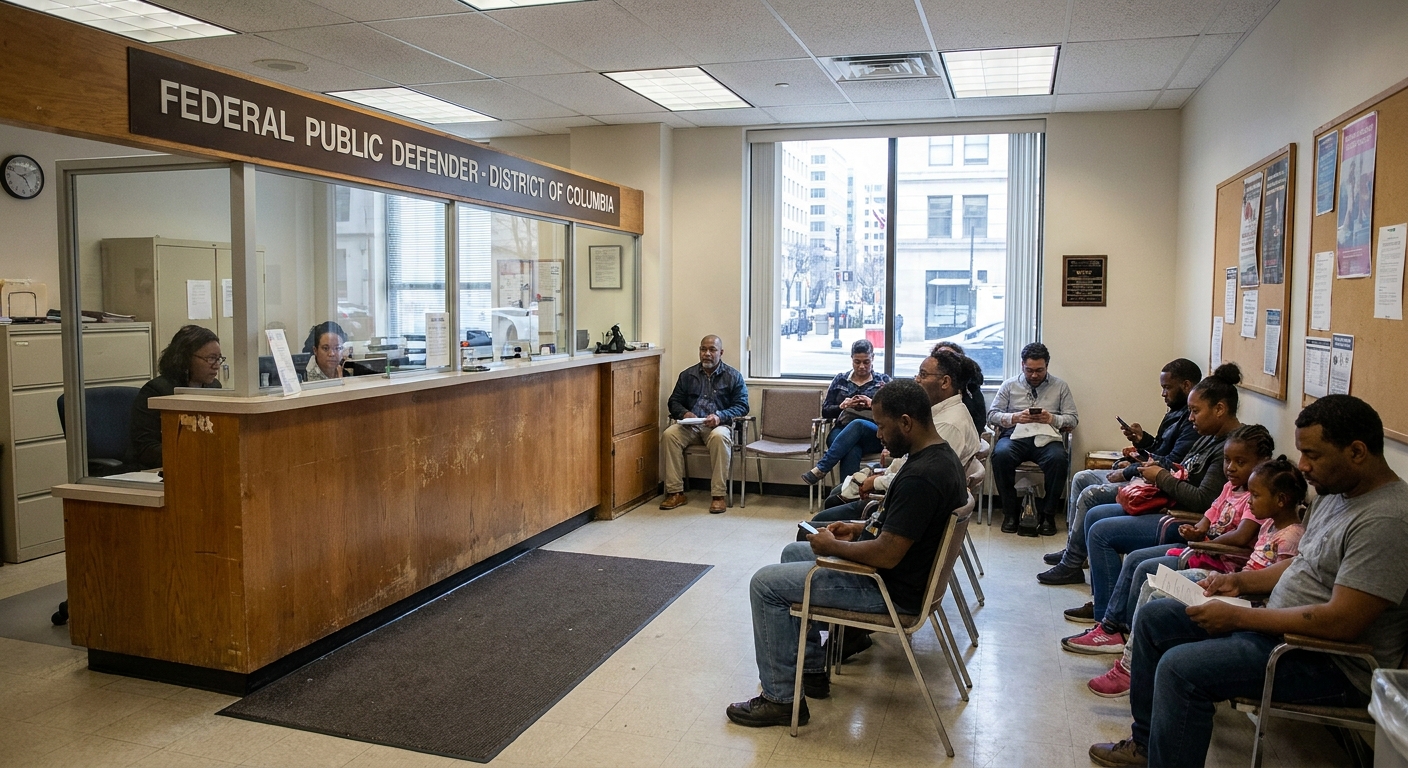
- Federal Public Defender Organizations (FPDOs), staffed offices that look like traditional public defender agencies.
- Community Defender Organizations (CDOs), nonprofit defender offices that contract with the judiciary to provide federal indigent defense services in a district.
And when those offices have a conflict of interest, lack capacity, or the court needs separate counsel for co-defendants, the court turns to the third pillar:
- CJA panel attorneys, private lawyers appointed and paid under the CJA.
The result is not one single “Federal Public Defender” in Washington deciding cases nationwide. It is a network of offices tied to federal judicial districts, coordinated through judiciary policy and administered day to day through the judiciary’s Defender Services function.
How federal defenders are organized
Federal criminal cases are prosecuted in the U.S. District Courts. The defender structure follows that same map. Many districts have a defender organization, and districts without one rely more heavily on CJA panel attorneys.
The players you will actually see in a federal case
- Magistrate judges often handle initial appearances, detention hearings, and arraignments. That is where counsel is typically appointed quickly.
- District judges preside over felony cases, plea hearings, trials, and sentencing.
- Federal defenders and CJA panel lawyers represent defendants.
- U.S. Probation prepares presentence reports and supervises people on federal probation or supervised release.
Supervision and funding, in plain terms
Federal defender services are funded through the federal judiciary’s budget, which is appropriated by Congress. Defender organizations operate within districts, and the judiciary sets policies and administrative rules for how the CJA system functions, including appointment, compensation, and authorization for case-related expenses like investigators and experts.
This creates a tension that is worth naming: the defense function is constitutionally essential, but it is funded through the same governmental structure that operates the courts. In practice, defender independence is protected through professional norms and structural safeguards, but the funding reality shapes workloads, staffing, and resources.
Who qualifies for a federal public defender
You do not “apply” for a federal public defender the way you apply for a public benefit. You are appointed counsel because the Constitution requires it and the Criminal Justice Act provides a mechanism.
Indigence is the key, not the charge label
The basic standard is whether you are financially unable to obtain adequate representation. Courts typically look at income, assets, debts, obligations, and the estimated cost of private counsel.
It is not always a bright line. A person might have a job but still be unable to afford a federal defense, especially in complex cases with experts, investigators, and extensive motion practice.
And it is not always all or nothing. In some cases, a court can appoint counsel and later require a defendant who can contribute to pay part of the cost or reimburse the government, without treating that person as fully able to hire private counsel from the start.
What kinds of cases are covered
Appointment is common in:
- Federal felonies and federal misdemeanors where incarceration is authorized or realistically on the table.
- Supervised release violations, where a person can be sent back to prison.
- Appeals for eligible defendants who want to challenge convictions or sentences.
- Limited post-conviction proceedings, where statutes or the court’s discretion provide for counsel in specific circumstances.
If you can afford counsel, you can hire a private lawyer. If you cannot, the system is supposed to provide one. That is the principle. The real world question is how quickly and how effectively that happens.
How appointment works in federal court
The appointment process is intentionally fast because the early decisions in a criminal case are often the most consequential. Detention, conditions of release, preservation of evidence, and plea strategy can all take shape within days.
The typical sequence
- Initial appearance: the judge advises the defendant of the charge and rights and addresses counsel.
- Financial affidavit: the defendant provides information about finances, usually through a standardized form.
- Appointment: the court appoints the federal defender office or a CJA panel attorney, sometimes on the spot.
- Early litigation: detention hearing, discovery requests, motions, and plea discussions begin quickly.
In practice, it can look like a short, high-stakes exchange: the judge asks about income and savings, the defendant explains they cannot afford a lawyer for a federal case, and counsel is appointed so the very next hearing is not the government speaking into silence.
Conflicts and co-defendants
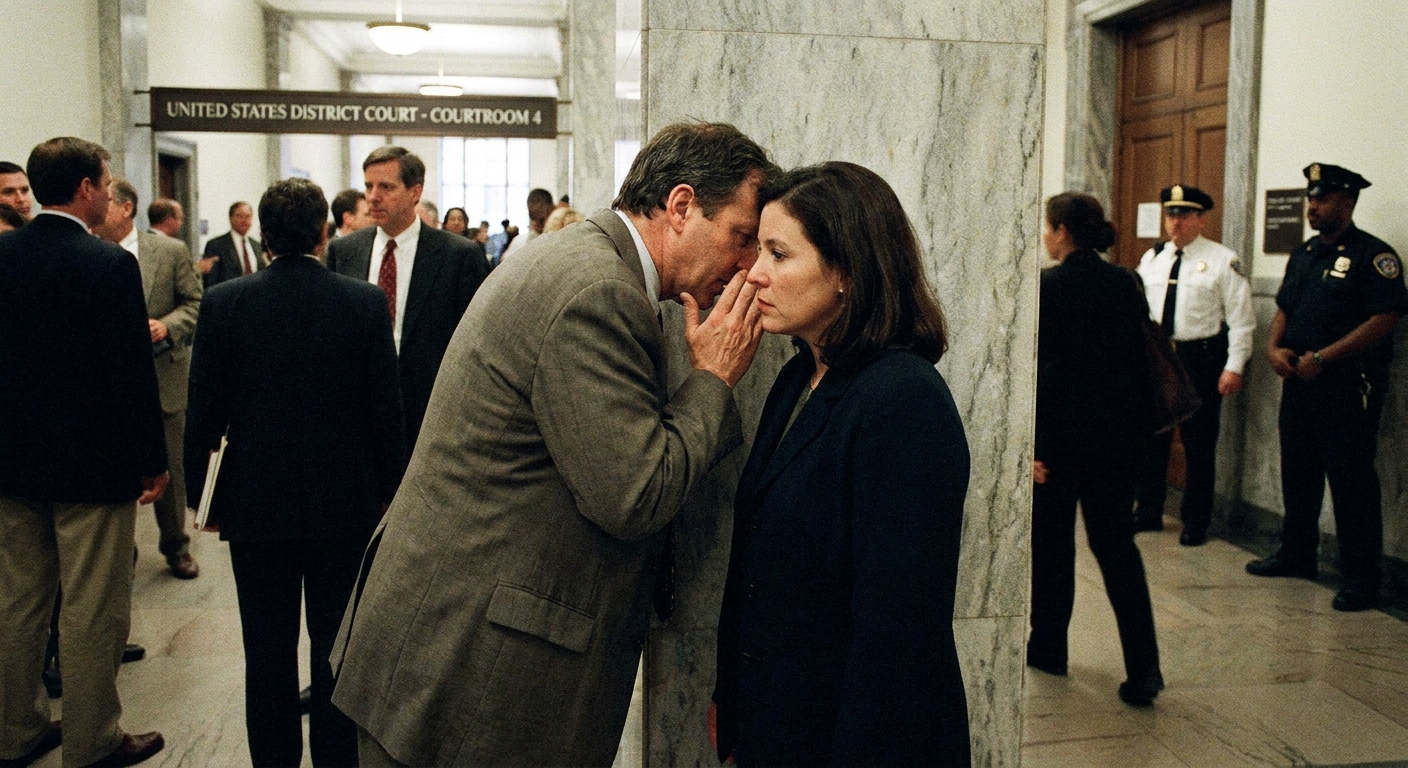
Federal cases often involve multiple defendants. That creates immediate conflict issues. One office cannot represent co-defendants whose interests may diverge. In those situations, the court appoints separate counsel, often using CJA panel attorneys or another defender organization when available.
Federal defenders vs. state public defenders
Both systems exist because of the same constitutional gravity. But they are built on different foundations.
Federal: one code, one court structure
Federal prosecution happens under federal statutes, in federal courts, under federal rules of criminal procedure and evidence. The defender appointment system is relatively standardized across districts because it is anchored in the CJA.
State: many systems, many funding models
State indigent defense is famously varied. Some states have strong statewide public defender offices. Others fund defense at the county level. Some rely heavily on contract lawyers. Funding, eligibility rules, and workload standards can differ dramatically across state lines and even between neighboring counties.
Different caseload shapes
State systems generally handle far more cases overall because states prosecute most crimes. Federal defenders handle fewer cases by volume, but federal cases can be paperwork-heavy, guideline-driven, and penalty-intensive. Mandatory minimums, federal sentencing guidelines, and complex investigations often mean the stakes rise quickly.
The same pressure point: pleas
Both state and federal criminal systems are dominated by plea bargaining. Trials are the exception. That reality changes what “effective assistance of counsel” means in practice. A defender is not just preparing for a jury. They are evaluating exposure, negotiating with prosecutors, and protecting a client from the silent consequences of a rushed deal.
Why the Sixth Amendment matters most before trial
The popular image of the right to counsel is a dramatic trial. But constitutionally, the critical question is whether counsel is present and effective during critical stages of the prosecution, including stages where a case can be won or lost without a jury ever hearing it.
Plea bargaining and the right to counsel
The Supreme Court has recognized that modern criminal justice runs through plea negotiations. In Missouri v. Frye (2012) and Lafler v. Cooper (2012), the Court held that the Sixth Amendment applies to plea bargaining and that deficient lawyering that costs a defendant a favorable plea can violate the Constitution.
That matters because federal cases are especially plea-driven. A defender’s job is often to make sure the client understands the evidence, the sentencing range, collateral consequences, and the tradeoffs of a plea versus litigation.
Detention is leverage
In federal court, pretrial detention decisions can shape the entire case. A client held in custody may face pressure to resolve the case faster. Counsel is essential at detention hearings, where arguments about risk of flight and danger to the community carry immediate, life-altering consequences.
What federal defenders actually do
If you strip away the TV tropes, federal defense is a mix of constitutional triage and long-form investigation.
- Challenge the stop, search, or seizure through suppression motions under the Fourth Amendment when appropriate.
- Test the government’s evidence, including forensic methods, informant reliability, and chain of custody.
- Negotiate with an eye toward sentencing exposure, guideline calculations, and mandatory minimums.
- Prepare for sentencing, often the most important hearing in a federal case, using mitigation, records, expert reports, and legal objections.
- Protect against collateral consequences, including immigration fallout, housing and employment barriers, and the way a conviction can echo in licensing and family court.
- Handle appeals when issues are preserved and viable.
In many districts, federal defender offices include investigators, paralegals, social workers, and mitigation specialists. That is not luxury. It is what it takes to fight the government on something close to equal footing.
Limits, myths, and hard truths
Myth: Public defenders are “free lawyers” you can demand on request
Appointment depends on financial eligibility and the court’s process. It is a right when the Constitution requires counsel, but it is not a consumer choice product.
Myth: A public defender is automatically worse than private counsel
Quality varies in every corner of the legal profession. Many federal defenders are specialists who do nothing but federal criminal litigation, day after day, in the same courtrooms against the same prosecutors. Experience cuts both ways.
Hard truth: Caseload and resources shape outcomes
The right to counsel is not self-executing. It depends on staffing, training, investigation budgets, expert funding, and time. Courts can appoint counsel in minutes, but effective representation takes far longer than a hearing slot.
Hard truth: Federal punishment can be severe
Federal statutes and sentencing rules can make small factual differences matter enormously. A role enhancement, a drug quantity finding, or a prior conviction can transform a case. That is why federal defenders spend so much energy on details that look minor to outsiders but are decisive under federal law.
Why this system is a constitutional story
It is easy to treat the federal public defender system like administrative plumbing. Offices. Panels. Budgets. Forms.
But the federal defender system is where constitutional promises meet a human being on their worst day. The Sixth Amendment is not just a line in the Bill of Rights. It is a demand that the government cannot use its power to prosecute without also honoring the conditions that make prosecution legitimate.
Gideon is remembered because it said the quiet part out loud: a fair fight requires representation. The federal defender system is one of the main ways the United States attempts to keep that idea true, even in a plea-bargained, overburdened, modern criminal process.
And if you want a single question to carry with you, it is this: when the government brings its full power into a courtroom, are we funding and protecting the institution that is supposed to push back?