
Congressional oversight is supposed to work like sunlight. A committee announces witnesses, sets a timetable, and the public gets to watch the government do what the Constitution quietly expects it to do: investigate, inform, and legislate with facts rather than rumors.
So when the House Oversight Committee abruptly paused its Epstein-related hearings right as key testimony was approaching, it did not feel like a mere scheduling tweak. It felt like a lesson in how oversight can be softened without formally being stopped.
The question is not just why a particular hearing week evaporated. The deeper question is what our system allows when the powerful sense that time and procedure can do what outright defiance cannot.
Join the Discussion
What happened
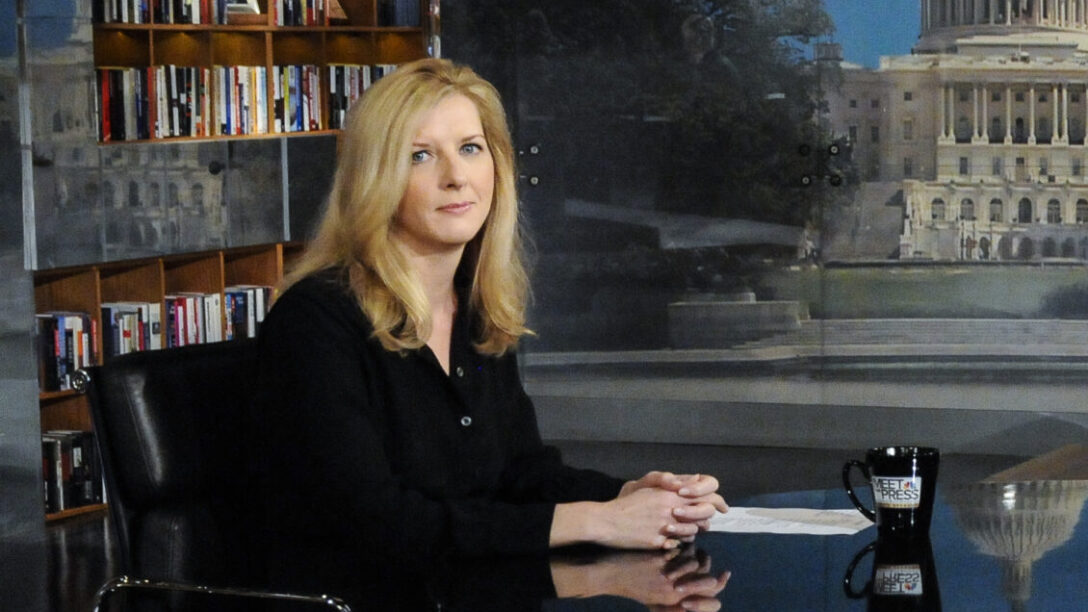
The House Oversight Committee canceled public hearings on the Epstein files the same week former White House counsel Kathryn Ruemmler was scheduled to testify in a closed-door hearing on Tuesday, April 21.
Ruemmler previously served as White House counsel in the Obama administration and later worked in private practice and at a major investment bank. Her scheduled appearance had drawn attention because her extensive ties to Epstein have raised questions about her accepting “gratitude checks,” pricey gifts, and whether she advised President Obama on a controversial veto while Epstein was working with the Kingdom of Saudi Arabia to kill the legislation known as the Justice Against Sponsors of Terrorist Act or JASTA.
Ruemmler has denied influencing Obama when he vetoed JASTA, which allowed 9/11 families to sue the Kingdom of Saudi Arabia. Thousands of emails showed Ruemmler was a close Epstein confidant, with Epstein calling her a “great defender” and Ruemmler referring to him as “Uncle Jeffrey.” It is unclear when, or if, the committee will question her about Epstein.
Ruemmler also announced her planned departure from Goldman Sachs, saying: I made the determination that the media attention on me, relating to my prior work as a defense attorney, was becoming a distraction.
Why the timing matters
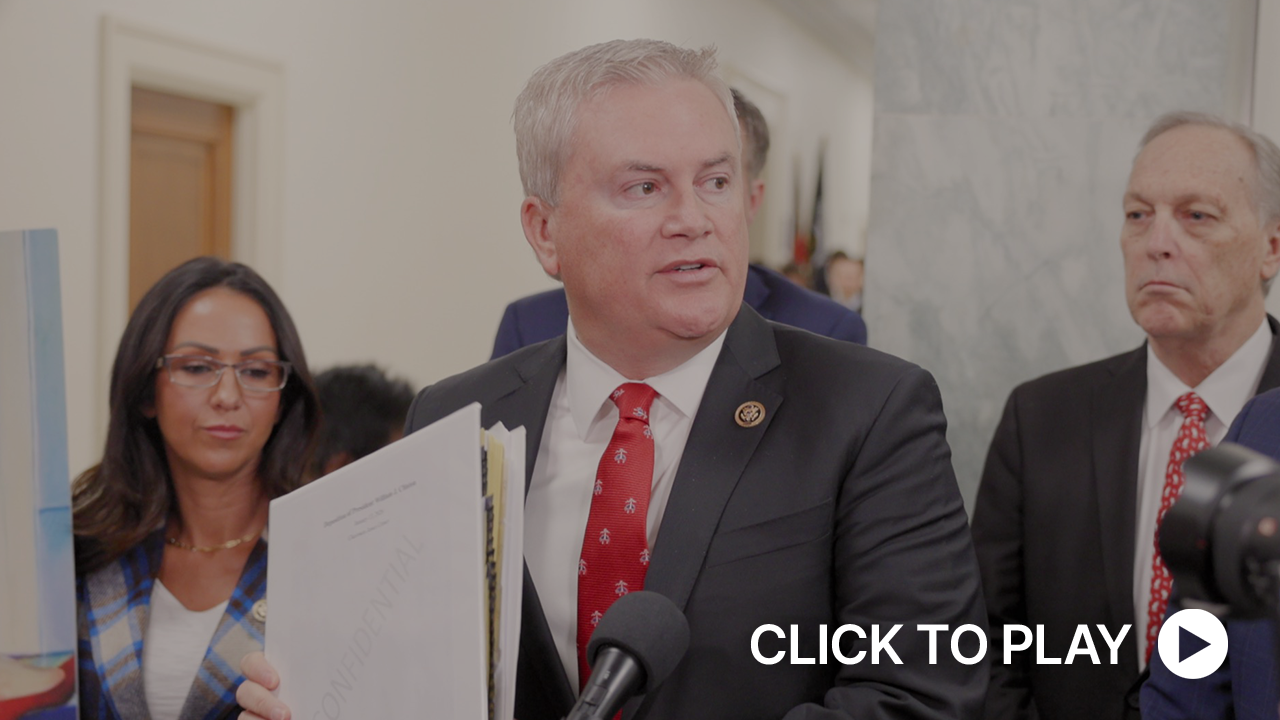
This pause did not land in a vacuum. Committee Democrats accused Chair James Comer of shifting the committee’s work away from formal, on-the-record taped hearings and toward informal, unreleased “roundtables.” That shift also infuriated colleagues on both sides of the aisle. In a letter sent to Comer, Democrats warned: This shift doesn’t just affect Committee procedure—it limits Congress’s ability to uncover the truth and hold powerful actors accountable.
If you are trying to understand why Americans increasingly believe that accountability is optional for the well-connected, this is the anatomy of it. A hearing can be “paused” without being canceled in name. A witness can be “scheduled” without ever being questioned in a way that produces a record the public can read. Oversight can continue while producing less and less light.
The missing files
Members of Congress continue to press for the release of an estimated 37 missing files and unredacted lists of “politically exposed persons,” which include President Trump.
That detail matters because the public worry is predictable and not irrational: that a system built for ordinary wrongdoing becomes hesitant when allegations brush up against famous names, wealthy institutions, or national-security-adjacent relationships. Everyone suddenly has a reason to “be careful.” Meanwhile, the public just sees the familiar result: no answers.
In that atmosphere, even side narratives take on weight. For example, Melania Trump denied having an intimate relationship with Jeffrey Epstein at a surprise press conference. The point is not gossip. It is the way high-profile denials and half-disclosures can flood the zone while the underlying documents stay locked away.
DOJ friction
The hearing pause also unfolded amid visible friction between Congress and the Justice Department over Epstein-related material.
On Thursday, the Justice Department’s Office of the Inspector General announced it has launched an investigation into the DOJ’s handling of the Epstein files, stating it will evaluate the DOJ’s processes for identifying, redacting, and releasing records in its possession
as required by the Epstein Files Transparency Act.
The OIG announcement came after recently fired Attorney General Pam Bondi refused to answer a congressional subpoena to testify about Epstein. She was replaced by Deputy Attorney General Todd Blanche.
Wyden and Blanche
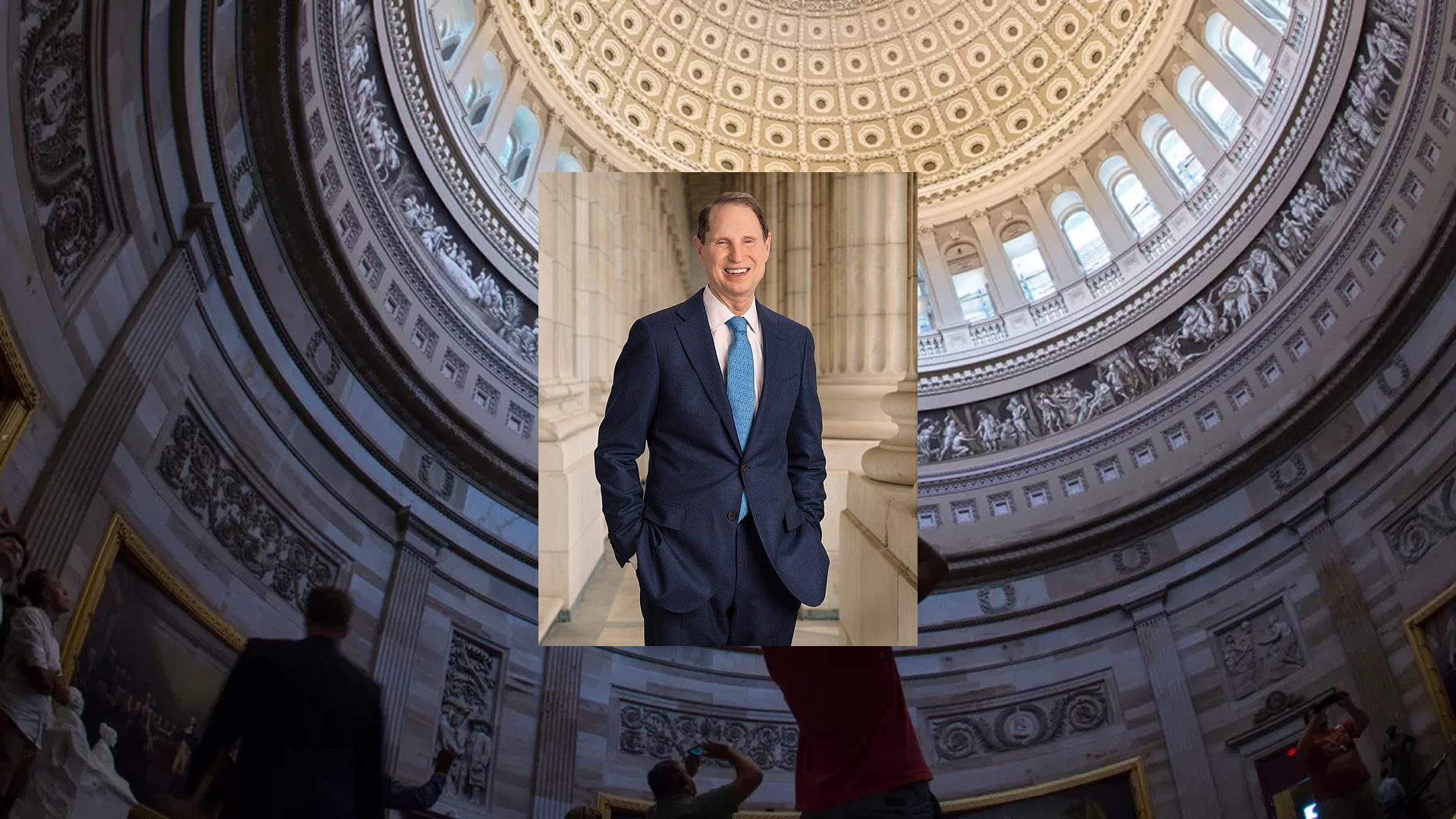
Senator Ron Wyden, who heads the Senate Finance Committee, has accused Blanche of blocking the release of critical Epstein documents. Wyden has been conducting a long-term “follow the money” investigation into Epstein’s financial network, focusing on how major banks enabled his sex trafficking operation.
Wyden wrote to Blanche: It has come to my attention that you are preventing the Drug Enforcement Administration from producing an unredacted copy of a report I requested regarding drug trafficking and money laundering by Jeffrey Epstein and several associates,
adding: Your alleged interference in this matter is highly disturbing, not just because it continues the DOJ’s long-running obstruction of my investigation, but also because of your bizarrely favorable treatment of Ghislaine Maxwell, one of Epstein’s closest criminal associates.
Last July, Blanche conducted a two-day, recorded interview with convicted sex trafficker Ghislaine Maxwell. Under limited immunity, Maxwell discussed her association with Epstein but did not implicate Donald Trump in wrongdoing. Blanche, Trump’s former criminal defense attorney, said Maxwell called the President a “gentleman.” Maxwell was then moved to a minimum-security prison, outraging her victims.
Others ducking testimony
Ruemmler is not the only high-profile figure orbiting this investigation. Other Epstein aficionados, including Bill Gates and Commerce Secretary Howard Lutnick, were scheduled to testify in the coming weeks.
Lutnick is a plaintiff in a lawsuit filed by 9/11 families against the Kingdom of Saudi Arabia after his brother died in the World Trade Center towers. On Wednesday, Lutnick ducked questions about Epstein during testimony at a Senate Appropriations subcommittee on his department’s fiscal year 2027 budget request. Senator Chris Van Hollen confronted Lutnick, accusing him of previously misleading the American people about the extent of his relationship with Epstein. Lutnick frequently dodged these inquiries, stating, I am here to testify on the budget.
Lutnick was scheduled to be questioned by the House Oversight Committee on May 6, but it remains unclear if that questioning will happen while hearings are paused.
How oversight gets defanged
The Constitution does not include a clean sentence that says: “Congress shall investigate.” But the power is baked into the job. Congress cannot legislate responsibly without collecting information, and it cannot check the executive branch without asking what the executive branch is doing.
That is why committees issue subpoenas and demand documents. But oversight is not self-executing, and it is easiest to weaken without announcing you are weakening it. You trade hearings for “roundtables.” You trade public records for private conversations. You trade deadlines for “working something out.”
Delay tactics
A congressional subpoena looks like a hard-edged command. In practice, it can behave more like an invitation, especially when the consequences are slow and political.
- Stall and negotiate. Partial compliance, date changes, scope fights.
- Contempt votes. Serious, but rarely fast.
- Enforcement choices. Referral to DOJ, civil court fights, or inherent contempt that is rarely used.
Each path burns time. And time is not neutral. Time is strategy.
The public record
Closed-door interviews have legitimate uses. Investigators may want candid testimony without performative sound bites. Sensitive names may require protection. Investigations sometimes need quiet before they need cameras.
But if private sessions replace public ones without producing transcripts, exhibits, or findings, secrecy stops being a tool and starts being the destination.
Oversight is not only about acquiring facts. It is about building a public record sturdy enough to support legislation, referrals, or reforms. When the record disappears into internal conversations, oversight begins to resemble what the public fears most: elite management rather than democratic inquiry.
Running out the clock
Yes, the powerful can often run out the clock. Not because they are above the law in theory, but because our enforcement mechanisms allow time, discretion, and procedural complexity to do real work.
That is why this pause is not just about Epstein. It is about what happens when government accountability depends on sustained attention, sustained will, and sustained transparency. Those are fragile resources in American politics.
If Congress wants oversight to mean something in cases that implicate high-status figures, it needs to treat delay as a substantive threat, not an administrative inconvenience. Otherwise, “paused” becomes a constitutional euphemism for “pending until you forget.”
The takeaway
In school, we are taught that checks and balances are like gears that automatically engage when one branch misbehaves. In real life, they are more like muscles. They only work when exercised.
When hearings vanish, when testimony moves behind closed doors, and when subpoenas meet slow compliance or outright refusal, the constitutional lesson is blunt: oversight is not a promise the system keeps for us. It is a practice citizens must demand, over and over, especially when the story involves people with enough influence to wait everyone out.