
Washington loves to pretend a “shutdown” is a single switch that flips to OFF. It is not. It is a pressure chamber, and when funding talks stall, that pressure tends to show up first in departments built for constant operations.
One concrete way this can bite: when funding is unsettled, agencies can struggle to plan staffing and contracts that keep day to day operations moving.
As of April 2026, two developments are on the Senate calendar that may intersect: a deadlock over Department of Homeland Security funding with a shutdown looming, and separate Senate action that has advanced a massive border funding plan.
The civic question is bigger than the parliamentary chess: if Congress tries to supercharge border operations while DHS funding remains unsettled, what do we actually get for the money, and what do we normalize about how the republic budgets its core functions?

Join the Discussion
Known
Known from public reporting, at headline level:
- DHS funding: The Senate is in a deadlock over DHS funding, and the dispute is occurring with a potential shutdown looming.
- Border funding: The Senate has advanced a massive border funding plan.
That is the firm ground. Everything else below is analysis built around how these kinds of fights typically operate, and it is offered as interpretation, not inside procedural detail.
Unknown
Without bill text, a vote roll call, or the exact procedural description in view, there are several things we should not pretend we can answer.
- What “advanced” means: committee action, a motion to proceed, a procedural vote, or something else.
- How big “massive” is: a topline dollar figure, offsets, or whether it is emergency spending.
- Timing: a clear shutdown deadline, the next vote, and whether the House will take it up as is.
- Whether the tracks merge: whether border funding becomes a bargaining chip in DHS funding negotiations, or remains a separate lane.
Why it may intersect
DHS is the institutional home for much of what people mean when they say “border operations.” So even when the politics splits into two storylines, the machinery can still be intertwined.
If DHS funding is unstable, planning and execution get harder. If border funding is accelerated, the pressure to spend quickly rises. Either way, leverage can shift.
What the play may be
The strategic logic is familiar. When the country is watching a funding standoff, lawmakers are not only arguing about budgets. They are arguing about blame, urgency, and competence.
In that climate, advancing a border centered funding plan can function as an attempt to force the conversation onto enforcement, scale, and measurable outputs, rather than leaving border policy buried inside a wider DHS appropriations brawl.
- Political: supporters may be trying to make border enforcement the headline question, not the fine print.
- Procedural: supporters may also be trying to keep the issue moving in a way that compels repeated choices, amendments, and recorded votes.
None of that guarantees the plan can clear the Senate’s key vote thresholds. But it can change the terms of the fight. Instead of “fund DHS or not,” the argument can become “fund border enforcement at this scale or not,” and that framing is part of the play.
What big bills buy
One caution up front: without leaning on line by line details of the specific Senate plan, the safest way to understand a “massive border funding plan” is to look at what large border packages typically try to buy.
In plain English, these bills tend to chase capacity, manpower, and speed.
1) Staffing
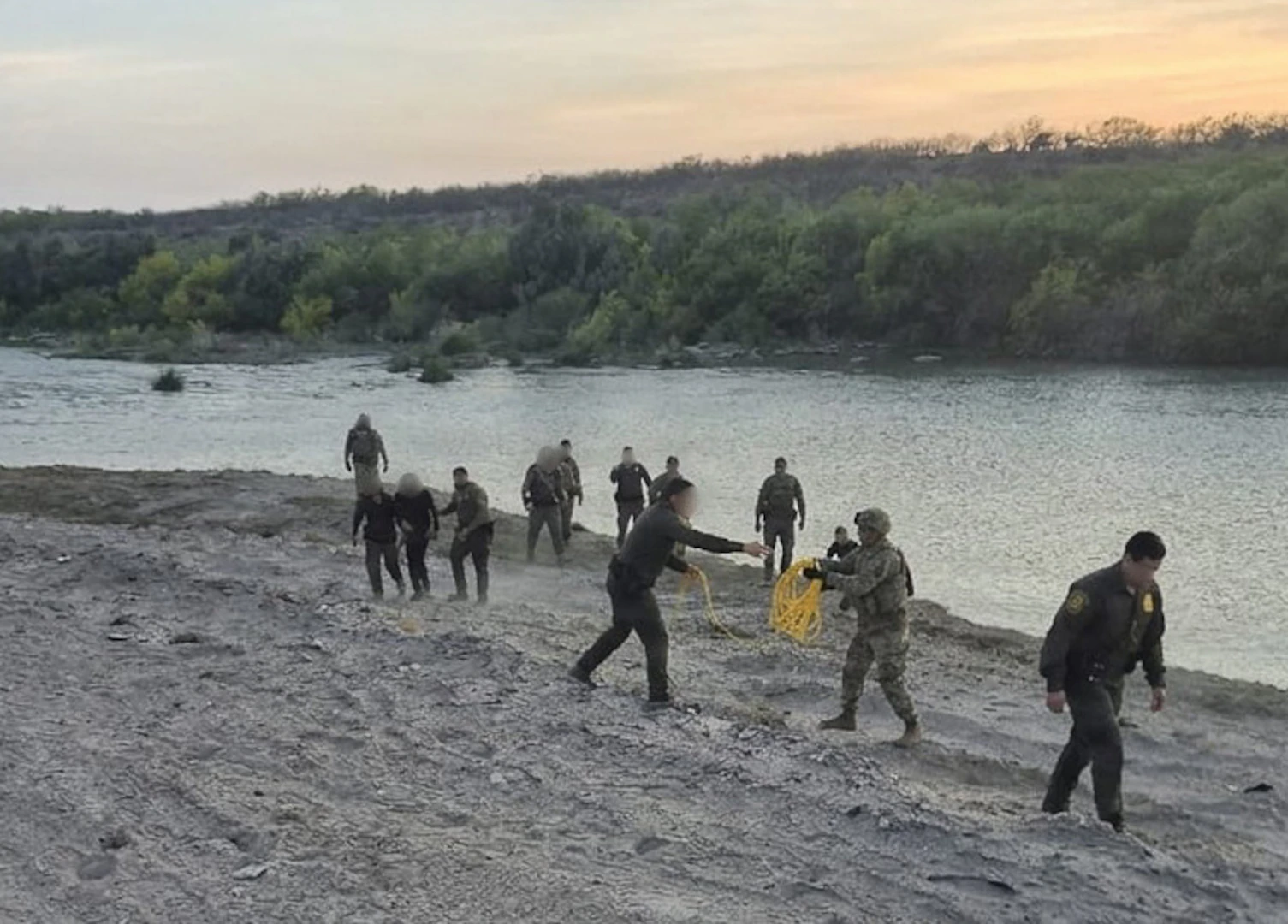
Border operations run on staffing: patrol coverage between ports of entry, screening at ports of entry, processing, detention logistics, and the administrative work that keeps the system moving.
When lawmakers talk about “surge” funding, they are often talking about overtime, temporary assignments, hiring incentives, and contracts that keep personnel and support services in motion.
2) Detention and transport
Detention and transport can become bottlenecks. If you do not have space to hold people or the capacity to move them through the system, policy turns into logistics.
In practice, limits on beds, buses, flights, and staffing often shape outcomes as much as any press release does. More funding in this lane generally means more contract capacity, more support services, and more operational throughput.
3) Tech and infrastructure
Border security spending is rarely one symbol. It often includes surveillance technology, sensors, aircraft hours, facility upgrades, and modernization at ports of entry.
These investments try to turn a vast geography and heavy legal trade and travel into something agencies can manage more reliably.
4) Processing
Enforcement is the front end. Processing and adjudication determine whether cases actually conclude in months or linger for years.
Funding aimed at throughput usually targets backlogs, scheduling, and the time between encounter and final outcome. Time is policy. The longer the system takes, the more the system itself shapes what “enforcement” means on the ground.
The leverage
The Constitution never says “immigration.” Yet federal control is deeply settled through statutes, doctrine, and the basic logic of national sovereignty.
Congress holds the sharpest tool: the power of the purse. The executive enforces immigration law using the tools Congress funds, within the constraints Congress sets.
That is why shutdown brinkmanship matters here. A funding standoff is not only a policy dispute. It is also a demonstration of who can force whom to move, and what parts of government lawmakers are willing to squeeze in order to win a separate argument.
What may change
If a large infusion of border funding becomes law and is deployed quickly, the practical effects usually show up in a few places.
- Higher operational tempo: more coverage, more screening throughput, more processing capacity.
- More leverage from capacity: more space and logistics often changes the menu of options available to agencies.
- Shorter timelines: if funding targets case flow and processing, it can reduce delays that currently function as their own form of policy.
But money is not a master key. Legal standards, executive priorities, and court constraints still shape who is prioritized, how claims are evaluated, and how removal decisions are executed. Funding accelerates the strategy in use. It does not settle the argument over what that strategy should be.
Taxpayer stakes
“Border funding” is not a one time purchase. It behaves like an ongoing operating cost. Once you hire staff, sign contracts, and build programs, the spending becomes hard to unwind without immediate operational consequences.
For taxpayers, three questions cut through the noise.
- One time or recurring: equipment and construction differ from staffing, bed space, and service contracts that renew year after year.
- What metric defines success: encounters, processing times, interdictions, removals, and port of entry throughput are not interchangeable yardsticks.
- How it is paid for: new spending without offsets increases deficits. Reallocation creates tradeoffs elsewhere that deserve daylight.
The shutdown context adds a fourth, unglamorous issue: oversight. Crisis budgeting can produce rushed contracting and fuzzy accountability. If Congress moves big money in a high pressure moment, it should also demand auditable reporting, clear deadlines, and inspector general scrutiny.
Why process matters
Even if you want tougher enforcement, it is worth caring about the machinery.
When routine DHS funding becomes a recurring standoff and major policy fights get stapled to must pass votes, the country drifts toward government by brinkmanship. The Constitution can tolerate friction. It is built for it.
But friction becomes damage when core departments cannot reliably plan, hire, and operate. DHS is not a boutique agency. It is central to border operations, lawful trade and travel, and national security logistics.
A republic that cannot fund its basic functions on time will eventually learn to govern by emergency. And emergency is where oversight tends to thin out.
What to watch
- What “advanced” means: which procedural step occurred, and what it implies for timing.
- Whether momentum holds: moving forward is not the same as clearing the vote thresholds that matter.
- Whether the House engages: taking up a Senate plan, ignoring it, or rewriting it changes the timetable.
- Whether the issues merge: if border funding is tied to the shutdown fight, leverage and blame will shift fast.
- What oversight is included: reporting requirements, audits, and time limits are the difference between a program and a blank check.
Border politics is loud. Appropriations is quiet. But appropriations is where policy becomes real.
A massive border funding plan moving forward as DHS funding remains deadlocked is not just a border story. It is a test of whether Congress can still do the most basic constitutional job it has: pay for the government it keeps arguing about.