
Articles by Eleanor Stratton
Browse articles in Articles by Eleanor Stratton on U.S. Constitution

Title IX’s Next Battlefield: Bathrooms
Americans argue about bathrooms as if the question is cultural. But the next wave of fights will increasingly be fought through administrative complaints, federal investigations, and court orders that quietly redefine what privacy and safety mean in schools. The core question sounds simple: Should...
Read more →
Restoring Second Amendment Rights After Mental Commitment
The Constitution is full of rights that sound absolute until you read the fine print we have built around them. The Second Amendment is one of them. The modern Court says an individual has a right to keep and bear arms, but it also repeats a familiar caveat: some categories of people can be...
Read more →
How the Smithsonian Works: Funding, Oversight, and the Constitution
The Smithsonian is back in the headlines after the White House released a report criticizing the National Museum of American History for what it described as “extreme political activism” and a move away from “straightforward education.” Whatever you think of that critique, the larger question...
Read more →
Supreme Court Transgender Athlete Cases Explained: Title IX and Equal Protection
The headline version of these cases is easy to summarize and hard to understand: whenever a dispute over transgender eligibility in school sports reaches the Supreme Court, politicians and advocates instantly treat it like a cultural Rorschach test. The legal version is different. The Court’s...
Read more →
Presidential Pardon Power Explained
When a president announces a fresh round of pardons, the same question spikes in search traffic for a reason: the power looks almost unlimited. And in one narrow sense, it is. In a public statement, President Donald J. Trump said he had “signed Pardons for six people,” described them as...
Read more →
Can Congress End the Filibuster and Expand the Supreme Court?
When a political post warns that a party will “terminate the filibuster” and “expand the Supreme Court,” it is trying to trigger a particular civic reflex: Is that even constitutional? Here is the twist. Some of the biggest procedural earthquakes people fear are not blocked by the Constitution...
Read more →
Liberty, 250 Years Later
Independence Day is our favorite national shortcut. Light the fireworks, unfurl the flags, rehearse the familiar lines about freedom, and let the founding feel settled. But America 250 does not really allow shortcuts. A quarter of a millennium after July 4, 1776, we are forced to hold two truths at...
Read more →
Ninth Circuit Hits Pause on California’s Assault-Weapon Ban Case
The Ninth Circuit just did something that looks procedural but reads like a signal: it stayed Miller v. Bonta , the ongoing challenge to California’s ban on so-called “assault weapons,” while it waits for the U.S. Supreme Court to weigh in on a closely related set of questions. In practical terms,...
Read more →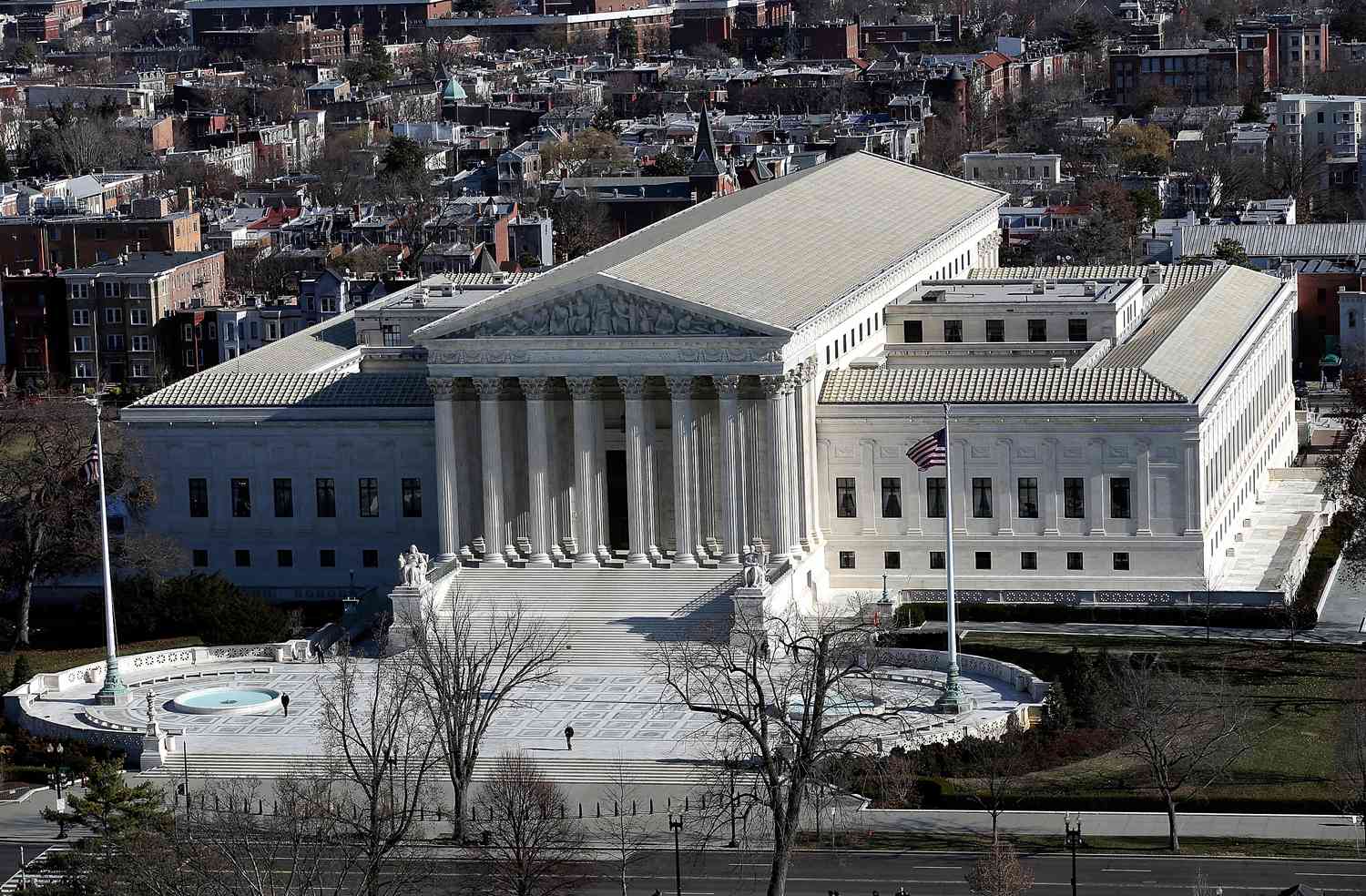
Immigration Detention and Due Process After 2022
Immigration detention sits in a constitutional gray zone that surprises people on both sides of the debate. The federal government has broad power over immigration. But when it physically holds a person in custody, the Constitution does not turn off. That tension is exactly what the courts have...
Read more →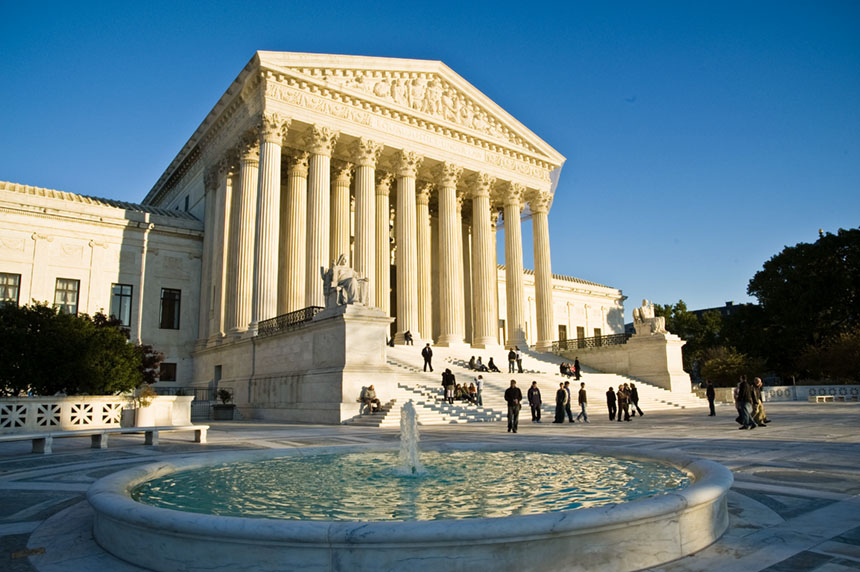
Transgender Sports and the Constitution: What a Supreme Court Action Means
When people hear “the Supreme Court ruled on transgender athletes,” most of us immediately jump to the same question: so is this now the rule for the whole country? Not automatically. And that instinct, the confusion between a state rule, a federal rule, and a constitutional rule, is exactly why...
Read more →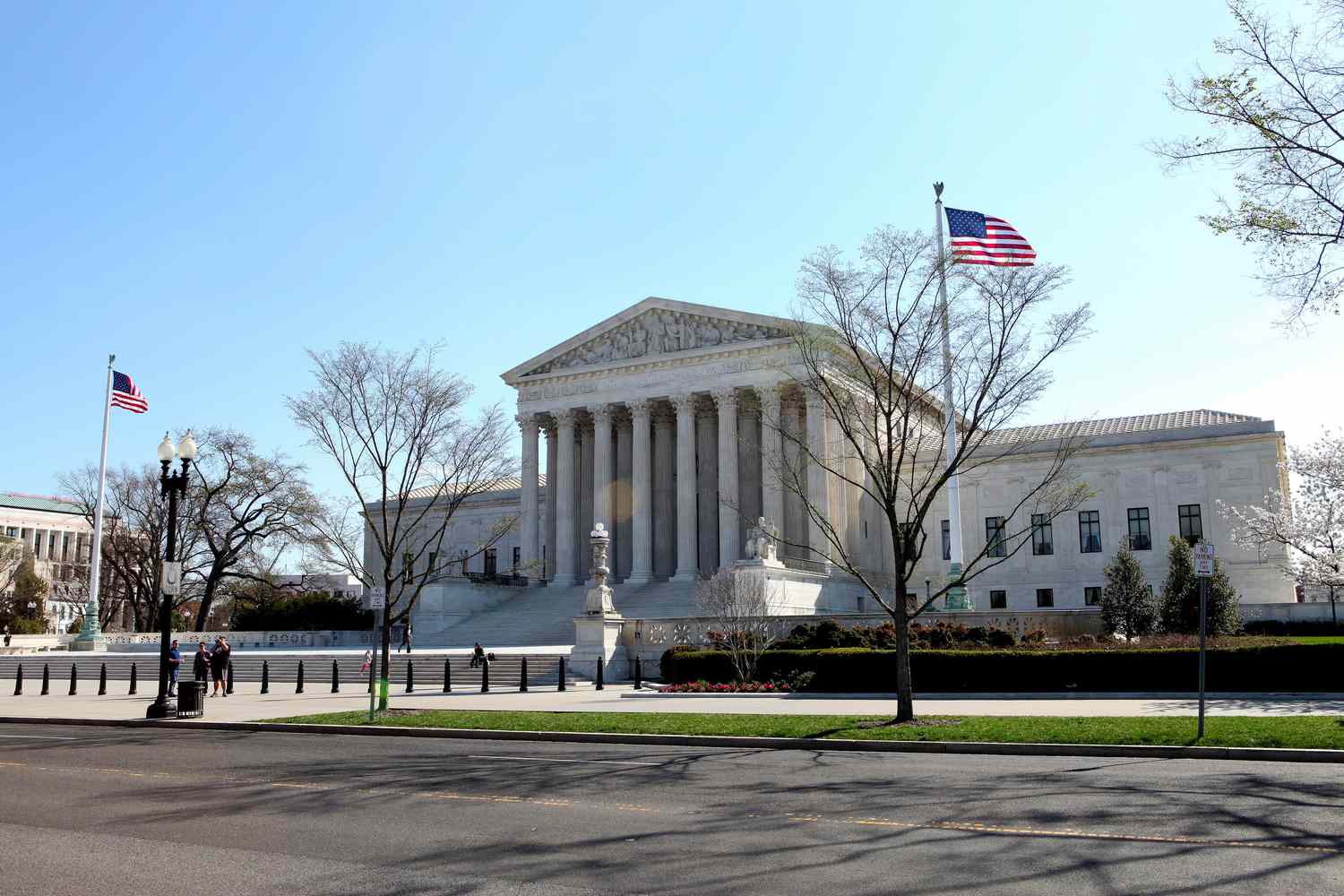
Is the “86/47” Flag Protected Speech?
When a short slogan becomes a national controversy, the constitutional question is rarely about the slogan itself. It is about who gets to decide what it means , and what the government is allowed to do when it believes a political message sounds like danger. The “86/47” flag has become that kind...
Read more →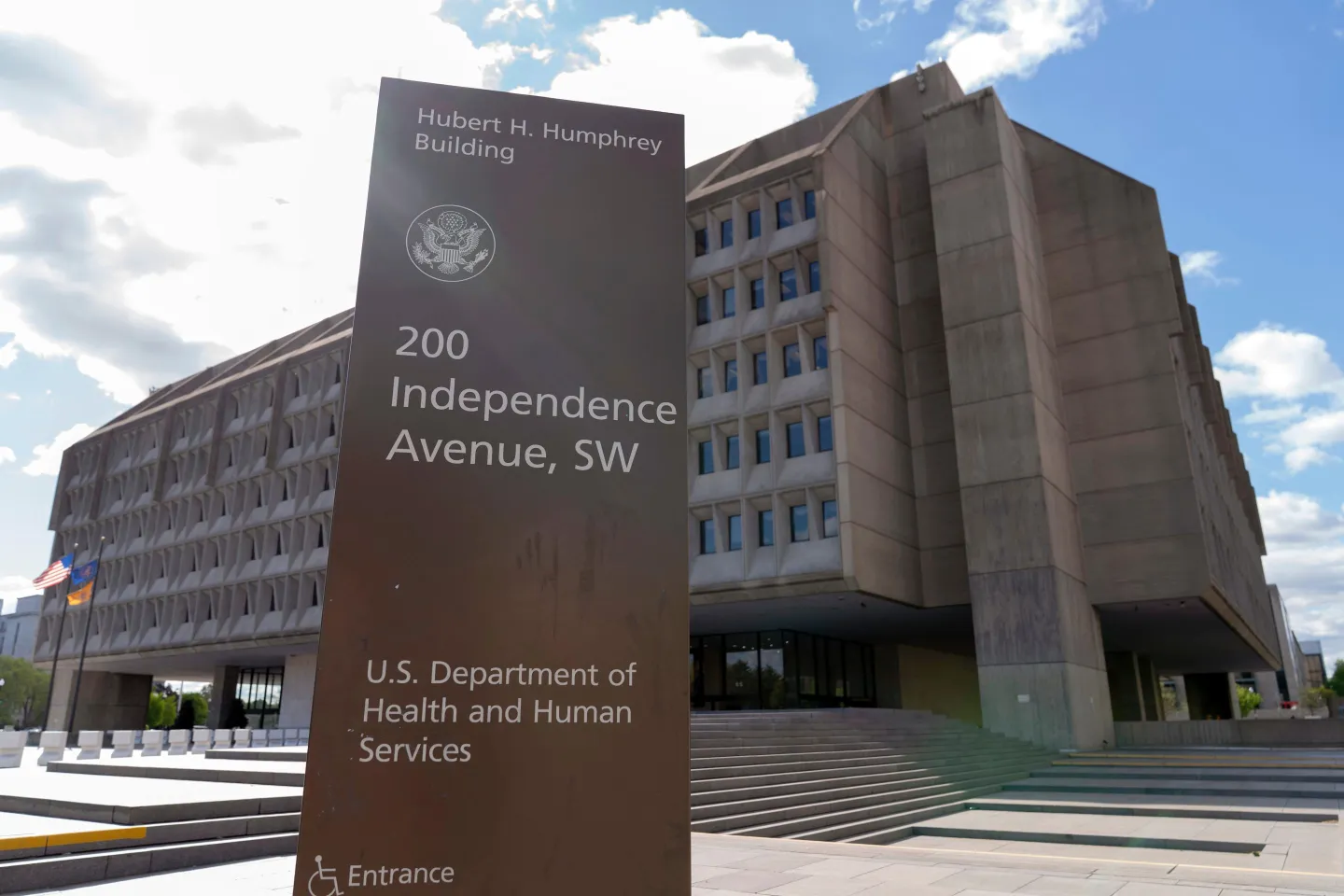
Why HHS Can Freeze Medicaid Fraud Unit Funding
When a headline says the Department of Health and Human Services (HHS) “froze” funding for a state Medicaid fraud unit, it triggers a basic civic question: How can the federal government pause money for a unit that operates inside a state government? The short answer is that a Medicaid Fraud...
Read more →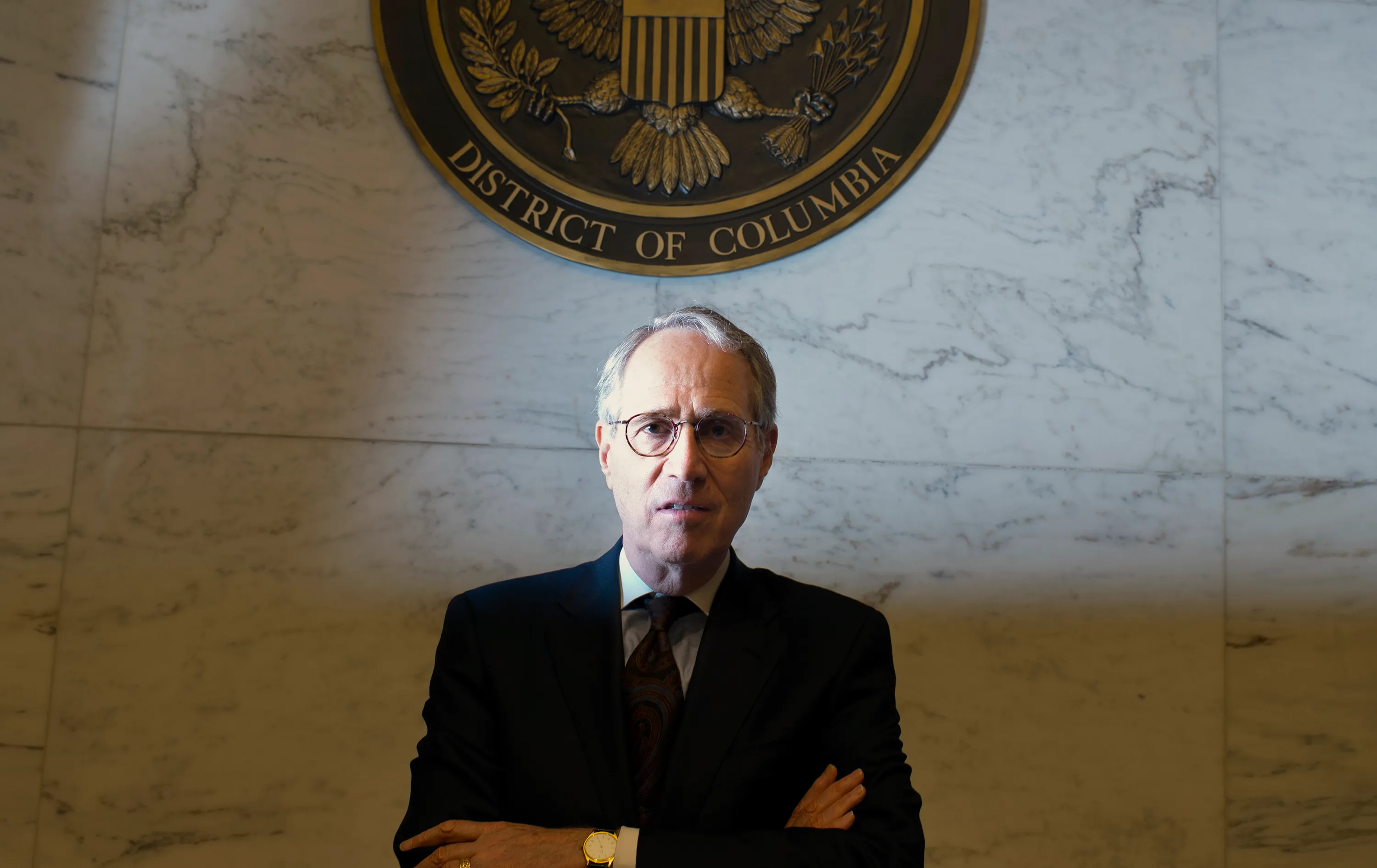
Pentagon Escorts and the First Amendment
The First Amendment does not promise journalists a reserved seat inside every government building. But it also does not allow the government to hand out access like a reward and take it away like a punishment. That tension is now playing out in one of the most symbolically loaded workplaces in...
Read more →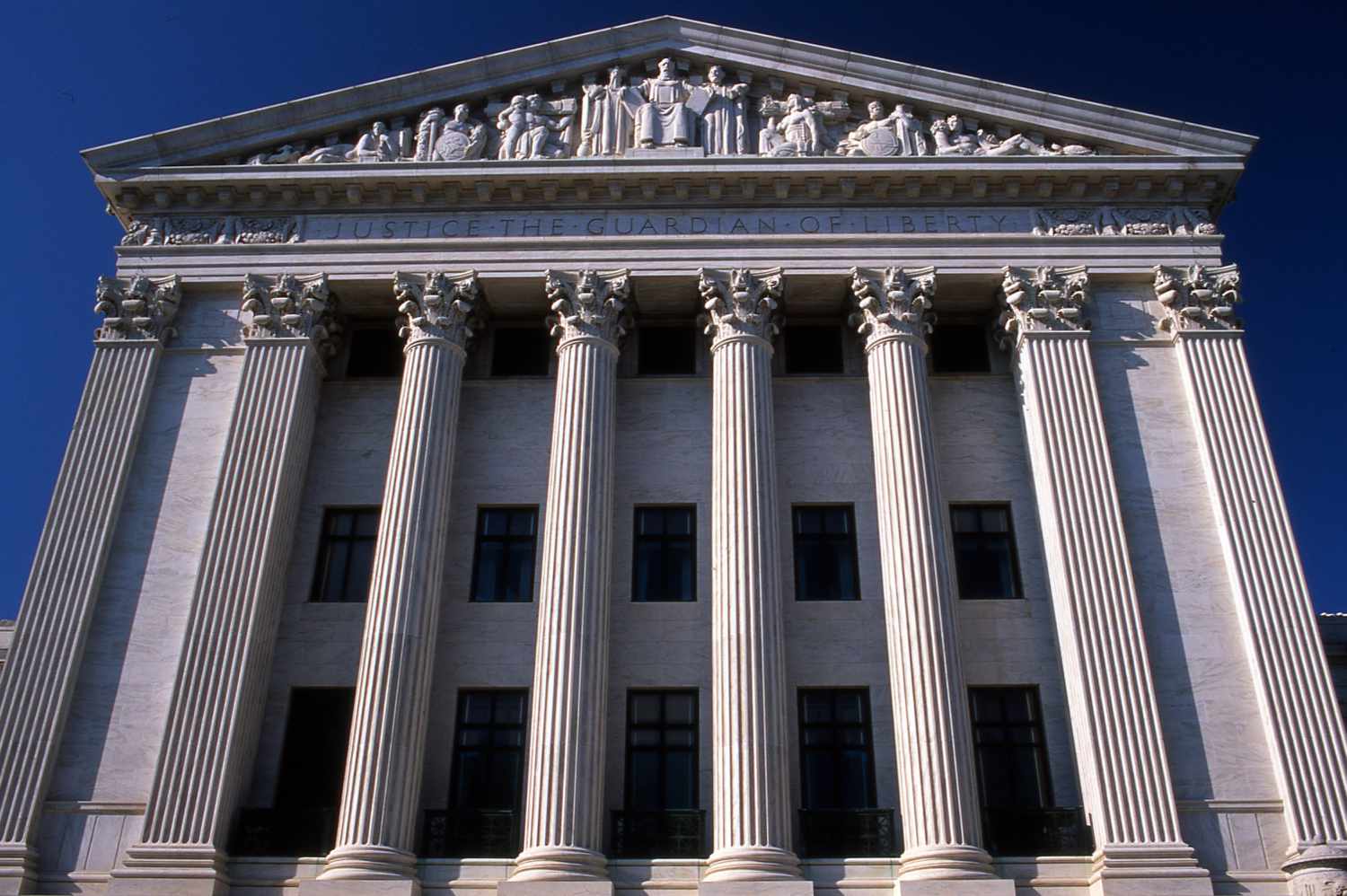
Foreign Funding and Judicial Training: What Ethics Rules and Oversight Allow
“Foreign influence” is one of those phrases that instantly turns civic life into a fog machine. It suggests a hidden hand. It implies a compromised judge. It invites a simple fix: ban it. But judicial education is not a single government program with one set of national rules. It is a patchwork of...
Read more →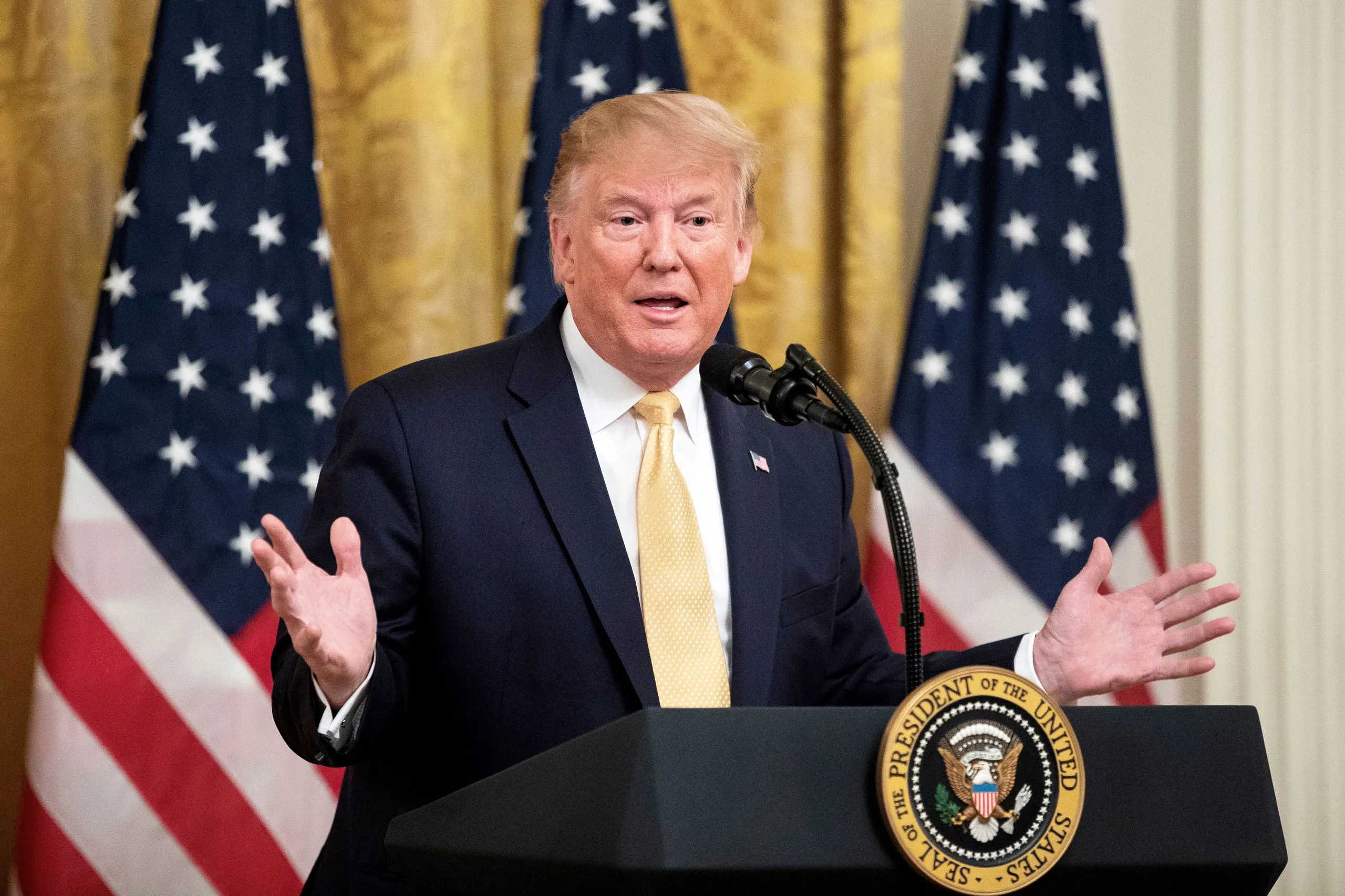
Birthright Citizenship After the Court Says No
You can almost hear the constitutional gears grinding when a president loses at the Supreme Court and immediately turns to Congress for a do-over. That is exactly what happened after the Court rejected President Trump’s January 2025 executive order that attempted to condition U.S.-birth citizenship...
Read more →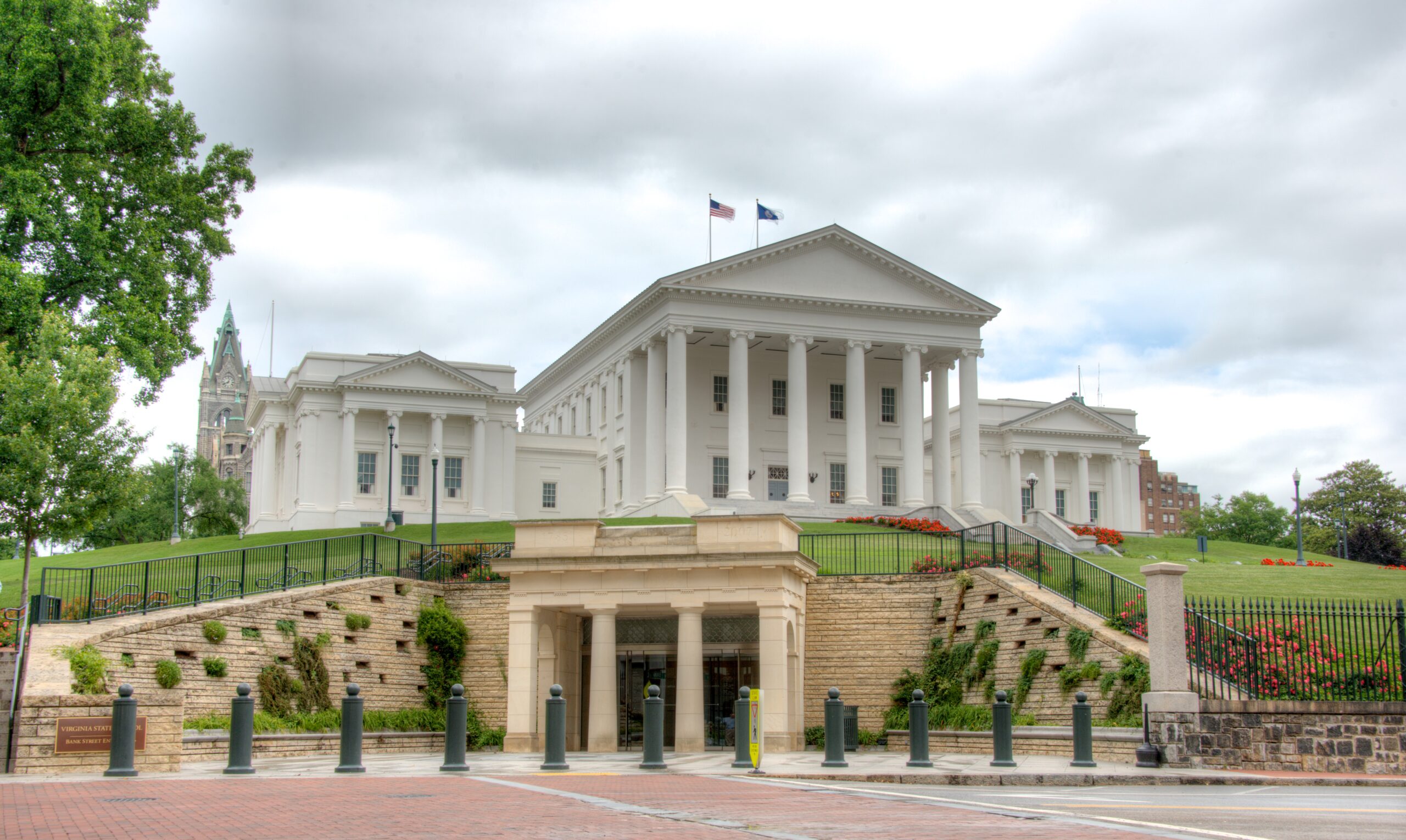
Why a Federal Judge Blocked Virginia’s ICE Mask Law
When a federal judge blocked Virginia’s new law prohibiting certain federal immigration agents from wearing masks on the job, the headline sounded like a culture-war skirmish. But the legal engine under the hood is older than cable news and sturdier than today’s politics. The case is really about a...
Read more →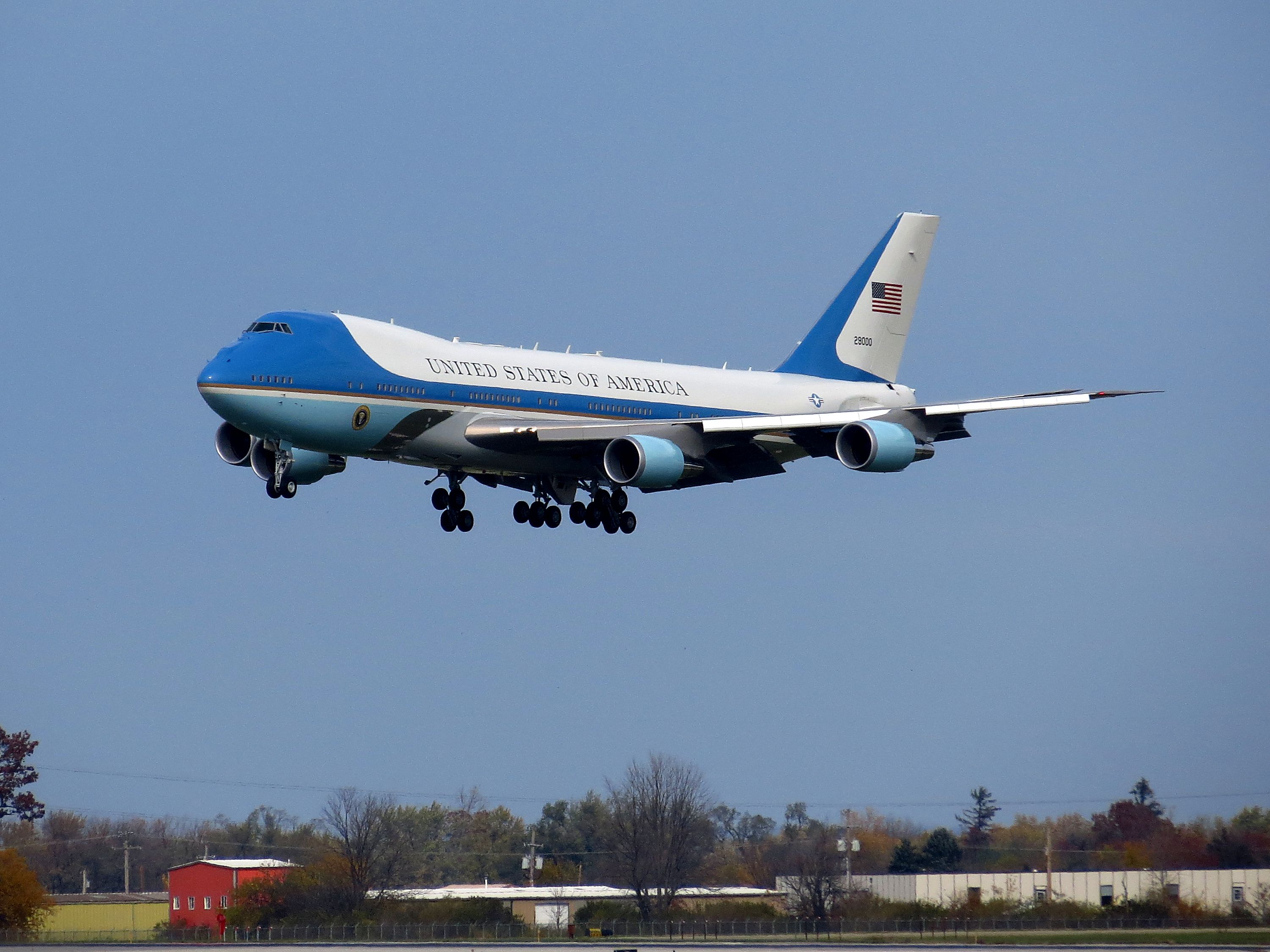
Can a Foreign Country Donate Air Force One?
“Air Force One” is a call sign , not a single airplane. It is the radio call sign used when the President is aboard an Air Force aircraft. The constitutional issues people associate with “Air Force One” do not come from the call sign itself. They come from what it represents in practice:...
Read more →
Can the Federal Government Cut School Funding Over Transgender Policies?
When a presidential administration threatens to withhold federal funding from a public school district over transgender student policies, it hits a raw nerve in American government: public schools are mostly local, but federal dollars are real leverage. The question is not only political. It is...
Read more →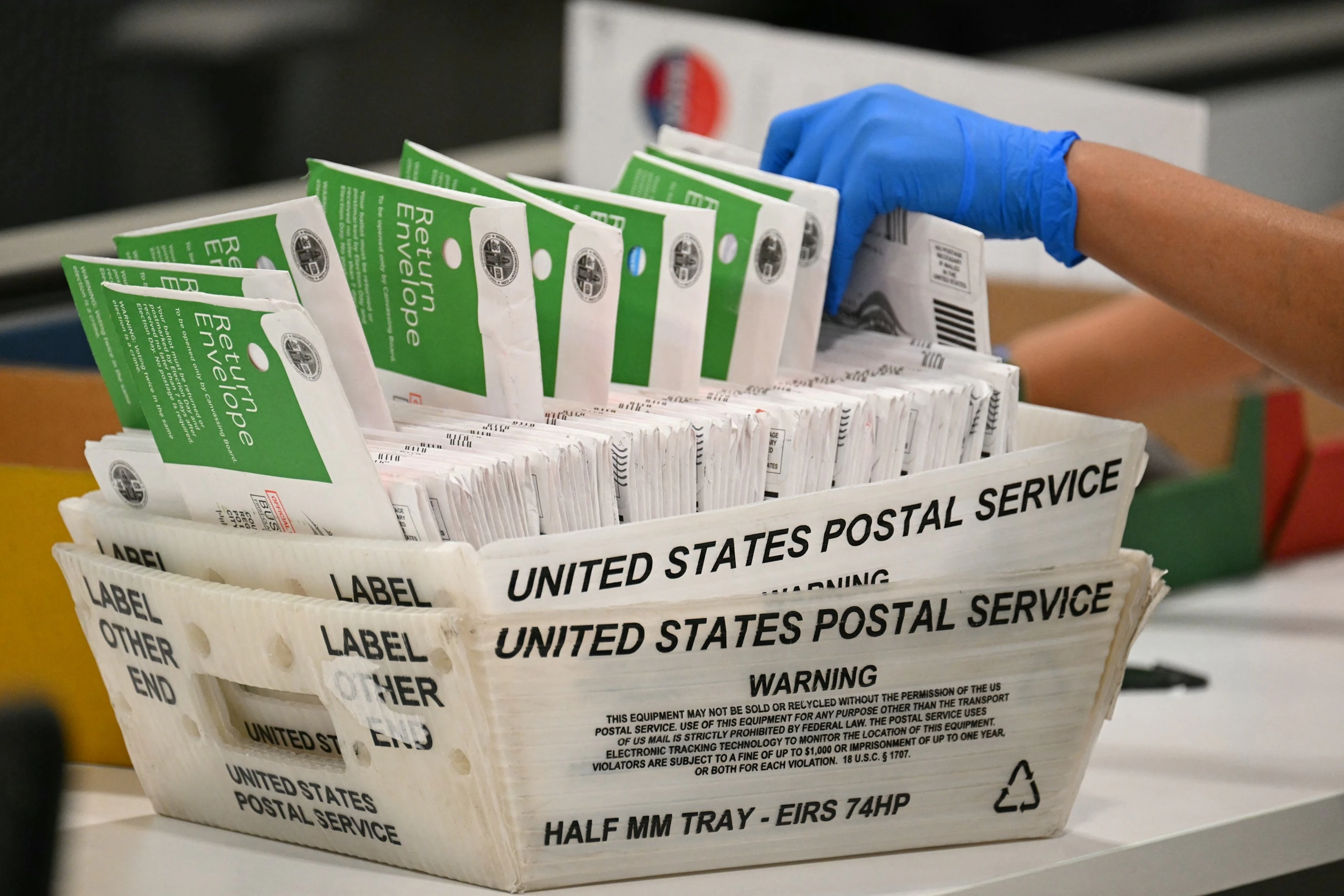
Late Mail Ballots, Mississippi, and the SAVE Act: What Courts Allowed and Why
Mississippi’s rule sounds simple: if a mailed absentee ballot is postmarked by Election Day , it can still be counted even if it arrives afterward , so long as it arrives by the state’s deadline. That kind of rule has become a recurring constitutional flashpoint because it forces two questions that...
Read more →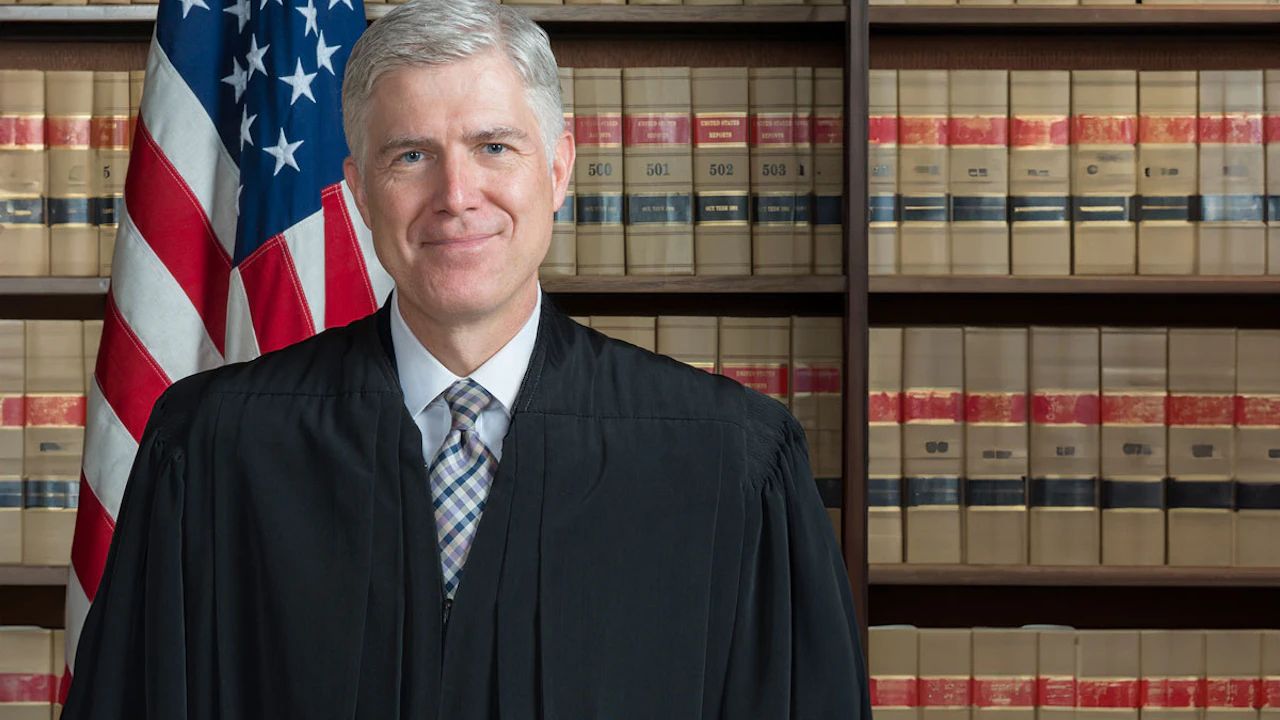
What Gorsuch’s Concurrence Could Mean for the Administrative State
The phrase “administrative state” sounds like a political slogan. In constitutional terms, it is something more specific and much more concrete: the modern system in which federal agencies write detailed rules, enforce them, and often adjudicate alleged violations, all under authority Congress...
Read more →