
Articles by Eleanor Stratton
Browse articles in Articles by Eleanor Stratton on U.S. Constitution

What Happens If You Vandalize a Federal Monument?
When people hear “vandalism,” they often picture a local crime: a city statue tagged with spray paint, a smashed window, a quick arrest and a fine. But a monument on federal land is different. The law treats it differently, the investigators are different, and the consequences can get bigger fast....
Read more →
Can Birthright Citizenship Be Changed Without the Supreme Court?
Birthright citizenship feels like one of those American rules that is too basic to argue about, like the idea that the Constitution outranks ordinary politics or that courts can say what the law is. Then a headline comes along suggesting a president might be able to “end” it, maybe even without the...
Read more →
Springfield’s Haitian Community Faces TPS Shock With Unity
You can live for years inside a legal category and still wake up one morning to discover it was never a wall. It was a curtain. That is the quiet terror Temporary Protected Status has always carried: it is protection, but not permanence. It is lawful presence, but not belonging in the way most...
Read more →
Springfield’s Haitian Community Faces TPS Shock, Finds Strength in Each Other
There are Supreme Court decisions that arrive like weather. You see the clouds gathering, you hear the distant thunder of oral argument, you brace for impact, and then the storm still manages to flatten the house. That is what it felt like in Springfield, Ohio, after the Court ruled Mullin v. Doe...
Read more →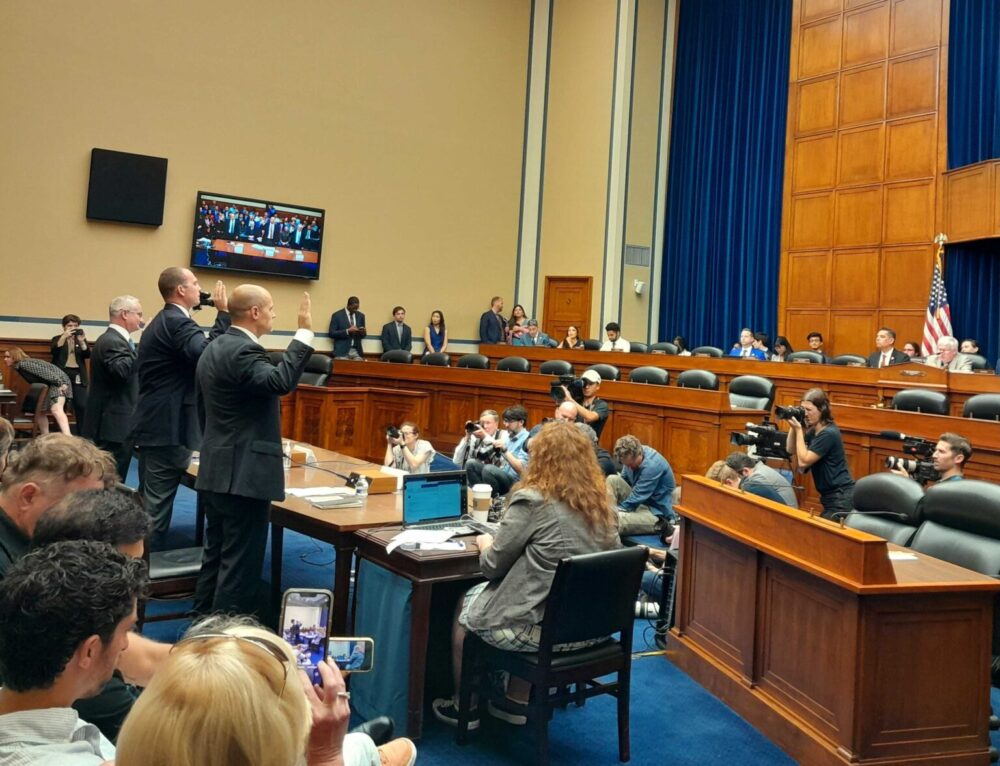
Minnesota Fraud Probes and House Oversight: What Congress Can Actually Do
When a state is accused of mishandling public benefits money, the first instinct is to ask a simple question: isn’t that a state problem? It can be. But it can become a federal one quickly when the program at issue is powered by federal dollars. That is the constitutional hinge behind renewed...
Read more →
Immigration and Housing Costs: What the Fed Paper Actually Says
People are sharing a headline-friendly takeaway from a recent Federal Reserve working paper: that an increase in unauthorized immigration in the period it studies is estimated , under the paper’s model, to have raised home prices by about 2.2% and rents by about 1.4% . The key point, though, is not...
Read more →
Can a President Block a D.C. Mayor’s Agenda?
When a president promises to stop a Washington, D.C. mayor from implementing policies on policing, bail, or cooperation with ICE, the instinctive question is simple: can he actually do that? The constitutional answer is both more powerful and more limited than it sounds. D.C. is not a state. It is...
Read more →
The Supreme Court’s Asylum Ruling and the Executive Power Shift
Immigration law is full of gray areas. Not moral gray areas. Jurisdictional ones. Who decides whether a person has actually “entered” the United States? Who gets to decide which immigrants keep a lawful foothold after years inside the country? And perhaps most consequentially, when agencies make...
Read more →
Birthright Citizenship and the 14th Amendment
Most constitutional fights are about the meaning of a power. This one is about the meaning of a word. Birthright citizenship lives in a single sentence of the 14th Amendment. For more than a century, Americans have treated that sentence as a bright line: if you are born here, you are one of us. Now...
Read more →
Same Names on the Ballot: What the Law Actually Requires
Voters sometimes assume that if two candidates share a name, one of them must be barred from the ballot. In practice, election law often takes the opposite approach. Many states try to reduce confusion through ballot formatting and disclosure , not by limiting who may run. This matters in Alaska...
Read more →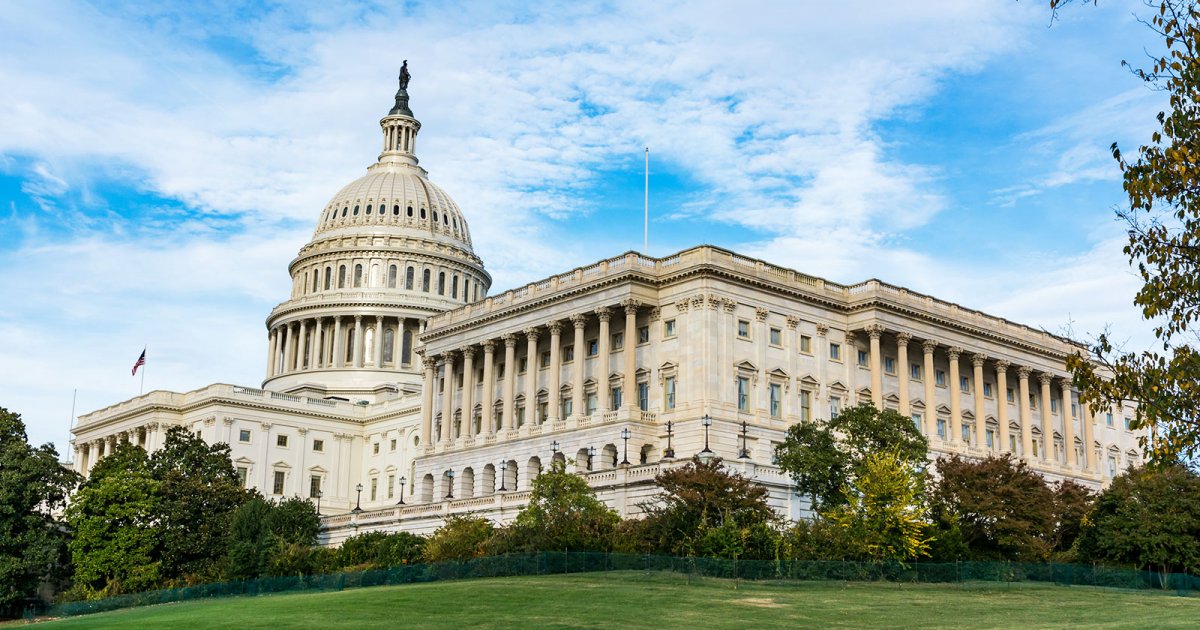
Can Congress Break Up Apple? Antitrust Power and the Constitution
When a member of Congress says a company like Apple is “far too big” and floats a breakup as prices rise, it hits a nerve for a simple reason: people can feel market power. But the constitutional question is more precise than the political one. Can Congress break up Apple? Congress can create and...
Read more →
Supreme Court Immigration Rulings Explained: Border Power and the Constitution
When the Supreme Court issues an immigration decision, the headlines tend to collapse everything into one question: Who is in charge of the border? The White House, Congress, the courts, or the states. That is the right question, but it has three different answers depending on what you mean by “in...
Read more →
Wolford v. Lopez Explained: Where It Stands
Wolford v. Lopez is a closely watched post- Bruen challenge to Hawaii’s new public-carry regime. But it is important to be clear about what it is and what it is not: it is a lower-court case in the Ninth Circuit, and the Supreme Court has not issued a merits decision in Wolford . Even without a...
Read more →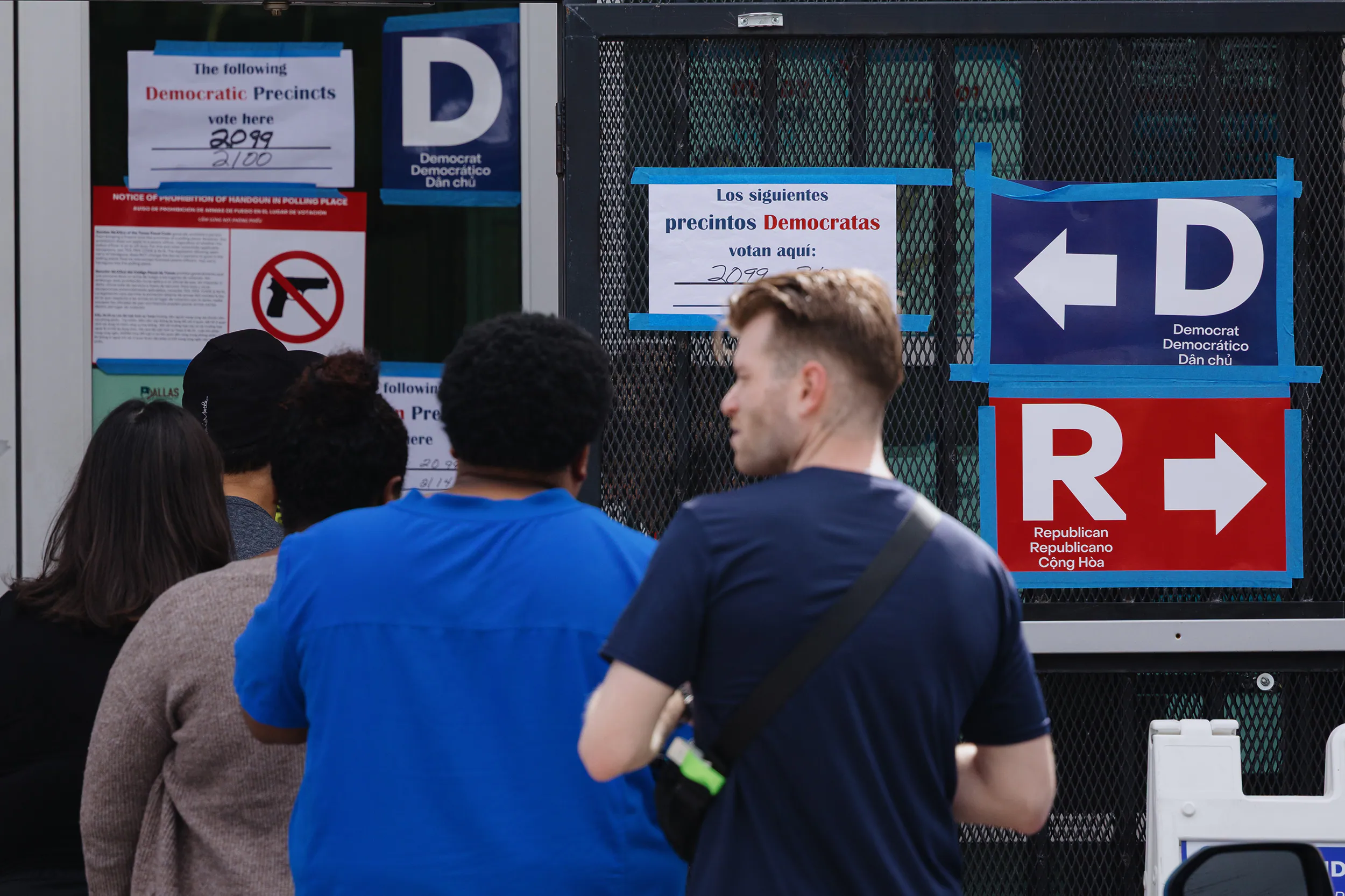
Primary Ballot Access: What Parties Can and Cannot Control
Whenever an outsider candidate wins a primary, a familiar question suddenly becomes urgent: how did they get on the ballot in the first place , and can the party change the rules to stop it from happening again? This week’s wave of commentary about insurgent primary wins and establishment pushback...
Read more →
What the SAVE Act Would Do, and Why a House Rules Fight Can Stop It
The news hook is procedural, but the stakes are substantive: House conservatives used rules votes as leverage to demand floor time for the SAVE Act . In a closely divided House, threatening to vote down the rule for unrelated legislation can stall the chamber, because most major bills cannot reach...
Read more →
Temporary Protected Status: What TPS Is and What the Supreme Court Said
Temporary Protected Status, or TPS, rarely makes headlines until a designation is extended, narrowed, or ended. That is because TPS sits at a constitutional pressure point: Congress writes immigration statutes, the executive branch administers them, and the courts resolve disputes over what the...
Read more →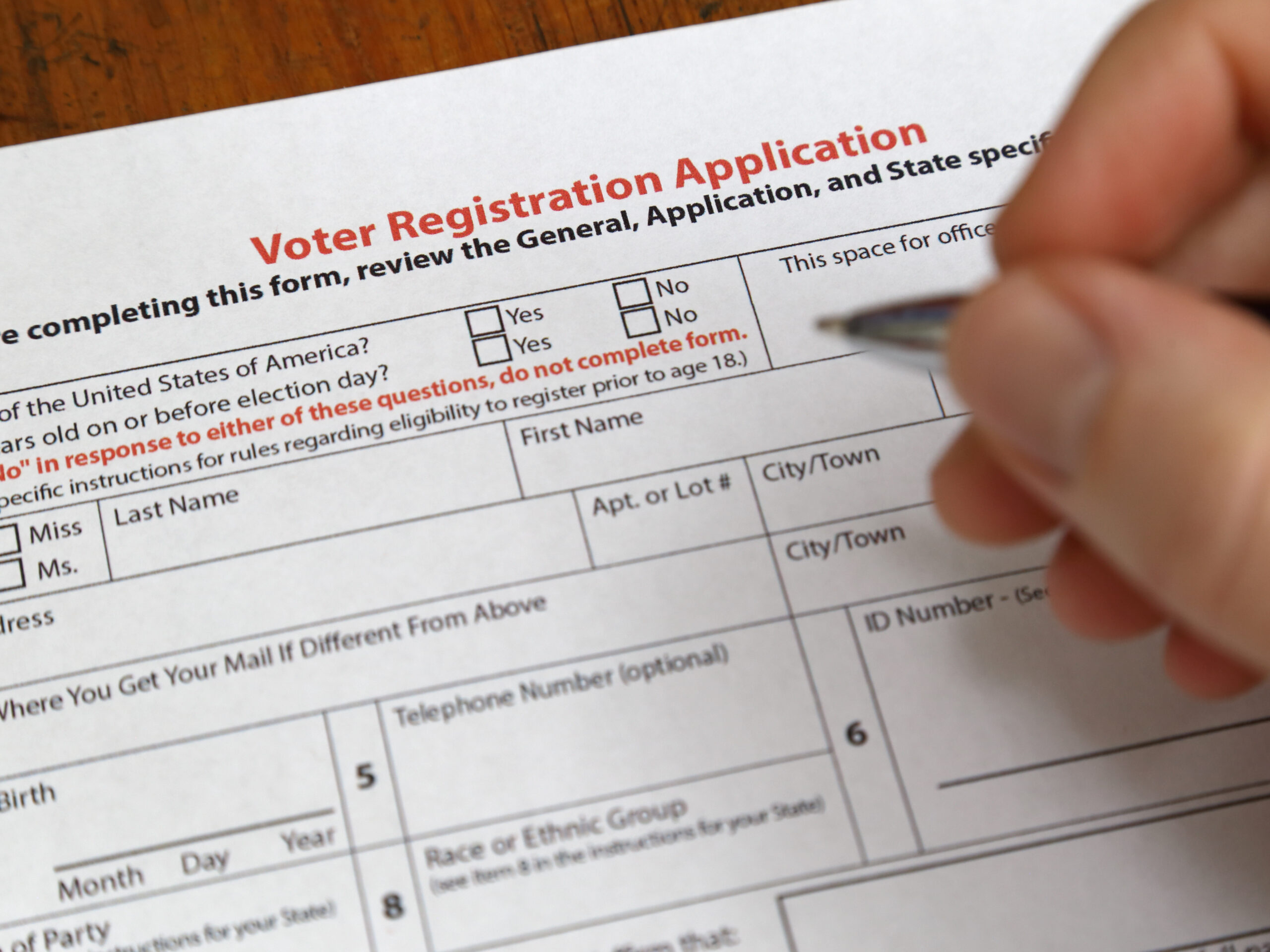
Can Non-Citizens Vote in Federal Elections?
Every election cycle, a familiar claim resurfaces: non-citizens are voting , sometimes because a state “automatically registered” them. A recent guilty plea by a French citizen tied to the 2022 midterms, paired with an allegation that he was registered through a New Jersey motor vehicle...
Read more →
Can Congress Stop a President’s War? War Powers, Iran, and the Constitution
When the Senate votes on an “Iran war powers resolution,” it is not voting on whether war is a good idea. It is voting on a much older question that the Constitution never cleanly answers: who decides when America is “at war,” and who decides when it stops? Today’s news hook is a Senate vote that...
Read more →
SCOTUS: Marijuana Use Alone Can’t Void the Second Amendment
For decades, the American legal system has treated “drugs” as a kind of constitutional solvent. Invoke them, and suddenly ordinary rules soften. Searches get easier. Property gets taken. Sentences get longer. Rights get treated less like rights and more like privileges granted to the well behaved....
Read more →
Abortion Shield Laws Explained After Dobbs
You can feel the post-Dobbs legal map in the latest headlines. One frequently cited estimate, from the Society of Family Planning’s #WeCount project, reports roughly 330,000 medication-abortion regimens were provided via telehealth under protective shield-law regimes to patients living in states...
Read more →