The ideas behind public life
Understand the system.
See the bigger picture.
Explore the Constitution, elections, and the questions shaping civic life through clear guides and thoughtful short films.
Explore the libraryWhat Is On Your Midterm Ballot?
The video collection
The civics screening room
Explore the civic library
Read further into the history, institutions, and ideas behind the headlines.

The Compact Clause and Interstate Deals
States are not supposed to behave like mini-countries. They cannot make treaties, coin money, or run foreign policy. But the Constitution also recognizes something more practical: sometimes states have to cooperate. They share rivers and ports. They run commuter rail systems that cross state lines....
Read more →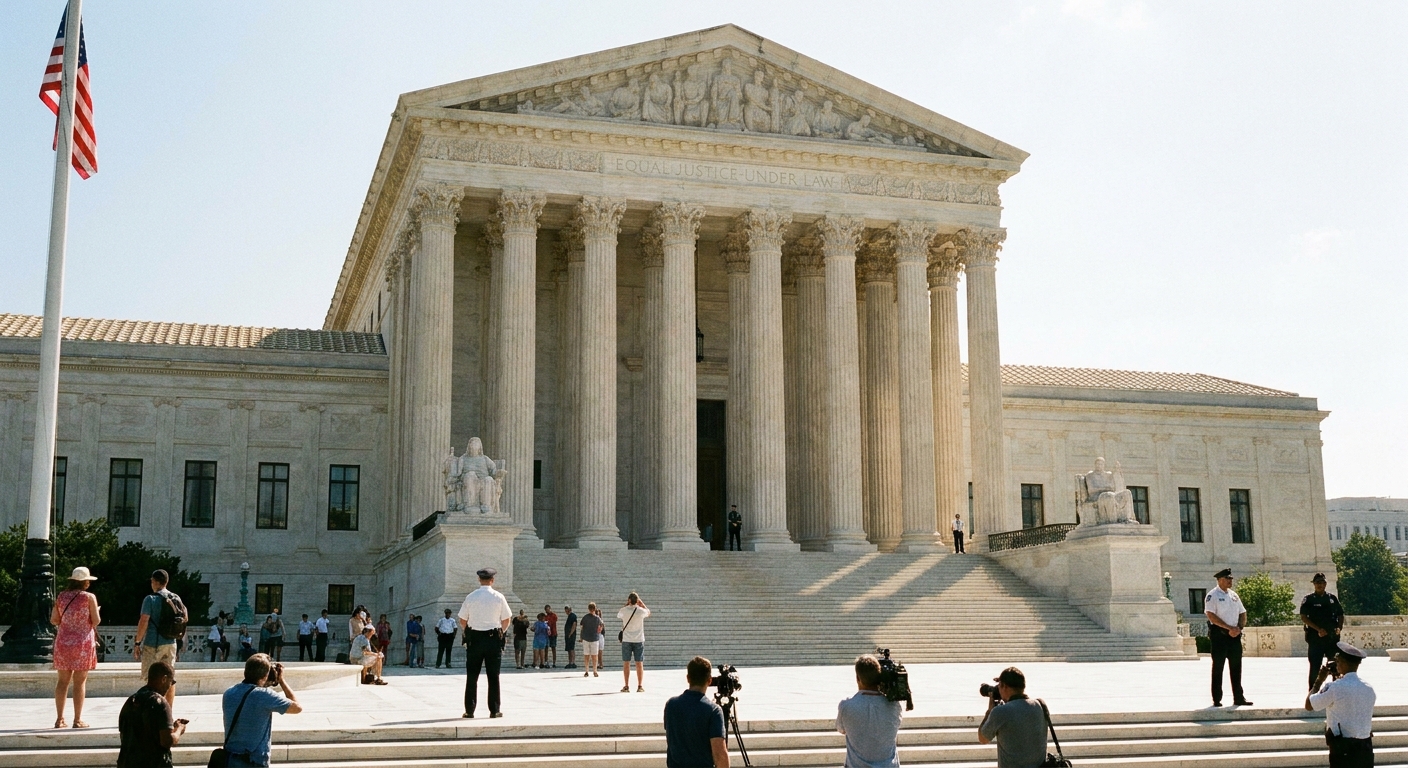
The Legislative Veto and INS v. Chadha
Congress loves a shortcut. The Constitution does not. For much of the 20th century, one of Congress’s favorite shortcuts was the legislative veto , a device that let either one chamber, or sometimes even a committee, cancel an executive action without passing a new law. It felt efficient. It looked...
Read more →
The Border Search Exception
You can memorize the Fourth Amendment in a minute. You can spend a lifetime learning the exceptions. The border search exception is one of the biggest. It is the doctrine that lets the government search people and property at the international border, and at its functional equivalents like...
Read more →
Cooper v. Aaron and Supreme Court Supremacy
Most Supreme Court cases are remembered for a rule. Cooper v. Aaron is remembered for a warning. In 1958, Arkansas officials tried to slow-walk, outmaneuver, and ultimately evade school desegregation after Brown v. Board of Education . The Supreme Court responded with a rare, unanimous opinion....
Read more →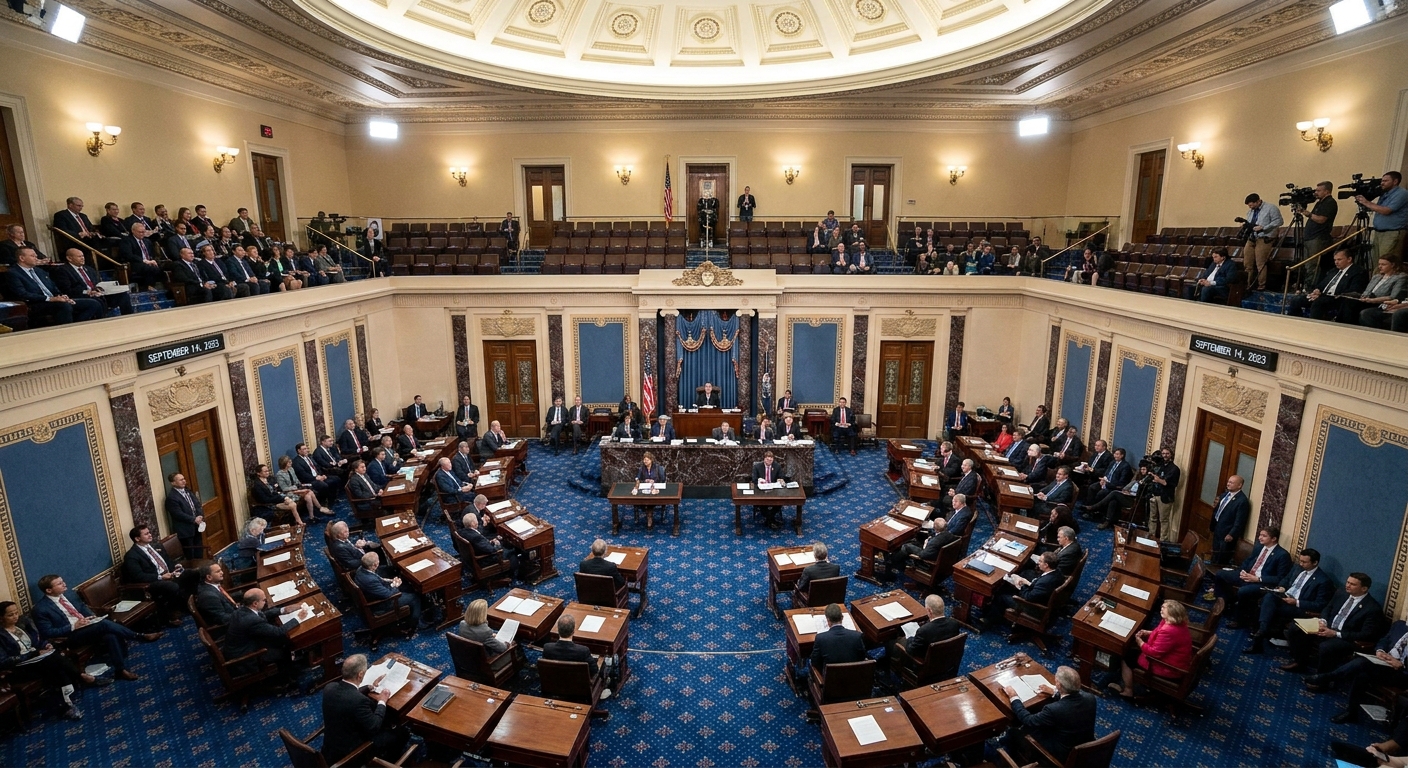
The Byrd Rule and Reconciliation Bills
Budget reconciliation is often described like a cheat code: a fast-track tool that lets the Senate pass major fiscal legislation by simple majority vote under tight debate limits, so a filibuster cannot drag it out. In a 50-50 Senate, that “51” often means the vice president breaking a tie. The...
Read more →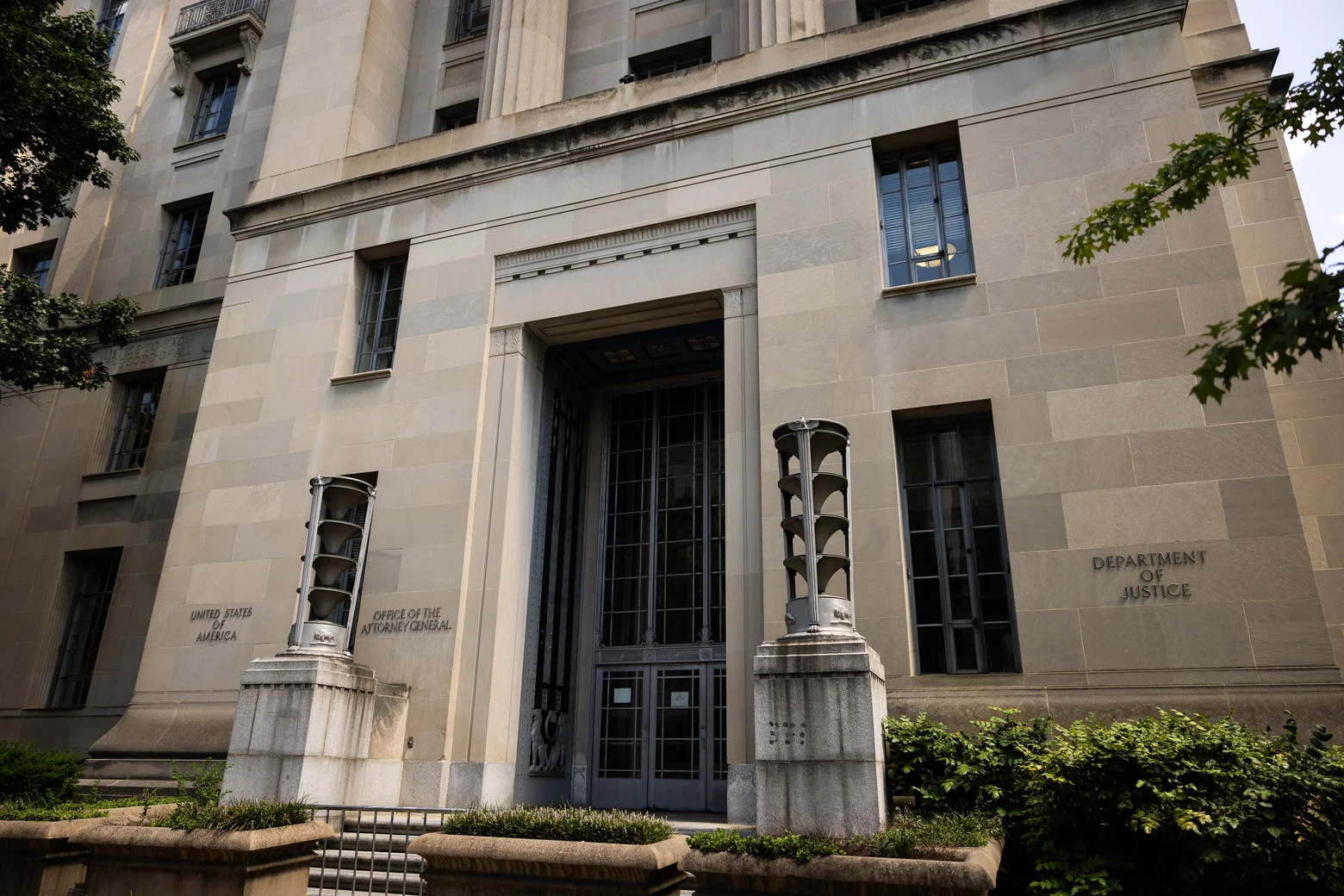
The False Claims Act and Qui Tam Lawsuits
Most government fraud is boring on purpose. It hides in the ordinary: a billing code entered twice, a box checked that should have been left blank, a contract requirement treated like a suggestion. And because federal spending is massive, the smallest lie can scale into a fortune. The False Claims...
Read more →
Diplomatic Immunity Explained
Diplomatic immunity is one of those phrases Americans hear when something goes wrong: a serious car crash, an assault allegation, a sensational headline that ends with “the suspect claimed immunity.” It can sound like a magic word. Like a foreign official can do anything on U.S. soil and simply...
Read more →
What Is a Green Card?
Americans talk about a “green card” like it is a membership badge. You either have it or you do not. But legally, the important thing is not the card. It is the status behind it. A green card is evidence that the federal government has granted you lawful permanent resident status (LPR), either by...
Read more →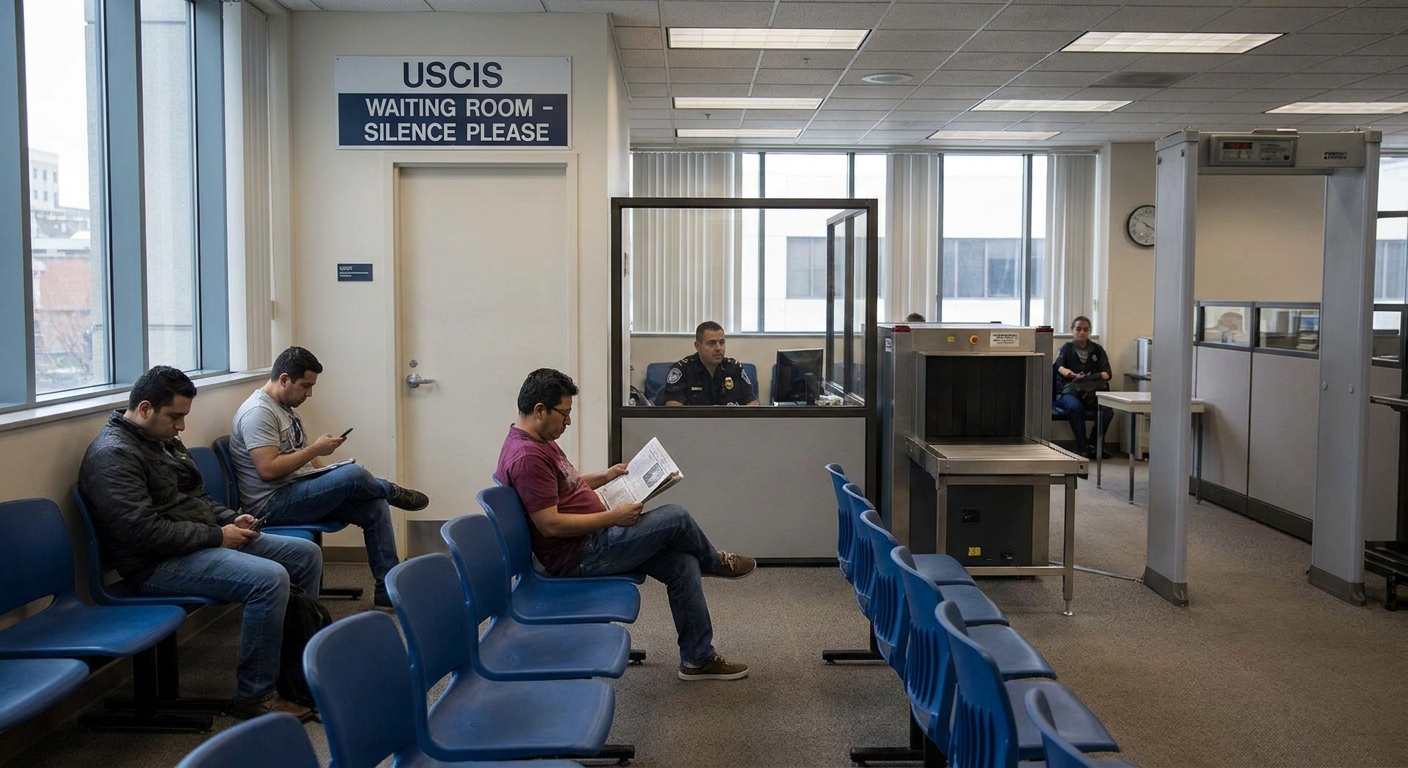
Temporary Protected Status (TPS) Explained
Temporary Protected Status , usually shortened to TPS, is one of those immigration tools that sits in the space between headlines and hard law. It shows up when a country hits a crisis, and it quietly reshapes real lives inside the United States. TPS is best thought of as an emergency valve: a...
Read more →
DACA Explained
DACA is one of the most misunderstood policies in modern American life because it sits in a legal and administrative gray area most of us do not notice until it affects a friend, a coworker, or a student in our community. It is not a law passed by Congress. It is not a path to citizenship. It is...
Read more →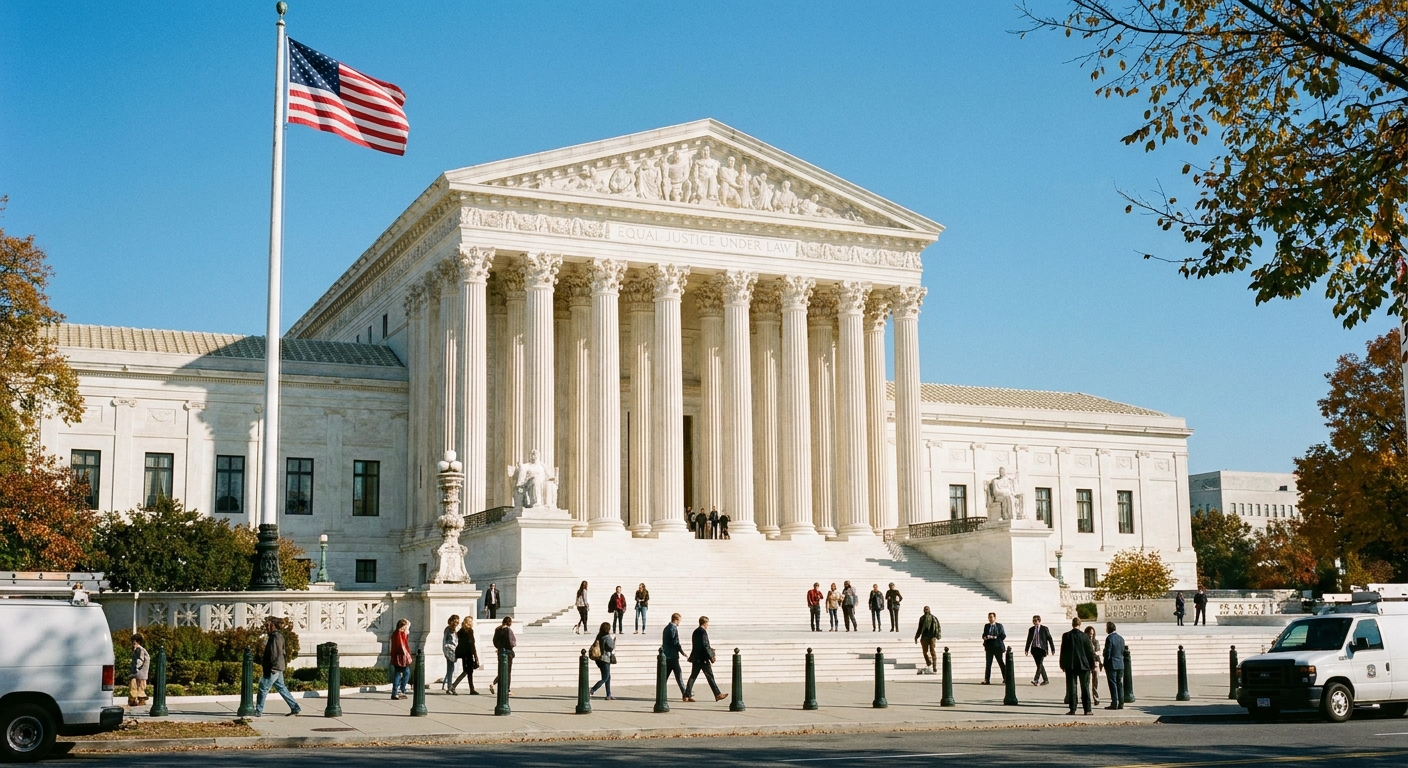
Advisory Opinions and the Federal Courts
You can feel the temptation in almost every high-profile legal dispute: just ask a judge to settle it now. Is the policy constitutional? Can the agency do that? Would the statute survive a challenge? In ordinary conversation, we treat courts like a national help desk for hard questions. Federal...
Read more →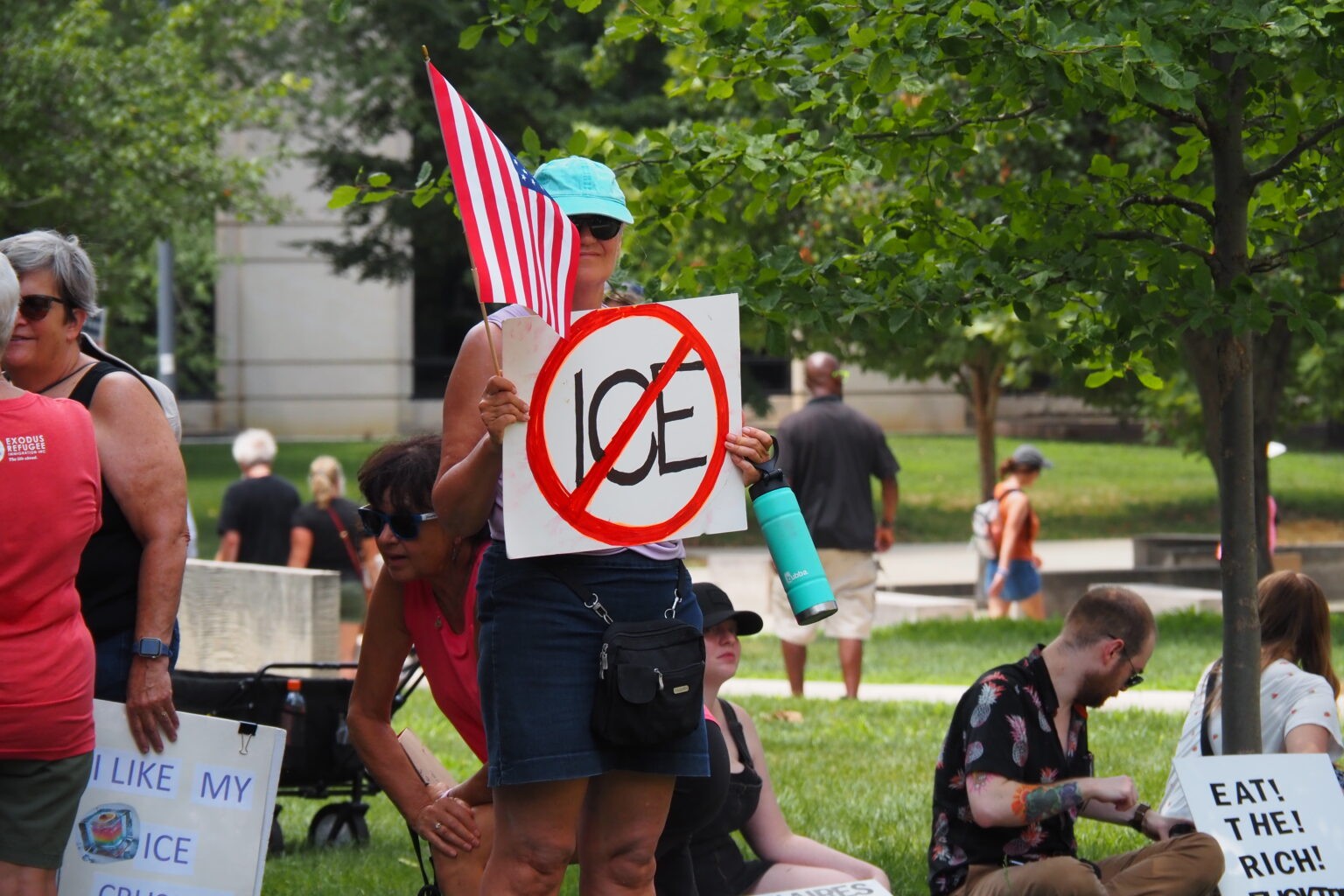
Judge: DOJ and DHS Likely Coerced Platforms To Remove ICE-Tracking Speech
A federal judge has signaled that federal officials may have crossed a constitutional line when they urged major tech companies to remove online tools used to share information about immigration enforcement activity. In a preliminary ruling, U.S. District Judge Jorge L. Alonso found that the...
Read more →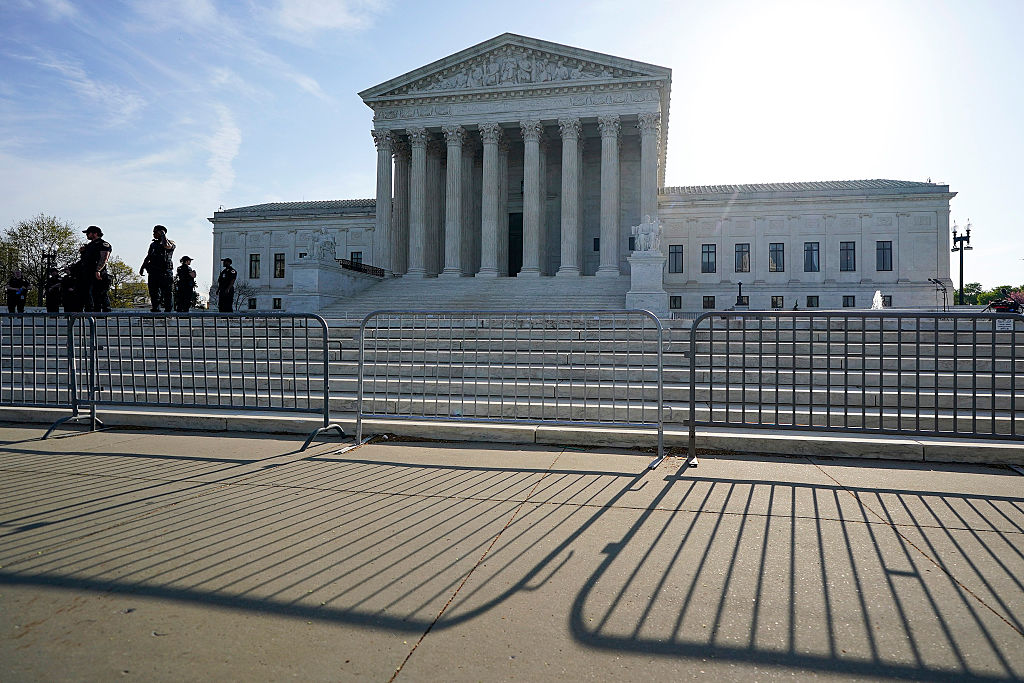
New Jersey’s Nonprofit Squeeze Reaches the Supreme Court
There are two ways to silence a civic group. You can ban what it says. That is the blunt instrument. Courts recognize it on sight. Or you can bury it in paperwork, deadlines, disclosures, and penalties until the easiest path is to stop speaking at all. That version looks like “regulation.” It often...
Read more →
When the Government Asks Apple to Censor
Most Americans understand censorship as something the government does directly. A law is passed. A speaker is fined. A publication is seized. But the Constitution has always been haunted by a more modern temptation: the government does not have to ban speech itself if it can get someone else to do...
Read more →
DOJ Seeks Wayne County’s 2024 Ballots
The U.S. Department of Justice has demanded that Wayne County, Michigan, produce materials from the November 2024 election, including all ballots along with supporting paperwork like ballot receipts and ballot envelopes. The request, delivered in an April 14 letter, gives the county 14 days to...
Read more →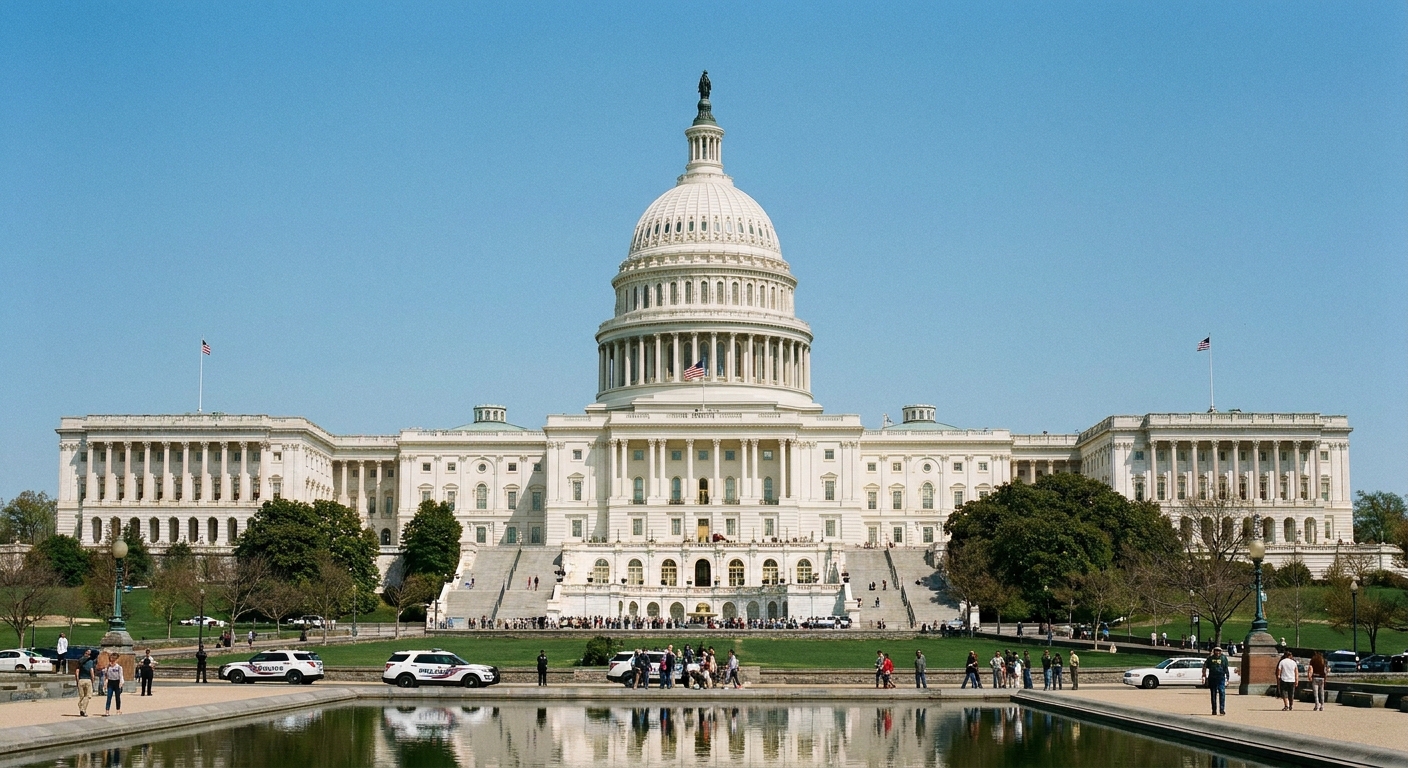
AEDPA and Federal Habeas Review of State Convictions
Federal habeas corpus is often described as an emergency exit for unlawful imprisonment. For state prisoners today, that exit is mostly a statutory one: modern federal habeas review runs primarily through 28 U.S.C. § 2254, against a constitutional backdrop that includes the Suspension Clause. The...
Read more →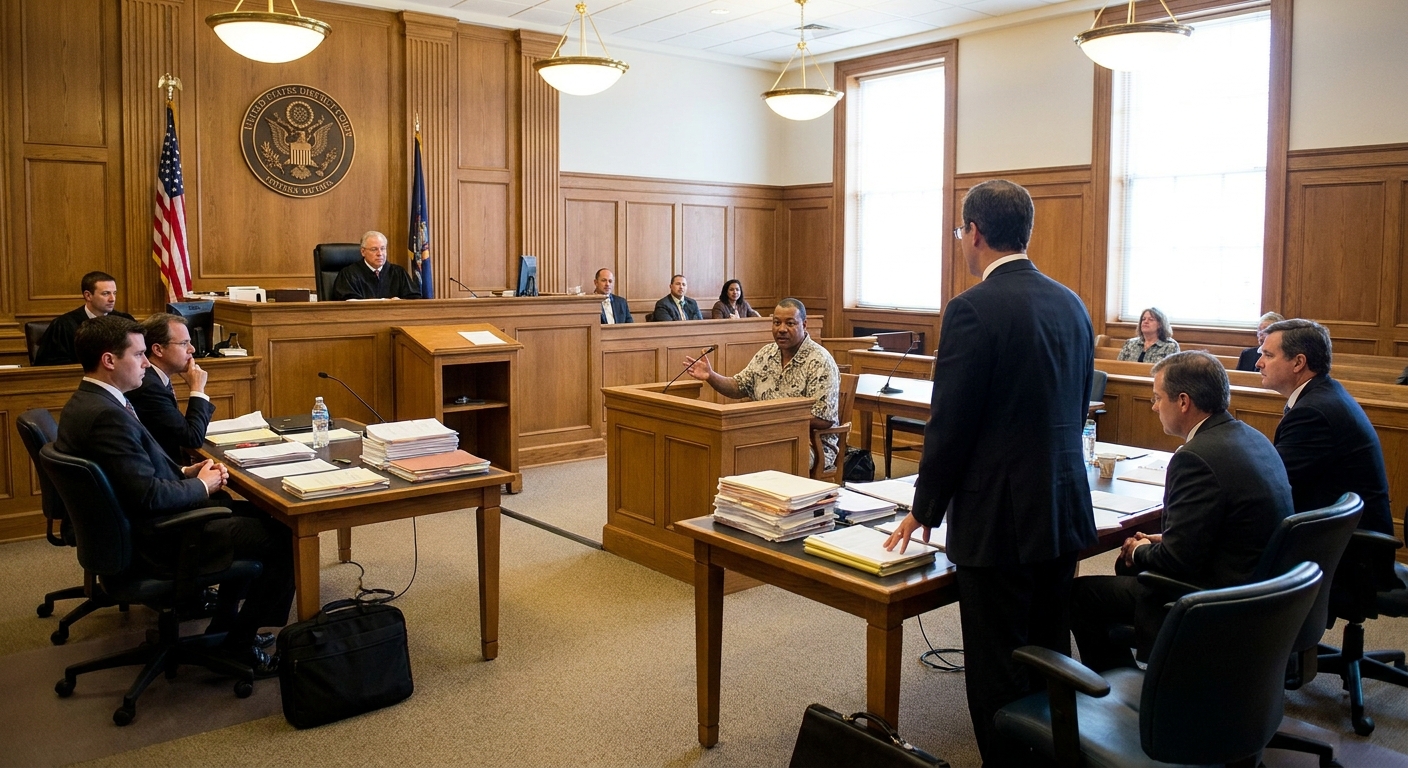
The Jencks Act and Witness Statements
The Jencks Act is one of those federal trial rules that sounds technical until you picture it in real life: a witness points at a defendant in open court and tells the jury what happened, and the defense thinks, Have you said something different before? The Constitution does not contain a “right to...
Read more →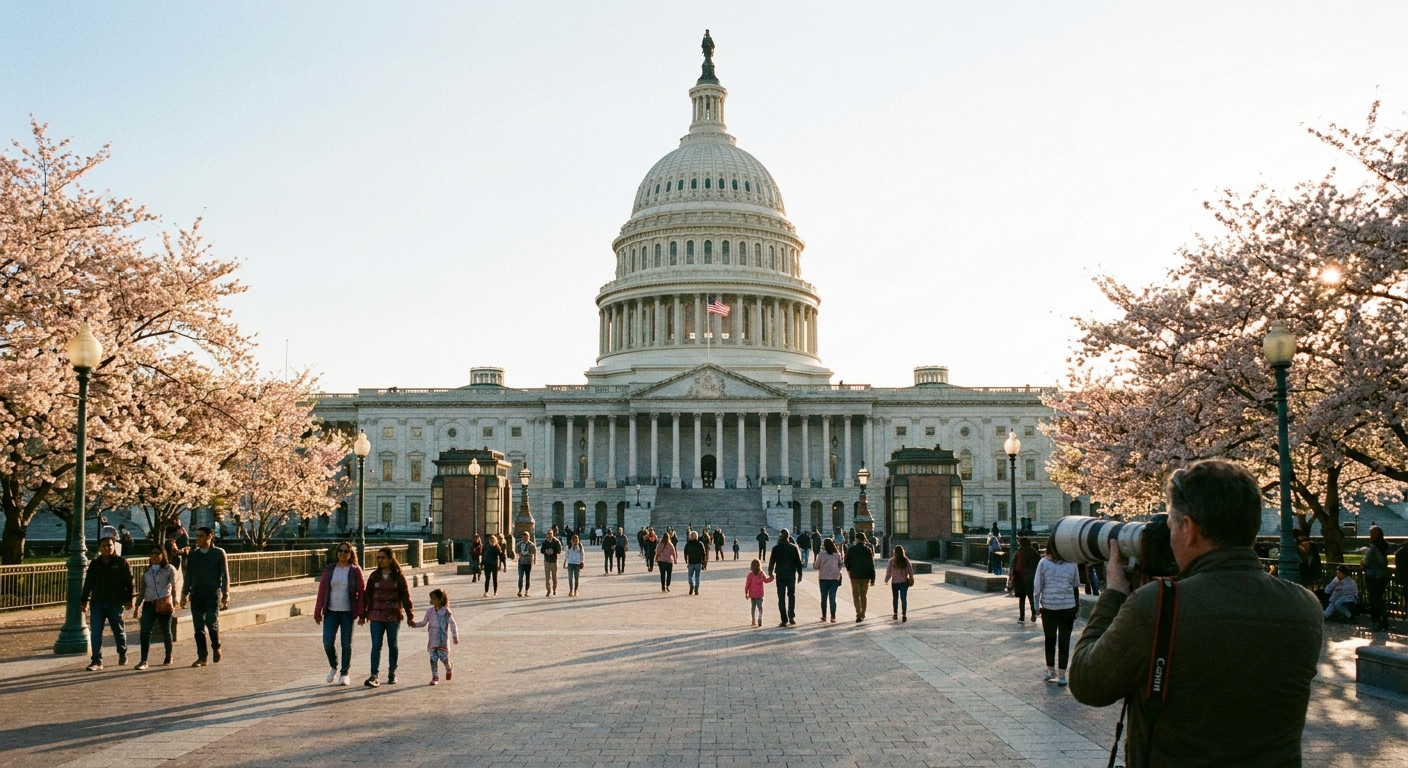
The Crime Victims’ Rights Act
You can read a lot of American criminal procedure and come away with a lopsided impression: the Constitution is a map of what the government cannot do to the accused. Search and seizure. Self-incrimination. Counsel. Confrontation. Due process. Those rules are essential, and they are deliberately...
Read more →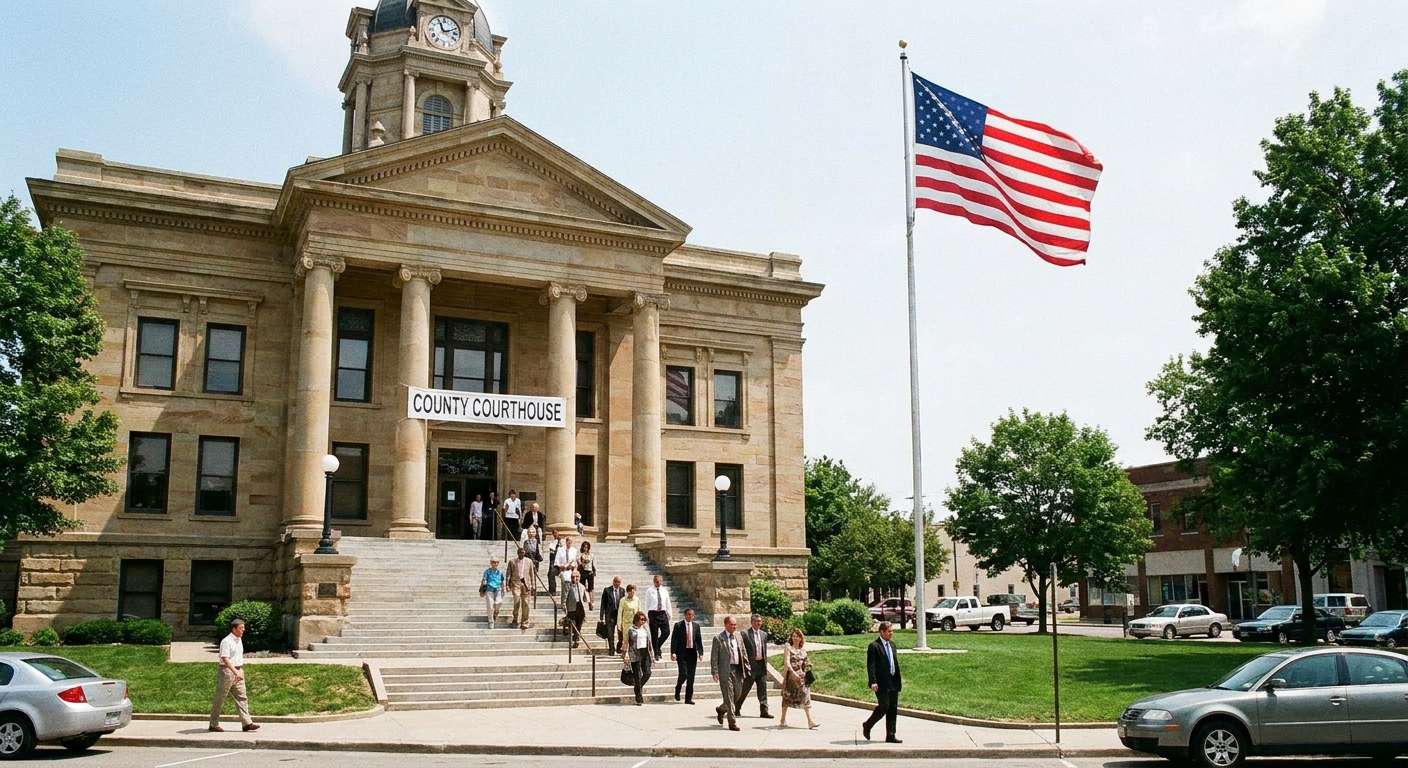
Change of Venue in Criminal Trials
Most people hear “change of venue” and think it means the defendant is getting a better judge, a friendlier jury, or a procedural reset. In reality, it is something narrower and more constitutional than that. It is a tool courts use when the place where a crime is charged becomes an obstacle to the...
Read more →
The Plain View Doctrine
Most Fourth Amendment stories start with a warrant. Plain view stories start with something simpler: an officer is already somewhere they are allowed to be, sees something exposed to lawful observation, and its incriminating character is immediately apparent without the officer doing anything that...
Read more →