
Tariffs are often framed in politics as easy to announce and, depending on context, harder to defend. Supporters may describe them as a show of strength or bargaining leverage. Critics may describe them as a broad cost increase that can feel tax-like in practice. Once tariffs are challenged, the question is not only whether a tariff “works.” Another question is who, under the Constitution and the statutes Congress has passed, is allowed to impose something with wide price effects in the first place.
This is a general explainer, not a recap of any single ruling, order, or headline. Tariff litigation is a recurring feature of American governance. Across many disputes, a structural tension keeps resurfacing: Congress holds key Article I powers over taxation and foreign commerce, while presidents often reach for faster tools in moments of urgency, negotiation, or high-stakes bargaining with the rest of the world.

Join the Discussion
Tariffs and the Constitution
Start with the text that tends to anchor the debate. The Constitution gives Congress the power to “lay and collect Taxes, Duties, Imposts and Excises” and to “regulate Commerce with foreign Nations.” Those are Article I powers. They are legislative powers. Many constitutional scholars describe the basic design as a preference for taxation and major economic rules to be made through public lawmaking, with the political accountability that comes with it.
Yet modern tariff fights can look like executive action. A President may announce a rate, a deadline, an exemption list, and a threat of escalation. Markets can move. Importers may scramble. Allies may retaliate. Congress responds in its own ways, sometimes through oversight, sometimes through legislation, and sometimes through messaging. This gap between constitutional design as described in civics and modern practice is often the backdrop for litigation and administrative challenges over trade policy.
When tariffs are used as a bargaining chip, supporters tend to see flexibility as the point. Critics tend to see it as a way to sidestep ordinary lawmaking. Either way, speed is often central to the political appeal, and Congress often struggles to match it in real time.
How courts get involved
It helps to be precise about what “court involvement” can mean, because it is rarely a single merits ruling that settles everything. Cases can turn on the statute invoked, the fact pattern, the forum, and the administrative record. Standards of review and judicial deference can vary by statute and by procedural posture, which is one reason outcomes can feel uneven to non-lawyers.
Courts shape tariff disputes in a few recurring ways:
- Merits rulings. A court may decide whether a statute was properly invoked or whether an agency action was lawful.
- Interim relief. A court may temporarily pause or allow a policy to continue while the case proceeds, without resolving the underlying legality.
- Procedural gatekeeping. Standing, timing, venue, and administrative procedure can decide who gets heard and what the government must show.
Even when that feels unsatisfying, it still matters. Courts can reshape the battlefield without writing trade policy. They can narrow a rationale, require record-building, demand a clearer explanation, or send an issue back for further proceedings. That kind of pressure does not pick a trade strategy. It changes how the executive branch justifies its actions and how challengers frame theirs.
For non-lawyers, the “administrative record” is the paper trail: the studies, memos, comments, data, meeting notes, and explanations the government says support the decision. Record-building sounds abstract until you translate it into ordinary legal chores. A court may ask what the agency considered and what it ignored. It may ask whether the government explained why it chose one rate rather than another. It may ask whether the government responded to major objections in the file.
When tariffs feel tax-like
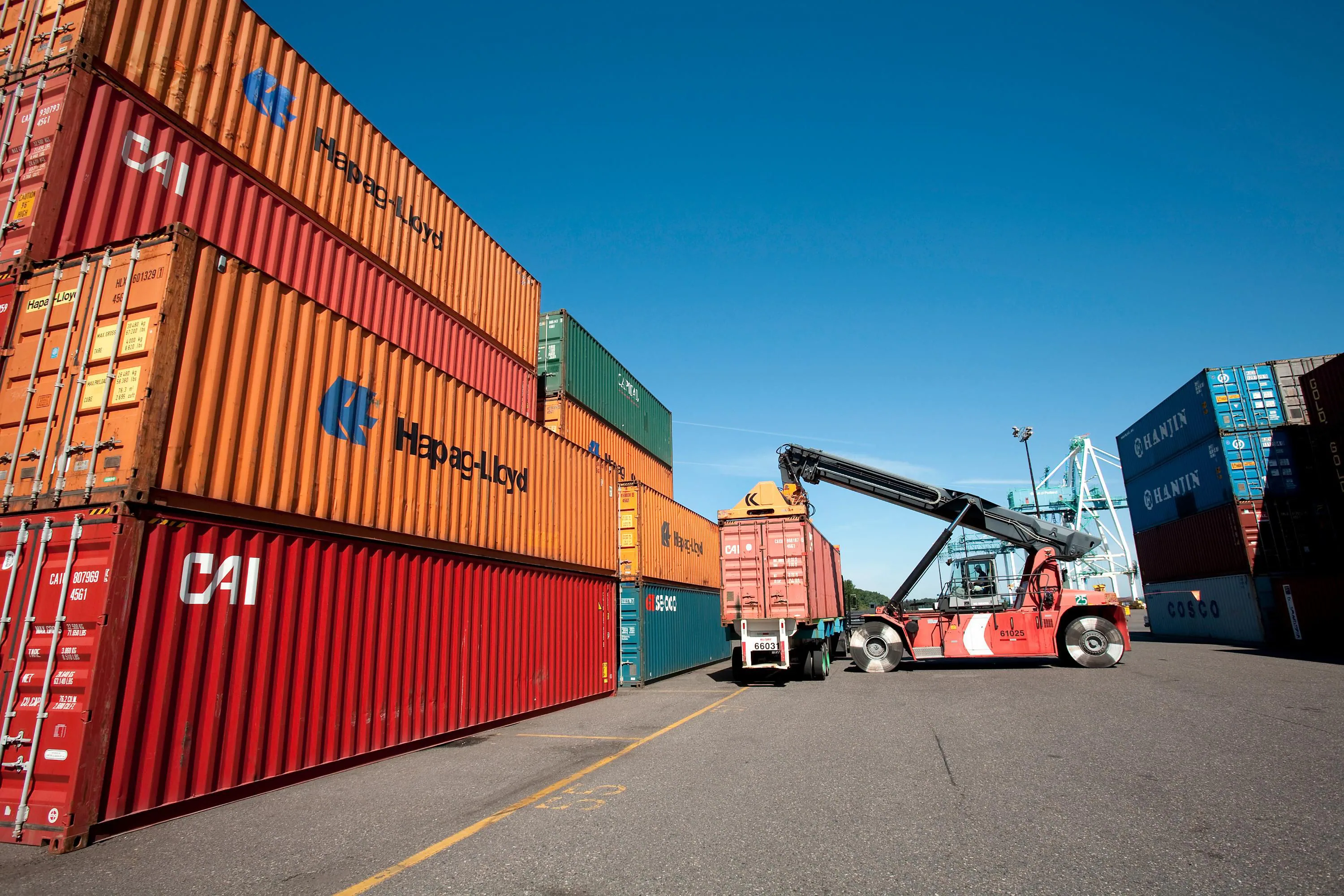
Here is the part that often gets buried beneath slogans. A tariff is paid at the border, typically by the importer of record. That is the legal incidence, meaning who the law makes responsible for payment. The economic incidence can be different, meaning who ultimately bears the cost through higher prices, lower margins, or changed contracts.
Economists and industry groups often argue about where the burden lands in any given episode. Sometimes it shows up as higher consumer prices. Sometimes it falls on domestic manufacturers through costlier inputs. Sometimes it lands on exporters when other countries retaliate. In other words, tariffs can shift costs in ways that resemble, to critics, a broad price increase.
In constitutional terms, that reality is one reason critics argue we should be cautious when tariffs are set by one elected official acting quickly, without the kind of deliberation many people associate with national taxation and other large, economy-wide price effects.
Delegation and accountability
If Congress has the power to impose duties, how did we get to a world where presidents can raise or lower tariff rates quickly?
One answer is delegation. Congress has passed statutes that hand the executive branch discretion, often framed around national security, emergencies, unfair trade practices, or balance-of-payments concerns. Congress wrote those laws, and courts typically start with the text and the prerequisites those laws impose.
There are serious good-faith arguments for the arrangement. Trade moves fast. Facts change. Negotiations and supply chains do not wait for the legislative calendar. Congress may delegate in part because it wants speed, expertise, and a single point of control in moments that feel urgent. Others support tariffs not just for speed, but to seek leverage in negotiations, to protect particular industries, or to respond to perceived unfairness abroad.
Critics often return to a basic worry. There is a difference between authorizing technical implementation and handing over a major revenue-related and price-setting decision with little guidance. That line, blurry as it is, is where tariff litigation often returns.
Different laws, different cases
One reason tariff cases can feel inconsistent is that tariff authority is not one thing. Different statutes come with different prerequisites, timelines, procedural steps, and review pathways. Two tariffs can look similar in the headlines and litigate very differently once you get into the text that authorized them and the record that supports them. Outcomes also vary based on posture, including whether a court is reviewing a final agency action or an interim step.
Where challenges focus
Because these cases can turn on statute and fact pattern, the fights are often procedural and targeted. In many disputes, they look like this:
- Was the statutory trigger met? “National security” and “emergency” are powerful words, but courts can still ask whether the executive followed the prerequisites Congress wrote.
- Was the process consistent? When exemptions and carve-outs are handed out, equal treatment starts to matter. A tariff regime that leans heavily on discretionary carve-outs can invite claims that the system is being administered unevenly.
- Is the measure tied to the stated goal? If tariffs are justified under one rationale but used primarily as a negotiating tool for aims that look unrelated, challengers may argue the executive has wandered outside the lane Congress authorized.
- Did the agency build a defensible record? Courts can require that the government explain itself, respond to key objections, and show its work.
That is the practical meaning of judicial involvement in tariff disputes. A narrow procedural move can, in some cases, shape what comes next: how agencies document decisions, how importers challenge them, and how the executive frames its justifications.
Congress and accountability
Many tariff fights eventually force the same classroom question: if voters dislike higher prices, why not just vote the policy out?
The answer depends on who is driving the policy and how directly its costs are felt. When tariffs are driven by executive discretion, critics argue they can be politically slippery. They do not show up as a line item on your pay stub. They can arrive as “market conditions.” They can be easier to blame on foreigners, corporations, or “supply chains.” Critics argue that can make tariffs an attractive alternative to more transparent taxation, at least from a political messaging standpoint. Supporters would describe the same dynamic differently: as using an existing tool to pursue leverage or protection goals without waiting for Congress to move.
Congress can change the balance through legislation that narrows delegations, requires affirmative votes for major tariff hikes, sunsets emergency authorities, and forces periodic reauthorization. Those are ordinary tools for a legislature that wants to legislate. And to be fair, lawmakers sometimes avoid sweeping rewrites because the same flexibility that can be abused can also be useful in a genuine crisis.
What these fights show
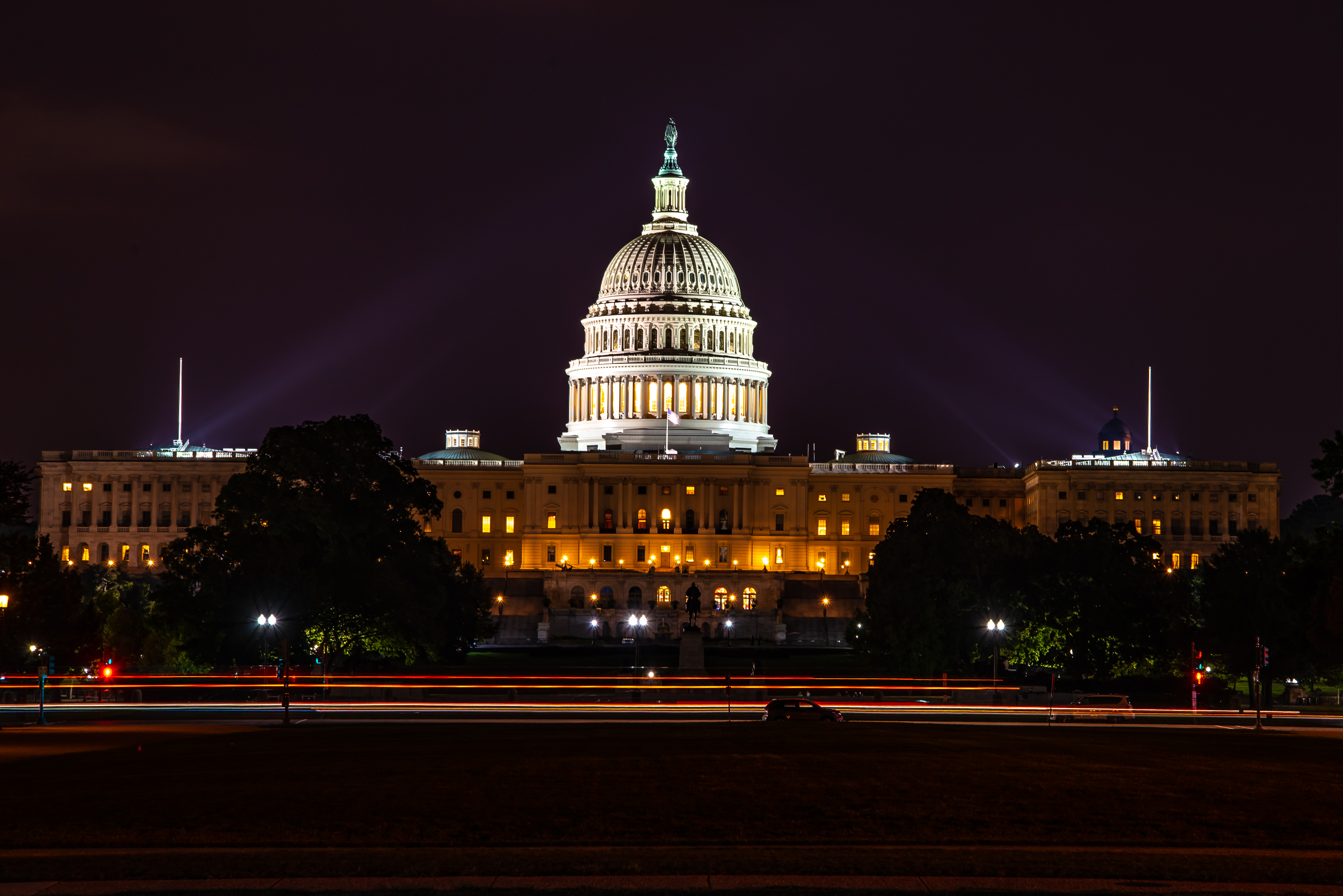
There is a familiar pattern in American governance. When a policy tool becomes powerful, someone will try to use it with less friction. When the public demands speed, someone will promise action without debate. When Congress prefers flexibility to ownership, it may delegate and then argue about the results.
When higher courts weigh in on tariff disputes, the role is usually described in institutional terms rather than strategic ones. Courts are not there to pick a trade strategy. They are there to clarify what counts as a lawful use of delegated authority and what process the government must follow. If tariffs can produce tax-like price effects, and if taxation is a legislative power, then the country has to decide how much of that power it is comfortable administering through broad delegation.
Tariff litigation may remain a feature of American trade politics as long as broad delegations exist and high-stakes disputes keep arising. The deeper question is whether Congress intends to be an active participant in writing the rules or a more passive observer of executive improvisation.
This piece explains recurring legal architecture, not the specifics of any single case.