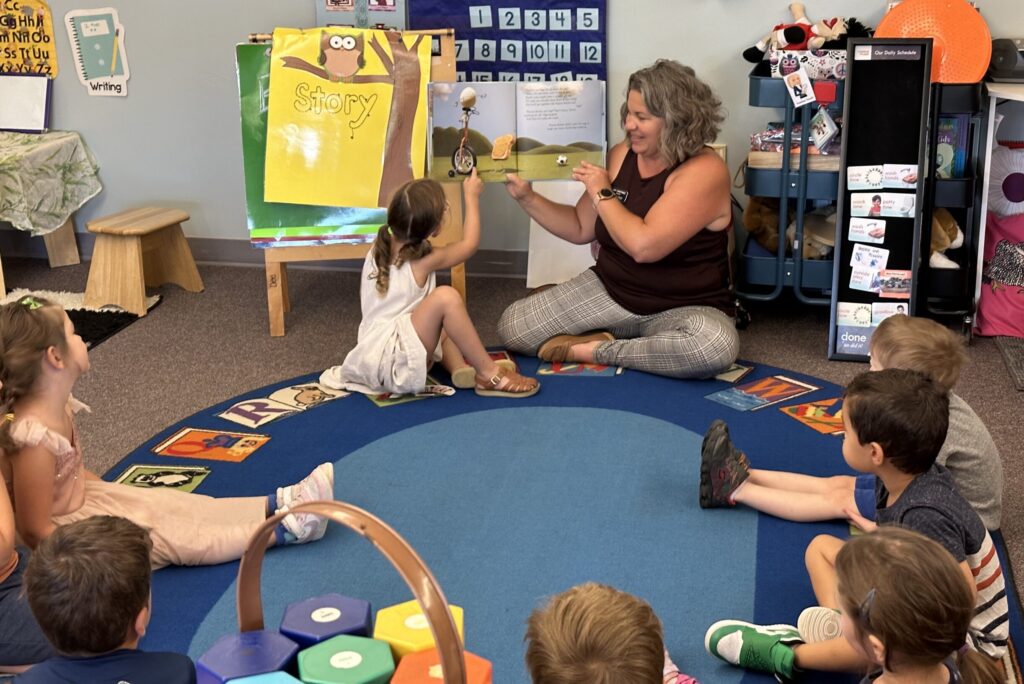
The Supreme Court just agreed Monday to hear a case that sounds, on the surface, like a narrow fight over preschool paperwork. It is not narrow. It is a live question about what Americans mean when we say “religious liberty,” and what we mean when we say equal access, even when the legal fight is being waged under the First Amendment and not as an equal-protection case.
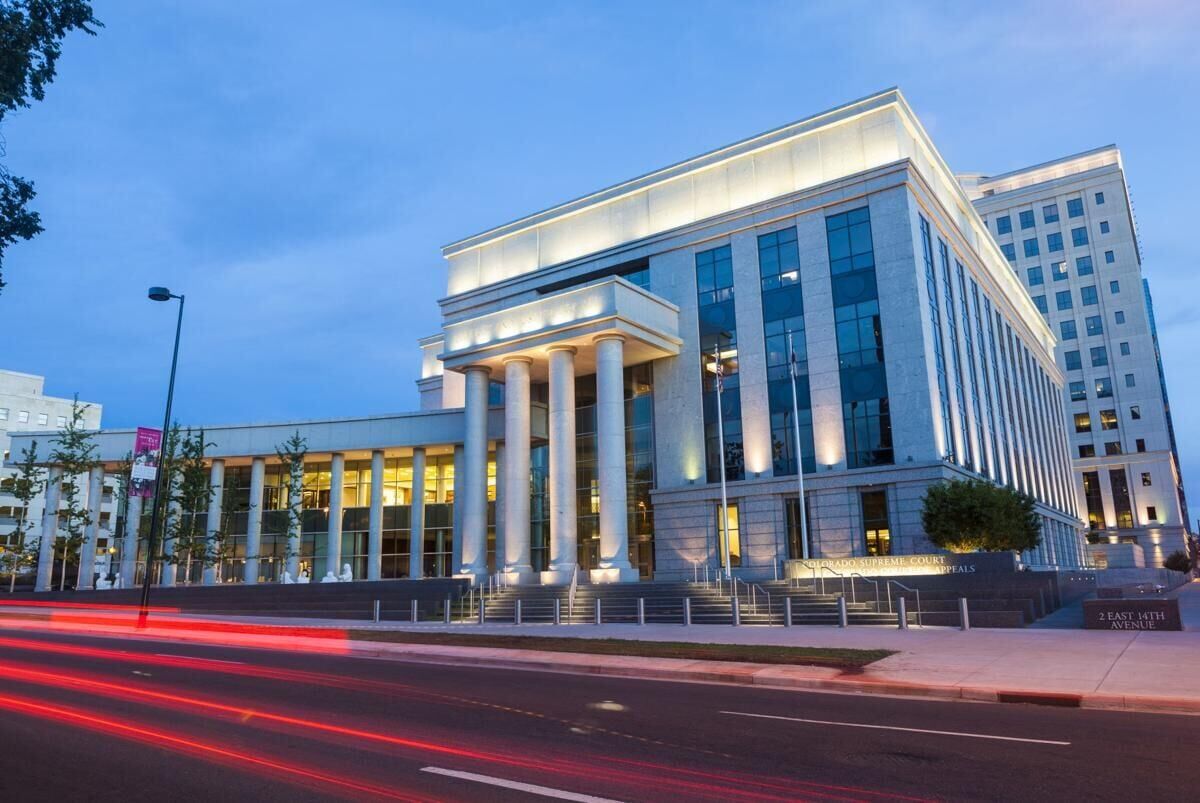
Here is the pressure point: Colorado offers public funds for preschool services. Parents within the Catholic Archdiocese of Denver, which operates 34 preschools across Denver, have challenged a state mandate that applies to preschools in order to receive public funds. The state’s condition requires that preschools ensure “an equal opportunity to enroll and receive preschool services regardless of race, ethnicity, religious affiliation, sexual orientation, gender identity, lack of housing, income level, or disability.” The church says that condition forces it to act against its religious beliefs because it does not recognize same-sex relationships or transgender identities.
That clash is now headed to the one institution in America designed to referee clashes like this. And if history is any guide, the Court is not just deciding a preschool policy. It is deciding how the Constitution will handle collisions between religious exercise and government rules in public programs.
Join the Discussion
The key issue
When the government funds something, it attaches strings. That is not controversial. The controversy starts when the string looks less like a program rule and more like a demand that someone surrender a constitutional right.
The mandate language is the heart of it. Colorado’s program requires an “equal opportunity to enroll and receive preschool services” regardless of a list of protected traits that includes sexual orientation and gender identity. The archdiocese argues the condition is being used to pressure religious schools “to abandon their religious practices or else be excluded from the arena,” pointing to what its lawyers called the state’s “vast and growing government funding programs.” The archdiocese is represented by the Becket Fund for Religious Liberty.
That is the constitutional tension in one sentence: Is the state offering a benefit with neutral conditions, or is it using money to coerce conformity?
If you taught civics long enough, you learn that Americans love rights until rights collide. Then we ask courts to do what we refuse to do ourselves: define the boundary.
Why Smith matters
This case sits in the shadow of Employment Division v. Smith (1990), one of the most consequential Free Exercise decisions of the last half-century. In Smith, the Court held that Oregon could deny unemployment benefits to a Native American who was fired for using peyote, even though the drug use was part of a religious practice and peyote was illegal under state law.
The principle that came out of Smith is often simplified this way: if a law is neutral and generally applicable, it can be applied even when it burdens religious practice.
That ruling has been a target for years. Three of the Court’s conservative justices have already said that the 1990 decision should be overturned. The Court declined to directly take up that question, but it is reportedly open to narrowing the precedent set nearly four decades ago.
Why does that matter? Because once you change the legal test for what counts as an unconstitutional burden on religion, the change does not stay in preschools. It spreads into licensing, health care regulation, employment rules, and public accommodations. The doctrine travels.
Public money, public rules
There is a civic bargain at the center of modern government: taxpayers fund services, and the services are supposed to be available on equal terms. That bargain is especially strong in education, where the state has long claimed a legitimate role in ensuring access and setting baseline standards.
But the First Amendment complicates that bargain because it protects religious exercise, and because many religious schools see their religious identity as inseparable from their admissions, hiring, and moral teaching policies. If the state can attach an anti-discrimination condition to funding, critics worry that the state can slowly price religious institutions out of the public square.
On the other hand, if a religious provider can take public money while still insisting on doctrine-driven limits in who it serves, critics on that side see a different danger: the public bankrolls a system where equal access is promised but not delivered.
Notice what is happening here. We are not arguing about whether a church may preach. We are arguing about whether a publicly funded service can be administered under a private doctrine.
The federal brief
The federal government has weighed in on the church’s side. Without hearing the preschools’ challenge, the Trump administration filed an amicus brief supporting the archdiocese and urged the Court to take the case.
In that filing, Trump officials argued that the United States has a “substantial interest in the preservation of the free exercise of religion” and also an interest in “the enforcement of rules prohibiting discrimination by government funding recipients.”
That pairing is revealing. It is the modern constitutional dilemma in miniature: two interests that are both legitimate, both morally serious, and often mutually incompatible in practice.
The Court’s job is not to pretend the conflict is easy. Its job is to build a rule the rest of the country can live under, even when neither side feels fully satisfied.
The Court’s direction
It is at least the second time the Supreme Court has agreed to hear a challenge to Colorado’s LGBTQ protections since Donald Trump returned to office.
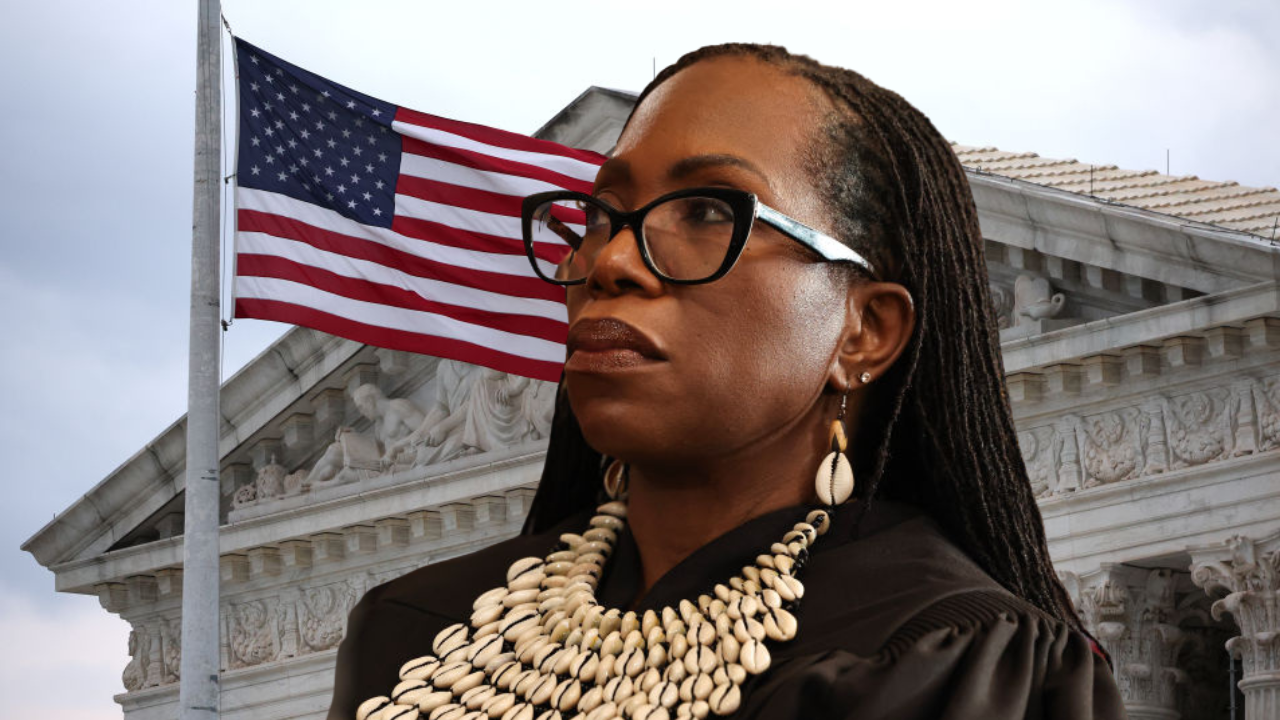
In March, the Court sided with a therapist challenging the state’s ban on conversion therapy. Justice Ketanji Brown Jackson was the lone dissenter, warning that the majority’s approach “could be ushering in an era of unprofessional and unsafe medical care administered by effectively unsupervised healthcare providers.”
Whether you agree with Jackson or not, she put her finger on a pattern: broad constitutional reasoning in one context can produce sweeping effects elsewhere. That is what makes these cases bigger than their facts.
Three outcomes
1) Colorado wins
If the state prevails, governments will have stronger authority to condition education funding on inclusive enrollment rules. Religious schools could still operate as religious schools, but they may have to choose between doctrinal policies and participation in public funding streams.
2) The archdiocese wins broadly
If the archdiocese wins on a robust free exercise theory, states may be forced to keep funding religious providers even when those providers refuse to comply with the equal-opportunity condition tied to enrollment. That would expand the constitutional protection of religious entities in government programs and could weaken anti-discrimination conditions across a range of public benefits.
3) A narrow ruling, big impact
Here is the honest forecast, labeled as such: the Court could issue a decision that presents itself as narrow while still moving the doctrine. That could mean retooling what counts as “neutral” and “generally applicable,” or creating special scrutiny for funding conditions that touch religious admissions policies. The Court could avoid saying “we overrule Smith” while still draining Smith of its practical force.
A civics question
It is tempting to treat this case as a culture-war referendum: are you for religious schools or for LGBTQ families? That is the lazy framing. The harder framing is constitutional.
When the state spends public money, it creates a public promise. When it regulates religion, it risks turning the First Amendment into an empty museum piece. So the question is not whether one side has rights. Both do. The question is which right carries the price tag.
If public funding can be conditioned on a school’s willingness to comply with the equal-opportunity enrollment mandate, is that equal access enforced through democratic government? Or is it a constitutional penalty for holding disfavored beliefs? And if public funding cannot be conditioned that way, are we comfortable with tax dollars supporting programs that shut some families out at the door?
The Court will answer in legal language. The rest of us will live with the civic consequences.