
Constitutional Topics
Browse articles in Constitutional Topics on U.S. Constitution
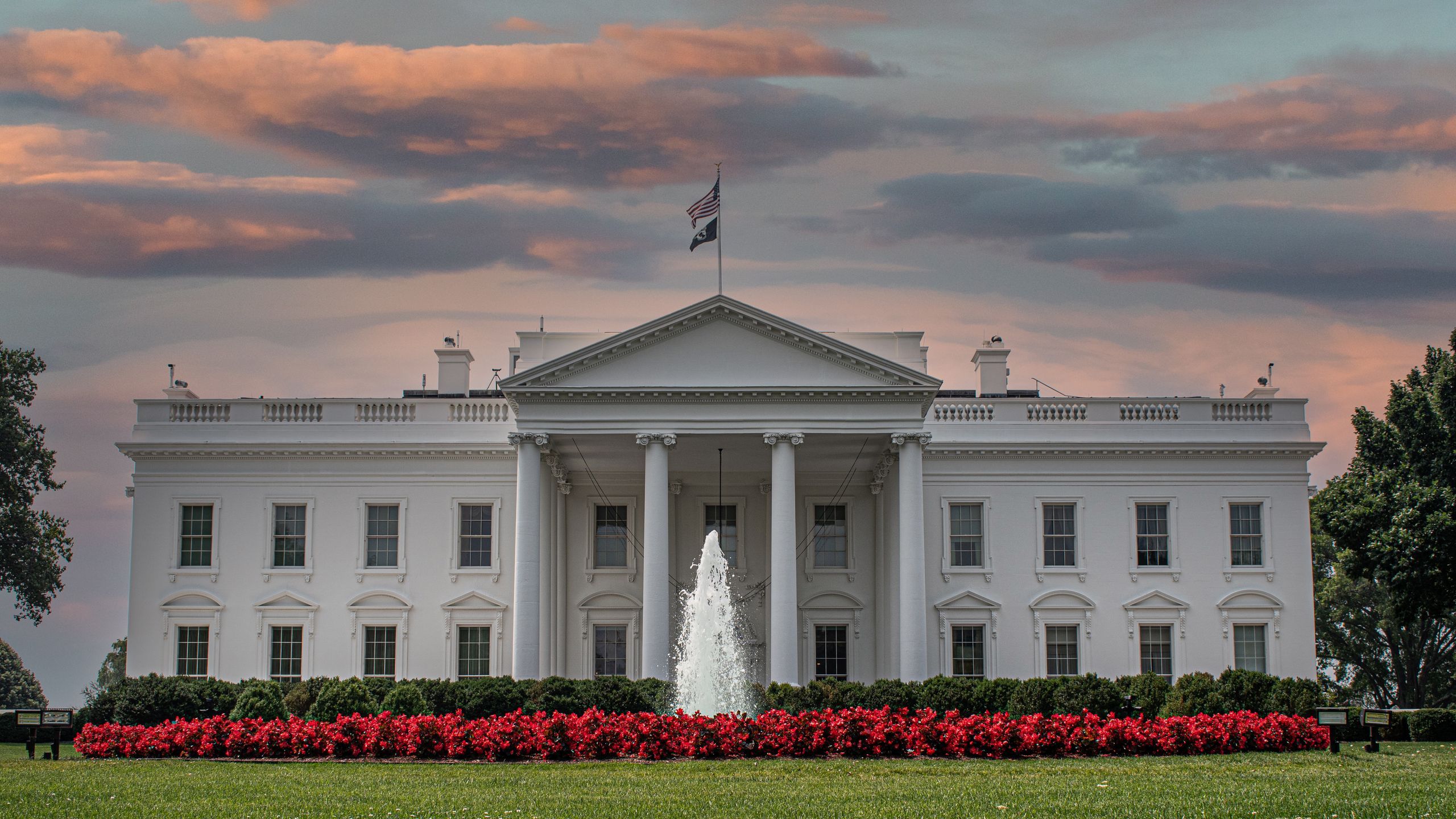
Can the President Order Military Strikes Without Congress?
The modern argument over war powers usually starts with a simple sentence: the president is commander in chief. Then someone points to a different simple sentence: Congress declares war. Those two ideas can coexist, but they do not always fit neatly together, especially when a president threatens...
Read more →
Who Can Legally Vote in U.S. Elections? Citizenship Rules Explained
Every election cycle, a familiar alarm goes off: foreigners are voting . Sometimes the claim is exaggerated. Sometimes it is a real administrative failure, like a voter-registration system that let non-citizens slip onto the rolls. But the legal question underneath the heat is steady and...
Read more →
Hegseth vs. the Senate: War Funding, Oversight, and the Constitution’s Hardest Question
Two different clips from Defense Secretary Pete Hegseth’s July 21, 2026 Senate testimony went viral for two different reasons. In one, he accused senators of moral theater: sending multiple supplemental packages abroad while, in his telling, treating urgent funding for American troops as a partisan...
Read more →
Smithfield Foods, Chinese Ownership, and the ICE Raid Argument
Smithfield Foods is trending for a reason that sounds like a punchline but is actually a civics exam: What happens when the nation’s biggest pork processor is owned by a foreign company, relies on an industry labor model that routinely draws immigration scrutiny, and becomes the target of viral...
Read more →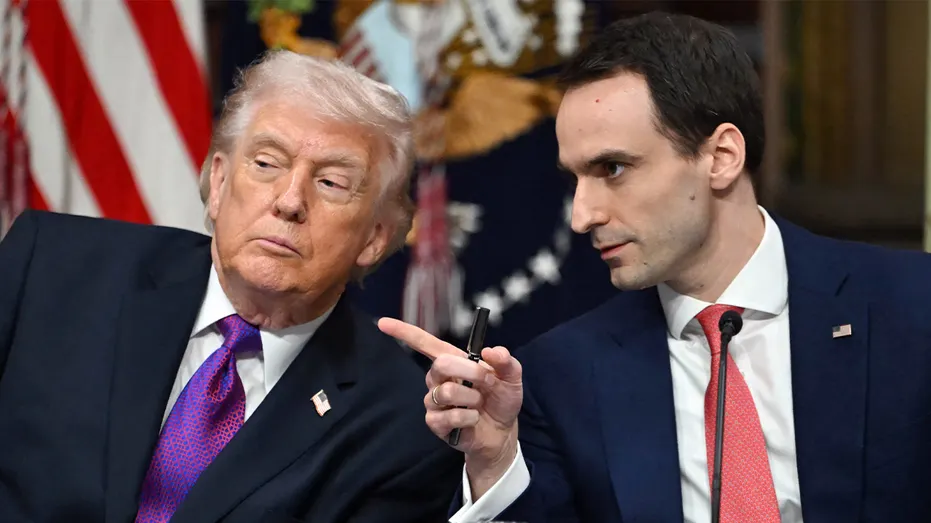
Can the President Direct Annual Research Funds?
The federal government spends roughly $200 billion a year on research and development. That scale is exactly why the White House Office of Science and Technology Policy’s new action matters: OSTP released a new report and memo Tuesday that it says will help shape that annual R&D budget across the...
Read more →
Can the President Impose Tariffs on Generic Drugs?
Tariffs feel like a presidential weapon because presidents announce them like one. A rate. A date. A target. A promise that factories will come home. But constitutionally, tariffs start as a legislative power. Article I gives Congress authority to “lay and collect Taxes, Duties, Imposts and...
Read more →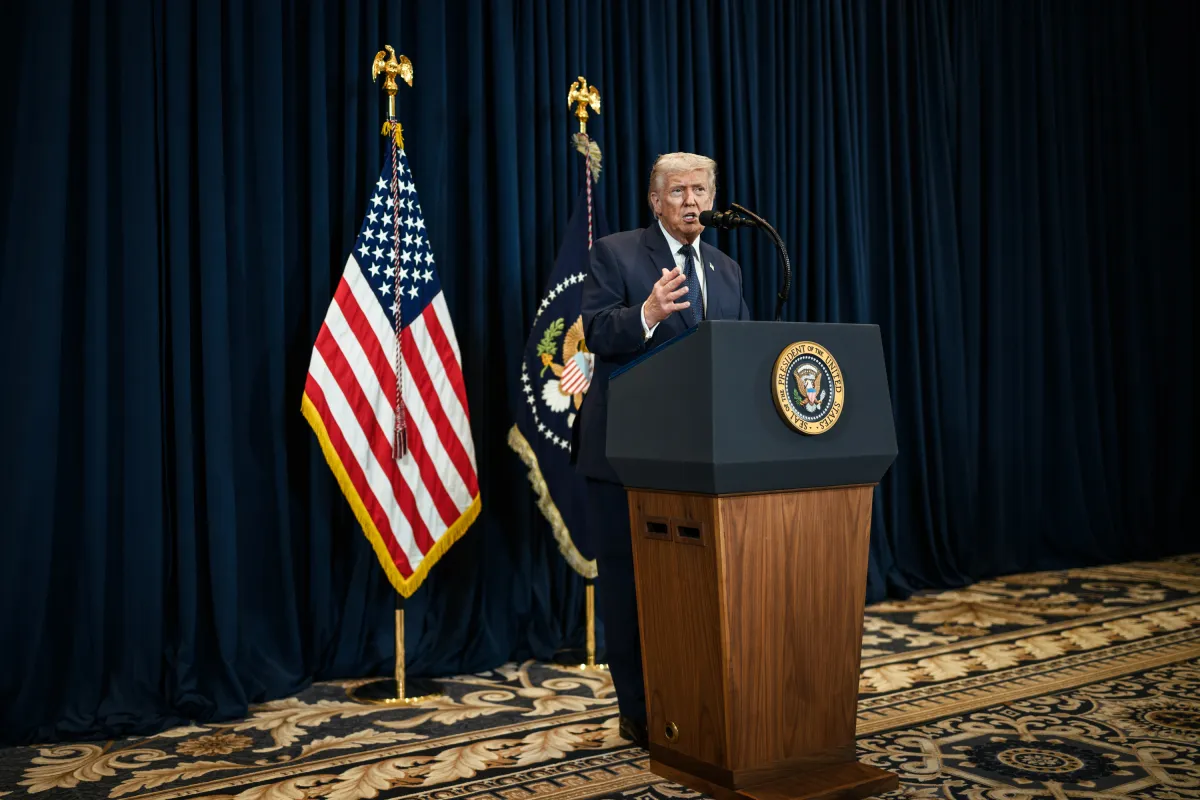
When Disapproval Outruns Approval
“Net negative” sounds like a financial term, the kind you use when a company is losing money. In politics it means something simpler and, in a way, more revealing: more Americans say they disapprove of a president’s job performance than approve of it. Recent national polling has put President...
Read more →
Can Congress Cancel Student Visas by Nationality?
You can feel the question hiding underneath the headline: can the United States legally cancel student visas for people from one country , just because of where they are from? That question came roaring back after Rep. Anna Paulina Luna publicly called on the State Department to take action on F-1...
Read more →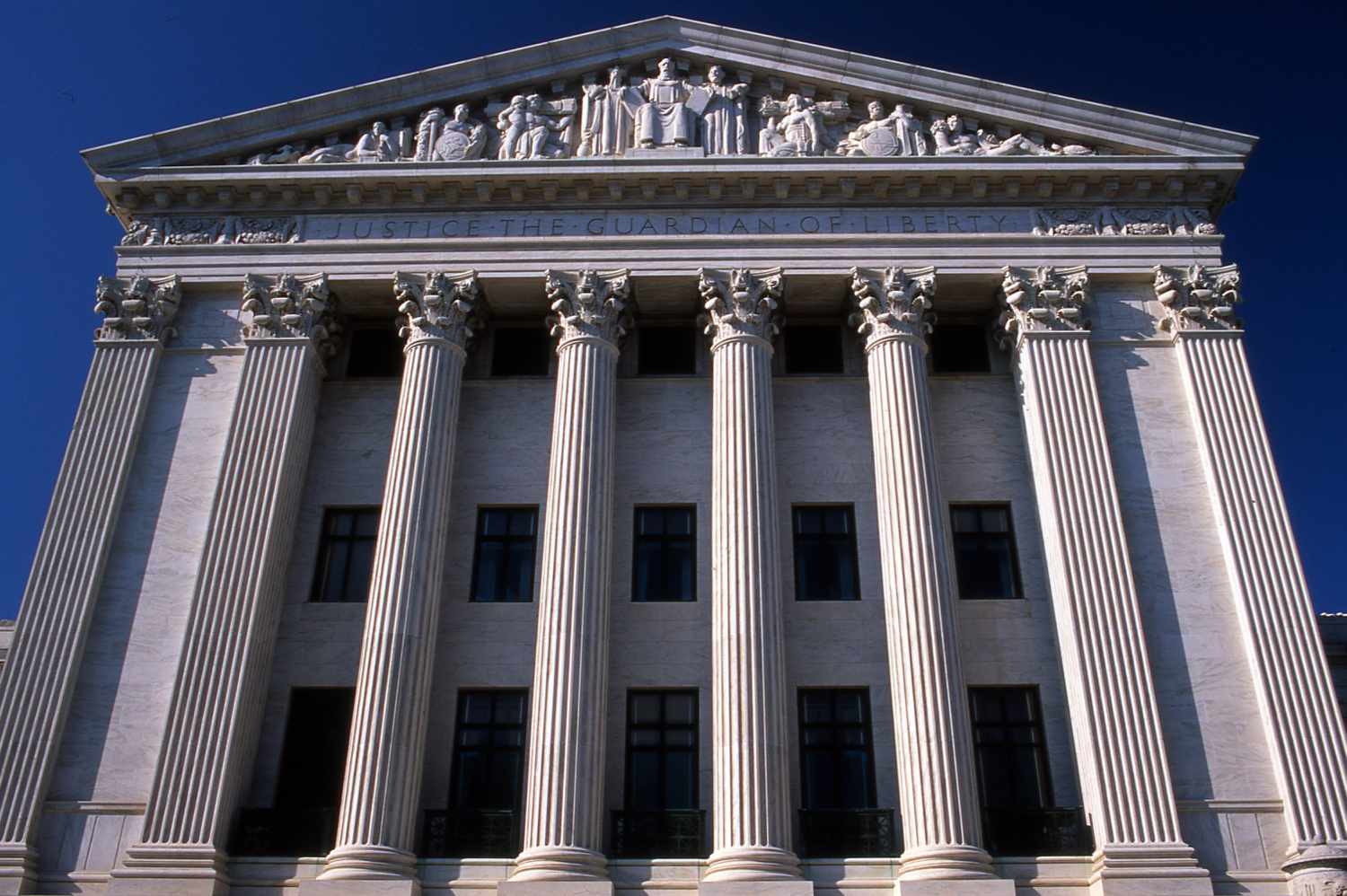
Who Owns the Constitution?
Every few years, Americans stumble back into the same argument like it is a bar fight we never finished: Who actually gets the final say on what the Constitution means? Most people answer with a shrug and a single word: the Supreme Court. Nine justices. Black robes. End of story. But the...
Read more →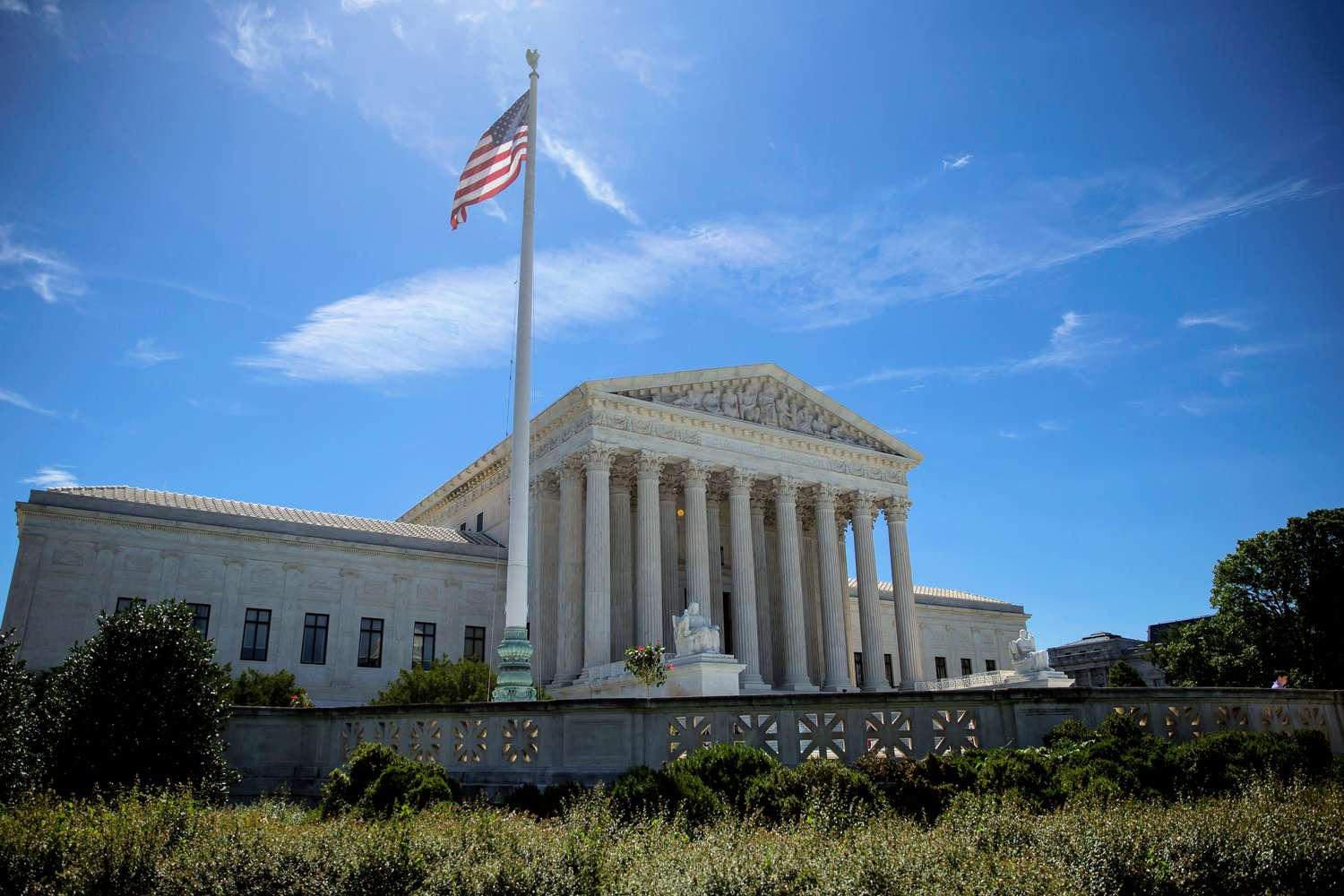
TikTok on Government Phones: A Ban That Wasn’t
There is a peculiar kind of civic vertigo that hits when a rule exists, most people forget it exists, and then the government behaves like it never mattered. That is where federal employees now find themselves with TikTok. A federal statute has been on the books since 2023 barring the app from...
Read more →
The Constitution Was Never Meant to Belong to Nine Justices
One of the quietest civic habits Americans have picked up in modern life is this: when a constitutional question gets hard, we treat it like a problem we must ship to Washington and hand to nine people in black robes. Sometimes that habit feels comforting. Courts speak in crisp sentences, issue a...
Read more →
Can Hawaii’s High Court Defy the U.S. Supreme Court?
When people hear that a state supreme court might “defy” the U.S. Supreme Court , it can sound like a constitutional cliffhanger. In practice, these moments usually revolve around something more specific: a state court signaling it will read the federal Constitution through a distinct local...
Read more →
Who Pays to Fix the WWII Memorial?
You can feel the public assumption in any controversy about a big Washington monument: surely someone just “takes care of it.” Surely there is a checkbook somewhere. Surely a president can just order it fixed. The World War II Memorial on the National Mall sits at the intersection of those...
Read more →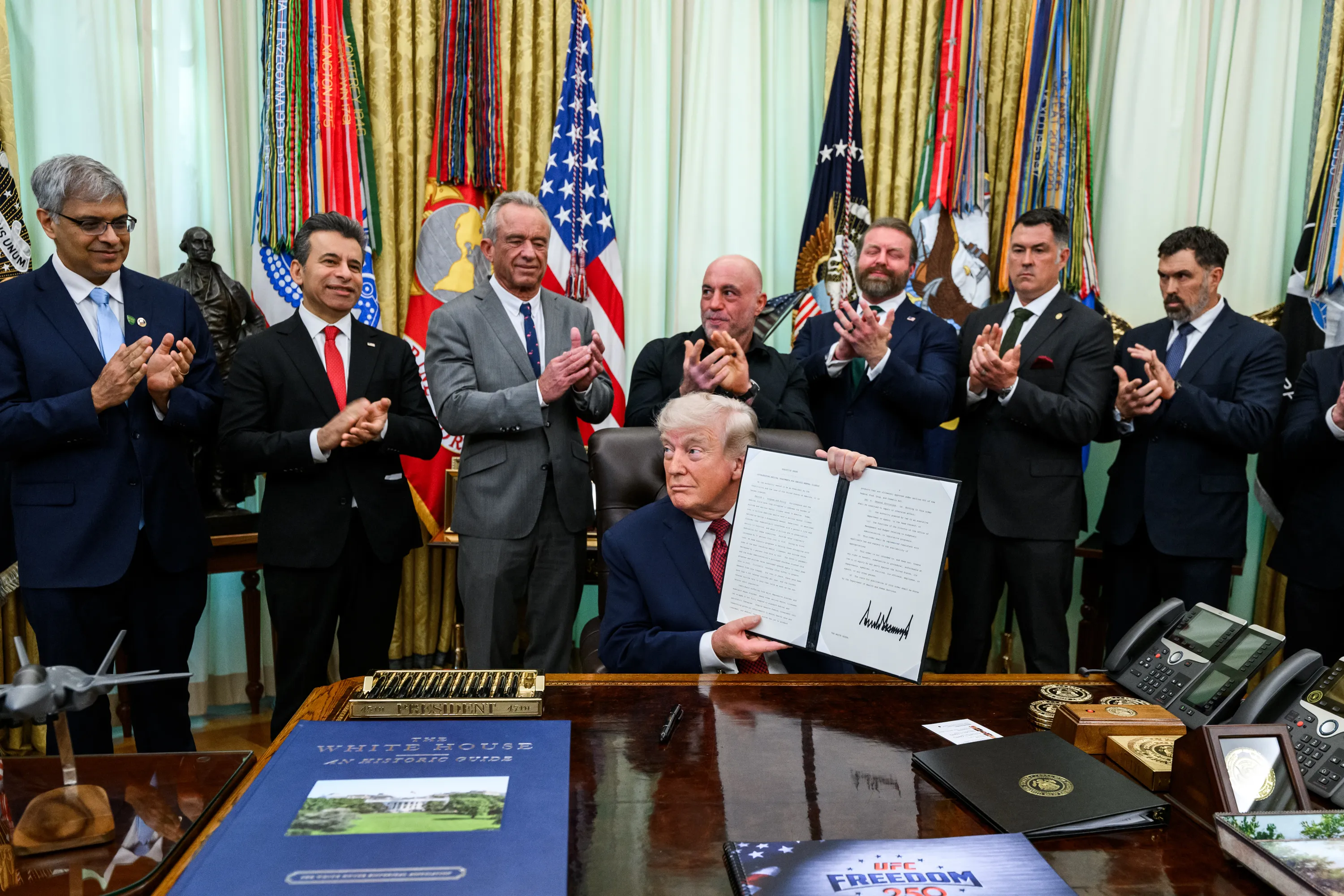
Can a President Block Climate Science Used in Federal Court?
A president can do many things with a pen. The President can direct agencies to revisit grants, to rewrite guidance, to change how the executive branch purchases expertise, and to prompt agencies to consider whether suspension or debarment proceedings are warranted against entities that do business...
Read more →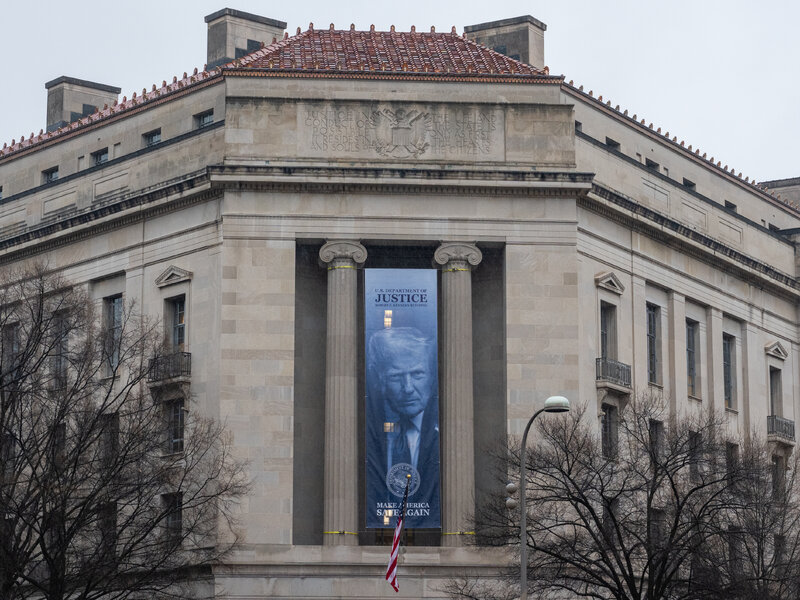
Can a Special Counsel Investigate Congress?
When a headline says a special counsel “spied on” Congress, it sounds like a constitutional emergency. Sometimes it is. Often it is something more mundane and more legally structured: prosecutors investigating a crime that happens to involve an elected official, using tools that are allowed only if...
Read more →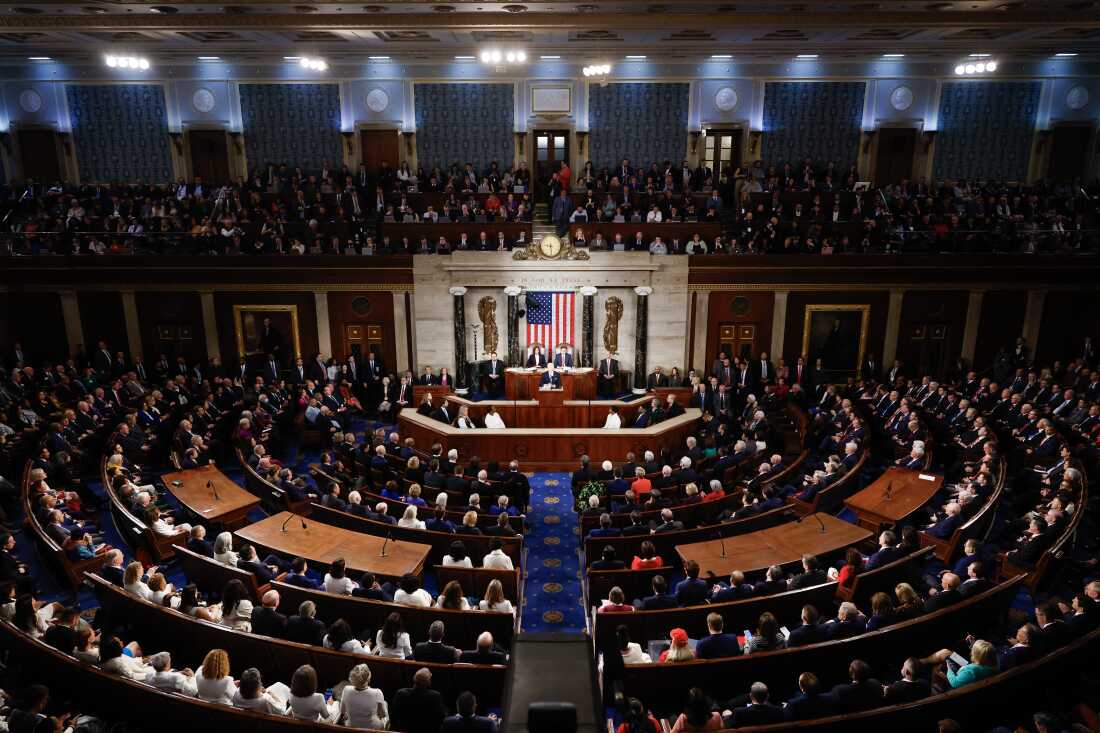
What Does “Nuke the Filibuster” Mean?
When a candidate says they want to “nuke the filibuster,” they are not talking about a constitutional amendment. They are talking about changing a Senate rule that currently lets a minority of senators block many bills unless the majority can reach a higher vote threshold to end debate. That...
Read more →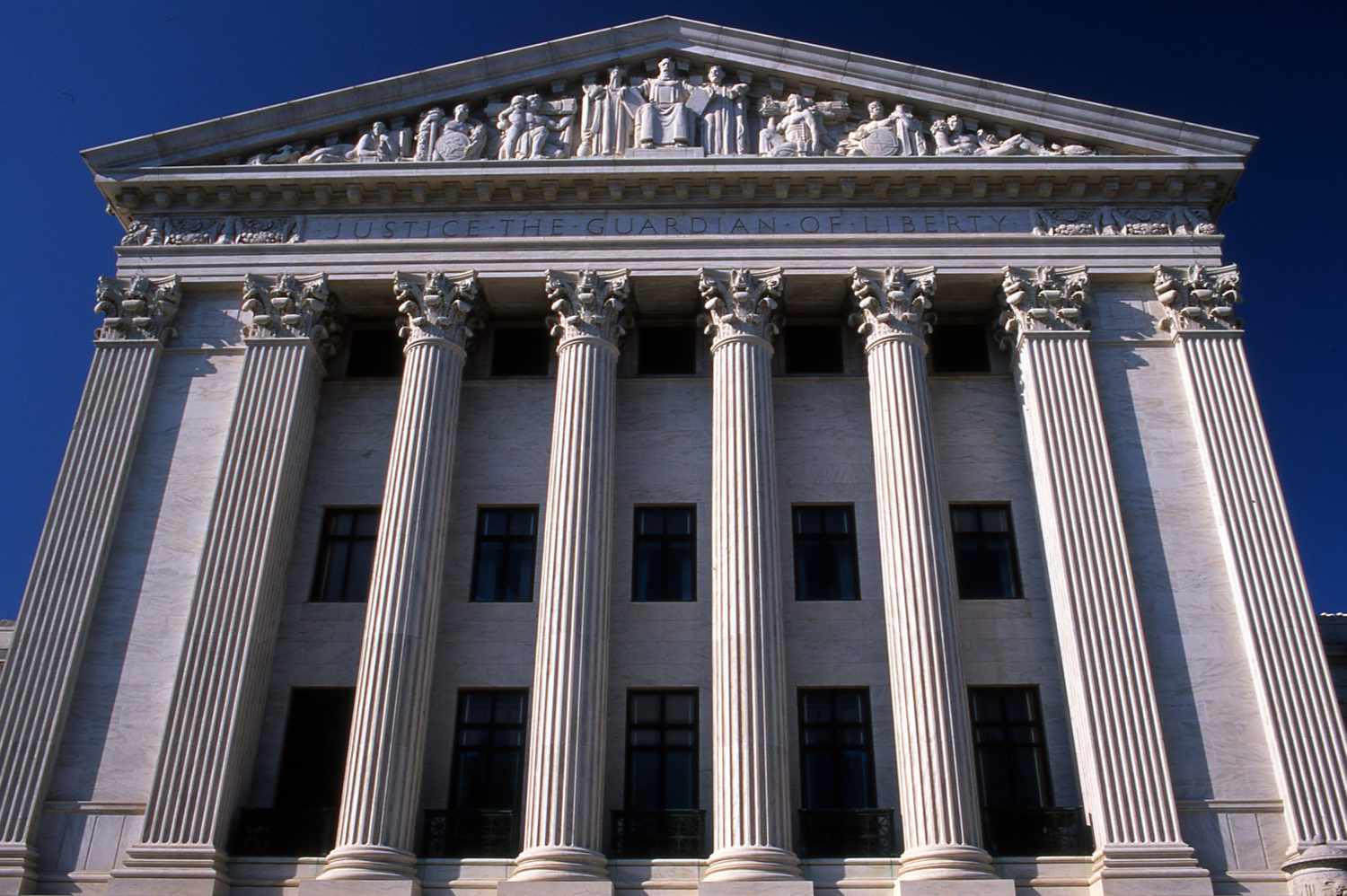
Can a State Defy the Supreme Court?
Every few years, an old American argument returns with a new headline: What if a state just refuses to go along with the Supreme Court? In recent weeks, that question flared up again after reports that a Hawaii state judge, speaking publicly, suggested the state should “defy” the Court. It is a...
Read more →
Why the Third Circuit Could Strike Down New Jersey’s AR-15 Ban
You can feel the modern Second Amendment debate in the vocabulary alone. One side says “assault weapon.” The other says “common semiautomatic rifle.” New Jersey’s restrictions on AR-15 style rifles and so-called large-capacity magazines have long depended on the first phrase. The constitutional...
Read more →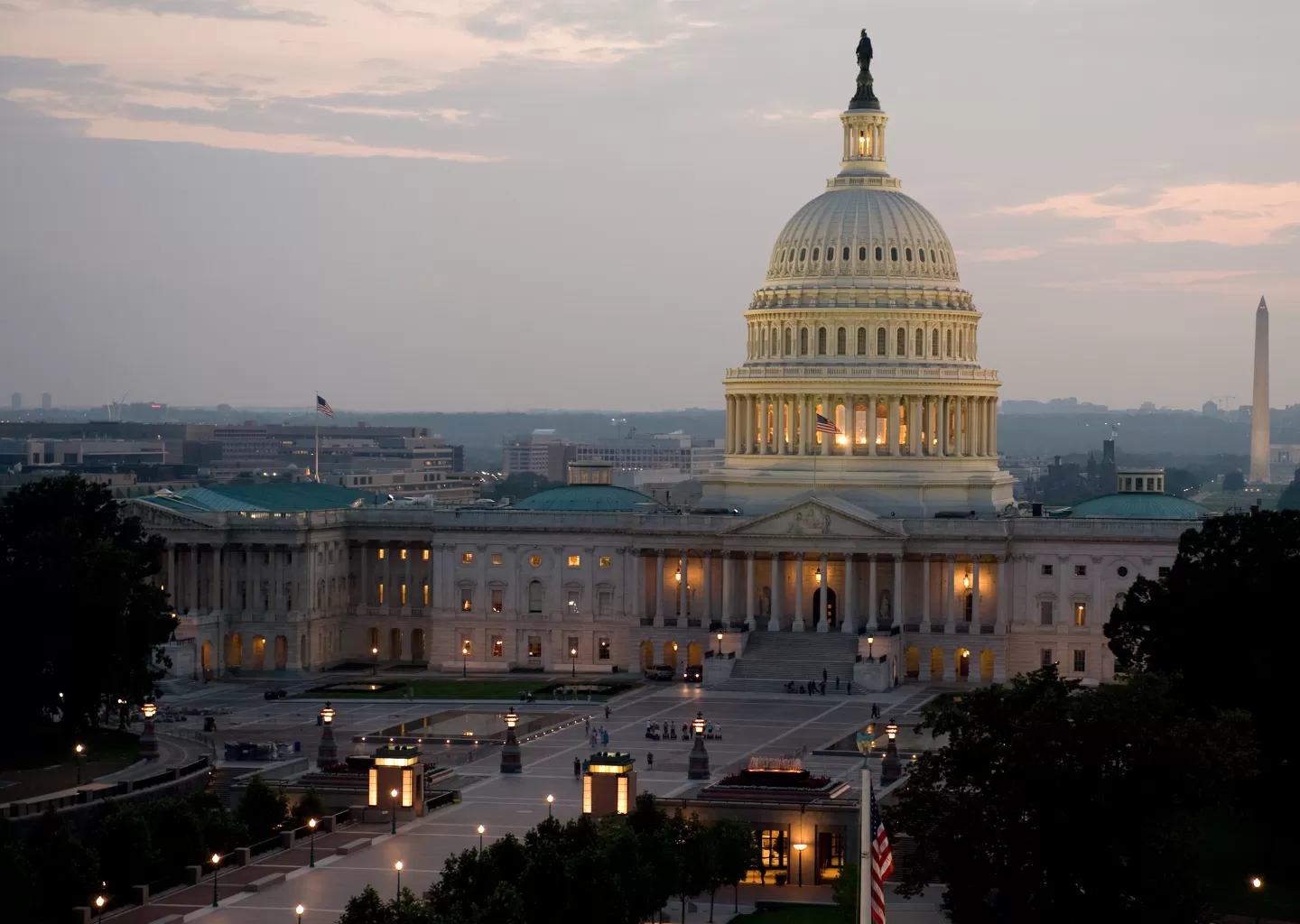
Election Integrity, Voter Rolls, and Federal Power
When a high-profile political figure says new election-security intelligence has been declassified and released, the argument that follows is usually louder than the documents themselves. But the constitutional question underneath all the noise is actually straightforward. Who has the power to...
Read more →
Congressional Term Limits and the Constitution
Every time Congress has a very public reminder that its members are human and aging, the same question returns with fresh urgency: why can the people not just impose congressional term limits and be done with it? It feels like it should be easy. The House is elected every two years. The Senate...
Read more →