
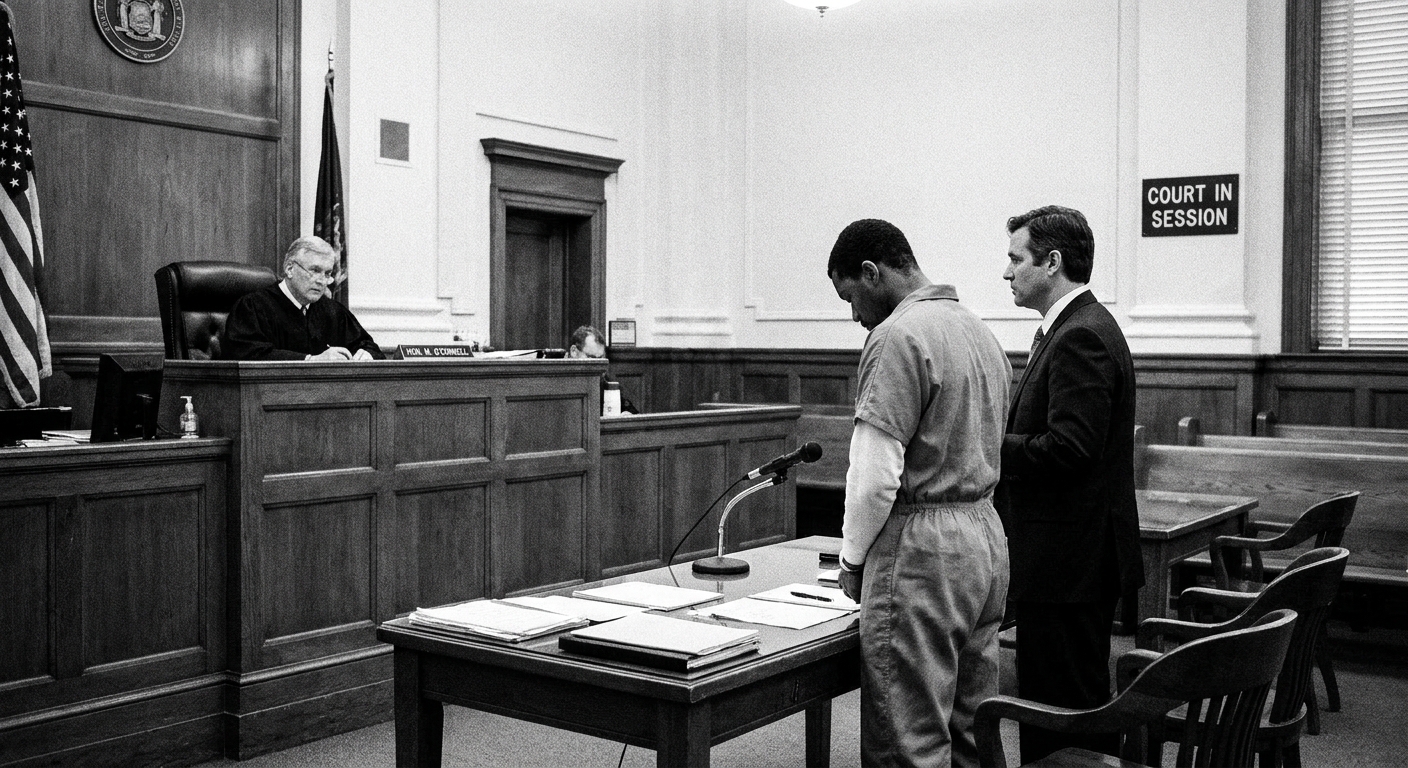
You can feel the whole criminal justice system snap into focus at an arraignment. Until that moment, an arrest can feel like a blur of handcuffs, paperwork, and holding cells. An arraignment, or a closely related first appearance in some courts, is where the state has to say, out loud and on the record, what it claims you did and what it plans to do next.
It is also where the Constitution quietly shows up in practical ways: the right to counsel, the promise of due process, and the rule that the government cannot keep you jailed without a lawful basis and a prompt judicial hearing.
Join the Discussion
What an arraignment is
An arraignment is a formal court appearance where the defendant is notified of the charge(s) and the case is set on a procedural track. In many jurisdictions it is the defendant’s first formal court appearance after charges are filed, but the sequence is not universal. Some places hold an initial or first appearance focused on counsel and release before an information or indictment is filed, and the arraignment may come later, including after a grand jury indictment.
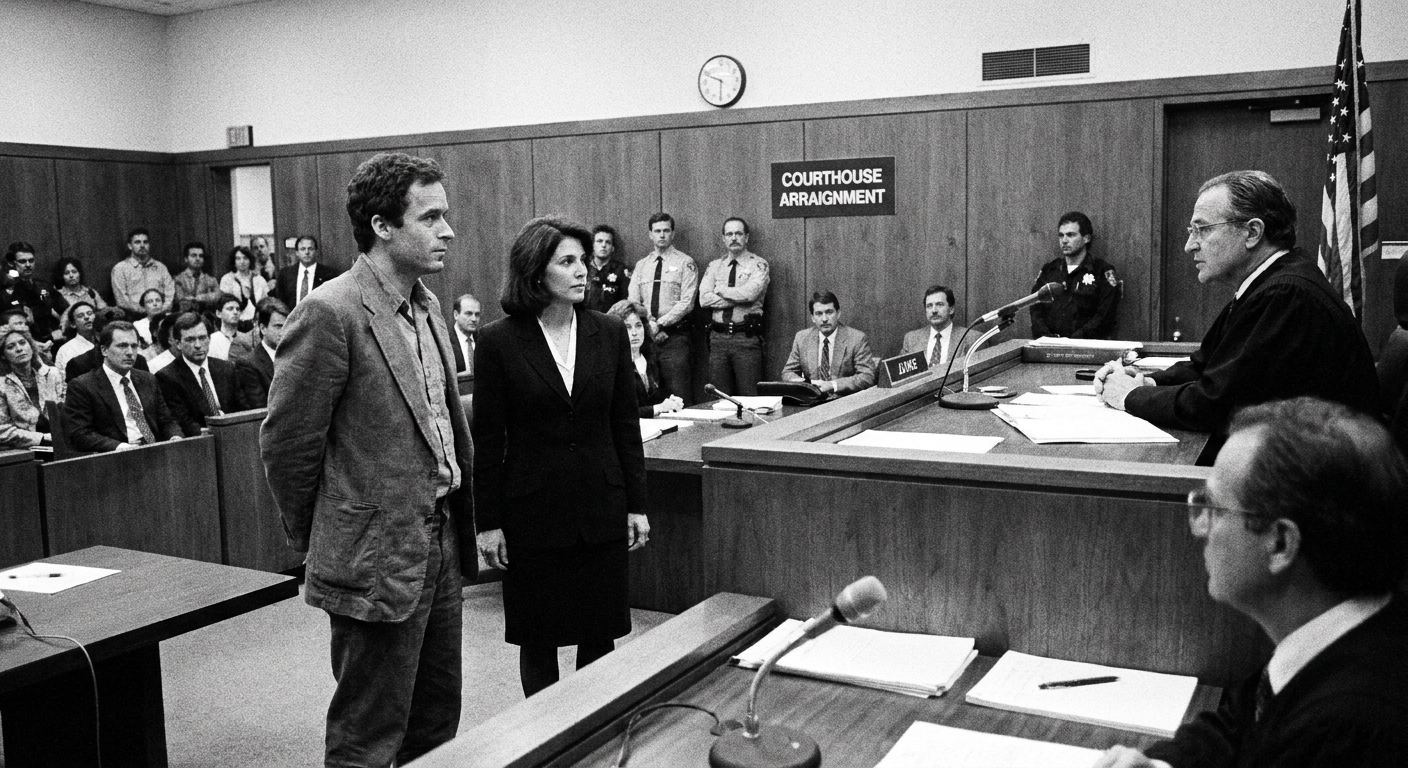
In most jurisdictions, arraignment (or the first appearance that serves the same function) is where the court:
- States the charges by reading or summarizing them, and often confirms that the defendant has received, or will receive, the charging document (complaint, information, or indictment).
- Advises you of key rights, including the right to counsel.
- Addresses release or detention, including bail and conditions of release.
- Asks for a plea (often not guilty at this stage, especially if counsel needs time).
- Sets next dates such as a preliminary hearing, conference, or trial schedule.
It is usually brief. That does not mean it is trivial. Decisions made at this stage can shape the rest of the case.
Where it fits in the process
Every state and the federal system have their own procedures, but many cases follow a familiar arc:
- Arrest or citation
- Charging by complaint, information, or grand jury indictment
- First appearance and or arraignment
- Pretrial process (discovery, motions, negotiations)
- Trial or plea
- Sentencing if there is a conviction
Some courts distinguish between a “first appearance” (often focused on counsel, release, and a prompt judicial check on custody) and an “arraignment” (often focused on formally advising charges and entering a plea). Other courts use the term arraignment to cover both.
Virtual or video arraignments are also common in many jurisdictions, especially for in-custody defendants. The format changes, but the core issues are usually the same: identity, charges, rights, release, and next dates.
What happens at arraignment
1) The court calls the case
The judge calls your name, confirms your identity, and may verify basics like your address or date of birth. This matters because court orders, release conditions, and future notices depend on the record being correct.
2) The charges are read or summarized
The judge or prosecutor states the charge(s), often including the level (misdemeanor or felony) and the maximum potential penalties. This is not a trial. Evidence is not usually presented in detail. But the accusation is put on the record, and the court may confirm that you have received, or will receive, the paperwork that describes the charges.
3) Rights are explained
Courts routinely advise defendants of core rights, including:
- The right to an attorney and, if you cannot afford one, the right to request appointed counsel.
- The right to remain silent and not incriminate yourself.
- The right to a trial and related procedural rights.
The exact script varies. In some courthouses the advisement is done in a group setting, and defendants are asked if they understand. The point is consistent: this is the system’s formal reminder that the defendant is not simply an object being processed.
4) Counsel is appointed or appears
If you have retained an attorney, they will tell the court they represent you. If not, you may be screened for eligibility for a public defender or court-appointed counsel, or the judge may schedule that appointment.
5) Release, bail, and conditions
This is often the most consequential part of the hearing. The judge may:
- Release you on your own recognizance (a promise to appear, sometimes with conditions).
- Set money bail (a dollar amount that may be paid or secured).
- Order non-monetary conditions such as travel limits, check-ins, no-contact orders, curfews, drug testing, GPS monitoring, and in some cases firearm restrictions or surrender requirements.
- Order detention in limited situations, depending on the jurisdiction and the facts alleged. In some systems, detention requires a separate process or set of findings rather than using bail as a stand-in.
Courts commonly consider risk of non-appearance and public safety. In many places, the judge also considers whether conditions short of detention can reasonably manage those risks.
6) A plea is entered
The judge will ask for a plea: guilty, not guilty, or sometimes no contest (nolo contendere). Many defendants plead not guilty at arraignment, even if they later negotiate a resolution, because it preserves rights and gives counsel time to review the evidence.
If a defendant pleads guilty at arraignment, the judge will usually ensure the plea is knowing and voluntary and that there is a factual basis. That is one reason defense attorneys often urge caution at this stage.
Key rights at arraignment
Right to counsel
The Sixth Amendment guarantees the right to counsel in criminal prosecutions, and the Supreme Court has held that states must provide counsel to indigent defendants in serious criminal cases. Arraignment and first appearance hearings are commonly treated as critical early stages where representation matters, especially when release conditions are decided.
Due process
The Fifth and Fourteenth Amendments protect due process. In plain terms, the government must follow lawful procedures before it can deprive a person of liberty. This stage is one of the system’s formal due process checkpoints: a record of the accusation, the rights, and the court’s authority to impose conditions.
Bail and excessive bail
The Eighth Amendment prohibits excessive bail. It does not guarantee a right to bail in every case, and many state constitutions and statutes fill in the details. As a practical matter, courts generally may not use bail as a pretext for detention. If detention is sought, some jurisdictions require a separate finding or process.
Right against self-incrimination
The Fifth Amendment right to remain silent matters because this is not the moment to “explain what really happened” to the judge. Statements made in court can be used later. The safest rule is simple: let your attorney do the talking.
Misdemeanor vs. felony
Misdemeanor arraignments can move quickly. Some resolve the same day with diversion, a plea deal, or occasionally a dismissal. More often, if the prosecution is not ready, the case is continued and set for another date.
Felony arraignments tend to be more procedural. The next steps may include:
- Preliminary hearing (where a judge decides if there is probable cause to proceed), unless the case is indicted by a grand jury or the jurisdiction uses different charging rules.
- Grand jury indictment in some systems.
- Later arraignment on an indictment in certain jurisdictions.
The key point is that “arraignment” can describe slightly different events depending on how a jurisdiction structures felonies. If you are following a case in the news, that is why you may hear about multiple arraignments.
How soon it happens
Timing varies by state and by whether the person is in custody. A first appearance or arraignment usually happens quickly, often within 24 to 48 hours for someone who is jailed, though weekends and holidays can push timing longer depending on local rules.
If someone is held without a prompt judicial appearance, that can raise serious legal issues, including questions about prompt presentment and the requirement for a timely judicial determination supporting custody in many systems. The process is not supposed to run on indefinite holding patterns.
If you have one coming up
Bring the right mindset
This stage is not about proving innocence. It is about setting the case in motion. Expect short questions, formal language, and quick decisions.
Do not improvise
If you have a lawyer, follow their lead. If you do not, say so and ask how to apply for appointed counsel. Avoid speaking about the facts of the case in open court.
Prepare for conditions
Even when you are released, conditions can be strict. Violating them can lead to re-arrest or a bail revocation, even before the underlying charge is resolved.
Bring basic documents
Every court is different, but it can help to have identification and any paperwork you were given at arrest or release. If release conditions are being discussed, it may also help to have information that supports stability, like proof of address, work schedule, or a contact who can help with transportation and reminders.
Know the next date
Before you leave, make sure you know the next court date and any deadlines. Missed appearances can trigger warrants and new charges in some jurisdictions.
If you miss it
If you miss the hearing, the court may issue a bench warrant. If that happens, contact a lawyer and the court as quickly as possible. Waiting usually makes things harder.

Common questions
Is it the same as a trial?
No. There is typically no jury, no witnesses, and no finding of guilt or innocence. It is a procedural hearing that sets the ground rules for what comes next.
Can charges be dropped then?
Sometimes, especially in minor cases. More often, the case continues and dismissals happen later through motions, negotiations, or prosecutorial discretion.
Should you plead guilty?
Many defendants do not, because it is often too early to know the strength of the evidence, whether there are legal defenses, or what offers may be available. A guilty plea can waive important rights. This is a decision to make with counsel.
Will the victim be there?
Sometimes. In many cases, victims are not required to attend, but they may appear, especially if they are seeking or supporting protective orders or no-contact conditions.
Why it matters
This hearing is one of those moments that looks like bureaucracy but functions like a constitutional hinge. The government names the charge. The court addresses liberty. The defendant is told their rights. And the case becomes a public, scheduled proceeding rather than an open-ended accusation.
If you only watch one step of the criminal process to understand how power is exercised in ordinary life, watch this one. It is where the state’s story becomes a case, and where a person becomes more than a booking number.