
You will sometimes hear it said that federal judges “can’t be fired.” That is true in the way a bank vault is “unopenable.” It does not open like an ordinary door, but the Constitution includes a mechanism. It is just intentionally difficult.
The key phrase is in Article III: judges “shall hold their Offices during good Behaviour.” That sentence is the anchor for life tenure, judicial independence, and a recurring civic argument whenever judicial impeachment makes the news. It is also one of the most misunderstood lines in the Constitution, because it sounds like employment policy when it is really a constitutional design choice.
Join the Discussion
What Article III actually says
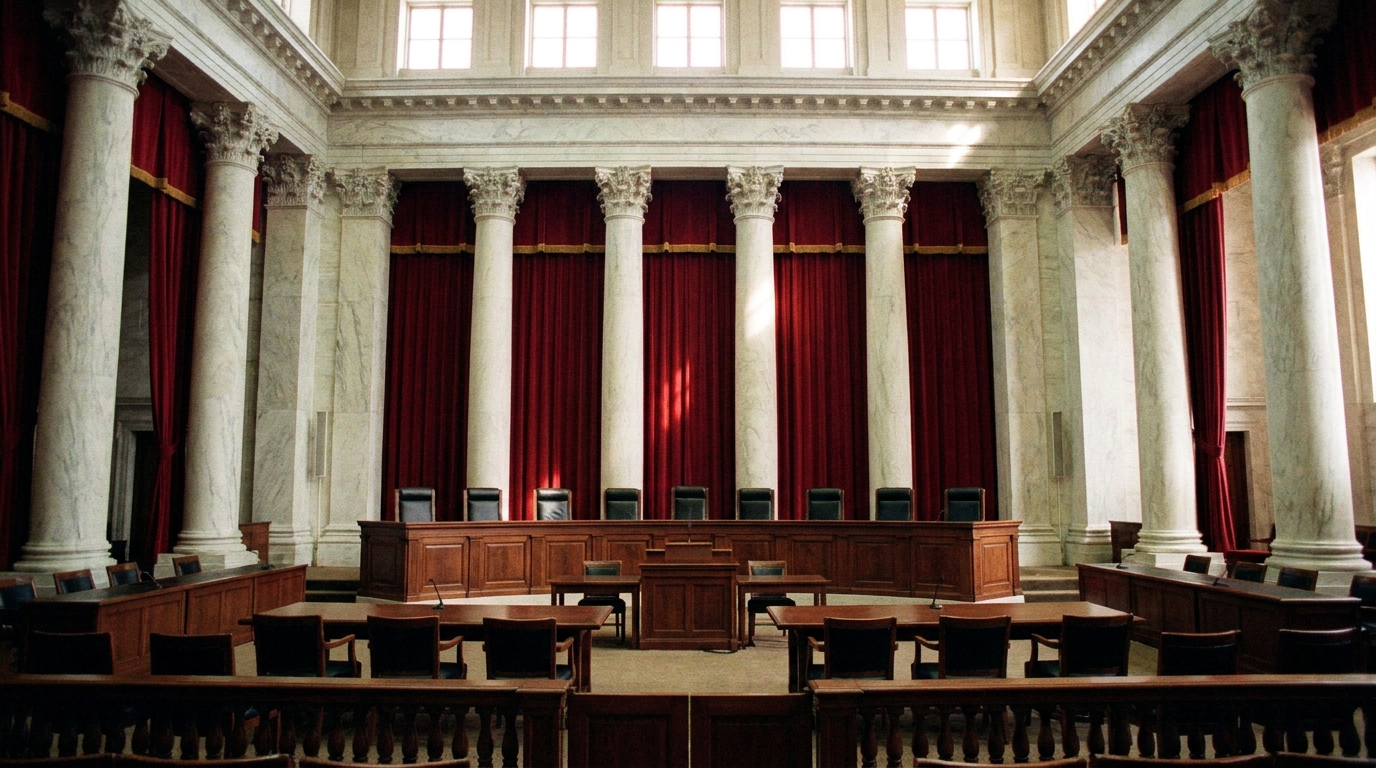
Article III, Section 1 creates the Supreme Court and authorizes Congress to establish lower federal courts. Then it sets two protections for judges:
- Tenure: Judges “hold their Offices during good Behaviour.”
- Salary protection: Their compensation “shall not be diminished” while they remain in office.
Put together, these provisions aim at a single structural goal: judges should be able to decide cases without worrying that an angry Congress or President will cut their pay or remove them for an unpopular ruling.
Notice what Article III does not do. It does not give judges “lifetime appointments” as a ceremonial perk. It builds a court that can sometimes tell the political branches “no” and survive the backlash.
“Good behavior” is not “popular behavior”
The Constitution’s phrase is old-fashioned, and that is part of the confusion. “Good Behaviour” is not a performance review. It is a standard that assumes judges stay in office unless something rises to the level of serious misconduct.
Historically, the phrase connects to English legal tradition, where holding office “during good behavior” meant an official could not be removed at will. The Founders borrowed the concept to create independence from day-to-day politics.
That leads to a crucial distinction:
- Wrong decisions are corrected through appeals, en banc review, or later Supreme Court rulings.
- Misconduct is addressed through discipline systems and, in extreme cases, impeachment.
If “good behavior” meant “decisions Congress agrees with,” judicial review would become a polite suggestion. The whole point is that it does not.
The main removal path: impeachment
When people ask how to remove a federal judge, the constitutional answer is blunt: impeachment and conviction.
Step 1: The House impeaches
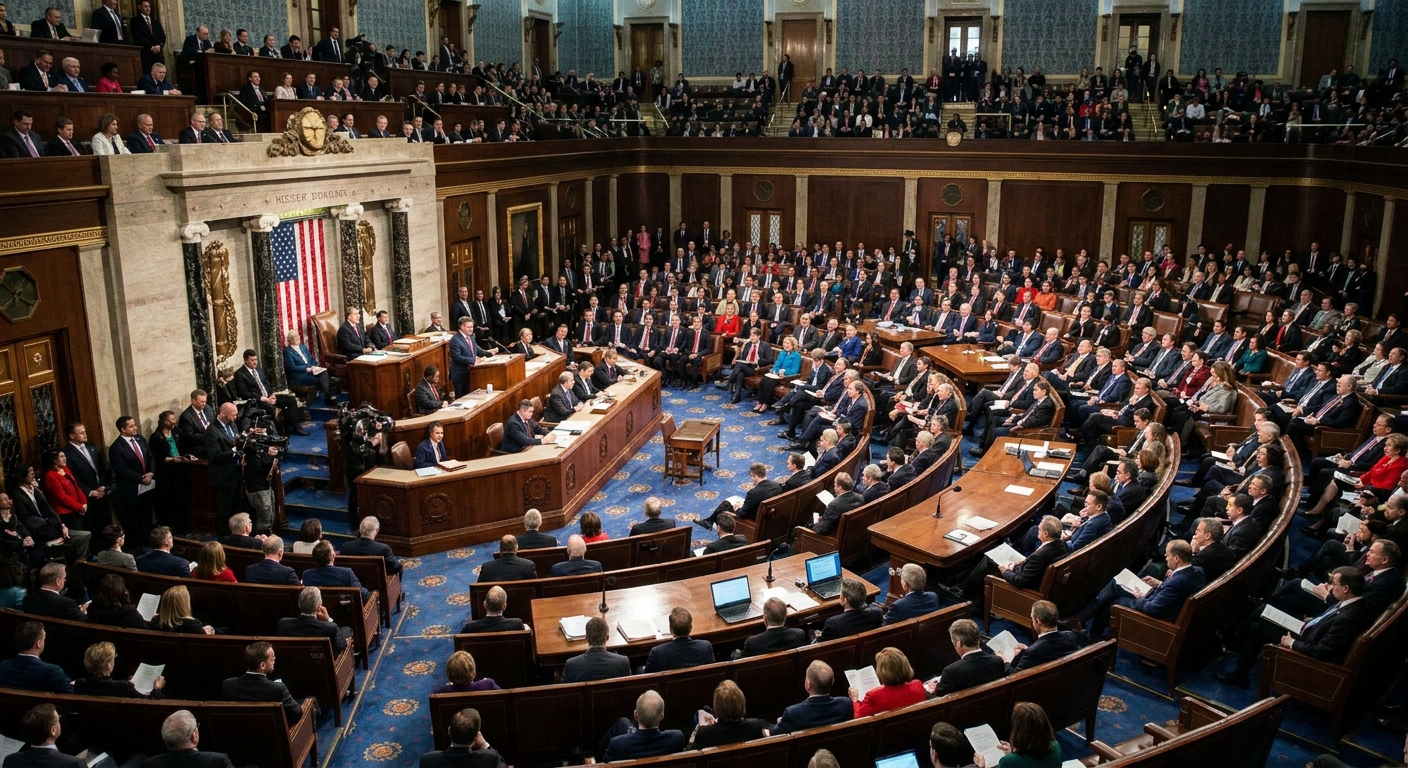
The House of Representatives has the sole power of impeachment. Impeachment is like an indictment: it is a formal accusation, adopted by a majority vote.
Step 2: The Senate tries and convicts
The Senate conducts the trial. For conviction, the Constitution requires a two-thirds vote of Senators present. If convicted, the official can be removed from office. The Senate may also vote to disqualify the person from future federal office.
The Constitution’s standard for impeachment is “Treason, Bribery, or other high Crimes and Misdemeanors.” For judges, that has historically meant criminal conduct, corruption, abuse of office, or serious ethical breaches, not merely controversial jurisprudence.
How often are federal judges removed?
Rarely. That is not an accident, it is the system working as designed.
In U.S. history, 15 federal judges have been impeached by the House. Of those, 8 have been convicted by the Senate and removed from office. Many controversies never reach impeachment. Some judges resign when faced with likely impeachment or overwhelming evidence of misconduct. Others are disciplined in ways that stop short of removal.
The rarity is a feature, not a bug. If removal were easy, it would become routine political retaliation. Life tenure would turn into conditional tenure, and the judiciary would tilt toward whichever party currently controls Congress.
Discipline short of removal
Impeachment is the only constitutional method to forcibly remove an Article III judge. But that does not mean there is no accountability between “nothing happens” and “judge removed.”
The Judicial Conduct and Disability Act
Under federal statute, complaints about misconduct or disability can be filed and reviewed within the judiciary. Chief judges and judicial councils can investigate and impose certain remedies.
It is important to be clear about scope. This statutory process applies to lower federal court judges and other covered judicial officers. It does not provide a formal, enforceable discipline mechanism for Supreme Court Justices in the same way, even though ethical norms and public scrutiny still matter there.
Possible outcomes can include:
- Private or public reprimands
- Orders to stop specific conduct
- Limits on case assignments in some circumstances
- Requests for voluntary corrective steps, including counseling or treatment
- Referral to the Judicial Conference of the United States, which can in turn refer matters to Congress if impeachment may be warranted
But there is a bright line: these processes do not let judges be fired by their peers. They are internal discipline and administration tools, not a substitute for impeachment.
Senior status and retirement
Another practical “off-ramp” is senior status, where eligible judges reduce their caseload while still holding office. Many judges also retire outright. Neither is removal, but both shape the real-world functioning of the federal courts.
Why presidents cannot fire judges
People sometimes assume judges work like executive branch officials: hired by the President, fired by the President. That is a natural assumption, because so much of the federal government operates that way.
But federal judges are not executive employees. They are constitutional officers in an independent branch. Presidents nominate and, with Senate consent, appoint judges. After that, the President has no “at will” removal power over them.
This separation matters because it prevents a simple authoritarian move: replacing judges who rule against the administration. If judges could be removed like cabinet secretaries, the rule of law would quickly become rule by personnel.
What “good behavior” is not
The phrase invites myths, especially in high-temperature political moments. Here are the most common ones.
Myth: A judge can be removed for “bad rulings”
Unpopular decisions are not misconduct. The constitutional remedy for legal error is appellate review, not removal. Otherwise, “good behavior” becomes “good politics.”
Myth: Congress can impeach judges for ideology
Congress can impeach for whatever it votes to impeach. But conviction requires two-thirds of the Senate, and historically the bar has been misconduct, not interpretive philosophy. That high threshold is doing important work.
Myth: Ethics rules automatically remove judges
Ethics rules can trigger discipline and, in extreme cases, referrals. But impeachment is still required for forced removal from an Article III judgeship.
What counts as “bad behavior”
There is no single checklist in the Constitution, which is part of why impeachment is ultimately a political process constrained by constitutional text and history.
Historically, the kinds of conduct that have led to impeachment proceedings against judges include:
- Bribery or corruption
- Perjury or making false statements
- Criminal conduct
- Abuse of judicial power for personal ends
- Serious ethical violations that undermine the integrity of the office
Even then, outcomes vary. Some judges are acquitted. Some resign. Some are removed. The system is not mechanical. It is constitutional, and therefore intentionally hard.
Why the clause still matters
“Good Behaviour” is one of those constitutional phrases that rarely feels urgent until it suddenly does. A headline about a judge’s misconduct, a controversial ruling, or a spike in impeachment talk pulls the clause out of the eighteenth century and drops it into the present tense.
At the same time, the clause forces a question that civics cannot avoid: How do you hold judges accountable without making them dependent? The Constitution’s answer is to make removal possible, but politically expensive. To make ethics real, but not a back door to purges. To keep judges in office long enough to decide cases with a spine.
That is the trade. The point is not that judges are above consequences. The point is that the consequences are not supposed to be handed down by whoever is currently in power.
Quick takeaways
- Article III life tenure comes from “hold their Offices during good Behaviour,” plus salary protection.
- Impeachment is the constitutional removal mechanism: House impeaches, Senate convicts by two-thirds.
- Other discipline tools exist (reprimands, administrative limits, referrals), but they do not equal firing.
- Judges are not removable at will by the President or Congress, by design.