
Constitutional Topics
Browse articles in Constitutional Topics on U.S. Constitution

Immigration Bond Hearings and Due Process
Immigration detention has a way of sounding simpler than it is. People hear “bond” and assume the rules are basically criminal bail with a different label. They are not. Immigration detention is civil custody, run mostly by the executive branch. In many cases, DHS (usually through ICE) makes the...
Read more →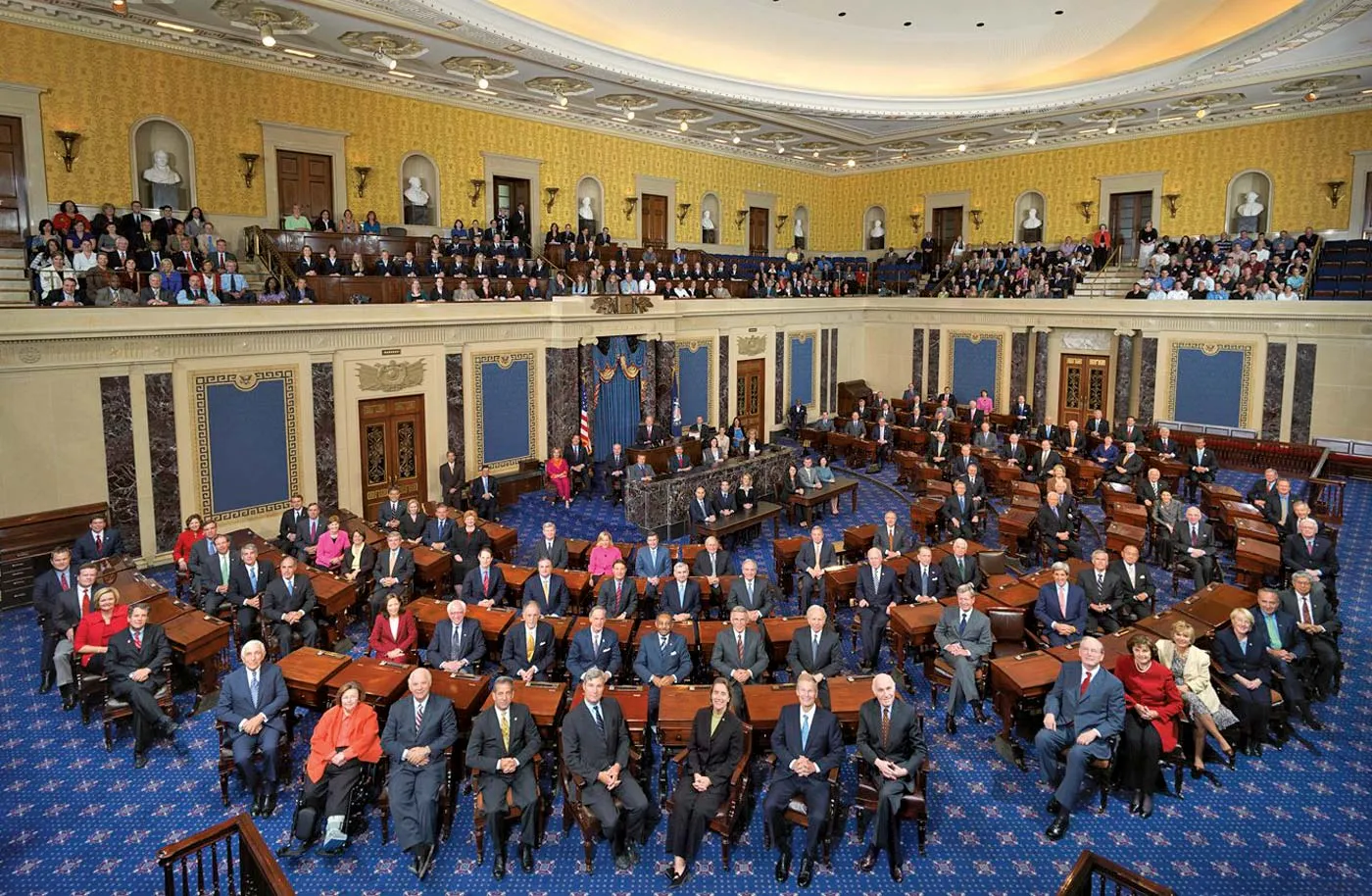
How the Senate Confirms an Attorney General and What Happens When Nominees Stall
Attorney General nominations tend to attract drama for an obvious reason: the person being confirmed will lead one of the federal government’s most powerful legal institutions, with authority over federal criminal prosecutions, major civil enforcement, and the Justice Department’s legal positions...
Read more →
Can Congress Create a Compensation Fund for Jan. 6 Defendants?
When politicians talk about creating a federal compensation fund for Jan. 6 defendants, they are really talking about two different things at once. One is power : Can Congress spend federal money this way at all? The other is limits : Even if Congress can appropriate money, can it do so in a way...
Read more →
What Is the Alien Terrorist Removal Court?
You can live in the United States, be detained or arrested by immigration authorities in the United States, and face a removal order from the United States and still may not be allowed to see the underlying classified evidence the government says supports its case. That is not a rumor. It is one of...
Read more →
Can a State Limit Police Cooperation With ICE?
You can feel the tension in the question itself: immigration is federal, policing is local, and the boundaries are not always intuitive. Across the country, states and cities keep testing those boundaries with laws and policies that limit how state and local officers cooperate with federal...
Read more →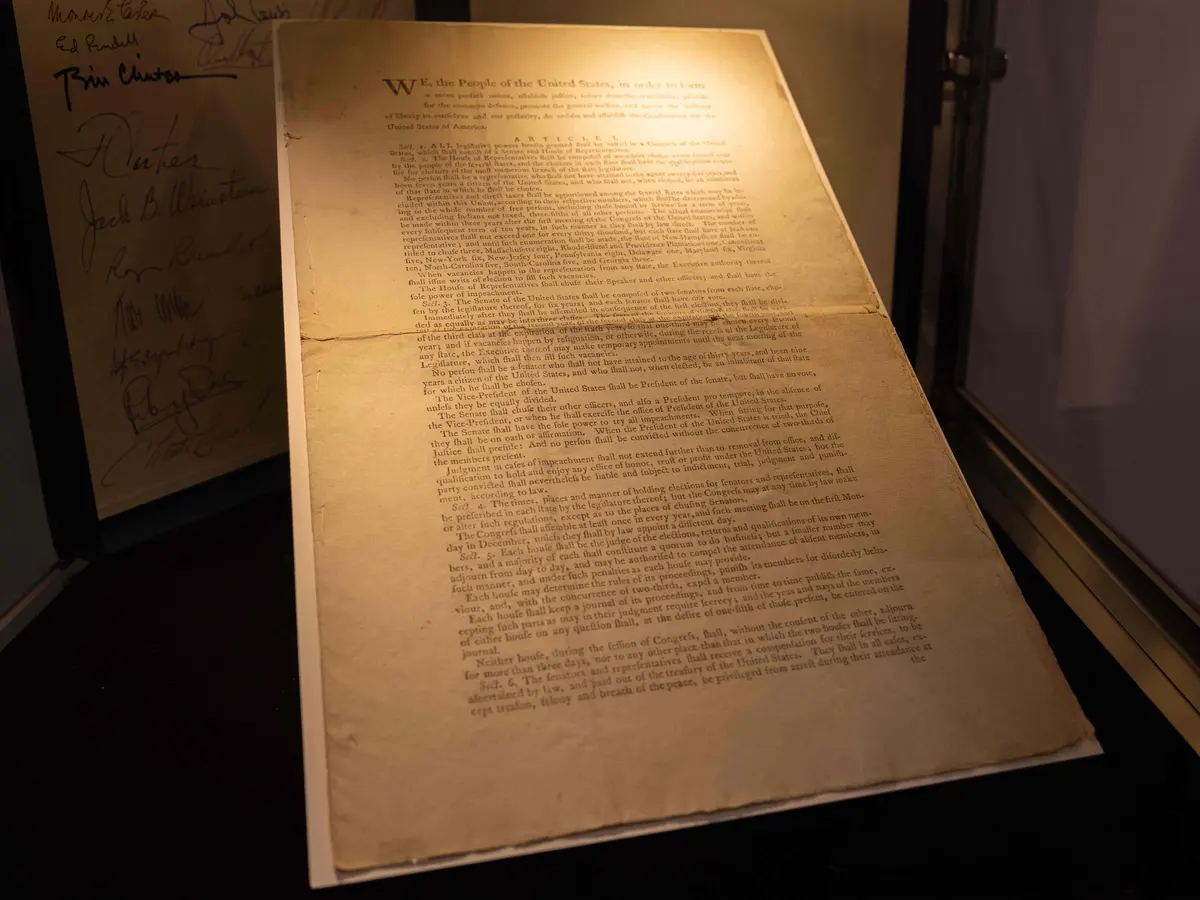
Can the President Retaliate After an Attack Without Congress?
When U.S. troops are attacked overseas, the instinctive question is simple: can the president hit back immediately, or does Congress have to approve it first? The Constitution gives you two answers at once. Article II makes the president the commander in chief. Article I gives Congress the power to...
Read more →
Age Verification and the Balk Rate
Age verification on the internet is usually sold as a narrow fix: keep minors away from material lawmakers think is harmful. In practice, it can function more like a tollbooth on the First Amendment. Not because it blocks every adult, but because it changes behavior. It introduces friction. And...
Read more →
Can Congress Ban Conversion Therapy?
When a candidate gets blowback for opposing a federal conversion therapy ban and then reverses course, the politics are obvious. The constitutional question is quieter, and arguably more important: even if Congress wants a nationwide ban, does it have the power to do it? “Conversion therapy” is not...
Read more →
Minnesota’s “Transgender Dolls” and the Fight Over School Control
Minnesota is headed toward a familiar American dispute, but with key details still unresolved: what adult professionals in public-facing settings may introduce to very young children, and what parents can realistically avoid if the message is offered through an educator or a school-adjacent...
Read more →
Asylum Interviews and Direct Referrals: What the Shift Would Mean
Asylum law has a familiar rhythm in the public imagination. You apply. You sit for an interview with a federal officer. You wait. And then, if the government says no, you ask a judge to review it. But that “first step” is not guaranteed by the Constitution, and it is not the only way the system can...
Read more →
When State Tuition Laws Hit Federal Limits
States often describe immigration as a federal job until a local policy goal puts them in the middle of it. That tension shows up again and again in a familiar fight: can a state let certain undocumented students pay in-state tuition or receive state financial aid? The constitutional engine behind...
Read more →
Can a Federal Judge Block Deportations After the Supreme Court Weighs In?
When you see headlines saying a federal judge “blocked deportations” even after the Supreme Court weighed in, it can sound like an open act of defiance. Constitutionally, it is usually something more ordinary and more confusing: different courts acting at different procedural moments, sometimes...
Read more →
Can a President Ban Mail-In Voting?
When courts block a presidential executive order aimed at mail-in voting, it is tempting to treat it like a political headline. Constitutionally, it is something more basic: a reminder that American elections are not run by presidential decree. The question underneath the news is simple and...
Read more →
What Is TPS and Can a Federal Judge Defy the Supreme Court?
Temporary Protected Status , or TPS, has a name that sounds like a constitutional guarantee. It is not. TPS is a statutory tool Congress created and the executive branch administers, with federal courts acting as referees when people argue the government did not follow the law. TPS and DACA are...
Read more →
Can a President Order Signs Outside the Smithsonian?
The headline version of this story is simple: for example, imagine a president issues an executive order directing executive-branch officials to place signs on federally managed walkways near Smithsonian museums , pointing visitors to a White House report criticizing how American history is...
Read more →
What Is the War Powers Resolution?
The Constitution gives Americans a comforting civics myth: Congress declares war, the president fights it. In real life, the order is often reversed. Presidents initiate, Congress reacts, and everyone argues about what the Founders “really meant.” This article was prompted by a familiar kind of...
Read more →
Alien Terrorist Removal Court Explained: Visas, Speech, and Removal Power
Some government powers feel absolute until you look closely at how they are built. The federal government has broad authority over immigration. It can deny visas. It can remove noncitizens. It can treat certain noncitizens as national security threats. But in practice, the executive still has to...
Read more →
DOJ Religious Liberty Guidance, Explained
When the Department of Justice releases “religious liberty guidance,” it is not passing a new law. It is issuing an internal policy document that tells executive branch lawyers and program officials how DOJ believes the Constitution and federal statutes should be applied before the next lawsuit...
Read more →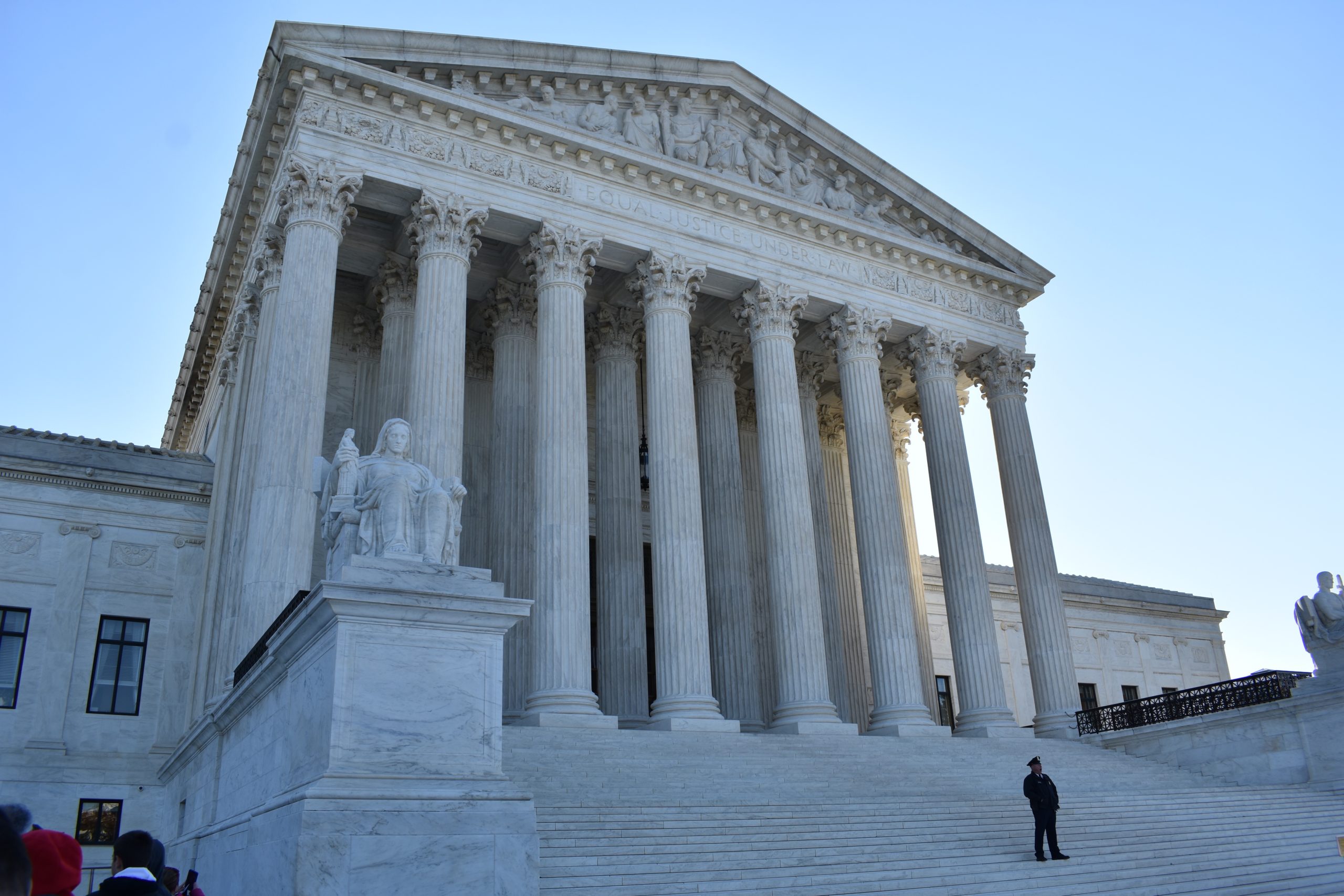
Are Sanctuary Cities Constitutional?
“Sanctuary city” sounds like a moral label. In court, it is usually something much more technical: a fight over who has to do the work. Immigration law and removal decisions are federal power. But the day-to-day machinery of policing and jail operations is mostly state and local. That tension is...
Read more →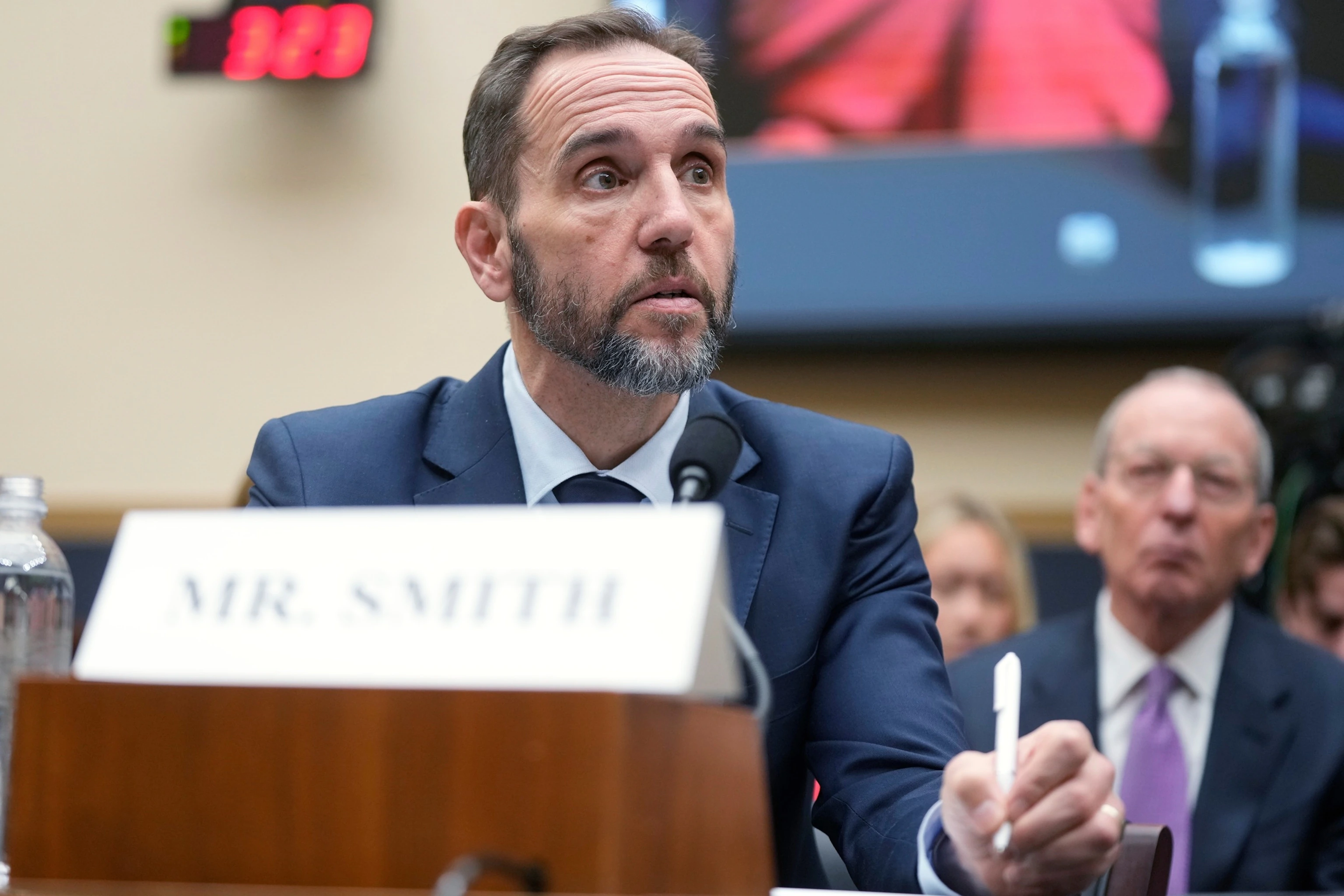
What Is a Congressional Criminal Referral?
A “criminal referral” from Congress sounds like the beginning of a prosecution. It is not. It is closer to a formal request backed by an allegation: a committee says, in writing, that it believes evidence suggests a federal crime, and it asks the Department of Justice to take a look. That...
Read more →