Most people assume the federal criminal system has only two gears. You either fight the charge at trial, or you plead guilty and accept the consequences.
But there is a quieter third path that shows up in certain federal cases: the government agrees to pause, or even avoid, prosecution if the defendant completes a strict set of conditions. Three common tools do that work: pretrial diversion, deferred prosecution agreements (DPAs), and non-prosecution agreements (NPAs).
They are often talked about like “getting off,” but they are better understood as a conditional truce. The government keeps the power to prosecute in its back pocket. The defendant keeps the chance to exit the case without a conviction.
Join the Discussion
What diversion means in federal court
Federal pretrial diversion is primarily a policy-based program (not a generally available statute you will find in the U.S. Code for most offenses) where the U.S. Attorney’s Office agrees to hold off on prosecuting while the defendant completes conditions for a set period.
If the defendant completes everything, the government typically moves to dismiss the charge. If the defendant fails, the government can usually resume prosecution. In practice, that “pause button” often works because the defendant agrees to key waivers, most notably a Speedy Trial Act waiver, and in many cases a statute of limitations tolling agreement or waiver.
Why it exists
At a policy level, diversion is designed for cases where prosecution is seen as unnecessary to protect the public and where supervision and treatment can do more than a conviction can. In practice, it is also about triage. Federal prosecutors have limited time and resources, and some defendants are good candidates for a supervised second chance.
Who runs it
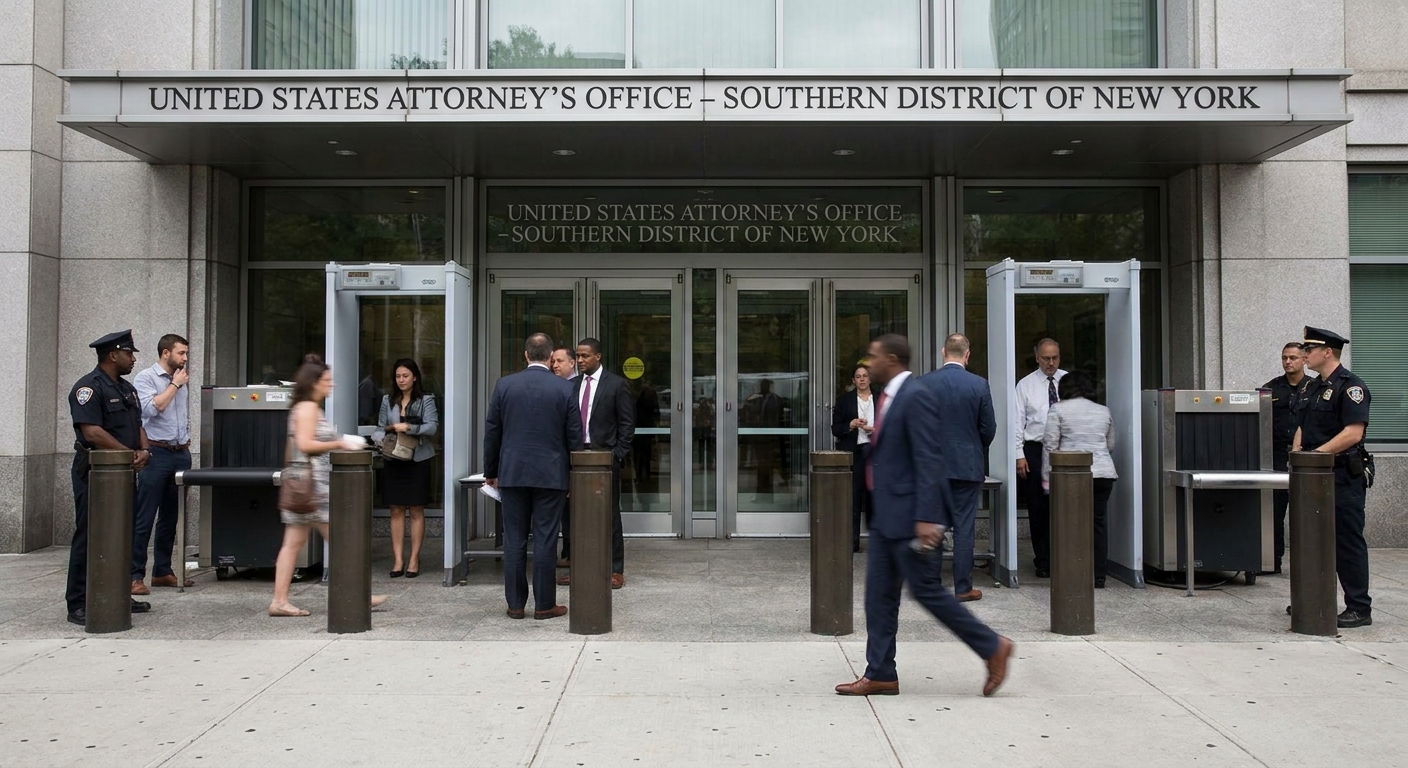
In federal cases, diversion is typically controlled by the U.S. Attorney’s Office, often with input from Pretrial Services (the agency that supervises many people released before trial). The details vary by district.
Who usually gets offered it
Districts vary, but diversion is most often discussed for people who look like low risk defendants on paper: first-time or low-record defendants, conduct that is non-violent, and cases where restitution, treatment, or compliance fixes more than a conviction does.
Common disqualifiers include significant criminal history, violence, sex offenses, or facts that make the government believe the public needs a conviction and a sentence. But none of this is universal. Each district has its own habits, and each prosecutor has a boss.
DPAs and NPAs: same goal, different paperwork
A deferred prosecution agreement is still a “pause button,” but it is usually more formal and explicitly contractual. A DPA is a written agreement where the government files a charging document (or has already filed one), then agrees to defer prosecution for a defined time while the defendant meets specified obligations.
DPAs are widely associated with corporate cases. Individuals can enter DPAs too, but it is less common than in the corporate world. The key idea is the same: perform the terms, and the case is dismissed.
A non-prosecution agreement (NPA) is the natural counterpart. The government agrees not to file charges at all as long as the person or company satisfies the terms. In other words, no case gets filed in court unless the deal falls apart.
Think of diversion as a program, a DPA as a negotiated deal with charges in play, and an NPA as a negotiated deal designed to keep charges from being filed in the first place. In real life, the line can blur, and districts use the terms differently. What matters is what the paperwork actually requires, what gets filed (if anything), and what happens if the defendant slips.
The key contrast: diversion, DPA, NPA vs guilty pleas
Here is the difference that changes everything: diversion, DPAs, and NPAs are typically structured to avoid a conviction.
What a guilty plea does
When a defendant pleads guilty in federal court, they are giving the court a conviction. The next step is sentencing, which can include imprisonment, supervised release, fines, restitution, and a criminal record that is hard to escape.
Even if a defendant receives a “good deal,” a guilty plea is still a conviction unless the law provides some special carve-out.
What diversion, DPAs, and NPAs try to do instead
With diversion, a DPA, or an NPA, the goal is usually to end the matter through dismissal or non-filing after compliance. Often there is no guilty plea, no sentencing hearing, and no judgment of conviction.
Often is the key word. Some agreements require a signed statement of facts, a statement of responsibility, or other admissions. Sometimes they include terms about how those statements can be used if the deal collapses. The agreement controls, and you should read it with the same caution you would bring to a plea agreement.
That does not mean there are no consequences. The conditions can be demanding, and the process can feel like probation in daily life. But legally, there is still a major difference between being supervised pretrial and being sentenced after conviction.
Typical requirements in diversion, DPAs, and NPAs
The conditions depend on the case, the defendant’s background, the district’s policies, and what the prosecutor insists on. But common requirements include:
- No new arrests or charges during the diversion period
- Regular reporting to Pretrial Services or another supervising officer
- Employment or education requirements
- Drug testing and substance use treatment, when relevant
- Mental health evaluation and counseling, when relevant
- Community service
- Restitution to victims or payment of back taxes, when relevant
- Financial disclosures and limits on certain business activities in fraud cases
- No contact orders or restrictions related to victims or witnesses
- Firearm surrender in certain circumstances
Two details matter for readers trying to understand the power dynamics here.
First, diversion is discretionary. There is no constitutional right to it, and prosecutors may say no for reasons that have nothing to do with guilt or innocence, like office policy, resources, deterrence goals, or case optics. Those decisions are still bounded by law, and they cannot be driven by unconstitutional discrimination, but they are not usually something a judge can order into existence.
Second, compliance is often measured strictly. A “technical” violation can be treated as a real one, especially if the agreement makes clear that the government retains full charging authority if the terms are not met.
And there is a third detail that explains how the pause works legally: many agreements require the defendant to sign waivers, often including a Speedy Trial Act waiver, and sometimes a statute of limitations tolling agreement or waiver. Those clauses can materially change risk if the deal ends. They are not boilerplate. They are the engine.
How dismissal happens: Rule 48 and the court’s role
To a non-lawyer, “the case gets dismissed” sounds like a single event. In federal practice, dismissal is a specific procedural step.
Rule 48(a), in plain English
Federal Rule of Criminal Procedure 48(a) says the government may dismiss an indictment, information, or complaint with leave of court. That last phrase matters, but so does modern separation-of-powers law. In most real-world cases, courts grant dismissal motions unless there is clear evidence of impropriety, bad faith, or a reason the dismissal would seriously undermine the integrity of the process.
In diversion and many DPAs, the usual endgame looks like this:
- The defendant completes the program conditions.
- The prosecutor files a motion to dismiss the charge under Rule 48(a).
- The court grants it, and the case is closed.
Where policy manuals come in
Federal prosecutors operate under Department of Justice policies, including guidance that is publicly known through the Justice Manual. Those policies do not create enforceable rights for defendants the way statutes do, but they shape how U.S. Attorney’s Offices decide who gets diversion, what terms to demand, and what happens after completion.
At a lay level, the takeaway is simple: diversion, DPAs, and NPAs are prosecutor-driven. Judges supervise the courtroom and approve dismissals, but the government largely controls whether the off-ramp exists in the first place.
What happens if someone fails diversion, a DPA, or an NPA
The agreement usually spells this out with blunt clarity.
- If the defendant violates conditions, the government can resume prosecution.
- If charges were never filed (common in NPAs and some diversion setups), the government can file them.
- If charges were filed and then paused, the case picks back up and proceeds toward plea negotiations, motions, or trial.
Some agreements give the government discretion to issue warnings or modify conditions. Others allow immediate termination for certain violations, like new crimes or dishonesty with supervisors.
One more practical caveat: whether the government can restart a case can turn on the fine print, especially any limitations tolling or waiver language. That is one reason these deals can feel simple but carry real legal leverage.
This is why defense lawyers often describe diversion as a “second chance with a trigger attached.” It can be life-changing, but it is not casual.
Deferred prosecution vs probation
Many readers hear “supervision, treatment, reporting” and think: probation.
That is understandable. The daily experience can overlap. But the legal posture is different.
Probation comes after conviction
Probation is a sentence. It comes after a guilty plea or a guilty verdict. It is a court-imposed punishment, and violating it can lead to resentencing and prison.
Deferred prosecution happens before conviction
In diversion and most DPAs, there is typically no judgment of conviction and no sentence while the agreement is running. The government is delaying prosecution, not the court punishing someone after conviction.
If a person violates probation, the court responds within the sentencing framework. If a person violates a DPA, the government’s most powerful response is different: it prosecutes the underlying charge.
What about “probation before judgment” in state court?
States have many tools that resemble diversion and deferred prosecution. Federal court has its own structure and terminology. If you are comparing outcomes, always ask: Was there a conviction entered? That single fact changes immigration consequences, firearm consequences, employment disclosures, and the long-term impact of the case.
Where this fits in constitutional procedure
Diversion feels modern, but it sits on older constitutional bedrock.
Prosecutorial discretion is the engine
The Constitution gives the executive branch the power to enforce federal law. That includes the decision to charge, what to charge, and whether to dismiss. Diversion, DPAs, and NPAs are structured uses of that discretion.
Rights still matter, but read the fine print
Even when a program is discretionary, defendants still retain constitutional protections. They have the right to counsel, and if prosecution moves forward they can insist on the government proving guilt beyond a reasonable doubt.
But participation can involve disclosures, treatment, and written statements. The Fifth Amendment issues can get complicated fast, especially if an agreement includes admissions or allows certain information to be used later. This is an area where a defense lawyer’s review is not optional.
Common questions, answered plainly
Does diversion mean the case disappears?
It can end in dismissal, but records may still exist. Federal record sealing and expungement are limited, and a dismissed federal case can still show up in certain background checks. Dismissal is a major win, but it is not always the same thing as erasure.
Do you have to admit guilt?
Often, no formal guilty plea is entered for diversion. But some diversion, DPA, and NPA paperwork includes statements of facts or responsibility, and some agreements address whether those statements can be used if the deal collapses. The terms vary, and the risk is agreement-specific.
Is a DPA the same as pleading guilty and getting probation?
No. Probation is a sentence after conviction. A DPA is usually a path designed to avoid conviction through dismissal if conditions are met.
Who decides if you qualify?
Typically the U.S. Attorney’s Office, sometimes with structured criteria. Judges usually do not order diversion over the government’s objection.
When are these options offered?
It depends. Some deals happen pre-charge (more common with NPAs). Others happen after a complaint, indictment, or information is filed (common with DPAs and some diversion setups). Practically, it is usually raised through defense counsel in discussions with the prosecutor, sometimes after Pretrial Services has weighed in on risk and supervision.
Are there consequences even without a conviction?
Yes. Admissions, restitution, licensing issues, security clearance reviews, and immigration consequences can still be triggered by the underlying conduct or by statements made in the process, even if the case ends in dismissal. “No conviction” is huge, but it is not always the end of the story.
Why this matters beyond one defendant
Diversion, DPAs, and NPAs reveal something the public often misses: the federal criminal system is not only about trials and verdicts. It is also about choices made in conference rooms, guided by policy, leverage, and risk.
That is not inherently corrupt. It is how a system with finite resources manages millions of human variables. But it is also why two people accused of similar conduct can walk away with radically different outcomes based on district practices, prosecutorial priorities, and the strength of advocacy.
If you want to understand federal criminal law in the real world, learn the off-ramps, not just the road.