
Most asylum stories online begin at the end: a person “applies for asylum,” waits, and eventually stands before a judge. But a huge number of cases never start that way. They begin at the border or shortly after entry, inside a fast track process with a blunt name and a sharp consequence: expedited removal.
Before someone can even file a full asylum application in immigration court, they may have to pass an initial screening called a credible fear interview. It is not a trial. It is not a full asylum hearing. But it can determine whether a person gets the chance to pursue asylum at all, or is removed quickly with limited court involvement.
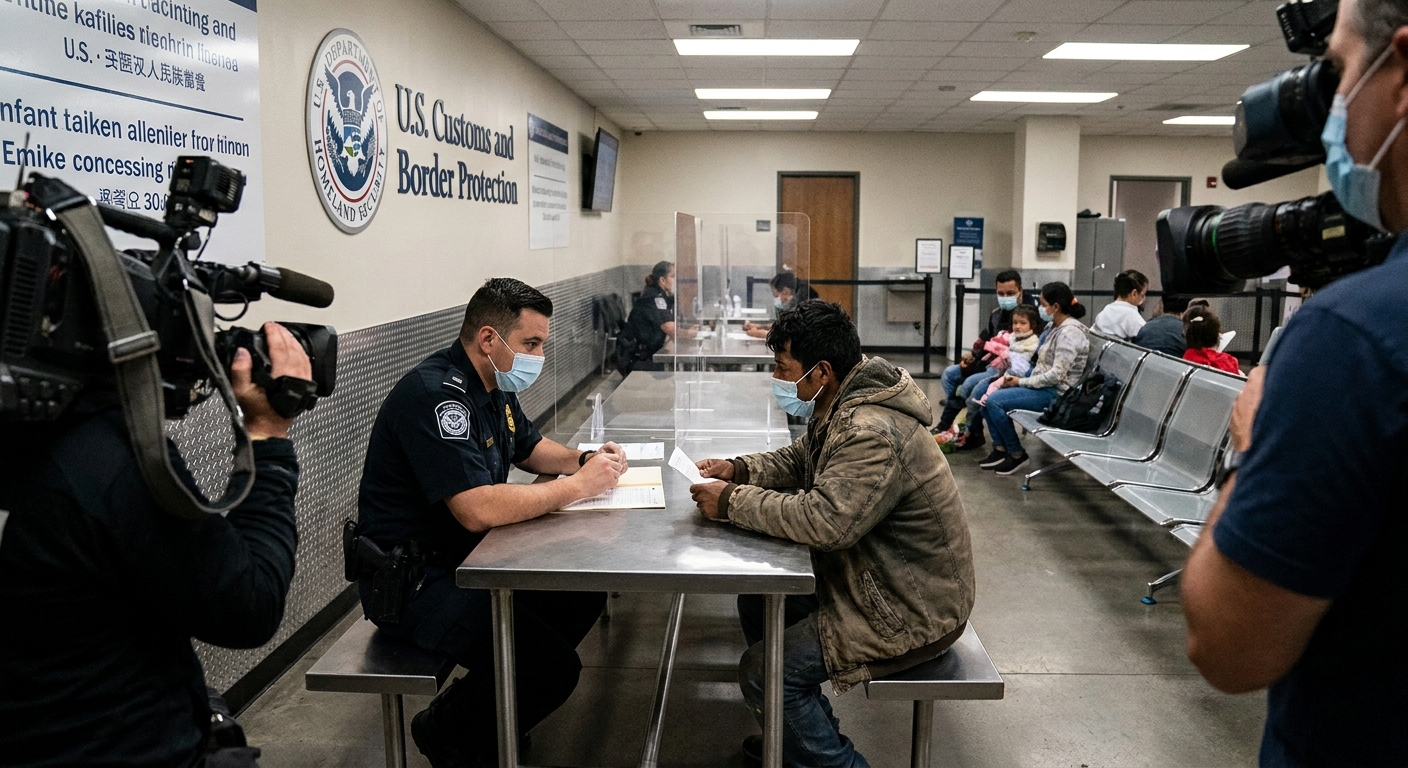
This page explains how credible fear screenings work, who conducts them, what timelines apply, what an immigration judge can and cannot review, and how this path differs from affirmative asylum processing that happens through U.S. Citizenship and Immigration Services.
Join the Discussion
What expedited removal is
Expedited removal is a Department of Homeland Security procedure that allows certain noncitizens to be removed from the United States quickly, without the government first filing a traditional case in immigration court.
It is authorized by federal statute, primarily 8 U.S.C. § 1225(b)(1). In simplified terms, it applies to many people encountered at or near the border, and sometimes to people found inside the U.S. who cannot show they have been continuously present for a specified time.
Important nuance: The “inside the U.S.” scope has changed over time and can shift with DHS policy, litigation, and operational guidance. Past policies have used rules like “within 2 years of entry” for certain encounters, but the real-world reach depends on what rules are in effect when someone is encountered.
Who it commonly applies to
- People arriving at a port of entry who lack valid entry documents or present alleged fraudulent documents (sometimes called “arriving” noncitizens as a legal term).
- Some people who enter between ports of entry and are apprehended soon after entry.
If DHS places someone in expedited removal, an immigration judge does not automatically get the case at the start. The default outcome is removal unless the person triggers a protection screening by expressing fear or an intent to apply for asylum.
Key pivot point: If a person tells DHS they fear returning to their country, fear persecution, or fear torture, DHS generally must refer them for a protection screening interview rather than immediately removing them.
Related but different: Not every fear-based case uses “credible fear.” Some other legal postures use a reasonable fear screening instead, discussed below.
Credible fear in plain English
A credible fear interview is an early screening designed to answer one question: is there a significant possibility the person could qualify for asylum (or related protection) if given a full hearing later?
This is not the same standard as winning asylum. Think of it as a gatekeeping test. The government is deciding whether to open the courthouse door, not whether the person ultimately deserves relief.
A quick example
Imagine someone is stopped at a port of entry without valid documents. DHS places them in expedited removal. If the person says, “I am afraid to go back because I was threatened for my political activity,” DHS will generally refer them to an asylum officer for a credible fear interview. If they pass, they may get a chance to apply for asylum in a fuller process. If they do not, they may be removed quickly unless an immigration judge reverses the negative finding on review.
The legal standard
Credible fear is defined in statute at 8 U.S.C. § 1225(b)(1)(B)(v). The core idea is a “significant possibility” the person could establish eligibility for asylum under 8 U.S.C. § 1158.
The interview can also screen for other forms of protection, especially where asylum may be barred but fear-based protections could still apply, such as withholding of removal or protection under the Convention Against Torture (CAT). The exact mechanics can vary depending on the person’s procedural posture.
Credible fear vs reasonable fear
These terms sound similar, but they apply in different tracks.
- Credible fear is the screening used in many expedited removal cases under 8 U.S.C. § 1225(b)(1).
- Reasonable fear is a different screening used in certain cases like reinstatement of a prior removal order and some administrative removal processes. It is typically tied to withholding of removal and CAT protection rather than a full asylum claim.
If you are trying to understand what protections are available, the first question is often not just “Do you have fear?” but “What legal posture are you in?”
Who conducts the interview
Asylum officers
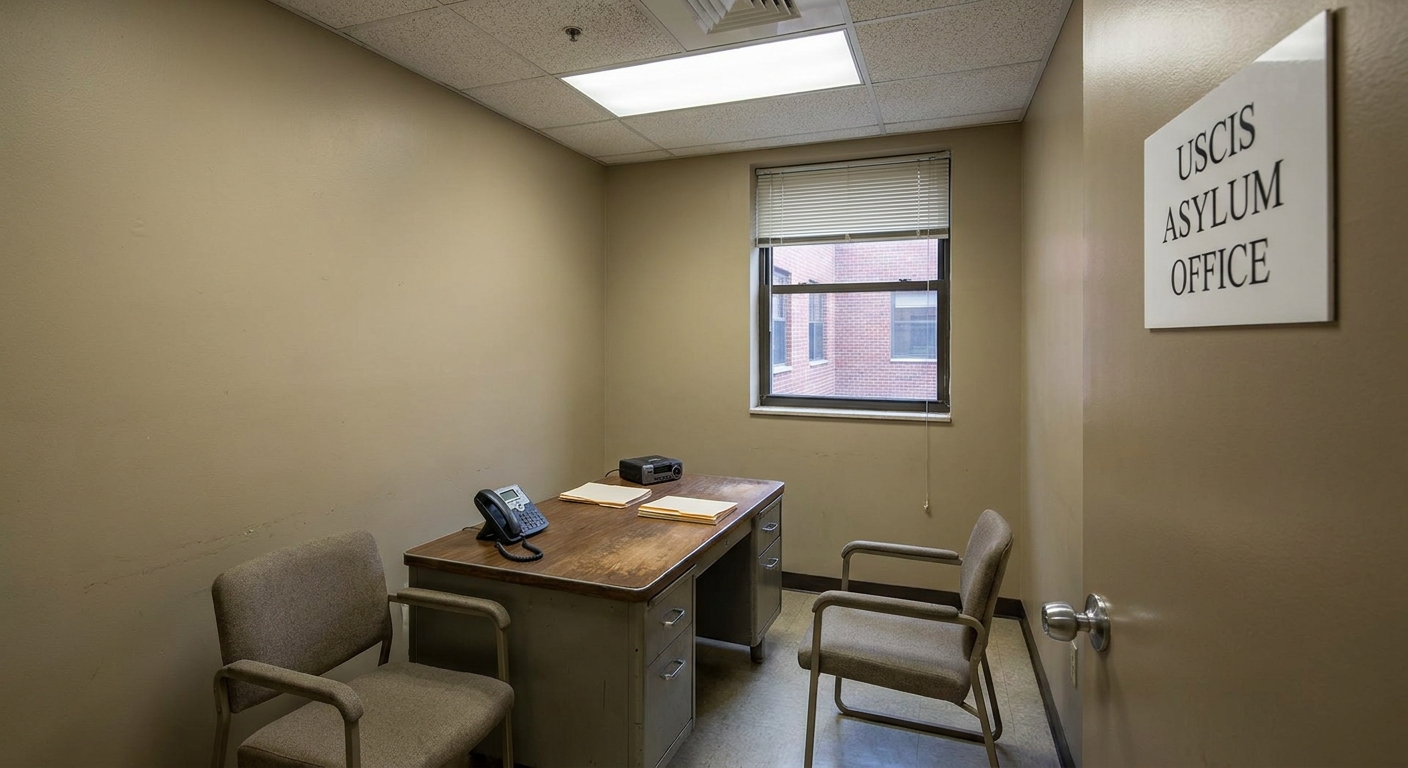
Credible fear interviews are typically conducted by USCIS asylum officers, even though the person is in DHS custody and the case is being handled operationally by CBP or ICE.
Asylum officers are trained to assess fear claims under asylum law. In many interviews, an interpreter is used. The setting is often a detention facility or processing center, not a courtroom.
Immigration judges in a narrow role
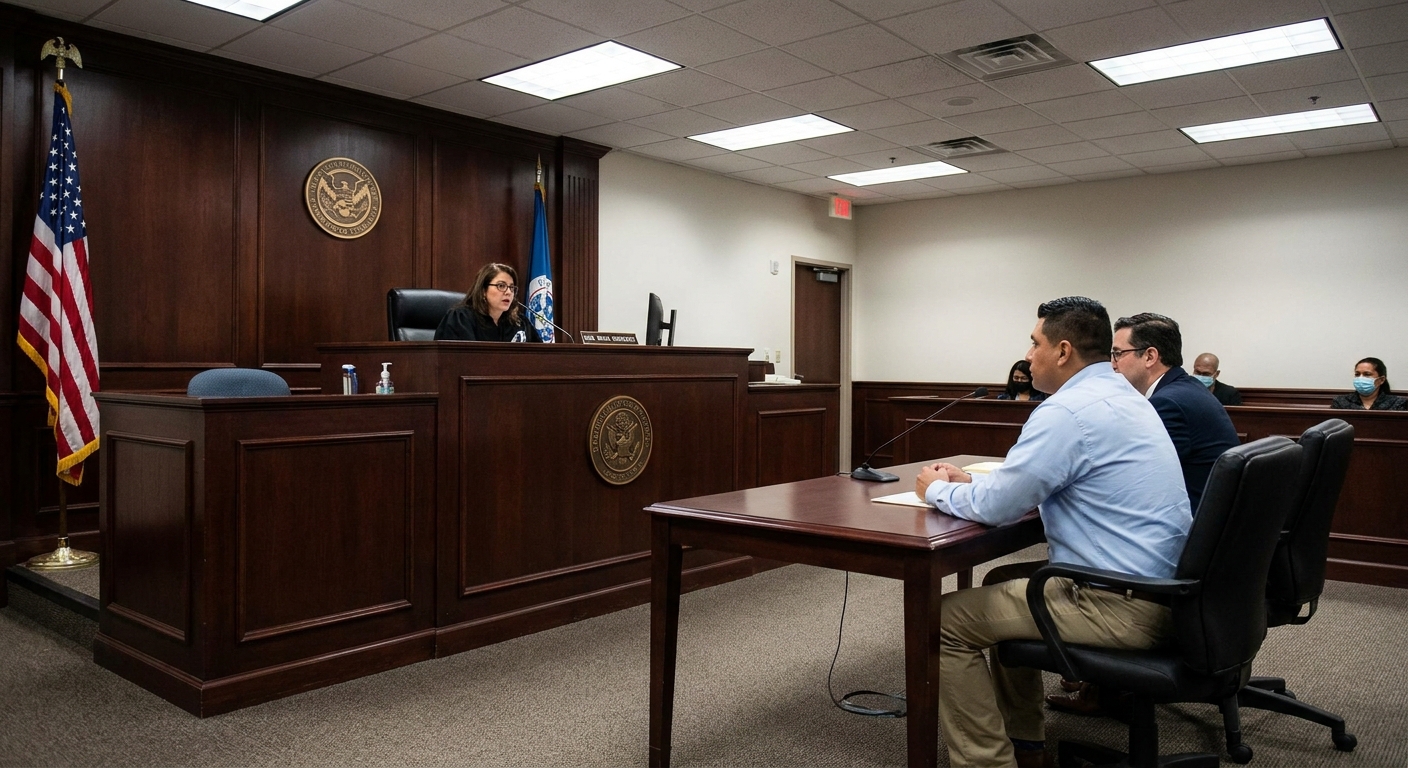
If the asylum officer issues a negative credible fear determination, the person can request review by an immigration judge (IJ). This is not a full hearing. It is a limited review focused on whether the negative screening decision was correct.
That “judge review” stage is one of the reasons this phase feels like a legal proceeding, even though it is still not the standard removal case most people picture.
What happens in the interview
Procedurally, credible fear interviews vary by facility and current DHS practice. But the structure is usually consistent.
Common topics
- Identity and background: basic biographical questions and how the person entered or arrived.
- Why they fear return: specific incidents, threats, harm suffered, and who harmed or threatened them.
- Protected grounds: whether the harm connects to race, religion, nationality, political opinion, or membership in a particular social group. The officer may also ask whether the government was involved, or whether the government was unable or unwilling to protect the person.
- Internal relocation: whether the person could safely live elsewhere in the home country.
- Bars and disqualifiers: certain crimes, terrorism-related grounds, firm resettlement, or other statutory limitations that may block asylum.
Evidence
At this stage, many people have little or no documentation available. Officers can consider documents if provided, but credible fear determinations often rest heavily on the person’s testimony and consistency. That reality can make the process feel unforgiving: a person may be describing trauma in a setting that does not look or feel like a court, yet the consequences can be immediate.
Lawyers
People may have counsel, but many do not, especially if detained. The practical ability to consult an attorney depends on access, time, and facility rules. This is one reason credible fear has become such a high stakes bottleneck in the asylum system.
Practical preparation
This is not legal advice, but it helps to be ready to explain the story clearly and consistently. Many interviews focus on basics like:
- What happened, when, and where
- Who harmed or threatened you, and why you believe you were targeted
- Whether you sought help from police or other authorities, and what happened
- Why you fear future harm if returned
Outcomes
If credible fear is found
A positive credible fear determination generally means the person can move forward into a fuller process where they may apply for asylum or related relief. What happens next depends on the pathway DHS uses at that time.
Traditionally, a positive credible fear result would place the person into immigration court removal proceedings under INA § 240, where they can file Form I-589 and present the claim to an immigration judge.
In more recent policy eras, some people with positive credible fear may be routed into asylum merits processing with USCIS first, with the possibility of being sent to an immigration judge later if asylum is not granted. The details of that handoff have shifted over time, and they can change again.
If credible fear is not found
A negative credible fear determination usually leads to removal through expedited removal unless the person requests and wins immigration judge review.
If the IJ affirms the negative determination, the person can be removed quickly, and the options for further appeal are extremely limited compared to a normal immigration court case.
Judge review
When an asylum officer finds no credible fear, the person may request an immigration judge to review that decision. This review is often conducted on a fast timeline, frequently while the person remains detained.
What the judge is deciding
The judge is not deciding the full asylum case. The judge is deciding whether the person met the threshold for credible fear screening. That limited scope matters because it shapes the record, the evidence, and the time available.
What the judge can consider
In practice, the IJ review usually focuses on the interview notes, the officer’s rationale, and the person’s testimony or clarifications. The judge may allow additional detail, but this is not designed to become a full evidentiary hearing.
Why this feels different from court
The stakes are life-changing, but the posture is compressed. People often have no time to gather corroborating evidence, no ability to contact witnesses, and limited access to counsel. It is a judicial proceeding, but it is not the kind most Americans imagine when they hear “day in court.”
Timing
The word expedited is not marketing. It reflects a legal structure designed for speed.
Common timing pressures
- Initial processing and fear referral: can occur quickly after apprehension or arrival.
- Credible fear interview: often scheduled while the person is in DHS custody.
- Judge review (if negative): may occur shortly after the negative finding, sometimes within days depending on detention court capacity.
Exact timing varies based on detention capacity, access to asylum officers, interpreter availability, and shifting DHS priorities. But the core point remains: credible fear is meant to be an early filter, not a months-long process.
Detention, parole, and bond
Many people in expedited removal are detained during credible fear screening. Some may be released on parole or other forms of release depending on policy, eligibility, and capacity.
A common point of confusion is bond. In many expedited removal situations, the main release valve is parole rather than an immigration judge bond hearing. Bond is more commonly available once a person is placed into standard § 240 removal proceedings, though the details can depend on the person’s posture and the law in effect.
Appeals and court review
This is where expedited removal differs sharply from the “regular” immigration court pathway.
Limited review in expedited removal
If the person receives a negative credible fear determination and loses IJ review, there is generally no standard appeal to the Board of Immigration Appeals like there would be after a full immigration judge decision in a § 240 removal case.
Federal court review is also constrained by statute, including limits in 8 U.S.C. § 1252. The scope of habeas and constitutional review has been heavily litigated, and the practical reality is that many people do not get a long appellate runway at this stage.
Once in full proceedings, more normal appeals apply
If the person passes credible fear and is placed into standard removal proceedings, the ordinary structure reappears: immigration judge merits hearing, then potential appeal to the Board of Immigration Appeals, and then possibly a petition for review in a federal circuit court.
So the credible fear stage is not just a screening interview. It is a gateway to whether the more robust appeal system attaches at all.
Affirmative asylum
Many readers have heard of “affirmative asylum” because it sounds like what asylum should be: you apply, you interview, you wait.
Affirmative asylum is generally the process used by people who are not in removal proceedings and who file an asylum application with USCIS. It is typically slower, more paperwork-driven, and less centered on detention. The interview occurs as part of a formal application, not as an emergency screening after arrest or arrival.
Key differences
- Starting point: expedited removal begins with DHS enforcement; affirmative asylum begins with an applicant filing.
- Speed and setting: credible fear can happen within days in detention; affirmative interviews are scheduled through USCIS queues.
- Purpose of the interview: credible fear is a threshold test; affirmative asylum is a merits interview tied to a full application.
- Access to counsel and evidence: affirmative applicants often have more time to gather documents and secure counsel, though resources still vary widely.
- Appeals and court posture: expedited removal can end quickly with limited review; affirmative cases, if referred to court, proceed into standard immigration court timelines.
In other words, credible fear screening is not “another type of asylum interview.” It is a different procedural world with different default assumptions.
Deadlines to keep in mind
One more practical point: asylum has a one-year filing deadline in many cases. Passing credible fear does not automatically waive that deadline. People in expedited removal often file later through court or USCIS pathways, and there are exceptions to the one-year rule, but it is worth knowing this issue exists because readers sometimes assume the clock starts only after release or after a first court date.
Constitutional basics
Immigration is often described as a realm of broad federal power, and it is. But constitutional due process principles still shape the debate, especially where the government detains someone or removes them through a fast administrative process.
That does not mean every procedural limitation is unconstitutional. It means courts and policymakers repeatedly confront the same tension: speed and border enforcement on one side, and the basic expectation of fair procedure on the other.
Credible fear screening sits right on that line. It is where administrative efficiency meets the reality that asylum claims are, at their core, claims about survival.
Quick glossary
- Expedited removal: Fast removal process without full immigration court proceedings, unless a fear screening leads to further process.
- Credible fear interview: Initial screening by an asylum officer in many expedited removal cases to determine whether there is a significant possibility the person can qualify for asylum.
- Reasonable fear interview: Screening used in certain other tracks, such as reinstatement of removal, usually focused on withholding of removal and CAT protection.
- Negative credible fear review: Limited immigration judge review of a negative credible fear finding.
- § 240 proceedings: Standard removal proceedings in immigration court where the person can apply for relief and appeal adverse decisions.
- Withholding of removal: Protection that prevents return to a country where a person would likely face persecution, with a higher standard than asylum.
- Convention Against Torture (CAT): Protection against return where a person would likely be tortured, often focused on official involvement or acquiescence.
One takeaway
If you remember only one thing, make it this: credible fear screening is not the asylum case. It is the gatekeeper to whether the asylum case gets to happen, with procedures that can move quickly and with limited options for later review if the answer is no.
That is why the credible fear phase gets so much attention from advocates, policymakers, and courts. It is where the system decides, early and often quietly, who gets to make their case in full.