
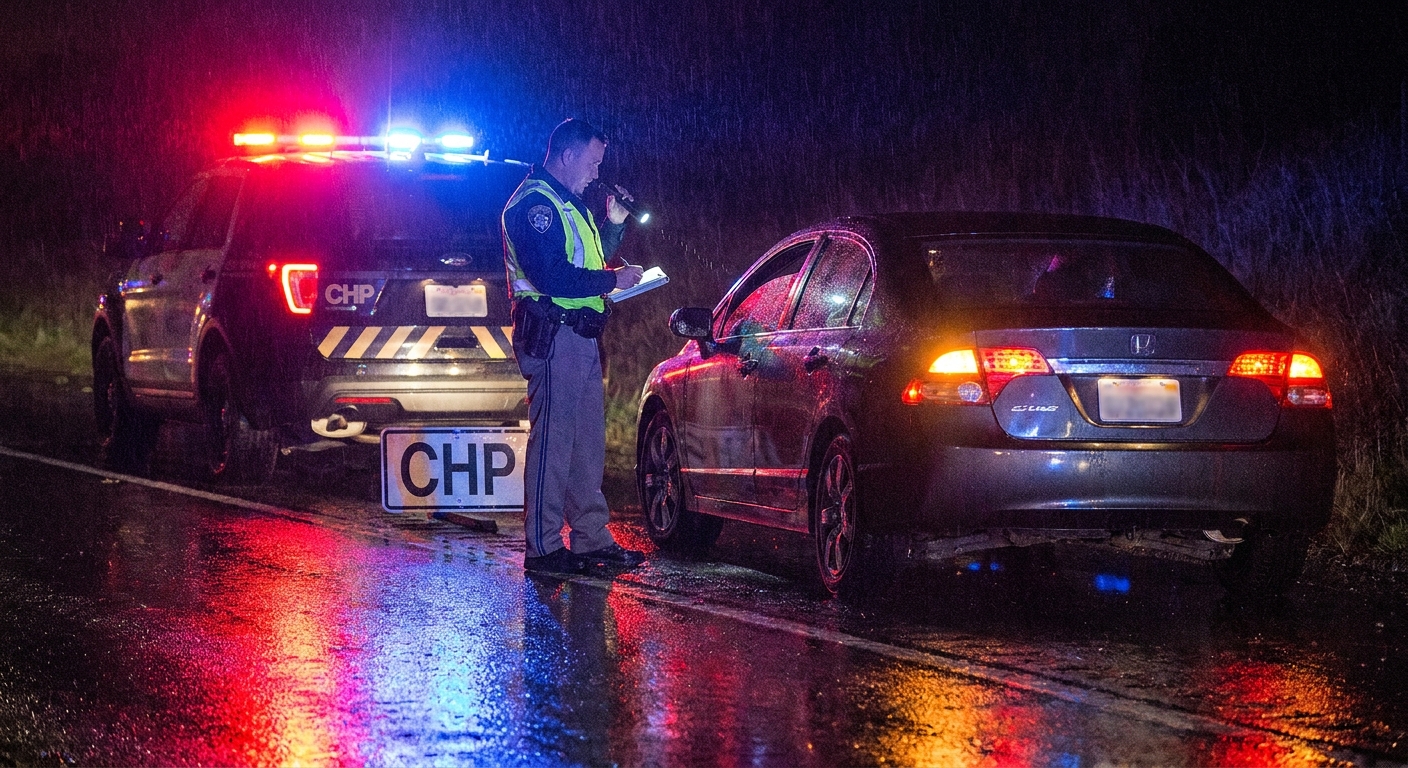
You can feel it the moment you see the lights in your mirror: the Fourth Amendment suddenly becomes very real.
Most Americans learn the warrant rule first. Police generally need a warrant to search your “persons, houses, papers, and effects” (the Fourth Amendment’s text). Cars are “effects.” So why do vehicle searches happen so often without a judge ever signing anything?
The answer is a mix of doctrine and practicality. Cars move. Evidence can disappear down the highway. The Supreme Court built a set of rules around that reality, and those rules now shape almost every roadside encounter. This article explains the automobile exception, how it differs from inventory searches, what probable cause really means in this setting, and the scenarios travelers ask about most.
Join the Discussion
The core rule in one sentence
Police may search a vehicle without a warrant if it is readily mobile (usually presumed) and they have probable cause to believe it contains evidence of a crime or contraband.
That is the automobile exception in its modern form. It is not the same thing as “they pulled you over, so they can search.” It is not the same thing as “you looked nervous.” And it is not automatically limited to what is visible from outside the car.
One important boundary: the exception is strongest for vehicles in public places. When a vehicle is on private property, especially within the home’s curtilage (like a driveway right next to the house), the rules can get more complicated. After Collins v. Virginia (2018), police generally cannot enter the curtilage to search a vehicle without a warrant, even if they would have had probable cause on the street.
Where the automobile exception comes from
The Fourth Amendment does not create a “car clause.” The exception is judge-made, starting with Carroll v. United States (1925). The Court reasoned that vehicles are inherently mobile, and that requiring officers to stop, secure, and seek a warrant in every case would often make enforcement impossible.
Over time, the Court expanded the rationale beyond mobility alone to include a reduced expectation of privacy in vehicles, partly because cars travel public roads and are heavily regulated (licensing, registration, safety requirements).
That does not mean you lose Fourth Amendment protection in a car. It means the balance is different, and the legal triggers matter a lot.
Probable cause: the real gatekeeper
In vehicle cases, the Constitution turns on the phrase people hear constantly but rarely have defined: probable cause.
Probable cause is more than a hunch. It is a set of facts that would lead a reasonable officer to believe that evidence or contraband will be found in the place to be searched. It is context-driven. It can be built from observations, reliable tips, admissions, or sensory cues. It does not require proof beyond a reasonable doubt.
Common sources of probable cause in car searches
- Odor: Courts often treat the smell of marijuana or other contraband as strong evidence supporting probable cause, but this has become highly jurisdiction-specific. In some states, cannabis legalization (and related statutes or court decisions) limits searches based on odor alone, or distinguishes between burnt and raw odor.
- Visible contraband or paraphernalia: If an officer sees drugs, open alcohol containers (depending on state law), or clearly illegal items in plain view, that can support probable cause and may also allow seizure under the plain view doctrine.
- Admissions: “There is a gun under the seat” or “I have a little weed in the console” can change the legal landscape instantly.
- Drug dog alerts: A trained dog’s alert can support probable cause if the sniff is conducted lawfully.
- Reliable information: Tips from proven informants or specific BOLO descriptions can contribute, especially when corroborated.
Mini-scenarios: how probable cause gets built
Scenario A (often enough): An officer lawfully stops a car, smells a strong odor of raw marijuana, and the driver says, “It’s in the console.” Those facts together commonly support probable cause to search areas where the drugs could be.
Scenario B (often not enough by itself): An officer stops a car for speeding. The driver is nervous, has out-of-state plates, and gives a short answer when asked about travel plans. Those facts alone often do not amount to probable cause, and may not even rise to reasonable suspicion depending on the details.
What usually is not enough by itself
- Nervousness: Many courts treat ordinary anxiety during a stop as weak evidence, because most people are nervous when pulled over.
- Out-of-state plates: Travel is not suspicion. The Constitution is not supposed to punish tourism, and courts generally require more than geography.
- Vague “furtive movements”: Sometimes this matters, but it is also an easy phrase to overuse. Courts often demand detail.
How far a search can go
Once probable cause is established, the next question is scope: where can the officer look?
In United States v. Ross (1982), the Court held that with probable cause to search a vehicle, officers can search any area of the vehicle where the object of the search could reasonably be found, including containers.
California v. Acevedo (1991) unified the container rules in a practical way. If officers have probable cause to believe a specific container in a car holds contraband, they may search that container without a warrant. And if they have probable cause as to the vehicle generally, they may search containers within it that could hold the item sought.
Scope depends on what officers are looking for
- If probable cause is for a large object (for example, a stolen television), searching a small coin pocket would be unreasonable.
- If probable cause is for drugs, small containers, bags, the center console, and other hiding places are generally within scope.
- If probable cause is for documents (for example, fraud paperwork), that can justify searching areas where papers may be stored.
Importantly, the automobile exception does not require an additional showing that the car is about to drive away at that exact moment. Modern doctrine generally treats inherent mobility as enough, even if the car is already stopped.
Auto exception vs. arrest searches
Drivers often hear an officer say, “I’m searching because you’re under arrest.” That is a different doctrine than the automobile exception.
A search incident to arrest is about officer safety and preserving evidence tied to the arrest. For vehicles, the Supreme Court narrowed this in Arizona v. Gant (2009). After Gant, police generally may search the passenger compartment incident to arrest only if:
- the arrestee is unsecured and within reaching distance of the car at the time of the search, or
- it is reasonable to believe evidence relevant to the crime of arrest might be found in the vehicle.
That second prong is not the same as full probable cause, but it still ties the search to the reason for the arrest. An arrest for driving with a suspended license, by itself, usually does not justify rummaging for evidence in the car.
When officers have probable cause that the car contains contraband, they often rely on the automobile exception instead, which can permit a broader search than Gant would allow.
Inventory searches
Some warrantless vehicle searches are not justified by probable cause at all. They are justified as inventory searches.
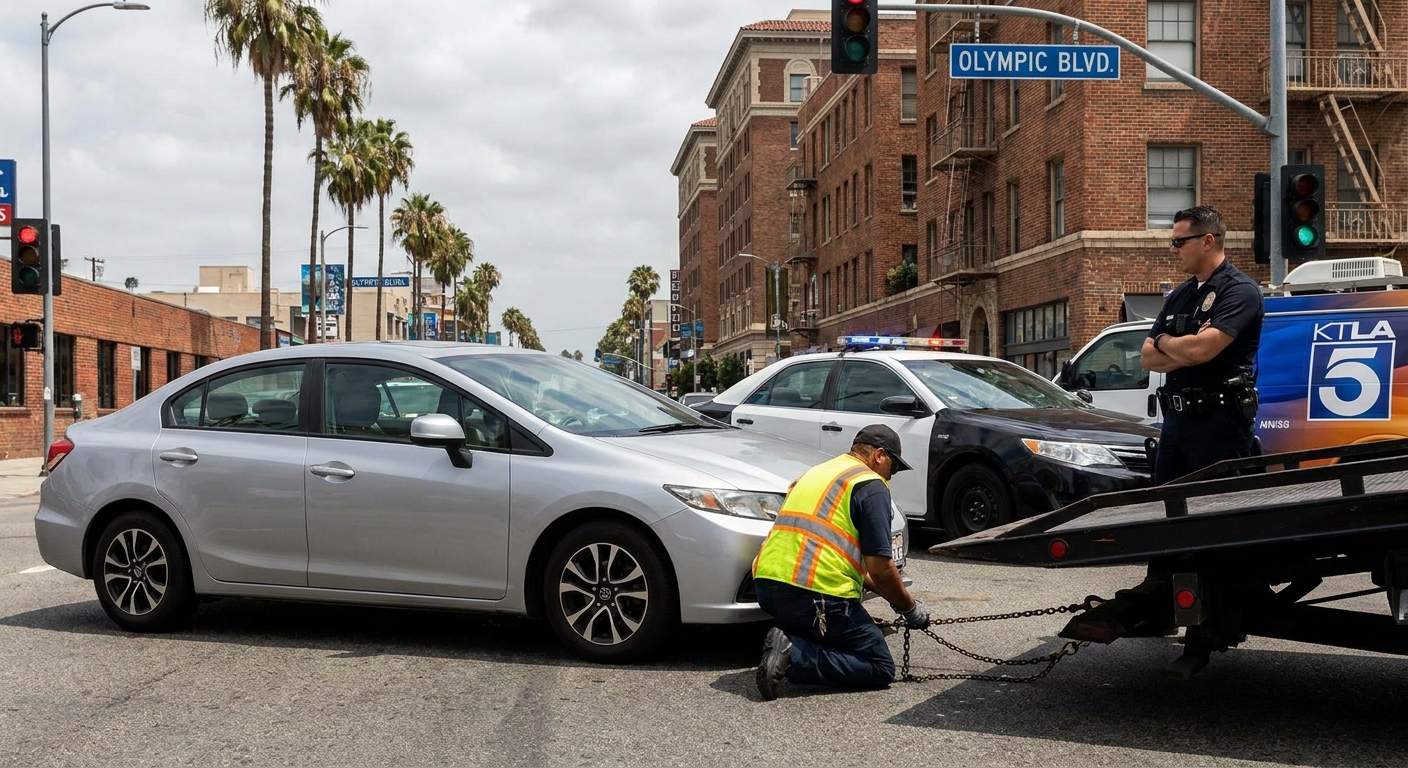
An inventory search typically happens after police lawfully impound a vehicle. The official purpose is administrative: protecting the owner’s property, protecting police from claims of theft, and ensuring there are no dangerous items left inside.
What makes an inventory search lawful
- Lawful impound: The car must be impounded for a legitimate reason under law or policy, not merely as a convenient path to search.
- Standardized procedures: Departments need consistent rules that limit officer discretion. Courts look for policy-guided conduct.
- Policy-driven, not a ruse: Courts scrutinize whether officers actually followed inventory procedures. Mixed motives can exist, but adherence to standardized criteria is often the center of the analysis.
Even when the paperwork says “inventory,” courts examine the circumstances. Was the vehicle truly impounded? Could it have been safely parked and released to a licensed passenger? Did the officer follow the same steps they would use in any impound?
Consent searches
The easiest way around a warrant is not an exception at all. It is permission.
If you consent to a search, police do not need probable cause. But consent must be voluntary, and it can be limited or withdrawn. The practical problem is that many people do not feel free to say no during a stop, even if legally they can.
Consent also raises scope questions. Agreeing to “take a quick look” does not automatically mean consent to dismantle panels. Courts analyze what a typical reasonable person would have understood the permission to include.
Common questions
“Can police search my car just because they stopped me for speeding?”
Not by itself. A traffic violation permits a stop, and it permits ordinary tasks related to that stop. It does not automatically permit a search. A search generally needs consent, probable cause (automobile exception), or some other recognized justification.
“Can they make me wait for a K-9 unit?”
The Supreme Court held in Rodriguez v. United States (2015) that officers may not extend a traffic stop, even briefly, to conduct a dog sniff without independent reasonable suspicion. That case is not about the automobile exception itself, but it controls a common route into it.
“If a dog alerts, can they search everywhere?”
A lawful dog alert often supplies probable cause, which can trigger the automobile exception. But the scope still depends on what could reasonably contain the suspected contraband. It is broader than many people expect, and it often includes containers.
“What about my trunk?”
If probable cause supports searching for an item that could be in the trunk, the automobile exception can extend there. If the facts only support probable cause for something located in the passenger area, the trunk may be harder to justify. Courts look at the story the facts tell.
“What about locked containers?”
Locked containers inside a vehicle can be searched under the automobile exception if probable cause extends to them and the object sought could be inside. The legal analysis is about scope, not about whether the container is convenient to open.
“Can they search my passenger’s bag?”
If officers have probable cause to search the vehicle for contraband, the search can extend to containers in the car that could hold it, even if the container belongs to a passenger. The Supreme Court addressed this in Wyoming v. Houghton (1999).
“I was pulled over near the border. Do different rules apply?”
Yes. Border searches and certain immigration checkpoints involve additional doctrines that can relax warrant and probable cause requirements. That is a separate Fourth Amendment universe from the standard automobile exception, and it deserves its own careful analysis.
Where Terry fits
Many roadside encounters begin as a brief investigative detention, not a full arrest. That is where Terry v. Ohio (1968) enters the picture. Terry is about stops and limited pat-downs based on reasonable suspicion, mainly for officer safety.
Vehicle stops often borrow Terry-style logic: an officer can control the scene, may order occupants out in many circumstances, and may take protective steps when there is reason to believe someone is armed and dangerous.
That protection has a car-specific counterpart. In Michigan v. Long (1983), the Court allowed a limited protective search of a vehicle’s passenger compartment for weapons when officers have reasonable suspicion that the person is dangerous and may gain immediate control of weapons. This is not a full evidence search. It is a safety-based, scope-limited sweep of areas where a weapon could be placed or hidden.
But Terry does not automatically authorize a full vehicle search. A protective sweep of areas within reach for weapons is one thing. A thorough search for evidence is another. When the search turns investigative, the Constitution usually demands probable cause (automobile exception) or consent, not merely reasonable suspicion.
If you want the deeper mechanics of reasonable suspicion and the boundaries of a Terry stop, see our separate explainer on Terry stops and reasonable suspicion.
Plain view and digital limits
Two recurring points are easy to miss in car-search conversations.
Plain view: If an officer is lawfully present and immediately recognizes an item as contraband or evidence, the plain view doctrine can allow seizure. In practice, plain view often becomes part of the probable cause story that supports a broader automobile-exception search.
Phones and digital data: Finding a phone in a car does not mean police can start searching its contents. As a general rule, searching a phone’s digital contents requires a warrant under Riley v. California (2014), even when officers lawfully seized the device.
How courts review a car search
Suppression fights tend to revolve around a few recurring questions:
- Was the stop lawful? If the initial stop is invalid, later discoveries may be excluded as fruit of the poisonous tree.
- Was the stop unlawfully extended? Time matters. So does mission creep.
- What exactly created probable cause? Courts examine the officer’s stated facts, credibility, and any video or audio.
- Was the search within scope? The “could the item fit there?” test sounds simple until it is applied container by container.
- Was it really an inventory search? Policies, impound reasons, and consistency become central.
- Was consent voluntary and limited? The words used, the setting, and whether consent was withdrawn all matter.
- Was the car in a protected area? Location can change everything, especially when officers enter curtilage to get to the vehicle.
The tension
The automobile exception is one of the clearest examples of how Fourth Amendment law is built. The text gives a principle, and the Court builds doctrines around practical pressures.
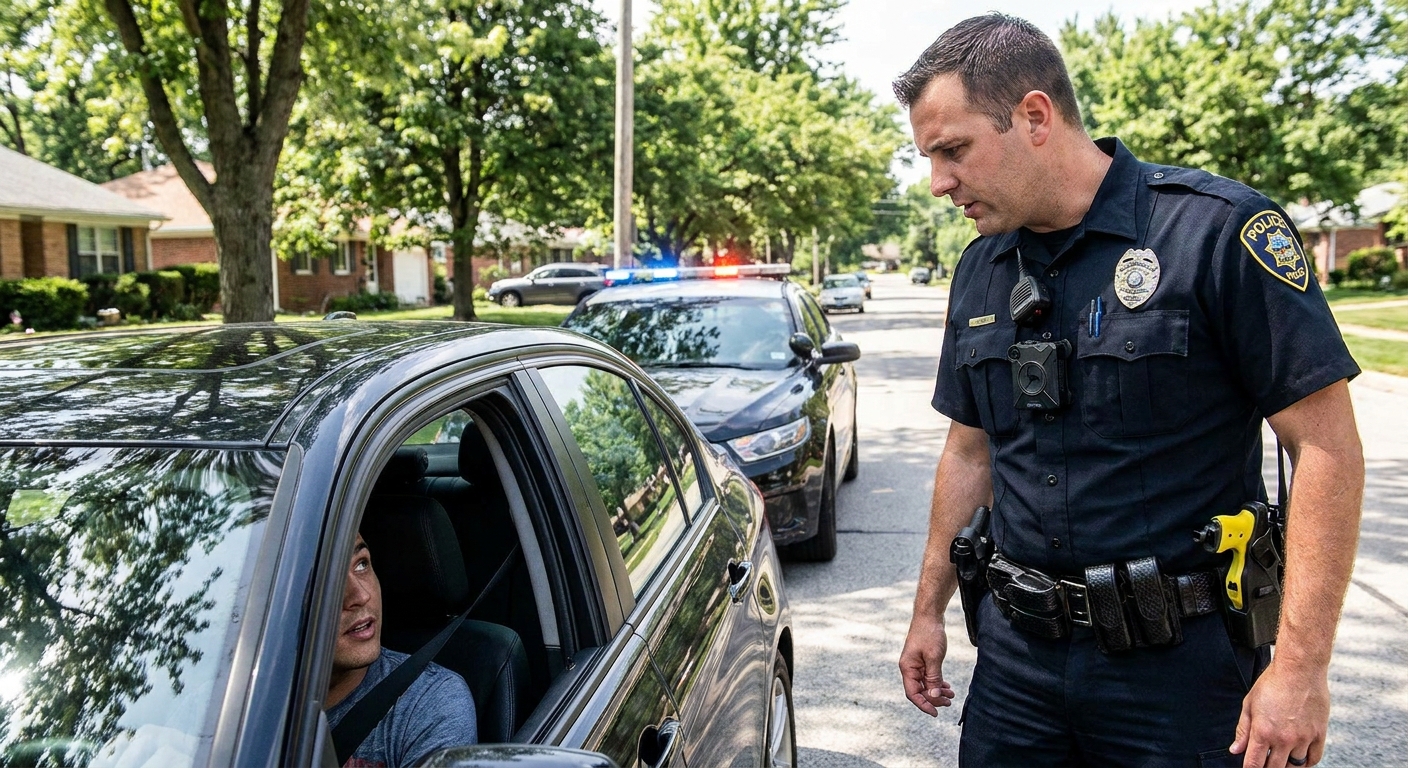
Cars are not homes. But they are not open fields either. They are where people store medication, luggage, private letters, phones, and the quiet pieces of their lives. That is why the legal threshold matters. If probable cause becomes a reflex word instead of a real constraint, the exception stops being an exception and becomes the rule.
The Fourth Amendment does not promise that police will never search a car without a warrant. It promises that when they do, they must be able to explain why in constitutional terms that hold up after the adrenaline fades and the courtroom lights come on.
Quick takeaways
- Traffic stop is not search authority. A stop alone does not allow a search.
- Automobile exception requires probable cause. And it generally assumes a readily mobile vehicle, typically in a public place, not deep inside protected private areas like curtilage.
- Scope is fact-specific. With probable cause, police can search places in the vehicle where the sought item could be found, including containers, consistent with Ross and Acevedo.
- Inventory searches are administrative. They require lawful impound and standardized procedures, and courts scrutinize whether policy was actually followed.
- Consent changes everything. Voluntary permission can authorize a search without probable cause, but it can be limited or withdrawn.
- Terry and Long are about safety. They can justify limited protective steps, not an evidence hunt.
- Digital searches are different. A lawful car search does not automatically authorize searching a phone’s contents.