
Constitutional Topics
Browse articles in Constitutional Topics on U.S. Constitution
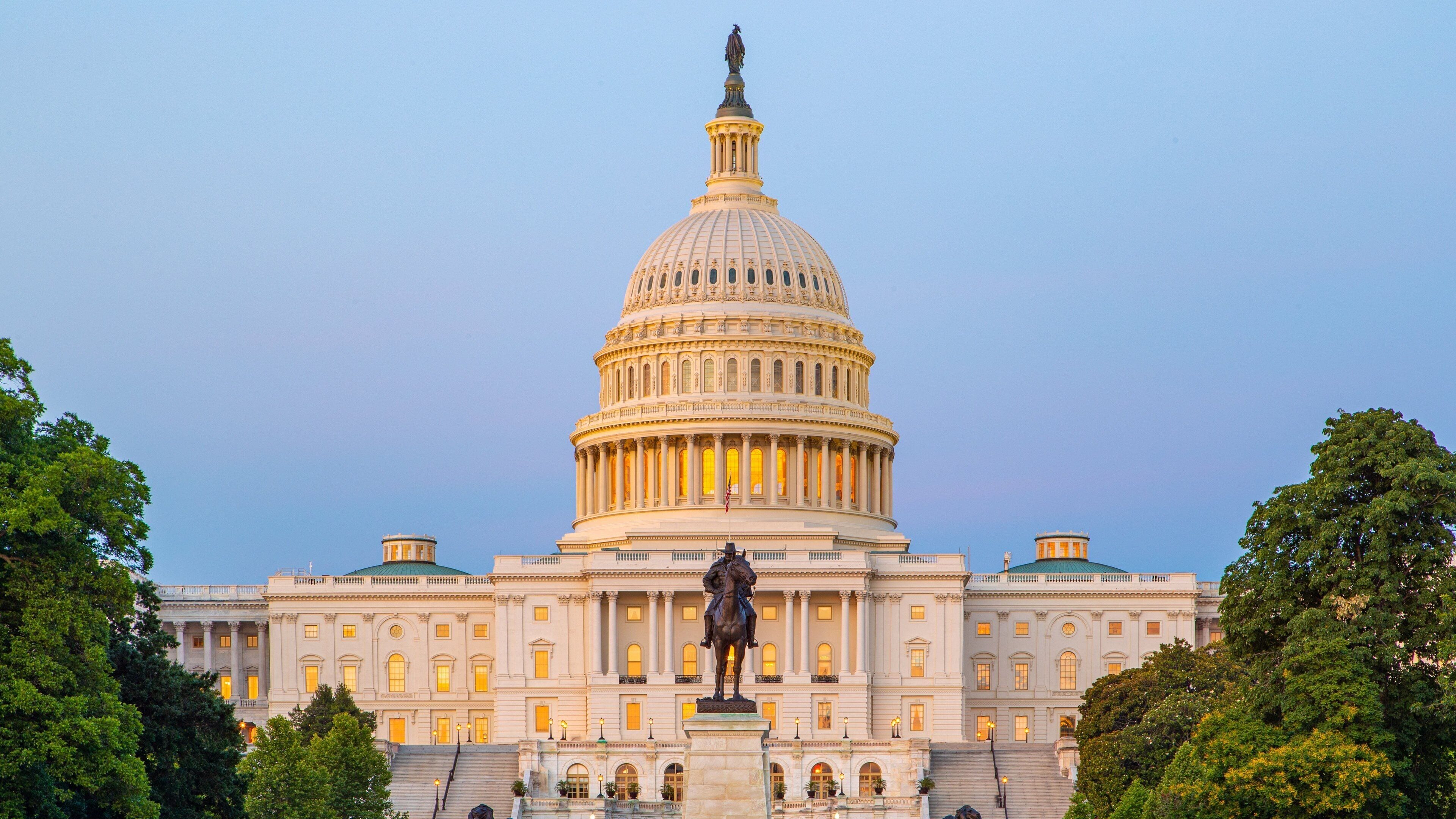
Abolish the Senate, Replace Capitalism: What Happens to Checks and Balances?
Every few years, American politics rediscovers an old temptation: if the system is frustrating, simplify it. Make it more direct. More majoritarian. More immediate. A recent video clip making the rounds online captures that impulse in its most blunt form. In it, Ashik Siddique, identified as a...
Read more →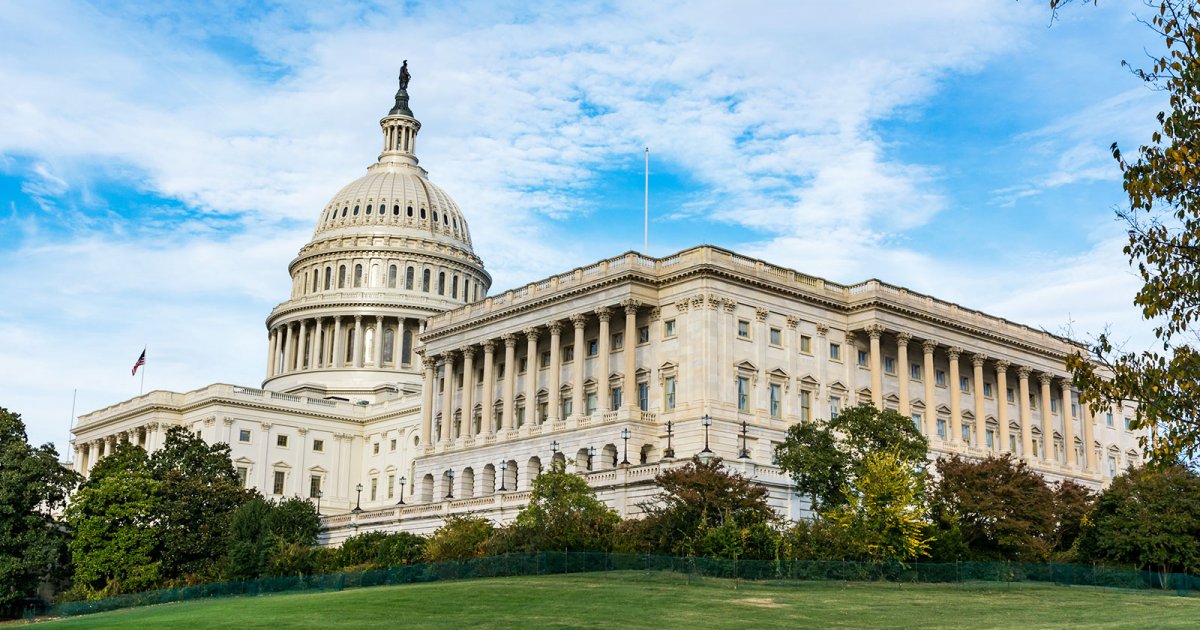
Can a Lawmaker’s Spouse Win a $2 Billion Courthouse Contract?
When a news story suggests that a major public construction contract could benefit the spouse of an elected official, the public question is immediate and reasonable: is that even allowed ? To be concrete, that question has circulated in Massachusetts in connection with U.S. Representative Ayanna...
Read more →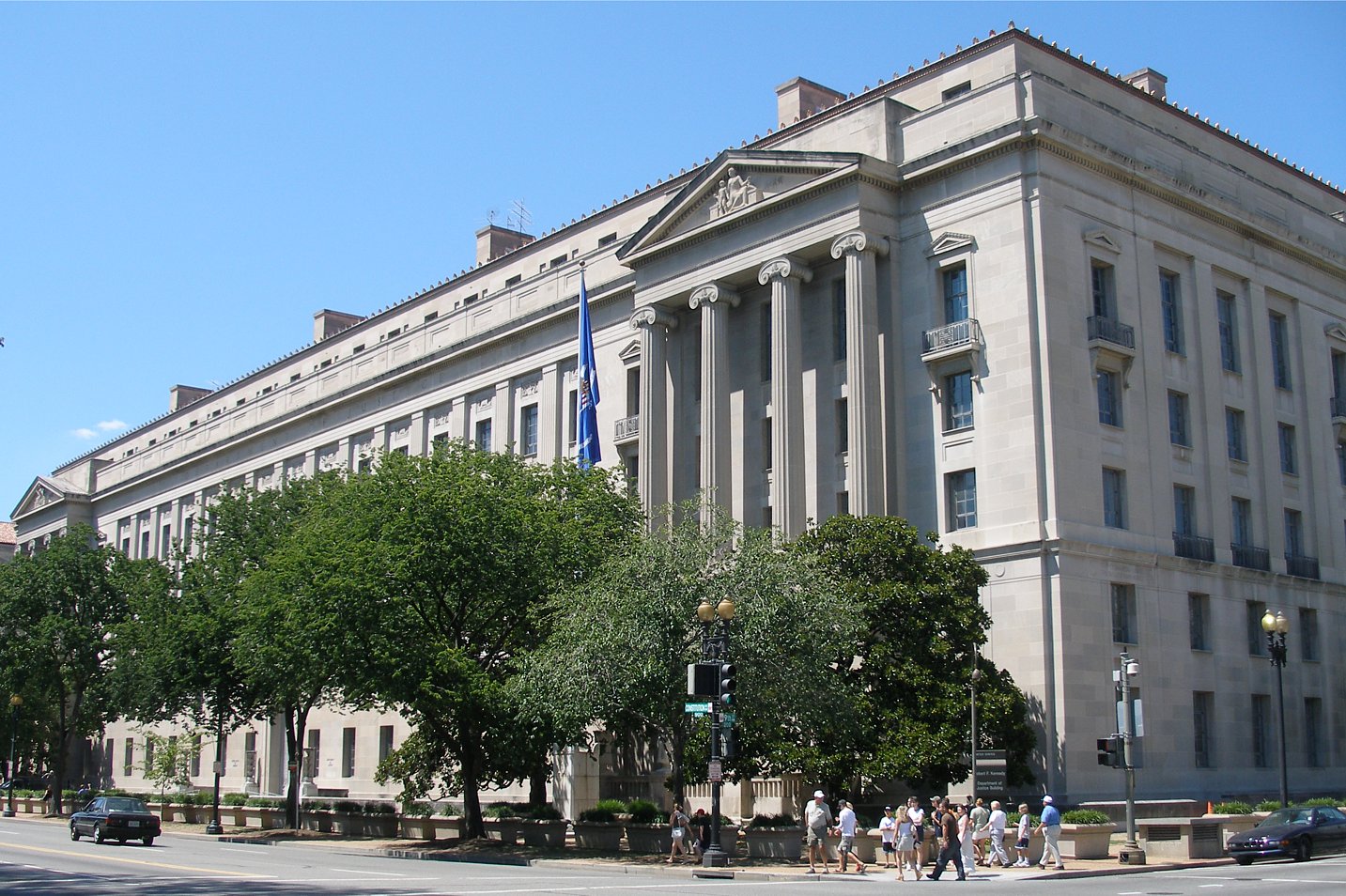
Can a President Fire a U.S. Attorney? What the Seattle Removal Shows
The headline out of Seattle feels like a civics exam written by a prankster: a U.S. attorney , Roger Rogoff, was sworn in by federal judges and then reportedly removed within the hour after an announcement by Todd Blanche. People searching today are not really asking about one officeholder. They...
Read more →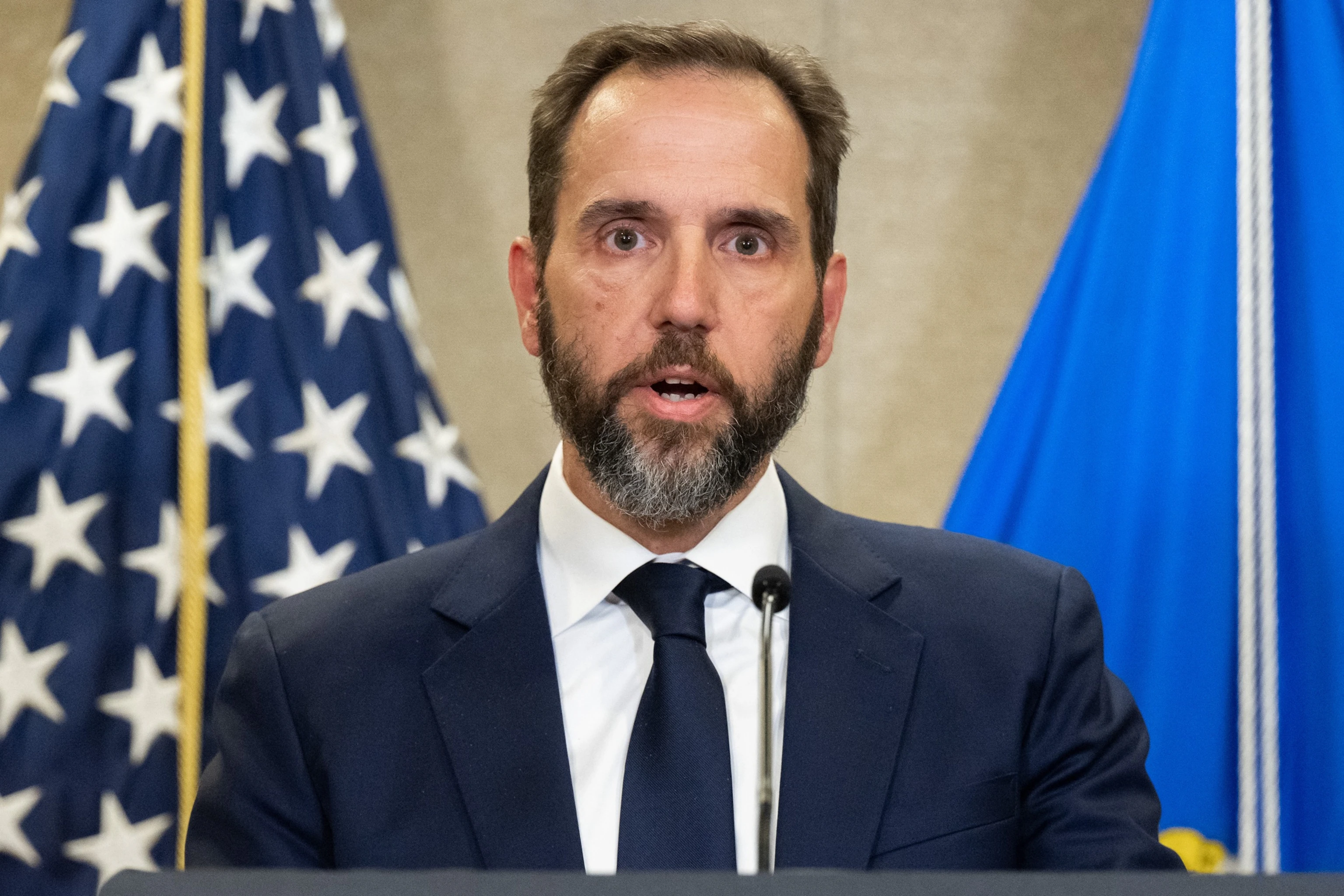
Can a Special Counsel Collect Lawmakers’ Texts?
News stories about a special counsel “scooping up” text messages involving dozens of members of Congress land with a particular kind of constitutional charge. Not because texts are inherently sacred, but because of who is collecting them and whose communications are being collected. When the...
Read more →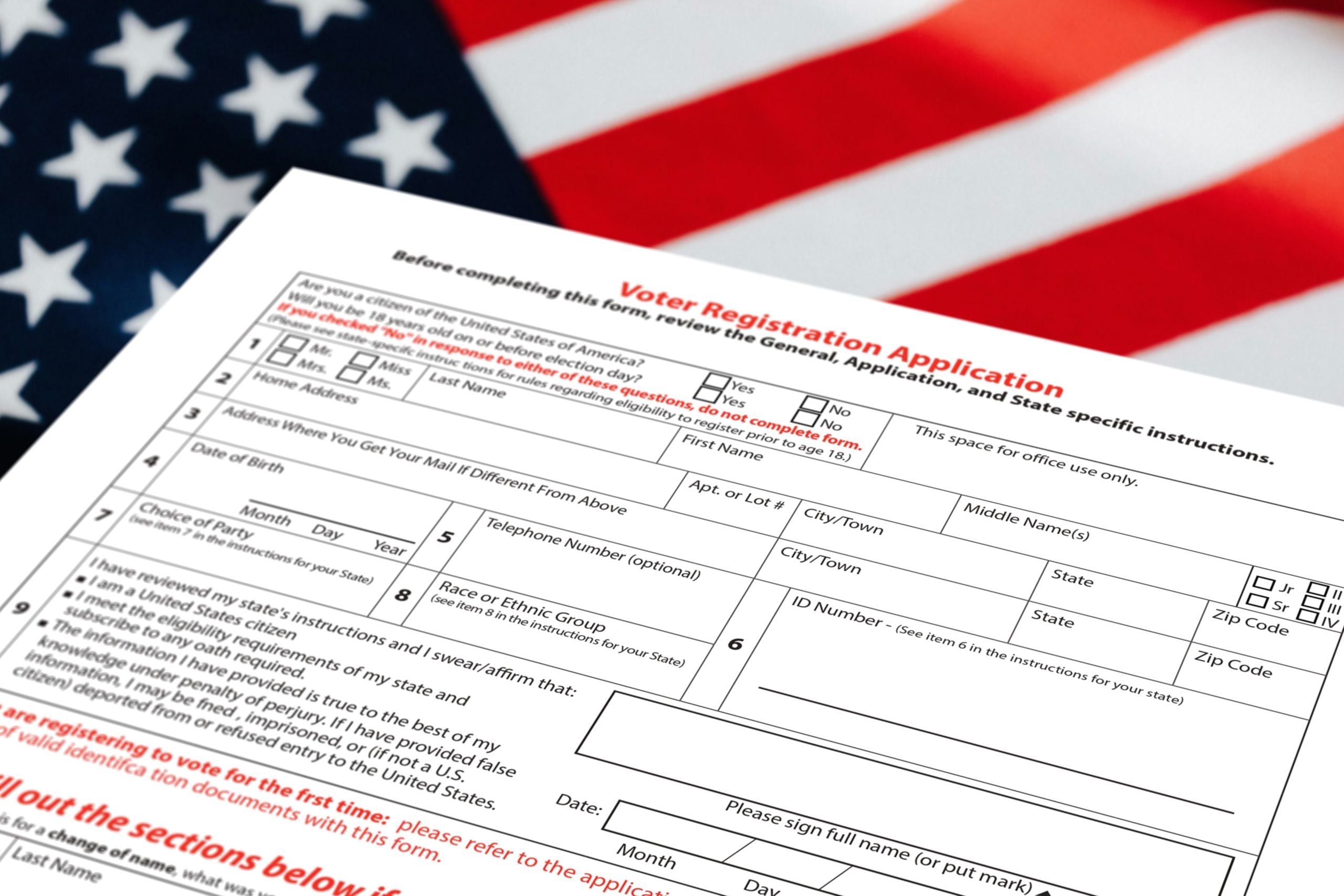
What Is the SAVE Act?
When a voting bill suddenly shows up in the same sentence as budget reconciliation , it is a clue that today’s fight is not only about election rules. It is about how Congress can pass them. The SAVE Act (Safeguard American Voter Eligibility Act), H.R. 8281 , has circulated as an “election...
Read more →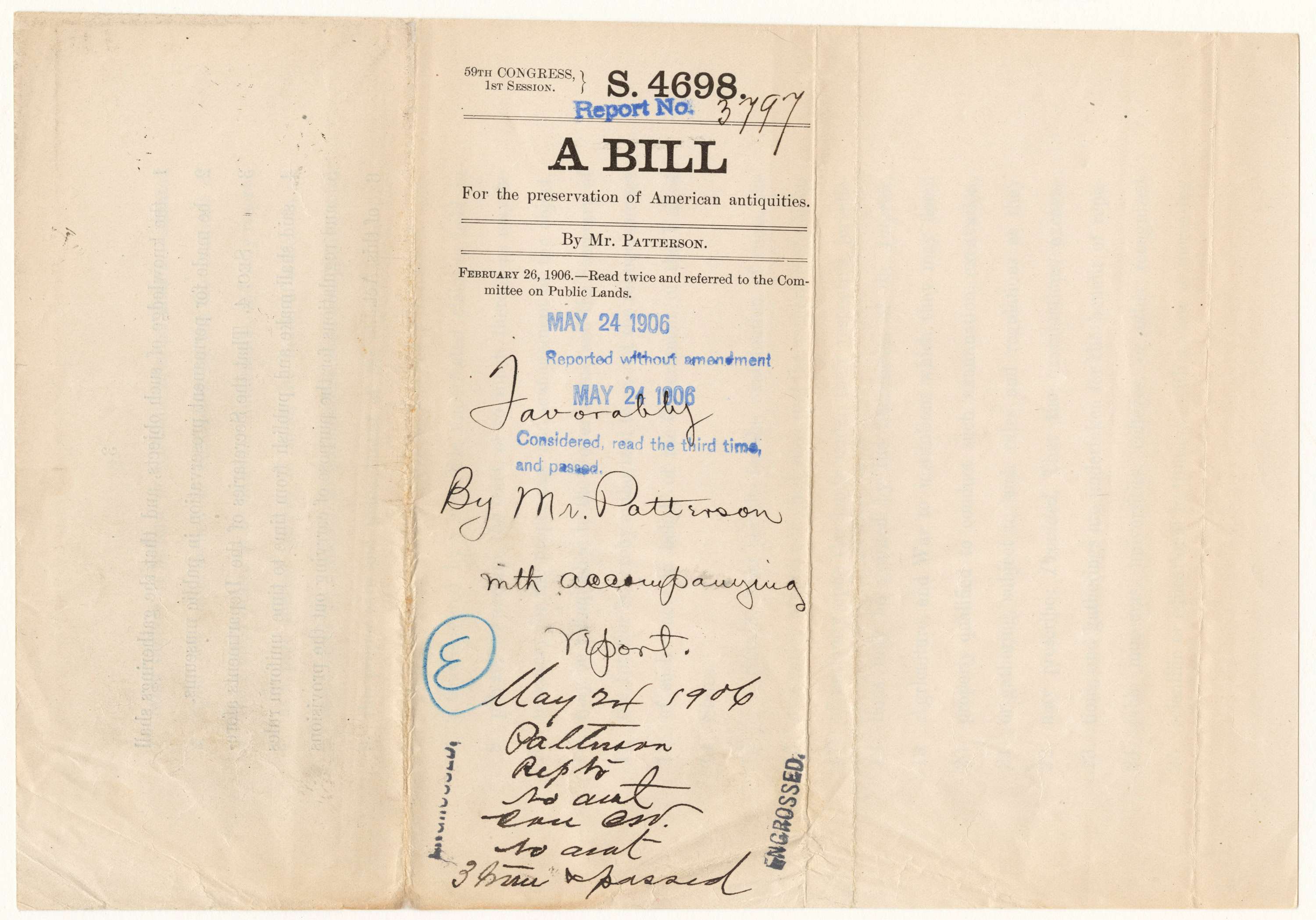
Can a President Shrink National Monuments? The Antiquities Act Explained
When a president announces that a national monument will be cut down to size, the fight is not just about acres. It is about which branch of government controls federal land, and whether a statute written in 1906 gives the president a one-way power or a two-way power. Today’s news cycle is reviving...
Read more →
The Supreme Court ‘Slaughter Case’ and Presidential Power to Fire Federal Officials
People are searching for a “Supreme Court Slaughter Case” because a recent social media post claims the Court just issued a historic ruling “confirming Presidential Power” under Article II. The post also implies that decades of precedent dating to the 1930s have fallen. Here is the key...
Read more →
Why a Judge Ended the Proud Boys Jan. 6 Case, Constitutionally
The short version is straightforward, and it is procedural, not mystical: when presidential clemency documents are filed in a federal criminal case after conviction, the court can enter an order implementing them . That kind of order requires the court to stop enforcing whatever parts of the...
Read more →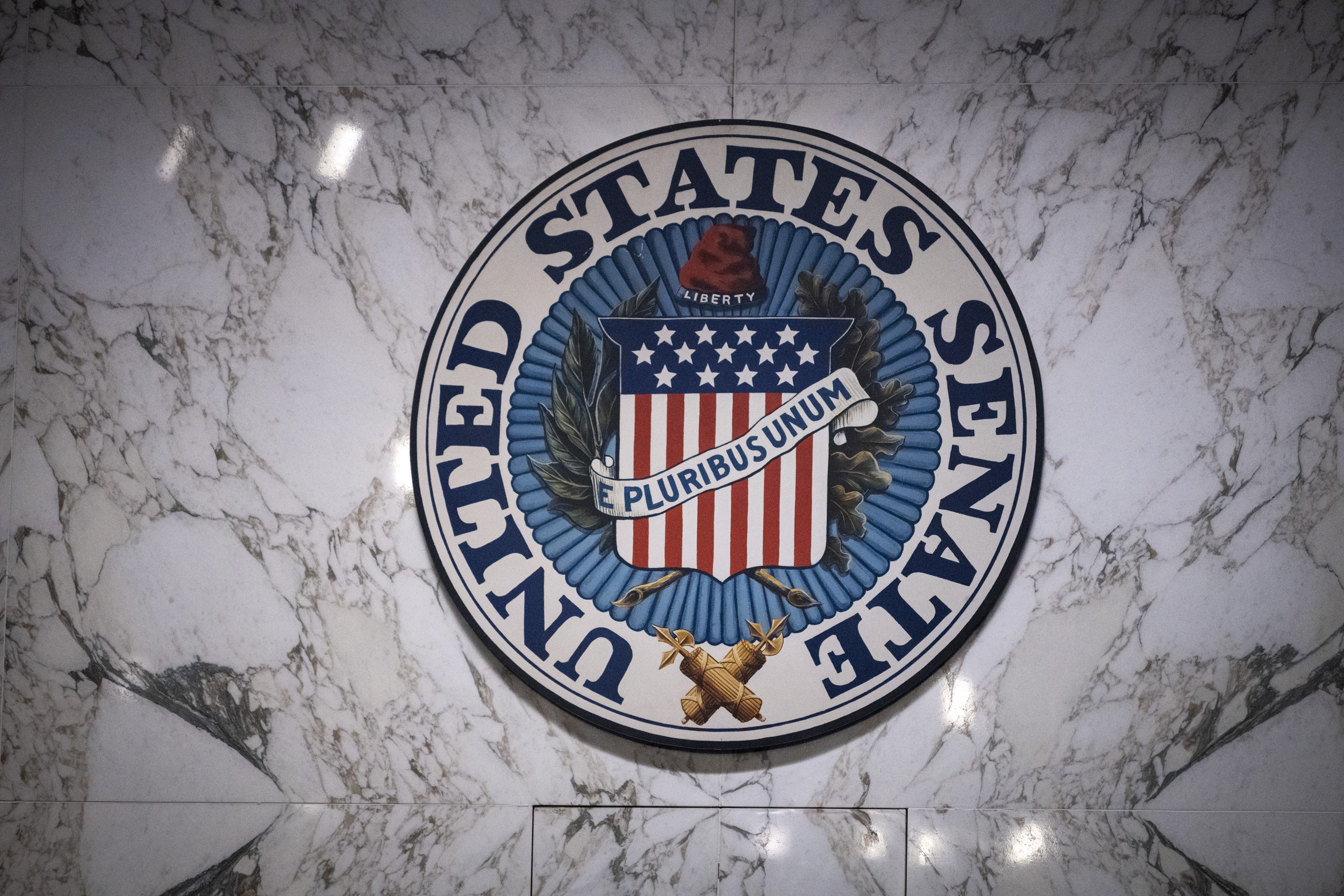
Can a Senator Serve While Seriously Ill?
A U.S. senator can be seriously ill, miss weeks or months of Senate business, and still remain a senator. That is not a loophole. It is a design choice rooted in two ideas that sit in tension with each other: the Senate is empowered to govern its own membership, and the public is expected to supply...
Read more →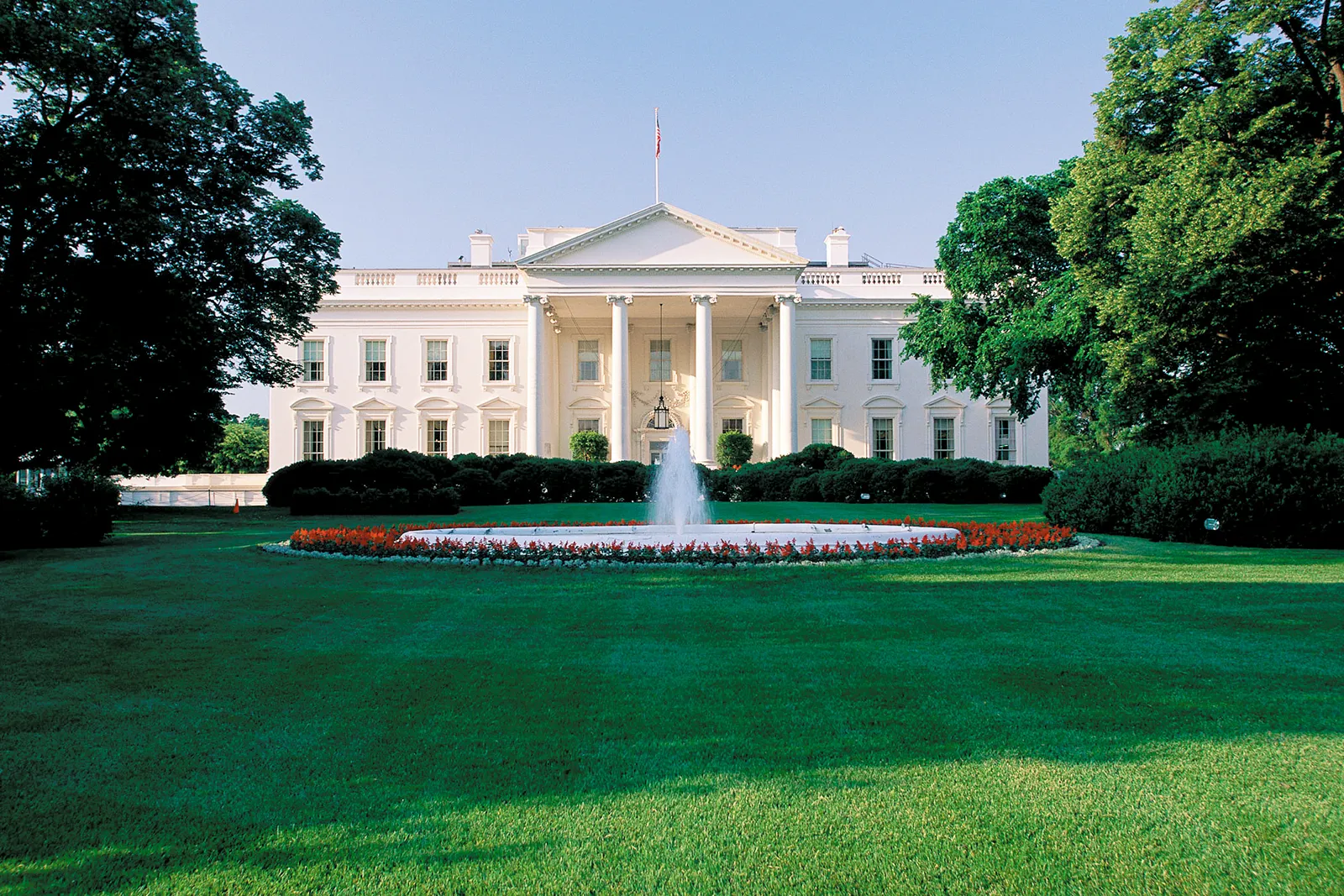
Who Pays to Fix the White House?
The White House is one of the few places in America that is simultaneously a private residence, a high-security workplace, a museum, a ceremonial stage, and a federal asset maintained through formal government channels. That mix is why today’s viral claims about “fixing” or “restoring” the White...
Read more →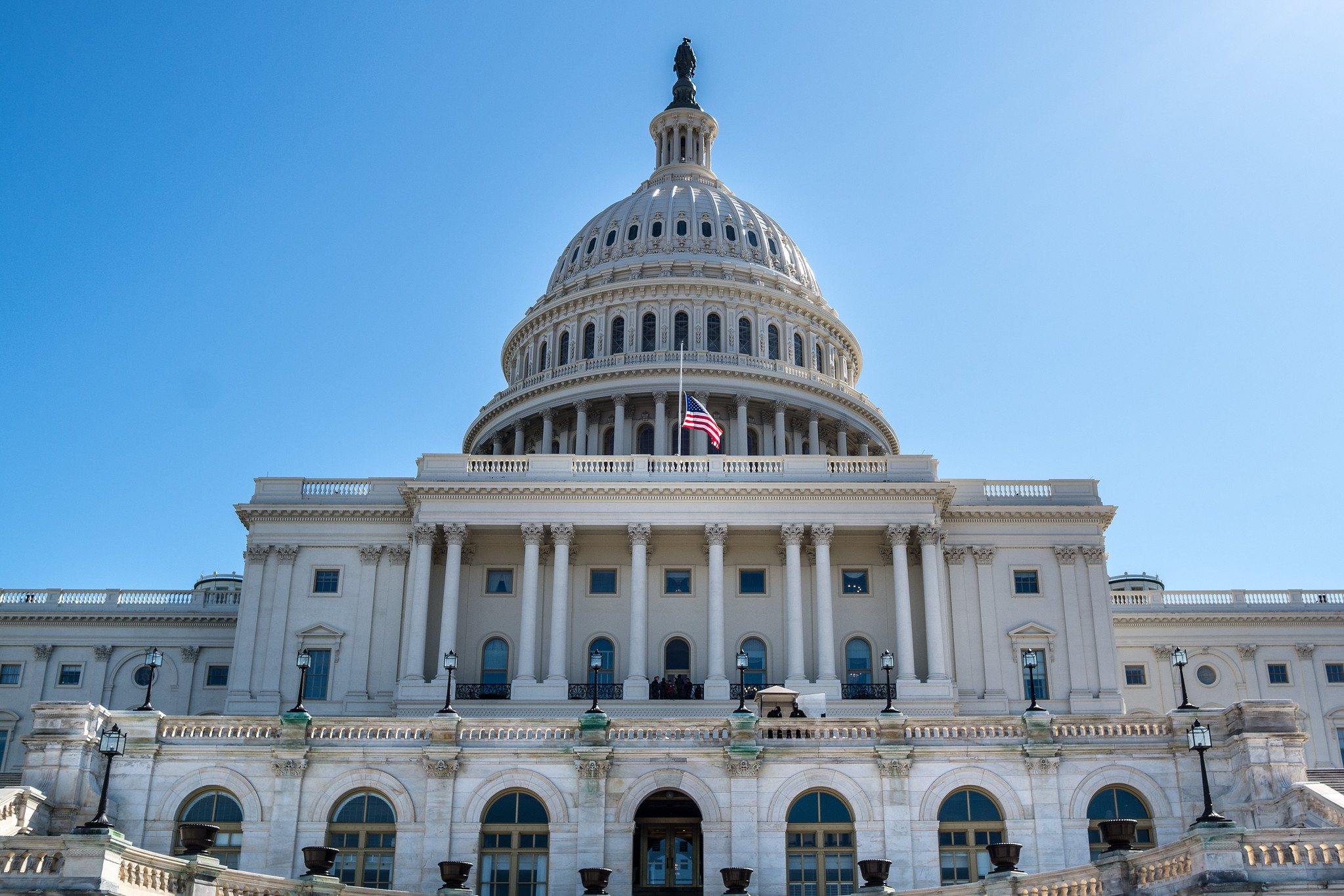
Can the President Order Military Strikes Without Congress?
When a president publicly signals that military strikes are prepared, it triggers a very American question: can the President actually order military force without Congress? The Constitution splits war powers on purpose. Article II makes the president commander in chief. Article I gives Congress...
Read more →
Campaign Spending, Bribery, and Foreign Influence: What Federal Election Law Allows
Every election cycle, someone calls a big outside spending blitz “legalized bribery.” The phrase is emotionally satisfying because it captures a real discomfort: money can buy access, attention, and time. But in U.S. law, bribery is a narrow crime, campaign spending is a heavily regulated system...
Read more →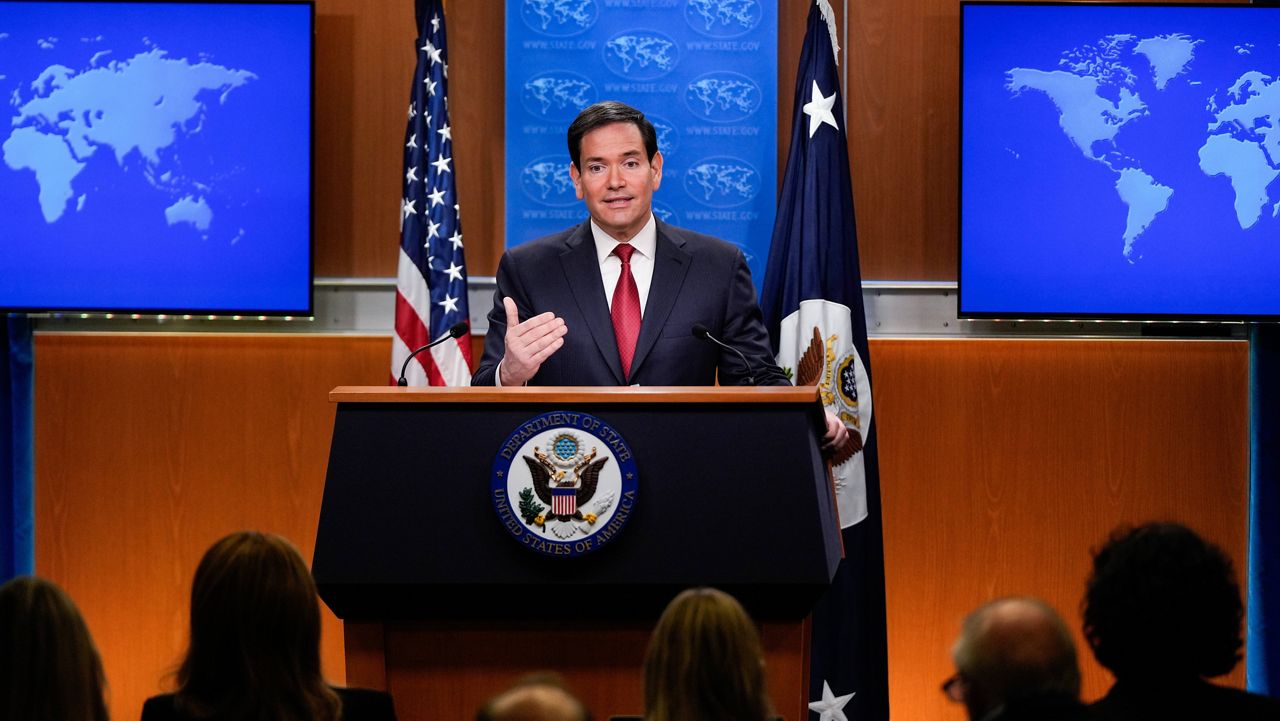
Why Rubio Is Trending: Green Cards, Pardons, and Who Controls Immigration
When a politician trends, it is rarely because the public suddenly discovered a love for statutory citations. “Secretary Rubio” surged on X because two immigration-enforcement storylines hit the algorithm on the same day, and both were framed as a simple morality play: remove the “undeserving,”...
Read more →
Can the Senate Be Abolished?
Every few years, a proposal resurfaces that sounds like the ultimate political shortcut: get rid of the U.S. Senate, streamline Congress into a single democratic body, and make government “work” again. This time, the idea is not just a think-tank hypothetical. In the Democratic Socialists of...
Read more →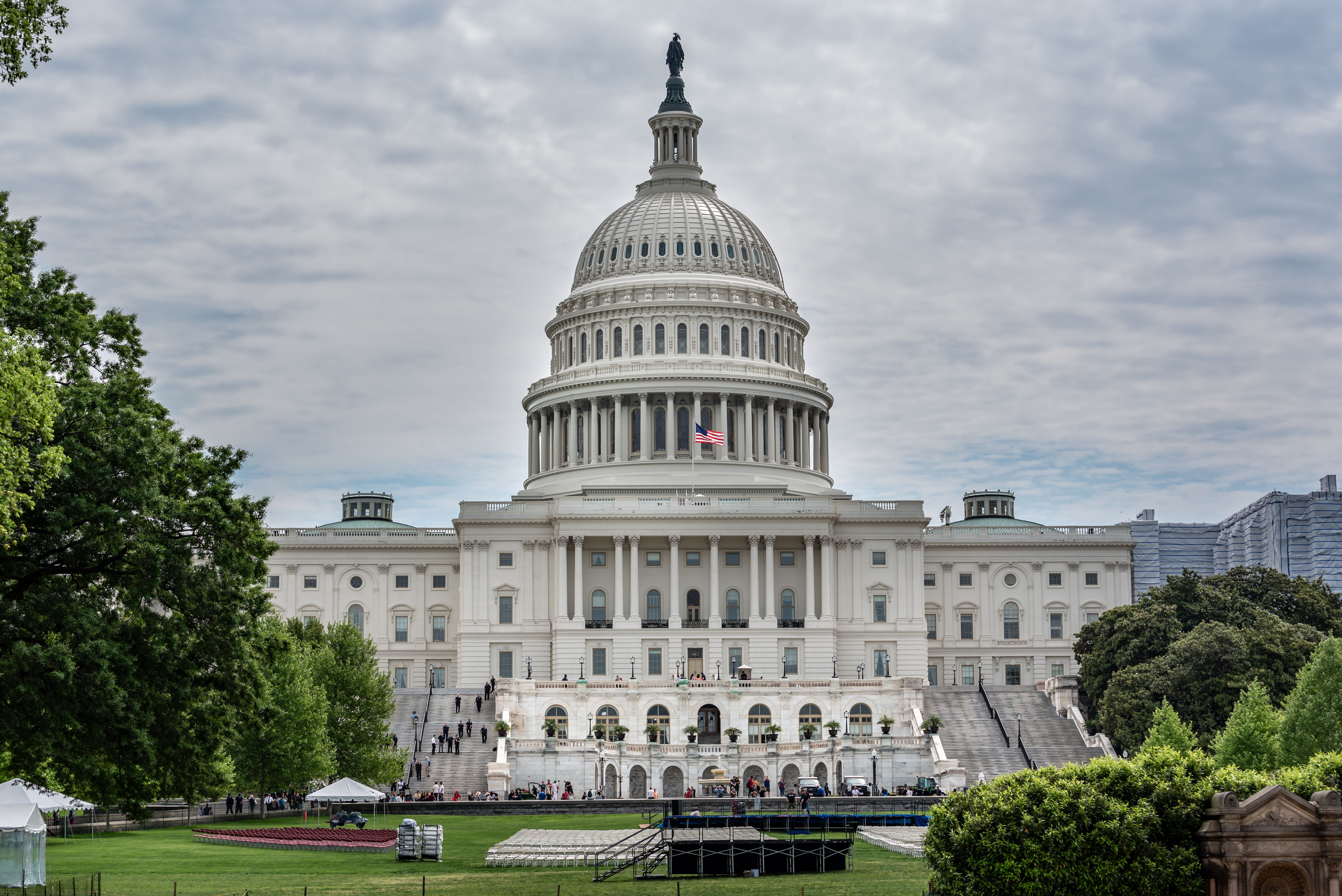
What Is the SAVE Act? Voter ID, the Filibuster, and the Constitution
The SAVE Act is one of those bills that sounds simple in headlines and gets complicated the moment you ask a constitutional question: Who gets to set the rules for federal elections? Right now, the news hook is procedural and political. The bill’s prospects shift when individual senators are...
Read more →
Budget Reconciliation and the SAVE AMERICA Act: What Congress Can Do Under the Constitution
When a political figure calls for “Reconciliation 3.0” (shorthand for a third major budget-reconciliation package this Congress) and pairs it with a sweeping-sounding bill like the “SAVE AMERICA Act,” the immediate question people ask is procedural: Can Congress really do that quickly, and can it...
Read more →
How the Smithsonian Works: Funding, Oversight, and the Constitution
The Smithsonian is back in the headlines after the White House released a report criticizing the National Museum of American History for what it described as “extreme political activism” and a move away from “straightforward education.” Whatever you think of that critique, the larger question...
Read more →
Supreme Court Transgender Athlete Cases Explained: Title IX and Equal Protection
The headline version of these cases is easy to summarize and hard to understand: whenever a dispute over transgender eligibility in school sports reaches the Supreme Court, politicians and advocates instantly treat it like a cultural Rorschach test. The legal version is different. The Court’s...
Read more →
Presidential Pardon Power Explained
When a president announces a fresh round of pardons, the same question spikes in search traffic for a reason: the power looks almost unlimited. And in one narrow sense, it is. In a public statement, President Donald J. Trump said he had “signed Pardons for six people,” described them as...
Read more →
Can Congress End the Filibuster and Expand the Supreme Court?
When a political post warns that a party will “terminate the filibuster” and “expand the Supreme Court,” it is trying to trigger a particular civic reflex: Is that even constitutional? Here is the twist. Some of the biggest procedural earthquakes people fear are not blocked by the Constitution...
Read more →